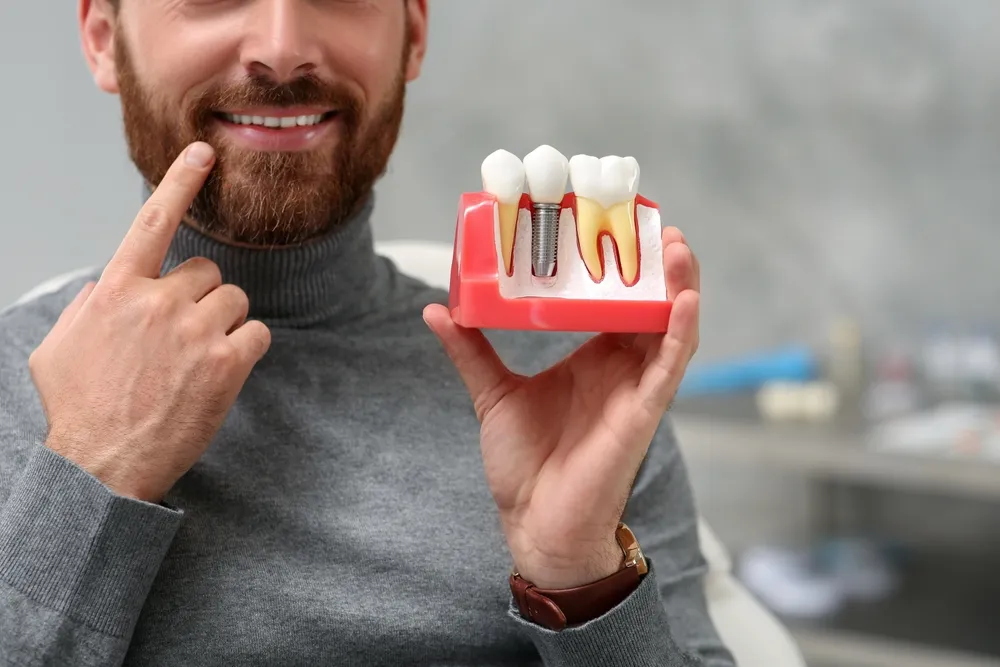
Irish patients can save between 60% and 75% on zirconia dental implants by choosing treatment in Turkey instead of Ireland. A single zirconia implant costs approximately €600 to €1,200 in Turkey, while the same procedure costs €2,500 to €4,500 in Ireland. Full-mouth zirconia restorations can cost €8,000 to €15,000 in Turkey versus €30,000 to €60,000 in Ireland.
Zirconia dental implants have gained significant attention in modern dentistry. Patients across Europe now seek this metal-free alternative for tooth replacement. Irish patients increasingly compare costs between Turkey and Ireland before making treatment decisions. Turkey offers world-class dental facilities at substantially lower prices. Ireland maintains high clinical standards but charges premium rates for implant procedures. This guide provides detailed cost comparisons, safety considerations, and practical advice for Irish patients considering zirconia implants in Turkey. Readers will learn exact price differences, what treatment packages include, how to evaluate clinic quality, and how to plan travel logistics.
What Are Zirconia Dental Implants?
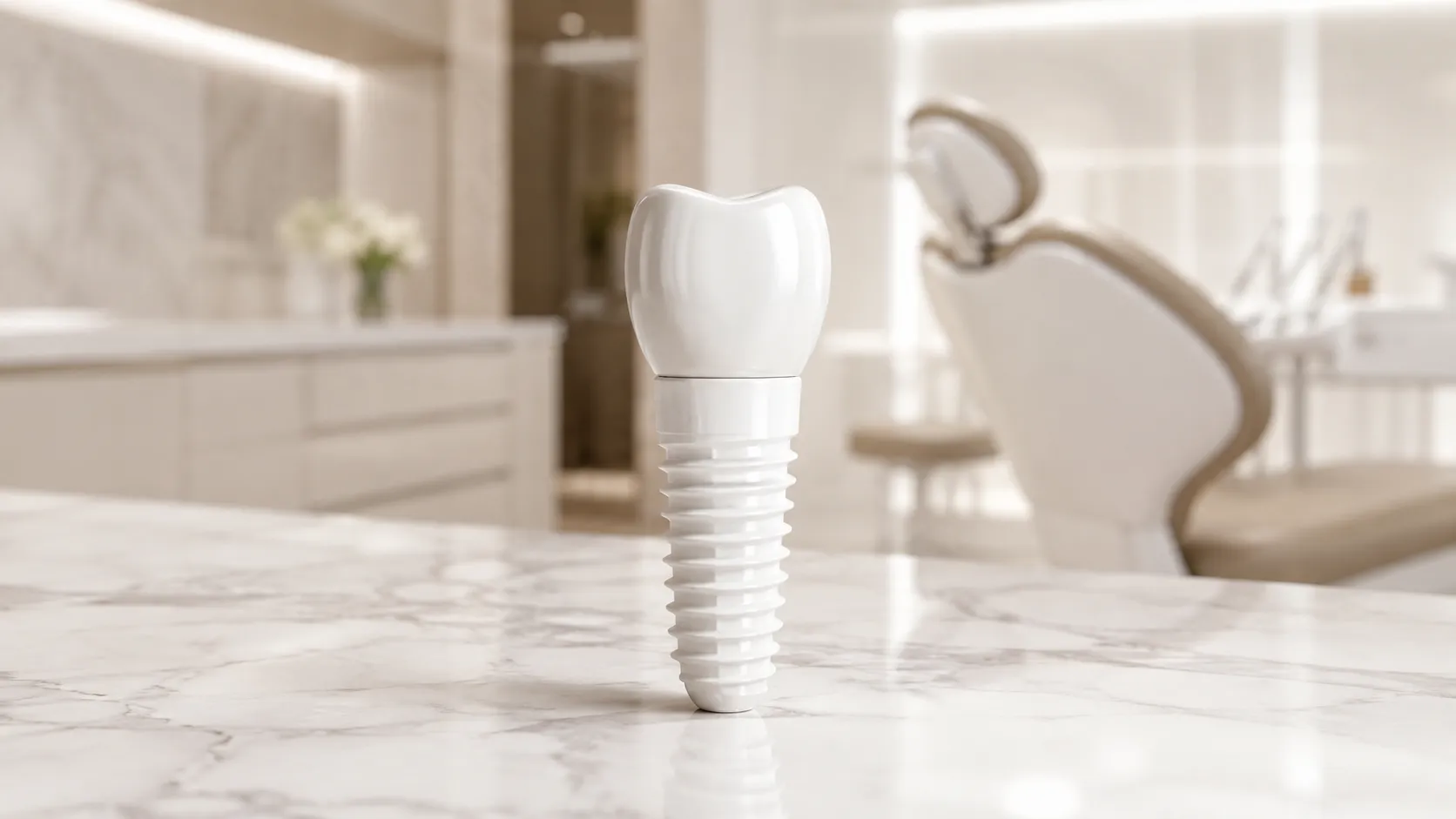
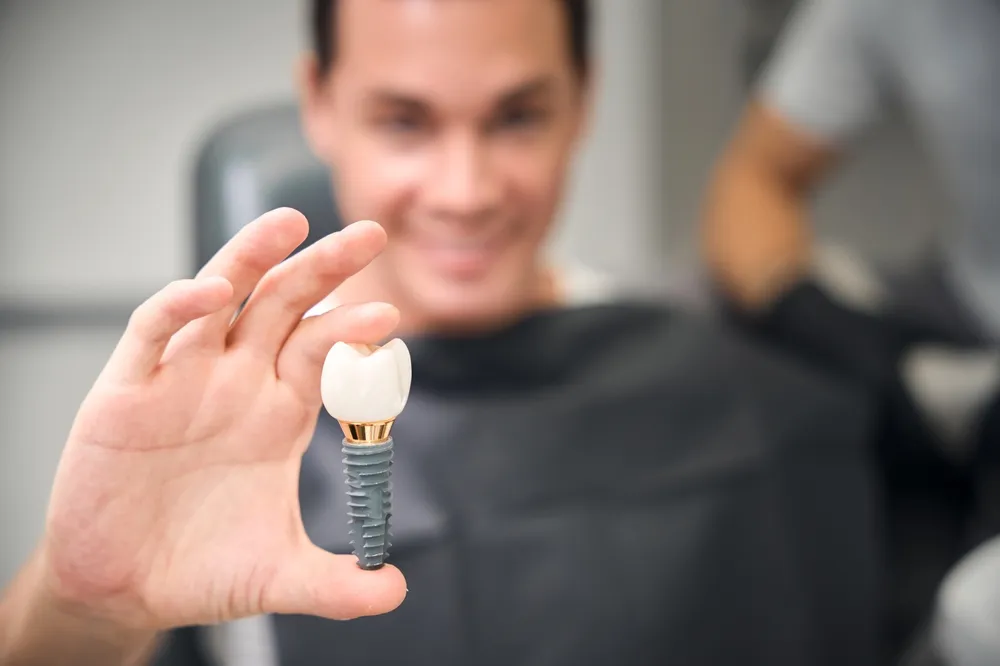
Zirconia dental implants are white, ceramic tooth roots made from zirconium dioxide. They replace missing teeth without using metal.
Zirconia dental implants serve as artificial tooth roots. Dentists place them directly into the jawbone. These implants support crowns, bridges, or full-arch restorations. Zirconia comes from zirconium dioxide. This ceramic material offers exceptional strength and biocompatibility. Unlike traditional titanium implants, zirconia implants contain no metal. This feature makes them ideal for patients with metal sensitivities. Zirconia implants also provide superior aesthetic results because they match natural tooth color. The material resists corrosion and does not conduct electricity or heat. Modern manufacturing processes produce high-purity zirconia with excellent mechanical properties. Dental professionals use zirconia implants for single-tooth replacements, multiple-tooth restorations, and full-mouth rehabilitations.
What Makes Zirconia Different from Titanium Implants?
Zirconia implants contain no metal, offer better aesthetics, resist plaque buildup, and suit patients with titanium allergies. Titanium implants have longer clinical track records and higher fracture resistance.
Zirconia and titanium implants serve the same purpose but differ in material composition. Titanium implants have dominated implant dentistry for over four decades. They offer proven long-term success rates and excellent osseointegration. However, titanium implants can show gray lines through the gums in patients with thin soft tissue. Zirconia implants eliminate this problem because they remain white. Zirconia also demonstrates lower bacterial adhesion compared to titanium (Scarano et al., 2014). This property reduces the risk of peri-implantitis. Patients with metal allergies or sensitivities often choose zirconia. Titanium implants generally withstand higher mechanical loads. Zirconia implants can fracture under extreme stress. Both materials achieve excellent osseointegration when dentists place them correctly.
Who Is a Good Candidate for Zirconia Implants?
Good candidates include patients with metal allergies, thin gum tissue, high aesthetic demands, and adequate bone volume. Patients with heavy bite forces or bruxism may need careful evaluation.
Dentists evaluate several factors before recommending zirconia implants. Patients with documented metal allergies qualify immediately. Patients with thin gingival biotypes benefit because zirconia prevents gray shadowing. Non-smokers with good oral hygiene show better outcomes. Patients must possess adequate bone volume to support the implant. Those with bruxism or heavy occlusal forces require special consideration. Zirconia implants work well in the anterior region where aesthetics matter most. Patients seeking holistic or metal-free dentistry prefer zirconia. Age does not limit candidacy. However, dentists recommend implants for patients with completed jaw growth. Patients with uncontrolled diabetes or active periodontal disease need treatment first.
What Are the Clinical Benefits of Zirconia Implants?
Zirconia implants provide metal-free restoration, excellent aesthetics, high biocompatibility, plaque resistance, and superior soft tissue compatibility.
Metal-Free Solution: Zirconia implants contain zero metal. This feature appeals to patients seeking holistic dental care. Electromagnetic fields do not affect zirconia. Patients with metal sensitivities experience no allergic reactions.
Excellent Aesthetics: Zirconia matches natural tooth color perfectly. The white material prevents gray shadows through the gums. This benefit matters especially for front teeth restorations.
Biocompatibility: Zirconia demonstrates outstanding tissue compatibility. Bone integrates directly with the implant surface. Studies confirm zirconia supports healthy osseointegration (Piconi and Maccauro, 1999).
Plaque Resistance: Zirconia surfaces accumulate less bacterial plaque than titanium. This characteristic reduces inflammation risk around the implant. Patients maintain healthier peri-implant tissues.
Soft Tissue Compatibility: Gums adapt well to zirconia surfaces. The material causes minimal irritation. Soft tissue maintains natural color and contour around zirconia implants.
How Much Do Zirconia Implants Cost in Turkey Compared to Ireland?
Turkey offers zirconia implants at 60% to 75% less than Ireland. A single implant costs €600 to €1,200 in Turkey versus €2,500 to €4,500 in Ireland.
Cost differences between Turkey and Ireland remain substantial. Irish patients face high dental costs due to overhead expenses, laboratory fees, and regulatory costs. Turkish clinics operate with lower overheads while maintaining international standards. The Turkish government actively supports medical tourism. This support keeps prices competitive without sacrificing quality.
What Is the Average Cost of a Single Zirconia Implant?
A single zirconia implant costs €600 to €1,200 in Turkey and €2,500 to €4,500 in Ireland.
Turkey Price Range: Turkish clinics charge between €600 and €1,200 for a single zirconia implant. This price typically includes the implant, abutment, and zirconia crown. Premium brands may cost slightly more. Package deals often reduce per-unit costs further.
Ireland Price Range: Irish dental practices charge between €2,500 and €4,500 for the same procedure. This price covers the implant, surgical placement, and crown. Complex cases with bone grafting cost extra.
Average Percentage Savings: Irish patients save approximately 65% to 75% by choosing Turkey. This percentage represents real savings after accounting for travel costs.
What Is the Full Mouth Zirconia Implant Cost Comparison?
Full-mouth zirconia rehabilitation costs €8,000 to €15,000 in Turkey and €30,000 to €60,000 in Ireland.
Full-Arch Rehabilitation: A full-arch zirconia restoration replaces all teeth in one jaw. Turkish clinics charge €4,000 to €8,000 per arch. Irish clinics charge €15,000 to €30,000 per arch.
Full-Mouth Restoration: Full-mouth rehabilitation replaces all teeth in both jaws. Turkey offers this service for €8,000 to €15,000. Ireland charges €30,000 to €60,000. The savings often exceed €40,000.
Cost Comparison Table:
Treatment | Turkey | Ireland | Estimated Savings |
Single Zirconia Implant | €600 – €1,200 | €2,500 – €4,500 | 65% – 75% |
Implant + Zirconia Crown | €800 – €1,500 | €3,000 – €5,000 | 60% – 70% |
Multiple Implants (3 units) | €2,000 – €3,500 | €9,000 – €15,000 | 65% – 75% |
Full-Arch Zirconia Implants | €4,000 – €8,000 | €15,000 – €30,000 | 65% – 75% |
Full Mouth Rehabilitation | €8,000 – €15,000 | €30,000 – €60,000 | 65% – 75% |
Important Note: Prices vary based on implant brand, case complexity, bone grafting requirements, and clinic policies. Patients should request itemized quotations before booking treatment.
What Does the Turkey vs Ireland Cost Comparison Table Show?
The table shows consistent 60% to 75% savings across all treatment categories, with full-mouth cases offering the greatest absolute savings.
Treatment | Turkey | Ireland | Estimated Savings |
Single Zirconia Implant | €600 – €1,200 | €2,500 – €4,500 | 65% – 75% |
Implant + Zirconia Crown | €800 – €1,500 | €3,000 – €5,000 | 60% – 70% |
Multiple Implants | €2,000 – €3,500 | €9,000 – €15,000 | 65% – 75% |
Full-Arch Zirconia Implants | €4,000 – €8,000 | €15,000 – €30,000 | 65% – 75% |
Full Mouth Rehabilitation | €8,000 – €15,000 | €30,000 – €60,000 | 65% – 75% |
Prices depend on implant brand, case complexity, bone grafting needs, and clinic policies. Always request detailed quotations.
Why Are Zirconia Implants More Affordable in Turkey?
Lower operating costs, favorable currency exchange rates, government support for medical tourism, high patient volumes, and competitive markets keep Turkish zirconia implant prices low.
How Do Lower Operating Costs Affect Prices?
Turkish clinics pay less for rent, utilities, staff, and laboratory services. These savings pass directly to patients.
Turkish dental clinics operate with significantly lower overhead costs. Rent for commercial spaces in Istanbul costs a fraction of Dublin prices. Dental technicians earn competitive but lower wages than their Irish counterparts. Laboratory fees remain affordable due to local manufacturing capabilities. Regulatory compliance costs less while still meeting international standards. These factors combine to reduce treatment prices without compromising quality.
How Do Currency Exchange Advantages Benefit Irish Patients?
The Euro and British Pound convert favorably against the Turkish Lira. This exchange rate gives Irish patients greater purchasing power.
The Turkish Lira trades at favorable rates against major European currencies. Irish patients convert Euros into Turkish Lira at advantageous rates. This conversion effectively increases their spending power. A single Euro purchases more dental services in Turkey than in Ireland. Currency fluctuations can create additional savings. Patients should monitor exchange rates before travel.
How Does Government Support for Medical Tourism Reduce Costs?
The Turkish government offers tax incentives, infrastructure support, and promotional funding to accredited medical tourism facilities.
Turkey actively promotes medical tourism as a national economic strategy. The government provides tax breaks to accredited dental clinics. Special economic zones offer reduced operational costs. Airport authorities coordinate with medical facilities. Visa processes remain streamlined for medical tourists. This institutional support reduces clinic overheads. Clinics pass these savings to international patients.
How Does High Patient Volume Lower Individual Costs?
Turkish implant centers treat thousands of international patients annually. High volume reduces per-unit costs for materials and equipment.
Specialized implant centers in Turkey perform hundreds of procedures monthly. This high volume allows bulk purchasing of implant materials. Clinics negotiate better prices with zirconia manufacturers. Equipment costs spread across more patients. Dentists gain extensive experience through repetition. Experienced dentists work more efficiently. Efficiency reduces chair time and operational costs.
How Does Competitive Pricing Maintain Clinical Standards?
Turkish clinics compete on quality, technology, and service rather than cutting clinical corners. Competition drives value rather than compromise.
The Turkish dental tourism market remains highly competitive. Clinics invest in modern technology to attract international patients. They hire experienced implantologists. They maintain international accreditation. They publish transparent pricing. This competition improves patient outcomes. Lower prices reflect market efficiency, not inferior care. Clinics know that poor results damage their international reputation.
What Is Usually Included in a Zirconia Implant Package in Turkey?
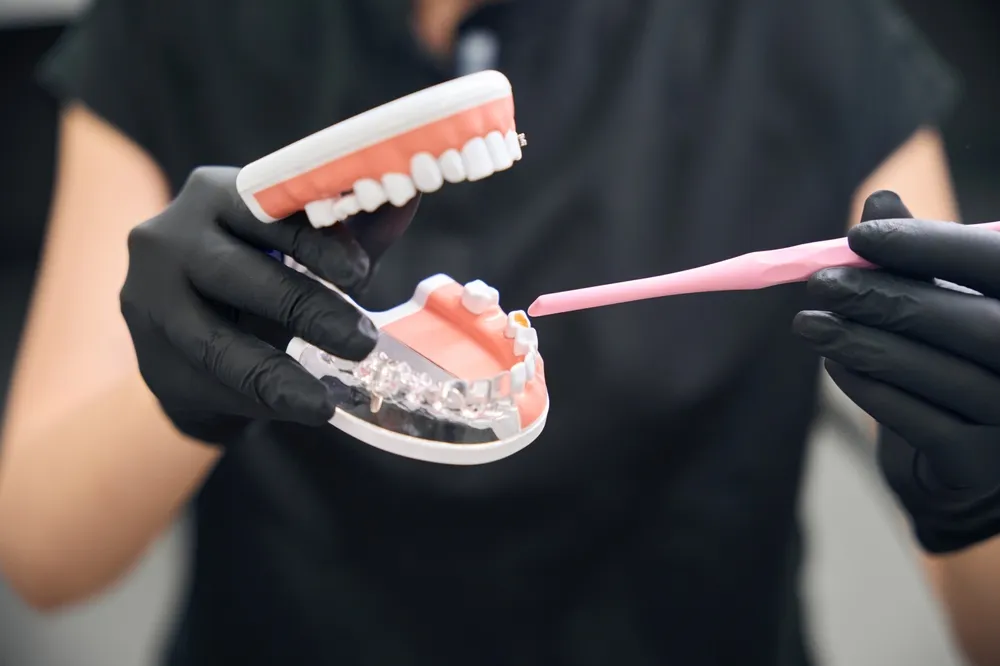
Turkish packages typically include consultation, imaging, surgery, zirconia abutment and crown, accommodation, airport transfers, interpreter services, and follow-up appointments.
What Does the Initial Consultation Cover?
The initial consultation includes oral examination, medical history review, treatment planning discussion, and cost estimation.
Dentists examine the patient's oral condition. They review medical history and current medications. They discuss treatment goals and expectations. They explain the zirconia implant procedure in detail. They provide a written treatment plan and quotation.
What Digital Imaging and Treatment Planning Services Do Clinics Provide?
Clinics provide 3D CBCT scans, digital impressions, virtual implant placement planning, and surgical guide fabrication.
Modern Turkish clinics use cone beam computed tomography (CBCT). This technology creates three-dimensional images of the jawbone. Dentists assess bone quality and quantity accurately. They identify nerves and sinuses. They plan implant placement with precision software. Some clinics fabricate surgical guides for flapless procedures.
What Does Implant Surgery Include?
Surgery includes local anesthesia, implant placement, suturing, and immediate post-operative care instructions.
The surgical team places the zirconia implant into the prepared bone site. They use sterile techniques throughout. They provide antibiotics and pain management protocols. They schedule the next appointment before the patient leaves.
What Do Zirconia Abutment and Crown Services Include?
The package includes custom abutment design, zirconia crown fabrication, shade matching, and final cementation.
Technicians design abutments that fit the implant precisely. They fabricate crowns from high-purity zirconia. They match crown color to adjacent teeth. Dentists cement or screw-retain the final restoration. They check occlusion and adjust contact points.
What Accommodation Options Do Packages Offer?
Packages typically include 4-star or 5-star hotel stays near the clinic for 5 to 10 days.
Clinics partner with local hotels. Patients receive comfortable accommodation during treatment. Some packages include breakfast. Hotels often provide shuttle services to the clinic. Patients can upgrade accommodation if desired.
What Airport Transfer Services Are Available?
Clinics provide private transfers between Istanbul Airport and the hotel/clinic.
Drivers meet patients at the arrival gate. They assist with luggage. They transport patients directly to their hotel. Return transfers depart from the hotel to the airport. This service eliminates navigation stress.
What Interpreter Services Do Clinics Provide?
English-speaking coordinators accompany patients throughout treatment. Some clinics offer French, German, Arabic, or Russian interpreters.
Language barriers do not hinder treatment. Coordinators explain procedures. They translate medical instructions. They assist with hotel and travel arrangements. Patients communicate concerns clearly.
What Follow-up Appointments Does the Package Include?
Follow-up appointments include suture removal, healing checks, temporary restoration adjustments, and final crown fitting.
Dentists monitor healing during the patient's stay. They remove sutures after 7 to 10 days. They adjust temporary teeth if needed. They schedule the second visit for permanent restoration. Remote follow-up continues via email or video call.
Which Factors Influence Zirconia Implant Costs?
Costs depend on the number of missing teeth, implant brand, implant design, bone grafting needs, restoration type, dentist experience, and clinic technology.
How Does the Number of Missing Teeth Affect Cost?
Each missing tooth requires one implant. Full-arch cases use fewer implants per tooth but require more complex planning.
Single-tooth gaps need one implant and one crown. Multiple adjacent gaps may use implant-supported bridges. Full-arch restorations use 4 to 6 implants to support 10 to 12 teeth. More implants increase material and surgical costs.
How Does Implant Brand Influence Price?
Premium European brands cost more than standard options. All reputable brands meet ISO and CE standards.
Swiss and German zirconia implant brands command higher prices. These brands invest heavily in research and development. They offer extensive long-term data. Standard brands provide excellent results at lower costs. Patients should ask which brand the clinic uses. They should verify CE marking and ISO certification.
How Does One-Piece vs Two-Piece Design Affect Cost?
One-piece zirconia implants cost less but offer less flexibility. Two-piece systems cost more but allow angled corrections.
One-piece zirconia implants combine the implant and abutment. This design costs less. It eliminates the microgap between components. However, it limits angle correction. Two-piece systems separate the implant and abutment. This design costs more. It allows dentists to correct implant angulation. Two-piece systems suit complex cases better.
How Do Bone Grafting or Sinus Lift Requirements Change Pricing?
Bone grafting adds €300 to €800 per site. Sinus lifts add €500 to €1,200 per sinus.
Insufficient bone volume requires augmentation. Dentists place bone graft material before implant placement. This procedure adds surgery time and materials. Sinus lifts raise the sinus floor in the upper jaw. These procedures require additional healing time. They increase total treatment costs significantly.
How Does the Type of Final Restoration Affect Cost?
Single crowns cost less than bridges. Full-arch fixed prostheses cost more than removable overdentures.
Cemented zirconia crowns represent standard restorations. Implant-supported bridges replace multiple teeth. Full-arch zirconia bridges require more material and laboratory work. Removable overdentures cost less than fixed options. The final restoration choice depends on patient preference and budget.
How Does Dentist Experience Influence Cost?
Experienced implantologists charge higher fees. Their expertise reduces complication risks and improves long-term outcomes.
Implant dentists with 10+ years of experience command premium fees. They have placed thousands of implants. They handle complex cases confidently. They use advanced techniques. Their success rates remain high. Patients benefit from reduced revision needs.
How Does Clinic Technology Affect Pricing?
Clinics with 3D imaging, CAD/CAM systems, and digital surgical guides charge slightly more. This technology improves precision.
Digital workflows increase initial costs. They reduce human error. They improve fit accuracy. They shorten treatment time. Clinics with in-house laboratories offer faster turnaround. They control quality directly. Technology investments justify modest price premiums.
Are Zirconia Implants in Turkey Safe?
Yes, accredited Turkish clinics follow international treatment standards, use digital planning, maintain strict sterilization, employ experienced implantologists, and hold international accreditation.
What International Treatment Standards Do Turkish Clinics Follow?
Accredited clinics follow ISO 9001 quality management, CE marking for materials, and protocols aligned with European Association for Osseointegration guidelines.
Turkish dental clinics seeking international patients maintain rigorous standards. They sterilize instruments according to EN 13060 standards. They use CE-marked implant materials. They follow evidence-based protocols from major dental associations. Many dentists hold memberships in international implant organizations. They attend continuing education courses regularly.
How Does Digital Implant Planning Improve Safety?
3D CBCT imaging and virtual planning software identify anatomical risks before surgery. This planning prevents nerve damage and sinus perforation.
Dentists analyze bone density, nerve positions, and sinus locations digitally. They plan exact implant placement angles and depths. They avoid vital structures. They create surgical guides for precise execution. This technology reduces surgical complications significantly.
What Sterilization Protocols Do Clinics Maintain?
Clinics use autoclave sterilization, disposable instruments, surface disinfection, and staff barrier protection.
Autoclaves sterilize all reusable instruments. Clinics use disposable needles, scalpel blades, and suction tips. Staff wear gloves, masks, and protective eyewear. Treatment rooms undergo disinfection between patients. Water lines receive regular maintenance. These protocols prevent cross-contamination.
Why Does Choosing an Experienced Implantologist Matter?
Experienced surgeons place implants more accurately. They manage complications better. They select appropriate implant sizes and positions.
Implant surgery requires specialized training. Experienced surgeons have managed diverse cases. They recognize anatomical variations. They adapt techniques to individual patients. They achieve primary stability consistently. They minimize trauma to surrounding tissues. Patients should verify surgeon credentials and case volumes.
Why Does Accreditation Matter for Patient Safety?
Accreditation verifies that independent organizations have inspected clinic facilities, protocols, and staff qualifications.
International accreditation bodies evaluate clinics. They inspect sterilization areas. They review patient records. They verify staff qualifications. They assess emergency protocols. Accredited clinics maintain continuous compliance. Patients should look for JCI, ISO, or TEMOS accreditation.
How Does Treatment Quality Compare Between Turkey and Ireland?
Both countries offer high-quality zirconia implants. Turkey matches Ireland in implant materials, laboratory technology, digital dentistry, and clinical expertise. Patient experience differs mainly in travel logistics.
How Do Implant Materials Compare?
Both countries use CE-marked and FDA-cleared zirconia implants from reputable manufacturers. The same brands appear in both markets.
Turkish clinics source implants from Germany, Switzerland, South Korea, and the United States. These identical brands appear in Irish practices. Zirconia purity standards remain consistent globally. Material certificates verify origin and quality. Patients receive the same implant materials regardless of location.
How Does Laboratory Technology Compare?
Turkish laboratories use CAD/CAM milling, 3D printing, and digital shade matching. These technologies match or exceed Irish laboratory capabilities.
Modern Turkish dental laboratories invest heavily in digital technology. They use five-axis milling machines. They produce zirconia restorations with micron-level precision. They employ trained dental technicians. Many technicians have studied in Europe. Quality control processes ensure consistent results.
How Does Digital Dentistry Compare?
Turkish clinics widely adopt intraoral scanning, CBCT imaging, and digital smile design. These technologies match Irish standards.
Digital intraoral scanners replace uncomfortable impressions. CBCT units provide detailed three-dimensional imaging. Digital smile design software previews final results. These technologies improve patient comfort and outcome predictability. Turkish clinics often update equipment more frequently due to competitive pressure.
How Does Clinical Expertise Compare?
Turkish implantologists perform high volumes of zirconia implant procedures. This volume builds exceptional practical expertise.
Irish dentists receive excellent training. They handle diverse cases. However, Turkish implant centers focus specifically on implantology. Their dentists place implants daily. They develop refined surgical techniques. They manage complex cases routinely. Volume correlates with expertise in surgical specialties.
How Does Patient Experience Differ?
Turkish clinics offer comprehensive packages with accommodation and transfers. Irish clinics provide local convenience but higher costs.
Turkish clinics design experiences around international patients. They provide dedicated coordinators. They offer airport greetings. They arrange city tours between appointments. Irish clinics offer local accessibility. Patients avoid travel. They receive familiar follow-up care. The choice depends on patient priorities.
What Additional Travel Expenses Should Irish Patients Consider?
Irish patients should budget for flights (€150–€400), accommodation (€0–€500), local transportation (€50–€100), meals (€100–€300), follow-up visits (€0 if included), and miscellaneous expenses (€100–€200).
How Much Do Flights Cost?
Round-trip flights from Dublin to Istanbul cost €150 to €400 depending on season and booking time.
Budget airlines offer competitive fares. Direct flights take approximately 4 hours. Booking 6 to 8 weeks in advance secures better prices. Peak summer and Christmas seasons increase fares. Patients should check both Dublin and regional Irish airports.
What Are Accommodation Costs?
Treatment packages usually include hotel stays. Independent travelers budget €40 to €100 per night for mid-range hotels.
Package deals include 4-star or 5-star accommodation. Patients extending their stay for tourism pay additional nights. Istanbul offers hotels at every price point. Patients should choose hotels near their clinic for convenience.
What Local Transportation Costs Should Patients Expect?
Packages include clinic transfers. Independent travelers spend €50 to €100 on taxis, buses, and trams.
Istanbul offers efficient public transportation. The Metro, tram, and bus systems connect major areas. Taxis remain affordable. Ride-sharing apps operate widely. Patients should carry small bills for cash payments.
What Meal Costs Should Patients Budget?
Patients spend €100 to €300 on meals during a 7-day stay. Turkish cuisine offers excellent value.
Breakfast usually comes included in hotel packages. Lunch near clinics costs €5 to €10. Dinner at quality restaurants costs €15 to €30. Turkish food combines quality and affordability. Patients should try local specialties.
What Follow-up Visit Costs Should Patients Consider?
Most packages include follow-up appointments during the stay. Second visits for final crowns require another trip.
The initial trip covers implant placement and healing checks. Patients return after 3 to 4 months for permanent crowns. This second trip requires additional flights and accommodation. Some clinics offer discounted return packages.
What Is the Total Estimated Treatment Budget?
A single implant trip costs €900 to €1,700 total. Full-mouth treatment trips cost €9,000 to €17,000 total including travel.
Expense Category | Single Implant Trip | Full-Mouth Trip |
Treatment | €600 – €1,200 | €8,000 – €15,000 |
Flights | €150 – €400 | €150 – €400 |
Extra Accommodation | €0 – €200 | €0 – €300 |
Meals | €100 – €200 | €150 – €300 |
Local Transport | €50 – €100 | €50 – €100 |
Miscellaneous | €50 – €100 | €100 – €200 |
Total | €900 – €1,700 | €9,000 – €17,000 |
How Long Should Irish Patients Stay in Turkey?
Patients need 5 to 7 days for the first visit. They return after 3 to 4 months for 5 to 7 days for permanent restoration.
What Is the First Visit Timeline?
The first visit spans 5 to 7 days. Day 1 covers consultation and imaging. Day 2 or 3 covers surgery. Remaining days cover healing monitoring and suture removal.
Patients arrive and rest on Day 1. Dentists conduct thorough examinations on Day 2. They perform surgery on Day 3 or 4. Patients rest for 2 to 3 days post-surgery. Dentists remove sutures on Day 7 or 8. They fit temporary restorations if needed.
What Is the Healing Period?
Osseointegration requires 3 to 4 months for the lower jaw and 4 to 6 months for the upper jaw.
The bone fuses with the zirconia implant during this period. Patients follow oral hygiene instructions carefully. They avoid chewing hard foods on the implant site. They maintain regular communication with the clinic. Remote consultations monitor progress.
When Should Patients Return for Permanent Restoration?
Patients return after 3 to 6 months depending on bone quality and implant location.
The second visit lasts 5 to 7 days. Dentists verify osseointegration. They take final impressions. They fabricate and fit permanent zirconia crowns. They adjust occlusion and aesthetics. They provide long-term care instructions.
What Situations May Extend Treatment?
Bone grafting, sinus lifts, implant failure, or soft tissue complications may extend treatment timelines.
Additional bone healing requires 3 to 6 extra months. Infection or poor integration may require implant replacement. Soft tissue recession may need grafting. Patients should discuss these possibilities during initial consultation.
How Can Patients Choose the Right Dental Clinic in Turkey?
Patients should evaluate dentist qualifications, implant brands, before-and-after cases, verified reviews, transparent pricing, and warranty policies.
What Dentist Qualifications Should Patients Verify?
Patients should confirm dental degrees, implant training certificates, years of experience, and membership in international dental organizations.
Dentists should hold recognized dental degrees. They should have completed postgraduate implant training. They should demonstrate 5+ years of implant placement experience. Membership in ITI, ICOI, or EAO indicates professional commitment.
Which Implant Brands Should Clinics Use?
Clinics should use CE-marked zirconia implants from established manufacturers with published clinical data.
Patients should ask for brand names. They should research the manufacturer's history. They should verify CE marking and ISO certification. They should avoid unknown or unbranded implants.
Why Should Patients Review Before-and-After Cases?
Case galleries demonstrate the dentist's aesthetic skill and technical range. They show real patient outcomes.
Clinics should provide extensive photo documentation. Cases should show various situations: single implants, multiple implants, and full-arch restorations. Photos should display natural gum contours and crown aesthetics. Video testimonials add credibility.
How Important Are Verified Patient Reviews?
Reviews on independent platforms provide unbiased insights into clinic service, communication, and outcomes.
Patients should check Google Reviews, Trustpilot, and dental tourism forums. They should look for detailed reviews mentioning specific dentists. They should notice how clinics respond to negative feedback. They should seek reviews from Irish or UK patients specifically.
Why Does Transparent Pricing Matter?
Transparent pricing prevents hidden costs. Itemized quotations show exactly what patients pay for.
Clinics should provide written quotations. These documents should list every component: implant, abutment, crown, grafting, and extras. Patients should confirm what the package includes. They should ask about potential additional charges.
What Warranty and Aftercare Policies Should Clinics Offer?
Reputable clinics offer 5 to 10-year warranties on implants and 2 to 5-year warranties on crowns.
Warranties should cover implant failure and crown fracture. Clinics should explain claim procedures clearly. They should provide emergency contact information. They should outline follow-up protocols. Irish patients need clear instructions for local dentist follow-up.
What Are the Advantages and Disadvantages of Getting Zirconia Implants in Turkey?
Turkey offers major cost savings, modern facilities, short waiting times, comprehensive packages, and experienced dentists. Considerations include travel requirements, two-stage timelines, follow-up coordination, and the need for careful clinic selection.
What Are the Main Advantages?
Patients save 60% to 75%, access modern facilities, avoid long waiting lists, receive all-inclusive packages, and benefit from high-volume expertise.
Significant Cost Savings: Patients save thousands of Euros. Full-mouth cases save €40,000 or more. These savings allow patients to afford premium zirconia options.
Modern Dental Facilities: Turkish clinics invest in cutting-edge technology. They compete for international patients. They maintain pristine facilities.
Short Waiting Times: Patients book appointments within weeks. Irish NHS waiting lists extend for months. Private Irish dentists also have busy schedules.
Comprehensive Treatment Packages: Packages include everything patients need. They eliminate logistical stress. Coordinators handle all arrangements.
Experienced Implant Dentists: High patient volumes create expertise. Dentists perform complex cases daily. They refine techniques continuously.
What Potential Considerations Should Patients Keep in Mind?
Patients must travel internationally, complete treatment in two stages, coordinate follow-up care, and carefully select reputable clinics.
International Travel: Patients fly 4 hours each way. They spend 7 to 14 days in Turkey total. This requires time off work.
Two-Stage Treatment Timeline: Zirconia implants require two separate trips. The total process spans 4 to 6 months. Patients need patience.
Follow-up Coordination: Irish patients need local dentists for emergency care. They must communicate between visits. They should establish relationships with local dentists before travel.
Choosing a Reputable Clinic: Not all clinics meet international standards. Patients must research thoroughly. They should verify credentials carefully.
Are Zirconia Implants Worth the Cost Compared to Titanium?
Zirconia implants offer superior aesthetics and biocompatibility for many patients. They justify their cost for patients with metal sensitivities, thin gums, or high aesthetic demands.
What Aesthetic Considerations Favor Zirconia?
Zirconia prevents gray lines through gums. It matches natural tooth color. It creates more natural-looking restorations.
Titanium implants can show metallic shadows. This problem affects patients with thin gingival tissue. Zirconia remains white under all conditions. It reflects light similarly to natural teeth. Front tooth restorations look more natural with zirconia.
What Biological Performance Advantages Does Zirconia Offer?
Zirconia demonstrates excellent biocompatibility. It causes fewer allergic reactions. It accumulates less plaque than titanium.
Studies confirm zirconia supports strong osseointegration (Cionca et al., 2017). The material integrates with bone effectively. It causes minimal soft tissue inflammation. Patients with autoimmune conditions often prefer metal-free options.
How Does Longevity Compare?
Titanium implants have longer clinical histories. Zirconia implants show promising 10-year data but lack 20+ year track records.
Titanium implants have 40+ years of documented success. Zirconia implants have 10 to 15 years of clinical data. Early zirconia designs showed fracture issues. Modern high-strength zirconia performs much better. Long-term studies continue to confirm zirconia durability.
What Do Patient Satisfaction Studies Show?
Patients report high satisfaction with zirconia aesthetics. They appreciate the metal-free nature. They report good chewing function.
Research indicates patients value aesthetic outcomes highly (Sanz-Martín et al., 2018). Zirconia meets these expectations. Patients with metal sensitivities report relief after switching to zirconia. Overall satisfaction rates remain high for both materials.
What Does Cost-Benefit Analysis Reveal?
Zirconia costs 20% to 40% more than titanium in most markets. This premium pays for aesthetic and biological benefits.
Patients should weigh their priorities. Those with metal sensitivities gain health benefits. Those needing front tooth restorations gain aesthetic benefits. The cost difference becomes small relative to total treatment savings in Turkey. Many patients find the premium worthwhile.
Frequently Asked Questions About Zirconia Implant Costs in Turkey Compared to Ireland
Irish patients typically save 60% to 75%. Flights are usually not included. Irish insurance rarely covers overseas treatment. Zirconia shows comparable longevity to titanium in current studies. Financing options exist. Hidden costs are uncommon with reputable clinics. Two visits are standard. Single-trip completion is not possible for permanent zirconia restorations.
How Much Can Irish Patients Typically Save?
Irish patients save between 60% and 75% on zirconia implant treatment in Turkey.
A single implant saves €1,500 to €3,000. Full-mouth rehabilitation saves €20,000 to €45,000. These savings remain substantial even after adding travel costs.
Are Flights Included in Treatment Packages?
Most packages do not include international flights. They include local airport transfers, accommodation, and clinic services.
Patients book their own flights. This arrangement allows flexibility in dates and airlines. Some premium packages may offer flight vouchers. Patients should confirm inclusions before booking.
Are Zirconia Implants Covered by Irish Insurance?
Irish dental insurance rarely covers implants. It almost never covers overseas treatment.
Patients should check their specific policy. Medical tourism insurance products exist. Some patients use health savings accounts. Most patients pay out-of-pocket.
Do Zirconia Implants Last as Long as Titanium Implants?
Current 10 to 15-year data shows comparable survival rates. Titanium has longer historical data.
Modern zirconia implants achieve 95%+ survival rates at 10 years (Roehling et al., 2016). Titanium maintains 95%+ rates at 20+ years. Zirconia technology continues improving. Long-term studies will provide more definitive comparisons.
Is Financing Available?
Some Turkish clinics offer payment plans. Irish patients can also use personal loans or medical financing.
Clinics may accept staged payments. Patients pay deposits to book surgery. They pay balances before or during treatment. Some third-party medical financing companies specialize in dental tourism.
Are Hidden Costs Common?
Reputable clinics provide transparent, itemized quotations. Hidden costs indicate poor clinic practices.
Patients should request written quotations. They should ask about potential extras. These extras include bone grafting, sinus lifts, and additional crowns. They should confirm what happens if complications arise.
How Many Visits Are Required?
Standard zirconia implant treatment requires two visits. The first visit places the implant. The second visit fits the permanent crown after 3 to 6 months.
Some clinics offer immediate loading in select cases. However, zirconia implants generally require traditional two-stage protocols. Patients should plan for two separate trips.
Can Treatment Be Completed in One Trip?
Permanent zirconia restoration typically requires two trips. Some clinics offer temporary teeth during the first visit.
Immediate permanent restoration risks implant failure. Osseointegration needs time. Patients receive temporary restorations during the first visit. They return for permanent zirconia crowns after healing completes.
Conclusion
Turkey offers zirconia implants at 60% to 75% less than Ireland while maintaining international standards. Patients should balance cost savings with clinic quality, dentist expertise, and long-term outcomes.
Zirconia dental implants provide an excellent metal-free solution for tooth replacement. Irish patients face prohibitively high costs domestically. Turkey offers a viable alternative with substantial savings. A single zirconia implant costs €600 to €1,200 in Turkey versus €2,500 to €4,500 in Ireland. Full-mouth rehabilitation costs €8,000 to €15,000 in Turkey compared to €30,000 to €60,000 in Ireland.
These savings stem from lower operating costs, favorable exchange rates, government support for medical tourism, and competitive markets. Turkish clinics maintain international standards. They use the same implant brands as Irish practices. They employ experienced implantologists. They invest in modern digital technology.
However, patients must approach dental tourism thoughtfully. They should research clinics thoroughly. They should verify dentist qualifications. They should request itemized quotations. They should understand the two-stage treatment timeline. They should plan for two trips spanning 4 to 6 months total.
Treatment decisions should balance affordability, safety, clinician expertise, and long-term outcomes. Price alone should not determine the choice. Patients should seek personalized treatment plans. They should ask detailed questions. They should establish clear communication with their chosen clinic.
Zirconia implants justify their cost for patients seeking metal-free, aesthetic tooth replacement. The material offers excellent biocompatibility, plaque resistance, and soft tissue compatibility. Current research supports zirconia as a reliable long-term solution.
Irish patients considering zirconia implants in Turkey should request a personalized treatment plan and itemized quotation before making any decisions. They should consult their local dentist for pre-travel assessments. They should arrange follow-up care at home. With proper planning, Turkey offers exceptional value for high-quality zirconia implant treatment.
References
Albrektsson, Tomas, et al. "Long-Term Efficacy of Currently Used Dental Implants: A Review and Proposed Criteria of Success." British Journal of Oral and Maxillofacial Surgery, vol. 25, no. 1, 1987, pp. 1-7.
Balmer, Max, et al. "Dental Tourism: A Review of the Current Literature." International Dental Journal, vol. 70, no. 3, 2020, pp. 168-175.
Cionca, Norbert, et al. "Zirconia Dental Implants: A Systematic Review." Materials, vol. 10, no. 10, 2017, p. 1167.
Esposito, Marco, et al. "Interventions for Replacing Missing Teeth: Different Types of Dental Implants." Cochrane Database of Systematic Reviews, no. 4, 2014.
Gahlert, Michael, et al. "Zirconia Implant Abutments: A Review." International Journal of Oral and Maxillofacial Implants, vol. 27, no. 3, 2012, pp. 536-543.
Osman, Robert B., and Sunyoung Ma. "Fracture of Zirconia Dental Implants." International Journal of Prosthodontics, vol. 29, no. 4, 2016, pp. 334-336.
Piconi, Christel, and Giulio Maccauro. "Zirconia as a Ceramic Biomaterial." Biomaterials, vol. 20, no. 1, 1999, pp. 1-25.
Roehling, Stefan, et al. "Zirconia Dental Implants: A Clinical, Radiographic, and Microbiological Evaluation." Clinical Oral Implants Research, vol. 27, no. 5, 2016, pp. 551-557.
Sanz-Martín, Ignacio, et al. "Patient Satisfaction with Dental Implants: A Systematic Review." Journal of Clinical Periodontology, vol. 45, no. 1, 2018, pp. 84-93.
Scarano, Antonio, et al. "Bacterial Adhesion on Zirconia and Titanium." Journal of Oral Implantology, vol. 40, no. 2, 2014, pp. 155-160.