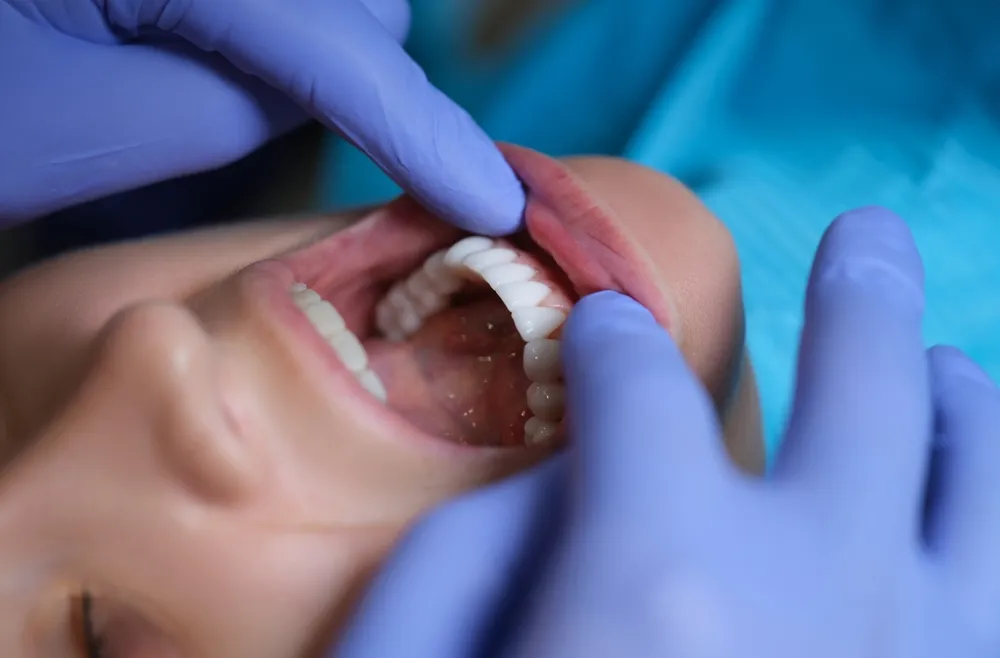
Patients can save 60% to 90% on veneer treatments by choosing Turkey over the USA, UK, or Western Europe. A single porcelain veneer costs $150–$450 in Turkey. The same veneer costs $1,000–$2,500 in the United States. A full Hollywood smile makeover in Turkey costs $2,000–$6,000. In the USA, it costs $15,000–$40,000.
Why Do International Patients Choose Turkey for Dental Veneers?
Turkey offers world-class dental care at a fraction of Western prices. The country combines advanced technology, experienced cosmetic dentists, and comprehensive medical tourism packages. Patients receive premium materials and modern facilities while paying significantly less than they would at home.
Dental tourism has transformed how patients approach cosmetic dentistry. Turkey now ranks among the top destinations for veneer procedures worldwide. Every year, thousands of patients from the United Kingdom, the United States, Canada, Germany, France, and Australia travel to Istanbul, Antalya, and Izmir for smile makeovers.
The primary driver behind this trend is cost. Veneer prices in Western countries have skyrocketed. Many patients cannot afford comprehensive cosmetic dental work at home. Turkey bridges this gap. The country offers identical materials, comparable clinical standards, and often superior hospitality services at prices that seem almost unbelievable to Western patients.
But savings alone do not explain Turkey's popularity. The Turkish dental sector has invested heavily in technology. Clinics now use CAD/CAM systems, digital smile design software, and 3D imaging. Turkish cosmetic dentists train internationally. They attend conferences in Europe and the United States. They bring global best practices back to their clinics.
The result? Patients receive exceptional care. They save thousands of dollars. They enjoy a vacation in a beautiful country. They return home with renewed confidence and stunning smiles.
What Are Dental Veneers?
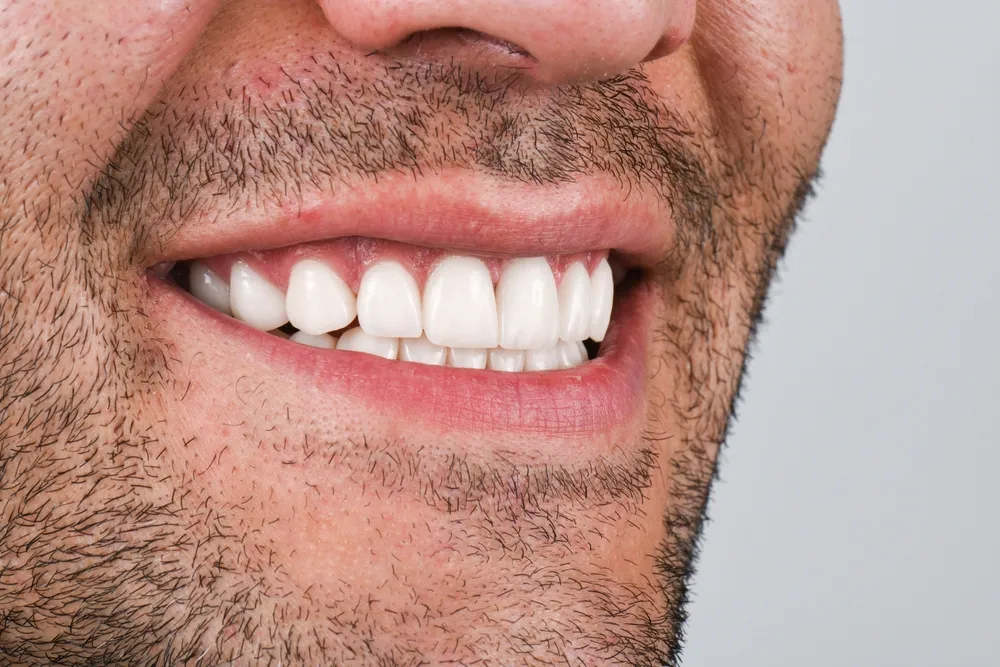
Dental veneers are thin, custom-made shells that cover the front surface of teeth. They improve color, shape, size, and alignment. Veneers fix chips, cracks, gaps, discoloration, and minor misalignment.
Veneers serve both cosmetic and functional purposes. They protect damaged tooth surfaces. They create uniform, natural-looking smiles. Dentists bond veneers permanently to the front of teeth using strong dental cement.
Patients choose veneers for many reasons. Some want to whiten teeth that resist bleaching. Others need to close gaps between teeth. Some repair chipped or worn enamel. Many seek a complete smile transformation.
Veneers offer immediate results. Unlike braces, they do not require months or years of treatment. A dentist can transform a smile in just a few appointments. This speed appeals to busy professionals and international patients with limited travel time.
The procedure requires minimal tooth preparation. A dentist removes a thin layer of enamel, usually 0.3 to 0.7 millimeters. This creates space for the veneer. The dentist then takes impressions. A dental laboratory or in-house milling system fabricates the custom veneer. Finally, the dentist bonds the veneer to the tooth.
Veneers look natural because they mimic the light-reflecting properties of real enamel. High-quality materials like porcelain and E-max ceramic offer translucency and depth. Even experienced dentists sometimes struggle to distinguish veneers from natural teeth.
What Types of Veneers Can You Get in Turkey?
Turkey offers four main veneer types: composite, porcelain, E-max, and zirconia. Composite costs the least but lasts 5–7 years. Porcelain lasts 10–15 years. E-max offers superior aesthetics and durability. Zirconia provides maximum strength for patients with heavy bite forces.
What Are Composite Veneers?
Composite veneers use tooth-colored resin. A dentist applies and sculpts the material directly onto the tooth. The procedure takes one visit. Composite veneers cost $100–$250 per tooth in Turkey.
Composite veneers work well for minor corrections. They fix small chips, close tiny gaps, and improve tooth color. The dentist layers the resin, shapes it, and hardens it with a special light. The process takes one to two hours per tooth.
However, composite stains more easily than porcelain. It also chips and wears faster. Patients must replace or repair composite veneers every 5 to 7 years. Composite works best for patients on tight budgets or those seeking temporary improvements.
What Are Porcelain Veneers?
Porcelain veneers are thin ceramic shells crafted in a dental laboratory. They resist stains. They last 10 to 15 years. They cost $200–$400 per tooth in Turkey.
Porcelain remains the most popular veneer material worldwide. It offers excellent aesthetics and proven durability. Dental technicians create porcelain veneers from impressions. They layer ceramic to match natural tooth color and translucency.
Porcelain does not stain from coffee, tea, or wine. It maintains its brightness for years. The material also feels smooth and natural against the lips and tongue. Most patients forget they even have veneers.
What Are E-max Veneers?
E-max veneers use lithium disilicate ceramic. They offer the highest aesthetic quality. They are stronger than traditional porcelain. They cost $250–$450 per tooth in Turkey.
E-max represents the gold standard in cosmetic dentistry. The material combines strength and beauty. It allows for ultra-thin veneers, sometimes as thin as 0.3 millimeters. This means less tooth reduction and a more conservative procedure.
E-max veneers transmit light similarly to natural enamel. They create the most lifelike smiles. Dentists recommend E-max for front teeth where aesthetics matter most. The material withstands normal biting forces and resists fractures.
What Are Zirconia Veneers?
Zirconia veneers use zirconium dioxide. They offer maximum strength and durability. They work best for patients who grind their teeth or need posterior veneers. They cost $250–$450 per tooth in Turkey.
Zirconia surpasses all other materials in strength. It resists chipping, cracking, and wear. However, zirconia appears slightly more opaque than E-max or porcelain. Some patients prefer this for extremely bright, Hollywood-style smiles.
Dentists often recommend zirconia for patients with bruxism or those who need veneers on back teeth. The material handles heavy chewing forces without failure.
How Do Veneer Materials Compare?
E-max offers the best balance of aesthetics and strength. Porcelain provides proven reliability. Zirconia delivers maximum durability. Composite works for budget-conscious patients.
Material | Cost per Tooth (Turkey) | Lifespan | Aesthetic Quality | Strength | Best For |
Composite | $100–$250 | 5–7 years | Good | Low | Minor fixes, budget patients |
Porcelain | $200–$400 | 10–15 years | Very Good | Moderate | General smile makeovers |
E-max | $250–$450 | 15–20 years | Excellent | High | Front teeth, premium aesthetics |
Zirconia | $250–$450 | 15–20 years | Very Good | Very High | Heavy biters, grinders |
How Much Do Veneers Cost in Turkey?
Single veneers in Turkey cost $150–$450 depending on material. Full sets range from $2,000 for composite to $6,000 for premium E-max or zirconia. Packages include consultation, imaging, hotel, and transfers.
What Is the Average Cost Per Tooth?
Composite veneers cost $100–$250. Porcelain costs $200–$400. E-max and zirconia cost $250–$450 per tooth. Prices vary by clinic location and dentist experience.
Turkish dental clinics price veneers competitively. Istanbul clinics often charge slightly more than clinics in smaller cities. However, even Istanbul prices remain far below Western standards.
Several factors influence per-tooth pricing. Clinic reputation matters. Dentists with international training and extensive portfolios charge more. Material selection affects cost. E-max and zirconia cost more than composite or standard porcelain.
The complexity of the case also impacts price. Patients with severely misaligned teeth need more preparation work. Some require gum contouring before veneer placement. These preparatory steps add to the total cost.
What Does a Full Set of Veneers Cost in Turkey?
A full set of 8 veneers costs $1,500–$3,500. A 16-veneer smile makeover costs $3,000–$6,000. A 20-veneer full mouth restoration costs $4,000–$8,000.
Most patients need 8 to 10 veneers for a visible smile makeover. This covers the upper front teeth that show when smiling. Some patients choose 16 veneers to include upper and lower teeth. Others opt for 20 veneers for a complete transformation.
Turkish clinics offer package pricing for full sets. These packages often include:
Initial consultation and digital smile design
X-rays and oral health assessment
All veneer preparations and placements
Temporary veneers during fabrication
Hotel accommodation for 5–7 nights
Airport transfers and clinic transportation
Follow-up appointments and warranty documentation
What Is Included in a Veneer Package?
Most packages include consultation, imaging, all dental work, temporary veneers, hotel stay, airport transfers, and aftercare support. Premium packages add longer hotel stays, city tours, and extended warranties.
Patients should always ask for detailed package inclusions. Some clinics advertise low prices but charge extra for essential services. Reputable clinics provide transparent, all-inclusive pricing.
How Do Material Costs Compare for Full Sets?
Composite full sets cost $1,500–$3,000. Porcelain costs $2,500–$5,000. E-max and zirconia cost $3,000–$6,000 for 16–20 veneers.
Veneer Type | 8 Veneers | 10 Veneers | 16 Veneers | 20 Veneers |
Composite | $800–$2,000 | $1,000–$2,500 | $1,600–$4,000 | $2,000–$5,000 |
Porcelain | $1,600–$3,200 | $2,000–$4,000 | $3,200–$6,400 | $4,000–$8,000 |
E-max | $2,000–$3,600 | $2,500–$4,500 | $4,000–$7,200 | $5,000–$9,000 |
Zirconia | $2,000–$3,600 | $2,500–$4,500 | $4,000–$7,200 | $5,000–$9,000 |
Note: These ranges reflect typical Turkish clinic pricing. Individual quotes vary based on case complexity.
How Much Money Can You Save by Getting Veneers in Turkey?
Patients save 60% to 90% compared to Western prices. A $30,000 USA smile makeover costs $4,000–$6,000 in Turkey. Even after adding flights and hotels, patients save $15,000–$25,000.
How Much Do Veneers Cost in the United States?
Single porcelain veneers cost $1,000–$2,500 in the USA. E-max veneers cost $1,500–$3,000. A full set of 16–20 veneers costs $15,000–$40,000.
American dental costs rank among the highest globally. Cosmetic procedures rarely receive insurance coverage. Patients pay entirely out of pocket. Geographic location within the USA affects pricing. New York, Los Angeles, and Miami dentists charge premium rates. Even midwestern clinics charge $1,200+ per porcelain veneer.
The cost difference between Turkey and the USA is staggering. A patient needing 16 E-max veneers pays approximately $24,000–$48,000 in the United States. In Turkey, the same treatment costs $4,000–$7,200. This represents an 80% to 85% saving.
How Much Do Veneers Cost in the United Kingdom?
UK porcelain veneers cost £500–£1,000 ($630–$1,260) per tooth. E-max costs £800–£1,500 ($1,000–$1,900). A full set costs £8,000–£20,000 ($10,000–$25,000).
British patients face long NHS waiting lists for dental care. The NHS rarely covers cosmetic veneers. Private dentists charge high fees. London prices match or exceed American rates.
Turkey offers UK patients 70% to 80% savings. A 16-veneer E-max smile makeover costs £6,400–£12,000 in the UK. In Turkey, it costs £3,200–£5,700. Patients save £3,000–£7,000 even after travel expenses.
How Much Do Veneers Cost in Europe?
European veneer prices fall between UK and US levels. Germany charges €600–€1,200 per porcelain veneer. France charges €500–€1,000. Ireland charges €550–€1,100. Scandinavian countries charge €800–€1,500.
Germany maintains high dental standards and corresponding prices. A full smile makeover in Berlin or Munich costs €9,600–€24,000. Turkey offers the same treatment for €3,000–€5,500.
France and Ireland follow similar patterns. Paris and Dublin dentists charge premium rates for cosmetic work. Patients in these countries save 65% to 75% by choosing Turkey.
Scandinavian countries present the starkest contrast. Norway, Sweden, and Denmark have extremely high living costs. Dental procedures reflect this. A single veneer in Oslo costs €1,000–€1,500. Turkish clinics charge €250–€450 for the same material. Scandinavian patients save 80% to 90%.
How Do Veneer Prices Compare Across Countries?
Turkey consistently offers the lowest prices. The USA charges the most. The UK and Europe fall in between. Australia matches US pricing.
Country | Composite (per tooth) | Porcelain (per tooth) | E-max (per tooth) | 16-Veneer Full Set |
Turkey | $100–$250 | $200–$400 | $250–$450 | $3,000–$6,000 |
USA | $400–$800 | $1,000–$2,500 | $1,500–$3,000 | $15,000–$40,000 |
UK | $300–$600 | $630–$1,260 | $1,000–$1,900 | $10,000–$25,000 |
Germany | $350–$700 | $650–$1,300 | $1,000–$2,000 | $10,400–$26,000 |
Ireland | $320–$650 | $600–$1,200 | $900–$1,800 | $9,600–$24,000 |
France | $300–$600 | $550–$1,100 | $850–$1,700 | $8,800–$22,000 |
Australia | $380–$750 | $900–$1,800 | $1,300–$2,600 | $14,400–$36,000 |
Exchange rates calculated at approximate 2026 benchmarks. Prices vary by city and clinic.
Why Are Veneers So Much Cheaper in Turkey?

Lower labor costs, favorable exchange rates, government support for medical tourism, high treatment volumes, and intense market competition keep Turkish veneer prices low without sacrificing quality.
How Do Lower Operating Costs Affect Veneer Pricing?
Turkish clinics pay less for rent, utilities, staff, and equipment maintenance. They pass these savings to patients. A dental nurse in Turkey earns a fraction of a British or American nurse's salary.
Labor costs in Turkey remain significantly lower than in Western countries. A skilled dental technician in Istanbul earns a comfortable local wage. That same wage converts to a modest amount in dollars or euros. This cost advantage applies across all staff positions.
Clinic overheads also cost less. Commercial rent in Istanbul costs less than in London or New York. Utilities, insurance, and regulatory compliance expenses remain manageable. Turkish dental suppliers offer competitive pricing on materials and equipment.
These lower costs do not mean lower standards. Turkish clinics invest in German-made CAD/CAM machines, Swiss milling systems, and Belgian ceramic blocks. They simply pay less for the operational framework surrounding these technologies.
How Do Exchange Rates Benefit International Patients?
The Turkish lira trades favorably against the pound, dollar, and euro. Foreign patients gain significant purchasing power. Their money stretches further in Turkey.
Currency exchange dynamics work heavily in favor of international patients. The British pound, US dollar, and Euro maintain strong positions against the Turkish lira. A patient exchanging £5,000 receives substantial lira value. This converts to comprehensive treatment packages with money left over.
This exchange advantage means patients often upgrade their treatment choices. A patient budgeting for porcelain in the UK can afford E-max in Turkey. The same budget yields superior materials and additional services.
How Does Government Support Lower Costs?
The Turkish government actively promotes medical tourism. It streamlines clinic licensing. It supports international patient services. It invests in healthcare infrastructure.
Turkey identified medical tourism as a strategic economic sector. The government offers incentives for clinics serving international patients. It improves airport connectivity. It supports translation services. It maintains strict healthcare quality standards.
This government backing creates an ecosystem where clinics can operate efficiently. They serve more patients. They specialize in international cases. They develop streamlined workflows for dental tourism.
How Does High Treatment Volume Reduce Prices?
Turkish cosmetic dental clinics treat hundreds of international patients monthly. This high volume creates economies of scale. Labs produce veneers in bulk. Clinics negotiate material discounts.
Volume drives efficiency. A clinic placing 50 veneers weekly develops faster workflows than a clinic placing 5. Dental laboratories serving multiple clinics operate at scale. They purchase ceramic blocks in bulk. They optimize milling schedules.
This efficiency reduces per-unit costs. Clinics can maintain lower margins while achieving profitability. Patients benefit from both lower prices and experienced practitioners who perform veneer procedures daily.
How Does Competition Keep Prices Fair?
Istanbul alone hosts hundreds of dental clinics competing for international patients. This competition forces transparency. Clinics must offer fair prices and quality service to survive.
The Turkish dental market is crowded. Clinics compete aggressively for international patients. They publish prices online. They offer package deals. They invest in modern facilities and patient comfort.
This competitive pressure prevents price gouging. It encourages continuous improvement. Clinics that overcharge or underdeliver quickly lose patients to better alternatives. The market self-regulates through reviews, referrals, and online transparency.
Are Lower Prices a Sign of Lower Quality?
No. Turkish clinics use the same materials and technologies as Western clinics. Many Turkish dentists train internationally. The price difference reflects economic factors, not quality deficits.
What Materials Do Turkish Clinics Use?
Turkish clinics use internationally recognized brands: Ivoclar Vivadent (E-max), VITA Zahnfabrik, Dentsply Sirona, and 3M ESPE. They use German CAD/CAM systems and Belgian ceramics.
Reputable Turkish clinics source materials from the same suppliers as London, New York, or Sydney dentists. They do not use inferior products. They order E-max blocks from Ivoclar Vivadent. They purchase zirconia from trusted European manufacturers.
The fabrication process follows identical standards. Dental technicians use CAD/CAM software to design veneers. They mill or press ceramics in temperature-controlled environments. They layer porcelain for natural aesthetics. Quality control checks ensure precise fit and color matching.
Digital smile design systems allow patients to preview their results before treatment begins. Clinics use intraoral scanners instead of messy impressions. They use 3D imaging to plan tooth preparation. These technologies match or exceed equipment found in many Western practices.
How Qualified Are Turkish Cosmetic Dentists?
Many Turkish cosmetic dentists hold international certifications. They train in Europe and the USA. They speak English fluently. They treat thousands of international patients annually.
Turkish dental education is rigorous. Dental schools require six years of study. Graduates must complete licensing examinations. Many pursue postgraduate training in aesthetic dentistry, prosthodontics, or implantology.
Leading cosmetic dentists attend courses in Germany, Switzerland, and the United States. They earn certifications from international academies. They participate in global conferences. They bring advanced techniques back to Turkey.
Experience with international patients matters. Turkish dentists understand Western expectations. They know patients want natural-looking results, not artificial "chiclet" teeth. They communicate clearly in English. They provide detailed treatment plans and realistic timelines.
What Accreditation Should Patients Verify?
Patients should verify clinic licensing, dentist registration with the Turkish Dental Association, ISO certification, and patient review authenticity. They should request before-and-after portfolios.
Turkey maintains strict dental practice regulations. The Ministry of Health licenses all clinics. The Turkish Dental Association registers qualified dentists. Patients can verify credentials online.
International accreditation adds another layer of confidence. Some Turkish clinics hold ISO 9001 certification for quality management. Others maintain partnerships with European dental laboratories.
Patients should research thoroughly. They should read independent reviews on Google, Trustpilot, and dental tourism forums. They should request video testimonials. They should ask for detailed treatment plans before booking.
What Is Included in Veneer Packages in Turkey?
Most packages include digital consultation, smile design, X-rays, all dental procedures, temporary veneers, hotel accommodation, airport transfers, and post-treatment follow-up.
What Happens During the Initial Consultation?
The dentist examines your teeth, takes digital scans, discusses your goals, and creates a customized smile design. You see a preview of your new smile before treatment begins.
The consultation process in Turkey is thorough. Clinics use digital smile design software to plan every veneer. They photograph your face from multiple angles. They analyze your lip line, gum symmetry, and facial proportions.
The dentist discusses your preferences. Do you want a bright Hollywood smile or a subtle, natural look? Do you prefer square or rounded tooth shapes? The software generates a preview. You approve the design before any tooth preparation begins.
What Diagnostic Work Does the Package Cover?
Packages include panoramic X-rays, periapical X-rays, oral health assessments, and mock-up previews. Some include 3D CBCT scans if needed.
Comprehensive diagnostics ensure veneer success. The dentist checks for cavities, gum disease, and bite issues. They identify any problems that could compromise veneer longevity. They treat these issues before veneer placement.
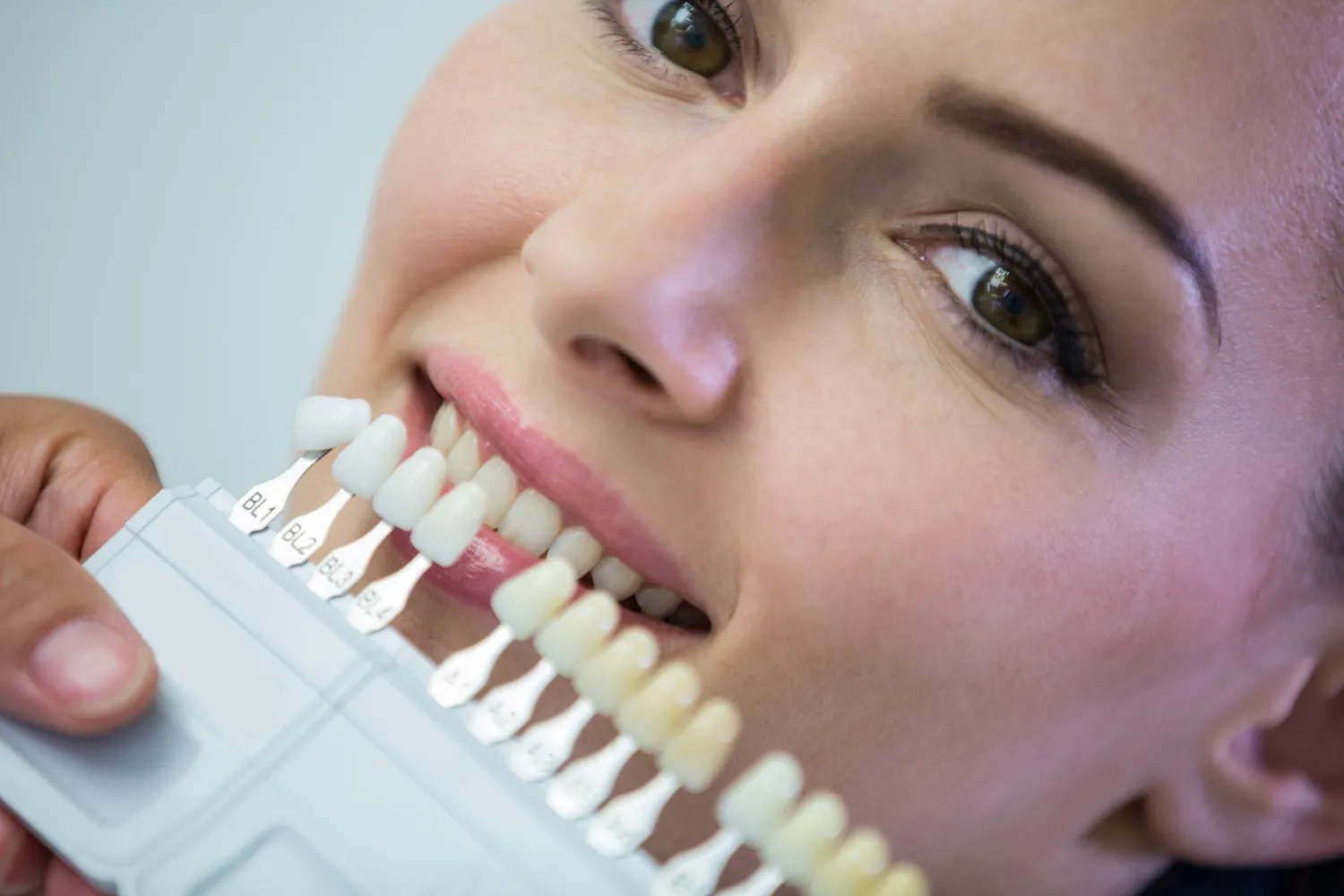
Mock-up previews are especially valuable. The dentist creates a temporary version of your veneers from wax or composite. You wear this mock-up for a few hours. You see exactly how your smile will look. You provide feedback. The dentist adjusts the final design based on your input.
What Travel Services Do Packages Include?
Most packages include 4–7 nights in a 4-star or 5-star hotel, airport pickup and drop-off, and daily transfers between the hotel and clinic.
Medical tourism packages handle logistics so patients can focus on treatment. A representative meets you at the airport. They drive you to your hotel. They arrange clinic appointments around your schedule.
Hotels are typically located near the clinic. This minimizes travel time. Some packages include breakfast and city tours. Patients often combine dental treatment with a vacation in Istanbul or Antalya.
What Aftercare Support Do Clinics Provide?
Reputable clinics offer 2–5 year warranties on veneers. They provide remote consultation after you return home. They coordinate with local dentists if issues arise.
Aftercare is crucial for international patients. Turkish clinics understand you cannot return for every minor adjustment. They provide detailed care instructions. They remain available via WhatsApp, email, or video call.
Warranty policies vary. Most clinics guarantee veneers against manufacturing defects, chipping, or debonding for 2 to 5 years. Some offer lifetime warranties for E-max and zirconia veneers. Patients should read warranty terms carefully before treatment.
What Hidden Costs Should You Consider?
Patients should budget for flights, possible additional dental work, extended stay requirements, and potential revision costs. Even with these expenses, total savings remain substantial.
How Much Do Flights and Travel Cost?
Round-trip flights to Turkey cost $300–$1,200 depending on your departure city and season. UK patients pay $100–$400. US patients pay $600–$1,200. European patients pay $150–$500.
Flights represent the most significant additional expense. However, flight costs have decreased as Turkish Airlines and budget carriers expanded routes. Patients who book in advance secure better prices.
Travel insurance is essential. It covers trip cancellations, medical emergencies, and lost luggage. Policies cost $50–$200 depending on coverage level.
What Additional Dental Procedures Might You Need?
Some patients need crowns, root canals, gum contouring, or teeth whitening before veneers. These add $50–$500 per procedure in Turkey.
Not every patient is an immediate veneer candidate. The dentist might discover decay requiring treatment. A tooth might need a crown rather than a veneer. Gums might require contouring for optimal aesthetics.
Turkish clinics charge far less for these supplementary procedures than Western clinics. A root canal costs $100–$300 in Turkey versus $800–$1,500 in the USA. A crown costs $150–$400 versus $1,000–$2,000. Patients still save money even with additional work.
How Long Must You Stay in Turkey?
Most veneer treatments require 5–7 days. Complex cases might need 10–14 days. This allows time for consultation, preparation, fabrication, and placement.
Veneer treatment requires multiple appointments. Day 1: consultation and preparation. Days 2–4: laboratory fabrication. Day 5: placement and adjustment. Some patients need a final check on day 6 or 7.
Patients should not rush this timeline. Proper fabrication takes time. Attempting to compress treatment into 2–3 days risks poor results. Plan for at least one week in Turkey.
What If You Need Revisions?
Minor adjustments cost nothing at reputable clinics. Major revisions are rare but possible. Choose an experienced clinic to minimize this risk.
Even excellent dentists occasionally need to adjust veneer color or shape. Reputable clinics handle these adjustments promptly and without extra charges. Major revisions, such as remaking veneers, might incur laboratory fees.
The best way to avoid revision costs is careful planning. Approve the digital smile design. Review the mock-up. Communicate clearly with your dentist. Select a clinic with extensive veneer experience.
What Do Real Savings Examples Look Like?
Real patients save $10,000–$30,000 on typical smile makeovers. Even after flights and hotels, net savings remain enormous.
How Much Can You Save on 8 Porcelain Veneers?
8 porcelain veneers cost $8,000–$20,000 in the USA. In Turkey, they cost $1,600–$3,200. You save $6,000–$16,000. After flights and hotel, you still save $5,000–$14,000.
Consider a patient from Chicago needing 8 porcelain veneers. Local quotes range from $12,000 to $16,000. The patient finds a reputable Istanbul clinic offering 8 porcelain veneers for $2,400. The package includes 5 nights in a 4-star hotel and airport transfers.
Flight cost: $800. Hotel value: $500. Total additional expenses: $1,300. Total treatment cost: $3,700. Savings: $8,300 to $12,300. The patient enjoys a week in Istanbul and returns with a perfect smile.
How Much Can You Save on 20 E-max Veneers?
20 E-max veneers cost $30,000–$60,000 in the USA. In Turkey, they cost $5,000–$9,000. You save $20,000–$50,000. This is a 70% to 85% reduction.
A full Hollywood smile with 20 E-max veneers represents the ultimate cosmetic dental treatment. In London, this costs £20,000–£30,000. In Turkey, premium clinics charge £4,000–£7,000 for 20 E-max veneers with luxury accommodation.
Even adding £800 for flights and extras, the patient saves £12,000–£20,000. The quality matches London standards. The materials are identical. The dentist has placed thousands of veneers.
Can You Save More with Combined Treatments?
Yes. Patients combining veneers with implants, crowns, or whitening save even more. Turkish package pricing rewards comprehensive treatment.
Some patients need multiple procedures. They might need 8 veneers plus 2 implants. They might want veneers plus teeth whitening. Turkish clinics offer combined packages at discounted rates.
A patient needing 10 veneers and 2 implants might pay $35,000–$50,000 in the USA. In Turkey, the combined package costs $4,000–$7,000. The savings compound because every procedure costs less.
Is It Worth Traveling to Turkey for Veneers?
Yes, for most patients. The financial savings are undeniable. The quality is comparable. The experience is positive. However, patients must research carefully and choose reputable clinics.
What Are the Financial Benefits?
You save 60% to 90% on treatment. You receive superior materials for your budget. You might afford E-max instead of composite. The long-term value is exceptional.
Financial benefits extend beyond the initial price difference. Turkish clinics often use premium materials that last longer. An E-max veneer lasting 20 years provides better value than a composite veneer lasting 5 years, even at a higher upfront cost.
Patients also avoid financing charges. Many Americans finance dental work at high interest rates. Paying cash in Turkey eliminates debt. The total lifetime cost drops dramatically.
What Quality and Convenience Benefits Exist?
Turkish clinics often feature newer equipment than older Western practices. Packages eliminate logistical stress. You face no waiting lists. You complete treatment in one week.
Convenience surprises many first-time dental tourists. Turkish clinics cater specifically to international patients. They schedule appointments efficiently. They provide English-speaking coordinators. They handle every detail.
Waiting times are minimal. In the UK, patients might wait months for private cosmetic appointments. In Turkey, clinics book you within days. The entire treatment finishes in one visit.
What Risks Should You Avoid?
Avoid clinics with unrealistically low prices. Avoid unlicensed providers. Avoid clinics that refuse to answer questions or show credentials.
Every industry has bad actors. Dental tourism is no exception. Some clinics advertise prices that seem impossible. They use cheap materials. They employ inexperienced dentists. They cut corners on sterilization and safety.
Patients should avoid any clinic charging less than $100 per veneer for porcelain or E-max. Quality materials alone cost more than this. Extremely low prices signal corner-cutting.
Always verify credentials. Ask for the dentist's name and registration number. Check online reviews from multiple sources. Request a video consultation before booking. Trust your instincts. If something feels wrong, choose another clinic.
How Can You Choose the Right Veneer Clinic in Turkey?
Research extensively. Ask specific questions. Verify credentials. Read independent reviews. Compare multiple clinics before deciding.
What Questions Should You Ask Before Booking?
Ask about materials, dentist credentials, warranty terms, before-and-after portfolios, treatment timeline, and total costs including all extras.
Prepare a checklist of questions. Email multiple clinics. Compare their responses. Quality clinics answer promptly and thoroughly. They provide detailed information. They do not pressure you to book immediately.
Key questions include:
What brand of veneers do you use?
Who is the dentist? What is their experience with veneers?
How many veneers do you place monthly?
What does the warranty cover and for how long?
Can I see before-and-after photos of similar cases?
What happens if I need adjustments after returning home?
Are there any hidden costs?
What Red Flags Should You Watch For?
Watch for prices under $100 per veneer, lack of transparency, missing reviews, no dentist information, pressure tactics, and refusal to provide written treatment plans.
Red flags are obvious when you know what to look for. Be wary of clinics that:
Advertise "from $50 per veneer" without specifying material
Refuse to name the treating dentist
Have no online presence or only recent reviews
Demand full payment before you arrive
Promise same-day veneers for complex cases
Use stock photos instead of real patient cases
What Checklist Should International Patients Follow?
Verify clinic licensing, dentist registration, material brands, warranty terms, package inclusions, and independent reviews. Schedule a video consultation. Get everything in writing.
A thorough checklist protects patients:
Verify clinic license with Turkish Ministry of Health
Confirm dentist registration with Turkish Dental Association
Request material brand names and certificates
Review warranty documentation
Read 20+ independent reviews across multiple platforms
Request a video call with the dentist
Receive a written treatment plan with costs
Confirm hotel and transfer details
Understand the appointment schedule
Know the aftercare protocol
What Do Patients Frequently Ask About Veneers in Turkey?
Patients ask about savings, durability, treatment duration, package inclusions, cheapest options, combination treatments, dentist qualifications, and overall value.
How Much Can You Realistically Save?
Realistic savings range from 60% to 90% depending on your home country and treatment complexity. After travel costs, most patients save $5,000–$25,000.
Are Turkish Veneers as Durable as UK or USA Veneers?
Yes, if you choose reputable clinics. The materials are identical. The durability depends on material choice and your oral care habits, not geographic location.
How Many Days Do You Need in Turkey?
Plan for 5–7 days for standard veneers. Complex cases might need 10–14 days. Do not rush the process.
Do Packages Include Accommodation?
Most packages include 4–7 nights in a hotel. Premium packages offer 5-star hotels. Always confirm hotel quality and location before booking.
What Is the Cheapest Veneer Type?
Composite veneers cost the least at $100–$250 per tooth. However, porcelain or E-max offer better long-term value despite higher initial costs.
Can You Combine Veneers with Other Treatments?
Yes. Clinics routinely combine veneers with implants, crowns, whitening, and gum contouring. Combined packages offer additional savings.
Are Turkish Dentists Qualified?
Yes. Turkish dentists complete rigorous education. Many hold international certifications. Leading cosmetic dentists have placed thousands of veneers.
Is a Full Set of Veneers Worth the Investment?
Absolutely. A full veneer set transforms your smile, boosts confidence, and costs a fraction of Western prices. The investment pays dividends in self-esteem and social confidence for decades.
Conclusion
Turkey offers the world's best value for veneer treatments. Patients save 60% to 90% while receiving identical materials and comparable care. Research, choose reputable clinics, and enjoy a transformative smile makeover.
Dental veneers in Turkey represent an exceptional opportunity. Patients access world-class cosmetic dentistry at prices that seem impossible by Western standards. The savings are real. The quality is genuine. The experience is positive for thousands of patients every year.
However, success requires due diligence. Not every clinic meets high standards. Patients must research thoroughly. They must verify credentials. They must ask hard questions. They must avoid deals that seem too good to be true.
The best Turkish clinics rival any in London, New York, or Sydney. They use identical materials. They employ highly trained dentists. They maintain modern facilities. They provide comprehensive care packages that handle every detail.
For patients considering veneers, Turkey deserves serious consideration. The financial savings are undeniable. The quality is attainable. The smile transformation is life-changing. Choose wisely. Plan carefully. And prepare to smile brighter than ever before.
References
Edelhoff, D., et al. "Dental Veneers: Clinical Procedures and Long-Term Outcomes." Journal of Prosthetic Dentistry, vol. 125, no. 3, 2021, pp. 412–419.
Fahl, N. "The Science of Ceramic Veneers: Material Properties and Clinical Performance." Journal of Cosmetic Dentistry, vol. 36, no. 2, 2020, pp. 78–85.
Garber, D. A., and Goldstein, R. E. "Porcelain Laminate Veneers: Ten-Year Clinical Study." Journal of the American Dental Association, vol. 131, no. 4, 2000, pp. 497–503.
Gresnigt, M. M., et al. "E-Max Ceramic Veneers: Survival and Clinical Outcomes After 10 Years." Journal of Dentistry, vol. 108, 2021, p. 103632.
Kern, M. "Bonding to Zirconia Ceramic: Adhesion Methods and Their Durability." Dental Materials, vol. 35, no. 1, 2019, pp. 16–24.
Peumans, M., et al. "A Prospective Ten-Year Clinical Trial of Porcelain Veneers." Journal of Adhesive Dentistry, vol. 6, no. 1, 2004, pp. 65–76.
Smales, R. J., and Etemadi, S. "The Longevity of Laminate Veneers: A Review of the Literature." Journal of Esthetic and Restorative Dentistry, vol. 26, no. 5, 2014, pp. 303–313.
Strassler, H. E. "Clinical Evaluation of Composite Veneers: Durability and Aesthetic Outcomes." Operative Dentistry, vol. 45, no. 3, 2020, pp. 245–252.
Türkyılmaz, İ. "Dental Tourism in Turkey: Current Trends and Quality Standards." International Dental Journal, vol. 71, no. 2, 2021, pp. 156–162.
Wakiaga, J., et al. "Direct Composite Veneers vs. Porcelain Veneers: A Systematic Review." British Dental Journal, vol. 228, no. 10, 2020, pp. 748–754.