Yes. Dental tourism to Turkey offers Canadian patients significant cost savings, high clinical standards, and access to advanced technology. Patients who research carefully and choose licensed clinics receive excellent care at a fraction of Canadian prices.
More Canadians now travel abroad for dental care. They seek affordable solutions for implants, crowns, and full mouth restorations. Turkey has emerged as a leading destination for these patients. The country combines experienced dentists, modern facilities, and prices that fall 70% to 90% below Canadian rates. This article examines every factor Canadian patients should evaluate. We cover costs, safety, travel logistics, treatment options, and long-term value. We also explain how to choose reputable clinics and avoid common risks.
Why Are More Canadians Choosing Dental Tourism?
Yes. More Canadians choose dental tourism because domestic costs rise and overseas clinics offer quality care at lower prices.
Canadian patients face growing financial pressure. Routine cleanings and fillings remain manageable. But implants, crowns, and full mouth reconstructions cost tens of thousands of dollars. Insurance plans often cover only a small portion. Patients wait months for specialist appointments. This frustration pushes many Canadians to explore dental tourism.
Why Do Dental Costs Keep Rising in Canada?
Canadian dental fees increase every year. Patients pay more out of pocket. Insurance covers less than patients expect.
Dental clinics in Canada charge high fees for labor, equipment, and rent. Specialists command premium rates. A single dental implant can cost CAD 3,000 to 6,000. A full mouth restoration can exceed CAD 50,000. Provincial health plans rarely cover adult dental care. Private insurance plans impose annual maximums. Patients must pay the difference. These rising costs force many Canadians to delay treatment. Delayed treatment leads to worse oral health.
How Has Global Dental Tourism Grown?
Patients worldwide now travel for dental care. Turkey leads this growth. Other destinations include Mexico, Hungary, and Costa Rica.
International patients spent over $100 billion on medical tourism in recent years. Dental care accounts for a large share. Patients from the UK, Germany, the US, and Canada travel to Turkey. Turkey offers lower prices and high standards. The Turkish government supports health tourism. Istanbul alone hosts over 300,000 dental tourists yearly. Clinics compete on quality and service. This competition benefits patients (Carrera and Bridges 2006).
Why Is Turkey One of the World's Leading Dental Tourism Destinations?
Turkey combines skilled dentists, modern technology, and patient-centered services. The country invests heavily in healthcare infrastructure.
Turkish dental clinics attract over 750,000 international patients each year. The government certifies clinics through the USHAS system. Major cities like Istanbul, Antalya, and Izmir offer thousands of licensed clinics. These clinics use the same brands and materials as Canadian dentists. They also offer complete packages that include treatment, transfers, and hotels.
What Experience Do Turkish Dentists Bring?
Turkish dentists train at top universities. Many complete advanced degrees abroad. They perform thousands of procedures on international patients.
Dentists in Turkey graduate from rigorous five-year programs. Many pursue specialization in implantology, prosthodontics, or oral surgery. They attend international conferences. They hold memberships in global dental associations. High patient volumes give them extensive hands-on experience. A dentist in a busy Istanbul clinic may place more implants in one month than a Canadian dentist places in one year. This volume builds expertise and confidence.
What Modern Technologies Do Turkish Clinics Use?
Turkish clinics invest in digital dentistry. They use CAD/CAM systems, CBCT scanners, and intraoral scanners. These tools improve accuracy and outcomes.
Clinics use Computer-Aided Design and Computer-Aided Manufacturing (CAD/CAM) to create crowns and bridges in hours. Cone Beam CT (CBCT) scanners provide 3D images of the jaw. Dentists use these images for precise implant planning. Intraoral scanners replace messy molds. Digital Smile Design software shows patients their new smile before treatment starts. Computer-guided implant surgery places implants with millimeter accuracy. These technologies match or exceed equipment in many Canadian clinics.
How Does High Patient Volume Improve Clinical Experience?
Busy clinics see more cases. This exposure sharpens skills. It also streamlines workflows.
A clinic that treats 50 international patients weekly develops efficient systems. Staff know how to manage complex schedules. Labs turn around crowns faster. Dentists encounter diverse cases. They learn to handle complications. This high volume does not mean rushed care. It means refined processes. Patients benefit from predictable, repeatable results.
What Services Do International Patient Departments Offer?
Top clinics employ dedicated international teams. These teams handle scheduling, translation, and travel support.
International patient coordinators speak English, French, and Arabic. They book consultations. They arrange airport pickups. They help patients obtain visas. They provide treatment plans with clear timelines. They assist with hotel bookings. Some clinics offer translation services during procedures. This structure removes stress from the travel experience.
Do Turkish Clinics Provide English-Speaking Coordinators?
Yes. Leading clinics employ fluent English staff. Patients communicate clearly at every stage.
Language barriers create anxiety. Top clinics eliminate this problem. Coordinators explain procedures in English. They translate medical terms. They ensure patients understand post-op instructions. Some clinics employ native English speakers. This communication builds trust. It also reduces misunderstandings about treatment plans.
What Do Comprehensive Treatment Packages Include?
Packages bundle treatment, accommodation, and transfers. Patients pay one price. They avoid surprise costs.
A typical package includes the dental procedure, airport transfers, and hotel stays. Some packages include breakfast, city tours, and translation services. Clinics list all costs upfront. Patients know the total price before they travel. This transparency helps with budgeting. It also simplifies the experience.
How Do Dental Treatment Costs Compare Between Canada and Turkey?
Turkey offers dramatic savings. Patients pay 70% to 90% less for the same procedures. The quality remains high.
Canadian patients save thousands of dollars even after paying for flights and hotels. A single implant costs a fraction of the Canadian price. Full mouth restorations cost 80% less. These savings attract patients from Toronto, Vancouver, and Montreal.
What Does the Average Cost Comparison Show?
The table below shows typical prices. Turkish prices vary by clinic and case complexity. Canadian prices reflect national averages.
Procedure | Canada (CAD) | Turkey (CAD) | Savings |
Single dental implant | 3,000 - 6,000 | 600 - 1,200 | 70% - 80% |
Implant-supported bridge | 8,000 - 15,000 | 2,000 - 4,000 | 75% - 85% |
1,500 - 2,500 | 250 - 400 | 80% - 85% | |
Porcelain veneer | 1,200 - 2,000 | 200 - 350 | 80% - 85% |
Full mouth rehabilitation | 40,000 - 70,000 | 8,000 - 15,000 | 75% - 85% |
25,000 - 45,000 | 5,000 - 9,000 | 75% - 80% | |
Root canal treatment | 800 - 1,500 | 150 - 250 | 80% - 85% |
Patients should note that these figures represent averages. Complex cases may cost more. But the savings remain substantial.
Why Are Prices Lower in Turkey?
Lower operating costs and currency advantages reduce prices. The government supports health tourism. High volume lowers per-unit costs.
Rent and labor cost less in Turkey than in Canada. The Turkish lira exchanges favorably against the Canadian dollar. The Ministry of Health promotes medical tourism. Clinics receive incentives. They pass some savings to patients. High patient volume lets clinics buy materials in bulk. They negotiate better prices with labs. These factors reduce costs. They do not reduce quality. Turkish clinics use the same implant brands and crown materials as Canadian clinics.
Is Dental Treatment in Turkey Safe for Canadian Patients?
Yes, when patients choose licensed, experienced clinics. Safety depends on the clinic, not the country.
Turkey maintains strict health regulations. The Ministry of Health inspects clinics regularly. Licensed clinics follow international sterilization standards. They use CE-certified and FDA-approved materials. Dentists must register with the Turkish Dental Association. Patients who verify credentials and choose accredited clinics receive safe, effective care.
How Does the Ministry of Health Regulate Clinics?
The Turkish Ministry of Health sets strict rules. Clinics must meet these rules to operate.
All dental clinics need operating licenses. Inspectors visit clinics unannounced. They check equipment, hygiene, and documentation. Clinics must display their licenses. The Ministry publishes lists of approved health tourism providers. Patients can verify clinic status online. This oversight ensures accountability.
What Clinic Licensing and Accreditation Standards Exist?
Licensed clinics meet national and international standards. Some seek extra accreditation.
Turkish clinics need Ministry of Health approval. Many also hold ISO certifications. Some clinics apply for Joint Commission International (JCI) accreditation. JCI sets global standards for patient safety and quality. Accredited clinics undergo rigorous reviews. They maintain detailed records. They train staff continuously. Patients should ask about licensing and accreditation before booking.
What Infection Control Standards Do Clinics Follow?
Turkish clinics follow WHO and CDC guidelines. They sterilize instruments between patients.
Clinics use autoclaves to sterilize tools. Staff wear gloves, masks, and protective eyewear. They disinfect surfaces after each patient. They use disposable items where possible. Water lines receive regular maintenance. These protocols match standards in Canadian clinics. Patients can ask clinics to explain their sterilization routines.
Do Turkish Clinics Use International Implant Brands?
Yes. Leading clinics use brands like Straumann, Nobel Biocare, and Osstem. These brands meet global standards.
Implant brands matter. Top manufacturers provide warranties. They conduct clinical research. Their products integrate with bone reliably. Turkish clinics buy these implants from authorized distributors. Patients receive genuine products. They also receive warranty cards. This practice ensures long-term support. Patients can verify implant brands during consultations.
What Sterilization Protocols Do Clinics Follow?
Clinics follow strict sterilization chains. They document every step.
Staff clean instruments in ultrasonic baths. They package tools in sterilization pouches. They autoclave these packages at high temperatures. They store sterile items in closed cabinets. They track sterilization cycles with digital logs. Dentists open pouches in front of patients. This transparency builds confidence. It also prevents cross-contamination.
How Does Digital Treatment Planning Improve Safety?
Digital tools reduce human error. They show dentists exact implant positions.
CBCT scans reveal bone density and nerve locations. Dentists use this data to plan safe implant placement. They avoid sinus cavities and nerve canals. Surgical guides direct the drill. This precision reduces complications. It also shortens surgery time. Patients experience less trauma. They heal faster.
What Is Evidence-Based Dentistry?
Evidence-based dentistry uses research to guide treatment. Turkish clinics follow this approach.
Dentists read peer-reviewed journals. They attend international courses. They apply proven techniques. They do not experiment on patients. They select materials with strong clinical data. This approach matches standards in Canada and Europe. Patients benefit from decades of research. They receive treatments that science supports (Albrektsson et al. 1986).
What Are the Most Popular Dental Treatments for Canadians in Turkey?
Canadians travel for implants, crowns, veneers, and full mouth reconstructions. They also seek smile makeovers and whitening.
Turkish clinics excel at complex restorative work. They complete full mouth cases in one to two weeks. They use digital workflows. They deliver aesthetic results. Canadian patients return home with new smiles and improved function.
Why Do Canadians Choose Dental Implants?
Implants replace missing teeth permanently. They look and function like natural teeth.
A dental implant consists of a titanium post and a crown. The dentist places the post in the jawbone. The bone fuses with the implant. Doctors call this fusion osseointegration. After healing, the dentist attaches the crown. Implants prevent bone loss. They preserve facial structure. They allow patients to eat normally. Turkish dentists place thousands of implants yearly. Their success rates match global benchmarks (Buser et al. 2012).
What Are All-on-4 and All-on-6 Implants?
These systems support full arches with fewer implants. They restore entire smiles quickly.
All-on-4 uses four implants per jaw. All-on-6 uses six implants. The dentist places angled implants to maximize bone contact. He attaches a fixed bridge the same day or within days. Patients leave with functional teeth. They avoid removable dentures. These systems reduce treatment time. They also reduce cost compared to individual implants for every tooth.
Why Do Patients Choose Zirconia Crowns?
Zirconia crowns offer strength and aesthetics. They resist chipping and staining.
Zirconia is a ceramic material. It withstands chewing forces. It matches natural tooth color. Dentists use it for front and back teeth. Studies show high survival rates for zirconia crowns. A fifteen-year study found zirconia crowns perform reliably in clinical settings (Khijmatgar et al. 2024). Patients who grind their teeth benefit from zirconia's durability.
What Benefits Do Porcelain Veneers Offer?
Veneers cover the front surface of teeth. They improve color, shape, and alignment.
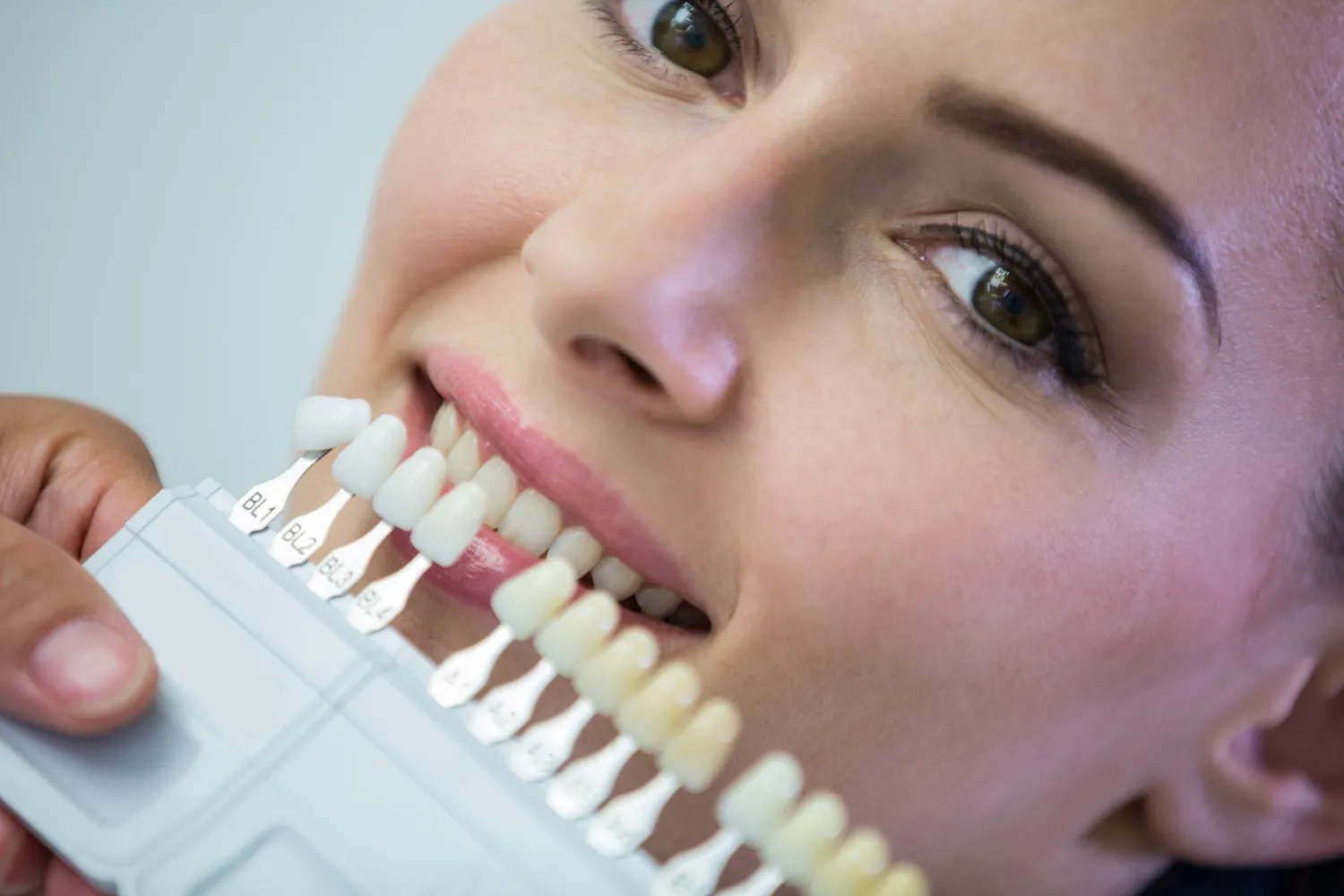
Dentists bond thin porcelain shells to existing teeth. Veneers require minimal tooth reduction. They resist staining better than composite resin. They reflect light like natural enamel. Research shows porcelain veneers achieve over 90% survival rates after ten years (Morimoto et al. 2016). Patients choose veneers for Hollywood Smile makeovers. They gain confidence from their new appearance.
What Does Full Mouth Reconstruction Involve?
Full mouth reconstruction restores every tooth. It combines implants, crowns, and bridges.
Dentists assess the bite, gums, and jawbone. They treat infections first. They extract hopeless teeth. They place implants where needed. They design crowns and bridges. They adjust the bite for comfort. This process takes one to two weeks in Turkey. CAD/CAM technology speeds up lab work. Patients receive complete oral rehabilitation.
What Is a Smile Makeover?
A smile makeover improves aesthetics. It combines veneers, whitening, and gum contouring.
Dentists use Digital Smile Design to plan the new smile. They show patients a preview. They prepare teeth carefully. They place veneers on upper and lower front teeth. They whiten natural teeth to match. Some patients need gum reshaping. The result looks natural and harmonious. Patients complete smile makeovers in five to ten days.
Is Teeth Whitening Popular?
Yes. Many patients add whitening to their treatment plan. It provides quick aesthetic improvement.
Clinics offer professional bleaching. They use high-concentration peroxide gels. They apply LED lights to accelerate results. Whitening takes one to two hours. It lightens teeth by several shades. Patients should whiten before choosing veneer shades. This sequencing ensures perfect color matching.
What Does the Complete Dental Tourism Journey Look Like?
The journey follows clear steps. Clinics guide patients from first contact to final follow-up.
Patients start with an online consultation. They receive treatment plans and cost estimates. They book flights and hotels. They arrive in Turkey. Clinic staff meet them at the airport. They settle into accommodation. They attend appointments. They recover. They return home. They receive remote follow-up care.
How Does the Online Consultation Work?
Patients send photos and X-rays. Dentists review these files. They provide preliminary plans.
Patients fill out medical forms. They upload panoramic X-rays or CT scans. They send photos of their smile. Dentists analyze this data. They estimate treatment time. They list procedures. They quote prices. This consultation is free at most clinics. It helps patients budget and plan.
What Happens During Treatment Planning?
Dentists create detailed schedules. They sequence procedures for efficiency.
The clinic sends a day-by-day itinerary. It lists appointment times. It includes rest days. It notes when the lab will deliver crowns. Patients review this plan. They ask questions. They confirm dates. Clear planning prevents surprises. It also maximizes the use of the patient's time in Turkey.
How Do Patients Arrange Travel?
Patients book flights to Istanbul or other major cities. They obtain e-visas online.
Canadians need an e-visa to enter Turkey. They apply online. They receive approval within hours. They book flights through Turkish Airlines or other carriers. Istanbul connects to Toronto, Montreal, and Vancouver. Direct flights take about ten hours. Patients should book flexible tickets. They may need to extend their stay.
What Happens Upon Arrival in Turkey?
Clinic staff greet patients. They assist with luggage and transport.
Patients pass through immigration. They collect luggage. They find the clinic representative. The representative drives them to the hotel or clinic. Some patients go directly to the clinic for a consultation. Others rest first. The clinic provides a local SIM card or Wi-Fi hotspot. This connectivity keeps patients in touch with family.
Do Clinics Provide Airport Transfers?
Yes. Most packages include private transfers. Patients avoid taxis and navigation.
A driver meets patients at the airport. He holds a name sign. He speaks basic English. He drives a clean, air-conditioned vehicle. He helps with luggage. He drops patients at the hotel or clinic. This service removes stress. It also ensures safety.
What Accommodation Options Exist?
Clinics partner with nearby hotels. Patients stay within walking distance or a short drive.
Hotels range from three-star to five-star. Some clinics offer apartment-style suites. Patients choose based on budget. Most packages include breakfast. Some include half-board. The clinic arranges daily transfers between the hotel and clinic. Patients should confirm hotel quality before booking.
How Do Clinics Handle Dental Procedures?
Dentists follow strict protocols. They prioritize patient comfort.
Patients receive local anesthesia. Some clinics offer sedation for anxious patients. Dentists use rubber dams to isolate teeth. They work under magnification. They take digital impressions. They place temporary restorations. They schedule lab work overnight. Patients return the next day for permanent crowns. This workflow saves time.
What Does Recovery Involve?
Recovery varies by procedure. Implant patients need more time than veneer patients.
Veneer patients resume normal activities the same day. Implant patients rest for 24 to 48 hours. They eat soft foods. They take prescribed antibiotics and pain relievers. Clinics provide written aftercare instructions. They schedule check-up appointments before departure. They ensure healing starts properly.
How Do Patients Return to Canada?
Patients fly home after the clinic confirms they can travel. They carry documentation.
The clinic provides a treatment summary. It lists procedures, materials, and implant serial numbers. Patients carry this paperwork through customs. They also receive prescriptions. They should fill these before leaving. The clinic books return airport transfers. Patients should avoid hard foods during the flight.
How Does Remote Follow-Up Care Work?
Clinics stay in touch after patients leave. They monitor healing via photos and video calls.
Patients send photos of their smile. They report any pain or swelling. Coordinators relay questions to dentists. Dentists advise on care. Some clinics partner with Canadian dentists. They provide referral letters. This remote care continues for months. It ensures long-term success.
How Long Should Canadians Stay in Turkey?
Stay duration depends on the procedure. Most patients stay five to ten days.
Simple treatments need less time. Complex cases need more. Clinics advise patients during the planning phase. Patients should not rush their stay. Extra days allow for adjustments and emergencies.
How Long Do Single-Visit Treatments Take?
Whitening and simple fillings take one day. Crowns take three to five days.
Patients book one appointment for whitening. They book two to three appointments for crowns. The clinic mills the crown in-house. Patients receive it within 48 hours. Same-day CAD/CAM dentistry completes some crowns in hours. These short stays suit busy patients.
How Long Do Multi-Visit Implant Procedures Take?
Implants need two visits. The first visit places the implant. The second visit places the crown.
The first visit lasts five to seven days. The dentist extracts teeth if needed. He places the implant. He attaches a temporary tooth. The patient flies home. After three to six months, the bone heals. The patient returns for five to seven days. The dentist places the permanent crown. Some cases allow same-day implants. But most need this two-stage approach.
What Is Same-Day CAD/CAM Dentistry?
CAD/CAM technology mills crowns while patients wait. Dentists place them the same day.
The dentist scans the tooth. He designs the crown on a computer. He sends the design to a milling machine. The machine carves the crown from a ceramic block. He polishes and glazes the crown. He bonds it to the tooth. This process takes two to four hours. Patients avoid temporary crowns. They complete treatment in one visit.
What Are the Healing Periods Between Visits?
Implants need three to six months to fuse with bone. This period is called osseointegration.
Patients must wait before loading the implant. Early loading risks failure. The dentist evaluates bone healing with X-rays. Some patients need bone grafting. Grafts add three to four months to the timeline. Patients should plan their second trip accordingly. They should also maintain excellent oral hygiene during this period.
What Should Canadian Patients Consider Before Choosing a Clinic?
Research protects patients. They should verify qualifications, reviews, and guarantees.
Patients should not choose based on price alone. They should evaluate the dentist's training. They should ask to see before-and-after photos. They should read verified reviews. They should confirm that the clinic offers guarantees. They should test communication responsiveness. They should demand itemized pricing.
Why Do Dentist Qualifications Matter?
Trained dentists deliver better outcomes. They handle complications.
Patients should ask where the dentist studied. They should ask about specialization. They should confirm registration with the Turkish Dental Association. Some dentists publish research. Some teach at universities. These credentials indicate expertise. Patients deserve skilled hands.
How Does Years of Experience Affect Outcomes?
Experienced dentists make fewer errors. They predict problems before they occur.
A dentist with ten years of implant experience has placed thousands of implants. He knows how to angle the implant. He knows how deep to place it. He recognizes bone quality. He adjusts technique instantly. This experience reduces failure rates. Patients should ask how many similar cases the dentist has completed.
Why Should Patients Review Before-and-After Cases?
Photos show real results. They reveal the dentist's aesthetic skill.
Clinics should provide a portfolio. Patients should look for cases similar to theirs. They should check gum symmetry. They should check tooth proportions. They should check color matching. Natural-looking results require artistic skill. Photos prove the dentist can deliver.
How Important Are Verified Patient Reviews?
Reviews reveal the true patient experience. They highlight strengths and weaknesses.
Patients should read reviews on independent platforms. They should look for detailed feedback. They should note comments about pain management. They should note comments about communication. They should watch for repeated complaints. One bad review may be an outlier. Many bad reviews signal a pattern.
What Treatment Guarantees Should Patients Look For?
Guarantees protect patients if problems arise. They show clinic confidence.
Clinics should offer written guarantees. These cover implant failure, crown fractures, and lab errors. Guarantees typically last five years for implants. They last two to five years for crowns. Patients should read the terms. They should confirm what the guarantee includes. They should ask how to claim it from Canada.
Why Does Communication Before Arrival Matter?
Clear communication prevents misunderstandings. It builds trust.
Patients should email the clinic. They should ask questions. They should note response speed. They should evaluate English fluency. They should request video calls. Good clinics respond within 24 hours. They explain procedures clearly. They address concerns. Poor communication before arrival predicts poor communication during treatment.
How Does Transparent Pricing Protect Patients?
Itemized quotes prevent surprise bills. Patients know exactly what they pay.
The clinic should list every procedure. It should list implant brands. It should list crown materials. It should list lab fees. It should list medication costs. It should list accommodation and transfer fees. Patients should compare apples to apples. A low quote may exclude necessary procedures.
What Emergency Support Should Clinics Offer?
Emergencies happen. Clinics must respond quickly.
Patients should ask about after-hours contact. They should ask about emergency dentists. They should ask about hospital partnerships. A good clinic provides a 24-hour hotline. It treats pain, swelling, or broken temporaries immediately. It does not leave patients alone.
What Benefits Does Dental Tourism in Turkey Offer?
Turkey offers savings, quality, speed, and experience. Patients gain health and confidence.
Canadian patients save thousands of dollars. They receive care from experienced specialists. They avoid long waiting lists. They access advanced technology. They enjoy a cultural vacation. They return home with restored smiles.
How Much Can Patients Save?
Patients save 70% to 90% on major procedures. These savings cover travel costs.
A patient needing four implants and twelve crowns might pay CAD 40,000 in Canada. In Turkey, the same work costs CAD 8,000 to 12,000. Flights and hotels add CAD 2,000 to 3,000. The patient still saves CAD 25,000 to 30,000. These savings change lives.
What Clinical Standards Can Patients Expect?
Top Turkish clinics match Canadian standards. They use the same materials and protocols.
Clinics follow evidence-based dentistry. They use international implant brands. They employ digital planning. They maintain sterile environments. Dentists attend continuing education. Many hold international certifications. Patients receive care that meets global benchmarks (Buser et al. 2017).
How Do Waiting Times Compare?
Turkish clinics schedule treatment within days. Canadian patients often wait months.
Patients book appointments within one to two weeks. They complete treatment in one trip. They avoid the six-month waits common in Canada for specialist referrals. This speed appeals to patients in pain. It also appeals to those who want quick results.
What Advanced Technology Is Available?
Turkish clinics invest heavily in digital tools. They update equipment regularly.
Clinics use 3D CBCT imaging. They use intraoral scanners. They use CAD/CAM milling machines. They use dental lasers. They use plasma cleaning for implants. They use piezoelectric surgery for bone work. This technology improves precision. It reduces discomfort. It speeds recovery.
Can Patients Combine Treatment with a Vacation?
Yes. Turkey offers rich history, cuisine, and scenery. Patients should balance rest and sightseeing.
Istanbul spans two continents. Patients visit the Hagia Sophia and the Grand Bazaar. Antalya offers beaches and resorts. Cappadocia features hot air balloons. Patients should schedule light activities between appointments. They should avoid strenuous tours after surgery. A balanced trip enhances the experience.
What Makes the Patient Experience Personalized?
Clinics treat patients as individuals. They customize plans and schedules.
Coordinators learn patient preferences. They schedule appointments around patient comfort. They provide private waiting areas. They offer meals and beverages. They celebrate the final result with patients. This hospitality distinguishes Turkish clinics. It turns treatment into a positive journey.
What Risks Exist and How Can Patients Avoid Them?
Risks include poor clinic choice, communication gaps, and aftercare issues. Research eliminates most risks.
Dental tourism carries real risks. Patients travel far from home. They face unfamiliar systems. They may encounter language barriers. They may struggle with follow-up care. But patients who plan carefully avoid these problems. They choose reputable clinics. They maintain realistic expectations.
Why Should Patients Avoid Choosing Clinics Based Only on Price?
The cheapest clinic may cut corners. It may use inferior materials. It may lack experience.
Low prices attract patients. But some clinics compromise on sterilization. They use unbranded implants. They hire inexperienced dentists. Patients should compare prices. They should ask why one clinic charges half the price of others. They should verify implant brands. They should verify dentist credentials. Quality care costs money. Extreme discounts signal danger.
How Can Patients Spot Unrealistic Promises?
Some clinics promise perfect results in impossible timeframes. Skepticism protects patients.
A clinic promising twenty veneers in one day raises red flags. A clinic promising 100% implant success rates lies. No procedure guarantees perfection. Ethical dentists explain risks. They discuss failure rates. They set realistic timelines. Patients should trust clinics that acknowledge uncertainty.
Why Does Poor Communication Create Problems?
Miscommunication leads to wrong expectations. It causes frustration.
Patients may expect a Hollywood Smile. The dentist may plan a conservative approach. If they do not discuss this gap, the patient leaves unhappy. Language barriers worsen this risk. Patients should confirm every detail in writing. They should use visual aids. They should ask for translation. They should not proceed until they understand the plan.
What Happens When Aftercare Planning Is Limited?
Patients need clear instructions. They need follow-up support. Without these, complications escalate.
Some clinics discharge patients without guidance. Patients develop infections. They suffer implant failure. They cannot reach the clinic. Good clinics provide written aftercare protocols. They schedule video calls. They partner with local dentists. Patients should confirm aftercare plans before they pay.
How Do Hidden Costs Affect Patients?
Extra fees surprise patients. They strain budgets.
Some clinics quote low prices. They add fees for anesthesia, X-rays, or temporaries later. They charge extra for premium crowns. Patients should demand all-inclusive quotes. They should ask about revision costs. They should confirm hotel and transfer fees. Transparent clinics list every cost upfront.
What Travel-Related Considerations Should Patients Know?
Long flights affect healing. Patients should plan travel dates carefully.
Patients should not fly immediately after implant surgery. Air pressure changes affect blood clots. They should wait 24 to 48 hours. They should walk during flights to prevent clots. They should stay hydrated. They should carry medications in carry-on bags. They should buy travel insurance. Insurance covers trip cancellations and medical emergencies.
Why Does Thorough Research Matter?
Research separates good experiences from bad ones. It empowers patients.
Patients should read independent forums. They should watch video testimonials. They should verify clinic licenses. They should contact past patients. They should compare multiple clinics. They should trust their instincts. If something feels wrong, they should walk away. Good research leads to good outcomes.
How Does Turkey Compare to Other Dental Tourism Destinations?
Turkey competes with Mexico, Costa Rica, and Hungary. Each destination offers different advantages.
Turkey leads in cost savings and technology. Mexico offers proximity to Americans. Costa Rica offers eco-tourism. Hungary offers European standards. Canadians should compare flight times, costs, and quality.
What Factors Make Turkey Cost-Effective?
Turkey offers the lowest prices for the highest technology. This combination is rare.
Mexican prices match Turkish prices for some procedures. But Turkish clinics often use more advanced technology. Hungarian prices are higher. Costa Rican prices fall in the middle. Turkey's currency advantage and government support create unmatched value.
How Accessible Are Flights?
Turkish Airlines flies to more cities than any competitor. Istanbul connects globally.
Direct flights from Toronto to Istanbul take about ten hours. Turkish Airlines serves thirteen US gateway cities. It also serves major Canadian cities via connections. This network makes Turkey accessible. Mexico offers shorter flights from Western Canada. But Eastern Canadians face similar flight times to both destinations.
What Technology Levels Do Turkish Clinics Offer?
Turkish clinics rank among the world's most advanced. They invest constantly.
Many Mexican and Costa Rican clinics use excellent technology. But Turkish clinics operate at massive scale. They buy the latest scanners and mills. They train staff continuously. They integrate digital workflows. This scale drives innovation. Patients benefit from cutting-edge care.
What Is the Overall Patient Experience?
Turkish clinics blend medical excellence with hospitality. Patients feel cared for.
International patient departments in Turkey set high service standards. They anticipate needs. They solve problems quickly. They create comfortable environments. This hospitality culture enhances the clinical experience. Patients often describe their trip as transformative.
How Much Can Canadians Actually Save?
Savings depend on the procedure. They also depend on travel choices. Most patients save thousands.
Patients should calculate total costs. They should include flights, hotels, meals, and treatment. They should compare this total to Canadian quotes. The difference usually shocks them.
What Are the Savings for One Implant?
One implant in Canada costs CAD 3,000 to 6,000. In Turkey, it costs CAD 600 to 1,200.
A patient saves CAD 2,000 to 4,000 per implant. Even after adding a CAD 1,500 flight, the patient saves money. If the patient needs multiple implants, the savings multiply.
What Are the Savings for Full Mouth Restoration?
Full mouth restoration in Canada costs CAD 40,000 to 70,000. In Turkey, it costs CAD 8,000 to 15,000.
The patient saves CAD 30,000 to 55,000. A two-week trip with flights and a hotel costs CAD 3,000 to 4,000. The net savings still reach CAD 25,000 to 50,000. This amount covers a car or a year of mortgage payments.
What Is the Total Trip Cost Calculation?
The table below shows a typical full mouth restoration trip.
Expense | Cost (CAD) |
Round-trip flight | 1,200 - 1,800 |
Hotel (10 nights) | 800 - 1,500 |
Treatment | 8,000 - 15,000 |
Airport transfers | 100 - 200 |
Meals | 300 - 500 |
Local transport | 100 - 200 |
Total | 10,500 - 18,200 |
Canadian treatment for the same work costs CAD 40,000 to 70,000. The patient saves CAD 22,000 to 51,800. Even with luxury hotels and business class flights, the savings remain substantial.
What Do Patients Frequently Ask About Dental Tourism in Turkey?
Patients ask about safety, insurance, training, and logistics. This section answers the most common questions.
These questions reflect real concerns. Patients want certainty. They want to protect their investment. They want to know what happens if something goes wrong. Clear answers build confidence.
Is Dental Treatment in Turkey Safe?
Yes, when patients choose licensed clinics with experienced dentists. Safety depends on clinic choice.
The Turkish Ministry of Health regulates all clinics. Licensed clinics follow international standards. They use branded materials. They sterilize instruments. Patients should verify licenses. They should read reviews. They should ask about dentist qualifications. Safe clinics welcome these questions.
Will Canadian Insurance Cover Treatment Abroad?
Most Canadian insurance plans do not cover overseas dental work. Patients should check their policies.
Some plans offer partial reimbursement. Patients should submit receipts and treatment records. They should ask about out-of-network coverage. Health spending accounts may cover some costs. Patients should not assume coverage. They should call their insurer before traveling.
Are Turkish Dentists Internationally Trained?
Many Turkish dentists study abroad. Others attend international courses. All meet strict national standards.
Turkish dental schools require five years of study. Graduates must pass national exams. Many dentists pursue master's degrees in Europe or the US. They attend conferences in Germany, Switzerland, and the UK. They bring global knowledge home. Patients benefit from this international exposure.
How Many Trips Are Needed for Implants?
Most implant cases need two trips. Some clinics offer same-day implants.
The first trip places the implant. The patient waits three to six months. The second trip places the crown. Some patients qualify for immediate loading. The dentist evaluates bone quality. He decides if immediate loading is safe. Patients should plan for two trips. They should confirm the timeline before booking.
Can Patients Combine Treatment with a Vacation?
Yes. But patients should prioritize healing. They should plan light activities.
Patients can explore Istanbul between appointments. They can enjoy Turkish cuisine. They should avoid alcohol after surgery. They should avoid strenuous hikes. They should rest after implant placement. A balanced approach works best. Patients enjoy the culture without compromising healing.
What Happens If Follow-Up Care Is Needed in Canada?
Patients can visit any Canadian dentist. They carry treatment records.
The Turkish clinic provides a complete file. It includes X-rays, implant serial numbers, and procedure notes. The Canadian dentist reviews this file. He provides follow-up care. Some Turkish clinics partner with Canadian dentists. They arrange referrals. Patients should confirm this support before departure.
Are Dental Materials the Same as Those in Canada?
Yes. Leading Turkish clinics use the same brands. They import from Europe and the US.
Clinics use Straumann, Nobel Biocare, and Osstem implants. They use Ivoclar Vivadent and Vita ceramics. They use 3M and Kerr composites. These brands meet FDA and CE standards. Patients receive identical materials. They pay less because of Turkey's economic structure.
How Do Patients Choose the Right Clinic?
Patients should research credentials, reviews, and communication. They should compare multiple clinics.
They should verify Ministry of Health licenses. They should check dentist specialization. They should read independent reviews. They should evaluate response times. They should request video consultations. They should ask about guarantees. They should trust their instincts. The right clinic feels professional and responsive.
Is Turkey Better Than Mexico for Canadians?
Turkey offers lower prices and more advanced technology for complex cases. Mexico offers shorter flights.
Canadians from Vancouver may prefer Mexico due to flight time. But Canadians from Toronto face similar flight times. Turkey offers more sophisticated clinics for full mouth reconstructions. It also offers stronger government oversight of health tourism. Patients should compare specific clinics, not just countries.
Is Dental Tourism Worth It for Complex Treatments?
Yes. Complex treatments save the most money. They also benefit from Turkish expertise.
Full mouth reconstructions require skill, technology, and time. Turkish clinics specialize in these cases. They complete them daily. They charge a fraction of Canadian prices. Patients with complex needs gain the most value. They receive expert care. They save the most money. The trip pays for itself many times over.
What Is the Final Verdict for Canadian Patients?
Dental tourism to Turkey is worth it for Canadian patients who research carefully. The savings are real. The quality is high. The risks are manageable.
Patients save 70% to 90% on major procedures. They receive care from experienced dentists using modern technology. They enjoy personalized service. But success requires effort. Patients must choose licensed clinics. They must verify dentist qualifications. They must confirm aftercare plans. They must avoid clinics that offer only low prices. Turkey offers world-class dental care at accessible prices. Canadian patients who plan wisely return home with healthy smiles and substantial savings (Runnels and Carrera 2012; Crooks et al. 2012).
References
Albrektsson, Tomas, et al. "The Long-Term Efficacy of Currently Used Dental Implants: A Review and Proposed Criteria of Success." International Journal of Oral & Maxillofacial Implants, vol. 1, no. 1, 1986, pp. 11-25.
Buser, Daniel, et al. "10-Year Survival and Success Rates of 511 Titanium Implants with a Sandblasted and Acid-Etched Surface: A Retrospective Study in 303 Partially Edentulous Patients." Clinical Implant Dentistry and Related Research, vol. 14, no. 6, 2012, pp. 839-851.
Buser, Daniel, et al. "Modern Implant Dentistry Based on Osseointegration: 50 Years of Progress, Current Trends and Open Questions." Periodontology 2000, vol. 73, no. 1, 2017, pp. 7-21.
Carrera, Percivil M., and John F. Bridges. "Globalization and Healthcare: Understanding Health and Medical Tourism." Expert Review of Pharmacoeconomics & Outcomes Research, vol. 6, no. 4, 2006, pp. 447-454.
Crooks, Valorie A., et al. "Use of Medical Tourism for Hip and Knee Surgery in Osteoarthritis: A Qualitative Examination of Distinctive Attitudinal Characteristics among Canadian Patients." BMC Health Services Research, vol. 12, 2012, p. 417.
Khijmatgar, Shifa, et al. "Fifteen-Year Recall Period on Zirconia-Based Single Crowns and Fixed Dental Prostheses: A Prospective Observational Study." International Journal of Oral Science, vol. 16, 2024, p. 214.
Morimoto, Susana, et al. "Main Clinical Outcomes of Feldspathic Porcelain and Glass-Ceramic Laminate Veneers: A Systematic Review and Meta-Analysis of Survival and Complication Rates." International Journal of Prosthodontics, vol. 29, 2016, pp. 38-39.
Pjetursson, Bjarni E., et al. "A Systematic Review and Meta-Analysis Evaluating the Survival, Failure, and Complication Rates of Metal-Ceramic, Veneered, and Monolithic All-Ceramic Tooth-Supported Single Crowns-Part 1." International Journal of Prosthodontics, vol. 39, no. 3, 2026, pp. 308-324.
Runnels, Vivien, and Percivil M. Carrera. "Why Do Patients Engage in Medical Tourism?" Maturitas, vol. 73, no. 4, 2012, pp. 300-304.
Turner, Leigh. "Cross-Border Dental Care: 'Dental Tourism' and Patient Mobility." British Dental Journal, vol. 204, no. 10, 2008, pp. 553-554.