Yes, American patients can safely receive zirconia implants in Turkey when they choose accredited clinics with board-certified implant dentists. Scientific research confirms that modern zirconia implants achieve survival rates comparable to titanium, and Turkey’s Ministry of Health enforces strict licensing and sterilization standards on all clinics that treat international patients.
More Americans now travel abroad for dental care than ever before. They seek affordable solutions without sacrificing quality. Turkey has emerged as a top destination for implant dentistry. Patients want metal-free restorations. They worry about safety. They ask hard questions about regulations, dentist training, and long-term outcomes. This article examines the clinical evidence, regulatory frameworks, and practical considerations that American patients need before booking zirconia implant treatment in Turkey.
What Are Zirconia Dental Implants?
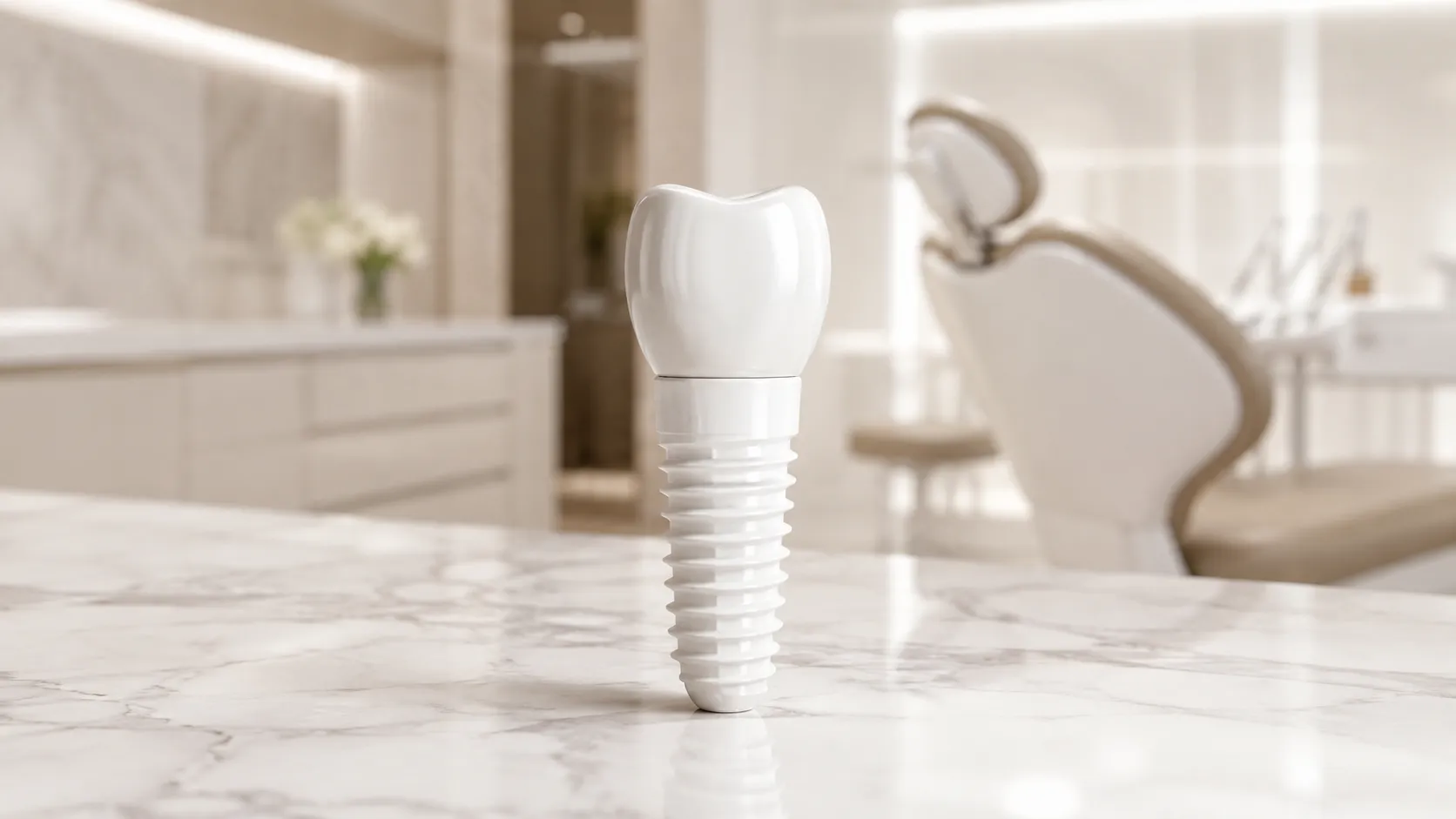
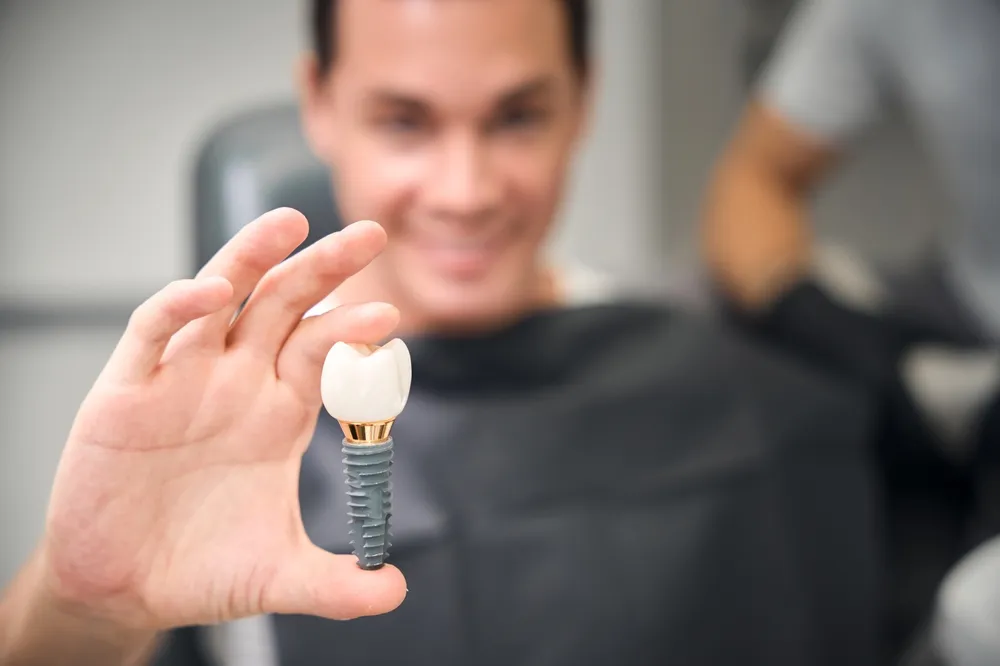
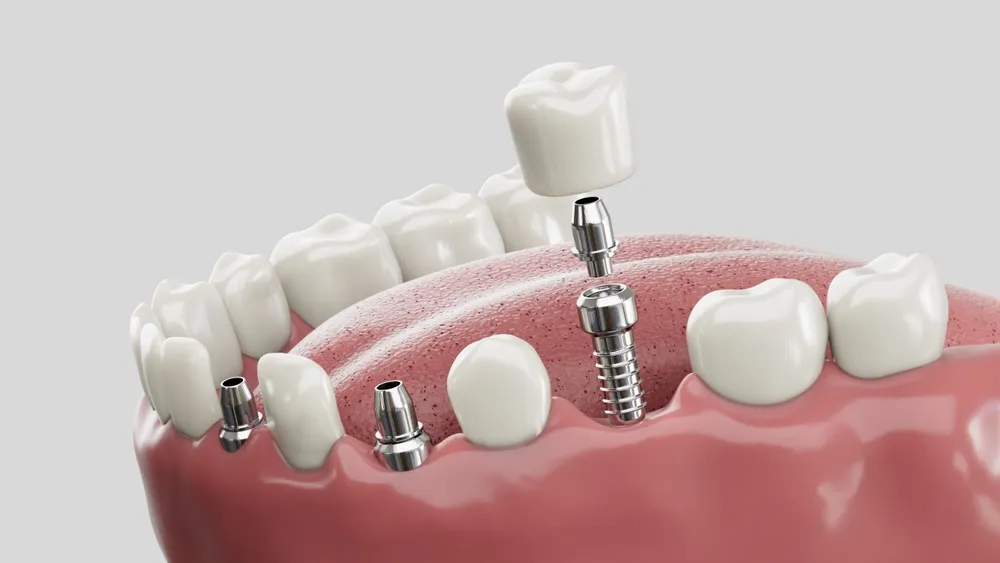
Zirconia dental implants are metal-free ceramic posts that dentists place directly into the jawbone. These posts replace missing tooth roots and support crowns, bridges, or dentures.
What Makes Zirconia Different from Titanium?
Zirconia offers a white, metal-free alternative to traditional titanium implants. Researchers have studied both materials extensively. Alqarni et al. (2025) analyzed six systematic reviews and found that zirconia implants match titanium implants in clinical performance for anterior tooth replacement. Titanium implants show slightly better mechanical strength in some studies. However, zirconia excels in aesthetics and biocompatibility. Zirconia implants contain yttria-stabilized tetragonal zirconia polycrystals (Y-TZP). This composition gives them exceptional strength and a tooth-colored appearance. Patients with thin gum tissue particularly benefit because zirconia avoids the gray shadow that titanium sometimes shows through the gums.
Why Do Americans Choose Zirconia Implants?
American patients choose zirconia implants for three main reasons. First, they want aesthetic results. The white color blends naturally with gum tissue. Second, they worry about metal sensitivity. Sicilia et al. (2008) studied 1,500 consecutive implant patients and confirmed that titanium allergies, though rare, do occur in clinical practice. Zirconia eliminates this risk entirely. Third, patients prefer holistic dental solutions. They want biocompatible materials that integrate with natural bone without releasing metal ions. Cionca and Hashim (2017) noted that zirconia implants attract less plaque than titanium. This reduction in plaque supports better long-term gum health.
Who Qualifies for Zirconia Implants?
Patients with metal allergies qualify best for zirconia implants. Dentists also recommend zirconia for patients with thin gingival biotypes or high smile lines. These patients show more gum tissue when they smile, so the white implant material provides superior cosmetic results. Patients seeking holistic or metal-free dentistry also make excellent candidates. However, dentists must evaluate bone density and oral health before recommending any implant system. Heavy smokers or patients with uncontrolled diabetes may face higher complication rates with any implant material.
Why Has Turkey Become a Global Hub for Zirconia Implant Treatment?
Turkey has emerged as a leading destination for dental tourism because government initiatives actively support medical tourism, clinics offer significant cost savings, and facilities invest heavily in advanced technology.
How Big Is Dental Tourism in Turkey?
Turkey welcomes millions of international medical tourists every year. Toprakkale and Akın (2024) reported that Türkiye received approximately 700,000 medical tourists in 2023, generating over one billion dollars in revenue. Dental treatments account for a substantial portion of this volume. Istanbul and Antalya host hundreds of clinics that specialize in implant dentistry, oral surgery, and full-mouth rehabilitation. The Turkish government established the HealthTürkiye portal to register every foreign patient case. This digital system tracks outcomes and ensures accountability.
How Much Can Americans Save on Zirconia Implants in Turkey?
American patients typically save 50% to 70% on zirconia implant treatment compared to United States prices. A single zirconia implant costs $1,000 to $2,500 in Turkey. The same procedure costs $4,000 to $6,500 in the United States. These savings stem from lower operational costs, favorable currency exchange rates, and government incentives for health tourism. Importantly, accredited Turkish clinics use the same implant brands, such as Straumann and Nobel Biocare, that American dentists use. The price difference reflects economics, not quality.
What Technology Do Turkish Clinics Use?
Leading Turkish clinics use the same advanced technology as top American practices. They rely on CBCT imaging for three-dimensional bone assessment. They use CAD/CAM dentistry to design crowns with precision. They employ digital smile design software to plan aesthetic outcomes before surgery. Many clinics offer guided implant surgery, where 3D-printed surgical templates direct drill placement. This technology reduces surgical time and improves accuracy. Patients receive the same diagnostic quality they would expect in New York or Los Angeles.
Is Dental Treatment in Turkey Regulated and Safe?
Yes, the Turkish Ministry of Health strictly regulates dental clinics through mandatory licensing, regular inspections, and health tourism authorization certificates. Clinics that treat international patients must meet additional standards beyond domestic requirements.
What Healthcare Regulations Govern Turkish Dental Clinics?
The Turkish Ministry of Health oversees all dental clinics through comprehensive licensing requirements. Every clinic must obtain an operating license after passing facility inspections. Inspectors evaluate building conditions, equipment adequacy, emergency response capacity, and staff qualifications. Clinics must also secure a Health Tourism Authorization Certificate to treat foreign patients. This certificate requires proof of English-speaking staff, transparent pricing, and international patient coordination. The Ministry conducts unannounced audits and investigates patient complaints. Clinics that fail inspections face immediate suspension.
Do Turkish Clinics Hold International Certifications?
Many accredited Turkish clinics hold ISO 9001 quality management certifications and ISO 13485 medical device certifications. Some facilities also pursue Joint Commission International (JCI) accreditation. JCI inspectors examine patient identification protocols, medication safety, infection control, emergency procedures, and data confidentiality. Turkey ranks among the top countries globally for JCI-accredited hospitals. Additionally, clinics follow WHO sterilization guidelines. They use Class B autoclaves that eliminate resistant bacterial spores. They maintain central sterilization service departments (CSSD) with digital monitoring logs.
How Qualified Are Turkish Implant Dentists?
Turkish implant dentists complete rigorous training pathways. They graduate from five-year dental schools and pass national board examinations. Every licensed dentist must register with the Turkish Dental Association. Dentists who perform implantology typically complete additional postgraduate training in oral surgery or prosthodontics. Many specialists attend international conferences and training programs in Europe or the United States. They bring this expertise back to their Turkish practices. Patients can verify any dentist’s credentials through the Turkish Dental Association database.
How Safe Are Zirconia Implant Procedures in Turkey?
Zirconia implant procedures in Turkey are safe when clinics perform thorough pre-treatment assessments, maintain sterile surgical environments, and follow strict post-operative protocols. Research supports the long-term reliability of modern zirconia implants.
What Does Pre-Treatment Assessment Involve?
Dentists conduct comprehensive digital diagnostics before placing any implant. They take CBCT scans to evaluate bone height, width, and density. They assess nerve pathways and sinus locations. They check for active infections or periodontal disease. Dentists use this data to create detailed treatment plans. They determine whether patients need bone grafting or sinus lifts before implant placement. This careful planning prevents surgical complications and ensures proper implant positioning.
What Surgical Safety Protocols Do Clinics Follow?
Accredited clinics maintain strict sterile protocols during implant surgery. They sterilize all instruments in Class B autoclaves. They use disposable needles, syringes, gloves, and surgical drapes. Operating rooms feature HEPA air filtration systems. Dentists follow aseptic techniques throughout the procedure. They use local anesthesia or sedation based on patient needs. Guided surgery templates help dentists place implants at the exact planned position, angle, and depth. This precision reduces trauma and speeds healing.
How Do Clinics Handle Post-Operative Care?
Clinics provide detailed medication protocols after surgery. They prescribe antibiotics and anti-inflammatory drugs to prevent infection and reduce swelling. They give patients written aftercare instructions in English. Patients learn how to clean the surgical site and what foods to avoid. Reputable clinics offer remote consultation options through WhatsApp or video calls. They schedule follow-up appointments before patients return home. This continuity of care supports proper healing.
What Success Rates Do Zirconia Implants Achieve?
Clinical studies demonstrate excellent long-term outcomes for zirconia implants. Roehling et al. (2025) conducted a 10-year prospective multicenter study and reported a 97.7% survival rate for one-piece zirconia implants. The researchers observed moderate bone loss of only 1.20 mm over ten years. Gul (2025) confirmed in a systematic review that survival rates reach 95% after the first year and remain stable over time. These findings position zirconia as a clinically reliable alternative to titanium for American dental patients seeking metal-free solutions.
What Safety Concerns Do Americans Have About Turkish Dental Clinics?
Americans worry about clinic standards, complications after returning home, language barriers, and travel risks. These concerns are valid, but patients can address each one through careful research and planning.
Are Turkish Dental Clinics as Safe as U.S. Clinics?
Accredited Turkish clinics meet similar international standards as American clinics. Both countries use the same implant systems, sterilization protocols, and diagnostic equipment. However, enforcement consistency varies. The United States maintains uniform state licensing boards. Turkey centralizes oversight through the Ministry of Health but also relies on international accreditations like JCI. Patients must verify individual clinics rather than assuming all Turkish providers meet top standards. Checking the HealthTürkiye portal provides the first layer of verification.
What Happens If Complications Occur After Returning Home?
Reputable clinics prepare patients for this possibility. They provide complete treatment documentation, including CBCT images, surgical reports, and implant serial numbers. They offer warranties on implant work. They maintain remote support channels so patients can ask questions during recovery. American dentists can treat complications because zirconia implants use standard prosthetic connections. Patients should inform their local dentist about the implant brand and placement date before traveling.
Do Language Barriers Create Problems?
Leading Turkish clinics employ English-speaking patient coordinators and dentists. Many dentists trained in English-speaking countries or attended international programs. Clinics provide written treatment plans in English. They explain risks, alternatives, and costs clearly. Patients should confirm language support during their initial online consultation. If a clinic struggles to communicate in English during the planning phase, patients should consider other options.
Does Travel Pose Risks After Implant Surgery?
Patients should plan carefully around travel timelines. Dentists recommend staying in Turkey for 7 to 10 days after implant placement. This stay allows time for initial healing and a post-operative check. Patients should avoid air travel for at least 48 hours after surgery because cabin pressure changes may affect fresh surgical sites. They should choose clinics located near their hotels to minimize transit time. Travel insurance that covers medical complications provides additional protection.
How Can Americans Verify the Safety of a Turkish Dental Clinic?
Americans can verify clinic safety by checking dentist credentials, clinic accreditations, patient reviews, and clinical documentation. This due diligence takes time but prevents costly mistakes.
What Credentials Should Patients Look For?
Patients should confirm that their dentist holds active membership in the Turkish Dental Association. They should look for specialized training in implantology or oral surgery. Dentists with international training certificates from European or American institutions demonstrate advanced expertise. Patients should ask how many zirconia implants the dentist has placed. Experience matters. A dentist who places 500 implants annually handles complications better than one who places 50.
What Infrastructure Should a Safe Clinic Have?
A safe clinic maintains in-house CBCT scanners for immediate three-dimensional imaging. It operates a digital dental laboratory for same-day crown adjustments. It runs a central sterilization department with Class B autoclaves and biological monitoring. The clinic should display its Ministry of Health license and Health Tourism Authorization Certificate prominently. Patients should ask about emergency protocols and whether the clinic maintains resuscitation equipment.
How Important Are Before-and-After Cases?
Documented clinical cases demonstrate real experience. Patients should ask to see before-and-after photos of zirconia implant cases specifically, not just titanium cases. The clinic should show cases with similar bone conditions or aesthetic challenges. Realistic results matter more than perfect marketing images. If a clinic refuses to show case documentation, patients should seek alternatives.
Where Can Patients Find Independent Reviews?
Patients should check third-party review platforms like Google Reviews and Trustpilot. They should browse dental tourism forums where patients share unfiltered experiences. Social media communities on Facebook and Reddit provide candid discussions about specific clinics. Patients should look for detailed reviews that mention zirconia implants specifically, not just generic dental work. They should be wary of clinics with only five-star reviews posted within short timeframes.
What Benefits and Risks Come with Choosing Turkey for Zirconia Implants?
Turkey offers major cost savings and advanced technology, but patients must research providers carefully to avoid low-quality clinics.
What Are the Main Benefits?
Patients save 50% to 70% compared to American prices. They receive treatment from dentists who place thousands of implants annually. They access comprehensive care packages that include airport transfers, hotel accommodations, and translation services. They experience shorter waiting times. Turkish clinics often schedule treatment within days, while American patients sometimes wait weeks or months for specialist appointments. They also enjoy the chance to recover in a historic, culturally rich setting.
What Risks Should Patients Consider?
Variable clinic quality presents the biggest risk. Not all clinics meet international standards. Some operators cut corners on sterilization or use unverified implant brands. Limited local follow-up creates challenges if complications arise months later. Travel logistics add stress. Patients must coordinate flights, visas, and accommodations around surgical recovery. Unrealistic marketing claims mislead some patients. If a clinic promises same-day permanent teeth for complex cases, patients should question the plan.
How Can Patients Minimize These Risks?
Thorough research minimizes risks. Patients should verify every clinic on the official HealthTürkiye portal. They should request detailed written treatment plans with itemized costs. They should ask about warranty policies and complication protocols. They should consult their American dentist before traveling. A local dentist can review the treatment plan and provide baseline X-rays for comparison. Patients should avoid choosing a clinic based solely on the lowest price.
How Does Zirconia Implant Treatment in Turkey Compare with the United States?
Turkey matches the United States in technology and materials but offers faster access and significantly lower costs.
How Do Clinical Standards Compare?
Both countries follow international implant dentistry standards. The American Dental Association and the Turkish Dental Association both enforce ethical guidelines. American state boards regulate dentists individually. Turkey’s Ministry of Health regulates clinics nationally. Both systems work well when enforced. The key difference lies in patient verification. American patients can easily check state board records. Turkish patients must use the HealthTürkiye portal and request clinic documentation directly.
How Does Technology Compare?
Turkish clinics use the same CBCT scanners, CAD/CAM milling machines, and surgical guide systems as American clinics. They import the same implant brands from Switzerland, Germany, and the United States. Digital smile design software helps dentists plan aesthetic outcomes in both countries. Turkey may even lead in some areas of digital dentistry adoption because high patient volumes drive clinics to invest in efficiency.
How Do Costs Compare?
A single zirconia implant costs $1,000 to $2,500 in Turkey. The same procedure costs $4,000 to $6,500 in the United States. Full-arch zirconia restorations cost $8,000 to $15,000 in Turkey versus $25,000 to $45,000 in the United States. These savings allow American patients to afford premium implant brands and still spend less than they would at home.
How Does Treatment Accessibility Compare?
Turkish clinics typically schedule treatment within one to two weeks of initial contact. American patients often face longer waits, especially if they need specialist referrals. Turkey’s dental tourism infrastructure streamlines the entire process. Clinics coordinate airport pickups, hotel bookings, and translation services. American patients must navigate insurance approvals, referral networks, and scheduling conflicts.
How Does Patient Experience Compare?
Turkish clinics specialize in international patient care. They assign dedicated coordinators to each patient. They offer all-inclusive packages that simplify logistics. American clinics focus on domestic insurance processing and long-term patient relationships. Both models work well, but Turkish clinics excel at accommodating short-term international visitors.
Comparison Factor | Turkey | United States |
Single Zirconia Implant Cost | $1,000 – $2,500 | $4,000 – $6,500 |
Full-Arch Restoration Cost | $8,000 – $15,000 | $25,000 – $45,000 |
Typical Waiting Time | 1 – 2 weeks | 2 – 8 weeks |
CBCT & Digital Planning | Widely available | Widely available |
Implant Brands Used | Straumann, Nobel Biocare, Zimmer | Straumann, Nobel Biocare, Zimmer |
International Patient Support | Dedicated coordinators | Limited |
Follow-Up Care | Remote + local dentist | Local dentist |
What Does the Patient Journey Look Like for Americans?
Americans complete an online consultation, travel for 7 to 10 days for implant placement, return home for healing, and come back after 3 to 6 months for final crown restoration.
What Happens During the Initial Online Consultation?
Patients submit dental photos and recent X-rays through secure portals. Dentists review these images and assess bone quality. They create preliminary treatment plans with transparent pricing. They explain how many implants the patient needs, whether bone grafting is necessary, and what timeline to expect. Patients receive this information in English. They can ask questions before committing to travel.
How Should Patients Prepare for Travel?
Patients should book 7 to 10 days in Turkey. They should purchase travel insurance that covers medical complications. They should confirm clinic authorization on the HealthTürkiye portal. They should arrange for a companion if possible. They should bring copies of their medical history and current medications. They should also schedule a pre-trip check-up with their American dentist to establish a baseline.
What Happens During Implant Placement?
Dentists place the zirconia implant under local anesthesia. The procedure takes 30 to 60 minutes per implant. Dentists use surgical guides to ensure precise placement. Patients feel pressure but no pain during surgery. After placement, dentists attach healing caps or temporary restorations. Patients rest in their hotels for the next 48 hours. Clinic staff check on patients the next day.
How Long Does Healing Take?
Osseointegration requires 3 to 6 months. During this period, the jawbone fuses with the zirconia implant surface. Patients must maintain excellent oral hygiene. They should avoid smoking because smoking impairs healing. They should eat soft foods for the first two weeks. They can resume normal activities after 3 to 5 days, but they should avoid strenuous exercise for one week.
What Follow-Up Care Do Patients Need at Home?
Patients should visit their local dentist for periodic check-ups. They should inform their dentist about the implant brand and placement date. They should maintain rigorous oral hygiene with soft brushes and non-abrasive toothpaste. They should use water flossers to clean around the implant. Remote consultations with the Turkish clinic provide additional support during the first year.
Phase | Timeline | Key Activities |
Online Consultation | Week 1 – 2 | Submit X-rays, receive treatment plan, book travel |
Implant Placement Trip | Days 1 – 10 | Surgery, rest, post-op check, return home |
Osseointegration | Months 1 – 6 | Healing, remote follow-up, local dentist visits |
Final Restoration Trip | Month 3 – 6 | Crown placement, final adjustments, return home |
Long-Term Maintenance | Ongoing | Regular cleanings, annual check-ups, hygiene routine |
What Do Patients Frequently Ask About Zirconia Implants in Turkey?
Patients commonly ask about FDA approval, implant longevity, Turkey safety, follow-up care, dentist qualifications, material comparisons, and required trips.
Are Zirconia Implants FDA-Approved?
The FDA has cleared several zirconia implant systems for use in the United States. However, American dentists offer fewer zirconia options than titanium options. Turkish clinics often provide a wider selection of zirconia systems because European manufacturers distribute more aggressively in the Turkish market. Patients should ask their Turkish dentist which specific brand they will receive and verify that it holds FDA clearance or CE marking.
How Long Do Zirconia Implants Last?
Research demonstrates excellent longevity for modern zirconia implants. Roehling et al. (2025) documented a 97.7% survival rate after 10 years. Duan et al. (2023) analyzed randomized controlled trials and found comparable survival rates between zirconia and titanium implants. With proper oral hygiene and regular dental visits, zirconia implants can last decades. Patients should treat them like natural teeth.
Is Turkey Safe for Dental Tourism?
Turkey maintains strict Ministry of Health oversight. The HealthTürkiye portal registers every foreign patient. Over 1.2 million international patients visit Turkey annually for medical care. Toprakkale and Akın (2024) documented steady growth in medical tourism revenues, reflecting international confidence. When patients choose accredited clinics, Turkey offers a safe environment for dental treatment.
Can Americans Receive Follow-Up Care in the U.S.?
Yes, American dentists can service zirconia implants. The implants use standard prosthetic connections and materials. Patients should bring their treatment records and implant passports to their local dentist. Any general dentist or periodontist can perform cleanings, X-rays, and adjustments. Complications requiring specialist intervention are rare but manageable.
What Qualifications Should Patients Look For?
Patients should seek dentists with specialized implantology training. They should confirm Turkish Dental Association membership. They should ask how many years the dentist has placed implants and how many zirconia cases they handle monthly. Dentists with 5+ years of implant experience and 100+ annual zirconia placements offer the best skill level.
Are Zirconia Implants Better Than Titanium?
Both materials achieve similar survival rates. Morena et al. (2024) conducted a meta-analysis of randomized controlled trials and found no significant difference in success rates between the two materials. However, zirconia excels in aesthetics and biocompatibility. Titanium offers more long-term clinical data and slightly better mechanical performance. The best choice depends on the patient’s bone quality, gum thickness, aesthetic goals, and allergy history.
How Many Trips to Turkey Are Required?
Most patients need two trips. The first trip lasts 7 to 10 days and includes implant placement. Patients return home for 3 to 6 months of healing. The second trip lasts 5 to 7 days and includes final crown placement. Some clinics offer immediate loading for select cases, but most dentists recommend traditional two-stage treatment for zirconia implants to ensure optimal osseointegration.
Conclusion: Is It Safe for Americans to Get Zirconia Implants in Turkey?
Yes, the procedure is safe for Americans who select accredited clinics, verify dentist credentials, and plan for proper follow-up care. Scientific evidence supports zirconia implants as a reliable alternative to titanium. Roehling et al. (2025) confirmed 97.7% survival rates over 10 years. Alqarni et al. (2025) demonstrated comparable clinical performance between zirconia and titanium in systematic reviews. Turkey’s regulated dental sector offers American patients access to high-quality, affordable implant dentistry.
Patients must do their homework. They should check the HealthTürkiye portal. They should request detailed treatment plans. They should consult their local dentist before and after travel. They should choose experience over discounts. When Americans approach dental tourism with research and realistic expectations, Turkey provides an excellent setting for zirconia implant treatment. The combination of advanced technology, experienced specialists, and rigorous regulations creates a safe pathway to restored smiles.
References
Alqarni, Saad M., et al. "Clinical Effectiveness of Zirconia versus Titanium Dental Implants in Anterior Region: An Overview of Systematic Reviews." European Journal of Medical Research, vol. 30, no. 1, 2025, https://doi.org/10.1186/s40001-025-02488-5.
Cionca, Norbert, and Dena Hashim. "Zirconia Dental Implants: Where Are We Now, and Where Are We Heading?" Periodontology 2000, vol. 73, no. 1, 2017, pp. 140-156.
Duan, Chen, et al. "Clinical Performance of Zirconium Implants Compared to Titanium Implants: A Systematic Review and Meta-Analysis of Randomized Controlled Trials." PeerJ, vol. 11, 2023, https://doi.org/10.7717/peerj.15010.
Gul, Ayca. "Zirconia Dental Implants; The Relationship Between Design and Clinical Outcome: A Systematic Review." International Journal of Oral and Maxillofacial Surgery, vol. 54, no. 3, 2025, pp. 303-314.
Koller, Martin, et al. "Two-Piece Zirconia Versus Titanium Implants After 80 Months: Clinical Outcomes From a Prospective Randomized Pilot Trial." Clinical Oral Implants Research, vol. 31, no. 4, 2020, pp. 388-396.
Morena, D., et al. "Comparative Clinical Behavior of Zirconia versus Titanium Dental Implants: A Systematic Review and Meta-Analysis of Randomized Controlled Trials." Journal of Clinical Medicine, vol. 13, no. 16, 2024, p. 4488.
Roehling, Stefan, et al. "Long-Term Clinical, Radiographic and Esthetic Outcomes of Zirconia Dental Implants: A 10-Year Prospective Multicenter Study." Journal of Prosthetic Dentistry, 2025, https://doi.org/10.1016/j.prosdent.2025.03.008.
Sales, Pedro H. da Hora, et al. "Do Zirconia Dental Implants Present Better Clinical Results Than Titanium Dental Implants? A Systematic Review and Meta-Analysis." Journal of Stomatology, Oral and Maxillofacial Surgery, vol. 124, no. 1, 2023, pp. 101-112.
Sicilia, Alberto, et al. "Titanium Allergy in Dental Implant Patients: A Clinical Study on 1500 Consecutive Patients." Clinical Oral Implants Research, vol. 19, no. 8, 2008, pp. 823-835.
Toprakkale, Erdal Kaan, and Mehmet Halit Akın. "Health Tourism in Türkiye." Journal of Tourism and Gastronomy Studies, vol. 8, no. 2, 2024, pp. 55-68.