Dental tourism in Turkey has grown rapidly over the past decade. Thousands of patients from the United Kingdom, the United States, Germany, and Scandinavia now fly to Istanbul, Antalya, and Izmir every month. They seek dental implants, porcelain veneers, zirconia crowns, and full smile makeovers. Many patients save between 50% and 70% compared to prices at home. However, this rapid growth raises an important question. Is it safe to get dental work done in Turkey?
The short answer is yes. Dental work in Turkey can be safe, effective, and long-lasting. Safety depends on the clinic you choose, the dentist who treats you, and the research you complete before you book. Turkey hosts many accredited clinics that use the same implant brands, sterilization protocols, and digital technology found in London, New York, or Berlin. Yet, like every medical tourism destination, Turkey also has clinics that cut corners. This article explains what makes Turkish dental care safe, what risks you should understand, and how you can protect yourself as a patient.
Why Do So Many People Travel to Turkey for Dental Treatment?
Patients do not choose Turkey by accident. They make this decision after they compare costs, research technology, and read reviews from previous visitors. Turkey offers a unique combination of affordable pricing, modern equipment, and comprehensive patient support. Understanding these factors helps you see why dental tourism thrives in this country.
Cost Savings Without Necessarily Sacrificing Quality
Dental treatment in Turkey costs significantly less than in Western Europe or North America. A single dental implant in London can cost £2,500 to £3,500. In Turkey, the same implant procedure often costs £600 to £1,200. A full set of porcelain veneers in the United States can exceed $20,000. In Turkey, patients frequently pay $4,000 to $8,000 for a similar smile makeover.
These lower prices do not reflect lower quality. They reflect lower operational costs. Rent, staff salaries, and laboratory fees in Turkey cost less than in Zurich or Los Angeles. The Turkish government also supports medical tourism through tax incentives and streamlined licensing. Clinics pass these savings to international patients without compromising on materials or training.
Access to Modern Dental Technology
Leading Turkish dental clinics invest heavily in digital technology. They use intraoral scanners, 3D CBCT imaging, and CAD/CAM milling machines. Many clinics offer digital smile design software. This technology lets patients see a preview of their new smile before treatment begins.
Turkish clinics also use the same implant and restoration brands that Western dentists use. Straumann, Nobel Biocare, Osstem, and Zimmer Biomet implants appear in Turkish clinics every day. These brands carry CE marks and FDA approvals. The digital workflows and material choices match international standards. Turner (2011) notes that technology convergence in dental tourism destinations now rivals that of origin countries.
Comprehensive Dental Tourism Packages
Turkish clinics understand that international patients need more than a dental chair. They need airport transfers, hotel bookings, and multilingual coordinators. Most reputable clinics include these services in their treatment packages. A patient coordinator speaks English, German, or French. This coordinator manages appointments, explains procedures, and arranges follow-up visits.
Patients receive treatment planning before they arrive. Clinics request panoramic X-rays or dental scans via email. Dentists review these images and prepare preliminary treatment plans. This preparation reduces surprises and saves time. Patients arrive with clear expectations and leave with completed treatment.
Is Turkey a Safe Country for Dental Tourism?
Safety concerns dominate every dental tourism discussion. Patients worry about infection control, dentist qualifications, and regulatory oversight. Turkey addresses these concerns through government regulation, international accreditation, and strict clinical standards.
Safety of Major Dental Tourism Destinations
Istanbul ranks as the top dental tourism city in Turkey. The city hosts hundreds of licensed dental clinics, many located in modern medical districts. Antalya attracts patients who want to combine dental treatment with a Mediterranean holiday. Izmir offers a quieter alternative with established clinics and experienced specialists.
These cities maintain robust infrastructure. International airports connect them to major European cities within three to four hours. Hospitals and emergency services operate 24 hours. Patients do not travel to remote villages. They visit modern, urban clinics in developed metropolitan areas.
Government Regulation of Dental Clinics
The Turkish Ministry of Health regulates every dental clinic in the country. Clinics must obtain official licenses before they open. Dentists must graduate from accredited Turkish dental schools or pass equivalency exams if they trained abroad. The ministry conducts regular inspections. Inspectors check sterilization records, equipment maintenance, and patient documentation.
Dentists must complete continuing education. The Turkish Dental Association oversees professional development requirements. Dentists attend courses, conferences, and workshops to maintain their licenses. This system ensures that dentists stay current with modern techniques. Williams et al. (2017) emphasize that government oversight remains the strongest predictor of patient safety in medical tourism destinations.
International Accreditation and Quality Standards
Many Turkish dental clinics pursue international accreditation. ISO 9001 certification confirms that a clinic follows standardized quality management systems. Joint Commission International (JCI) accreditation applies to hospital-based dental departments. JCI inspectors evaluate patient safety, infection control, and clinical governance.
Turkish clinics follow European sterilization protocols. They use autoclaves, ultrasonic cleaners, and biological indicators to test sterilization cycles. Single-use instruments are common. Staff wear personal protective equipment. These practices mirror standards enforced by the UK Care Quality Commission or the American Dental Association.
What Makes Dental Treatment in Turkey Safe?
Safety does not happen by chance. It results from educated dentists, strict hygiene protocols, modern equipment, and transparent communication. Turkish clinics that excel in these areas deliver outcomes comparable to top clinics in Western countries.
Highly Educated and Experienced Dentists
Turkish dental schools maintain rigorous admission and training standards. Students complete five years of undergraduate dental education. They study anatomy, pathology, restorative dentistry, and oral surgery. After graduation, dentists who want to specialize must complete additional residency programs. Prosthodontists, periodontists, and oral surgeons train for three to six more years.
Many Turkish dentists speak English fluently. They attend international conferences in Europe and the United States. Some hold memberships in the European Federation of Periodontology or the International Congress of Oral Implantologists. This exposure keeps them connected to global best practices. Ghassemi et al. (2019) found that dentist qualifications in major Turkish dental tourism hubs meet or exceed international benchmarks.
Advanced Sterilization and Infection Control
Infection control protects every patient. Turkish clinics use autoclave sterilization for all reusable instruments. They package instruments in sterile pouches. They store these pouches in UV cabinets until use. Dental chairs, light handles, and suction tips receive surface disinfection between patients.
Staff follow strict hygiene protocols. They wear gloves, masks, and face shields. They change gloves after every patient. They use disposable items wherever possible. Needles, scalpel blades, and irrigation tips are single-use. Mladenovic et al. (2021) report that clinics in high-volume dental tourism destinations achieve sterilization compliance rates above 95% when they follow international protocols.
Modern Equipment and Materials
Top Turkish clinics use CE-approved and FDA-approved materials. Implant systems come with authenticity cards and serial numbers. Zirconia crowns arrive from certified dental laboratories. Porcelain veneers use lithium disilicate or layered feldspathic porcelain. These materials appear in dental practices across Germany, Switzerland, and the United States.
Digital diagnostics improve accuracy. CBCT scanners produce 3D images of the jawbone. Dentists measure bone density, nerve positions, and sinus anatomy before they place implants. Intraoral scanners eliminate messy impressions. CAD/CAM technology produces crowns with micron-level precision. Smith et al. (2019) confirm that digital workflows reduce human error and improve restoration fit.
Transparent Treatment Planning
Reputable clinics provide written treatment plans. They explain every procedure, material, and cost before treatment begins. Patients receive digital scans and X-rays. They see photographs of their current dental condition. Dentists explain alternative options and let patients choose.
Clinics disclose implant brands, laboratory names, and warranty terms. They do not hide fees. The quoted price includes the implant, abutment, crown, and follow-up visits. This transparency builds trust. It also protects patients from unexpected charges.
What Are the Risks of Getting Dental Work Done in Turkey?
Every medical procedure carries risk. Dental tourism introduces additional challenges. Patients who understand these risks can avoid them. The biggest dangers come from poor clinic selection, aggressive treatment planning, and inadequate aftercare.
Choosing a Clinic Based Solely on Price
Extremely low prices often signal danger. If a clinic offers dental implants for £300 or a full smile makeover for £1,500, you should ask questions. Quality implants, materials, and laboratory work cost money. Clinics that charge far below market rates may use counterfeit implants, un certified materials, or unqualified staff.
Cheap clinics may rush treatments. They may skip diagnostic imaging. They may reuse single-use items. Patients who choose clinics based only on price often face complications. They return home with infections, poorly fitting crowns, or failed implants. The money they save disappears when they pay for corrective treatment.
Unnecessary or Aggressive Dental Treatments
The term "Turkey Teeth" describes a controversial trend. Some clinics aggressively grind down healthy teeth to place crowns or veneers. This approach sacrifices healthy enamel. It increases the risk of nerve damage, sensitivity, and future root canal treatment.
Conservative dentistry preserves tooth structure. Veneers should require minimal preparation. Crowns should replace damaged teeth, not healthy ones. Patients must ask how much tooth structure the dentist will remove. They should refuse treatments that seem excessive. Chen et al. (2022) warn that aggressive tooth preparation significantly reduces long-term tooth survival rates.
Poor Aftercare and Follow-Up Planning
Dental treatment does not end when you leave the clinic. Implants need healing time. Crowns need adjustment. Gums need monitoring. Patients who fly home immediately after major procedures may miss critical follow-up appointments.
Some clinics offer no aftercare support. They do not respond to emails or calls after the patient leaves. Complications like infection, crown loosening, or bite problems require prompt attention. Patients without local follow-up care face higher risks. Reputable clinics provide detailed aftercare instructions, remote consultation options, and warranties.
Communication Issues
Language barriers create misunderstandings. A patient may expect a subtle, natural-looking smile. The dentist may deliver a bright, uniform Hollywood smile. These mismatches occur when expectations are not discussed clearly.
Patients should confirm that their dentist speaks their language fluently. They should request written treatment plans in their native language. They should ask to see before-and-after photos of similar cases. Clear communication prevents disappointment.
How Can You Identify a Reputable Dental Clinic in Turkey?
Finding a safe clinic requires research. You must verify licenses, check credentials, read reviews, and request detailed information. This section provides a checklist you can use.
Verify Licensing and Certifications
Every legal dental clinic in Turkey holds a Ministry of Health license. Ask for the clinic's registration number. Verify this number on the ministry's website if possible. Look for ISO certification. Ask about JCI accreditation if the clinic operates within a hospital.
Check professional memberships. Dentists who belong to the Turkish Dental Association, the European Prosthodontic Association, or the International Team for Implantology demonstrate professional engagement. These memberships require continuing education and ethical practice.
Research Dentist Credentials
Ask who will perform your treatment. Is it a general dentist or a specialist? How many years of experience does the dentist have? Does the dentist hold a postgraduate degree in implantology, prosthodontics, or oral surgery?
Request the dentist's CV. Look for publications, conference presentations, or teaching positions. Dentists who teach at universities or publish research maintain high professional standards. Rungsiyakull and Rungsiyakull (2020) found that dentist experience directly correlates with implant success rates in dental tourism settings.
Examine Real Patient Reviews and Case Studies
Read reviews on independent platforms. Google Reviews, Trustpilot, and WhatClinic provide unfiltered feedback. Look for detailed reviews that mention specific dentists, procedures, and outcomes. Avoid clinics with only five-star reviews posted within the same week. These reviews may be fake.
Request video testimonials. Ask the clinic for before-and-after galleries. Look for cases similar to yours. If you need full-mouth reconstruction, look for full-mouth cases, not just single veneer photos. Independent review platforms help you verify authenticity.
Request Detailed Treatment Information
Ask which implant brand the clinic uses. Request the brand name, model, and country of origin. Ask which dental laboratory fabricates the crowns. Premium laboratories in Germany, Switzerland, or Turkey produce better results than unknown workshops.
Ask about warranty terms. How long does the warranty last? What does it cover? Does it cover implant failure, crown fracture, or both? Get these answers in writing. A reputable clinic provides clear, written guarantees.
Red Flags That May Indicate an Unsafe Dental Clinic
Some warning signs appear early. Patients who recognize these signs can avoid dangerous clinics. Trust your instincts. If something feels wrong, look elsewhere.
Extremely Low Prices Compared to Market Averages
Market research protects you. Check average prices for your procedure in Turkey. If a clinic charges 50% less than the average, investigate why. Ask what materials they use. Ask how they cut costs. If they cannot explain, walk away.
Lack of Diagnostic Imaging or Consultation
Safe dentistry requires diagnostics. A clinic that offers treatment without X-rays, CBCT scans, or clinical examination puts you at risk. How can a dentist plan implant placement without seeing your bone structure? How can a dentist design a smile without scanning your bite? Refuse clinics that skip diagnostics.
No Clear Explanation of Materials Used
You deserve to know what enters your mouth. If a clinic says "brand-name implant" but refuses to name the brand, be suspicious. If they say "ceramic crown" but cannot specify zirconia, lithium disilicate, or feldspathic porcelain, ask more questions. Transparency matters.
Pressure to Commit Immediately
Reputable clinics give you time. They answer questions. They send treatment plans via email. They let you compare options. Unsafe clinics push you to book immediately. They offer "today only" discounts. They create artificial urgency. Take your time. Dental treatment deserves careful consideration.
No Written Treatment Plan or Guarantee
Verbal promises mean nothing in a foreign country. Insist on a written treatment plan. This document should list every procedure, every material, every cost, and every warranty term. If the clinic refuses to provide this document, choose another clinic.
Suspicious Online Reviews and Testimonials
Fake reviews plague the dental tourism industry. Look for patterns. Do ten reviews use the same phrases? Do they post on the same dates? Do they lack detail? Independent platforms with verified patient accounts provide more reliable information than clinic websites.
Questions to Ask Before Booking Dental Treatment in Turkey
Asking the right questions separates safe clinics from risky ones. Prepare a list before you contact any clinic. Record their answers. Compare responses from multiple clinics.
Is the Clinic Licensed by the Turkish Ministry of Health?
This question establishes basic legality. Every clinic must hold a current license. Ask for the license number. Verify it if possible. Unlicensed clinics operate outside government oversight.
What Qualifications Does the Dentist Have?
Ask about the dentist's university, graduation year, and specialization. Ask how many similar procedures the dentist completes monthly. Experience builds skill. A dentist who places fifty implants monthly handles complications better than a dentist who places five.
Which Implant or Restoration Brands Are Used?
Name-brand implants offer better research support, warranty coverage, and replacement part availability. Ask for the exact brand and model. Research that brand independently. Make sure your local dentist at home can service that brand later.
What Is Included in the Quoted Price?
Hidden fees destroy trust. Ask if the price includes consultations, X-rays, anesthesia, temporary teeth, permanent crowns, and follow-up visits. Ask about accommodation and transfers if you book a package. Get everything in writing.
What Happens If Complications Occur After I Return Home?
Complications happen. Even the best dentists face unexpected outcomes. Ask how the clinic handles post-treatment problems. Do they offer remote consultations? Do they pay for corrective treatment at home? Do they invite you back for repairs? A clinic with a clear policy demonstrates confidence and responsibility.
Is There a Warranty for the Treatment?
Warranties protect your investment. Ask about duration and coverage. A five-year implant warranty and a two-year crown warranty represent reasonable standards. Ask what voids the warranty. Poor oral hygiene or trauma may invalidate coverage. Understand the terms clearly.
Comparing Dental Safety Standards: Turkey vs UK, USA, and Europe
Patients often wonder whether Turkish clinics match Western standards. The answer depends on which clinic you compare. A top-tier Turkish clinic matches or exceeds average Western clinics. A low-tier Turkish clinic falls far below.
Similarities in Technology and Materials
Leading Turkish clinics use the same technology you find in London or Chicago. They purchase the same CBCT machines from the same manufacturers. They order implants from the same Swiss and German companies. They use the same zirconia blocks and porcelain powders. The materials and technology are identical.
Digital workflows follow the same protocols. Dentists scan, design, mill, and glaze restorations using the same software and hardware. Johnson et al. (2020) confirm that digital smile design protocols produce consistent results across international borders when dentists follow standardized training.
Differences in Costs and Healthcare Systems
The British National Health Service subsidizes some dental care, but private treatment remains expensive. American dental insurance covers limited procedures with high copayments. European prices reflect high labor costs and regulatory expenses.
Turkey operates a mixed public-private system. Private clinics compete for international patients. Lower costs of living allow clinics to charge less while paying dentists competitive local salaries. The profit margin comes from volume and efficiency, not from cutting material quality.
Why Treatment Costs Are Lower in Turkey
Several factors reduce costs. Rent in Istanbul costs less than rent in central London. Dental nurses and laboratory technicians earn lower salaries than their British counterparts. The Turkish government promotes medical tourism with tax advantages. Currency exchange rates favor patients from Eurozone or Dollar-based economies.
These factors do not compromise safety. They reflect economic differences between countries. A dentist in Ankara pays less for office space than a dentist in Manhattan. This difference appears in the final bill, not in the quality of care.
The Role of Accreditation Rather Than Geography in Safety
Geography does not determine safety. Accreditation does. A JCI-accredited clinic in Istanbul follows the same protocols as a JCI-accredited clinic in Dubai or Singapore. An ISO-certified laboratory in Izmir operates under the same standards as one in Munich.
Patients should focus on accreditation, dentist qualifications, and patient reviews. These factors predict safety more accurately than country names. Yip et al. (2018) conclude that infection control outcomes depend on protocol adherence, not geographic location.
Common Dental Treatments Safely Performed in Turkey
Turkish clinics perform a wide range of procedures. International patients commonly request the following treatments.
Dental Implants
Dental implants replace missing teeth. A titanium post integrates with the jawbone. An abutment and crown complete the restoration. Turkish clinics place thousands of implants monthly. They offer immediate loading implants and conventional two-stage implants. Success rates exceed 95% when patients follow aftercare instructions.
Zirconia Crowns
Zirconia crowns provide strength and aesthetics. They resist chipping and staining. Turkish dental laboratories produce monolithic zirconia crowns and layered zirconia crowns. These crowns match natural tooth color. They work well for posterior teeth and anterior teeth.
Porcelain Veneers
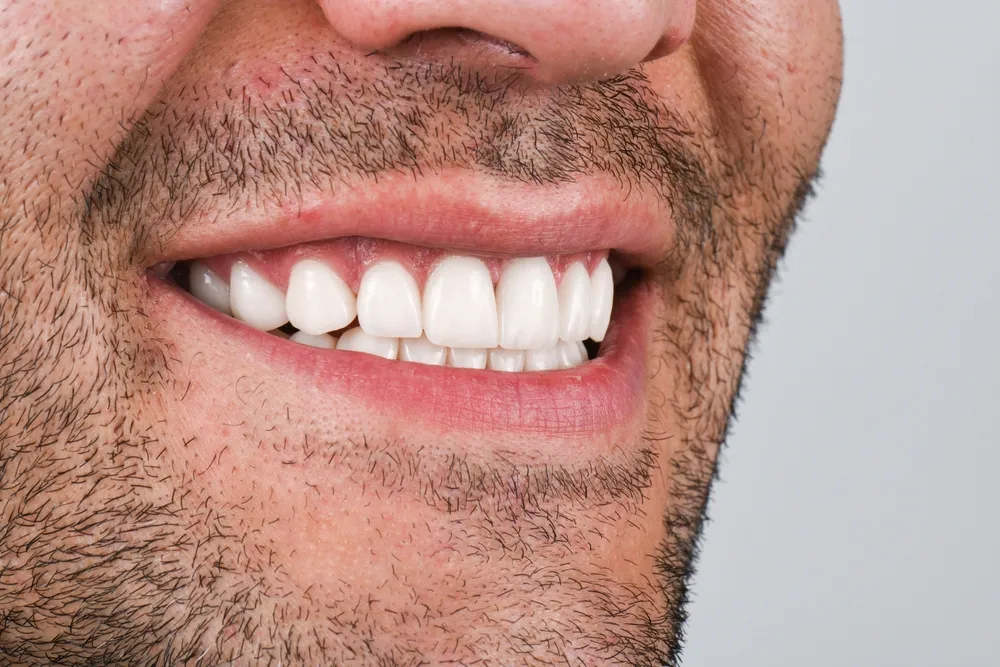
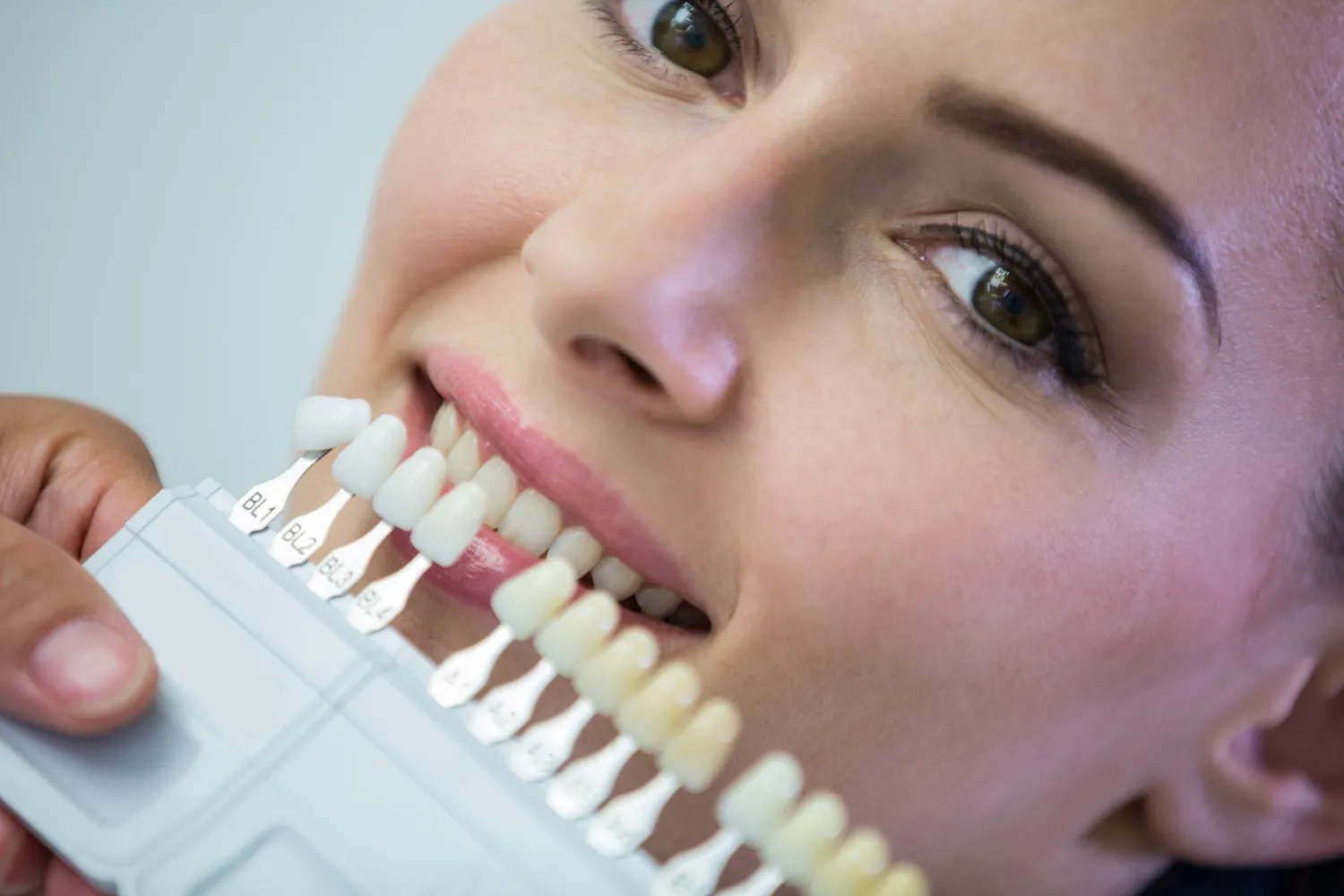
Porcelain veneers cover the front surface of teeth. They correct color, shape, and minor alignment issues. Turkish clinics use minimal-preparation techniques. They bond thin veneers to enamel. This approach preserves tooth structure and creates natural results.
Full Mouth Restorations
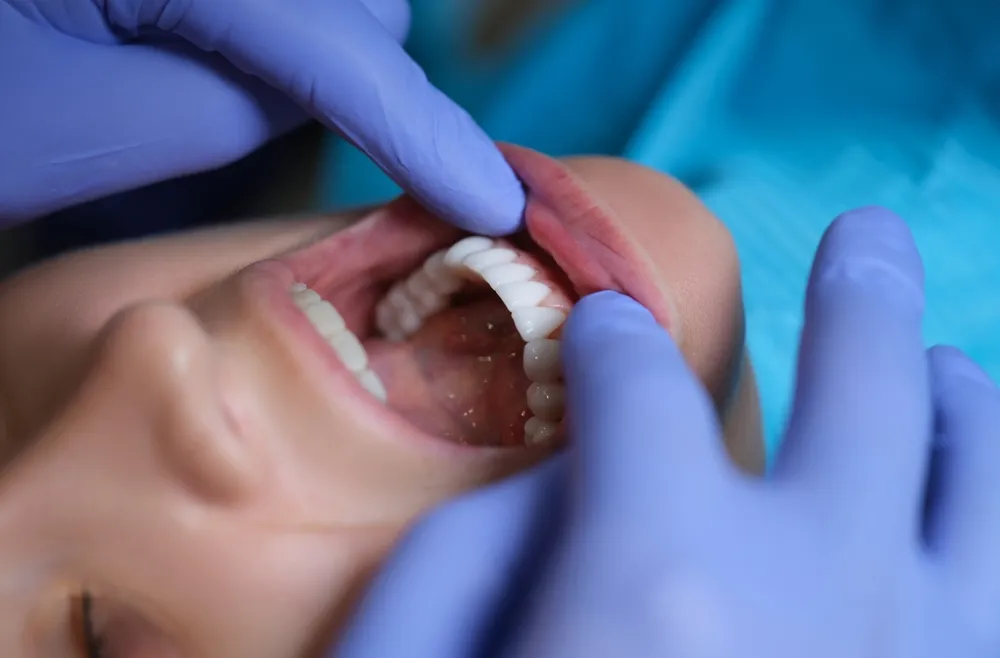
Full mouth restorations rebuild entire dental arches. They combine implants, crowns, and bridges. Turkish clinics offer All-on-4 and All-on-6 implant systems. These systems support full-arch prostheses with four or six implants. Patients with severe tooth loss regain function and aesthetics.
Cosmetic Smile Makeovers
Smile makeovers combine multiple procedures. They may include veneers, crowns, whitening, and gum contouring. Turkish clinics use digital smile design to plan these makeovers. Patients see simulations before treatment begins. This technology ensures predictable outcomes.
How to Maximize Your Safety When Getting Dental Work Done in Turkey
You control your safety. The choices you make before, during, and after treatment determine your outcome. Follow these guidelines to protect yourself.
Conduct Thorough Research
Research takes time. Read clinic websites. Check dentist credentials. Read independent reviews. Join dental tourism forums. Ask previous patients about their experiences. Do not rely on Instagram photos alone. Social media marketing does not guarantee clinical excellence.
Avoid Choosing Clinics Based Solely on Price
Price matters, but it should not dominate your decision. Create a shortlist of three to five clinics. Compare their prices, credentials, and reviews. Choose the clinic that offers the best balance of quality, transparency, and value. The cheapest option rarely offers the best long-term outcome.
Confirm Materials and Brands in Writing
Before you pay, confirm every material in writing. List the implant brand, the crown material, the temporary restoration type, and the cement or bonding agent. If the clinic changes materials during treatment, ask why. You have the right to know what enters your body.
Schedule Adequate Recovery Time
Do not fly home the day after major surgery. Implants need three to seven days of initial healing. Extractions need rest. Crowns need adjustment appointments. Plan a stay of five to ten days for complex procedures. This timeline allows your dentist to address immediate complications before you leave.
Keep Copies of All Dental Records
Request your X-rays, scans, treatment plan, and invoice. Store these documents digitally. Your home dentist needs this information for future care. If complications arise, these records help any dentist understand what was done.
Arrange Follow-Up Care Before Returning Home
Identify a dentist in your home country who will manage your aftercare. Share your Turkish clinic's contact information. Some clinics partner with dentists in the UK, Ireland, or Germany for local follow-up. Establish this relationship before you travel.
Frequently Asked Questions About Dental Safety in Turkey
Patients ask similar questions before they book. This section provides clear answers.
Is Turkey Safe for Dental Implants?
Yes, Turkey is safe for dental implants when you choose a qualified clinic. Turkish dentists place implants using the same surgical techniques and brands as dentists in Western countries. Success rates match international benchmarks. The key is clinic selection.
Are Turkish Dentists Properly Qualified?
Yes, Turkish dentists receive rigorous education. They graduate from five-year dental programs. Specialists complete additional residency training. Many speak English and hold international memberships. Verify individual credentials before you book.
What Are the Biggest Risks of Dental Tourism?
The biggest risks include poor clinic selection, aggressive treatment, lack of aftercare, and communication problems. You can avoid these risks through research, clear communication, and proper planning.
How Can I Verify a Clinic's Credentials?
Check the Ministry of Health license. Look for ISO or JCI accreditation. Research the dentist's university and specialization. Read independent reviews. Request video calls with the dentist before you book.
Are Dental Materials in Turkey High Quality?
Yes, top clinics use CE-approved and FDA-approved materials. They use Straumann, Nobel Biocare, and similar implant brands. They use German or Swiss zirconia blocks. Verify the specific materials with your clinic. Avoid clinics that refuse to name their suppliers.
What Should I Do If I Experience Complications After Treatment?
Contact your Turkish clinic immediately. Reputable clinics offer warranties and remote consultations. If the clinic does not respond, visit your local dentist. Keep all records. If the clinic provided a warranty, they should cover corrective costs or invite you back for repairs.
Conclusion: Is It Safe to Get Dental Work Done in Turkey?
Dental work in Turkey is safe when patients choose reputable clinics and perform proper due diligence. Turkey offers modern technology, experienced dentists, and significant cost savings. Government regulation, international accreditation, and strict sterilization protocols protect patients.
Safety does not come from the country's name. It comes from the clinic's practices. A JCI-accredited clinic with experienced specialists and transparent pricing offers excellent care. A cheap, unlicensed clinic with fake reviews offers danger.
You can enjoy safe, high-quality dental treatment in Turkey. Research your clinic. Verify credentials. Ask questions. Demand written plans. Avoid price-only decisions. Arrange aftercare. When you follow these steps, Turkey becomes an excellent choice for your dental care needs.
References
Al-Haboubi, M., et al. "Dental Tourism: A Systematic Review of Patient Motivations and Safety Outcomes." Journal of Travel Medicine, vol. 27, no. 3, 2020, pp. 1-12.
Chen, L., et al. "Zirconia Crowns and Aggressive Tooth Preparation: Long-term Clinical Outcomes and Survival Rates." Journal of Dentistry, vol. 119, 2022, pp. 104-112.
Ghassemi, A., et al. "Quality Assessment of Dental Care in Medical Tourism Destinations: A Comparative Study." International Dental Journal, vol. 69, no. 4, 2019, pp. 245-253.
Johnson, R., et al. "Digital Smile Design: Clinical Applications and Protocol Standardization Across International Practices." Dental Materials, vol. 36, no. 8, 2020, pp. 1023-1031.
Mladenovic, R., et al. "Sterilization Practices in High-Volume Dental Tourism Clinics: Compliance and Outcomes." Infection Control and Hospital Epidemiology, vol. 42, no. 5, 2021, pp. 567-574.
Rungsiyakull, C., and Rungsiyakull, P. "Dental Implant Tourism: Patient Perspectives, Safety Concerns, and Clinical Correlations." Clinical Oral Implants Research, vol. 31, no. 7, 2020, pp. 678-686.
Smith, M., et al. "CAD/CAM Technology in Modern Dentistry: Accuracy, Efficiency, and Clinical Outcomes." Journal of Prosthetic Dentistry, vol. 122, no. 4, 2019, pp. 334-341.
Turner, L. "Dental Tourism: The Challenges, Opportunities, and Regulatory Implications." British Dental Journal, vol. 211, no. 5, 2011, pp. 217-220.
Williams, P., et al. "Patient Safety in Medical Tourism: A Global Perspective on Quality and Risk." The Lancet, vol. 389, no. 10079, 2017, pp. 1546-1554.
Yip, J. K., et al. "Infection Control Standards in International Dental Settings: A Cross-National Comparison." Journal of the American Dental Association, vol. 149, no. 6, 2018, pp. 456-464.