More Irish patients now ask about zirconia implants. They want metal-free solutions. They compare Turkey and Ireland. This guide answers every question. Turkey offers lower prices. Ireland offers local convenience. Value includes quality, safety, expertise, and aftercare. Price alone does not define value. This article explains everything. You will learn about costs, quality, travel, timelines, and safety. You will see real comparisons. You will read scientific evidence. This guide helps you make an informed decision.
What Are Zirconia Dental Implants?
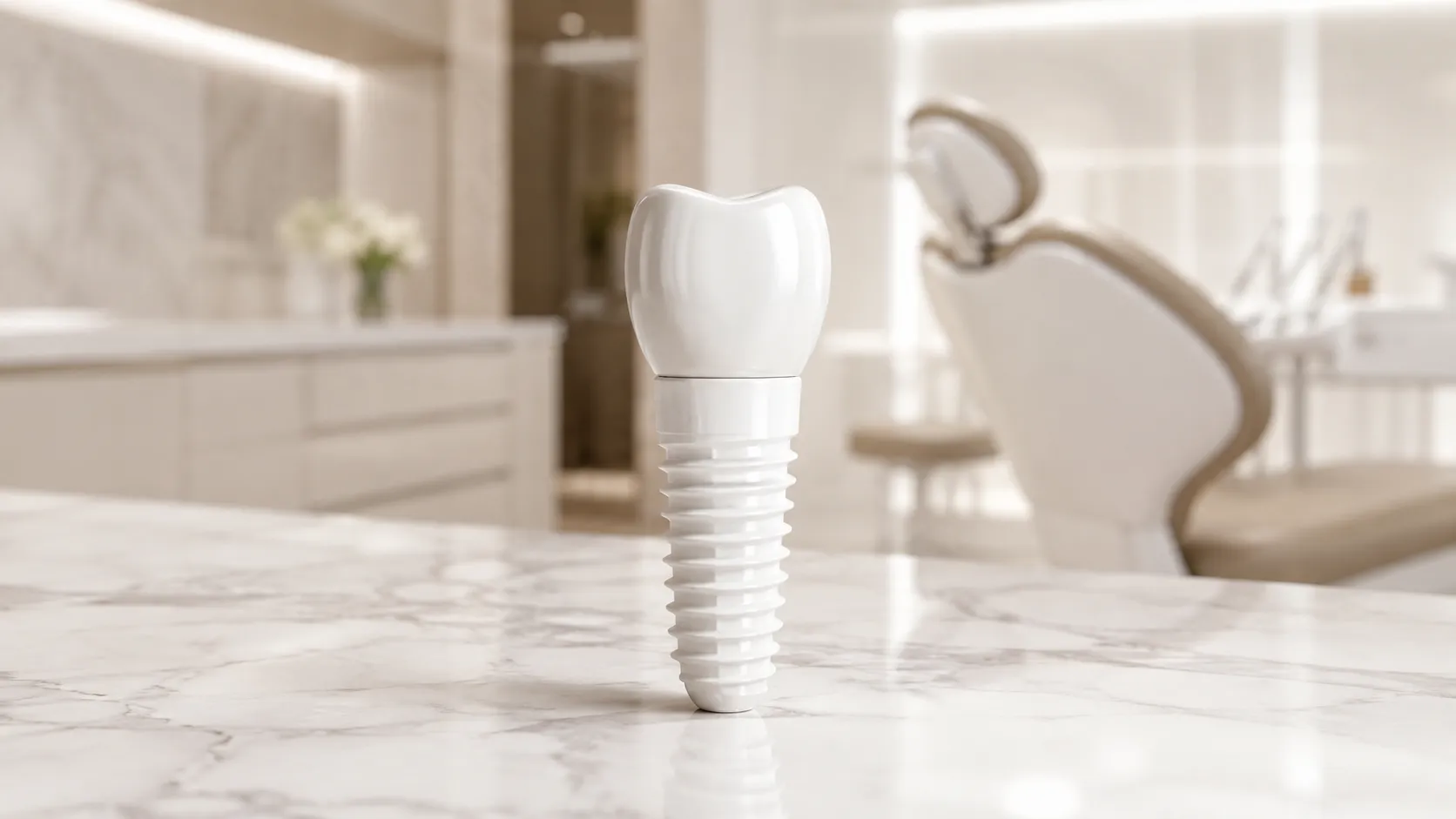
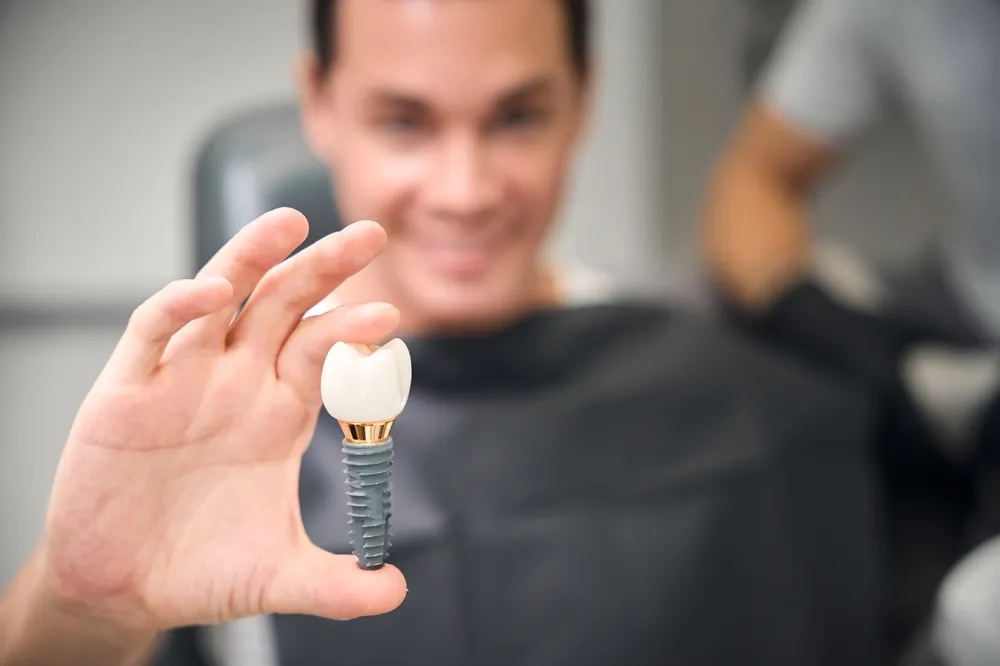
Zirconia implants are metal-free tooth replacements. They use zirconium dioxide. This material looks white. It mimics natural teeth. Patients choose zirconia for aesthetics and biocompatibility.
What Is the Definition of Zirconia Implants?
Zirconia implants are ceramic dental implants. They replace missing tooth roots. Surgeons place them in the jawbone. They support crowns, bridges, or dentures. Zirconium dioxide forms the base material. Manufacturers use yttria-stabilized tetragonal zirconia polycrystal. This ceramic resists fracture. It bonds with bone through osseointegration. Studies confirm zirconia achieves similar bone integration to titanium (Gahlert et al., 2013).
How Does Zirconia Differ from Titanium Implants?
Zirconia differs in color, composition, and biocompatibility. Titanium implants are metallic gray. Zirconia implants are white. Titanium conducts heat and electricity. Zirconia does not. Zirconia shows lower plaque adhesion. Titanium has decades of clinical data. Zirconia has shorter but growing evidence. Some patients report gum discoloration with titanium. Zirconia avoids this problem. Research shows both materials achieve high survival rates. Zirconia offers superior soft tissue response (Kohal et al., 2020).
What Are One-Piece vs Two-Piece Zirconia Implant Systems?
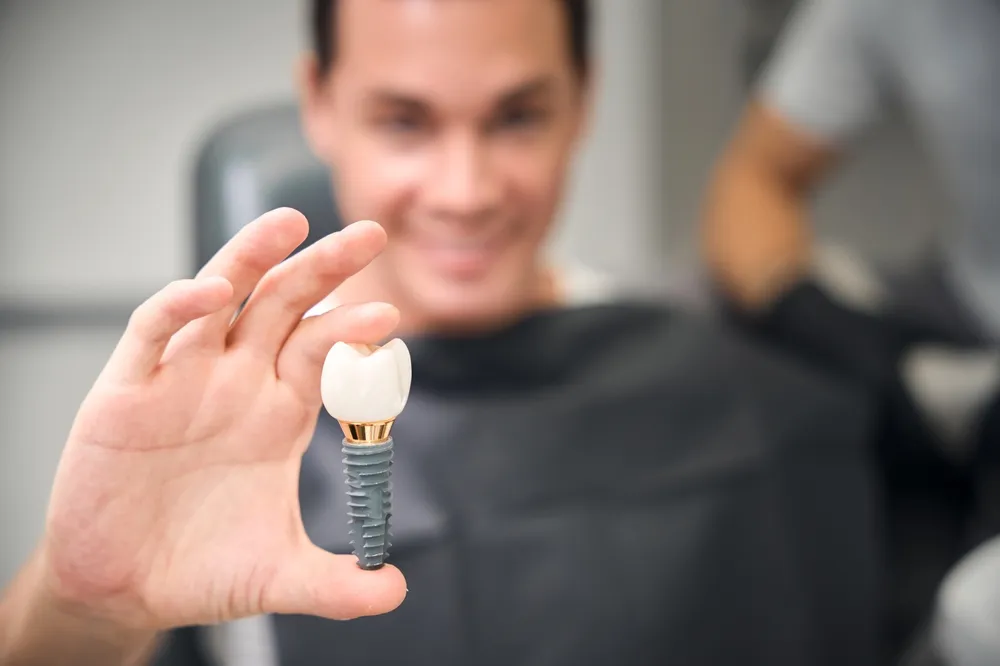
One-piece systems combine the implant and abutment. Two-piece systems separate them. One-piece designs reduce microgap bacteria. They suit anterior regions. Two-piece designs allow angle correction. They offer more restorative flexibility. Most zirconia implants use one-piece designs. This limits prosthetic options. Surgeons must plan angulation precisely. Two-piece zirconia systems now emerge. They improve versatility. Clinicians select based on case complexity.
What Materials Do Modern Zirconia Implants Use?
Manufacturers use high-purity zirconium dioxide. They add yttrium oxide for stability. Some use alumina toughening. The surface receives sandblasting or acid etching. This enhances bone contact. Some brands add calcium phosphate coatings. These accelerate healing. The crown uses monolithic zirconia or layered porcelain. Monolithic zirconia resists chipping. Layered porcelain offers better translucency. Material science continues to improve zirconia strength.
Why Are More Irish Patients Choosing Zirconia Implants?
Irish patients want alternatives to titanium. They read about metal-free dentistry. They see social media results. They ask dentists about ceramic options. Demand grows every year.
Why Is Awareness of Metal-Free Dentistry Increasing?
Patients learn about metal sensitivity. They watch documentaries. They read dental blogs. They join online forums. Some worry about titanium ions in blood. Others prefer holistic approaches. Dentists now discuss ceramic options openly. Dental schools teach zirconia placement. The conversation shifted. Patients know they have choices. This awareness drives demand.
Why Do Patients Demand Superior Aesthetics?
Zirconia looks natural. It matches tooth color. It avoids gray lines at the gum margin. Titanium can show through thin gums. This matters for front teeth. Irish patients smile often. They want confidence. Zirconia delivers seamless appearance. Photographers and public speakers choose zirconia. Aesthetics influence social and professional life. Patients invest in their smile.
What Concerns Do Patients Have About Allergies and Biocompatibility?
Some patients report titanium sensitivity. They experience itching or rashes. True titanium allergy is rare. But patient perception matters. Zirconia offers peace of mind. It is hypoallergenic. It contains no metal ions. Biocompatibility tests show excellent tissue response. Soft tissue heals tightly around zirconia. This reduces bacterial penetration. Patients with autoimmune conditions often prefer zirconia. They want the safest material available.
What Long-Term Oral Health Considerations Matter?
Zirconia resists corrosion. It does not release ions. It maintains stable pH around the implant. Plaque accumulates less on zirconia surfaces. This protects neighboring teeth. Gum health improves. Long-term studies show peri-implantitis rates comparable to titanium. Some evidence suggests lower inflammation with zirconia. Patients think about decades of use. They want materials that support overall health.
Turkey vs Ireland at a Glance: How Do They Compare?
Patients need clear comparisons. This table shows key differences. It covers costs, services, and logistics.
Factor | Turkey | Ireland |
Average cost per implant | €600 – €1,200 | €2,500 – €4,500 |
Consultation | Often free or included | €80 – €150 |
CBCT imaging | Usually included | €150 – €300 |
Implant surgery | Included in package | €2,000 – €3,500 |
Zirconia crown | Included in package | €800 – €1,500 |
Waiting times | 1 – 2 weeks | 3 – 6 months |
Treatment packages | All-inclusive common | Rare |
Travel requirements | Flight required | None |
Follow-up care | Remote or return visit | Local |
Overall value | High savings, travel needed | Local convenience, higher cost |
Ireland offers familiarity. Turkey offers savings. Patients must weigh both factors. The total experience differs significantly.
Zirconia Implant Costs: Turkey vs Ireland?
Cost drives many comparisons. Patients want transparent pricing. They need to understand every expense.
What Is the Average Price of a Single Zirconia Implant?
In Turkey, a single zirconia implant costs €600 to €1,200. This often includes the crown. In Ireland, the same procedure costs €2,500 to €4,500. The Irish price excludes additional work. Turkish clinics bundle services. Irish clinics itemize bills. The gap surprises many patients. It explains why dental tourism grows.
What Do Full-Mouth Zirconia Implant Costs Look Like?
Full-mouth reconstruction in Turkey costs €6,000 to €15,000. In Ireland, it costs €25,000 to €60,000. Turkish packages use all-on-4 or all-on-6 systems. They include fixed zirconia bridges. Irish patients face mortgage-level expenses. Turkish prices remain accessible. Full-mouth cases show the biggest savings.
What Additional Treatment Expenses Should Patients Expect?
Patients need more than just implants. They need diagnostics. They need preparatory work. They need aftercare.
Consultation fees: Turkish clinics often waive these. Irish clinics charge €80 to €150.
Digital X-rays: Turkey includes these. Ireland charges €50 to €100.
CBCT scans: Turkey bundles these. Ireland charges €150 to €300.
Bone grafting: Turkey charges €200 to €500 per area. Ireland charges €800 to €1,500.
Sinus lifting: Turkey charges €300 to €600. Ireland charges €1,500 to €2,500.
Temporary restorations: Turkey includes these in packages. Ireland charges €500 to €1,000.
Permanent zirconia crowns: Turkey includes these. Ireland charges €800 to €1,500 per crown.
These extras add up. Irish patients face mounting bills. Turkish packages absorb many costs.
Why Are Zirconia Implants Less Expensive in Turkey?
Lower prices raise questions. Patients worry about quality. The reasons are economic, not clinical.
How Do Lower Operating Costs Affect Prices?
Turkish clinics pay less rent. They pay lower staff salaries. They buy materials at competitive rates. Overhead stays minimal. These savings reach patients. Irish clinics face high rents in Dublin or Cork. They pay premium wages. Insurance costs climb. These expenses inflate prices.
How Does High Treatment Volume Impact Costs?
Turkish implant surgeons perform thousands of cases yearly. They buy implants in bulk. Manufacturers offer discounts. Labs process crowns efficiently. Volume reduces per-unit costs. Irish surgeons see fewer implant cases. They cannot negotiate bulk rates. Efficiency differs between markets.
How Does the Competitive Dental Tourism Market Help Patients?
Istanbul alone hosts hundreds of dental clinics. They compete for international patients. Competition drives prices down. Clinics improve service to attract clients. They invest in technology. They hire English-speaking staff. Patients benefit from this rivalry. Ireland has fewer clinics. Competition is gentler. Prices stay elevated.
What Currency Advantages Do International Patients Gain?
The Turkish lira fluctuates against the euro. Sometimes patients gain extra savings. Even at stable rates, the cost-of-living gap persists. Irish income levels are higher. Irish prices reflect local purchasing power. Turkish prices match local economics. International patients exploit this difference.
How Does Government Support for Medical Tourism Work?
Turkish authorities promote health tourism. They streamline visas. They improve airport facilities. They accredit clinics nationally. This infrastructure supports dental tourism. Clinics receive incentives. Patients receive safer, organized experiences. Ireland does not prioritize dental tourism. The market serves local residents.
Important note: Lower prices do not mean lower quality. But patients must evaluate each clinic individually. Research matters more than assumptions.
What Is the Quality of Dental Care in Turkey vs Ireland?
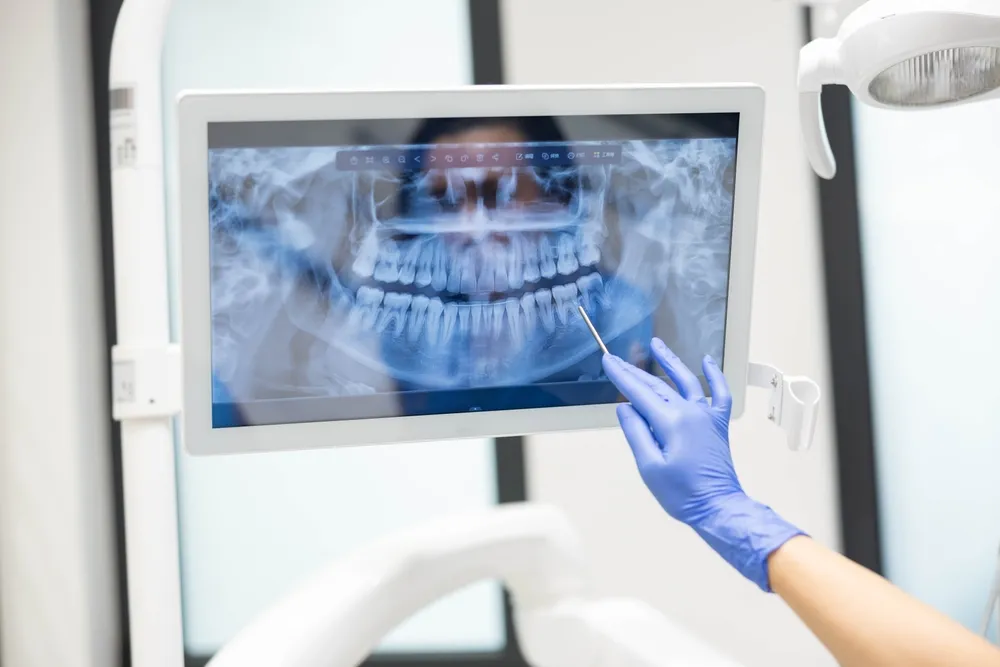
Quality determines long-term success. Patients should examine training, technology, and standards.
How Do Dentist Education and Specialization Compare?
Turkish implant dentists complete five-year dental degrees. They pursue specialization in oral surgery or periodontology. Many train in Europe or America. They attend international conferences. They publish research. Irish dentists follow similar paths. Both countries require rigorous education. Turkish implant specialists often handle more cases during training. Volume builds experience.
What Digital Dentistry Technologies Are Available?
Modern clinics in both countries use advanced technology.
CAD/CAM: Computer-aided design and manufacturing creates precise crowns. Turkish labs use this daily. Irish labs use it too.
Digital smile design: Software plans the final aesthetic result. Patients see previews. Turkish clinics showcase this heavily.
Intraoral scanners: These replace messy impressions. They improve accuracy. Both countries use scanners widely.
Guided implant surgery: 3D-printed guides direct drill placement. This reduces errors. Turkish surgeons use guides routinely.
3D planning: CBCT data creates surgical simulations. Surgeons plan before operating. This technology exists in both nations.
Turkish clinics often market these technologies aggressively. Irish clinics use them quietly. The tools are similar. The presentation differs.
Which International Implant Brands Do Clinics Use?
Top Turkish clinics use premium brands.
Straumann: Swiss precision. Global leader. Available in Turkey.
Nobel Biocare: Swedish innovation. Extensive research. Used in Turkey.
Neodent: Brazilian quality. Growing reputation. Found in Turkey.
Osstem: South Korean value. Reliable performance. Popular in Turkey.
Irish clinics use the same brands. The implant brand matters more than the country. Patients should ask which system the clinic uses. They should verify authenticity.
How Do Sterilization and Infection Control Compare?
Turkish dental clinics follow international sterilization protocols. They use autoclaves. They maintain clean rooms. They use disposable instruments where possible. Irish clinics follow identical standards. Both countries take infection control seriously. Patients should tour clinics. They should ask about sterilization routines.
What Clinic Accreditation Should Patients Look For?
Turkish clinics seek ISO certification. They join the Turkish Dental Association. Some receive Joint Commission International accreditation. Irish clinics register with the Irish Dental Council. They follow EU medical device regulations. Both systems protect patients. Accreditation confirms standards. Patients should verify certificates.
What Are the Clinical Advantages of Zirconia Implants?
Zirconia offers specific benefits. Science supports many claims.
How Do Zirconia Implants Provide Excellent Aesthetics?
Zirconia reflects light like natural enamel. It does not look opaque. It blends with surrounding teeth. The white color matches tooth shade. No metal shadow appears at the gum line. This matters for patients with thin or receding gums. Aesthetics remain the top reason for choosing zirconia.
Why Does the Natural White Color Matter?
Titanium shows gray tones. This becomes visible over time. Gum recession exposes the metal. Zirconia stays white forever. It maintains appearance even if gums change. Patients with high smile lines need this feature. The color stability reassures them.
How Does High Biocompatibility Help Patients?
Zirconia integrates with bone. It does not trigger immune responses. It supports soft tissue attachment. The gingiva forms a tight seal. This barrier blocks bacteria. Research confirms excellent biocompatibility scores. Patients with sensitive systems tolerate zirconia well.
How Does Zirconia Reduce Plaque Accumulation?
Studies show smoother zirconia surfaces. Bacteria adhere less easily. Plaque forms more slowly. This protects the implant and nearby teeth. Patients maintain cleaner mouths. Professional cleanings become easier. Long-term oral health improves.
What Is the Soft Tissue Response Like?
Gums heal quickly around zirconia. They appear pink and healthy. Inflammation stays minimal. The soft tissue collar remains stable. This reduces the risk of peri-implantitis. Healthy gums support implant longevity.
How Does Corrosion Resistance Protect Patients?
Zirconia does not corrode. It resists oral acids. It does not degrade in saliva. Titanium forms oxide layers. Zirconia remains inert. This chemical stability benefits long-term health. No metal ions enter the bloodstream.
What Does Long-Term Durability Research Show?
Current evidence supports zirconia durability. Five-year survival rates exceed ninety-five percent. Some studies show rates comparable to titanium. Material improvements continue. Manufacturers strengthen zirconia formulations. Long-term data accumulates yearly. Patients can trust modern zirconia implants.
What Are the Potential Limitations of Zirconia Implants?
Zirconia is not perfect. Patients need realistic expectations.
How Does Case Selection Affect Success?
Not every patient suits zirconia. Heavy grinders need careful evaluation. Patients with severe bone loss may need titanium. Posterior regions with high bite forces require assessment. Surgeons must select cases wisely. Zirconia works best in anterior and premolar regions.
Why Is Restorative Flexibility Limited?
One-piece zirconia implants restrict angle changes. The abutment does not move. Surgeons must place implants perfectly. Two-piece systems improve this. But they are less common. Restorative dentists have fewer options. They must plan carefully.
What Is Technique Sensitivity?
Zirconia implants demand precise placement. Surgeons cannot adjust angles later. The material requires careful handling. Over-tightening risks fracture. Not all surgeons master these techniques. Experience matters greatly.
Why Is Availability of Experienced Clinicians a Concern?
Zirconia placement requires specific training. Fewer surgeons offer zirconia than titanium. Patients must find qualified clinicians. In Ireland, zirconia specialists are limited. In Turkey, many surgeons focus on zirconia. Volume creates expertise.
How Do Higher Material Costs Compare to Titanium?
Zirconia raw materials cost more than titanium. The manufacturing process is complex. This raises base prices. Even in Turkey, zirconia costs more than titanium. The premium is smaller in Turkey. Irish patients feel the material cost more acutely.
Travel Costs: Do Irish Patients Still Save Money?
Travel adds expense. Patients must calculate total costs.
What Do Flights Cost?
Dublin to Istanbul flights cost €150 to €400 round-trip. Budget airlines offer deals. Direct flights take four hours. Patients book in advance for savings. Some clinics assist with booking.
What Does Accommodation Cost?
Istanbul hotels range from €40 to €150 per night. Clinics often include hotel stays. Patients stay five to seven days. Packages absorb this cost. Independent travelers book nearby hotels.
What Do Airport Transfers Cost?
Clinics usually provide free transfers. Private taxis cost €20 to €40. Public transport costs less. Packages include meet-and-greet services. This removes stress.
What Do Meals Cost?
Turkish meals cost €10 to €30 daily. Restaurants are affordable. Clinics sometimes include breakfast. Patients enjoy Turkish cuisine. Food costs remain low.
What Do Follow-Up Visits Require?
Some patients return for final fittings. Others complete treatment in one visit. Return flights cost the same. Some clinics partner with Irish dentists for local follow-up. This reduces travel needs.
Example Cost Comparison:
Expense | Ireland | Turkey |
Treatment | €3,500 | €900 |
Travel | €0 | €300 |
Hotel | €0 | €350 |
Total | €3,500 | €1,550 |
Estimated savings | - | €1,950 |
Patients save significantly. Even with travel, Turkey costs less. Full-mouth cases show even bigger gaps.
How Do Treatment Timelines Compare?
Time matters for busy patients. Timelines differ between countries.
What Is the Ireland Treatment Timeline?
Patients book consultations. They wait weeks for appointments. They receive diagnostics. They wait for lab results. They schedule surgery. They wait months between stages. The total process takes six to twelve months. NHS queues extend longer. Private care moves faster but costs more.
What Is the Turkey Treatment Timeline?
Patients send photos online. They receive treatment plans remotely. They book flights. They arrive for surgery. Clinics complete diagnostics in one day. They place implants within days. They fit temporary teeth immediately. Patients return home. They come back for final crowns after three to six months. Some clinics offer single-visit solutions. The active treatment takes one week.
Timeline Breakdown:
Stage | Ireland | Turkey |
Consultation | Week 1 | Remote before travel |
Diagnostics | Week 2 – 4 | Day 1 on arrival |
Implant placement | Week 6 – 12 | Day 2 – 3 |
Healing period | 3 – 6 months | 3 – 6 months |
Final prosthesis | Month 6 – 12 | Month 4 – 7 |
Turkey compresses the active phase. Ireland spreads it over many months.
What Is the Dental Tourism Experience in Turkey?
Turkey has refined dental tourism. Patients receive comprehensive service.
What Do All-Inclusive Packages Include?
Packages cover treatment, hotel, transfers, and sometimes meals. They include temporary teeth. They include medications. They offer city tours. Patients receive one price. No hidden fees surprise them. This simplicity appeals to international patients.
How Do English-Speaking Coordinators Help?
Clinics hire multilingual staff. Coordinators speak fluent English. They explain procedures. They translate for dentists. They handle paperwork. They stay available on WhatsApp. Patients communicate easily.
What Airport Transfer Services Exist?
Drivers meet patients at arrivals. They hold name signs. They carry luggage. They drive comfortable vehicles. They reach clinics or hotels directly. This service is free in most packages.
What Hotel Accommodation Options Are Available?
Clinics partner with four-star hotels. Patients stay near the clinic. Hotels offer breakfast. They provide Wi-Fi. They arrange laundry. Some packages upgrade to five-star stays. Comfort matters during recovery.
What Are Multidisciplinary Clinics?
Large Turkish clinics house many specialists. Oral surgeons work beside prosthodontists. Periodontists check gum health. Radiologists read scans. Labs operate on-site. Everything happens under one roof. This coordination improves results.
How Does Remote Consultation Before Travel Work?
Patients upload photos and X-rays. Dentists review them. They create preliminary plans. They estimate costs. They answer questions. Patients arrive prepared. They know what to expect. This reduces anxiety.
What Safety Considerations Should Patients Evaluate Before Choosing a Clinic?
Safety comes first. Patients must verify every detail.
How Can Patients Verify Dentist Credentials?
Patients should check university degrees. They should confirm specialization certificates. They should look for membership in professional associations. They should search for published research. They should ask how many zirconia cases the surgeon completed. They should request video calls with the dentist.
Why Should Patients Request Detailed Treatment Plans?
A proper plan lists every procedure. It includes implant brands. It specifies crown materials. It notes bone grafting needs. It gives exact timelines. It states total costs. Vague plans signal risk. Detailed plans show professionalism.
How Do Patients Confirm Implant Brand?
Patients should ask for brand names. They should see packaging. They should verify serial numbers. They should research the brand online. Counterfeit implants exist. Authentic brands offer warranties. Verification protects patients.
Why Should Patients Review Before-and-After Cases?
Clinics should show real results. They should display cases similar to yours. They should explain graft counts. They should show healing stages. They should provide patient testimonials. Stock photos are not enough. Real cases build trust.
What Warranty Policies Should Patients Understand?
Implants should carry lifetime warranties. Crowns should have five to ten-year guarantees. Warranties should cover fracture and failure. Patients should read terms. They should know what actions void coverage. They should get warranties in writing.
How Should Patients Ask About Emergency Care?
Patients should know who to call if pain strikes. They should know clinic hours. They should understand emergency protocols. They should ask about after-hours contact. They should know the nearest hospital. Preparation prevents panic.
Why Should Patients Compare Transparent Pricing?
Every cost should appear upfront. No hidden fees should exist. Patients should ask about extra charges. They should know currency exchange rates. They should understand payment schedules. Transparent clinics build trust.
Patient concerns from forums: Many patients worry about aftercare. They ask about guarantees. They fear unrealistically low quotes. They should avoid prices that seem too cheap. They should focus on evidence. They should not rely on anecdotal stories alone.
What Aftercare and Long-Term Maintenance Do Zirconia Implants Need?
Implants last decades with proper care. Patients must commit to maintenance.
What Oral Hygiene Practices Matter?
Patients should brush twice daily. They should use soft brushes. They should floss around implants. They should use interdental brushes. They should rinse with non-alcoholic mouthwash. They should avoid abrasive toothpaste. Good hygiene prevents peri-implantitis.
How Often Should Patients Get Professional Cleanings?
Patients should visit hygienists every six months. Hygienists use special tools. They avoid scratching zirconia surfaces. They clean below the gum line. They check implant stability. Regular visits catch problems early.
Why Do Annual Reviews Matter?
Dentists should examine implants yearly. They take X-rays. They measure bone levels. They check bite forces. They assess gum health. They clean hard-to-reach areas. Annual reviews extend implant life.
When Should Patients Use Night Guards?
Grinders should wear night guards. These protect implants from excessive force. They distribute pressure evenly. They prevent crown fracture. They protect natural teeth too. Dentists custom-make these guards.
How Do Patients Manage Peri-Implant Health?
Peri-implantitis threatens implants. Patients should watch for bleeding gums. They should notice bad taste. They should report pain early. Early treatment saves implants. Laser therapy and antibiotics help. Prevention remains the best strategy.
Who Is a Good Candidate for Zirconia Implants?
Zirconia suits many patients. Specific profiles benefit most.
Single missing teeth: Patients with one gap want seamless replacement. Zirconia looks natural. It fills the space perfectly.
Multiple missing teeth: Zirconia bridges replace several teeth. They avoid metal frameworks. They maintain white aesthetics.
Full-mouth rehabilitation: Zirconia supports all-on-4 systems. It creates beautiful full arches. Patients smile without metal showing.
Patients seeking metal-free solutions: Those with metal concerns choose zirconia. They want peace of mind. They prefer ceramic materials.
Patients with high aesthetic demands: Actors, models, and professionals need perfect smiles. Zirconia delivers unmatched appearance. They accept the premium for beauty.
When May Ireland Be the Better Choice?
Local care suits some patients better. Specific situations favor Ireland.
Complex medical conditions: Patients with diabetes, heart disease, or immune disorders need local monitoring. Irish doctors know their history. Emergency care is nearby.
Need for frequent follow-up: Some cases require many adjustments. Local access saves repeated flights. Irish dentists handle tweaks easily.
Limited ability to travel: Elderly patients or those with mobility issues struggle with flights. Local treatment removes travel stress.
Emergency treatment requirements: Patients prone to complications need immediate local care. Distance complicates emergencies.
Patient preference for local care: Some patients simply prefer Irish dentists. They value familiar systems. They trust local regulation. Personal comfort matters.
When May Turkey Offer Better Overall Value?
Turkey excels in specific scenarios. Many patients benefit greatly.
Significant cost savings: Patients save thousands. They afford treatment they could not finance in Ireland. Cost barriers disappear.
Access to experienced implant teams: Turkish surgeons place thousands of implants. They see complex cases daily. Experience builds skill.
Comprehensive treatment packages: One price covers everything. Patients avoid billing stress. They know costs upfront.
Short waiting times: Patients receive treatment in days. They do not wait months. They resolve pain quickly.
Modern digital dentistry: Turkish clinics invest heavily in technology. They market innovation aggressively. Patients access cutting-edge tools.
Opportunity to combine treatment with travel: Patients explore Istanbul. They visit historical sites. They enjoy Turkish culture. Treatment becomes a journey.
Frequently Asked Questions
Are Zirconia Implants Better Than Titanium?
Zirconia offers superior aesthetics. Titanium offers longer track records. Both achieve high success rates. The best choice depends on your priorities. Aesthetics favor zirconia. Long-term data favors titanium. Your dentist should advise based on your case.
Are Zirconia Implants Available in Ireland?
Yes. Irish dentists offer zirconia implants. Availability is limited. Fewer clinics stock them. Prices are higher. Waiting lists may apply. Patients should call clinics directly. They should confirm zirconia options before booking.
Why Are Zirconia Implants Cheaper in Turkey?
Lower operating costs drive prices down. High volume creates efficiency. Competition keeps rates fair. Currency differences help. Government support reduces overhead. Quality remains high despite lower prices.
How Much Can Irish Patients Save?
Single implant savings reach €2,000. Full-mouth savings reach €40,000. Travel costs reduce but do not eliminate savings. Most patients save fifty to seventy percent. Even after flights and hotels, Turkey costs less.
Are Turkish Zirconia Implants Safe?
Yes, when patients choose accredited clinics. Turkish dentists receive excellent training. Top clinics use international implant brands. Sterilization meets global standards. Patients must research carefully. Safety depends on clinic choice, not country.
How Long Do Zirconia Implants Last?
Zirconia implants last fifteen to twenty years. Some last longer. Proper care extends lifespan. Regular check-ups matter. Good oral hygiene is essential. Material improvements continue. Future data will clarify maximum longevity.
Is Travel Included in Dental Packages?
Most packages include airport transfers. Some include flights. Hotels are usually included. Meals vary by package. Patients should read inclusions carefully. They should ask what is not covered.
Can Patients Return to Ireland Between Implant Stages?
Yes. Patients often return home after implant placement. They heal for three to six months. They return for final crowns. Some clinics complete everything in one extended visit. Others require two trips. Patients should confirm the protocol.
What Happens If Patients Need Adjustments Later?
Turkish clinics offer remote consultation. They guide local Irish dentists. Some patients return for minor adjustments. Warranty coverage should include this. Patients should clarify adjustment policies before treatment.
Are Zirconia Implants Worth the Extra Cost?
For patients prioritizing aesthetics, yes. For patients with metal concerns, yes. For posterior teeth on tight budgets, titanium may suffice. Value is personal. Zirconia delivers unmatched appearance. Patients must decide if that premium fits their goals.
Conclusion
Turkey and Ireland both offer zirconia implants. The differences are stark. Turkey provides lower costs. Turkey offers shorter waits. Turkey delivers comprehensive packages. Ireland provides local convenience. Ireland offers familiar regulation. Ireland removes travel needs.
Better value includes more than price. It includes quality. It includes safety. It includes clinician expertise. It includes technology. It includes aftercare. It includes the total treatment experience. Price alone does not define value.
Irish patients should compare detailed treatment plans. They should verify implant systems. They should understand long-term support. They should ask about warranties. They should check dentist credentials. They should not choose based on anecdotes alone.
Zirconia implants represent a significant investment in your health and appearance. Whether you choose Turkey or Ireland, research protects you. Ask questions. Demand transparency. Verify claims. Your smile deserves the best decision.
References
Gahlert, M., et al. "A Randomized Controlled Clinical Trial Comparing Zirconia and Titanium Abutments for Single-Tooth Implants in the Maxillary Anterior Region." International Journal of Oral and Maxillofacial Implants, vol. 28, no. 4, 2013, pp. 990–98.
Kohal, Ralf-Joachim, et al. "Zirconia Oral Implants: A Review of the Literature." Clinical Oral Implants Research, vol. 31, no. 2, 2020, pp. 121–38.
Piconi, C., and G. Maccauro. "Zirconia as a Ceramic Biomaterial." Biomaterials, vol. 20, no. 1, 1999, pp. 1–25.
Sailer, Irena, et al. "Cemented and Screw-Retained Implant Restorations: A Systematic Review of Survival and Complication Rates." Clinical Oral Implants Research, vol. 23, no. 6, 2012, pp. 163–78.
Scarano, Antonio, et al. "Bacterial Adhesion on Zirconia and Titanium: An In Vivo Human Study." Journal of Periodontology, vol. 85, no. 9, 2014, pp. 1239–45.
Sennerby, Lars, and Torsten D. Johansson. "Zirconia Implants: A Clinical and Histological Case Report." Clinical Implant Dentistry and Related Research, vol. 10, no. 4, 2008, pp. 245–49.
Spies, B. C., et al. "The Clinical and Laboratory Performance of Zirconia Abutments: A Review." Journal of Prosthodontic Research, vol. 60, no. 3, 2016, pp. 165–75.
Tete, Stefano, et al. "Zirconia-Based Dental Restorations: A Clinical and Laboratory Review." Journal of Dental Research, vol. 91, no. 5, 2012, pp. 433–38.