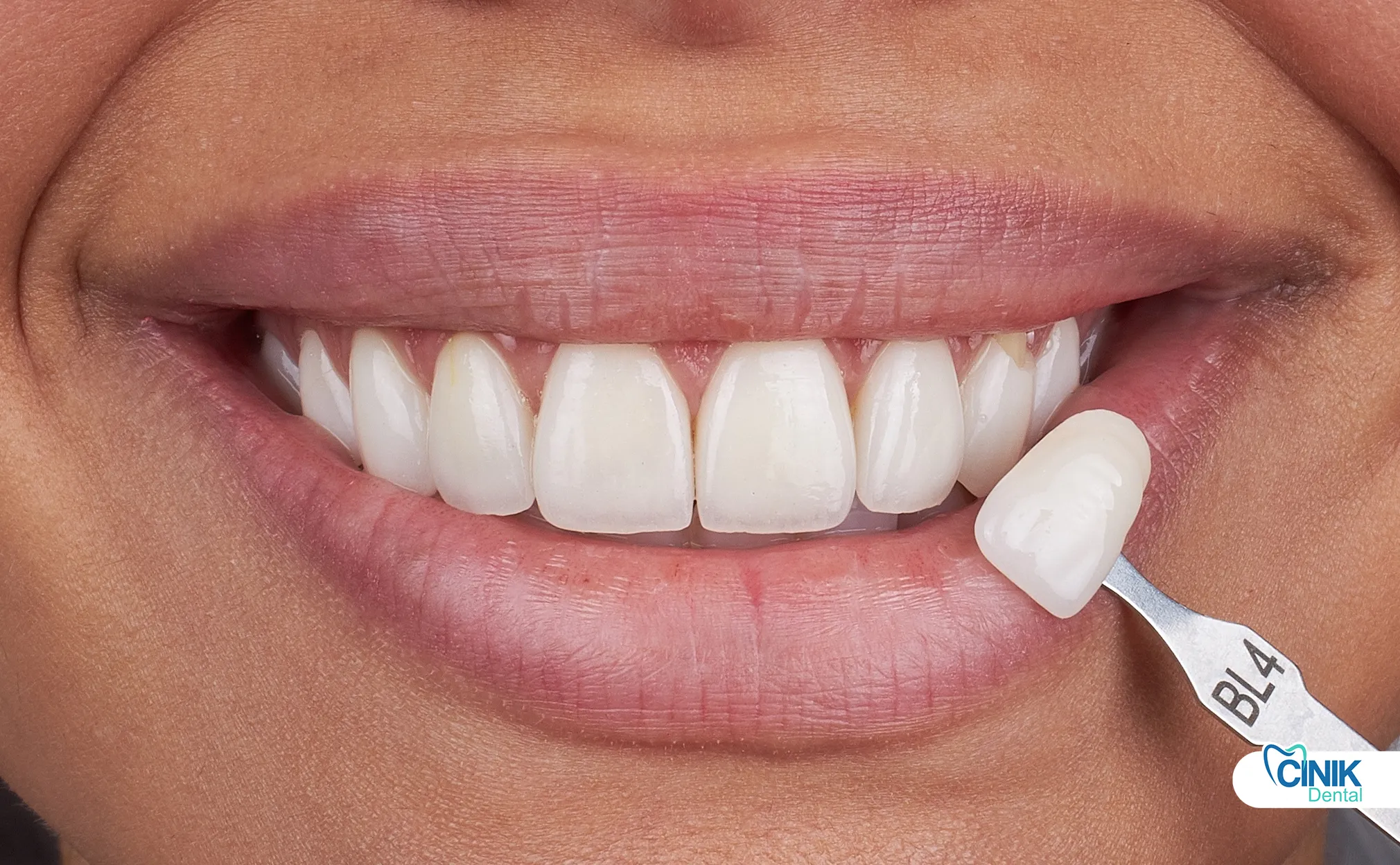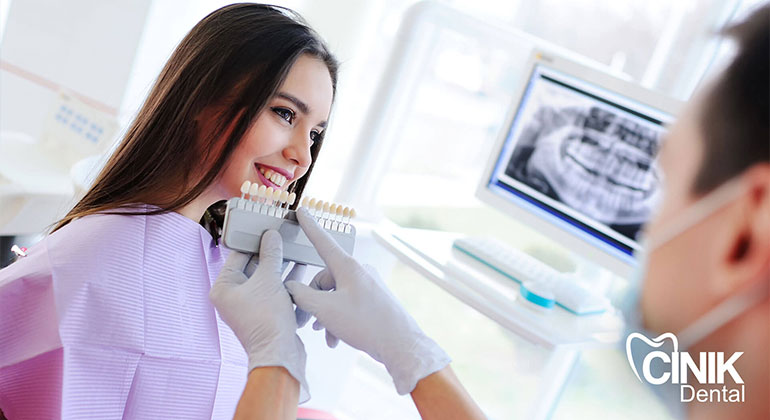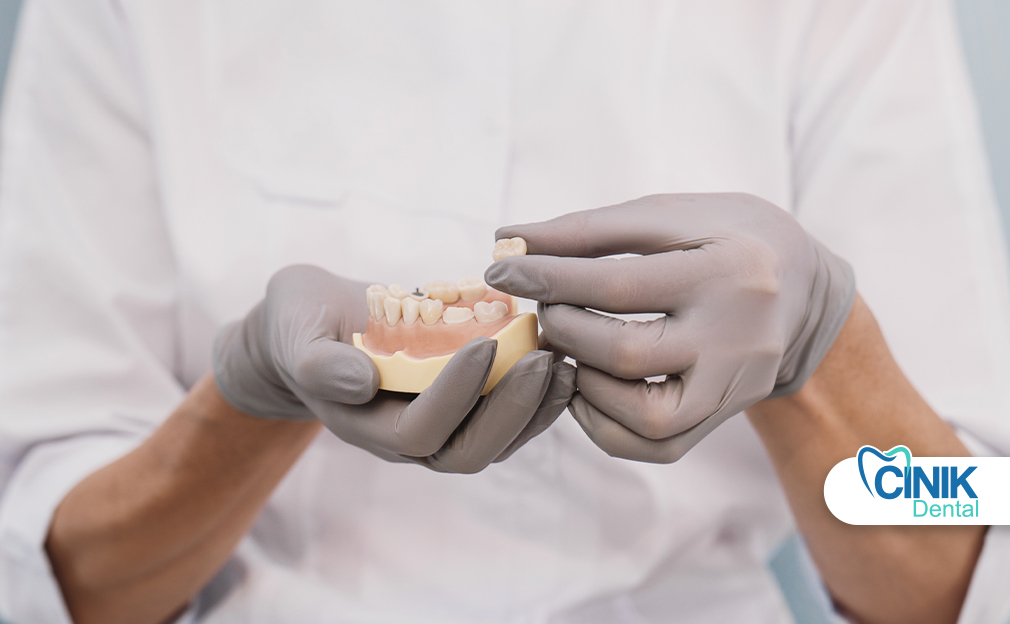
A smile makeover is a big journey. It changes how the world sees you. Many people feel shy about their teeth. They hide their mouths during a laugh. They stay quiet in meetings. This happens to many adults and teenagers. You might have yellow teeth. You might have a gap between your front teeth. Maybe a tooth broke a long time ago. Cosmetic dentistry fixes all these things.
The dentist looks at your mouth as a whole. They do not just fix one spot. They plan a total change. This plan makes your face look balanced. It makes your smile look bright. The results look natural. Modern tools make these visits easy. You do not have to feel pain. You do not have to wait for years. Most people finish their makeover in a few weeks or months. You leave the clinic with a new spirit. You feel like a brand-new person. Research confirms that cosmetic dental treatment improves both appearance and quality of life (American Academy of Cosmetic Dentistry).
Why Is a Beautiful Smile So Important?
Quick Answer: A great smile makes you feel brave and helps you meet new people.
Your smile is your first greeting to the world. It shows people that you are friendly. It shows that you are happy. When you have a nice smile, you feel brave. You look people in the eye. You speak with a loud and clear voice. Studies show that people with healthy smiles often feel more confident in social and professional settings (American Dental Association).
A good smile also makes you look healthy. White and straight teeth suggest good oral care. People trust a healthy smile. It creates a strong first impression. In today’s digital world, photos and videos matter more than ever. A confident smile improves how people see you online and offline (Kershaw et al., 2006).
There is also a physical benefit. A healthy smile supports proper chewing and clear speech. Missing or crooked teeth can affect digestion and pronunciation. Cosmetic dentistry helps restore these functions. A smile makeover supports both emotional and physical health (ADA).
How Does Teeth Whitening Brighten Your Smile?
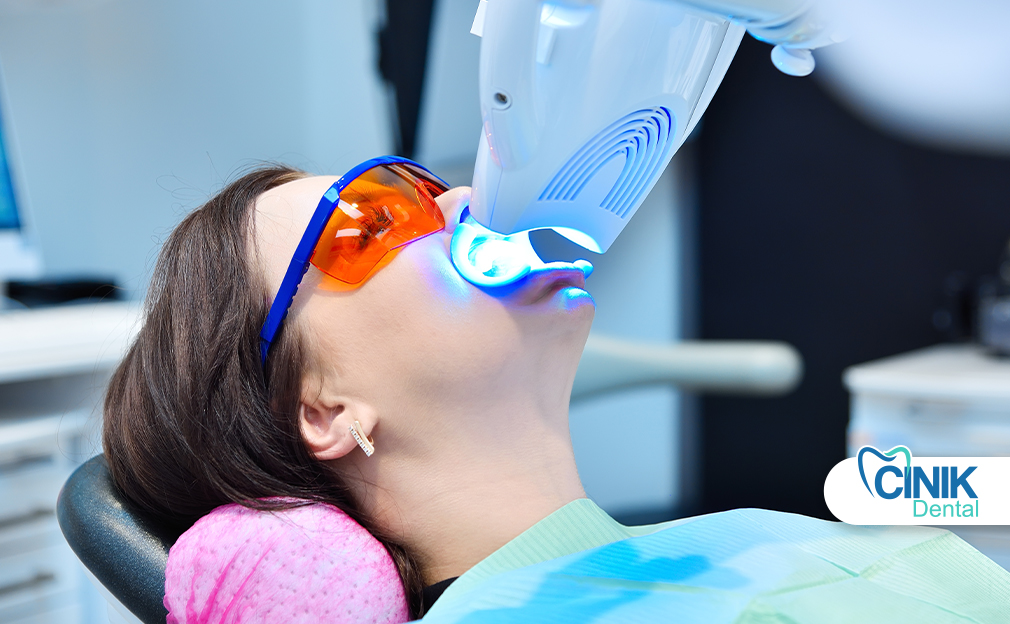
Quick Answer: Whitening removes old stains and makes your teeth look clean and bright.
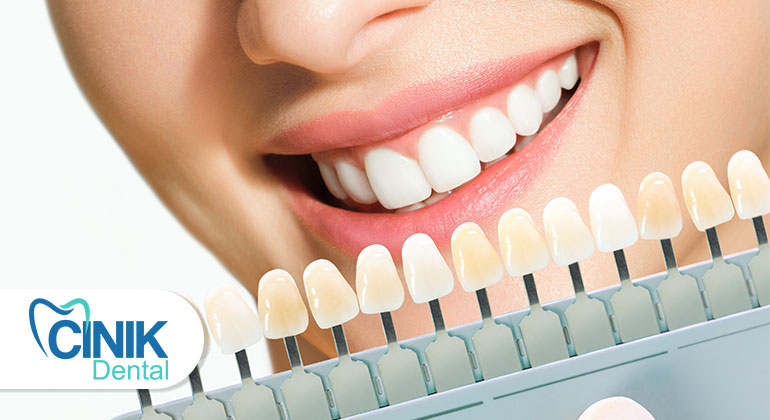
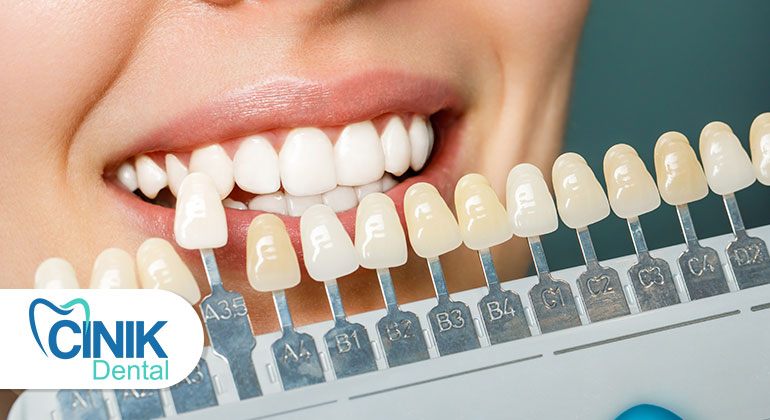
Teeth whitening is the most popular cosmetic dental treatment worldwide. Most stains come from coffee, tea, red wine, smoking, and aging. These stains settle into the enamel over time (Joiner, 2006).
Dentists use professional whitening gels that contain peroxide. These gels break down stain molecules inside the tooth. Sometimes dentists use a special light to speed up the process. Clinical studies confirm that in-office whitening safely lightens teeth several shades in one visit (American Dental Association).
Dentists protect the gums during treatment to prevent irritation. Results appear right away and can last months or years with proper care. Professional whitening remains one of the safest and most effective cosmetic procedures when done under dental supervision (ADA).
How Do Dental Veneers Create an Instant Smile Transformation?
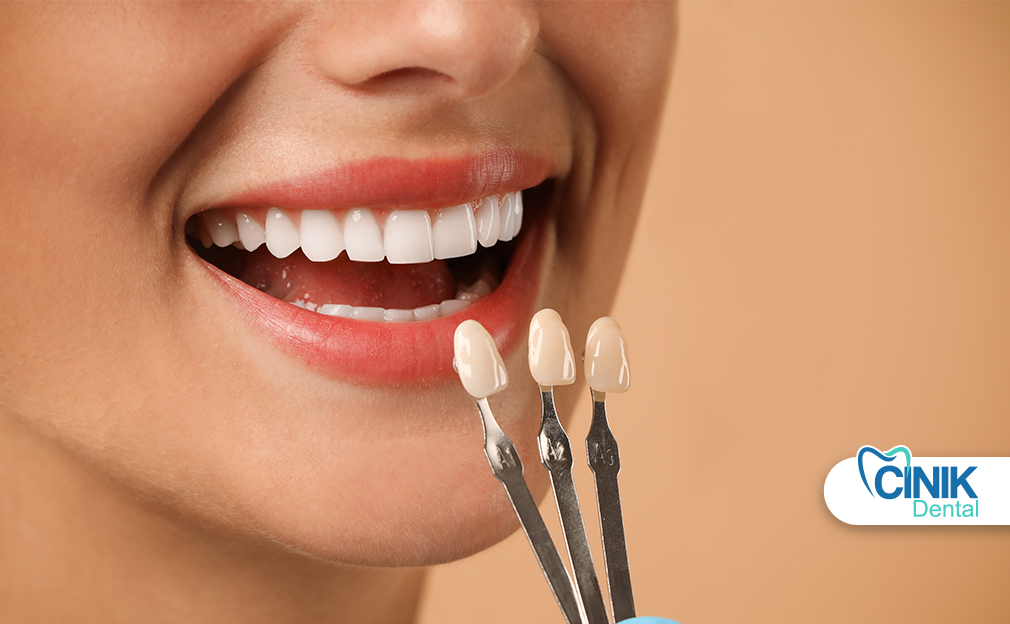
Quick Answer: Veneers are thin shells that hide chips and gaps for a perfect look.
Dental veneers offer fast and dramatic results. Dentists use porcelain or composite resin shells to cover the front of teeth. Veneers fix discoloration, gaps, uneven shapes, and minor misalignment at the same time (Gresnigt et al., 2016).
The dentist removes a small amount of enamel to create space for the veneer. This allows a natural fit. Dental laboratories design veneers to match facial features, tooth shape, and skin tone. Research shows that porcelain veneers provide long-term durability and high patient satisfaction (Peumans et al., 2000).
Porcelain veneers resist stains better than natural enamel. With good care, they last 10 to 15 years or longer. Veneers remain one of the most popular smile makeover options in cosmetic dentistry (AACD).
How Can Orthodontic Treatments Align Your Teeth?
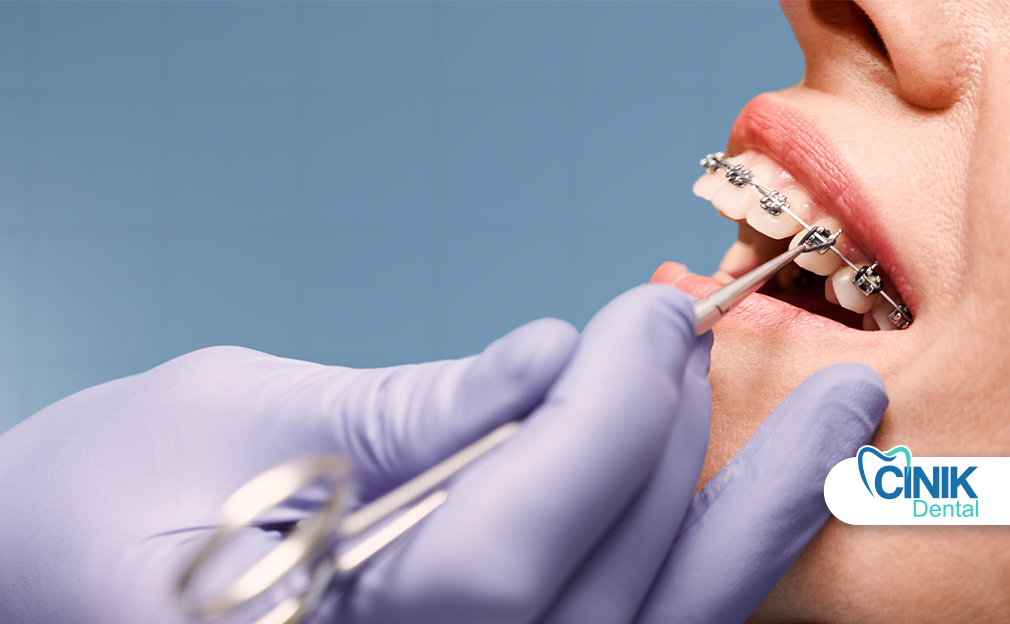
Quick Answer: Braces and clear aligners move crooked teeth into a straight and healthy line.
Orthodontic treatment improves both appearance and oral health. Crooked teeth trap plaque and increase the risk of cavities and gum disease (Proffit et al., 2018).
Traditional braces use brackets and wires to guide teeth into position. They work well for complex alignment problems. Modern braces feel smaller and more comfortable than older designs.
Clear aligners offer a discreet alternative. Patients wear custom trays that gently move teeth over time. Clinical studies confirm that clear aligners effectively treat mild to moderate alignment issues when used correctly (Rossini et al., 2015).
Straight teeth improve facial balance and make oral hygiene easier. Orthodontic care supports long-term dental health as well as confidence.
How Do Dental Crowns Restore Damaged Teeth?
Quick Answer: A crown is a strong cap that protects a broken tooth and makes it look new.
Dental crowns restore teeth with large fillings, cracks, or fractures. Crowns cover the entire tooth and protect it from further damage. Dentists often place crowns after root canal treatment to strengthen the tooth (Rosenstiel et al.).
Modern crowns use porcelain or ceramic materials that mimic natural enamel. These materials reflect light naturally and blend with surrounding teeth. Studies show that ceramic crowns offer excellent durability and aesthetics (Conrad et al., 2007).
A crown restores chewing strength and appearance at the same time. It allows patients to eat comfortably and smile without worry.
How Do Dental Implants Replace Missing Teeth?
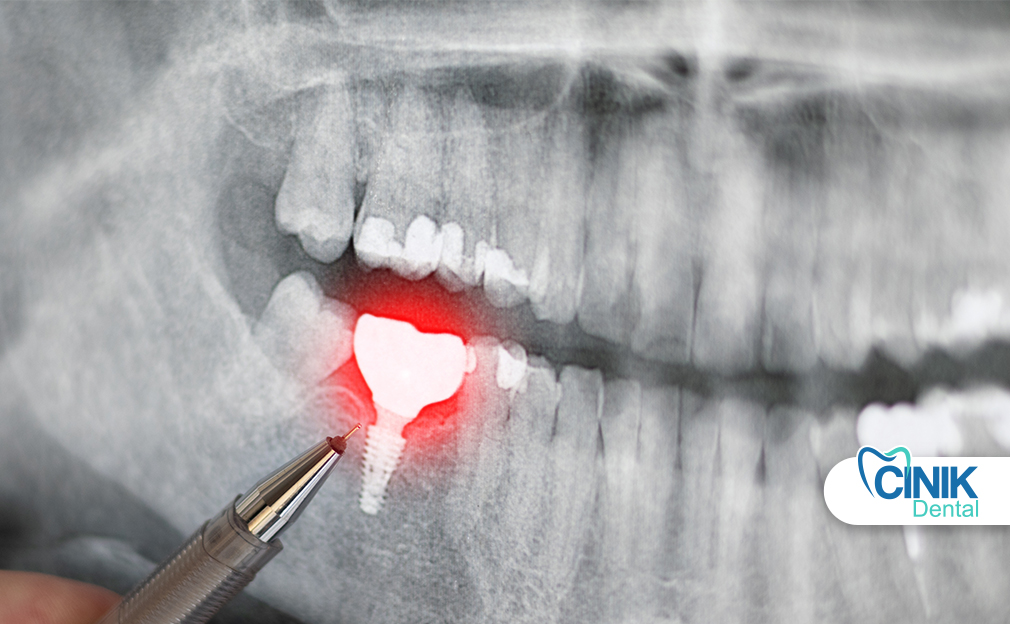
Quick Answer: Implants use a metal root and a new tooth to fill a gap forever.
Dental implants replace both the tooth root and crown. Dentists place a titanium post into the jawbone. The bone bonds with the implant through a process called osseointegration (Brånemark et al., 1977).
Implants prevent bone loss after tooth loss. They also keep nearby teeth from shifting. Research shows that dental implants offer high long-term success rates and improve quality of life (Albrektsson et al., 2011).
Implants feel stable and natural. Patients brush and floss them like real teeth. They remain the gold standard for replacing missing teeth in modern dentistry.
References:
Albrektsson, Tomas, et al. “The Long-Term Efficacy of Currently Used Dental Implants.” Clinical Oral Implants Research, vol. 22, no. s6, 2011, pp. 1–4.
American Academy of Cosmetic Dentistry. State of Cosmetic Dentistry Survey. AACD, www.aacd.com.
American Dental Association. “Cosmetic Dentistry.” ADA Oral Health Topics, www.ada.org.
Brånemark, Per-Ingvar, et al. “Osseointegrated Implants in the Treatment of the Edentulous Jaw.” Scandinavian Journal of Plastic and Reconstructive Surgery, vol. 16, 1977, pp. 1–132.
Conrad, H. J., et al. “Current Ceramic Materials and Systems with Clinical Recommendations.” Journal of Prosthetic Dentistry, vol. 98, no. 5, 2007, pp. 389–404.
Gresnigt, Marco M. M., et al. “Longevity of Porcelain Veneers.” Journal of Dentistry, vol. 47, 2016, pp. 1–8.
Joiner, A. “The Whitening of Teeth: A Review of the Literature.” Journal of Dentistry, vol. 34, no. 7, 2006, pp. 412–419.
Kershaw, Susan, et al. “The Influence of Dental Appearance on Social Perceptions.” British Dental Journal, vol. 201, no. 8, 2006, pp. 469–472.
Peumans, M., et al. “Porcelain Veneers: A Review of the Literature.” Journal of Dentistry, vol. 28, no. 3, 2000, pp. 163–177.
Proffit, William R., et al. Contemporary Orthodontics. 6th ed., Elsevier, 2018.
Rossini, Giulia, et al. “Efficacy of Clear Aligners in Controlling Orthodontic Tooth Movement.” Angle Orthodontist, vol. 85, no. 5, 2015, pp. 881–889.