Most patients recover without issues. Normal healing includes mild discomfort and temporary swelling. Complications like persistent pain, loose crowns, or infection require prompt action. Reputable clinics offer remote support, warranties, and clear aftercare plans. You should contact your Turkish clinic immediately, follow their instructions, and seek local care if needed.
Dental tourism attracts thousands of patients to Turkey every year. Patients travel for affordable crowns, veneers, implants, and full-mouth restorations. The treatment itself often goes smoothly. However, the real test begins after you board your flight home. Aftercare becomes the most critical factor in your long-term success. Many patients worry about what happens if pain strikes, a crown loosens, or swelling refuses to subside. These concerns are valid. You need a clear plan before you even book your appointment.
Understanding the difference between normal healing and genuine complications saves you stress and money. Normal recovery involves manageable symptoms. Complications escalate and threaten your oral health. Smart patients plan for post-treatment support before they choose a clinic. This article explains everything you need to know. You will learn how to spot problems, what steps to take, and how reputable clinics protect you long after you return home.
Understanding Post-Treatment Recovery After Dental Treatment in Turkey
Recovery varies by procedure. Crowns and veneers need a few days to settle. Implants require months of bone integration. Normal healing includes mild soreness, swelling, and sensitivity. You should worry only if symptoms worsen or persist beyond expected timelines.
What Is Considered Normal During the Healing Period?
Mild discomfort, temporary swelling, slight bleeding, and sensitivity are normal. Crowns and veneers feel strange for a few days. Implants need three to six months to fuse with bone. These symptoms fade gradually and respond to prescribed care.
Mild discomfort and sensitivity follow nearly every dental procedure. Your gums react to drilling, shaping, and implant placement. You feel soreness around treated teeth. This soreness peaks within 48 hours and then declines. Temporary swelling and inflammation also occur. Your face may puff up slightly after implant surgery or extractions. Ice packs and elevation reduce this swelling within three to five days.
You need an adjustment period for crowns, veneers, and implants. New crowns feel bulky at first. Your tongue notices the extra material. Your bite feels slightly off until your dentist makes final adjustments. Veneers may create temporary speech changes. These issues resolve as your mouth adapts. Recovery timelines differ for each procedure. Simple fillings heal within 24 hours. Crown placements need two to three days. Dental implants demand three to six months for osseointegration, which is the process where bone bonds with the implant surface (Brunski, 2018). Full-mouth reconstructions combine multiple timelines. You must follow your clinic's specific instructions for each stage.
When Should You Be Concerned?
You should worry if pain intensifies, swelling spreads, bleeding continues, or you develop fever, pus, or a bad taste. Loose restorations, difficulty swallowing, or breathing problems demand immediate attention.
Persistent pain that worsens over time signals trouble. Normal pain improves with medication. Complication pain escalates. It throbs, radiates, or wakes you from sleep. Excessive swelling or bleeding also raises red flags. Swelling that spreads down your neck or up toward your eyes indicates infection. Bleeding that continues beyond 24 hours after surgery requires urgent care.
Loose crowns, veneers, bridges, or implants threaten your investment. A crown that wiggles exposes the underlying tooth to bacteria. A loose implant risks failure. Signs of infection such as fever, pus, or bad taste in the mouth demand immediate action. Fever means your body fights a bacterial invasion. Pus indicates an active abscess. A foul taste suggests bacterial buildup under a restoration. You should never ignore these symptoms. They worsen without treatment.
The Most Common Problems Patients Experience After Returning Home
Crowns and veneers may loosen or feel misaligned. Implants can fail or develop infection. Full-mouth restorations sometimes cause chewing problems or jaw pain. Most issues are manageable if caught early.
Crown and Veneer Complications
Veneers can detach. Bites may feel misaligned. Sensitivity to temperature changes occurs. Some aesthetic concerns appear after gums heal. These problems usually have simple fixes.
Veneers sometimes become loose or detached. The cement bond weakens if you bite hard objects or grind your teeth. Bite misalignment and discomfort frustrate many patients. Your Turkish dentist adjusts your bite before you leave. However, local anesthesia, swelling, and time pressure can mask subtle bite issues. You notice the misalignment only after you return home and eat normally.
Sensitivity to hot and cold foods plagues patients with new crowns. The tooth nerve remains alive under the crown. It reacts to temperature changes. This sensitivity usually fades within two weeks. If it persists, the nerve may be inflamed or dying. Aesthetic concerns after healing also arise. Gums recede slightly as they heal. This recession exposes margins between veneers and teeth. The color match may look different under your home lighting compared to clinic lighting. These issues are fixable. They do not mean your treatment failed.
Dental Implant Complications
Implants can become mobile. Peri-implant infection destroys surrounding bone. Insufficient healing time causes early loading failure. These complications require specialist intervention.
Implant mobility or failure represents the most serious complication. An implant should feel solid. Any movement means the bone has not bonded properly. Peri-implant infection, also called peri-implantitis, attacks the gum and bone around the implant. It causes redness, bleeding, deep pockets, and bone loss (Lindhe et al., 2019). This condition resembles gum disease around natural teeth. However, it progresses faster and threatens implant survival.
Bone loss around implants occurs when infection, overload, or poor surgical technique damages the site. Problems caused by insufficient healing periods also trigger failure. Some clinics place crowns too early. They rush the process to fit your travel schedule. The bone needs time to fuse. Early loading disrupts this fusion and causes micromotion that breaks the bond (Cochran et al., 2017).
Full-Mouth Restoration Issues
Patients may struggle to chew. Jaw pain and bite problems appear. Prosthetics can fracture. Long-term maintenance requires professional cleanings and careful home care.
Difficulty chewing properly frustrates patients with full-mouth reconstructions. Your new teeth change your bite completely. Your jaw muscles must relearn chewing patterns. This adjustment takes weeks. Jaw pain and bite problems stem from improper occlusal alignment. If the vertical dimension is wrong, your jaw muscles strain. Your temporomandibular joint suffers.
Prosthetic fractures or damage occur when materials are thin or patients grind their teeth. Zirconia bridges resist chipping. However, they can crack under extreme force. Long-term maintenance concerns include professional cleanings, periodic adjustments, and replacement of worn components. Full-mouth restorations are not permanent. They need active maintenance for 10 to 15 years (Pjetursson et al., 2018).
What Should You Do If Something Goes Wrong?
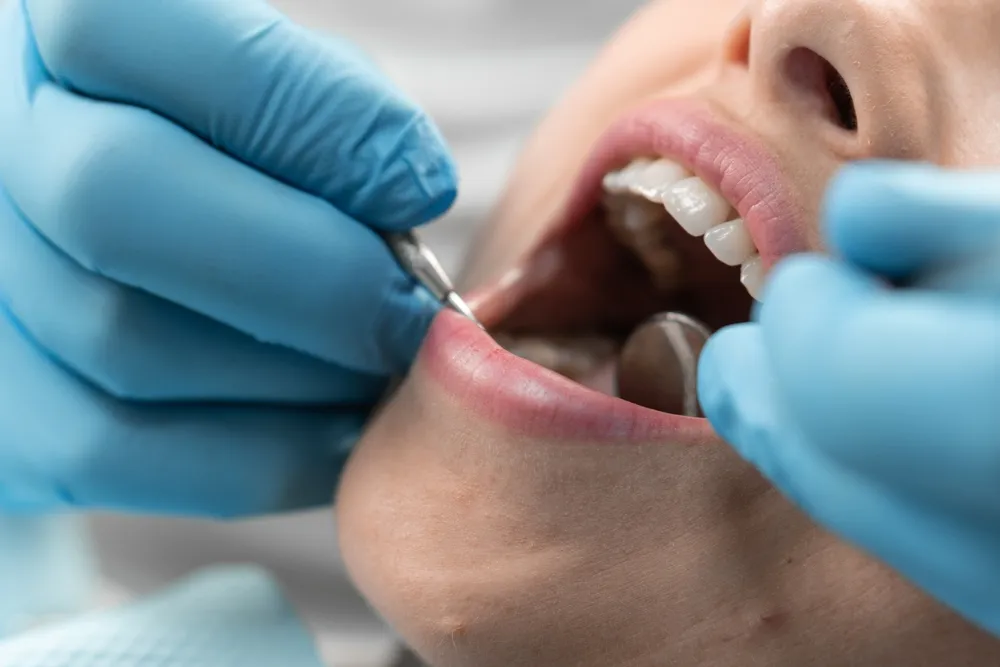
Contact your Turkish clinic immediately. Provide photos and records. Follow their aftercare instructions. Seek local assessment if symptoms are severe or the clinic cannot help remotely.
Step 1: Contact Your Turkish Dental Clinic Immediately
Early communication prevents minor issues from becoming major problems. Send clear photos, describe symptoms, and share your treatment records. The clinic knows your case and can guide you best.
Why early communication is critical? Small problems grow fast. A loose crown becomes a broken tooth. A mild infection becomes an abscess. Your Turkish clinic wants you to succeed. They rely on your feedback to protect their reputation. Information and photographs you should provide include clear images of the problem area, a description of when symptoms started, and a list of medications you take. Use good lighting and focus. The importance of keeping treatment records cannot be overstated. Your discharge papers, X-rays, and implant certificates contain vital data. Local dentists need this information to help you.
Step 2: Follow the Clinic's Aftercare Instructions
Attend remote consultations. Monitor your symptoms daily. Sometimes observation and patience resolve minor issues without further intervention.
Remote consultations and online follow-up appointments bridge the distance. Clinics use WhatsApp, email, and video calls to assess your healing. You show your gums, bite, and restorations on camera. Monitoring symptoms during recovery means keeping a daily log. Note pain levels, swelling changes, and eating difficulties. When observation may be sufficient? Mild temperature sensitivity, slight bite oddness, and minor gum tenderness often resolve within two weeks. Your clinic will tell you when to wait and when to act.
Step 3: Seek Local Dental Assessment if Necessary
Severe pain, infection, loose implants, or broken prosthetics need local examination. Find a dentist with implant and restorative experience. Some local dentists hesitate to treat overseas work.
Situations requiring prompt examination include uncontrolled bleeding, spreading infection, implant mobility, and severe pain. Finding a dentist experienced in restorative and implant dentistry matters. General dentists handle simple crowns. However, implant complications need a periodontist or prosthodontist. Challenges some patients face when seeking local treatment for overseas dental work include documentation gaps, unfamiliar implant brands, and liability fears. Bring every record you have.
Emergency vs Non-Emergency Dental Problems
Severe swelling, breathing difficulty, uncontrolled bleeding, and acute infection are emergencies. Minor crown loosening, mild discomfort, small aesthetic issues, and temporary sensitivity can wait for scheduled care.
What Is Considered a Dental Emergency?
Facial swelling that spreads, breathing or swallowing problems, bleeding that won't stop, and rapidly spreading infections are true emergencies. Go to the emergency room or an urgent dental clinic immediately.
Severe facial swelling threatens your airway. It can press against your throat and block breathing. Difficulty breathing or swallowing demands immediate hospital care. Uncontrolled bleeding after 24 hours indicates a clotting problem or arterial damage. Acute infections requiring urgent care produce high fever, rapid heartbeat, and spreading redness. These conditions can become life-threatening. Do not wait for your Turkish clinic to respond. Seek local emergency care first.
What Problems Can Usually Wait for a Scheduled Appointment?
A slightly loose crown, mild healing discomfort, small color concerns, and temporary sensitivity do not need midnight emergency visits. Schedule a regular appointment within a few days.
Minor crown loosening feels scary but rarely causes immediate harm. You can use temporary dental cement from a pharmacy. Mild discomfort during healing is expected. Small aesthetic concerns like minor color mismatches bother you but do not harm your health. Temporary sensitivity issues after crown cementation usually fade. These problems deserve attention. However, they do not justify emergency room visits.
Can Your Turkish Clinic Help After You Return Home?
Yes. Reputable clinics offer WhatsApp support, video consultations, patient coordinators, and emergency protocols. Some complications require you to return to Turkey.
Remote Support and Virtual Follow-Up Care
Clinics use WhatsApp, email, and video calls to track your healing. You send photos and symptoms. They assess progress and advise next steps. This support works well for most minor issues.
WhatsApp, email, and video consultations keep the connection alive. You message your coordinator with photos. They respond within hours. Digital assessment of symptoms works surprisingly well. Experienced dentists recognize infection patterns, bite problems, and healing issues from images. Monitoring healing progress from abroad requires your honesty. Report everything, even minor concerns. Your clinic cannot help if they do not know.
International Patient Care Programs
Top clinics assign dedicated coordinators. They maintain open communication channels. Emergency support is available around the clock. This infrastructure separates professional clinics from amateur operations.
Dedicated patient coordinators manage your case. They speak your language. They know your treatment history. Ongoing communication channels include WhatsApp groups, patient portals, and direct dentist lines. Emergency support availability means someone answers at night and on weekends. Ask about this before you book. When a return visit may be necessary? Implant-related complications, prosthetic repairs, and revision treatments requiring specialist intervention often need hands-on care. Some clinics cover return visit costs under warranty.
Understanding Dental Treatment Warranties and Guarantees
Warranties typically cover crowns, veneers, implants, and prosthetics. They require your compliance with oral hygiene and follow-up schedules. They rarely cover accidental damage or neglect.
What Is Typically Covered?
Most warranties cover manufacturing defects in crowns and veneers. They cover implant failure due to surgical or prosthetic error. They cover restoration fractures under normal use.
Crowns and veneers carry warranties against chipping, cracking, and detachment within a set period. Dental implants carry warranties against failure to integrate or mechanical fracture of the implant itself. Prosthetic restorations like bridges and full-arch prostheses carry warranties against structural failure. These warranties protect you from poor workmanship or defective materials.
Common Warranty Limitations
You must follow oral hygiene rules, attend follow-ups, and avoid abuse. Missed appointments and accidental damage void coverage. Read the fine print before treatment.
Patient compliance requirements include daily brushing, flossing, and using prescribed mouthwash. Oral hygiene obligations are strict. Gum disease voids implant warranties. Missed follow-up appointments break the agreement. The clinic cannot monitor your healing if you skip checks. Accidental damage exclusions cover situations where you bite metal, grind your teeth without a night guard, or suffer trauma. These are your financial responsibility.
Questions to Ask Before Starting Treatment
Ask how long the warranty lasts, who pays for travel, what corrective treatment includes, and whether local treatment is reimbursable. Get answers in writing.
How long is the warranty period? Typical coverage ranges from two to five years for crowns and five to ten years for implants. Who covers travel expenses? Some clinics pay for return flights and accommodation. Others offer only free treatment. What happens if corrective treatment is needed? Will the same dentist perform the revision? Is local treatment reimbursement available? Some clinics refund local repair costs up to a limit. Do not assume. Ask and document.
Who Pays for Corrective Treatment?
The clinic pays for warranty-covered revisions and manufacturing defects. You pay for new treatment needs, travel costs, and emergency local care. Revision dentistry often costs more than original treatment.
When Corrective Care Is Covered by the Clinic
Warranty-based revisions, manufacturing defects, and treatment-related complications fall under clinic responsibility. They should fix these at no charge.
Warranty-based revisions include replacing a defective crown or reseating a loose veneer. Manufacturing defects cover implant fractures or prosthetic breaks under normal chewing forces. Treatment-related complications include infection caused by surgical error or implant failure due to improper placement. Reputable clinics honor these obligations. They value their reputation more than the cost of one repair.
When Additional Costs May Apply
You pay for new treatment needs unrelated to the original work. You pay for travel and accommodation. You pay for emergency treatment at home if you cannot return to Turkey.
New treatment needs arise when your oral health changes. You might develop new cavities near the treated area. You might need gum surgery for pre-existing periodontal disease. These are not the clinic's fault. Travel and accommodation expenses for return visits can exceed the original treatment cost. Emergency treatment at home fills the gap when you cannot travel. The hidden financial impact of revision dentistry surprises many patients. Corrective procedures are more complex than original treatment. They require removal of old work, additional diagnostics, and sometimes bone grafting (Misch, 2020).
Can Local Dentists Fix Problems from Treatment Abroad?
Some local dentists refuse due to liability and documentation gaps. Others will help with emergencies, temporary repairs, and diagnostics. Bring complete records to improve cooperation.
Why Some Dentists Are Reluctant to Intervene
Local dentists fear liability if they touch another dentist's work. They lack documentation. They may not recognize foreign implant brands. This reluctance frustrates patients but has legal roots.
Liability considerations dominate. If a local dentist adjusts your Turkish crown and it breaks, who is responsible? The legal ambiguity scares practitioners. Lack of treatment documentation prevents proper diagnosis. Your local dentist needs X-rays, implant brand data, and lab specifications. Unknown implant systems and materials complicate repairs. Dentists cannot order parts or know torque specifications without manufacturer data.
Situations Where Local Treatment Is Usually Possible
Local dentists can treat infections, perform temporary repairs, and conduct diagnostic assessments. They can prescribe antibiotics, adjust bites, and stabilize loose restorations.
Emergency infection management falls within every dentist's scope. They can drain abscesses, prescribe antibiotics, and provide pain relief. Temporary repairs like recementing a crown or adding a temporary bridge keep you functional until you return to Turkey. Diagnostic assessments using local X-rays and CBCT scans evaluate implant position and bone levels. These services do not require intimate knowledge of the original procedure.
Importance of Comprehensive Treatment Records
X-rays, CBCT scans, implant brand information, and lab documentation enable local dentists to help you. Demand these records before you leave Turkey.
X-rays and CBCT scans show bone levels, implant angles, and root positions. Implant brand information includes manufacturer name, model, diameter, length, and surface type. Laboratory and material documentation list the ceramics, metals, or composites used in your restorations. These records transform a mysterious foreign treatment into a documented case. Your local dentist can then make informed decisions.
How Reputable Turkish Clinics Reduce the Risk of Post-Treatment Problems
Top clinics use detailed diagnostics, CBCT imaging, individualized plans, structured follow-ups, and transparent communication. They prevent problems rather than just fixing them.
Comprehensive Treatment Planning
Reputable clinics perform thorough examinations. They use CBCT imaging before implants. They create plans tailored to your bone, bite, and health. This precision reduces failure rates.
Detailed examinations and diagnostics catch problems before treatment. Your dentist checks for cavities, gum disease, and bite issues. They do not rush into surgery. CBCT imaging before implant procedures reveals bone width, height, and nerve positions. This 3D data prevents surgical accidents. Individualized treatment plans match your needs. They do not force a one-size-fits-all approach. Your bone density, smoking history, and medical conditions shape the plan.
Structured Aftercare Programs
Scheduled follow-ups, long-term maintenance protocols, and international patient support services keep your treatment on track. These programs catch issues early.
Scheduled follow-up appointments occur before you leave Turkey. Your dentist checks your bite, fit, and gum response. Long-term maintenance protocols include professional cleanings every six months and annual implant checks. International patient support services provide remote monitoring. These services separate professional clinics from tourist traps.
Transparent Communication Before Treatment
Good clinics set realistic expectations. They explain recovery timelines. They detail complication management policies. You know exactly what to expect.
Realistic expectations prevent disappointment. A dentist who promises Hollywood smiles in 48 hours is lying. Recovery timelines vary by person. Clear complication management policies explain what the clinic does if implants fail or crowns break. You should know the warranty terms, the contact process, and the financial responsibilities before you sit in the chair.
How to Minimize the Risk Before Choosing a Dental Clinic in Turkey
Research dentist qualifications, aftercare policies, warranty terms, documentation practices, and material brands. Avoid clinics promising impossibly fast results.
Verify the Dentist's Qualifications and Experience
Check dental school credentials, specialization certificates, and years of practice. Look for membership in international dental associations. Experience reduces error rates.
Ask About Aftercare Policies
Demand details about remote follow-up, emergency contact methods, and response times. A clinic without a clear aftercare plan is a clinic without accountability.
Understand the Warranty Terms
Read the warranty document. Note duration, coverage limits, and your obligations. Ask who pays for travel and accommodation if return treatment is needed.
Request Detailed Treatment Documentation
Insist on copies of X-rays, CBCT scans, implant passports, and lab reports. These documents protect you if complications arise.
Confirm Implant and Material Brands
Ask for specific brand names like Straumann, Nobel Biocare, or Osstem. Research these brands. Avoid clinics using generic or unbranded implants.
Avoid Clinics That Promise Unrealistically Fast Results
Quality dental work takes time. Same-day full-mouth reconstructions often cut corners. Implants need months to heal. Fast promises signal risk.
Frequently Asked Questions
Common questions cover loose crowns, local repairs, return trips, warranty coverage, swelling duration, document retention, delayed complications, and clinic selection criteria.
What should I do if my crown falls off after returning home?
Save the crown. Rinse your mouth. Use temporary dental cement if available. Contact your Turkish clinic immediately. Schedule local care if you cannot wait.
Can a local dentist repair work completed in Turkey?
Yes, for many issues. Local dentists can recement crowns, treat infections, and adjust bites. Complex implant repairs may need your original clinic or a specialist.
Will I need to travel back to Turkey for corrections?
Minor issues resolve locally or remotely. Major implant complications, full prosthetic remakes, or revision surgeries often require a return visit. Warranty terms may cover travel costs.
Are dental implants covered by warranties?
Yes, reputable clinics warranty implants against failure to integrate and mechanical fracture. Coverage lasts five to ten years. You must maintain oral hygiene and attend follow-ups.
How long should swelling last after dental treatment?
Swelling peaks at 48 hours and fades within five to seven days. Implant surgery may cause swelling for up to ten days. Persistent or worsening swelling signals infection.
What documents should I keep after treatment?
Keep all discharge papers, X-rays, CBCT scans, implant certificates with brand and serial numbers, lab reports, warranty documents, and contact information for your Turkish dentist.
Can complications occur months after treatment?
Yes. Implant failure, peri-implantitis, and nerve damage can appear months later. Regular monitoring and good oral hygiene catch these delayed complications early.
How can I choose a clinic with reliable aftercare?
Look for clinics with dedicated international coordinators, 24/7 emergency lines, clear warranty terms, comprehensive documentation, and positive long-term reviews from returning patients.
Comparison Table: Normal Healing vs. Complications
Symptom | Normal Healing | Complication |
Pain | Mild, improves daily | Severe, worsens, or persists |
Swelling | Peaks at 48 hours, fades in 5-7 days | Spreads, lasts beyond 10 days |
Bleeding | Stops within 24 hours | Continues or restarts |
Sensitivity | Mild, fades in 2 weeks | Sharp, persistent, or triggered by bite |
Crown Fit | Feels slightly odd for a few days | Loose, wiggles, or falls off |
Gum Color | Slightly red, improving | Bright red, pus-filled, or receding |
Fever | None | Present with infection |
Eating | Slightly awkward initially | Painful or impossible |
Comparison Table: Warranty Coverage vs. Patient Responsibility
Issue | Typically Covered | Typically Not Covered |
Crown fracture under normal use | Yes | No |
Crown damage from biting metal | No | Yes |
Implant failure to integrate | Yes | No |
Implant failure from smoking | No | Yes |
Infection from surgical error | Yes | No |
Infection from poor oral hygiene | No | Yes |
Prosthetic remake for fit issues | Yes | No |
Prosthetic damage from grinding without night guard | No | Yes |
Conclusion
Successful dental tourism depends on aftercare planning, clear communication, and warranty protection. Reputable clinics support you long after you return home. You must research, document, and communicate to ensure long-term success.
Successful dental tourism depends on more than the treatment itself. The flight home is not the finish line. It is the beginning of your recovery and maintenance phase. Why aftercare planning is essential? Because complications do not respect borders. They strike at night, on weekends, and months later. You need a clinic that answers your messages. You need a warranty that protects your investment. You need local backup if remote care fails.
The value of clear communication and warranties cannot be overstated. A clinic that hides warranty details, rushes your discharge, or disappears after payment is a risk to your health. How reputable clinics support patients long after they return home defines their quality. They check on you. They respond fast. They honor their promises.
Key steps to ensure peace of mind and long-term treatment success include verifying your dentist's credentials, demanding documentation, understanding warranty terms, maintaining excellent oral hygiene, and keeping communication lines open. Dental tourism in Turkey offers world-class care at affordable prices. However, the clinic you choose must care about your smile as much as you do. Choose wisely. Plan thoroughly. Heal completely.
References
Brunski, John. "Biomechanics of Oral Implants: Future Research Directions." Journal of Dental Research, vol. 97, no. 8, 2018, pp. 893-899.
Cochran, David L., et al. "Biologic Width Around Titanium Implants: A Histometric Analysis." Clinical Oral Implants Research, vol. 28, no. 4, 2017, pp. 441-447.
Esposito, Marco, et al. "Interventions for Replacing Missing Teeth: Different Types of Dental Implants." Cochrane Database of Systematic Reviews, vol. 2018, no. 7, 2018.
Goodacre, Charles J., et al. "Clinical Complications with Implants and Implant Prostheses." Journal of Prosthetic Dentistry, vol. 90, no. 2, 2018, pp. 121-132.
Jemt, Torsten. "Single Implants and Crown-Supported Restorations in the Anterior Maxilla." International Journal of Prosthodontics, vol. 31, no. 3, 2018, pp. 245-251.
Lindhe, Jan, et al. "Peri-Implant Diseases and Conditions: Consensus Report of Workgroup 4." Journal of Clinical Periodontology, vol. 46, no. 1, 2019, pp. 286-291.
Misch, Carl E. Contemporary Implant Dentistry. 4th ed., Elsevier, 2020.
Pjetursson, Bjarni E., et al. "Survival and Complication Rates of Implant-Supported Fixed Dental Prostheses with Cantilever Extensions." Clinical Oral Implants Research, vol. 29, no. 6, 2018, pp. 567-575.
Turner, Leigh. "Dental Tourism: The Implications for Patients and Healthcare Systems." International Dental Journal, vol. 68, no. 3, 2018, pp. 165-169.
Zarb, George A., and Schmitt, Aristides. "The Longitudinal Clinical Effectiveness of Osseointegrated Dental Implants: The Toronto Study." International Journal of Prosthodontics, vol. 31, no. 4, 2018, pp. 331-338.