Irish patients can access high-quality zirconia dental implants in Turkey at a lower cost than in Ireland. Zirconia implants offer metal-free biocompatibility, excellent aesthetics, and strong long-term survival rates. Patients should choose experienced clinics, verify implant brands, and plan for follow-up care at home.
Why Are More Irish Patients Choosing Zirconia Implants in Turkey?
Irish patients choose zirconia implants in Turkey because they want metal-free restorations, lower costs, and access to advanced digital dentistry. Turkey offers modern clinics, experienced implant dentists, and comprehensive packages for international patients.
Rising Demand for Metal-Free Dental Solutions
Patients across Europe now ask for metal-free dental solutions more than ever before. Zirconia implants meet this demand. Zirconia is a ceramic material. It contains no metal. This appeals to patients who worry about metal allergies or sensitivities. Sicilia et al. (2008) studied 1,500 consecutive dental implant patients and found that titanium allergy, while rare, does occur in clinical practice (Sicilia et al. 2008). Zirconia eliminates this concern entirely.
Increasing Interest in Dental Tourism Among Irish Patients
Dental tourism grows each year. Irish patients face high dental costs at home. They also face long waiting times for specialist treatment. Turkey has positioned itself as a leading destination for dental tourism. The country combines experienced dentists, modern technology, and competitive pricing. Irish patients can book treatment, travel, and return home with a new smile.
Cost Differences Between Ireland and Turkey
Dental implant treatment in Ireland costs significantly more than in Turkey. A single zirconia implant in Ireland can cost between €2,500 and €4,000. In Turkey, the same treatment often costs 60% to 70% less. This price gap drives many Irish patients to consider treatment abroad. Patients should remember that lower cost does not mean lower quality. Turkish clinics invest heavily in modern equipment and international training.
Access to Advanced Digital Dentistry
Turkish dental clinics use advanced digital dentistry tools. These include CBCT scans, digital smile design, and CAD/CAM manufacturing. These technologies improve diagnosis accuracy. They also improve treatment planning. Patients receive precise implant placement. This leads to better outcomes and faster recovery.
What Are Zirconia Dental Implants?
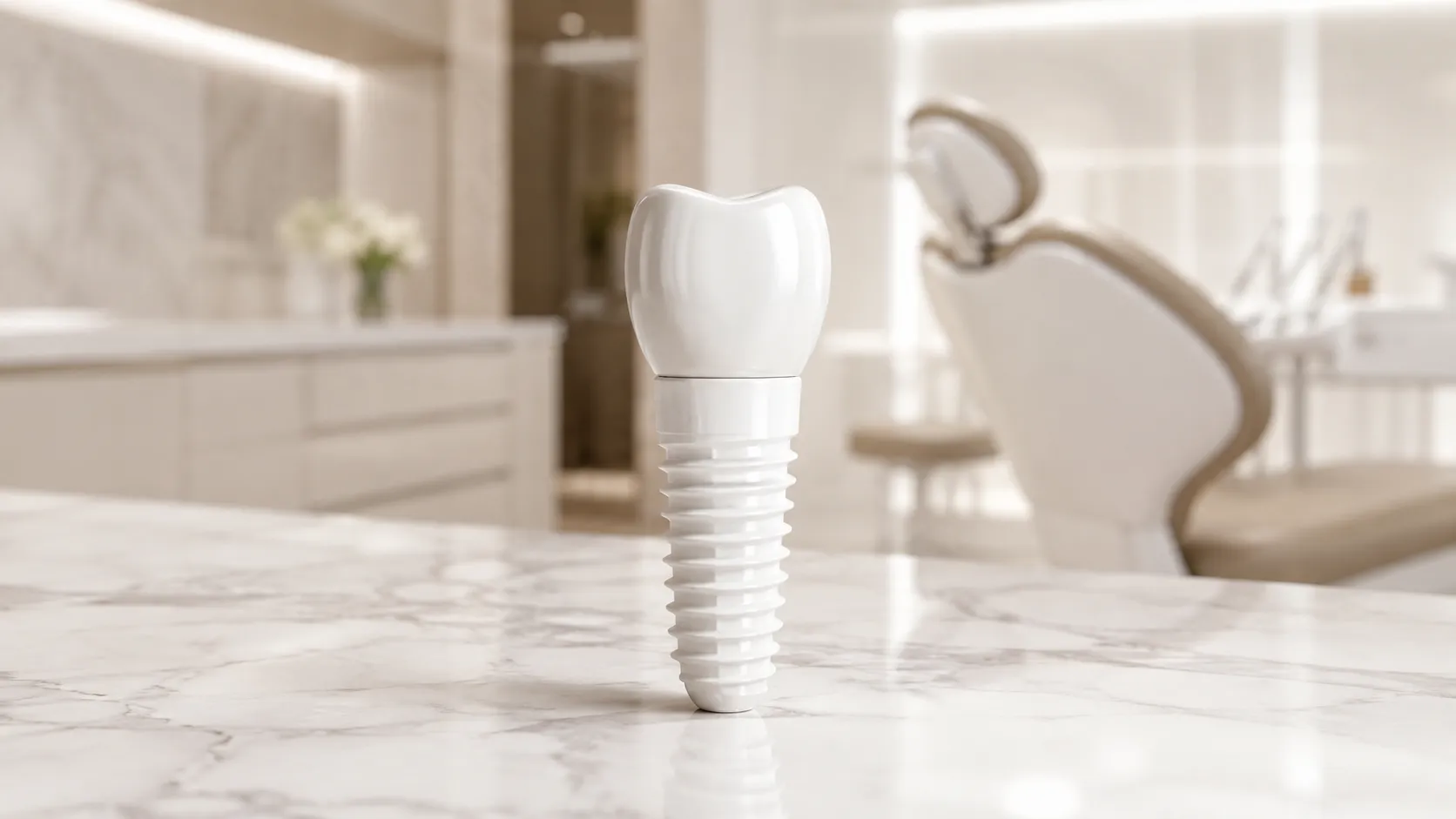
Zirconia dental implants are ceramic tooth roots made from zirconium dioxide. They replace missing teeth. They integrate with the jawbone through osseointegration. They support implant-supported crowns without any metal content.
Definition and Composition
Zirconia dental implants are ceramic implants made from zirconium dioxide (ZrO2). Manufacturers use yttria-stabilized tetragonal zirconia polycrystal (Y-TZP) for dental applications. This material offers high strength. It also offers excellent biocompatibility. Zirconia belongs to the oxide ceramic family. It is white in color. This makes it ideal for aesthetic dentistry.
How Zirconia Differs from Titanium
Titanium implants have dominated implant dentistry for over 50 years. Titanium is a metal. It shows excellent osseointegration and mechanical strength. Osman and Swain (2015) reviewed both materials and confirmed that titanium has a proven track record. However, zirconia offers distinct advantages. Zirconia is metal-free. It matches the color of natural teeth. It does not show a gray line through the gums. Morena et al. (2024) conducted a systematic review and found that zirconia implants perform comparably to titanium in aesthetic zones (Morena et al. 2024).
Single-Piece vs Two-Piece Zirconia Implants
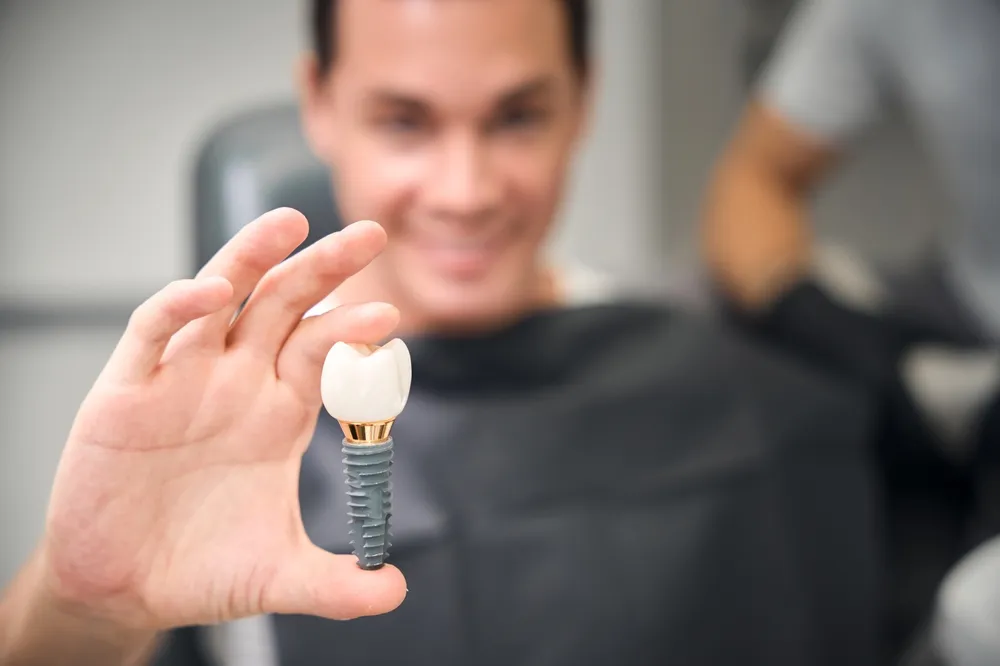
Zirconia implants come in two designs. Single-piece implants combine the implant root and the abutment into one unit. Two-piece implants separate the implant body from the abutment. Two-piece designs offer more prosthetic flexibility. They allow dentists to angle the abutment for better crown placement. Single-piece designs eliminate the microgap between implant and abutment. This may reduce bacterial accumulation.
Scientific Development of Ceramic Implant Materials
The first generation of zirconia implants showed some mechanical weaknesses. Early implants had higher fracture rates. Modern manufacturing has solved these problems. Roehling et al. (2025) conducted a 10-year prospective multicenter study. They found that the latest generation of zirconia implants achieved a 97.7% survival rate over 10 years (Roehling et al. 2025). This matches titanium survival rates. Jin et al. (2024) compared different surface modifications. They found that laser-treated zirconia surfaces showed the highest bone-to-implant contact and the best osseointegration results (Jin et al. 2024).
Why Do Irish Patients Prefer Zirconia Instead of Traditional Titanium Implants?
Irish patients prefer zirconia because it is metal-free, looks more natural, reduces gray gum lines, and supports better soft tissue health. It also suits patients with metal sensitivities.
Metal-Free Alternative
Zirconia implants contain no metal. This matters to patients who want holistic, metal-free dentistry. Some patients worry about long-term metal exposure in the mouth. Zirconia removes this worry completely. It offers a clean, biocompatible alternative.
Improved Aesthetic Results
Zirconia looks white. It reflects light similarly to natural tooth structure. Titanium is dark gray. It can cast a shadow under thin gums. Zirconia implants maintain a natural appearance even in patients with thin or translucent gum tissue. Bengtsson (2025) studied patient-reported aesthetic outcomes. Patients with single implants reported high satisfaction with aesthetics, scoring 8.6 out of 10 on visual analog scales (Bengtsson 2025).
Reduced Risk of Gray Gum Appearance
Titanium implants can cause a gray line at the gum margin. This happens when thin gum tissue allows the dark metal to show through. Zirconia implants avoid this problem. Their white color blends with gum tissue. This makes them ideal for front teeth and high smile lines.
Biocompatibility and Soft Tissue Health
Zirconia shows excellent biocompatibility. The body accepts it well. Soft tissue heals tightly around zirconia surfaces. This creates a strong seal against bacteria. Osman and Swain (2015) noted that zirconia supports healthy peri-implant tissue integration (Osman and Swain 2015).
Suitable for Patients with Metal Sensitivities
Some patients react to metal. They may develop inflammation or discomfort around titanium implants. Zirconia offers these patients a safe alternative. It triggers no allergic reactions. It causes no metal ion release.
Who Is a Good Candidate for Zirconia Implants?
Good candidates include patients missing one tooth, multiple teeth, or all teeth. Patients seeking metal-free restorations and those with high smile lines also benefit greatly.
Patients Missing One Tooth
A single missing tooth damages chewing function and smile aesthetics. A zirconia implant replaces the missing root. It supports a single implant-supported crown. This preserves neighboring teeth. It also maintains bone levels in the jaw.
Multiple Missing Teeth
Patients missing several teeth can use zirconia implants to support bridges. Two or more implants anchor a fixed bridge. This restores function without removable dentures.
Full Mouth Rehabilitation
Patients with no teeth can receive full mouth rehabilitation. Multiple zirconia implants support a full arch of teeth. This is called oral rehabilitation. It restores chewing, speech, and facial support.
Patients Seeking Metal-Free Restorations
Patients who prefer holistic or biocompatible dentistry choose zirconia. They avoid all metal in their mouths. This includes patients with known metal allergies and those who simply prefer ceramic materials.
Individuals with High Smile Lines
A high smile line shows more gum tissue when a person smiles. Any dark metal would become visible. Zirconia implants stay hidden. They maintain a natural, white appearance. This makes them the best choice for visible front teeth.
Why Is Turkey Becoming a Popular Destination for Zirconia Implant Treatment?
Turkey attracts international patients because it has experienced implant dentists, modern clinics, digital smile design, CAD/CAM manufacturing, and full international patient services.
Experienced Implant Dentists
Turkish implant dentists train at international institutions. Many hold certifications from European and American dental associations. They perform thousands of implant procedures each year. This volume builds expertise. Patients benefit from this deep experience.
Modern Dental Clinics
Dental clinics in Turkey invest in the latest technology. They use digital X-rays, 3D CBCT scanners, and intraoral scanners. They maintain strict sterilization standards. Many clinics hold international accreditation.
Digital Smile Design
Digital smile design allows dentists to plan the final result before surgery. They take digital photos and scans. They design the new smile on a computer. Patients see the planned outcome before treatment begins. This improves communication and satisfaction.
CAD/CAM Manufacturing
CAD/CAM dentistry stands for computer-aided design and computer-aided manufacturing. Clinics use this technology to mill zirconia crowns and abutments with extreme precision. The fit is excellent. The aesthetics are outstanding.
Comprehensive International Patient Services
Turkish clinics understand the needs of international patients. They offer airport transfers. They help with hotel accommodation. They provide English-speaking coordinators. They create detailed treatment plans before patients arrive. This makes the entire experience smooth and stress-free.
How Much Can Irish Patients Save on Zirconia Implants in Turkey?
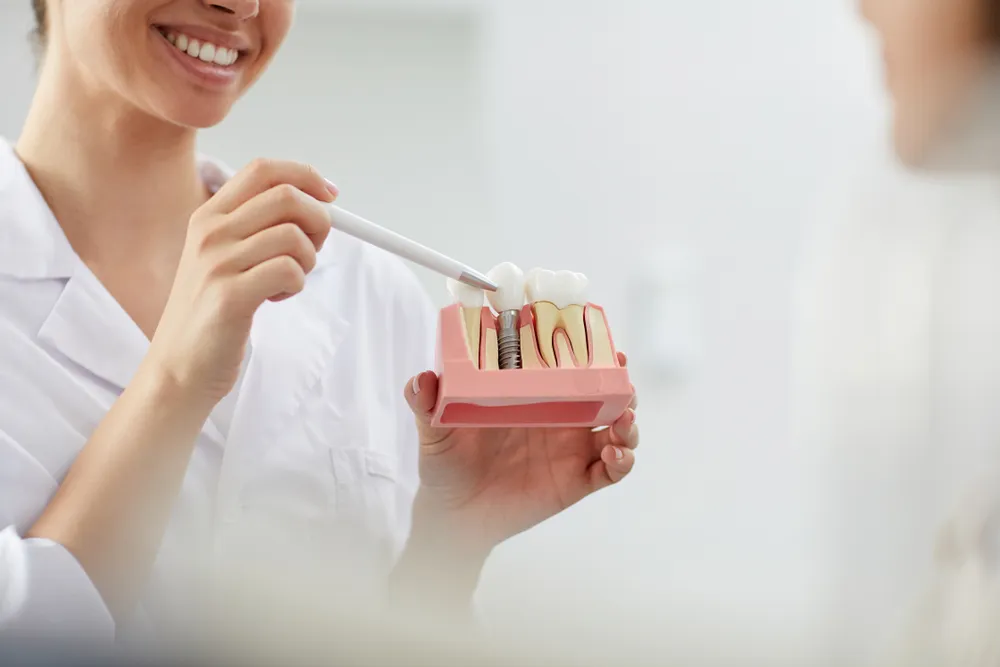
Irish patients can save 60% to 70% on zirconia implant treatment in Turkey compared to Ireland. A single implant package in Turkey often includes the implant, crown, consultation, and imaging.
Average Treatment Costs in Ireland
In Ireland, a single dental implant with a crown costs between €2,500 and €4,000. Full mouth rehabilitation can exceed €25,000. Bone grafting adds €500 to €1,500 per site. Sinus lift procedures add €1,000 to €2,500. These costs make comprehensive treatment unaffordable for many patients.
Average Treatment Costs in Turkey
In Turkey, a single zirconia implant with a crown typically costs between €600 and €1,200. Full mouth rehabilitation ranges from €6,000 to €12,000. Bone grafting costs €200 to €400 per site. These prices reflect lower operating costs and favorable exchange rates. They do not reflect lower quality.
What Is Usually Included in Treatment Packages?
Most Turkish clinics offer all-inclusive packages. These packages typically include:
Initial consultation and examination
CBCT scan and digital imaging
Implant placement surgery
Zirconia abutment
Zirconia crown
Temporary teeth during healing
Medications and post-operative care
Airport transfers
Hotel accommodation
Hidden Costs Patients Should Consider
Patients should budget for flights, meals, and travel insurance. They may need a second visit after 3 to 6 months for the final crown. Some patients require bone grafting or sinus lift surgery. These add to the total cost. Patients should request a written quotation before booking.
Comparison Table: Estimated Treatment Costs
Treatment | Ireland (Estimated) | Turkey (Estimated) |
Single Zirconia Implant | €2,500 – €4,000 | €600 – €1,200 |
Implant + Crown | €3,000 – €4,500 | €800 – €1,500 |
Bone Grafting (per site) | €500 – €1,500 | €200 – €400 |
CT Scan | €150 – €300 | Included in package |
Consultation | €100 – €200 | Included in package |
What Does the Treatment Process Look Like?
The process includes an online consultation, digital imaging, implant surgery, a healing period of 3 to 6 months, and final crown placement. Some clinics offer same-day temporary teeth.
Initial Online Consultation
The process starts with an online consultation. Patients send photos and dental X-rays from Ireland. The dentist reviews the case. They discuss treatment options. They provide a preliminary treatment plan and quotation.
Digital Imaging and Treatment Planning
During the first clinic visit, the dentist takes a CBCT scan. This 3D image shows bone volume, nerve position, and sinus anatomy. The dentist uses this data for precise implant planning. They decide on implant size, position, and angle.
Implant Placement Surgery
The dentist places the zirconia implant into the jawbone under local anesthesia. The surgery takes 30 to 60 minutes per implant. Patients feel no pain during the procedure. The dentist closes the gum tissue over the implant.
Healing Period
Osseointegration takes 3 to 6 months. During this time, the jawbone fuses with the implant surface. This creates a strong, stable foundation. Patients wear temporary teeth during healing. They follow a soft diet and maintain excellent oral hygiene.
Final Zirconia Crown Placement
After healing, the dentist takes impressions. The dental lab fabricates the final zirconia crown. The dentist attaches the crown to the implant. They check the bite and aesthetics. The restoration is complete.
Treatment Timeline
Phase | Duration |
Day 1 – Arrival and Consultation | 1 day |
Surgery Day | 1 day |
Recovery Before Travel Home | 3 to 7 days |
Healing (Osseointegration) | 3 to 6 months |
Second Visit – Final Crown | 3 to 7 days |
How Long Should Irish Patients Stay in Turkey?
Patients should stay 5 to 7 days for the first visit. The second visit requires 3 to 5 days. Some clinics offer accelerated protocols with same-day temporary teeth.
First Visit Duration
The first visit includes consultation, imaging, and surgery. Patients need time for initial healing before flying. Most dentists recommend staying 5 to 7 days. This allows for a post-operative check-up.
Second Visit Duration
The second visit is shorter. The dentist places the final crown. They check the fit and function. Patients usually stay 3 to 5 days.
Same-Day Procedures vs Staged Treatment
Some clinics advertise same-day implants. They place the implant and attach a temporary crown immediately. This works for select cases only. Most patients need staged treatment. Staged treatment allows proper osseointegration. It reduces the risk of implant failure.
Travel Planning Tips
Patients should book flexible flights. They should avoid travel on the day of surgery. They should bring soft foods. They should arrange travel insurance that covers dental treatment abroad.
What Are the Benefits of Zirconia Implants?
Zirconia implants offer excellent aesthetics, natural light transmission, high biocompatibility, low plaque accumulation, corrosion resistance, and healthy gum integration.
Excellent Aesthetic Appearance
Zirconia implants look white. They mimic natural tooth roots. They do not create dark shadows under the gums. This makes them ideal for smile restoration in the front of the mouth.
Natural Light Transmission
Natural teeth transmit light. Zirconia transmits light similarly. Titanium blocks light. This difference matters in aesthetic zones. Zirconia crowns on zirconia implants look more natural.
High Biocompatibility
Zirconia integrates well with human tissue. The body does not reject it. Bone cells attach directly to the zirconia surface. This supports strong osseointegration.
Low Plaque Accumulation
Zirconia surfaces accumulate less plaque than titanium. A systematic review of clinical studies found that zirconia implants showed reduced plaque accumulation compared to titanium implants and natural teeth (Lorenz et al. 2019, in the systematic review on peri-implantitis). This supports better long-term gum health.
Corrosion Resistance
Zirconia does not corrode. It does not release metal ions into the body. It remains stable in the oral environment. This supports long-term implant survival.
Healthy Gum Integration
Soft tissue forms a tight seal around zirconia implants. This protects the underlying bone. It reduces the risk of peri-implant tissue inflammation. Healthy gums support implant longevity.
Are Zirconia Implants as Durable as Titanium?
Yes. Modern zirconia implants show survival rates comparable to titanium. The 10-year survival rate reaches 97.7%. Clinical studies confirm long-term success.
Current Scientific Evidence
Multiple clinical studies support zirconia durability. Roehling et al. (2025) published the first 10-year prospective multicenter study on commercially available zirconia implants. They reported a 97.7% survival rate over 10 years (Roehling et al. 2025). This matches the 95.1% to 98.9% survival rates reported for titanium implants after 10 years (Buser et al. 2012).
Long-Term Survival Rates
Systematic reviews confirm strong short-term and medium-term results. One meta-analysis estimated a mean 5-year survival rate of 97.2% for zirconia implants (Roehling et al., in the 2023 meta-analysis referenced in the 2025 study). Koller et al. (2020) conducted a randomized clinical trial comparing zirconia and titanium. They found comparable survival, marginal bone stability, and aesthetic outcomes over 80 months (Koller et al. 2020).
Mechanical Strength
Zirconia is strong. Modern Y-TZP zirconia resists fracture under normal chewing forces. Early zirconia implants had higher fracture rates. Manufacturing improvements have eliminated this problem. The latest generation shows fracture incidence as low as 0.2%.
Factors Affecting Longevity
Several factors affect how long zirconia implants last. These include:
Patient oral hygiene
Smoking habits
Occlusal loading (biting forces)
Bone quality at the implant site
Regular professional maintenance
Patients who maintain good oral hygiene and avoid smoking enjoy the best long-term results.
What Risks Should Irish Patients Understand Before Choosing Treatment Abroad?
Patients should research clinic credentials, verify dentist qualifications, understand follow-up care needs, and ensure they receive proper documentation. Evidence-based treatment planning matters more than marketing promises.
Choosing an Experienced Implant Dentist
Not all dentists have equal implant training. Patients should verify the dentist's qualifications. They should ask about implant training, certification, and case volume. An experienced implant dentist reduces surgical risks.
Importance of Comprehensive Diagnosis
Implant therapy requires thorough diagnosis. The dentist must assess bone volume, gum health, and bite function. They must use CBCT imaging. They must create a written treatment plan. Aggressive cosmetic marketing should never replace proper clinical assessment.
Avoiding Unnecessary Treatments
Some clinics push unnecessary procedures. They may recommend more implants than needed. They may suggest cosmetic treatments that lack clinical indication. Patients should question every proposed procedure. They should seek a second opinion if something feels wrong.
Follow-Up Care After Returning to Ireland
Follow-up care is essential. The Turkish clinic should provide a clear follow-up protocol. Patients need a local dentist in Ireland who can monitor healing. They should schedule regular check-ups. They should know how to contact the Turkish clinic if complications arise.
Understanding Warranties and Patient Support
Patients should ask about warranties. What happens if the implant fails? Does the clinic cover revision surgery? Do they offer remote consultations? A reliable clinic provides clear answers. They offer implant passports with all treatment details.
Key Distinction: Evidence-based implant therapy differs from aggressive "Turkey teeth" marketing. Implant treatment should only follow comprehensive diagnosis. It should address real clinical needs. Patients should avoid clinics that prioritize cosmetic sales over medical evidence.
How Can Irish Patients Choose a Reliable Dental Clinic in Turkey?
Patients should check dentist qualifications, international accreditation, before-and-after cases, verified reviews, implant brand transparency, digital planning technologies, and sterilization standards.
Qualifications and Experience
The lead dentist should hold a degree in oral and maxillofacial surgery or prosthodontics. They should have specialized implant training. Ask how many zirconia implants they place each year. High volume indicates experience.
International Accreditation
Look for clinics with ISO certification or accreditation from international dental organizations. These standards ensure quality control. They ensure patient safety protocols.
Before-and-After Cases
Request to see real before-and-after photos. Look for cases similar to yours. Ask about the timeline. Authentic clinics share detailed case documentation.
Verified Patient Reviews
Read reviews on independent platforms. Look for detailed feedback. Look for mentions of communication, pain management, and follow-up care. Avoid clinics with only generic or overly positive reviews.
Implant Brand Transparency
Ask which implant brand the clinic uses. Reputable brands include Straumann, Nobel Biocare, and specialized zirconia manufacturers. The clinic should provide implant documentation. This includes the brand, model, and serial number.
Digital Planning Technologies
Choose clinics that use CBCT imaging, digital smile design, and CAD/CAM manufacturing. These technologies improve accuracy. They improve outcomes.
Sterilization Standards
The clinic should follow strict sterilization protocols. Ask about their autoclave systems. Ask about their infection control procedures. A clean, organized clinic reflects professional standards.
Patient Checklist
Item | Question to Ask |
CBCT Imaging | Do you use 3D CBCT scans for planning? |
Treatment Plan | Will I receive a written treatment plan? |
Written Quotation | Will I receive a fixed-price quotation? |
Implant Manufacturer | What brand and model of implant will you use? |
Warranty Policy | What is your warranty policy for implants? |
Emergency Contact | How do I reach you after I return home? |
Follow-Up Protocol | What follow-up care do you provide? |
How Should Patients Prepare Before Traveling?
Patients should get a dental examination at home, review their medical history, stop smoking, arrange travel insurance, and gather all required medical records.
Dental Examination at Home
Visit your local dentist before traveling. Get a full check-up. Address any active decay or gum disease. A healthy mouth supports better implant outcomes.
Medical History Review
Tell the Turkish clinic about all medical conditions. Include heart conditions, diabetes, and osteoporosis. Include all medications. Some conditions affect healing.
Medications and Smoking
Stop smoking at least 2 weeks before surgery. Smoking reduces blood flow. It slows healing. It increases implant failure risk. Avoid blood-thinning medications if your doctor approves.
Travel Insurance
Buy travel insurance that covers medical treatment abroad. Some policies exclude elective dental procedures. Read the fine print. Ensure you have coverage for complications.
Required Medical Records
Bring recent dental X-rays. Bring a list of medications. Bring your medical history summary. Bring contact details for your home dentist. The Turkish clinic needs this information for safe treatment planning.
What Should Irish Patients Expect After Zirconia Implant Surgery?
Patients can expect mild swelling and discomfort for 3 to 5 days. They should eat soft foods, maintain gentle oral hygiene, and avoid strenuous activity for one week.
Healing Timeline
Day 1 to 3: Swelling peaks. Mild bleeding may occur. Day 4 to 7: Swelling decreases. Discomfort fades. Week 2 to 4: Gum tissue heals. The implant stabilizes. Month 3 to 6: Bone fuses with the implant. Osseointegration completes.
Pain Management
The dentist prescribes pain medication. Most patients need it for 2 to 3 days. Ice packs reduce swelling. Rest supports healing.
Nutrition During Recovery
Eat soft foods for the first week. Choose soups, yogurt, mashed potatoes, and smoothies. Avoid hard, crunchy, or spicy foods. Avoid very hot drinks. Drink plenty of water.
Oral Hygiene Instructions
Rinse gently with salt water starting 24 hours after surgery. Brush carefully around the surgical site. Do not use commercial mouthwash for the first week. It may irritate the tissue.
Activity Restrictions
Avoid strenuous exercise for one week. Exercise increases blood pressure. This can trigger bleeding. Avoid swimming pools for two weeks. Avoid flying for at least 48 hours after surgery.
How Can Patients Maintain Zirconia Implants for Long-Term Success?
Patients should brush twice daily, floss around the implant, visit a dentist every 6 months, and avoid smoking and excessive alcohol.
Daily Oral Hygiene
Brush your teeth twice daily with a soft toothbrush. Use low-abrasive toothpaste. Floss or use interdental brushes around the implant. Clean the gum line carefully. Good hygiene prevents peri-implantitis.
Professional Maintenance
See a dental hygienist every 6 months. They clean areas you cannot reach. They monitor gum health around the implant. They check for early signs of inflammation.
Regular Dental Check-Ups
Visit your dentist every 6 months. They take X-rays to check bone levels. They check implant stability. They assess the crown and bite. Early detection prevents major problems.
Lifestyle Factors That Affect Implant Longevity
Smoking is the biggest risk factor. It doubles implant failure rates. Heavy alcohol use also impairs healing. A balanced diet supports bone health. Manage conditions like diabetes carefully.
Frequently Asked Questions About Zirconia Implants in Turkey
Are zirconia implants safe?
Yes. Zirconia implants are safe. They have high biocompatibility. They show strong osseointegration. They carry no risk of metal allergy. Clinical studies confirm their safety.
How long do zirconia implants last?
Zirconia implants can last 10 years or more. The 10-year survival rate is 97.7% according to Roehling et al. (2025). With proper care, they may last a lifetime.
Can Irish dentists provide follow-up care?
Yes. Irish dentists can monitor zirconia implants. They can clean them. They can check bone levels. Patients should tell their home dentist about the implant brand and placement date.
Is treatment painful?
No. Dentists use local anesthesia during surgery. Patients feel pressure but no pain. Post-operative discomfort is mild. It lasts 2 to 5 days.
Are zirconia implants better than titanium?
Zirconia and titanium both perform well. Zirconia offers better aesthetics. It is metal-free. Titanium offers slightly longer clinical history. The choice depends on patient needs. Ruiz Henao et al. (2024) found comparable 5-year results for both materials in anterior maxilla cases (Ruiz Henao et al. 2024).
How many visits are required?
Most patients need two visits. The first visit includes surgery. The second visit includes the final crown. Visits are 3 to 6 months apart.
Can smokers receive zirconia implants?
Smokers can receive implants. However, smoking increases failure risk. Dentists recommend stopping smoking before and after surgery. This improves healing.
Are zirconia implants suitable for full-mouth restoration?
Yes. Multiple zirconia implants can support a full arch of teeth. This is called oral rehabilitation. It restores full function and aesthetics.
What questions should I ask before booking treatment?
Ask about the dentist's qualifications. Ask about the implant brand. Ask about the warranty. Ask about follow-up care. Ask for a written treatment plan and quotation.
What documents should I receive after implant placement?
You should receive an implant passport. This includes the implant brand, model, serial number, surgery date, and dentist details. You should also receive post-operative instructions and a warranty document.
Conclusion: Should Irish Patients Consider Zirconia Implants in Turkey?
Yes, Irish patients should consider zirconia implants in Turkey if they want metal-free, aesthetic, and cost-effective tooth replacement. Success depends on choosing a qualified clinic, following evidence-based treatment planning, and maintaining long-term oral care.
Zirconia dental implants offer real scientific advantages. They provide excellent biocompatibility. They deliver outstanding aesthetics. They show survival rates comparable to titanium. Roehling et al. (2025) proved 97.7% survival over 10 years (Roehling et al. 2025). Duan et al. (2023) confirmed comparable clinical performance to titanium in systematic reviews (Duan et al. 2023).
Turkey offers cost-effective access to this advanced treatment. Irish patients save 60% to 70% compared to home prices. They access modern clinics with digital smile design, CBCT imaging, and CAD/CAM manufacturing.
However, cost should never override safety. Patients must choose clinics carefully. They should verify dentist qualifications. They should demand implant brand transparency. They should insist on written treatment plans and warranties.
Evidence-based treatment planning matters most. Implant therapy is not a cosmetic product. It is a medical procedure. It requires proper diagnosis. It requires appropriate clinical indications. It requires long-term maintenance.
Irish patients who research thoroughly, plan carefully, and commit to ongoing care can achieve excellent results. Zirconia implants in Turkey represent a viable, scientifically supported option for smile restoration and oral rehabilitation.
References
Bengtsson, Viveca Wallin. "Patient-Reported Outcomes of Esthetics, Function and Oral Hygiene with Single Dental Implants 10–15 Years after Placement: A Cross-Sectional Study." Acta Odontologica Scandinavica, vol. 84, 2025, pp. 47-53.
Buser, Daniel, et al. "10-Year Survival and Success Rates of 511 Titanium Implants with an SLA Surface." Clinical Oral Implants Research, vol. 23, 2012, pp. 1352-1356.
Depprich, R., et al. "Current Findings Regarding Zirconia Implants." Clinical Implant Dentistry and Related Research, 2014.
Duan, Chen, et al. "Clinical Performance of Zirconium Implants Compared to Titanium Implants: A Systematic Review and Meta-Analysis of Randomized Controlled Trials." PeerJ, 2023.
Jin, Hyun Woo, et al. "Comparison of Zirconia Implant Surface Modifications for Optimal Osseointegration." Journal of Functional Biomaterials, vol. 15, no. 4, 2024, p. 91.
Koller, Martin, et al. "Zirconia and Titanium Implants in the Anterior Maxilla: A Randomized Clinical Trial." Clinical Oral Implants Research, 2020.
Morena, D., et al. "Comparative Clinical Behavior of Zirconia versus Titanium Dental Implants: A Systematic Review and Meta-Analysis of Randomized Controlled Trials." Journal of Clinical Medicine, vol. 13, 2024, p. 4488.
Osman, R. B., and M. V. Swain. "A Critical Review of Dental Implant Materials with an Emphasis on Titanium versus Zirconia." Materials, vol. 8, 2015, pp. 932-958.
Pjetursson, Bjarni E., et al. "A Systematic Review of the Survival and Complication Rates of Implant-Supported Fixed Dental Prostheses after an Observation Period of at Least 5 Years." Clinical Oral Implants Research, 2012.
Roehling, Sebastian, et al. "Long-Term Clinical, Radiographic and Esthetic Outcomes of Zirconia Dental Implants: A 10-Year Prospective Multicenter Study." Clinical Oral Implants Research, 2025.
Ruiz Henao, P. A., et al. "Single-Piece Zirconia Versus Single-Piece Titanium, Narrow-Diameter Dental Implants in the Anterior Maxilla: 5-Year Post-Loading Results of a Randomized Clinical Trial." Clinical Oral Implants Research, vol. 35, 2024, pp. 1310-1323.
Sicilia, A., et al. "Titanium Allergy in Dental Implant Patients: A Clinical Study on 1500 Consecutive Patients." Clinical Oral Implant Research, vol. 19, 2008, pp. 823-825.