Americans choose Turkey for zirconia dental implants because Turkish clinics offer premium ceramic implants at 60 to 70 percent lower costs than American dentists charge. Turkey combines advanced digital dentistry, internationally trained implantologists, and comprehensive patient packages. American patients receive metal-free, tooth-colored restorations while saving thousands of dollars on full-mouth rehabilitation.
More Americans now seek zirconia dental implants in Turkey than ever before. Rising dental costs in the United States push patients to explore affordable dental implants abroad. Turkey has emerged as a global dental tourism destination. This guide explains the cost advantages, clinical quality, technology standards, and patient experience that drive Americans to choose Turkish clinics for ceramic implant solutions.
What Should Patients Understand About Zirconia Dental Implants?
Zirconia dental implants represent the latest advancement in metal-free tooth replacement. Patients need to understand the material composition, clinical benefits, and candidacy requirements before choosing this treatment option.
What Exactly Are Zirconia Dental Implants?
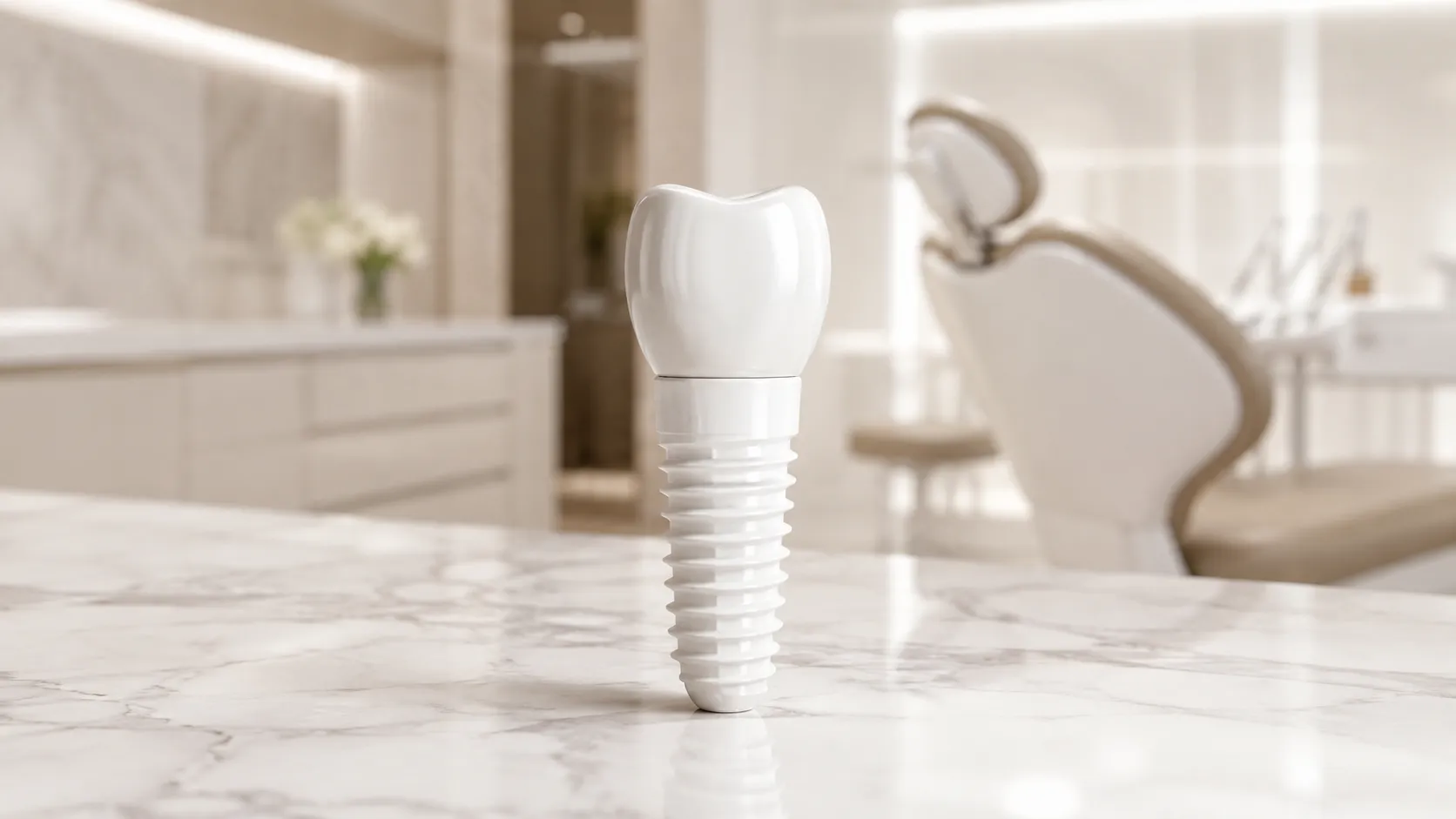
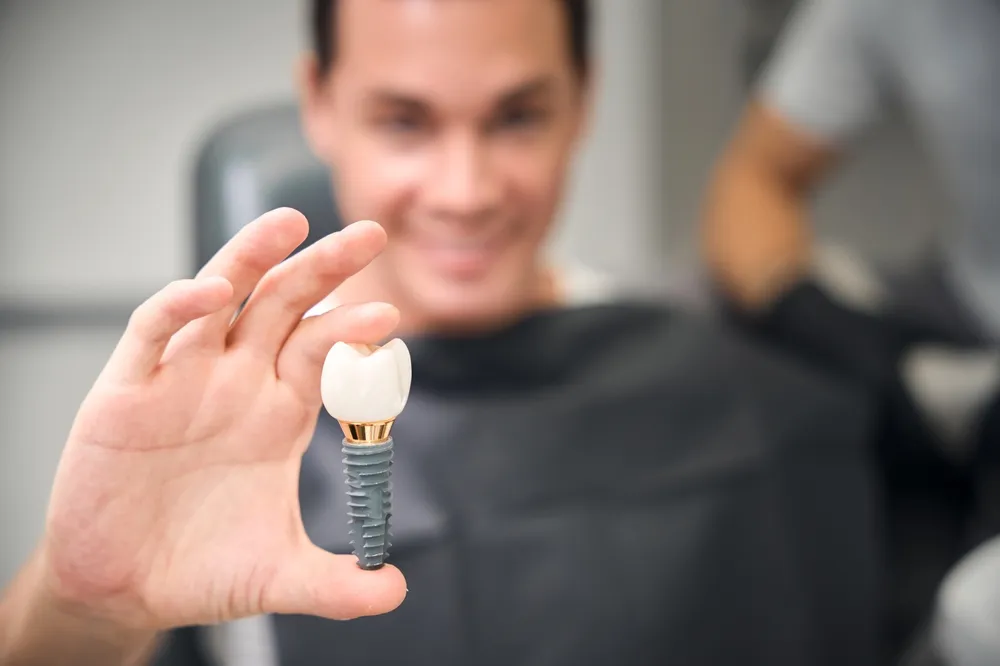
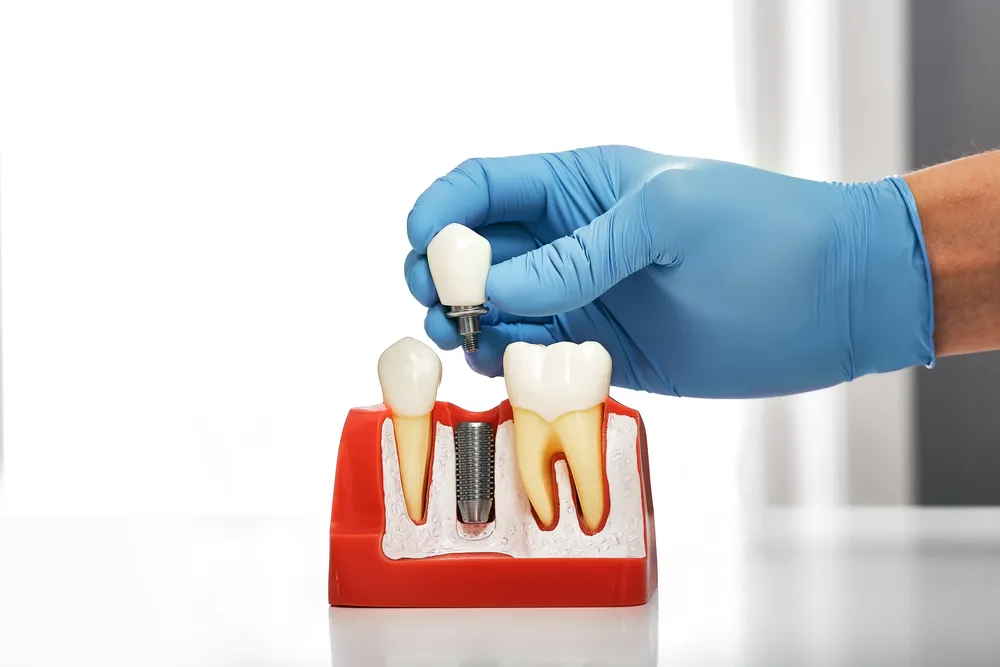
Zirconia dental implants are ceramic tooth roots. Dentists craft them from zirconium dioxide. This material belongs to the oxide family of ceramics. Researchers call the medical-grade version yttria-stabilized tetragonal zirconia polycrystal, or Y-TZP.
Zirconia differs from titanium in several key ways. Titanium implants contain metal. Zirconia implants offer a metal-free alternative. Titanium has dominated implant dentistry since Branemark introduced osseointegration in the 1960s. Zirconia entered the market in the late 1980s. Early ceramic implants faced fracture risks. Modern Y-TZP formulations now match titanium in strength (Piconi and Maccauro 1999).
Zirconia implants display a natural white color. Titanium implants show gray shadows through gum tissue. Ceramic implant technology has evolved significantly. Manufacturers now produce one-piece and two-piece zirconia designs. Two-piece designs allow better customization. One-piece designs reduce bacterial colonization at the implant-abutment junction.
What Benefits Do Zirconia Implants Offer?
Zirconia implants provide a metal-free and biocompatible solution. The human body accepts Y-TZP readily. Bone cells attach directly to zirconia surfaces. This process mirrors osseointegration with titanium.
Zirconia offers a natural tooth-colored appearance. The white ceramic blends with natural teeth. Patients smile confidently. The material eliminates gray lines at the gum margin. This feature matters especially for front teeth and visible areas.
Zirconia reduces the risk of metal sensitivity. Some patients react to titanium ions. Researchers estimate that 0.6 percent of the population shows titanium hypersensitivity (Cionca et al. 2017). Zirconia eliminates this concern entirely.
Zirconia resists corrosion and plaque accumulation. The ceramic surface does not conduct electricity. Oral bacteria adhere less strongly to zirconia than to titanium. Patients maintain better peri-implant health.
Zirconia enhances aesthetics in visible areas. Cosmetic-focused patients prefer ceramic implants for anterior restorations. The material transmits light similarly to natural tooth structure. Dental technicians achieve superior shade matching.
Who Makes a Good Candidate for Zirconia Implants?
Patients seeking metal-free restorations make excellent candidates. These individuals prioritize holistic and biocompatible materials. They want to avoid all metal in their mouths.
Individuals with titanium sensitivities need zirconia alternatives. These patients experience itching, burning, or inflammation near titanium implants. Laboratory tests confirm their metal allergies. Zirconia implants solve their problems.
Cosmetic-focused patients choose zirconia for aesthetic reasons. They want the most natural-looking result possible. They accept the premium cost for superior appearance.
Patients requiring single or multiple tooth replacement can receive zirconia implants. However, clinicians currently recommend zirconia mainly for anterior and premolar regions. Multi-unit full-arch cases may still benefit from titanium frameworks. Each patient needs individualized assessment.
Why Do Dental Costs in the United States Drive Patients Abroad?
American dental costs have reached crisis levels. Patients cannot afford necessary implant treatment. This financial pressure creates the dental tourism boom.
Why Are Dental Implants So Expensive in America?
American dentists charge between three thousand and six thousand dollars for a single zirconia implant. This price includes the implant fixture, abutment, and crown. Full-mouth zirconia implant rehabilitation costs between forty thousand and ninety thousand dollars in major U.S. cities.
Additional expenses inflate the total further. Patients pay for initial consultations. They cover CBCT imaging separately. They pay for bone grafting, sinus lifts, and temporary restorations. Insurance plans rarely cover implant dentistry. Most American dental insurance policies cap annual benefits at one thousand to two thousand dollars. This coverage barely touches implant costs (Lunt and Smith 2010).
What Financial Challenges Do American Patients Face?
American patients face crushing out-of-pocket treatment expenses. The average middle-class family cannot afford full-mouth reconstruction. Seniors on fixed incomes struggle most. Medicare does not cover dental implants. Private insurance offers minimal help.
Long-term affordability concerns haunt patients. They know dental problems worsen without treatment. They fear losing more teeth. They worry about jawbone deterioration. Yet they cannot pay American prices.
Many patients delay treatment due to costs. They live with pain, infection, and embarrassment. They avoid social situations. They compromise their nutrition. Delayed treatment leads to more complex and expensive problems later.
Why Is Interest in Dental Tourism Growing?
More Americans seek treatment overseas every year. The dental tourism market grows at 12 percent annually. Patients compare international dental destinations online. They read reviews. They watch video testimonials. They join Facebook groups dedicated to dental tourism.
Mexico attracts American patients for proximity. Hungary draws Europeans for quality. Thailand appeals to Australians. Turkey now captures the global spotlight. Turkey offers the best balance of cost, quality, and experience. American patients choose Turkey because Turkish clinics deliver European-standard care at Asian-market prices.
Why Has Turkey Become a Leading Destination for Zirconia Dental Implants?
Turkey stands at the intersection of East and West. Istanbul bridges two continents. Turkish dental clinics leverage this unique position. They combine Western medical standards with competitive pricing.
How Does Turkey Offer Significant Cost Savings Without Compromising Quality?
Turkish clinics charge 60 to 70 percent less than American dentists for identical procedures. A single zirconia implant in Turkey costs between eight hundred and fifteen hundred dollars. Full-mouth zirconia implant rehabilitation ranges from eight thousand to fifteen thousand dollars.
Lower operating costs drive these savings. Turkish clinics pay less rent. They hire skilled staff at local wage rates. They purchase materials from European suppliers without American markup. The Turkish government supports medical tourism through tax incentives. These factors reduce prices. They do not reduce standards.
Turkish clinics offer transparent package pricing. Patients know the total cost before traveling. Packages include surgery, crowns, and follow-up care. Americans appreciate this transparency. They avoid surprise bills.
What Training Do Turkish Dental Specialists Have?
Turkish implantologists train at top European and American universities. Many hold degrees from institutions in Germany, Switzerland, and the United Kingdom. They attend continuing education courses at the International Team for Implantology. They participate in live surgery workshops. They earn certifications from the European Association for Osseointegration.
Turkish dentists have extensive experience treating international patients. Istanbul clinics serve patients from over one hundred countries annually. This exposure hones their communication skills. They understand American expectations. They adapt their protocols accordingly.
Continuous professional development remains mandatory. The Turkish Dental Association requires ongoing education. Specialists attend international congresses. They publish research in peer-reviewed journals. They stay current with the latest zirconia implant techniques.
What Advanced Technology Do Turkish Dental Clinics Use?
Turkish implant clinics rival the best facilities in Europe. They invest heavily in digital dentistry. They use 3D CBCT imaging for precise diagnosis. Cone beam computed tomography reveals bone density, nerve position, and sinus anatomy. This technology eliminates guesswork.
Digital smile design transforms treatment planning. Dentists photograph the patient. They analyze facial proportions. They simulate the final result on screen. Patients approve the design before surgery begins.
CAD/CAM systems fabricate restorations with micron-level accuracy. Clinicians design crowns and abutments digitally. Milling machines carve zirconia blocks chairside. Patients receive permanent restorations within days.
Computer-guided implant surgery ensures perfect placement. Surgeons create surgical guides from CBCT data. They place implants through minimally invasive flapless incisions. This technique reduces pain and swelling. It accelerates healing (Sanz-Martin et al. 2020).
In-house dental laboratories speed up treatment. Turkish clinics employ master technicians on-site. These technicians specialize in zirconia ceramics. They communicate directly with the dentist. They make real-time adjustments. Patients avoid waiting weeks for overseas laboratories.
How Do Accredited Turkish Clinics Serve Global Patients?
Leading Turkish clinics hold ISO 9001 quality certification. Some pursue Joint Commission International accreditation. These credentials verify compliance with global standards.
International patient departments coordinate every detail. Dedicated coordinators speak English, French, German, and Arabic. They schedule appointments. They arrange airport transfers. They book hotel accommodations. They act as personal assistants throughout the visit.
Multilingual treatment coordinators explain every step. They translate medical terminology. They ensure patients understand postoperative instructions. They remain available via WhatsApp after the patient returns home.
Turkish clinics follow strict hygiene and safety protocols. They sterilize instruments according to European Union guidelines. They maintain spotless surgical suites. They use disposable materials whenever possible. These measures protect international patients.
How Do Zirconia Implant Costs Compare Between Turkey and the United States?
Cost comparison reveals dramatic differences. American patients save substantial amounts by choosing Turkey.
What Does the Average Treatment Cost Breakdown Look Like?
The following table compares typical costs:
Treatment Component | United States (USD) | Turkey (USD) | Savings |
Single zirconia implant | $3,500 - $6,000 | $800 - $1,500 | $2,700 - $4,500 |
Zirconia implant crown | $1,500 - $3,000 | $300 - $600 | $1,200 - $2,400 |
Full-mouth rehabilitation (all-on-zirconia) | $40,000 - $90,000 | $8,000 - $15,000 | $32,000 - $75,000 |
Bone grafting (per site) | $800 - $1,200 | $200 - $400 | $600 - $800 |
Sinus lift procedure | $2,500 - $5,000 | $600 - $1,200 | $1,900 - $3,800 |
CBCT scan | $300 - $600 | $50 - $100 | $250 - $500 |
American patients pay premium prices for every component. Turkish clinics bundle these services at lower rates.
What Do Turkish Dental Packages Include?
Turkish dental packages include comprehensive services. Patients receive consultation and treatment planning at no extra charge. Dentists review panoramic X-rays and CBCT scans. They create personalized treatment plans.
Packages cover implant surgery. Surgeons place premium zirconia implants. They use local anesthesia or sedation. They provide temporary restorations during healing.
Packages include final restorations. Technicians craft custom zirconia crowns. They ensure perfect fit and color match. They deliver permanent teeth before the patient departs.
Many packages include airport transfers and accommodation support. Clinics arrange four-star or five-star hotel stays. They provide VIP transportation. Some packages include city tours. Patients combine dental treatment with vacation.
What Overall Savings Can American Patients Expect?
American patients save between sixty and seventy percent on treatment costs. A patient needing six zirconia implants pays approximately twenty-five thousand dollars in America. The same patient pays seven thousand dollars in Turkey. Even after adding airfare and hotel expenses, the total remains under ten thousand dollars.
The cost-benefit analysis strongly favors Turkey. Patients receive identical implant brands. They access comparable technology. They work with equally qualified specialists. They pay a fraction of the American price.
Long-term value considerations support the decision. Zirconia implants last decades with proper care. Patients invest once. They avoid ongoing repair costs. They prevent further bone loss. The initial savings compound over time.
What Clinical Quality and Safety Standards Do Turkish Implant Clinics Maintain?
Turkish clinics maintain rigorous clinical standards. They follow evidence-based protocols. They use premium materials. They achieve excellent success rates.
What Modern Treatment Protocols Do Turkish Clinics Follow?
Turkish implantologists follow evidence-based implant placement techniques. They adhere to guidelines from the International Team for Implantology. They use standardized surgical protocols. They document every procedure meticulously.
Digital treatment planning guides every case. Clinicians analyze CBCT data in three dimensions. They plan implant position, angle, and depth virtually. They anticipate anatomical challenges. They prepare contingency plans.
Infection control measures meet European standards. Clinics use autoclave sterilization. They maintain separate sterile and non-sterile zones. They test sterilization equipment regularly. They track infection rates. Their safety records match Western clinics.
What Materials and Implant Brands Do Turkish Clinics Use?
Turkish clinics use premium zirconia implant systems. They source implants from internationally recognized manufacturers. Brands include Z-Systems, Straumann PURE Ceramic, and Nobel Biocare. These companies hold FDA clearance and CE marking.
Material quality matters immensely. Y-TZP zirconia contains 3 to 5 percent yttria stabilizer. This composition prevents phase transformation. It maintains strength under oral conditions. Certifications verify material purity. Reputable clinics provide implant passports. These documents trace each implant to its batch.
What Success Rates and Long-Term Outcomes Can Patients Expect?
Zirconia implants show success rates comparable to titanium. Research demonstrates five-year survival rates between 92 and 98 percent (Roehling et al. 2017). Several factors influence implant success.
Bone quality and quantity matter most. Patients need adequate jawbone. Surgeons perform grafting when necessary. They ensure sufficient bone volume before placement.
Patient compliance and maintenance determine long-term outcomes. Patients must quit smoking. They must brush twice daily. They must floss carefully. They must attend regular checkups. Good oral hygiene prevents peri-implantitis.
Zirconia implants demonstrate excellent long-term durability. Y-TZP resists fracture under normal chewing forces. The material does not corrode. It does not release ions. It maintains its appearance for decades (Albrektsson et al. 2002).
What Does the Complete Patient Journey Look Like for Americans Receiving Zirconia Implants in Turkey?
American patients follow a structured journey. Each step ensures safety, comfort, and optimal results.
What Happens During the Initial Online Consultation?
The journey begins with a virtual assessment. Patients submit photographs of their teeth. They share recent dental X-rays. They complete a medical history form.
Turkish dentists review these records within 24 to 48 hours. They assess bone levels. They identify missing teeth. They evaluate gum health. They create personalized treatment plans.
The treatment plan specifies the number of implants needed. It lists additional procedures like extractions or grafting. It provides a fixed price quote. Patients know exactly what to expect before booking flights.
What Should Patients Know About Traveling to Turkey for Treatment?
Istanbul serves as the primary dental tourism hub. The city hosts over two hundred dental clinics catering to international patients. Antalya attracts patients seeking beachside recovery. Izmir offers a more relaxed atmosphere.
Patients schedule treatment around their availability. Most clinics require a seven to ten day stay for single implants. Full-mouth cases need ten to fourteen days. Patients arrive one day before surgery. They rest after the procedure. They receive permanent restorations before departure.
Clinics assist with travel arrangements. They recommend flights arriving at Istanbul Airport. They coordinate ground transportation. They suggest hotels near the clinic.
What Does the Implant Placement Procedure Involve?
The implant placement procedure follows a clear sequence. The surgeon administers local anesthesia. Some patients choose intravenous sedation. The patient feels no pain.
The surgeon creates a small incision in the gum. For computer-guided cases, the surgeon uses a surgical guide. The guide directs the drill to the exact position. The surgeon places the zirconia implant into the jawbone. The surgeon closes the gum with dissolvable stitches.
The procedure takes one to two hours for single implants. Full-arch cases require four to six hours. Patients receive antibiotics and pain medication. They return to the hotel the same day.
Recovery expectations remain modest. Patients experience mild swelling for two to three days. They eat soft foods for one week. They avoid strenuous exercise for ten days. Most patients resume normal activities within three days.
What Follow-Up and Aftercare Do Patients Receive?
Remote communication continues after the patient returns home. The clinic provides a direct WhatsApp line. Patients send photos of their healing gums. The dentist responds within hours.
The healing timeline spans three to six months. During this period, bone fuses with the zirconia implant. This process is osseointegration. Patients wear temporary crowns during healing.
Maintenance recommendations include twice-daily brushing with a soft toothbrush. Patients use non-abrasive toothpaste. They avoid chewing ice or hard candy. They schedule annual checkups with their local dentist. They return to Turkey for final crown placement if they received immediate-load temporary restorations.
How Does Turkey Compare to Other Dental Tourism Destinations for Zirconia Implants?
Patients compare multiple destinations. Turkey consistently wins this comparison.
How Does Turkey Compare to Mexico for Dental Tourism?
Mexico attracts Americans because of proximity. Patients drive across the border. They avoid long flights. However, Mexico presents limitations.
Turkey offers lower prices than Mexican clinics for zirconia implants. Turkish specialists have more experience with ceramic implants. Turkish clinics use newer technology. Mexican facilities often rely on older equipment.
Turkey provides more comprehensive packages. Turkish coordinators offer better English support. Turkish clinics handle complex full-mouth cases more frequently. Mexico suits simple single-tooth replacements. Turkey excels at comprehensive rehabilitation.
How Does Turkey Compare to Eastern Europe for Dental Tourism?
Hungary and Poland serve European dental tourists. These countries offer quality care. However, they charge higher prices than Turkey. A single zirconia implant in Hungary costs two thousand to three thousand dollars. Turkey offers the same implant for under fifteen hundred dollars.
Eastern European clinics maintain excellent standards. Yet they lack Turkey's comprehensive tourism infrastructure. Turkey combines healthcare with world-class hospitality. Turkish clinics provide more luxurious patient experiences. They offer shorter waiting times.
Why Does Turkey Stand Out Globally for Zirconia Implants?
Turkey achieves the perfect balance of affordability and expertise. Turkish implantologists place more zirconia implants annually than dentists in most European countries. This high volume hones their skills.
Turkey has built a comprehensive dental tourism ecosystem. The government supports the industry. Airlines offer medical tourism visas. Hotels provide recovery packages. Clinics compete on quality. This ecosystem benefits patients.
Turkey enjoys a strong reputation among international patients. Review sites show thousands of five-star ratings. Video testimonials populate YouTube. Satisfied patients refer friends and family. This reputation grows stronger each year.
What Additional Advantages Await Patients Beyond Dental Treatment?
Turkey offers more than dental care. Patients enjoy a complete experience.
How Can Patients Combine Healthcare with Travel?
Turkey boasts incredible cultural and historical attractions. Istanbul houses the Hagia Sophia, the Blue Mosque, and Topkapi Palace. Patients visit these landmarks between appointments. They cruise the Bosphorus. They explore the Grand Bazaar.
Tourism opportunities enrich the recovery period. Patients in Antalya relax on Mediterranean beaches. They visit ancient Roman ruins at Perge. They enjoy Turkish cuisine. Fresh seafood, kebabs, and baklava delight the palate.
Popular destinations for international visitors include Cappadocia's fairy chimneys and Pamukkale's thermal pools. Patients extend their stay. They turn medical travel into memorable vacations.
What Patient-Centered Hospitality Do Turkish Clinics Provide?
Turkish clinics offer concierge-style services. Staff members greet patients at the airport. They assist with luggage. They check patients into hotels. They provide local SIM cards.
English-speaking support teams accompany patients throughout treatment. Translators attend every appointment. They explain procedures clearly. They address concerns immediately.
The personalized treatment experience distinguishes Turkish clinics. Staff remember patient names. They celebrate birthdays. They accommodate dietary restrictions. They create a family atmosphere. Patients feel cared for, not processed.
Why Do Turkish Clinics Offer Short Waiting Times?
Turkish clinics provide faster access to treatment. Patients book appointments within one to two weeks. American patients often wait one to three months for specialist consultations.
Flexible appointment scheduling accommodates international visitors. Clinics operate six days per week. They offer evening appointments. They adjust schedules for flight arrivals.
Efficient treatment planning minimizes chair time. Digital workflows eliminate delays. In-house labs produce restorations overnight. Patients complete treatment faster than in their home countries.
What Risks and Considerations Should Patients Evaluate When Choosing a Clinic?
Dental tourism requires careful planning. Patients must evaluate risks. They must choose reputable providers.
What Questions Should Americans Ask Before Booking?
Patients should ask about dentist qualifications. They should verify university degrees. They should ask about implantology certifications. They should request before-and-after photographs.
Patients should ask about the implant system used. They should demand brand names. They should verify FDA or CE approval. They should ask about warranty terms.
Patients should ask about treatment guarantees. Reputable clinics offer five to ten year warranties on implants. They provide written guarantees. They explain replacement policies.
Patients should review before-and-after cases. They should see photographs of actual patients. They should read video testimonials. They should contact former patients directly.
What Red Flags Should Patients Avoid?
Patients should avoid unrealistically low prices. Some clinics advertise zirconia implants for three hundred dollars. These prices indicate counterfeit materials. They suggest inexperienced surgeons. Quality implants cost more than this.
Patients should avoid clinics lacking transparency. Reputable providers answer all questions. They provide detailed treatment plans. They list every included service. They do not hide fees.
Patients should avoid clinics with insufficient patient reviews. New clinics may lack track records. Patients should choose established practices. They should verify online presence across multiple platforms.
Patients should avoid clinics that refuse detailed treatment plans. Every patient deserves a written plan. The plan should list procedures, timelines, and costs. Vague promises signal trouble.
Why Does Comprehensive Consultation Matter?
Comprehensive consultation protects patient safety. Dentists must evaluate medical history thoroughly. They should review medications. They should identify conditions like diabetes or osteoporosis. These conditions affect healing.
Diagnostic imaging review prevents complications. CBCT scans reveal hidden problems. They show sinus proximity. They reveal nerve locations. They identify bone defects. Surgeons plan around these challenges.
Personalized treatment recommendations ensure optimal outcomes. No two mouths are identical. Each patient needs a custom approach. Cookie-cutter plans fail. Individualized planning succeeds.
What Do Patients Frequently Ask About Zirconia Dental Implants in Turkey?
Patients ask common questions before booking. Clear answers build confidence.
Are Zirconia Dental Implants Safe?
Yes, zirconia dental implants are safe. The FDA and European health authorities have approved medical-grade zirconia for dental use. Research shows biocompatibility rates equal to titanium. Y-TZP zirconia does not trigger allergic reactions. It does not corrode in oral fluids. Millions of patients worldwide now wear zirconia implants without complications (Osman et al. 2012).
How Much Can Americans Save by Choosing Turkey?
Americans save between sixty and seventy percent on total treatment costs. A patient needing four zirconia implants pays approximately twenty thousand dollars in the United States. The same patient pays six thousand dollars in Turkey. Adding airfare and hotel costs brings the total to eight thousand dollars. The net savings exceed twelve thousand dollars.
How Long Does Treatment Take?
Single zirconia implant treatment takes seven to ten days in Turkey. This period includes consultation, surgery, and temporary crown placement. Full-mouth rehabilitation requires ten to fourteen days. Patients need a second visit after three to six months for permanent restorations. Some clinics offer immediate-load solutions. These allow same-day teeth.
Are Zirconia Implants Better Than Titanium Implants?
Zirconia implants offer advantages for specific patients. They provide superior aesthetics. They eliminate metal sensitivity risks. They resist plaque accumulation. However, titanium implants currently show longer clinical track records. Titanium suits complex full-arch cases better. The best choice depends on individual needs. Patients should discuss both options with their dentist (Glauser 2016).
Do Patients Need Multiple Visits?
Most patients need two visits. The first visit covers implant placement and temporary restorations. The second visit, three to six months later, delivers permanent crowns. Some clinics offer single-visit solutions for select cases. These immediate-load protocols work when bone quality is excellent.
How Long Do Zirconia Implants Last?
Zirconia implants last fifteen to twenty years with proper care. Some patients enjoy lifetime functionality. Success depends on oral hygiene, regular checkups, and lifestyle factors. Non-smokers achieve better longevity. Patients who grind their teeth should wear night guards. Proper maintenance protects the investment.
Is It Safe to Travel to Turkey for Dental Treatment?
Yes, Turkey is safe for dental tourism. Major cities like Istanbul and Antalya welcome millions of tourists annually. Dental clinics sit in modern, secure districts. The Turkish government actively promotes medical tourism. Clinics follow international safety standards. Patients should choose accredited clinics. They should verify credentials. They should purchase travel insurance. These precautions ensure a safe experience.
What Conclusions Can We Draw About Zirconia Implants in Turkey?
Turkey has transformed the global dental landscape. American patients now access world-class zirconia implants at affordable prices. The evidence supports this trend.
Why Are More Americans Choosing Turkey for Zirconia Dental Implants?
Americans choose Turkey because Turkey offers cost-effective access to premium care. Patients pay less. They receive more. The value proposition is undeniable.
Turkish clinics deploy advanced technology. They use CBCT, CAD/CAM, and computer-guided surgery. They employ internationally trained specialists. They maintain accredited facilities. They deliver high-quality zirconia implant solutions.
Comprehensive international patient services remove barriers. English-speaking coordinators handle logistics. Transparent pricing eliminates surprises. Concierge hospitality creates comfort. Long-term value and patient satisfaction drive repeat visits and referrals.
How Can Patients Make an Informed Decision?
Patients should evaluate costs, quality, and expertise together. The cheapest option rarely offers the best value. Patients should compare total package inclusions. They should verify dentist credentials. They should inspect clinic technology.
Choosing a reputable clinic requires research. Patients should read independent reviews. They should request video consultations. They should ask for implant brand documentation. They should demand written treatment plans.
Understanding treatment expectations and outcomes prevents disappointment. Zirconia implants require healing time. Patients need patience. They need commitment to oral hygiene. They need realistic expectations. Informed patients achieve the best results.
Turkey stands ready to welcome American patients seeking zirconia dental implants. The combination of affordability, expertise, and hospitality creates an unmatched opportunity. Patients regain their smiles. They restore their confidence. They transform their lives.
References
Albrektsson, T., et al. "The Long-Term Efficacy of Currently Used Dental Implants." Journal of Clinical Periodontology, vol. 29, no. 3, 2002, pp. 160-172.
Cionca, Norbert, et al. "Zirconia Dental Implants: A Clinical, Radiographic, and Microbiological Comparison with Titanium Implants." International Journal of Oral and Maxillofacial Implants, vol. 32, no. 3, 2017, pp. 535-545.
Glauser, R. "Zirconia Implants: An Alternative to Titanium?" Clinical Implant Dentistry and Related Research, vol. 18, no. 4, 2016, pp. 732-741.
Lunt, Neil, and Richard Smith. "Medical Tourism: Assessing the Evidence on Treatment Abroad." Maturitas, vol. 66, no. 1, 2010, pp. 27-32.
Osman, R. B., et al. "Ceramic Implants: A Systematic Review." Clinical Oral Implants Research, vol. 23, no. 11, 2012, pp. 1259-1272.
Piconi, C., and G. Maccauro. "Zirconia as a Ceramic Biomaterial." Biomaterials, vol. 20, no. 1, 1999, pp. 1-25.
Roehling, Stefan, et al. "Zirconia Dental Implants: A Systematic Review." Journal of Clinical Periodontology, vol. 44, no. 12, 2017, pp. 1217-1231.
Sanz-Martin, I., et al. "Digital Technologies in Implant Dentistry." International Journal of Oral Science, vol. 12, no. 1, 2020, pp. 1-10.