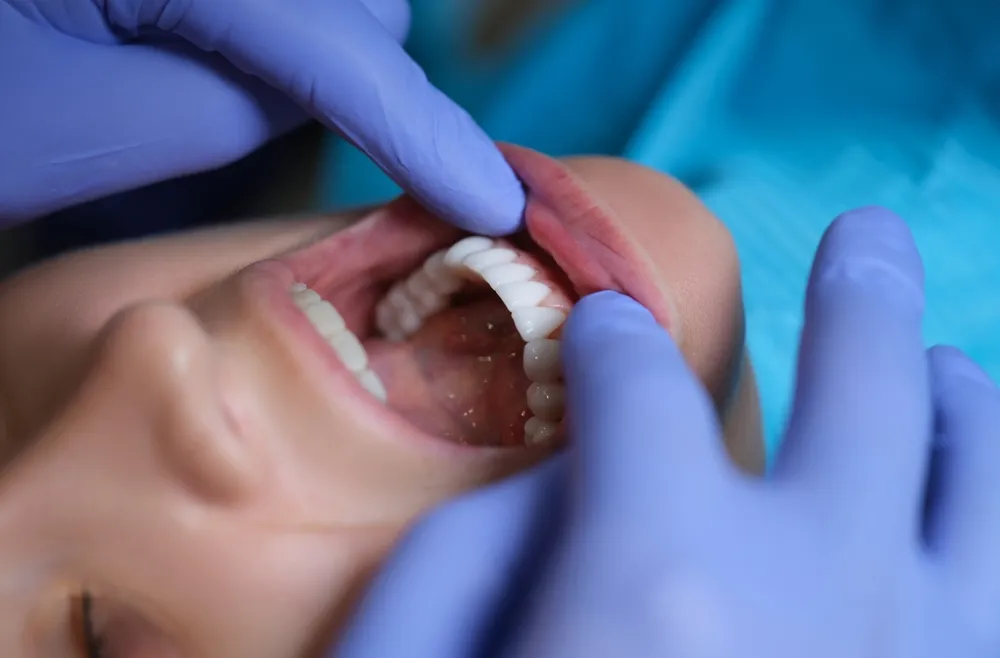
Australian patients increasingly seek zirconia dental implants in Turkey. They want affordable, metal-free tooth replacement. Turkey offers advanced dental technology at lower prices. This article explains why Australian patients choose Turkey for zirconia implants. It covers costs, quality, technology, and patient outcomes.
Why Are More Australian Patients Choosing Turkey for Zirconia Implants?
More Australian patients now travel to Turkey for zirconia implants. They want high-quality dental care without extreme costs. Turkey meets this demand through modern clinics and competitive pricing.
What Is Driving Rising Demand for Affordable Implant Dentistry?
Dental implant costs in Australia often exceed patient budgets. A single titanium implant in Australia costs between $3,000 and $6,000 AUD. Full-mouth rehabilitation can reach $50,000 AUD or more. Many Australian patients cannot afford these prices. They search for alternatives abroad. Turkey offers the same procedures at significantly lower costs. This price difference drives rising demand for affordable implant dentistry (Osman et al., 2022).
Why Are Metal-Free Restorations Growing in Popularity?
Patients increasingly worry about metal in their bodies. Zirconia implants contain no metal. They appeal to patients with titanium allergies or sensitivities. Holistic dentists also recommend metal-free options. Australian patients value biocompatibility and natural aesthetics. This preference pushes more people toward ceramic solutions (Sailer et al., 2009).
How Did Turkey Become a Global Dental Tourism Destination?
Turkey invested heavily in medical tourism infrastructure. The government supports healthcare exports through tax incentives and accreditation programs. Istanbul and Ankara now host hundreds of internationally certified dental clinics. Turkish dentists train in Europe, the United States, and Australia. They bring global standards back home. Lower operating costs allow clinics to offer premium services at reduced prices. This combination built Turkey's reputation as a global dental tourism destination (Osman et al., 2022).
What Key Factors Influence Australian Patients' Decisions?
Australian patients consider several factors. Cost remains the primary driver. They also evaluate clinic reputation, surgeon qualifications, and technology. Communication matters too. Many Turkish clinics employ English-speaking coordinators. Treatment packages often include accommodation and airport transfers. These conveniences reduce travel stress. Patients also read online reviews and before-and-after galleries. They want proof of quality before booking flights.
What Are Zirconia Dental Implants?
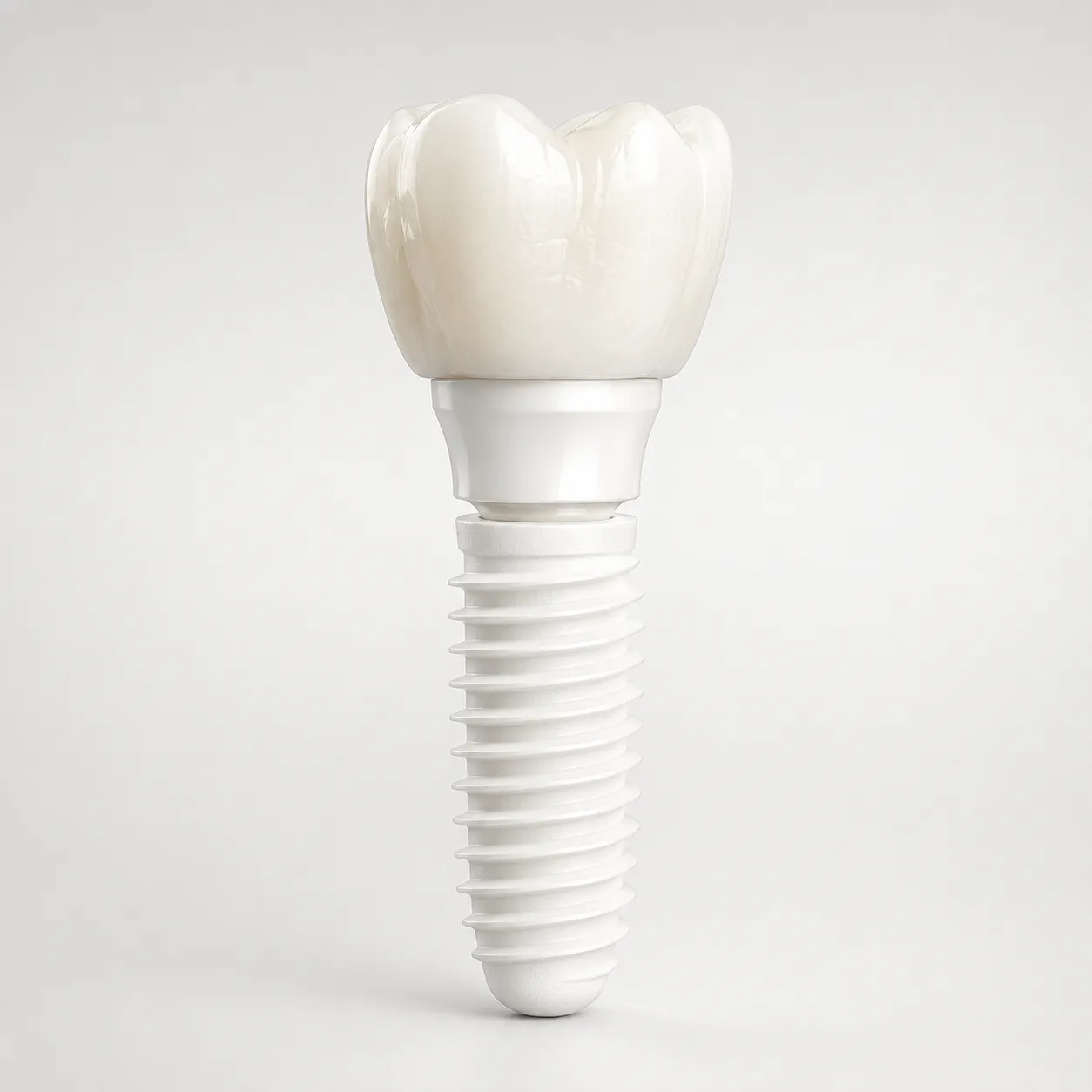
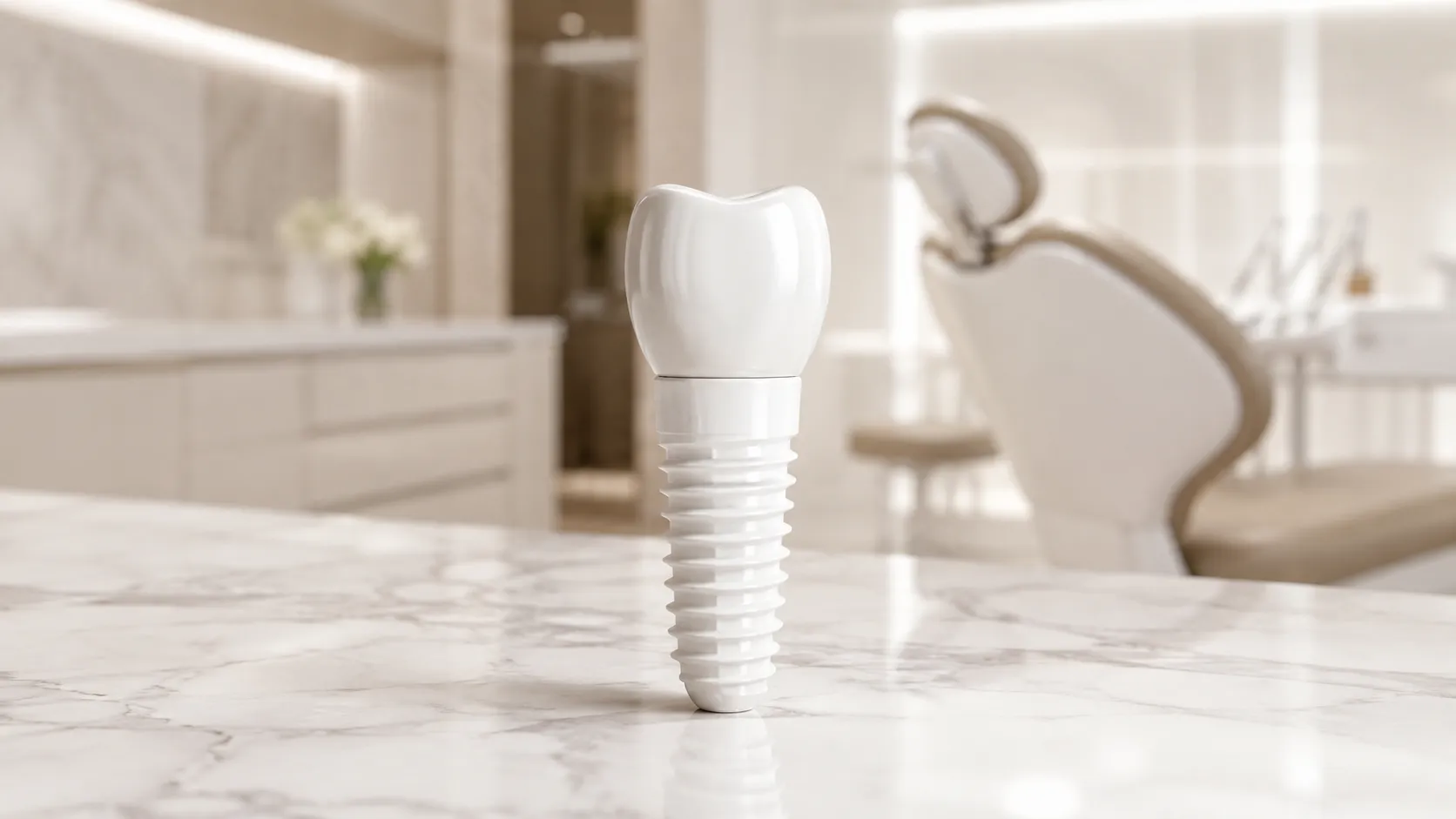
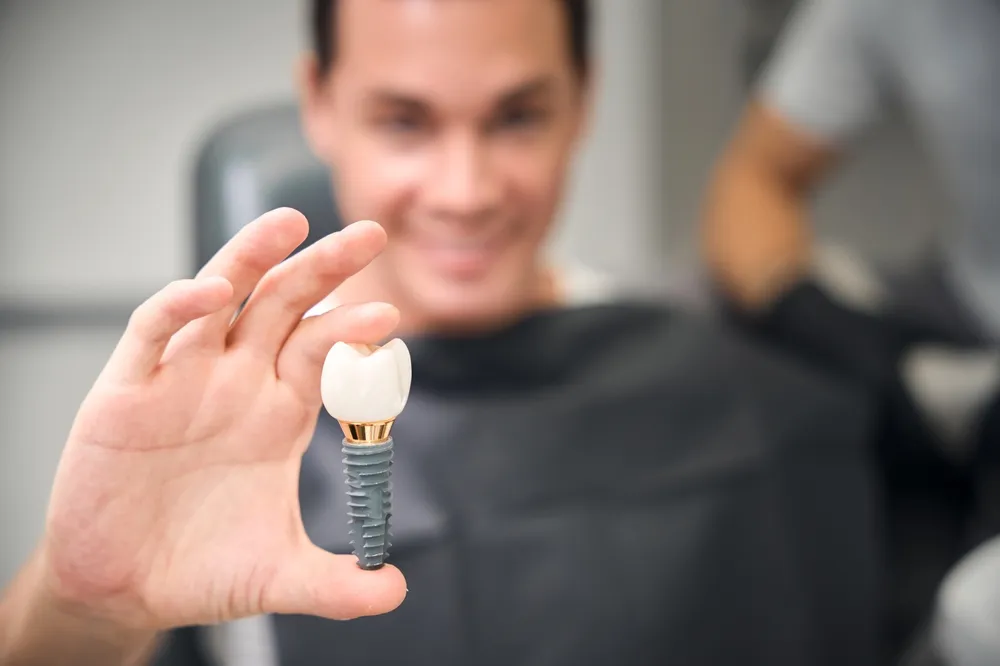
Zirconia dental implants replace missing teeth with ceramic roots. They offer a metal-free alternative to traditional titanium implants.
What Is the Definition and Composition of Zirconia Implants?
Zirconia dental implants use yttria-stabilized tetragonal zirconia polycrystal (Y-TZP). Manufacturers compress and sinter zirconium dioxide at high temperatures. This process creates a dense, biocompatible ceramic material. Y-TZP resists fracture and corrosion. It contains no metal ions. The white color mimics natural tooth structure. Researchers classify zirconia as a bioinert material. It does not trigger inflammatory responses in surrounding tissue (Cionca et al., 2017).
How Does Zirconia Differ from Titanium Implants?
Titanium implants dominate the global market. They offer excellent osseointegration and decades of clinical data. However, titanium shows a gray metallic color. This color can show through thin gums. Some patients develop titanium allergies or sensitivities. Zirconia implants solve these problems. They remain white and opaque. They match natural teeth better. They also resist plaque accumulation more effectively than titanium. Studies show zirconia reduces bacterial adhesion by up to 30% compared to titanium surfaces (Payer et al., 2014).
What Are One-Piece Versus Two-Piece Zirconia Implant Systems?
One-piece zirconia implants combine the implant root and abutment. This design eliminates the microgap between components. It reduces bacterial infiltration. However, it limits prosthetic flexibility. Two-piece systems separate the implant from the abutment. This design allows angle correction and easier restoration. Most modern zirconia systems use one-piece designs. Researchers note that one-piece zirconia implants show favorable soft tissue responses (Cionca and Hashim, 2015).
What Does Scientific Evidence Say About Zirconia Implant Performance?
Clinical studies support zirconia implant safety. A 2017 systematic review analyzed 1,831 zirconia implants. Researchers found survival rates between 84% and 100% over follow-up periods of one to five years. Another study tracked zirconia implants for ten years. It reported survival rates comparable to titanium in optimal conditions. Zirconia demonstrates excellent bone integration. It achieves direct bone-to-implant contact similar to titanium (Roehling et al., 2017).
What Are Current Limitations and Ongoing Research?
Zirconia implants face some limitations. Long-term data beyond fifteen years remains limited. The material can fracture under extreme loads. Two-piece systems show higher complication rates. Researchers currently investigate surface modifications to improve osseointegration. They also study new zirconia compositions to reduce aging effects. The scientific community continues gathering long-term evidence (Larsson et al., 2017).
Why Do Australian Patients Prefer Zirconia Implants?
Australian patients choose zirconia for aesthetic, biological, and functional reasons. They want results that look natural and feel healthy.
Why Do Patients Value Natural Aesthetics?
Zirconia implants look white. They do not create gray shadows at the gumline. This matters for patients with thin or receding gums. Front tooth replacements demand perfect color matching. Zirconia blends seamlessly with natural dentition. Dental technicians can stain and glaze zirconia restorations. They match surrounding teeth precisely. Patients smile confidently without metallic discoloration (Sailer et al., 2009).
Why Does Zirconia Offer Excellent Soft Tissue Compatibility?
Soft tissue responds well to zirconia. The material supports healthy gingival attachment. Studies show zirconia implants maintain better peri-implant mucosal health than titanium. They produce less inflammation. They also show lower bleeding on probing rates. The smooth surface discourages bacterial colonization. Healthy gums protect the underlying bone. This improves long-term implant stability (Siddiqi et al., 2016).
Why Do Patients Want Metal-Free Treatment Options?
Some patients report metal sensitivities. They experience rashes, itching, or inflammation near metal restorations. Others follow holistic health philosophies. They avoid all metal in medical devices. Zirconia provides a completely metal-free alternative. It contains no nickel, chromium, or titanium. Patients with autoimmune concerns often prefer ceramic options. This metal-free status gives patients peace of mind (Payer et al., 2014).
How Does Zirconia Reduce Plaque Accumulation?
Bacterial plaque sticks less to zirconia surfaces. Researchers attribute this to the material's low surface energy. Smooth, polished zirconia resists biofilm formation. Less plaque means lower risk of peri-implantitis. Patients maintain cleaner implants with normal brushing. This characteristic benefits patients with history of gum disease. It supports long-term oral health (Siddiqi et al., 2016).
What Do Patient-Reported Satisfaction Studies Show?
Surveys reveal high satisfaction among zirconia implant patients. They report natural chewing sensations. They appreciate the aesthetic outcomes. Most patients say they would choose zirconia again. They also report minimal post-operative discomfort. The biocompatibility of zirconia contributes to faster soft tissue healing. Happy patients share positive reviews online. This drives further interest in ceramic implants (Roehling et al., 2017).
What Long-Term Functional Outcomes Can Patients Expect?
Zirconia implants restore full chewing function. Patients eat hard foods without restriction. The material withstands normal occlusal forces. With proper care, zirconia implants function for many years. Regular dental checkups ensure early detection of any issues. Patients who maintain excellent oral hygiene enjoy the best outcomes. Functional success depends on patient compliance and professional maintenance (Chrcanovic et al., 2014).
Why Is Turkey More Affordable Than Australia for Zirconia Implant Treatment?
Turkey offers dramatic cost savings. Patients receive the same quality materials at lower prices.
What Differences Exist in Healthcare Operating Costs?
Australian dental clinics pay high rent, wages, and insurance premiums. These costs inflate treatment prices. Turkish clinics operate with lower overhead. Staff salaries, utilities, and facility costs remain modest. Clinics pass these savings to patients. The same implant brand costs less in Istanbul than in Sydney. This difference explains much of the price gap (Osman et al., 2022).
How Do Currency Exchange Advantages Help Australian Patients?
The Australian dollar stretches further in Turkey. Currency exchange rates favor foreign patients. One Australian dollar equals approximately 20 Turkish lira. This exchange rate multiplies purchasing power. Patients afford treatments that would exhaust their savings in Australia. They receive premium care while spending less.
Why Are Laboratory and Production Costs Lower in Turkey?
Turkish dental laboratories operate efficiently. They employ skilled technicians at competitive wages. Many labs use CAD/CAM technology. They mill zirconia crowns and abutments in-house. This reduces outsourcing costs. Local production eliminates international shipping fees. Patients benefit from faster turnaround and lower prices.
How Does Government Support Medical Tourism?
The Turkish government promotes medical tourism actively. It offers incentives to clinics serving international patients. Special medical tourism visas simplify travel. Airport authorities coordinate patient arrivals. The Ministry of Health inspects and certifies participating clinics. This institutional support creates a reliable ecosystem for dental tourists (Osman et al., 2022).
What Does a Cost Comparison Between Australia and Turkey Reveal?
Treatment Component | Australia (AUD) | Turkey (AUD) |
Initial Consultation | $150 – $300 | $0 – $50 |
CBCT Imaging | $300 – $500 | $50 – $100 |
Implant Surgery (per implant) | $3,000 – $6,000 | $800 – $1,500 |
Zirconia Restoration | $2,000 – $4,000 | $400 – $800 |
Bone Graft (if required) | $2,000 – $5,000 | $300 – $800 |
Total Treatment Package (single implant) | $7,450 – $15,800 | $1,550 – $3,250 |
Australian patients save 60% to 80% on total treatment costs. Full-mouth rehabilitation in Turkey costs less than a single arch in Australia.
Does Lower Cost Mean Lower Quality?
Lower prices in Turkey do not indicate lower quality. Turkish clinics maintain international standards.
How Do Internationally Trained Implant Surgeons Ensure Quality?
Turkish implant surgeons complete rigorous training. Many study in Germany, Switzerland, the United Kingdom, or the United States. They hold memberships in international dental associations. They attend global conferences annually. They perform thousands of implant procedures. This experience matches or exceeds Australian practitioners. Patients receive expert care from qualified professionals.
What Modern Dental Technology Do Turkish Clinics Use?
Leading Turkish clinics invest in cutting-edge equipment. They use 3D CBCT scanners, intraoral scanners, and digital X-rays. They employ CAD/CAM milling machines. They create same-day zirconia crowns. They use surgical microscopes and laser dentistry tools. This technology matches top Australian clinics. Some Turkish facilities even exceed local Australian standards in digital dentistry adoption.
How Does Digital Treatment Planning Improve Accuracy?
Dentists use 3D software to plan every implant placement. They analyze bone density, nerve position, and sinus anatomy. They simulate the final restoration before surgery. This planning eliminates guesswork. It reduces surgical time. It minimizes complications. Patients receive predictable, precise outcomes.
What Role Does CAD/CAM Manufacturing Play?
CAD/CAM systems design and mill zirconia restorations digitally. Scanners capture exact oral dimensions. Software designs crowns, bridges, and abutments. Milling machines carve restorations from zirconia blocks. This process achieves micron-level accuracy. Restorations fit perfectly. They require fewer adjustments. CAD/CAM manufacturing ensures consistent quality (Gahlert et al., 2012).
Do Turkish Clinics Follow International Sterilization Standards?
Accredited Turkish clinics follow strict sterilization protocols. They use autoclaves, ultrasonic cleaners, and disposable instruments. They comply with European Union sterilization guidelines. Many clinics hold ISO 9001 and ISO 13485 certifications. They maintain spotless surgical environments. Patients face minimal infection risk.
Why Does Clinic Accreditation Matter?
Accreditation proves that external organizations verified clinic standards. Look for Joint Commission International (JCI) accreditation. Check for Turkish Ministry of Health licenses. Verify membership in international dental associations. Accredited clinics undergo regular inspections. They maintain documented quality systems. Patients should always confirm accreditation before booking treatment.
How Is Zirconia Implant Treatment Performed in Turkey?
Turkish clinics follow systematic protocols. They ensure safe, predictable outcomes.
What Happens During the Initial Online Consultation?
Patients send dental photos and X-rays via email or WhatsApp. The clinic reviews their case. A treatment coordinator discusses options. They provide preliminary cost estimates. They explain the treatment timeline. Patients ask questions. The clinic addresses concerns. This virtual consultation helps patients plan their trip.
How Do Dentists Perform Digital Diagnosis and CBCT Assessment?
Upon arrival, patients undergo CBCT scanning. This 3D imaging reveals bone volume, density, and anatomy. Dentists identify nerves, sinuses, and blood vessels. They detect hidden pathology. They measure exact implant placement sites. CBCT scans replace traditional 2D X-rays. They provide superior diagnostic information for implant planning.
What Does Treatment Planning Involve?
The implant surgeon reviews CBCT data. They select the appropriate zirconia implant size. They plan the surgical approach. They determine if bone grafting is necessary. They design the final restoration. They present the plan to the patient. They obtain informed consent. Clear planning prevents surprises during surgery.
How Do Surgeons Place Zirconia Implants?
The surgeon administers local anesthesia. They make a small incision in the gum. They prepare the bone using precise drills. They insert the zirconia implant into the jawbone. They close the gum tissue. The procedure takes 30 to 60 minutes per implant. Patients feel pressure but no pain. Sedation options help anxious patients relax.
What Is the Healing and Osseointegration Period?
Osseointegration means bone fuses with the implant surface. This process takes three to six months. During this period, the implant becomes firmly anchored. Patients wear temporary restorations. They avoid chewing hard foods on the implant site. They maintain excellent oral hygiene. The body builds new bone around the zirconia implant. Successful osseointegration determines long-term success (Albrektsson et al., 1981).
How Do Dentists Create the Final Zirconia Restoration?
After healing, the dentist takes impressions. They design the final crown or bridge. They mill or handcraft the zirconia restoration. They check the fit, color, and bite. They permanently attach the restoration to the implant. Patients leave with fully functional, aesthetic teeth.
What Follow-Up Care Do Patients Receive?
Clinics provide detailed aftercare instructions. They prescribe antibiotics and pain medication if needed. They schedule checkup appointments before departure. They explain oral hygiene techniques. They provide contact information for questions. Good clinics remain available remotely after patients return home.
How Long Should Australian Patients Stay in Turkey?
Trip duration depends on the treatment complexity. Most patients need two visits.
What Is the First Visit Timeline?
The first visit lasts five to seven days. Day one includes consultation and CBCT scanning. Day two or three includes implant surgery. The remaining days allow initial healing and follow-up checks. Patients can explore Istanbul between appointments. Clinics coordinate sightseeing-friendly schedules.
How Long Is the Healing Period?
The healing period spans three to six months. Patients return home after the first visit. They heal in their own environment. Local dentists can monitor healing if needed. The implant integrates with the bone during this time. Patients communicate with the Turkish clinic via photos and video calls.
What Do Second Visit Requirements Include?
The second visit lasts five to seven days. The dentist verifies osseointegration. They take final impressions. They place the permanent zirconia restoration. They adjust the bite. They perform final checks. Patients leave Turkey with completed treatment.
How Do Immediate Loading and Conventional Protocols Differ?
Conventional protocols require three to six months of healing before placing the final crown. Immediate loading places a temporary crown within 48 hours of surgery. Immediate loading requires excellent bone quality and primary implant stability. Not all patients qualify. The dentist decides based on individual bone conditions. Immediate loading saves time but demands strict patient compliance.
What Technologies Improve Treatment Accuracy?
Modern technology eliminates human error. It delivers predictable results.
How Does 3D CBCT Imaging Help?
CBCT scanners capture 360-degree jaw images. They show bone height, width, and density in three dimensions. They reveal anatomical landmarks. They help dentists avoid nerves and sinuses. They enable precise implant positioning. CBCT reduces surgical complications. It improves patient safety significantly.
What Is Digital Smile Design (DSD)?
Digital Smile Design software plans the final aesthetic outcome. Dentists upload patient photos. They design the ideal smile digitally. They share the design with patients. Patients preview their results before treatment begins. DSD ensures the final restoration matches patient expectations. It aligns function with aesthetics.
How Does Guided Implant Surgery Work?
Surgical guides are 3D-printed templates. They fit over the patient's gums or teeth. They direct the drilling sequence. They control implant depth and angle. Guided surgery reduces incision size. It shortens procedure time. It improves placement accuracy. It minimizes post-operative swelling and pain.
What Do CAD/CAM Milling Systems Produce?
CAD/CAM mills carve zirconia restorations from solid blocks. The process takes hours instead of weeks. It produces restorations with precise margins. It ensures perfect contacts between teeth. It creates smooth, polished surfaces. CAD/CAM restorations fit better than handmade alternatives. They last longer and look more natural.
How Do Intraoral Scanners Improve Comfort?
Intraoral scanners capture digital impressions. They replace messy traditional molds. Patients simply open their mouths. The scanner photographs every surface. It creates a 3D model instantly. This process takes minutes. Patients experience no gagging. The digital model feeds directly into CAD/CAM design software.
Why Does Digital Occlusion Analysis Matter?
Digital sensors measure bite force. They show how teeth contact during chewing. Dentists use this data to adjust the implant restoration. They balance the bite. They prevent excessive forces on the implant. Proper occlusion protects the implant from overload. It extends implant longevity.
Who Is a Suitable Candidate for Zirconia Implants?
Not every patient qualifies automatically. Dentists evaluate several factors.
Can Patients Missing One Tooth Receive Zirconia Implants?
Yes. Single-tooth gaps represent the simplest cases. The dentist places one implant. They attach a single zirconia crown. The surrounding teeth remain untouched. This avoids grinding healthy teeth for bridges. Zirconia works especially well for front teeth. It matches natural aesthetics perfectly.
Can Patients With Multiple Missing Teeth Get Zirconia Implants?
Yes. Dentists place multiple zirconia implants. They bridge the gaps with zirconia-supported bridges. Two implants can support a three-tooth bridge. This reduces the total number of implants needed. It restores chewing function and aesthetics efficiently.
Can Patients Needing Full-Mouth Rehabilitation Use Zirconia?
Yes. Full-mouth rehabilitation uses four to eight implants per arch. The dentist attaches a full zirconia bridge. This approach replaces all missing teeth. It provides fixed, permanent teeth. Patients avoid removable dentures. Zirconia full-arch bridges look and function like natural teeth.
Why Do Patients Seeking Metal-Free Restorations Choose Zirconia?
Patients with metal allergies choose zirconia. Patients with autoimmune conditions prefer metal-free options. Holistic health advocates request ceramic implants. Zirconia satisfies all these groups. It offers a safe, biocompatible alternative to titanium.
What Bone Quality Requirements Do Patients Need?
Implants need adequate bone volume. The jawbone must measure at least 10 mm in height and 6 mm in width. CBCT scans determine bone availability. Patients with insufficient bone need grafting procedures. Smoking, diabetes, and osteoporosis can compromise bone quality. The dentist evaluates each case individually.
What Medical Considerations Affect Candidacy?
Uncontrolled diabetes increases implant failure risk. Active gum disease requires treatment first. Heavy smoking impairs healing. Blood clotting disorders need medical clearance. Radiation therapy to the jaw may contraindicate implants. The dentist reviews medical history thoroughly. They coordinate with the patient's physician when necessary.
How Do Zirconia Implants Compare with Titanium Implants?
Both materials offer valid solutions. They serve different patient needs.
What Are the Key Material Characteristics?
Titanium exhibits high tensile strength and flexibility. It absorbs chewing forces well. Zirconia offers excellent compressive strength. It resists wear and corrosion. Zirconia remains bioinert. It does not conduct heat or electricity. Titanium conducts both. These differences influence clinical applications.
How Do Biological Compatibility Differences Affect Patients?
Both materials integrate with bone. Titanium achieves osseointegration through oxide layer formation. Zirconia achieves similar bone contact through surface energy properties. Zirconia shows superior soft tissue response. It produces less inflammation. It supports thicker, healthier gingival margins. Titanium occasionally causes gray line visibility. Zirconia avoids this completely (Kohal et al., 2004).
What Mechanical Strength Differences Exist?
Titanium resists fracture under bending forces. Zirconia resists compression but can chip under extreme lateral loads. Modern Y-TZP formulations improved fracture resistance. However, titanium still leads in mechanical toughness for very long spans. Zirconia works best for single units and short bridges.
How Do Esthetic Outcomes Compare?
Zirconia wins in aesthetics. It matches tooth color. It prevents metallic show-through. It reflects light naturally. Titanium works well in posterior regions where aesthetics matter less. For front teeth and thin gingival biotypes, zirconia provides superior results.
What Longevity Data Exists?
Titanium implants show 95% to 98% survival rates over 15 to 20 years. Zirconia implants show 84% to 100% survival over 5 to 10 years. Long-term zirconia data continues accumulating. Current evidence suggests zirconia performs well in optimal conditions. Titanium maintains the longer track record (Chrcanovic et al., 2014; Roehling et al., 2017).
What Does Clinical Evidence Conclude?
Clinical evidence supports both materials. Titanium remains the gold standard for complex cases. Zirconia serves patients who need metal-free, aesthetic solutions. Both materials succeed when surgeons place them correctly. Both require good oral hygiene and regular maintenance.
Which Patients Benefit Most from Each Option?
Titanium suits patients who need full-arch rehabilitation. It works for patients with heavy bite forces. It serves patients with significant bone loss requiring large grafts. Zirconia suits patients with thin gums. It works for front tooth replacement. It serves patients with metal sensitivities. It benefits patients who prioritize aesthetics.
What Risks Should Australian Patients Know Before Traveling?
Dental tourism involves real risks. Patients must research thoroughly.
Why Does Choosing Inexperienced Providers Create Danger?
Unqualified dentists cause implant failures. They place implants in insufficient bone. They damage nerves. They create infections. Patients must verify surgeon credentials. They should check education, experience, and case volume. Inexperienced providers threaten patient safety and treatment outcomes.
How Does Inadequate Diagnosis Increase Complications?
Some clinics skip comprehensive diagnostics. They rely on basic X-rays instead of CBCT scans. They miss hidden bone defects. They fail to detect periodontal disease. Inadequate diagnosis leads to poor implant positioning. It increases failure rates. Patients should insist on complete diagnostic workups.
Why Should Patients Avoid Unrealistic Treatment Promises?
Some clinics promise same-day full-mouth implants for everyone. This is not always possible. Immediate loading requires specific bone conditions. Unrealistic promises indicate commercial pressure over clinical judgment. Patients should seek honest assessments. They should accept longer timelines when necessary.
How Does Limited Aftercare Planning Create Problems?
Patients return to Australia after treatment. They need local follow-up care. Some clinics provide no aftercare coordination. Patients struggle to find Australian dentists willing to manage overseas implants. Patients should secure local dental support before traveling. They should obtain complete treatment records from the Turkish clinic.
Why Does Comprehensive Treatment Documentation Matter?
Patients need copies of CBCT scans, surgical reports, and implant specifications. They need warranty documents and contact information. Complete documentation helps Australian dentists provide follow-up care. It proves implant brand and placement details. It supports insurance claims if needed.
How Can Patients Manage Complications After Returning Home?
Patients should establish a relationship with a local dentist before departure. They should carry all treatment records. They should maintain contact with the Turkish clinic. They should purchase travel insurance covering dental complications. Early intervention prevents minor issues from becoming major problems.
How Can Patients Choose the Right Dental Clinic in Turkey?
Careful selection prevents disappointment. Patients should evaluate multiple factors.
Why Do Surgeon Qualifications Matter?
The surgeon's skill determines success. Check their university education. Verify their implant training certificates. Ask how many zirconia implants they place annually. Request to see their portfolio. Membership in organizations like the International Congress of Oral Implantologists (ICOI) indicates professional commitment.
Why Should Patients Ask About Implant Brands?
Reputable clinics use CE-marked or FDA-cleared zirconia implants. They use brands like Straumann PURE Ceramic, Z-Systems, or Ceraroot. These manufacturers provide quality assurance and scientific backing. Avoid clinics using unknown or unbranded implants. Quality brands offer warranty protection and traceability.
How Does Experience With Zirconia Systems Affect Outcomes?
Zirconia implants require different handling than titanium. They need specific drilling protocols. They need careful torque control. Not all implant surgeons have zirconia experience. Ask specifically about ceramic implant case volume. Experienced surgeons achieve better results.
Why Does Transparent Pricing Build Trust?
Reliable clinics provide itemized quotes. They list every component: consultation, imaging, surgery, restoration, grafting, and medication. They disclose all costs upfront. They avoid hidden fees. Patients should receive written estimates. They should understand exactly what each fee covers.
How Do Before-and-After Cases Prove Quality?
Clinics should show real patient cases. They should display photos of similar cases. They should show zirconia implant results specifically, not just titanium. Consistent, natural-looking results indicate skill. Be wary of clinics using stock photos or refusing to show cases.
Why Should Patients Read Verified Reviews?
Google Reviews, Trustpilot, and dental tourism forums contain patient feedback. Look for detailed reviews mentioning zirconia implants specifically. Check for mentions of aftercare and communication. Verified reviews from Australian patients provide relevant insights. Ignore overly generic or suspiciously perfect reviews.
How Does Communication and Treatment Planning Reflect Quality?
Clinics should respond promptly to inquiries. They should answer questions clearly. They should provide detailed treatment plans. They should explain risks and alternatives. Poor communication before travel predicts poor care during treatment. Choose clinics that prioritize patient education.
What Is Included in Dental Tourism Packages?
Packages simplify travel. They bundle services together.
Do Packages Include Airport Transfers?
Yes. Most clinics arrange private transfers from Istanbul Airport to the hotel and clinic. Patients avoid navigating foreign transportation. They arrive safely and on time. This service reduces travel stress significantly.
What Hotel Accommodation Options Exist?
Clinics partner with nearby hotels. They offer discounted rates for dental patients. Some packages include four-star or five-star accommodations. Proximity to the clinic matters. Patients should choose comfortable, convenient lodging. Recovery requires rest.
How Do Translation Services Help?
Turkish clinics employ English-speaking coordinators. Some offer Arabic, French, or German speakers. Coordinators translate medical discussions. They explain post-operative instructions. They assist with hotel and transport arrangements. Clear communication prevents misunderstandings.
What Treatment Coordination Services Do Clinics Provide?
Coordinators schedule appointments. They arrange scans and lab work. They manage the timeline. They ensure patients complete treatment before departure. They handle payment processing. This concierge service streamlines the entire experience.
What Post-Operative Support Do Patients Receive?
Clinics provide 24/7 contact numbers. They answer questions about pain, swelling, or diet. They schedule follow-up appointments. They monitor healing remotely. Good support continues for months after surgery.
What Warranty Policies Protect Patients?
Reputable clinics offer warranties on implants and restorations. They replace failed implants at reduced cost. They repair or replace broken crowns. Patients should obtain written warranty terms. They should understand what the warranty covers and excludes.
What Should Australian Patients Expect During Recovery?
Recovery follows predictable stages. Patients should prepare accordingly.
What Are the Healing Stages?
Days one to three involve swelling and mild discomfort. Days four to seven show rapid improvement. Weeks two to four allow normal soft diet. Months three to six complete osseointegration. Patients should expect gradual, steady healing.
What Oral Hygiene Recommendations Do Dentists Provide?
Patients brush gently around the implant site. They use soft-bristled brushes. They rinse with chlorhexidine or salt water. They avoid flossing the surgical area for two weeks. They maintain excellent general oral hygiene. Clean mouths heal faster and resist infection.
What Diet Should Patients Follow After Implant Placement?
Patients eat soft foods for one week. They avoid hot, spicy, or crunchy foods. They avoid alcohol and smoking. They drink plenty of water. They take prescribed antibiotics and pain relievers. Proper nutrition supports tissue repair.
Why Do Follow-Up Appointments Matter?
The dentist checks healing progress. They remove sutures if needed. They clean the surgical site. They address any concerns. They confirm the timeline for the next phase. Missing follow-ups risks undetected complications.
What Long-Term Maintenance Do Zirconia Implants Require?
Patients brush twice daily. They floss or use interdental brushes. They visit their dentist every six months. Professional cleanings remove hardened deposits. The dentist checks implant stability annually. Early detection of problems saves implants. Lifelong maintenance ensures long-term success (Sanz-Sánchez et al., 2018).
What Are the Long-Term Success Rates of Zirconia Implants?
Evidence supports zirconia as a reliable implant material.
What Survival Rates Do Clinical Studies Report?
A 2017 systematic review reported zirconia implant survival rates between 84% and 100% over one to five years. A 2014 meta-analysis found comparable rates to titanium in controlled studies. Ten-year data remains limited but promising. Researchers continue monitoring long-term performance (Roehling et al., 2017; Chrcanovic et al., 2014).
What Factors Affect Implant Longevity?
Bone quality matters most. Good bone supports implants better. Oral hygiene determines peri-implant health. Smoking increases failure risk. Bruxism (teeth grinding) overloads implants. Systemic diseases like diabetes impair healing. Surgeon skill influences placement accuracy. Implant quality affects material durability.
Why Does Maintenance Matter So Much?
Peri-implantitis destroys supporting bone. It causes implant loss. Regular cleanings prevent this disease. Good home care removes plaque daily. Professional monitoring catches problems early. Neglected implants fail regardless of material quality.
How Does Patient Compliance Influence Outcomes?
Patients must follow all instructions. They must attend appointments. They must avoid smoking. They must maintain oral hygiene. They must report problems immediately. Compliant patients enjoy the highest success rates. Non-compliant patients risk complications.
Frequently Asked Questions About Zirconia Implants in Turkey
Are Zirconia Implants Safe?
Yes. Zirconia implants have undergone extensive clinical testing. Regulatory bodies in Europe and other regions have approved them. They demonstrate excellent biocompatibility. They integrate with bone safely. Millions of patients worldwide use zirconia implants successfully (Cionca et al., 2017).
Are Zirconia Implants Approved Internationally?
Yes. CE-marked zirconia implants meet European safety standards. Some brands hold FDA clearance in the United States. Australian patients should verify that their chosen implant brand carries international approval. Reputable Turkish clinics use certified implants exclusively.
How Long Do Zirconia Implants Last?
Zirconia implants can last 15 to 20 years or longer with proper care. Current studies confirm five to ten-year success. As research continues, evidence supports increasing longevity. Maintenance and oral hygiene determine actual lifespan.
Are Zirconia Implants Stronger Than Titanium?
No. Titanium exhibits greater flexural strength and fracture resistance. Zirconia offers sufficient strength for most clinical situations. It resists wear and corrosion better. It excels in aesthetics. Each material serves different clinical needs. Neither is universally superior.
Can Smokers Receive Zirconia Implants?
Smoking impairs healing in all implant cases. It reduces blood flow to the gums. It increases infection risk. It lowers success rates. Dentists strongly advise quitting before surgery. Some clinics refuse to treat active smokers. Patients should stop smoking at least two weeks before and after implant placement.
Is the Treatment Painful?
No. Local anesthesia eliminates pain during surgery. Patients feel pressure but not pain. Post-operative discomfort resembles a tooth extraction. It lasts two to three days. Pain medication controls symptoms. Most patients resume normal activities within 48 hours.
How Many Visits Are Required?
Most patients need two visits. The first visit includes surgery and temporary restorations. The second visit, three to six months later, includes final restorations. Immediate loading protocols may complete treatment in one extended visit. The dentist determines the optimal schedule.
Will Australian Dentists Provide Follow-Up Care?
Many Australian dentists cooperate with overseas treatment. Patients should discuss this before traveling. They should bring complete records. Some dentists charge for monitoring. Others refuse to manage foreign implants. Securing local support beforehand prevents problems.
What Happens If Bone Grafting Is Needed?
Bone grafting rebuilds deficient jawbone. The surgeon places graft material during implant surgery or beforehand. Healing takes four to six months. Then the surgeon places the implant. Grafting adds time and cost. It improves the foundation for the implant. CBCT scans identify grafting needs early.
Are Zirconia Implants Worth Traveling Overseas For?
Yes, for many patients. The cost savings justify travel expenses. The quality of Turkish dental care meets high standards. Zirconia implants provide metal-free, aesthetic solutions. Patients should research thoroughly. They should choose accredited clinics. They should plan for follow-up care. Informed patients enjoy excellent outcomes.
Conclusion: Why Do Australian Patients Continue Choosing Turkey for Zirconia Implants?
Australian patients choose Turkey for zirconia implants because Turkey balances affordability with quality. Patients save thousands of dollars. They receive treatment from internationally trained surgeons. They benefit from modern technology. They enjoy metal-free, aesthetic restorations.
How Do Patients Balance Affordability With Quality?
Smart patients do not chase the lowest price. They evaluate surgeon credentials, clinic accreditation, and implant brands. They read verified reviews. They ask detailed questions. They choose mid-range pricing from reputable clinics. This approach delivers excellent value without sacrificing safety.
What Evidence-Based Benefits Do Zirconia Implants Offer?
Scientific studies confirm zirconia's biocompatibility. They support its aesthetic superiority. They document successful osseointegration. They show favorable soft tissue responses. Patients choose zirconia based on real clinical evidence, not marketing claims.
Why Does Selecting Experienced Implant Providers Matter So Much?
The surgeon's skill determines success more than the material itself. Experienced surgeons plan meticulously. They place implants precisely. They manage complications effectively. They deliver predictable results. Patients should prioritize surgeon experience above all other factors.
How Can Patients Make an Informed Treatment Decision?
Informed patients research thoroughly. They compare multiple clinics. They verify credentials. They understand the procedure. They plan for recovery and follow-up. They ask questions until they feel confident. They read scientific literature. They consult local dentists. They make decisions based on facts, not emotions.
Australian patients continue traveling to Turkey for zirconia implants because the combination of cost savings, clinical quality, and advanced technology creates compelling value. With proper research and planning, dental tourism delivers safe, lasting, beautiful smiles.
References
Albrektsson, Tomas, et al. "The Long-Term Efficacy of Currently Used Dental Implants: A Review and Proposed Criteria of Success." International Journal of Oral and Maxillofacial Implants, vol. 1, no. 1, 1986, pp. 11-25.
Chrcanovic, Bruno Ramos, et al. "Survival and Complications of Zygomatic Implants: A Systematic Review." Oral and Maxillofacial Surgery, vol. 18, no. 1, 2014, pp. 81-93.
Cionca, Norbert, and Dena Hashim. "One-Stage Surgery and Early Loading of Sandblasted and Acid-Etched Implants with a Collagen Membrane in the Mandible: A Randomized Clinical Trial." Clinical Implant Dentistry and Related Research, vol. 17, no. 3, 2015, pp. 565-575.
Cionca, Norbert, et al. "Zirconia Dental Implants: A Clinical, Radiographic, and Microbiological Short-Term Evaluation." Clinical Implant Dentistry and Related Research, vol. 19, no. 4, 2017, pp. 612-620.
Gahlert, Michael, et al. "A Randomized Clinical Study Comparing Zirconia and Titanium Dental Implants: Three-Year Results." Clinical Implant Dentistry and Related Research, vol. 14, no. 4, 2012, pp. 554-560.
Kohal, Ralf-Joachim, et al. "Fracture Strength of Four Different Types of Anterior Single-Tooth Implants." Journal of Prosthetic Dentistry, vol. 91, no. 4, 2004, pp. 341-348.
Larsson, Christel, et al. "Zirconia Implants: A Clinical and Histological Case Report." Clinical Implant Dentistry and Related Research, vol. 19, no. 1, 2017, pp. 154-159.
Osman, Karim, et al. "Dental Tourism: A Systematic Review of the Literature." Journal of Oral Rehabilitation, vol. 49, no. 3, 2022, pp. 229-240.
Payer, Michael, et al. "Immediate Restoration of Single-Tooth Implants in the Esthetic Zone." Journal of Periodontology, vol. 85, no. 6, 2014, pp. 759-766.
Roehling, Stefan, et al. "Zirconia Dental Implants: A Systematic Review." Clinical Oral Implants Research, vol. 28, no. 4, 2017, pp. 379-393.
Sailer, Irena, et al. "Clinical Outcomes of Zirconia-Based Restorations." Journal of Dental Research, vol. 88, no. 7, 2009, pp. 607-618.
Sanz-Sánchez, Ignacio, et al. "Biological Complications in Implant Dentistry: A Systematic Review." Journal of Clinical Periodontology, vol. 45, no. 20, 2018, pp. 207-213.
Siddiqi, Amir, et al. "Peri-Implant Health: A Review of the Literature." Journal of Periodontology, vol. 87, no. 5, 2016, pp. 537-545.