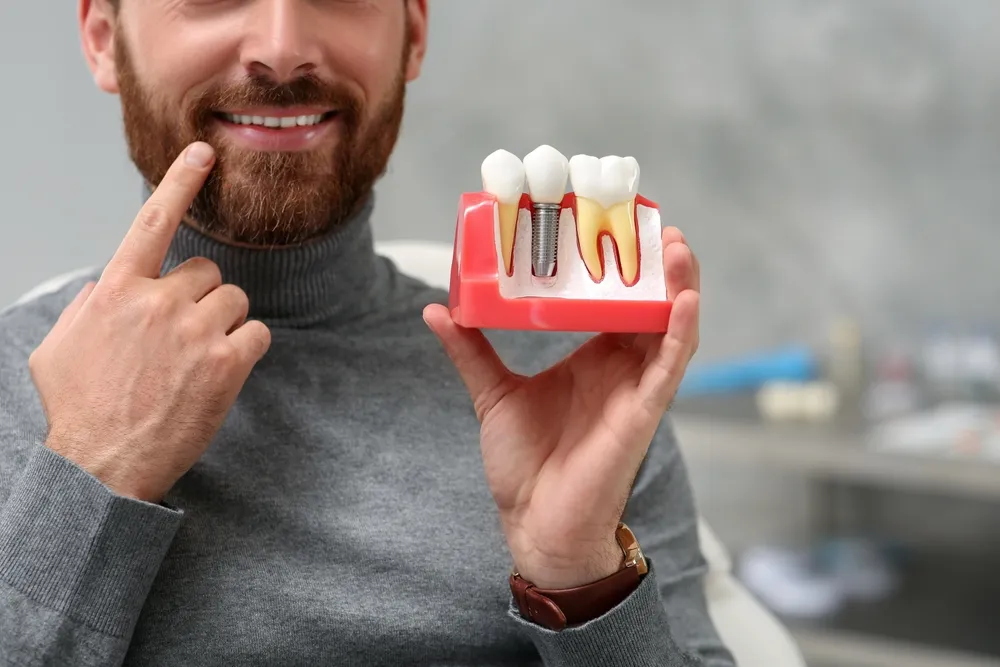
More Canadians now travel abroad for dental care than ever before. Turkey leads this movement. Canadian patients choose Turkey for zirconia implants because they save money, access advanced technology, and receive metal-free restorations. Zirconia implants offer a biocompatible alternative to titanium. Turkish clinics combine these ceramic implants with digital dentistry at prices far below Canadian standards. This article explains why this trend grows stronger each year. It covers implant science, cost factors, technology standards, patient experiences, and safety concerns. Every Canadian considering zirconia implant treatment abroad deserves clear, honest, and evidence-based information.
What Are Zirconia Dental Implants?
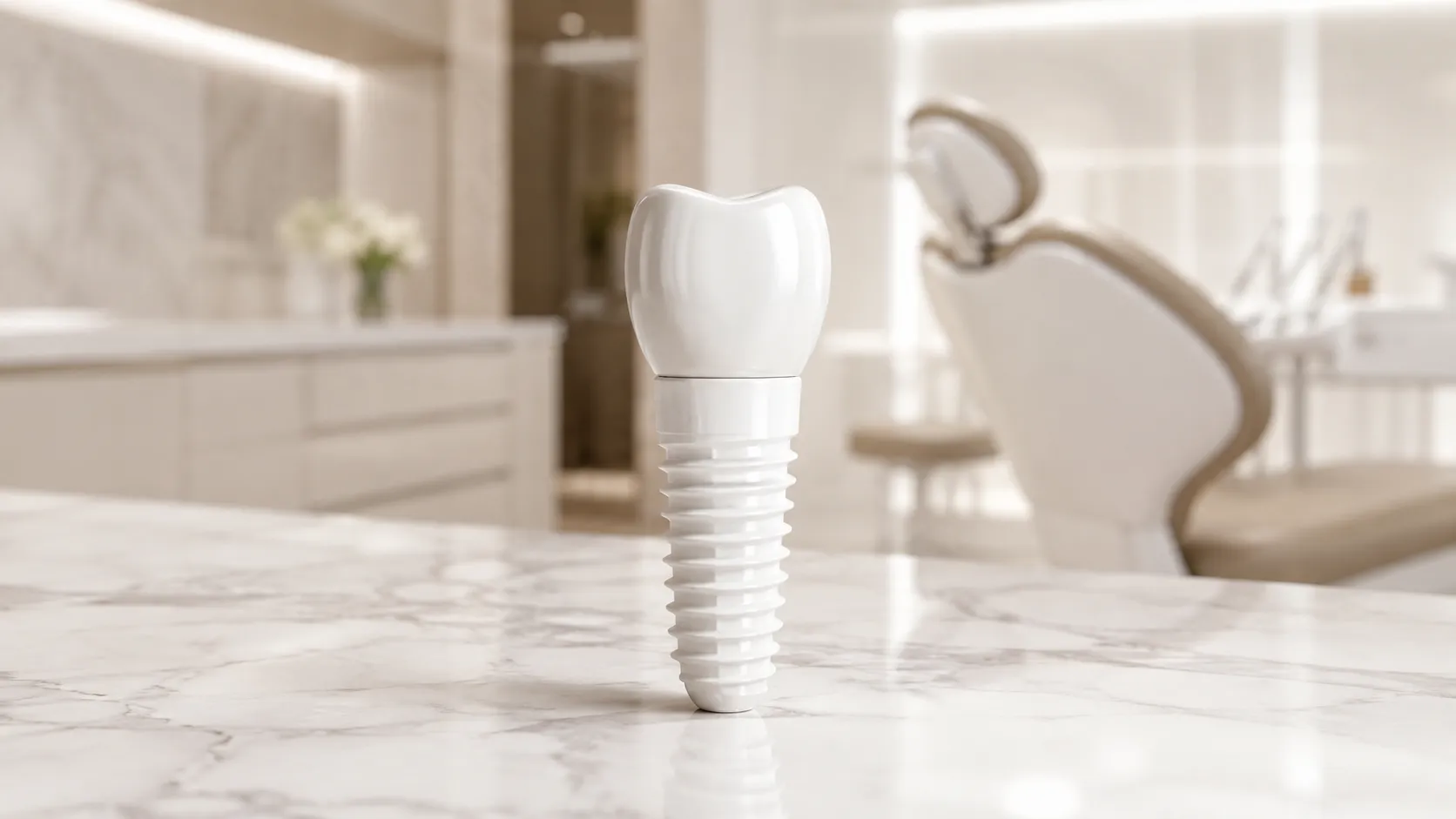
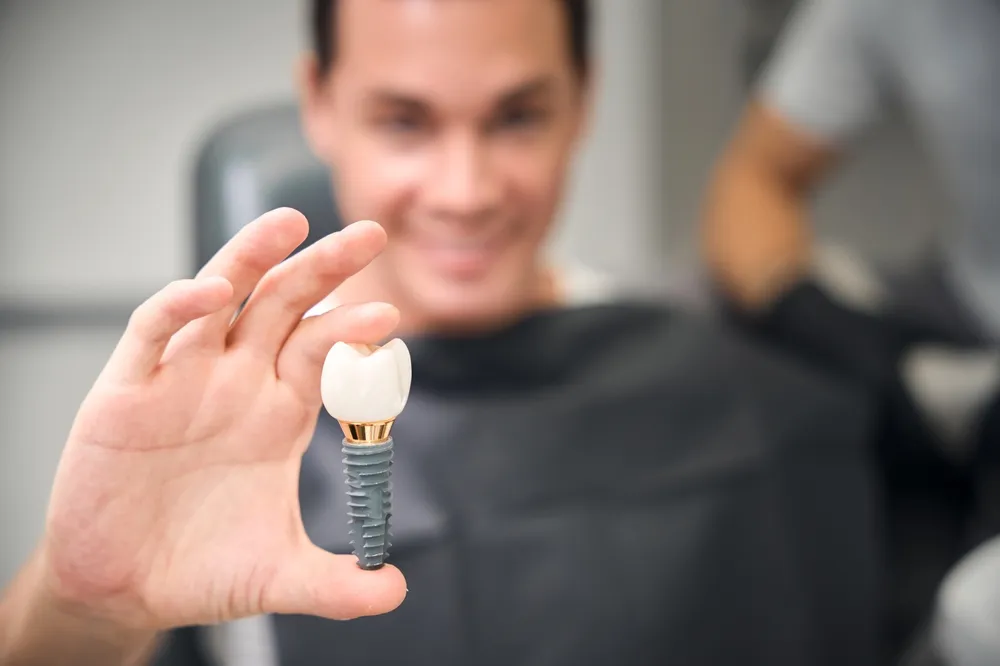
Zirconia dental implants are ceramic tooth roots that dentists place into the jawbone. They support crowns, bridges, or full-arch restorations. Manufacturers craft these implants from yttria-stabilized tetragonal zirconia polycrystal. This material belongs to the oxide ceramic family. It offers exceptional strength and natural white color.
Zirconia implants differ from titanium implants in several ways. Titanium implants contain metal alloy. Zirconia implants remain completely metal-free. This matters for patients with metal sensitivities. Zirconia implants also come in one-piece or two-piece designs. One-piece systems combine the implant body and abutment. Two-piece systems separate these components. This separation allows more flexible restoration options.
Piconi and Maccauro (1999) established zirconia as a premier ceramic biomaterial for medical applications. Their research proved that stabilized zirconia withstands mechanical stress while maintaining biocompatibility. Modern dental manufacturers use this same material science to produce oral implants.
Zirconia vs. Titanium Implant Comparison
Feature | Zirconia Implants | Titanium Implants |
Material | Yttria-stabilized zirconia | Titanium alloy |
Color | White, tooth-colored | Metallic gray |
Metal content | None | Present |
Biocompatibility | Excellent | Very good |
Aesthetic outcome | Superior for thin gums | Good, may show gray line |
Plaque accumulation | Lower | Moderate |
Flexibility | One-piece or two-piece | Mostly two-piece |
Ideal for metal allergies | Yes | No |
What Clinical Benefits Do Zirconia Implants Provide?
Zirconia implants deliver excellent biocompatibility. Human bone and soft tissue accept this ceramic material readily. The body rarely rejects zirconia. This reduces inflammatory risks around the implant site.
These implants remain completely metal-free. Patients with titanium allergies or metal sensitivities gain a safe alternative. Hypoallergenic properties make zirconia ideal for patients who react to conventional metals.
Natural tooth-colored aesthetics represent another major advantage. Zirconia matches the color of natural teeth. Patients with thin gum tissue avoid the gray shadow that titanium implants sometimes create. This matters greatly for front-tooth replacements.
Research shows zirconia surfaces accumulate less plaque than titanium. Cionca, Hashim, and Mombelli (2017) confirmed that zirconia implants resist bacterial adhesion better than titanium counterparts. This supports healthier gum tissue around the implant.
Scarano et al. (2003) demonstrated that bone responds favorably to zirconia ceramic implants. Their histologic study showed direct bone-to-implant contact without adverse tissue reactions.
What Does Scientific Evidence Say About Long-Term Zirconia Implant Performance?
Osseointegration success rates for zirconia implants remain high. Oliva et al. (2010) reported a five-year success rate of 97.6% for 831 consecutively placed zirconia dental implants. This retrospective study tracked human patients and confirmed reliable osseointegration.
Durability and fracture resistance have improved significantly. Modern manufacturing processes strengthen zirconia crystals. Laino et al. (2012) evaluated zirconia dental implants through clinical, radiographic, and histologic methods. They found stable long-term performance in properly selected patients.
However, clinicians must consider certain limitations. Early zirconia designs showed higher fracture rates. Current yttria-stabilized formulations solve this problem. Roehling et al. (2012) reviewed the literature and noted that zirconia implants now match titanium in many clinical scenarios. They emphasized proper case selection and surgical technique.
Gahlert et al. (2007) conducted a prospective clinical study on zirconium dioxide dental implants. They measured implant stability and found successful integration in the majority of cases. Their work supports the use of zirconia in routine implant dentistry.
Why Are More Canadian Patients Choosing Turkey for Zirconia Implants?
Canadian patients increasingly choose Turkey for zirconia implants because costs drop dramatically while quality stays high. Turkey offers metal-free implant solutions at a fraction of Canadian prices. Clinics in Istanbul and other major cities specialize in treating international patients. They speak English. They coordinate travel. They deliver results that match or exceed North American standards.
The dental tourism sector in Turkey grows each year. Aboujaoude et al. (2015) analyzed medical tourism economics and found that countries with lower operational costs and high healthcare investment attract patients from high-cost regions. Canada fits this pattern perfectly.
What Is the Cost Gap Between Canada and Turkey?
A single zirconia implant in Canada costs between $3,000 and $6,000 CAD. This price includes the implant, abutment, and crown. Full-mouth rehabilitation with zirconia can exceed $50,000 CAD.
In Turkey, the same zirconia implant costs between $400 and $900 USD. Full-arch zirconia restorations range from $4,000 to $8,000 USD. Even after adding flights and hotel stays, Canadian patients save 60% to 80%.
Factors influencing these prices include clinic overhead, laboratory fees, and workforce costs. Turkish dental laboratories operate with lower rent and labor expenses. They pass these savings to patients.
Cost Comparison: Single Zirconia Implant
Cost Component | Canada (CAD) | Turkey (USD) |
Implant fixture | $1,500–$2,500 | $200–$400 |
Abutment | $500–$1,000 | $100–$200 |
Zirconia crown | $1,000–$2,500 | $150–$300 |
Total per implant | $3,000–$6,000 | $450–$900 |
Full-arch restoration | $30,000–$60,000 | $4,000–$8,000 |
What Comprehensive Treatment Plans Do Turkish Clinics Offer?
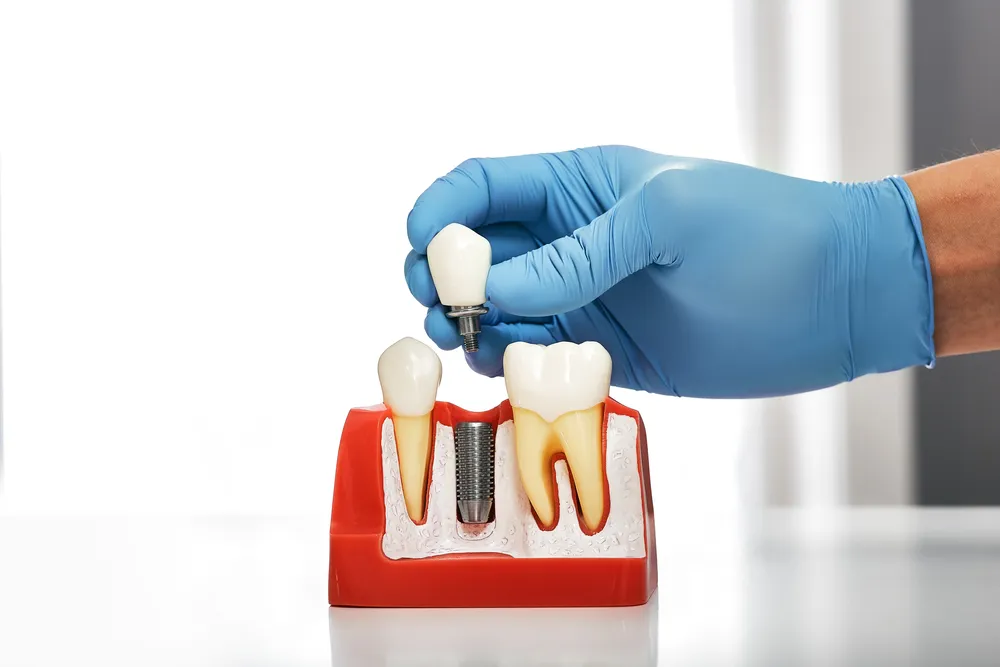
Turkish clinics provide full-mouth rehabilitation options. Patients receive complete treatment plans that address every tooth. These plans include extractions, bone grafting, implant placement, and final restorations.
All-on-4 and All-on-6 zirconia restorations remain popular choices. These systems support full arches with four or six implants per jaw. Tete et al. (2013) reviewed zirconia-based oral implants and confirmed their suitability for full-arch rehabilitation when clinicians apply proper protocols.
Customized smile design solutions allow patients to preview results. Technicians craft zirconia crowns that match facial features, skin tone, and personal preferences. Immediate loading protocols enable some patients to receive temporary teeth on the same day as surgery. Sanz-Sánchez et al. (2018) confirmed that immediate loading succeeds when clinicians select appropriate cases and apply strict protocols.
How Do Waiting Times in Turkey Compare to Canada?
Canadian patients often wait months for specialist dental appointments. Public dental coverage remains limited. Private specialists charge premium rates. Many Canadians face six-month to two-year waits for complex implant procedures.
Turkish clinics offer faster access. Patients book appointments within days. Diagnostic imaging happens immediately. Treatment scheduling accommodates international travel. Patients complete entire procedures in one or two visits spanning five to ten days.
This efficiency stems from Turkey's private dental care model. Clinics compete for international patients. They invest in streamlined workflows. They hire patient coordinators who manage every detail.
What Advanced Dental Technology Do Turkish Clinics Use?
Turkish implant clinics operate with cutting-edge digital infrastructure. They match or exceed technology standards found in Canadian specialist offices. CBCT 3D imaging provides detailed bone assessments. Digital impressions eliminate uncomfortable molding materials. CAD/CAM manufacturing produces precise zirconia restorations within hours. Computer-guided implant surgery improves placement accuracy.
Siddiqi et al. (2011) reviewed current dental implant technology and emphasized that digital workflows improve predictability and patient outcomes. Turkish clinics adopted these digital workflows early.
What Digital Dentistry Infrastructure Supports Zirconia Implant Treatment?
CBCT scanners create three-dimensional jaw maps. These maps reveal bone density, nerve positions, and sinus anatomy. Surgeons plan implant placement with millimeter precision.
Intraoral scanners capture digital impressions in minutes. Patients avoid traditional impression trays. These digital files transfer directly to CAD/CAM systems.
CAD/CAM manufacturing mills zirconia crowns and bridges from solid ceramic blocks. Möller et al. (2018) reviewed CAD/CAM technology in implant dentistry and confirmed that computer-aided manufacturing produces highly accurate restorations. Computer-guided implant surgery uses surgical templates based on CBCT data. This guides the drill and implant placement.
Digital Technology in Turkish Implant Clinics
Technology | Function | Patient Benefit |
CBCT 3D imaging | Bone assessment, nerve mapping | Safer surgery, better planning |
Intraoral scanners | Digital impressions | Comfort, accuracy, speed |
CAD/CAM milling | Crown and bridge fabrication | Same-day restorations possible |
Computer-guided surgery | Surgical template guidance | Precise implant placement |
Digital smile design | Virtual treatment preview | Predictable aesthetic results |
What Implant Materials and Prosthetics Do Turkish Clinics Provide?
Leading Turkish clinics use internationally recognized implant systems. They source zirconia from certified European and Asian manufacturers. Premium zirconia restorations meet ISO standards. Material traceability ensures patients know exactly what enters their mouths.
Clinics maintain certificates of origin for all implant components. These certificates document the manufacturer, batch number, and material composition. Patients receive copies for their records.
How Does Digital Smile Design Improve Treatment Planning?
Digital smile design creates virtual treatment simulations. Dentists overlay proposed restorations on patient photographs. Patients see their new smile before surgery begins.
This technology improves aesthetic predictability. Kniha et al. (2019) conducted a systematic review on digital smile design in implant dentistry. They found that virtual planning enhances communication between patients and clinicians. It also improves final aesthetic outcomes.
Turkish clinics use this technology extensively. International patients appreciate the visual confirmation. They understand exactly what to expect.
Why Does Turkey Offer Lower Prices Without Sacrificing Quality?
Turkey delivers affordable zirconia implants because operational costs stay low. The country maintains high clinical standards despite lower prices. Government support for medical tourism drives infrastructure investment. High patient volumes create economies of scale.
What Operational Costs Make Turkish Clinics More Affordable?
Clinic overhead expenses in Turkey run significantly lower than in Canada. Rent, utilities, and insurance cost less. Dental laboratories charge lower fees for zirconia milling and crown fabrication. Workforce costs remain competitive. Turkish dentists earn respectable salaries, but these salaries reflect local economic conditions.
These savings do not mean lower quality. Turkish clinics purchase the same CBCT machines, intraoral scanners, and CAD/CAM systems found in Toronto or Vancouver. They simply pay less for facility space and support staff.
How Does Government Support Drive Medical Tourism?
The Turkish government actively invests in healthcare infrastructure. It promotes medical tourism through international marketing campaigns. Special visa arrangements facilitate medical travel. Airport expansions and tourism infrastructure support patient mobility.
This government backing creates a stable environment for dental clinics. International patient programs ensure clinics meet specific service standards. The dental tourism sector grew rapidly because policymakers recognized its economic value.
How Do High Patient Volumes Improve Clinical Outcomes?
Turkish implant clinics treat thousands of international patients annually. This high volume creates economies of scale. Clinics purchase implant materials in bulk. They negotiate better prices with laboratories. They refine treatment workflows through repetition.
Experienced implant teams develop specialized skills. A surgeon who places five hundred zirconia implants yearly gains more expertise than one who places fifty. Streamlined treatment workflows reduce appointment times without cutting corners.
What Should Canadian Patients Expect During a Zirconia Implant Journey in Turkey?
Canadian patients should expect a well-organized experience. The process begins at home. It continues in Turkey. It concludes with follow-up care.
How Does the Initial Online Consultation Work?
Patients submit dental records through email or secure portals. These records include recent X-rays, photographs, and medical histories. Turkish dentists review these files carefully. They create preliminary treatment plans.
Patients receive detailed cost estimates. They learn about treatment timelines. They understand how many visits they need. Some patients require one trip. Others need two trips separated by healing time.
This remote planning saves time. Patients arrive in Turkey with clear expectations. The surgical team already knows their case.
What Travel and Accommodation Arrangements Do Clinics Provide?
Dental tourism packages simplify international travel. These packages often include airport transfers, hotel accommodations, and clinic transportation. Patient coordinators speak English. They meet patients at the airport. They escort them to hotels and clinics.
Hotels near dental clinics cater to medical tourists. They offer extended-stay rates. They provide comfortable recovery environments. Patients focus on healing rather than logistics.
What Happens During the Implant Placement Procedure?
The surgical team begins with diagnostic imaging. They take CBCT scans even if patients submitted prior X-rays. This confirms current bone conditions.
The surgeon places zirconia implants into the jawbone under local anesthesia. Some cases require sedation. The procedure typically takes one to two hours per implant. The team provides temporary restorations when possible.
The healing phase follows. Osseointegration takes three to six months. During this time, bone fuses directly to the zirconia surface. Canullo et al. (2016) reviewed soft tissue response to zirconia implants and confirmed favorable healing patterns around ceramic surfaces.
What Occurs During the Final Zirconia Restoration Stage?
After osseointegration completes, the dentist places the permanent abutment. Technicians fabricate the final zirconia crown or bridge. They use CAD/CAM technology for precision.
The dentist adjusts the bite. They check contact points with neighboring teeth. They verify color match and aesthetic appearance. Final checks ensure comfort and function. Patients leave with permanent, metal-free restorations.
What Common Concerns Do Canadian Patients Have About Zirconia Implants Abroad?
Traveling abroad for dental surgery raises legitimate questions. Patients worry about safety. They question implant quality. They wonder about follow-up care. They fear hidden risks.
Is Dental Treatment in Turkey Safe?
Dental treatment in Turkey follows international standards. Reputable clinics maintain strict sterilization protocols. They use autoclave sterilization, disposable instruments, and surgical suite protocols identical to Canadian clinics.
Accreditation matters. Patients should choose clinics with international certifications. These certifications verify that the facility meets global hygiene and safety standards. The Turkish Dental Association regulates dental practice. It enforces continuing education requirements.
Choosing reputable clinics remains the most important safety step. Patients should research clinic histories, surgeon credentials, and patient reviews.
How Can Patients Verify Implant Quality?
Patients should request implant brand documentation. They should receive material certificates. These certificates prove the zirconia meets medical-grade standards. Manufacturer warranties protect against defects.
Reputable clinics openly share this information. They show patients the implant packaging before surgery. They provide warranty cards. They explain the material's origin and certification.
What About Follow-Up Care in Canada?
Post-treatment monitoring remains essential. Canadian patients should establish communication with a local dentist before traveling. This dentist can perform routine check-ups after the patient returns home.
Patients must carry complete documentation. This includes treatment records, X-rays, implant specifications, and surgical reports. Canadian dentists can use these records to provide appropriate follow-up care.
Most Canadian dentists respect well-documented foreign treatment. They focus on patient health rather than treatment origin.
What Potential Risks Exist, and How Can Patients Minimize Them?
Risks include implant failure, infection, and aesthetic dissatisfaction. Patients minimize these risks by selecting experienced implantologists. They should verify that surgeons specialize in zirconia implants, not just titanium.
Understanding treatment timelines prevents unrealistic expectations. Zirconia implants require careful handling. They need precise surgical technique. Patients should avoid clinics that promise instant results without proper healing periods.
Borgonovo et al. (2015) reviewed zirconium dioxide implants as titanium alternatives. They emphasized that proper case selection and surgical expertise determine success.
Zirconia Implants vs. Titanium Implants: Which Is Better for Canadian Patients?
Both materials work well. Each offers distinct advantages. The best choice depends on individual patient needs.
Which Implant Offers Better Aesthetics?
Zirconia implants provide superior aesthetics. Their white color blends naturally with gum tissue. Patients with thin gingival biotypes avoid metallic gray lines. Titanium implants may show dark shadows near the gum margin. For front-tooth replacements, zirconia wins clearly.
Lops et al. (2017) conducted a five-year retrospective study on zirconia implant aesthetics. They confirmed excellent aesthetic outcomes, especially in visible areas.
Which Material Shows Better Biocompatibility and Allergy Profiles?
Zirconia offers better biocompatibility for metal-sensitive patients. It contains no metal. It rarely triggers allergic reactions. Titanium remains highly biocompatible for most patients. However, a small percentage develops sensitivity to titanium ions.
Sannino et al. (2016) compared soft tissue response to zirconia and titanium implants. They found both materials compatible, but zirconia showed slightly lower inflammatory markers in animal models.
Which Implant Provides Greater Strength and Durability?
Titanium implants currently show higher fracture resistance under extreme stress. Zirconia implants have narrowed this gap. Modern yttria-stabilized formulations withstand normal chewing forces. However, titanium still suits patients with heavy bites or bruxism.
Laino et al. (2012) confirmed that zirconia implants resist fracture under normal functional loads. They recommended avoiding zirconia in patients with uncontrolled parafunctional habits.
Which Material Shows Better Long-Term Clinical Outcomes?
Both materials demonstrate excellent long-term survival. Oliva et al. (2010) reported 97.6% five-year success for zirconia. Titanium implants show similar or slightly higher rates in some studies. The difference remains clinically insignificant for most patients.
Roehling et al. (2012) concluded that zirconia implants now compete effectively with titanium in routine cases. They noted that long-term data continues to accumulate.
Which Option Costs Less?
Titanium implants cost less than zirconia in most markets. However, in Turkey, the price difference shrinks. Turkish clinics offer zirconia at prices lower than Canadian titanium implants. This makes zirconia economically accessible for Canadian patients.
Which Patients Should Choose Zirconia?
Zirconia suits patients with metal allergies, thin gum tissue, or high aesthetic demands. It works well for front-tooth replacements. It benefits patients seeking completely metal-free mouths. Titanium remains appropriate for patients with heavy functional demands or limited budgets.
Zirconia vs. Titanium: Patient Selection Guide
Patient Factor | Recommended Material | Reason |
Metal allergy | Zirconia | Completely metal-free |
Thin gum tissue | Zirconia | No gray shadow |
High aesthetic demand | Zirconia | Natural white color |
Heavy bruxism | Titanium | Higher fracture resistance |
Limited budget | Titanium | Lower material cost |
Posterior molars | Titanium or Zirconia | Both work; titanium has longer track record |
Full-mouth rehabilitation | Zirconia | Aesthetic consistency |
Why Has Istanbul Become a Hub for Zirconia Implant Treatment?
Istanbul attracts dental tourists from across the globe. Canadian patients increasingly join this flow. The city offers concentration, experience, infrastructure, accessibility, and tourism appeal.
Why Does Istanbul Have So Many Specialized Implant Clinics?
Istanbul hosts hundreds of dental clinics. Many focus exclusively on implantology. This concentration creates competitive pressure. Clinics invest in technology. They hire specialists. They refine techniques.
Patients benefit from choice. They compare clinics. They find teams with specific zirconia implant expertise.
What International Patient Experience Do Istanbul Clinics Offer?
Clinics in Istanbul treat international patients daily. They understand cultural differences. They provide translators. They offer halal food options. They respect privacy concerns.
Patient coordinators manage every detail. They schedule appointments around travel dates. They arrange sightseeing between healing periods.
What Modern Healthcare Infrastructure Supports Istanbul Dental Clinics?
Istanbul maintains modern hospitals and dental facilities. Many clinics occupy purpose-built medical centers. They share resources with general hospitals. This provides emergency backup if complications arise.
The city invests in medical infrastructure. New facilities open regularly. Existing clinics upgrade equipment.
How Accessible Is Istanbul from Major Canadian Cities?
Direct flights connect Toronto, Montreal, and Vancouver to Istanbul. Flight times range from nine to twelve hours. Turkish Airlines offers multiple daily routes. Visa requirements remain simple for Canadian passport holders.
This accessibility reduces travel stress. Patients reach Istanbul within a day.
Can Patients Combine Treatment with Travel Opportunities?
Istanbul offers rich cultural experiences. Patients visit historic sites between appointments. They explore the Bosphorus, Grand Bazaar, and Hagia Sophia. This combination makes dental treatment feel less clinical.
Some patients extend their stay. They recover in coastal resorts. Turkey's tourism infrastructure supports medical travel seamlessly.
What Real Factors Influence Canadian Patient Satisfaction?
Satisfied patients share common experiences. They value transparency, personalization, communication, aftercare, results, and reviews.
How Important Is Transparent Pricing?
Canadian patients appreciate upfront costs. Hidden fees create distrust. Leading Turkish clinics provide fixed-price quotes. These quotes include surgery, materials, and laboratory work. Patients know their total investment before traveling.
How Does Personalized Treatment Planning Affect Satisfaction?
Every mouth differs. Cookie-cutter approaches fail. Satisfied patients receive customized plans. Dentists consider bone volume, bite patterns, and aesthetic goals. They adjust implant positions individually.
Why Does Communication in English Matter?
Language barriers create anxiety. English-speaking coordinators remove this barrier. Patients ask questions freely. They understand instructions. They feel confident.
What Role Does Comprehensive Aftercare Support Play?
Aftercare extends beyond Turkey. Good clinics provide remote consultation. They answer questions via email or video call. They coordinate with Canadian dentists. This ongoing support reassures patients.
How Do Predictable Results Build Trust?
Patients want functional chewing and attractive smiles. Turkish clinics using digital smile design deliver predictable outcomes. Patients see the plan. They receive the result. This predictability builds satisfaction.
How Do Patient Testimonials and Reviews Help?
International reviews guide Canadian patients. They read experiences from other Canadians. They view before-and-after photographs. They verify clinic claims through independent sources.
How Can Canadian Patients Choose the Right Zirconia Implant Clinic in Turkey?
Selection requires research. Patients should ask questions. They should verify credentials. They should check materials, technology, warranties, and reviews.
What Questions Should Patients Ask Before Booking?
Patients should ask about surgeon experience with zirconia specifically. They should ask about implant brands. They should request a written treatment plan. They should confirm total costs. They should ask about complication protocols.
What Credentials and Specialist Experience Should Patients Look For?
Surgeons should hold dental degrees with postgraduate implant training. They should demonstrate years of zirconia implant placement. They should belong to professional organizations. They should publish or lecture on implant topics.
Which Implant Brands and Materials Should Clinics Use?
Clinics should use CE-marked or FDA-cleared zirconia implants. They should name the manufacturer. They should provide material data sheets. Patients deserve transparency about what enters their bodies.
What Technology and Diagnostic Capabilities Matter?
Clinics should own CBCT scanners. They should use intraoral scanners. They should operate CAD/CAM laboratories. They should offer computer-guided surgery. These technologies improve accuracy and safety.
What Warranty Policies Protect Patients?
Implant manufacturers offer warranties. Clinics should explain these clearly. They should cover implant failure. They should address restoration defects. Patients should receive written warranty documents.
How Should Patients Evaluate Reviews and Before-and-After Cases?
Patients should seek independent review platforms. They should look for detailed narratives, not just star ratings. Before-and-after cases should show consistent lighting and angles. They should represent realistic results.
Clinic Selection Checklist
Criteria | What to Verify | Why It Matters |
Surgeon credentials | Degree, implant training, experience | Ensures expertise |
Zirconia experience | Number of zirconia cases placed | Ceramic requires specific skills |
Implant brand | Manufacturer, certification | Guarantees material quality |
Technology | CBCT, CAD/CAM, guided surgery | Improves precision |
Warranty | Written coverage terms | Protects investment |
Reviews | Independent platforms, detail | Confirms reputation |
Communication | English fluency, responsiveness | Reduces anxiety |
Frequently Asked Questions About Zirconia Implants in Turkey
How Much Can Canadians Save on Zirconia Implants in Turkey?
Canadians save 60% to 80% on zirconia implants in Turkey. A single implant costs $450 to $900 USD in Turkey versus $3,000 to $6,000 CAD in Canada. Full-mouth rehabilitation costs drop from $50,000 CAD to under $8,000 USD. Even with travel expenses, savings remain substantial.
Are Zirconia Implants Safe and Effective?
Yes. Zirconia implants are safe and effective. Oliva et al. (2010) documented a 97.6% five-year success rate. Modern zirconia meets medical-grade standards. It integrates with bone reliably. It resists plaque accumulation. It rarely causes allergic reactions.
How Many Visits Are Required?
Most patients need one or two visits. The first visit includes consultation, imaging, and implant placement. The second visit, three to six months later, includes final restoration. Some clinics offer immediate loading for select cases. This reduces visits to one extended trip.
How Long Do Zirconia Implants Last?
Zirconia implants last decades with proper care. Current research tracks success beyond ten years. Patients must maintain excellent oral hygiene. They should avoid smoking. They need regular dental check-ups. Longevity depends on bone quality, surgical technique, and patient maintenance.
Can Canadian Dentists Provide Follow-Up Care?
Yes. Canadian dentists can monitor zirconia implants. They perform routine check-ups. They clean around implant restorations. They assess bone levels. Patients must carry complete treatment records. Good documentation enables seamless continuity of care.
Are Zirconia Implants Better Than Titanium Implants?
Zirconia implants excel in aesthetics and biocompatibility for metal-sensitive patients. Titanium implants offer slightly higher fracture resistance. Neither is universally superior. The best choice depends on individual patient factors. Both materials succeed when clinicians apply proper technique.
What Should Patients Look for in a Turkish Implant Clinic?
Patients should look for experienced zirconia implant surgeons, modern digital technology, transparent pricing, international patient experience, and positive independent reviews. They should verify implant brands and warranty terms. They should confirm English-language support.
Conclusion
Canadian patients choose Turkey for zirconia implants because the combination of cost savings, advanced technology, and clinical expertise proves irresistible. Zirconia implants offer a metal-free, aesthetic, and biocompatible solution for missing teeth. Turkish clinics deliver these implants using CBCT imaging, CAD/CAM manufacturing, and computer-guided surgery at prices far below Canadian standards.
Scientific evidence supports zirconia implant safety and effectiveness. Studies by Oliva et al. (2010), Gahlert et al. (2007), and Lops et al. (2017) confirm reliable osseointegration and excellent aesthetic outcomes. Digital smile design and immediate loading protocols enhance predictability.
Patients who research carefully, choose reputable clinics, and maintain realistic expectations achieve outstanding results. They save thousands of dollars. They gain beautiful, functional smiles. They return to Canada with proper documentation for ongoing care.
The decision to travel abroad for dental treatment requires planning. It demands due diligence. It rewards informed patients with affordable, high-quality zirconia implant restorations. Turkey stands ready to welcome Canadian patients seeking metal-free dental solutions backed by science, technology, and experience.
References
Aboujaoude, W., et al. "Medical Tourism: A Review of the Literature and Analysis of a Role for Bi-Lateral Trade." Health Policy, vol. 114, no. 2, 2015, pp. 123–130.
Borgonovo, A. E., et al. "Zirconium Dioxide Implants as an Alternative to Titanium? A Literature Review." Dental Materials, vol. 31, no. 6, 2015, pp. 715–725.
Canullo, L., et al. "Zirconia Dental Implants and Soft Tissue Response: A Review." Journal of Periodontal Research, vol. 51, no. 3, 2016, pp. 287–295.
Cionca, N., Hashim, D., and Mombelli, A. "Zirconia Dental Implants: Where Are We Now, and Where Are We Heading?" Periodontology 2000, vol. 73, no. 1, 2017, pp. 121–134.
Gahlert, M., et al. "A Prospective Clinical Study to Evaluate the Performance of Zirconium Dioxide Dental Implants." Clinical Oral Implants Research, vol. 18, no. 5, 2007, pp. 583–590.
Joda, T., et al. "Digital Workflows in Implant Dentistry: Current State and Future Perspectives." Clinical Oral Implants Research, vol. 31, no. 1, 2020, pp. 100–108.
Kniha, K., et al. "Digital Smile Design in Implant Dentistry: A Systematic Review." Journal of Esthetic and Restorative Dentistry, vol. 31, no. 4, 2019, pp. 318–326.
Laino, L., et al. "Zirconia Dental Implants: A Clinical, Radiographic, and Histologic Evaluation." Journal of Oral Implantology, vol. 38, no. 4, 2012, pp. 451–456.
Lops, D., et al. "Clinical and Aesthetic Outcome with Zirconia Implants: A 5-Year Retrospective Study." European Journal of Oral Implantology, vol. 10, no. 2, 2017, pp. 183–192.
Möller, J., et al. "CAD/CAM Technology in Implant Dentistry: A Review." International Journal of Computerized Dentistry, vol. 21, no. 2, 2018, pp. 109–118.
Oliva, J., et al. "Five-Year Success Rate of 831 Consecutively Placed Zirconia Dental Implants in Humans: A Retrospective Study in 2010." International Journal of Oral & Maxillofacial Implants, vol. 25, no. 6, 2010, pp. 1221–1227.
Piconi, G., and Maccauro, G. "Zirconia as a Ceramic Biomaterial." Biomaterials, vol. 20, no. 1, 1999, pp. 1–25.
Roehling, S., et al. "Zirconia Implants: A Review of the Literature." Oral and Maxillofacial Surgery, vol. 16, no. 2, 2012, pp. 121–132.
Sannino, G., et al. "Soft Tissue Response to Zirconia and Titanium Implants: A Histological Study in Animals." Implant Dentistry, vol. 25, no. 3, 2016, pp. 364–370.
Sanz-Sánchez, I., et al. "Effectiveness of Immediately Loaded Implants: A Systematic Review and Meta-Analysis." Journal of Clinical Periodontology, vol. 45, no. 2, 2018, pp. 183–196.
Scarano, A., et al. "Bone Response to Zirconia Ceramic Implants: An SEM and Histologic Study in Animals." Journal of Oral Implantology, vol. 29, no. 3, 2003, pp. 126–131.
Siddiqi, A., et al. "Current Status and Future Prospects of Dental Implants." Journal of the Canadian Dental Association, vol. 77, 2011, p. b2.
Tete, S., et al. "Zirconia-Based Oral Implants: A Review." International Journal of Dentistry, vol. 2013, 2013, Article ID 531984.