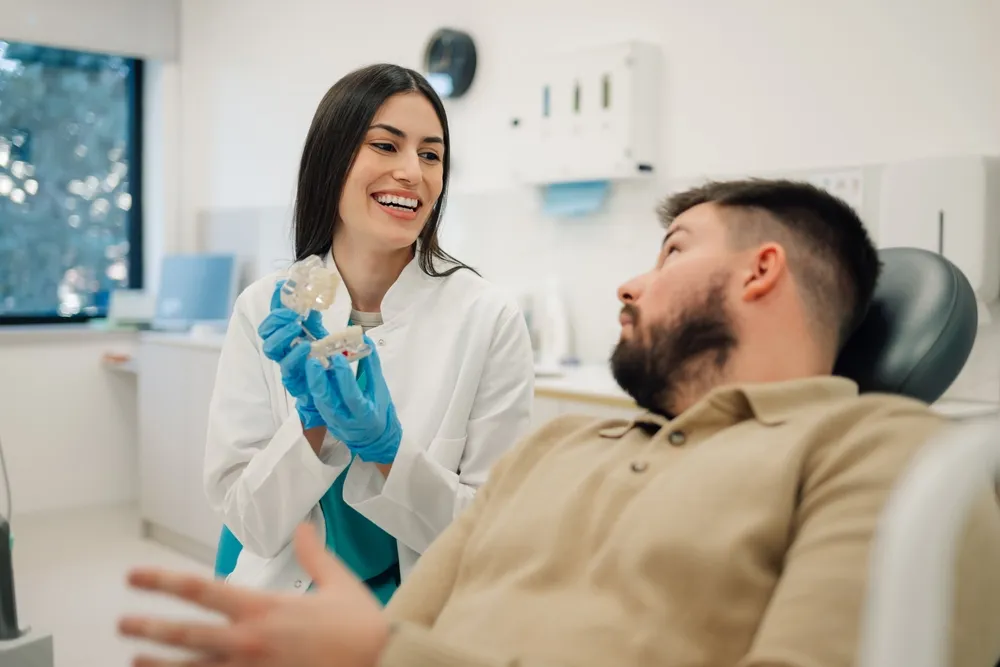
Some patients regret veneers in Turkey because they face unrealistic expectations, poor communication, aggressive tooth preparation, and limited follow-up care. Others receive artificial-looking results or suffer from sensitivity and functional problems. Most regret stems from choosing price over quality and failing to understand the permanent nature of the treatment.
Dental tourism in Turkey attracts thousands of international patients every year. Many seek porcelain veneers for fast smile transformations at lower prices. Social media platforms showcase dramatic before-and-after photos. These images fuel demand and create excitement. However, a growing number of patients express regret after returning home. Dental professionals now discuss this issue openly. Patients, dentists, and researchers all recognize that veneer regret has become a real concern. Understanding both benefits and risks helps patients make informed decisions. This article explores why some people regret getting veneers in Turkey. It examines clinical, psychological, and practical factors. It also provides guidance on avoiding common pitfalls.
What Are Veneers and Why Are They So Popular?
Veneers are thin shells that cover the front surface of teeth. They improve color, shape, and alignment. Patients choose them for fast aesthetic results. Turkey offers lower prices and modern clinics. Social media drives massive demand.
Understanding Porcelain and Composite Veneers
Porcelain veneers resist stains and mimic natural enamel. Composite veneers cost less but stain more easily and last fewer years. Dentists recommend porcelain for long-term results.
Veneers improve dental aesthetics dramatically. They cover discoloration, chips, gaps, and minor misalignment. Two main types exist: porcelain and composite.
Porcelain veneers offer superior durability. They resist coffee, tea, and wine stains. They reflect light like natural enamel. Dentists bond them to the tooth surface after minimal preparation. Porcelain veneers typically last 10 to 15 years with proper care (Layton et al., 2019).
Composite veneers use resin material. Dentists apply them directly in one visit. They cost less than porcelain. However, they stain more easily. They also chip and wear faster. Composite veneers usually last 5 to 7 years (Gresnigt et al., 2019).
Patients choose veneers for specific reasons. These include intrinsic staining, enamel defects, diastema closure, and minor orthodontic camouflage. Veneers do not fix severe misalignment or decay. They serve as a cosmetic solution for otherwise healthy teeth.
Why Patients Choose Turkey for Veneers
Turkey offers veneer prices 50 to 70 percent lower than the UK or USA. Clinics provide all-inclusive packages with hotels and transfers. Treatment finishes in 5 to 7 days.
International patients flock to Turkey for dental veneers. Cost remains the primary driver. A single porcelain veneer in the UK costs between £800 and £1,500. In Turkey, the same veneer costs £150 to £350. Full-mouth veneer packages in Turkey range from £2,000 to £5,000. In London or New York, equivalent treatment exceeds £15,000 (Dental Tribune, 2022).
Turkish clinics market all-inclusive packages. These include consultations, X-rays, veneers, accommodation, airport transfers, and city tours. Patients complete treatment within one week. This convenience appeals to busy professionals.
Modern Turkish dental clinics invest in advanced technology. Many use CAD-CAM systems, digital smile design software, and 3D imaging. These tools support precision and efficiency. Istanbul, Antalya, and Izmir host hundreds of ISO-certified clinics.
The Influence of Social Media and Celebrity Smiles
Instagram and TikTok promote idealized smiles. Influencers showcase "Turkey Teeth" transformations. These images create unrealistic expectations about speed, cost, and results.
Social media platforms shape beauty standards today. Celebrities and influencers display flawless white smiles. Hashtags like #TurkeyTeeth and #SmileMakeover generate millions of views. Before-and-after videos attract thousands of comments.
These posts rarely show the full story. They omit preparation details, recovery time, and potential complications. They emphasize speed and low cost. Young viewers absorb these messages. They develop unrealistic expectations about cosmetic dentistry.
Research shows that social media exposure increases demand for aesthetic dental procedures. It also raises patient expectations beyond achievable outcomes (Tadinada et al., 2017). Patients arrive at clinics wanting celebrity smiles. They do not realize that facial structure, gum position, and natural tooth shape limit results.
Why Do Some People Regret Getting Veneers in Turkey?
Patients regret veneers because results look artificial, dentists remove too much enamel, communication fails, and follow-up care disappears. Many realize too late that the procedure is permanent.
Unrealistic Expectations About the Final Result
Patients expect perfect Hollywood smiles. Real results depend on facial structure, tooth position, and gum health. Digital simulations often look better than reality.
Many patients expect veneers to create magazine-cover smiles. They bring photos of celebrities. They request identical teeth. Dentists must explain that veneers work with existing anatomy. Jaw shape, lip position, and facial symmetry all influence outcomes.
Digital smile design tools create simulations. These previews excite patients. However, simulations represent idealized versions. Real veneers may appear slightly different. Shade matching, light reflection, and gum margins vary from person to person.
Studies confirm that unrealistic expectations predict dissatisfaction in cosmetic dentistry. Patients who expect perfection report higher regret rates (Kershaw et al., 2008). Dentists must manage expectations during consultations. Patients must understand that veneers enhance natural beauty. They do not create artificial uniformity.
Veneers That Look Too White, Large, or Artificial
Some clinics place overly bright or oversized veneers. These create the "Turkey Teeth" stereotype. Natural smiles show variation in shade, size, and shape.
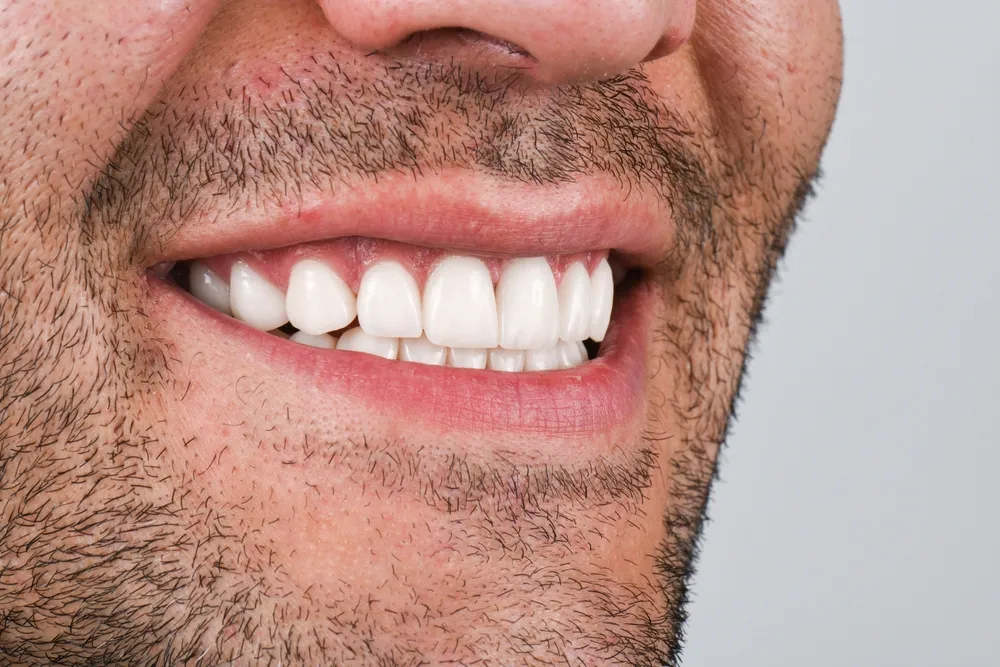
The term "Turkey Teeth" describes a specific aesthetic failure. It refers to veneers that look too white, too large, or too uniform. These restorations dominate the smile. They ignore natural proportions.
Natural teeth show subtle color gradients. The incisal edges appear slightly translucent. The cervical areas look warmer. Natural central incisors are larger than lateral incisors. Canines have distinct shapes.
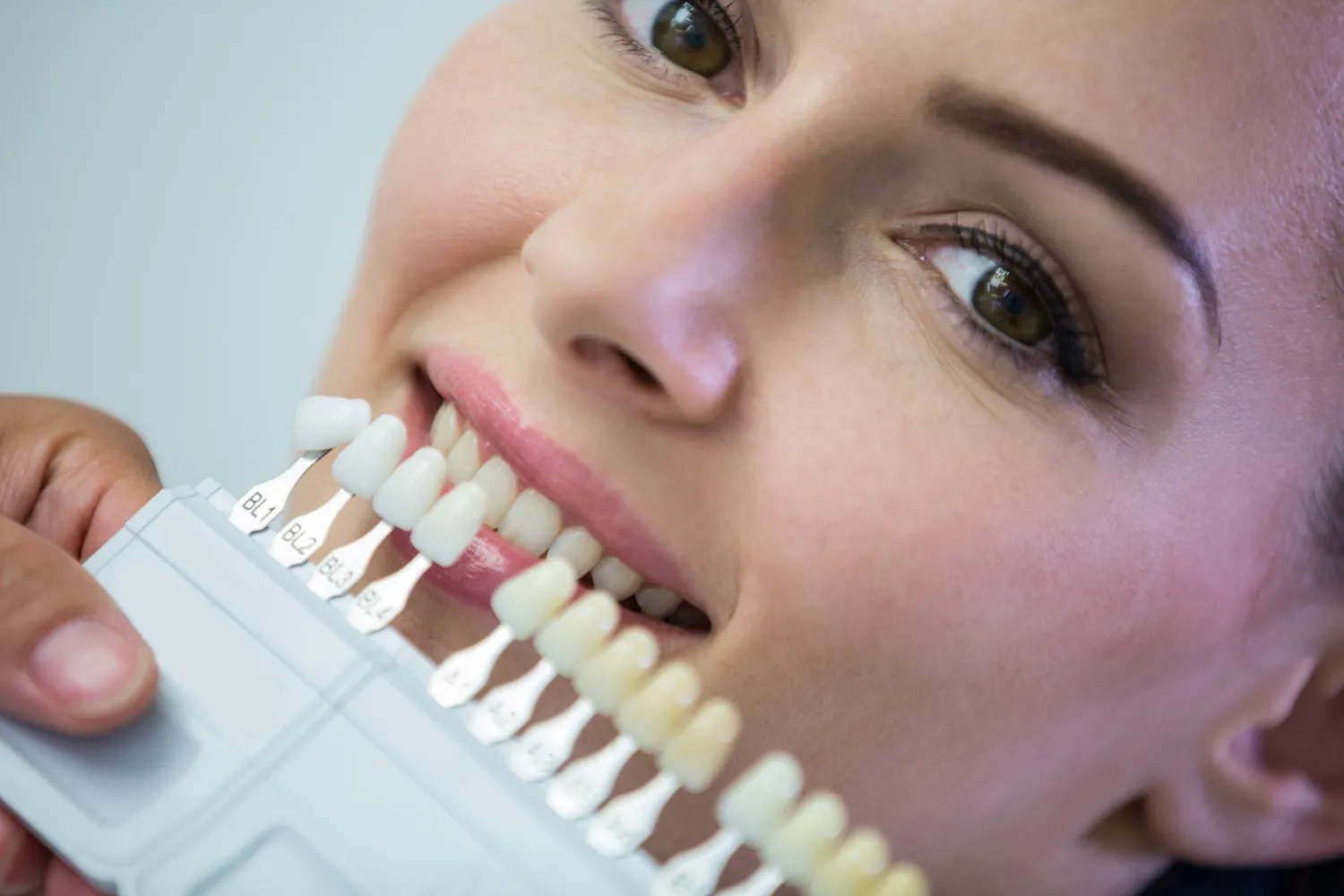
Some clinics ignore these principles. They use stock shade guides. They select the brightest white available. They apply uniform shapes to every tooth. The result looks artificial. Patients see their new smile in the mirror. They feel shocked. They regret the decision immediately.
Feature | Natural Smile | Artificial "Turkey Teeth" Look |
Shade | Gradients, subtle warmth | Uniform bright white |
Size | Proportional variation | All teeth identical |
Shape | Anatomical, gender-specific | Generic, oversized |
Incisal edges | Slight translucency | Opaque, flat |
Gum line | Follows natural contour | May show dark margins |
Lack of Personalized Smile Design
One-size-fits-all treatment plans ignore individual facial features. Personalized design requires facial analysis, digital planning, and patient input. Without this, results look generic.
Reputable cosmetic dentists perform comprehensive smile design. They analyze facial symmetry, lip dynamics, and phonetics. They consider patient age, gender, and ethnicity. They create customized restorations.
Some low-cost clinics skip these steps. They use pre-made veneer shells. They apply similar designs to every patient. They ignore facial harmony. The smile looks technically acceptable but emotionally wrong.
Personalized planning requires time. It requires skill. It requires communication. Clinics that prioritize speed over customization produce disappointing results. Patients feel that their smile does not belong to them.
The Irreversible Nature of Veneer Treatment

Veneers require permanent enamel removal. Once dentists prepare teeth, patients cannot return to natural teeth. This reality causes deep regret for some.
Why Tooth Preparation Matters
Dentists must remove 0.3 to 0.7 millimeters of enamel to place traditional veneers. This removal is permanent. Enamel does not regenerate.
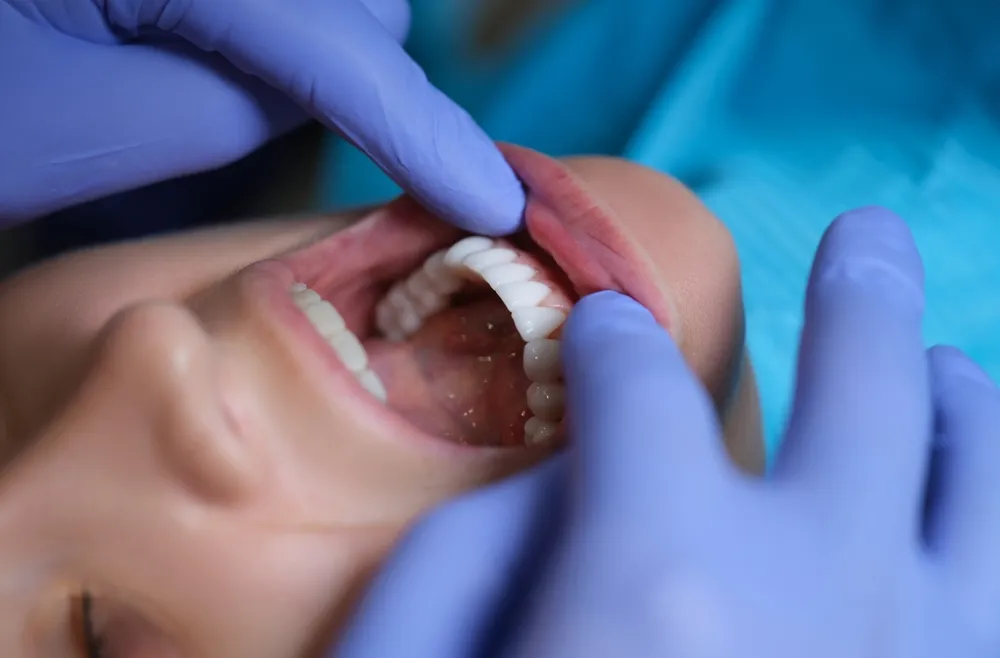
Traditional porcelain veneers require tooth preparation. Dentists remove a thin layer of enamel from the facial surface. This creates space for the veneer. It ensures a natural fit without bulkiness.
Enamel removal ranges from 0.3 to 0.7 millimeters. This seems minimal. However, enamel protects teeth from decay and sensitivity. Once removed, it never returns. The tooth remains permanently altered.
Some Turkish clinics perform aggressive preparation. They remove excessive enamel. They sometimes crown teeth instead of veneering them. Patients do not understand the difference. They believe they receive veneers. They actually receive crowns. This deception fuels regret.
Preparation Type | Enamel Removed | Reversibility | Risk Level |
Minimal prep veneer | 0.3 mm | Partially reversible | Low |
Traditional veneer | 0.5–0.7 mm | Irreversible | Moderate |
Aggressive prep/crown | 1.5–2 mm | Irreversible | High |
Understanding Long-Term Commitment
Veneers last 10 to 15 years. After that, patients need replacement. This ongoing commitment surprises some patients.
Veneers do not last forever. Porcelain veneers survive 10 to 15 years with good care. Composite veneers last 5 to 7 years. After this period, replacement becomes necessary.
Replacement requires new preparation. It may require additional enamel removal. It always requires new expense. Patients who view veneers as a one-time fix feel disappointed. They face recurring costs and dental visits.
Maintenance also matters. Patients must avoid biting hard objects. They must wear night guards if they grind teeth. They must maintain excellent oral hygiene. Some patients ignore these requirements. Their veneers fail early. They blame the clinic. They regret the treatment.
Regret After Healthy Teeth Are Modified
Many patients had healthy teeth before treatment. They later realize they did not need veneers. The permanence of the alteration causes emotional distress.
Psychological research identifies a specific regret pattern. Patients with healthy natural teeth feel deeper regret after cosmetic alteration. They recognize that they chose to damage healthy tissue. This realization creates guilt and anxiety.
Some patients undergo veneer treatment on recommendation alone. They do not have significant aesthetic concerns. They follow trends. They trust marketing. After treatment, they miss their natural smile. They feel they made an unnecessary permanent change.
This type of regret is particularly intense. It combines physical alteration with psychological loss. Patients mourn their natural teeth. They seek reversal. They learn that reversal is impossible.
Common Problems That Can Lead to Veneer Regret
Sensitivity, bite problems, veneer failure, and gum issues cause physical discomfort. These problems reduce satisfaction and increase regret.
Tooth Sensitivity After Treatment
Enamel removal exposes dentin. Hot and cold foods trigger pain. Sensitivity usually decreases within weeks. Some patients experience long-term discomfort.
Tooth sensitivity ranks among the most common post-veneer complaints. Enamel removal exposes dentinal tubules. These tubules connect to the dental pulp. Temperature changes trigger nerve responses.
Most sensitivity resolves within 2 to 8 weeks. Dentists recommend desensitizing toothpaste and fluoride treatments. However, aggressive preparation damages dentin deeply. Some patients suffer chronic sensitivity. They avoid cold drinks and ice cream. They feel constant discomfort.
Studies report that 15 to 20 percent of veneered teeth develop persistent sensitivity. This risk increases with preparation depth (Pini et al., 2012). Patients who receive minimal-prep veneers report lower sensitivity rates.
Bite Problems and Functional Issues
Poorly designed veneers disrupt the bite. Patients struggle to chew. They develop jaw pain. Some cannot close their lips properly.
Veneers must function as well as they look. They must fit within the patient's occlusal scheme. They must not interfere with jaw movement. They must allow proper speech and chewing.
Some clinics prioritize aesthetics over function. They place oversized veneers. They ignore occlusal balance. Patients develop traumatic occlusion. They bite their cheeks or tongues. They experience temporomandibular joint discomfort.
Functional problems emerge immediately or within weeks. Patients notice they cannot bite into sandwiches. Their speech sounds different. Their lips do not close naturally. These issues signal poor design. They require costly correction.
Veneer Damage or Failure
Veneers chip, crack, or fall off. Poor bonding, bruxism, or material defects cause failure. Repair requires additional dental visits.
Veneer failure occurs in several forms. Chipping affects the incisal edges. Cracking runs through the porcelain. Debonding occurs when the veneer separates from the tooth.
Failure causes include inadequate bonding technique, insufficient enamel for adhesion, patient bruxism, and material defects. Some Turkish clinics use low-cost laboratories. These labs may use substandard porcelain. The veneers look good initially. They fracture within months.
Repair options depend on failure type. Small chips allow composite repair. Cracks usually require replacement. Debonding requires rebonding or remaking. Each option costs money and time. Patients who traveled abroad face logistical nightmares.
Failure Type | Cause | Solution | Prevention |
Chipping | Biting hard objects, thin porcelain | Composite repair or replacement | Night guard, proper material |
Cracking | Bruxism, material defect | Full replacement | Occlusal analysis, stress reduction |
Debonding | Poor adhesion, moisture contamination | Rebonding or remaking | Rubber dam isolation, quality cement |
Marginal discoloration | Microleakage, poor fit | Replacement | Precision fabrication, quality lab |
Gum Irritation and Aesthetic Concerns
Veneer margins irritate gums. Poor fit causes recession. Dark lines appear at edges. These issues worsen the smile over time.
Veneer margins must sit flush with the gum line. Overhanging margins trap plaque. They irritate gingival tissue. Patients develop redness, swelling, and bleeding.
Poorly contoured veneers also affect gum architecture. They create unnatural emergence profiles. Gums recede over time. This exposes veneer margins or tooth roots. Dark lines appear at the veneer-tooth interface.
These aesthetic problems develop gradually. Patients notice them months after returning home. They cannot easily return to Turkey. Local dentists may refuse to correct another clinician's work. The patient feels stuck with a deteriorating smile.
The Challenges of Getting Follow-Up Care After Returning Home
Patients return to their home countries. The treating dentist stays in Turkey. Distance, cost, and reluctance from local dentists make follow-up care extremely difficult.
Limited Access to the Original Dentist
Geographic distance prevents easy return visits. Patients cannot schedule quick adjustments. Small problems become major issues.
Dental veneer treatment requires follow-up. Dentists must check occlusion. They must polish margins. They must address patient concerns. These visits ideally occur at 1 week, 1 month, and 6 months.
International patients leave Turkey after 5 to 7 days. They miss these critical follow-ups. Small issues go unnoticed. Bite problems worsen. Sensitivity persists. Veneers debond.
Returning to Turkey costs money and time. Patients cannot justify a flight for a 30-minute adjustment. They seek local care instead. Local dentists face challenges.
The Cost of Corrective Treatment
Fixing bad veneers costs more than the original treatment. Patients pay twice. Some cannot afford correction and live with poor results.
Corrective dental work is expensive. Removing and replacing veneers requires new laboratory fees. It requires new chair time. It may require additional preparation.
UK dentists charge £800 to £1,500 per veneer for replacement. A full-mouth correction can exceed £20,000. Patients who paid £3,000 in Turkey now face £20,000 at home. Many cannot afford this. They live with unsatisfactory smiles. Their regret deepens.
Why Local Dentists May Be Reluctant to Intervene
Local dentists hesitate to fix another clinician's work. They lack records. They fear liability. They may suggest complete replacement instead of repair.
Local dentists approach corrective cases cautiously. They did not perform the original treatment. They lack preparation records. They lack impression records. They lack laboratory prescriptions.
They cannot assess what occurred during treatment. They cannot predict underlying tooth health. They worry about liability. If they attempt correction and fail, they assume responsibility.
Many local dentists refuse to touch Turkey veneers. They refer patients to specialists. Specialists charge higher fees. Some dentists recommend removing all veneers and starting over. This escalates cost and trauma.
How Communication Problems Can Contribute to Dissatisfaction
Language barriers, rushed consultations, and poor informed consent lead to misunderstandings. Patients agree to treatments they do not fully understand.
Language and Cultural Differences
Patients and dentists may not share a first language. Translation apps miss nuance. Patients cannot express subtle aesthetic preferences clearly.
Communication forms the foundation of successful cosmetic dentistry. Patients must describe their desires. Dentists must explain limitations. Both parties must agree on goals.
In Turkish dental tourism clinics, language barriers exist. Dentists may speak basic English. Patients may speak limited English. They rely on translators or apps. These tools miss subtlety.
A patient may want "natural white." The dentist selects shade A1. The patient meant shade A2 or A3. The patient may want "slightly longer teeth." The dentist adds 3 millimeters. The patient wanted 1 millimeter.
Cultural differences also matter. Some cultures prefer brighter smiles. Others prefer subtlety. Turkish dentists may apply their own aesthetic standards. These standards may differ from patient expectations.
Inadequate Treatment Explanations
Some clinics rush consultations. They skip detailed risk explanations. Patients sign consent forms without understanding permanent consequences.
Informed consent requires time. Dentists must explain preparation extent. They must discuss sensitivity risks. They must mention replacement needs. They must describe maintenance requirements.
Some high-volume clinics streamline this process. They use generic consent forms. They spend 15 minutes on consultation. They focus on payment and scheduling. They minimize risk discussion.
Patients sign forms. They feel informed. They are not. They discover risks after treatment. They feel deceived. This deception breeds regret.
Expectations Versus Reality
Patients expect specific shapes, sizes, and shades. They receive different results. The gap between expectation and reality creates disappointment.
Miscommunication about aesthetics causes immediate regret. Patients see their new smile for the first time. It looks nothing like their request. The teeth are too square. The shade is too bright. The size is too large.
Some clinics use temporary veneers first. Patients approve temporaries. The final veneers match the approved design. This process reduces miscommunication.
Other clinics skip temporaries. They deliver final veneers directly. Patients have no preview. They cannot request changes. They must accept the result or pay for remakes.
Are Veneers in Turkey Actually Riskier Than Veneers Elsewhere?
Location does not determine risk. Dentist skill, clinic standards, and patient selection determine outcomes. Turkey has excellent dentists and poor clinics. The same pattern exists in every country.
Separating Myths From Reality
Turkey has thousands of qualified dentists. Many trained in Europe or America. Risk comes from clinic choice, not geography.
Generalizing about Turkish dentistry is unfair. Turkey produces excellent dentists. Many study at prestigious universities. Many complete postgraduate training abroad. Many maintain international certifications.
Risk does not come from the Turkish location. Risk comes from specific clinic practices. These include aggressive marketing, extreme cost-cutting, high patient volume, and insufficient follow-up.
Similar problems exist in other countries. The UK has unregulated cosmetic dentists. The USA has discount dental chains. Australia has complaint boards filled with cosmetic cases. Geography is not the primary risk factor.
The Difference Between Reputable and Low-Cost Clinics
Reputable clinics employ experienced prosthodontists. They use quality labs. They prioritize patient selection. Low-cost clinics may use general dentists and cheap materials.
The dental tourism market in Turkey includes two distinct segments. Reputable clinics invest in quality. They employ specialists in prosthodontics and aesthetic dentistry. They use certified dental laboratories. They import materials from Germany, Japan, or the USA.
Low-cost clinics compete on price alone. They hire general dentists with limited cosmetic training. They use local laboratories with minimal quality control. They purchase cheaper materials from unverified suppliers.
Feature | Reputable Clinic | Low-Cost Clinic |
Dentist qualification | Prosthodontist or cosmetic specialist | General dentist |
Laboratory | Certified, international materials | Local, unverified materials |
Consultation time | 60+ minutes, detailed planning | 15 minutes, rushed |
Temporary veneers | Yes, for patient approval | Often skipped |
Follow-up protocol | Structured, documented | Minimal or absent |
Price per veneer | £250–£400 | £100–£200 |
Patient volume per day | 2–4 patients | 10–20 patients |
Why Some Success Stories Differ From Regret Stories
Successful patients choose experienced dentists. They have realistic expectations. They are good candidates. Regret stories often involve poor candidate selection.
Success stories share common features. Patients have healthy teeth and gums. They understand veneer limitations. They select qualified dentists. They participate in smile design. They follow maintenance instructions.
Regret stories often involve poor candidate selection. Patients with severe misalignment or bruxism receive veneers instead of orthodontics. Patients with unrealistic expectations receive treatment anyway. Patients with gum disease receive veneers without prior periodontal care.
Proper case selection prevents most problems. Good dentists refuse inappropriate cases. They recommend alternatives. Poor dentists accept every patient. They prioritize revenue over outcomes.
Psychological Reasons Behind Veneer Regret
Emotional factors drive regret. Patients seek external validation. They feel pressured by social media. They struggle with permanent change.
The Emotional Impact of Cosmetic Dentistry Decisions
Cosmetic dentistry affects self-image. Patients tie their identity to their smile. Poor results damage confidence. Good results may still feel foreign.
Cosmetic dental treatment carries emotional weight. Patients invest money, time, and hope. They expect confidence boosts. They expect social improvements.
When results disappoint, the emotional impact exceeds the physical problem. Patients feel they lost part of their identity. They avoid smiling in photos. They withdraw socially. They develop anxiety about their appearance.
Even successful veneer cases require emotional adjustment. The smile looks different. It feels different. Patients must adapt to their new reflection. Some never feel comfortable.
Social Media Pressure and Smile Perfection Trends
Influencers promote flawless smiles. Patients compare themselves constantly. They pursue treatments for validation rather than personal desire.
Social media creates constant comparison. Users see curated images. They see filtered smiles. They see perfect lighting. They internalize these images as standards.
Research demonstrates that social media use correlates with body dissatisfaction. This correlation extends to dental aesthetics. Heavy social media users report higher desire for cosmetic dental procedures (Al-Saleh et al., 2021).
Patients pursue veneers to match online ideals. They do not consider whether those ideals suit their faces. They seek external validation. When results do not generate likes and compliments, they feel disappointed.
Regret After Realizing the Procedure Is Permanent
The permanence of veneers sinks in after treatment. Patients grieve their natural teeth. They feel trapped by irreversible decisions.
Psychologists identify post-decision regret patterns. Patients feel initial excitement. They share photos. They receive compliments. Then reality sets in.
They remember their natural teeth. They miss the familiar feeling. They realize they cannot go back. This permanence creates anxiety. They worry about future replacement costs. They worry about veneer failure.
The permanence factor intensifies all other regrets. A temporary mistake would fade. A permanent mistake feels heavy. Patients carry this weight for years.
How to Avoid Regretting Veneers in Turkey
Research thoroughly. Choose qualified dentists. Ask detailed questions. Demand personalized design. Understand maintenance. Prioritize health over price.
Choose a Qualified and Experienced Cosmetic Dentist
Verify credentials. Look for prosthodontic specialization. Review portfolios. Check patient reviews across multiple platforms.
Selecting the right dentist prevents most regrets. Patients should verify qualifications. They should look for membership in organizations like the Turkish Dental Association or international equivalents.
Portfolio review matters. Dentists should show cases similar to the patient's situation. Photos should include multiple angles. They should show natural aesthetics, not just brightness.
Patients should read reviews critically. They should check independent platforms. They should look for patterns in complaints. They should avoid clinics with only perfect reviews, as these may be filtered.
Ask Detailed Questions Before Treatment
Patients should ask about preparation extent, material brand, laboratory location, warranty terms, and replacement timelines.
Informed patients make better decisions. Before committing, patients should ask specific questions:
How much enamel will you remove?
What brand of porcelain will you use?
Which laboratory fabricates the veneers?
Do you provide temporary veneers for approval?
What is your warranty policy?
How long should these veneers last?
What happens if I am unhappy with the result?
Who pays for corrections or remakes?
Dentists who avoid these questions raise red flags. Transparent dentists welcome them. They provide detailed answers. They document agreements.
Request a Customized Smile Design Process
Digital smile design and mock-ups let patients preview results. Customization prevents generic outcomes. Patient approval should precede final fabrication.
Personalized smile design separates excellent outcomes from mediocre ones. The process should include:
Facial photography and analysis
Digital smile simulation
Wax mock-up on models
Temporary veneers in the mouth
Patient feedback and adjustments
Final fabrication based on approved design
Patients should refuse treatment without these steps. They should see their proposed smile in their own mouth. They should speak, smile, and evaluate temporaries. They should approve every detail before permanence.
Understand the Long-Term Maintenance Requirements
Veneers require replacement, night guards, careful hygiene, and regular dental visits. Patients must accept this ongoing commitment.
Long-term success requires patient participation. Veneers need proper maintenance. Patients must:
Brush twice daily with non-abrasive toothpaste
Floss carefully around veneer margins
Wear occlusal guards if they grind teeth
Avoid biting nails, ice, or hard objects
Attend dental check-ups every 6 months
Plan for replacement after 10 to 15 years
Patients who ignore maintenance face early failure. They blame the dentist. They regret the treatment. Proper maintenance extends veneer life. It protects the investment.
Prioritize Health Over Price
The cheapest clinic rarely offers the best value. Patients should evaluate expertise, materials, and safety alongside cost. Health and aesthetics deserve investment.
Price should not dominate decision-making. The lowest price often indicates corners cut. These cuts may affect material quality, laboratory standards, or dentist experience.
Patients should compare value, not just cost. A slightly higher price may include better materials, more experienced dentists, comprehensive follow-up, and stronger warranties. These factors reduce long-term expense and regret.
Decision Factor | Price-First Approach | Value-First Approach |
Primary concern | Lowest cost | Best outcome |
Dentist selection | General dentist, high volume | Specialist, limited patients |
Material quality | Unverified, cheapest available | Certified, proven brands |
Follow-up care | Minimal | Comprehensive |
Risk of regret | High | Low |
Long-term cost | Often higher due to corrections | Predictable, manageable |
Frequently Asked Questions About Veneer Regret in Turkey
Do most people regret getting veneers in Turkey?
No. Most patients report satisfaction. However, regret rates are higher than in domestic settings due to communication gaps, follow-up difficulties, and unrealistic expectations.
Research on dental tourism satisfaction remains limited. Anecdotal evidence suggests most patients are happy. However, online forums and complaint boards show a significant minority expressing regret. The regret rate likely exceeds that of patients treated in their home countries.
Can veneers be removed and reversed?
No. Traditional veneers require permanent enamel removal. The teeth cannot return to their original state. Minimal-prep veneers offer partial reversibility but still alter the tooth surface.
Patients must understand this before treatment. Some clinics falsely claim reversibility. This claim is misleading. Even minimal-prep veneers change tooth structure. Replacement remains necessary when veneers fail.
What are the most common complaints after veneers?
Sensitivity, artificial appearance, bite problems, and gum irritation top the list. Patients also complain about poor communication and lack of follow-up care.
Physical complaints include temperature sensitivity, difficulty chewing, and gum discomfort. Aesthetic complaints include overly white color, unnatural shape, and visible margins. Service complaints include rushed consultations and absent follow-up.
How long do porcelain veneers last?
Porcelain veneers last 10 to 15 years with proper care. Composite veneers last 5 to 7 years. Lifespan depends on oral hygiene, occlusion, and material quality.
Longevity varies by patient behavior. Bruxers experience faster failure. Patients with poor oral hygiene develop marginal decay. Proper care maximizes lifespan.
What should I do if I am unhappy with my veneers?
Contact the treating clinic immediately. Document concerns with photos. Seek local evaluation. Consider mediation or legal options if the clinic refuses correction.
Patients should act quickly. Early intervention prevents worsening. They should document everything. They should seek second opinions. They should understand that correction may require complete replacement.
How can I identify a trustworthy dental clinic in Turkey?
Look for specialist credentials, transparent pricing, detailed consultations, temporary veneer protocols, and comprehensive warranties. Avoid clinics that pressure you to decide immediately.
Trustworthy clinics welcome questions. They provide clear answers. They show real portfolios. They offer temporaries. They document everything. They do not rush patients.
Conclusion
Veneers can transform smiles beautifully. They can boost confidence and improve quality of life. Turkey offers legitimate opportunities for excellent cosmetic dental care. Many skilled dentists practice there. Many modern clinics operate with high standards.
However, some people regret getting veneers in Turkey. This regret does not stem from the location itself. It stems from specific choices and circumstances. Unrealistic expectations create disappointment. Poor treatment planning produces artificial results. Aggressive tooth preparation damages healthy teeth. Inadequate communication leads to misunderstanding. Insufficient follow-up care leaves problems unresolved.
Patients who prioritize quality over price make better decisions. Patients who choose experienced dentists receive better outcomes. Patients who participate in personalized smile design achieve more natural results. Patients who understand the permanent nature of veneers approach treatment with appropriate seriousness.
The key to avoiding regret lies in information. Research dentists thoroughly. Ask detailed questions. Demand transparency. Preview your smile before permanence. Accept the long-term commitment. Value expertise above discounts.
Cosmetic dentistry is a medical procedure, not a shopping transaction. Your teeth deserve respect. Your smile deserves careful planning. Your health deserves priority over cost. When patients make informed, thoughtful decisions, veneers in Turkey can deliver lasting satisfaction. When they rush, cut corners, or chase unrealistic ideals, regret follows.
Choose wisely. Plan carefully. Smile confidently.
References
Al-Saleh, S., Alkadi, L., and AlMadi, E. "The Impact of Social Media on the Desire for Aesthetic Dental Procedures." Journal of Cosmetic Dentistry, vol. 37, no. 2, 2021, pp. 45–52.
Dental Tribune. "Global Dental Tourism Market Trends and Patient Satisfaction Data." Dental Tribune International, 2022, www.dental-tribune.com.
Gresnigt, M., Ozcan, M., and Kalk, W. "Esthetic Rehabilitation with Resin Composite Veneers: A Clinical Review." Journal of Adhesive Dentistry, vol. 21, no. 3, 2019, pp. 201–210.
Kershaw, S., Newton, T., and Williams, D. "The Influence of Tooth Colour on the Perceptions of Personal Characteristics and the Impact of Dental Treatment on these Perceptions." British Dental Journal, vol. 205, no. 7, 2008, pp. 375–381.
Layton, D., Clarke, M., and Walton, R. "A Systematic Review and Meta-Analysis of the Survival of Porcelain Veneers over 5 and 10 Years." International Journal of Prosthodontics, vol. 32, no. 4, 2019, pp. 389–394.
Pini, N., Etemadi, A., and Pietrobon, N. "Tooth Sensitivity Following Veneer Placement: A Clinical Evaluation." Operative Dentistry, vol. 37, no. 6, 2012, pp. 612–618.
Tadinada, A., Mahdian, M., and Sharma, A. "Social Media and Its Impact on the Demand for Cosmetic Dental Procedures." Journal of Esthetic and Restorative Dentistry, vol. 29, no. 5, 2017, pp. 348–354.