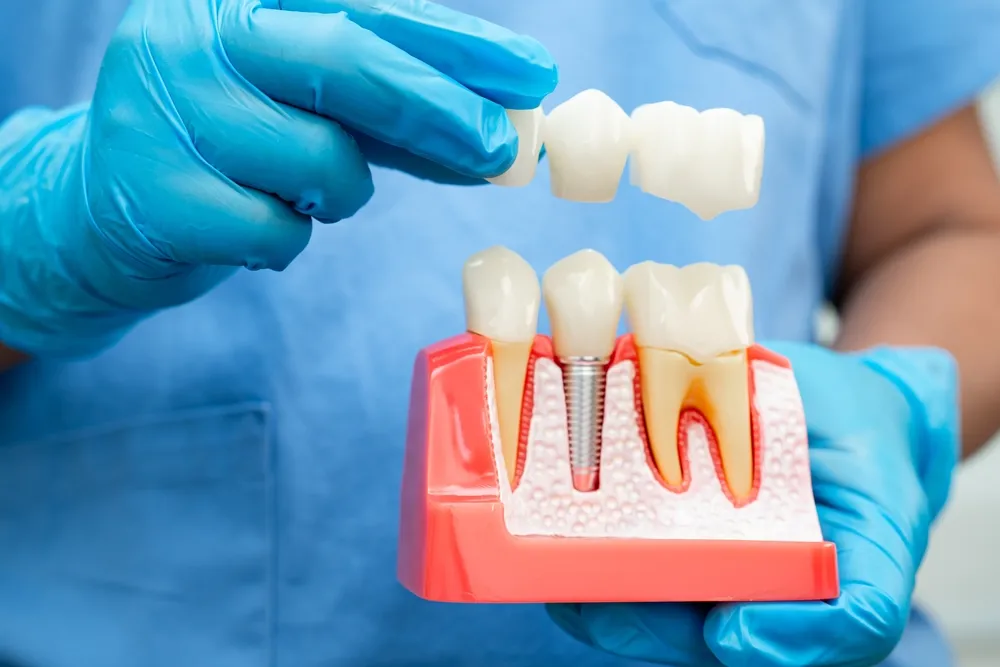
UK patients increasingly choose zirconia implants in Turkey because they want metal-free solutions at lower costs. Turkey offers advanced ceramic dental implants with modern technology. Patients save money while receiving premium care from experienced implantologists.
More UK patients now reject titanium for aesthetic and health reasons. They want biocompatible dental implants that match natural tooth color. Turkey meets this demand with internationally accredited clinics and digital dentistry workflows. The country combines affordable pricing with high-quality standards. Patients access zirconia dental implants through dental tourism Turkey packages. These packages often include scans, surgery, and accommodation. The dental implant cost comparison UK Turkey reveals savings of up to 70 percent. This article explains why Turkey leads in implant dentistry Turkey and how UK patients dental treatment abroad delivers safe results.
What Are Zirconia Dental Implants?
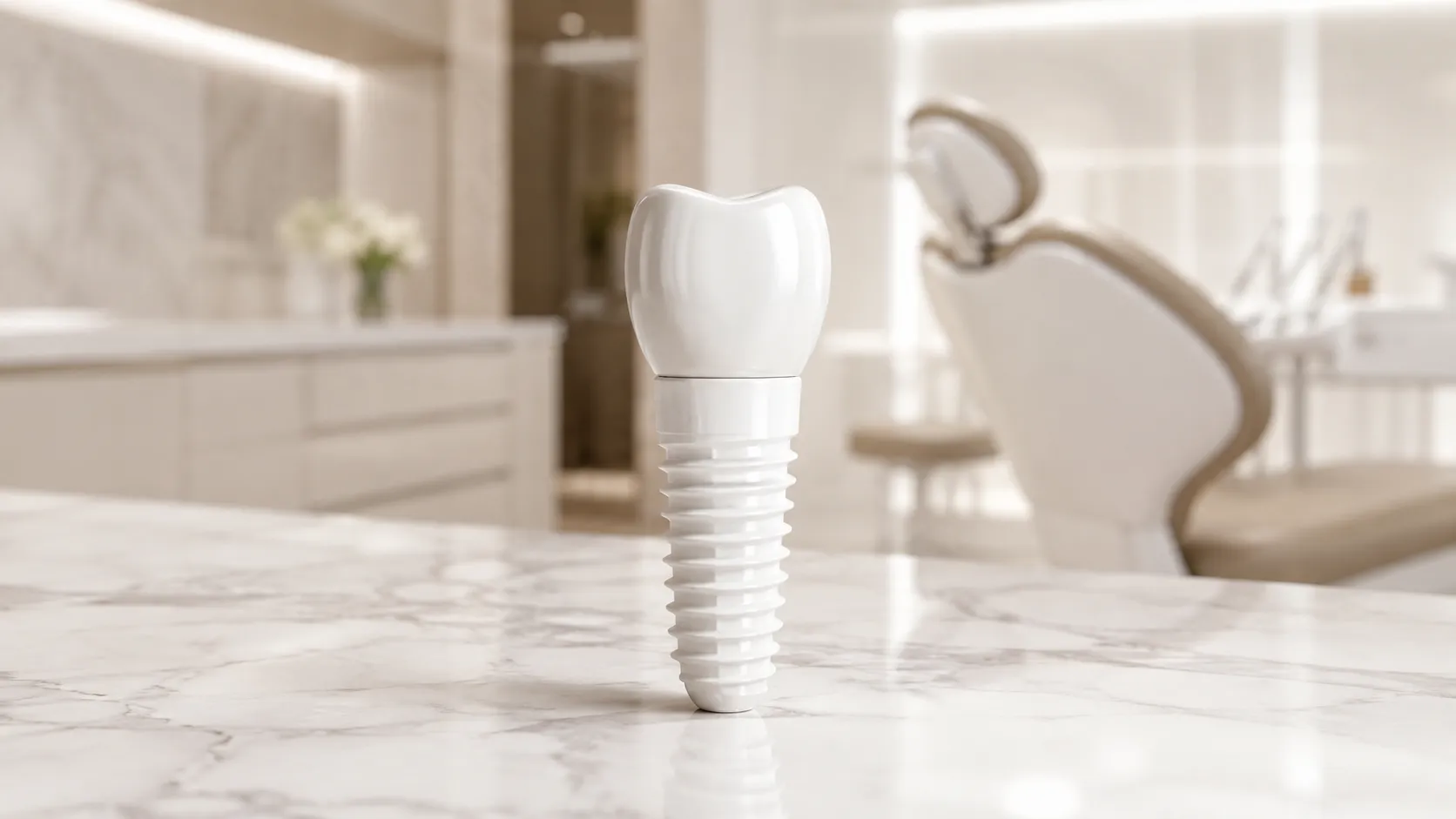
Zirconia dental implants are artificial tooth roots made from zirconium dioxide. This ceramic material replaces missing teeth without metal.
Zirconium dioxide is a white crystalline oxide. Dentists use it because it resists corrosion and matches natural enamel. Unlike titanium, zirconia implants contain no metal. This makes them ideal for patients seeking metal-free dental implants. The material belongs to the ceramic dental implants family. It offers high strength and excellent biocompatibility.
How Do Zirconia Implants Differ from Traditional Titanium?
Zirconia implants differ from titanium because they contain no gray metal. They avoid the dark lines that sometimes show through gums.
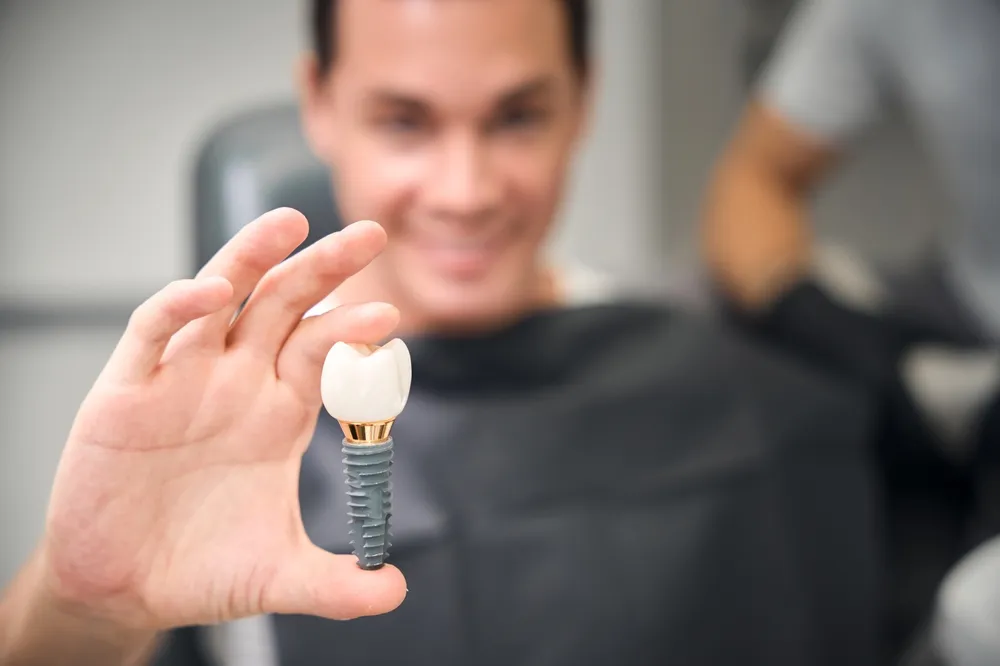
Titanium implants have served dentistry for decades. However, titanium can trigger sensitivities in rare cases. It also creates a gray shadow near thin gum tissue. Zirconia implants vs titanium comparisons show that ceramic options solve these problems. Zirconium dental implants appear white. They blend with natural teeth and gum tissue. Piconi and Maccauro (1999) confirm that zirconia offers superior aesthetics and biocompatibility compared with metal alternatives.
What Makes Zirconia a Premium Implant Material?
Zirconia earns premium status because it combines strength, beauty, and biocompatibility in one material.
The material resists fracture under normal chewing forces. It also resists plaque buildup better than metal. Patients who choose aesthetic dental implants prefer zirconia for anterior teeth. The material supports healthy gum attachment. It does not conduct heat or electricity. These properties make zirconia implants in Turkey a top choice for patients who value holistic health.
What Benefits Do Zirconia Implants Offer?
Zirconia implants offer superior aesthetics, biocompatibility, and long-term stability. They improve both smile appearance and oral health.
Patients receive a natural-looking restoration that lasts for years. The material supports gum health and resists corrosion. These benefits explain why zirconia implant cost Turkey attracts so many international patients.
How Do Zirconia Implants Improve Smile Aesthetics?
Zirconia implants improve smile aesthetics because they look exactly like natural teeth.
The white color eliminates gray shadows around the gums. This matters especially for front teeth restorations. Patients with thin gingival tissue see better results with ceramic dental implants. Andreiotelli et al. (2010) found that zirconia implants achieve excellent outcomes in esthetic areas. The material reflects light similarly to enamel. This creates seamless integration with surrounding teeth.
Why Do Patients Prefer Zirconia for Biocompatibility?
Patients prefer zirconia for biocompatibility because the material rarely triggers allergic reactions.
Titanium allergies affect a small percentage of patients. Zirconia eliminates this risk entirely. The material promotes favorable soft tissue response. Gums attach firmly to zirconia surfaces. Scarano et al. (2004) demonstrated that bacteria adhere less to zirconia than to titanium. This reduces infection risk and supports peri-implant tissue health.
How Does Zirconia Resist Long-Term Wear?
Zirconia resists long-term wear because it does not corrode or degrade in the oral environment.
The material maintains its color and surface finish for decades. It does not release metal ions into surrounding tissue. This stability appeals to patients who want safe dental treatment in Turkey. Cionca et al. (2017) noted that zirconia dental implants show minimal material degradation over time. The surface resists plaque accumulation. This protects both the implant and neighboring teeth.
How Do Zirconia Implants Compare to Titanium?
Zirconia implants compare favorably to titanium in aesthetics, biocompatibility, and plaque resistance. Titanium still leads in long-term clinical data.
Both materials integrate with bone through osseointegration. However, they differ in appearance, biological response, and mechanical behavior. The following table summarizes key differences:
Feature | Zirconia Implants | Titanium Implants |
Material | Zirconium dioxide ceramic | Titanium metal alloy |
Color | White, tooth-colored | Gray, metallic |
Aesthetics | Excellent for thin gums | May show gray line |
Biocompatibility | Very high, metal-free | High, rare allergies |
Plaque accumulation | Lower | Higher |
Corrosion resistance | Complete | Very high |
Flexural strength | High | Higher |
Long-term data | Growing (15+ years) | Extensive (40+ years) |
Cost in Turkey | Moderate | Lower |
Which Patients Should Choose Zirconia Over Titanium?
Patients with thin gums, metal allergies, or high cosmetic demands should choose zirconia over titanium.
These patients need aesthetic dental implants that avoid metal exposure. Patients who prioritize holistic dentistry also prefer metal-free dental implants. Sanon et al. (2015) confirmed that zirconia suits patients who require superior soft tissue appearance. Patients with a history of titanium sensitivity must choose ceramic options. Front tooth replacements also favor zirconia for natural results.
Why Do UK Patients Travel Abroad for Dental Care?
UK patients travel abroad because private dentistry costs rise while NHS coverage shrinks.
British patients face long waiting times for advanced procedures. They also encounter limited NHS availability for dental implants. Many cannot afford private zirconia implant prices in the UK. This drives demand for UK patients dental treatment abroad. Patients seek affordable premium treatments without sacrificing quality. Dental tourism Turkey answers this need with competitive pricing and modern facilities.
Why Does Turkey Lead in Zirconia Implant Dentistry?
Turkey leads because its clinics combine accreditation, experience, and advanced technology.
Turkish dental clinics hold international certifications. They treat thousands of foreign patients yearly. This volume builds expertise in complex cases. Clinics use 3D CBCT imaging, CAD/CAM design systems, and digital smile design. These tools ensure precise implant placement. Implantologists in Turkey specialize in international patient care. They understand the needs of UK patients and communicate clearly in English.
How Much Do Zirconia Implants Cost in Turkey vs the UK?
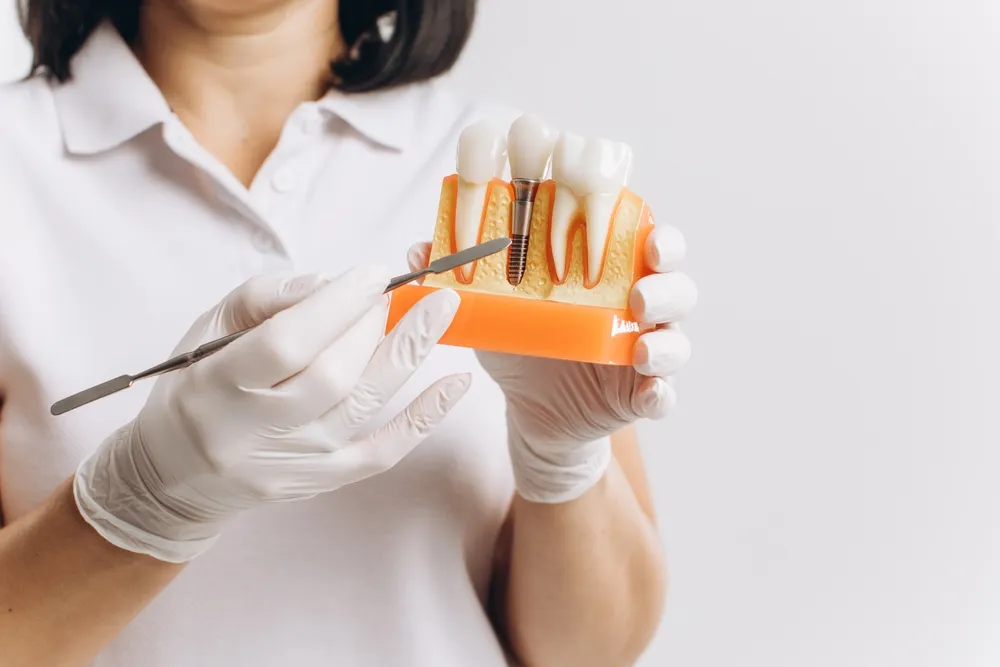
Zirconia implants in Turkey cost 50 to 70 percent less than in the UK. Patients receive identical or superior materials for lower prices.
A single zirconia implant in the UK ranges from £2,500 to £3,500. In Turkey, the same procedure costs between £600 and £1,200. The dental implant cost comparison UK Turkey shows dramatic savings. These prices include consultation, CBCT scans, and surgery. Full-mouth restorations save patients tens of thousands of pounds.
Cost Component | UK Price Range | Turkey Price Range |
Single zirconia implant | £2,500 – £3,500 | £600 – £1,200 |
CBCT scan | £200 – £400 | Often included |
Consultation | £100 – £250 | Often included |
Temporary crown | £300 – £500 | Often included |
Full arch zirconia | £25,000 – £40,000 | £5,000 – £10,000 |
Why Are Zirconia Implants More Affordable in Turkey?
Zirconia implants cost less in Turkey because operational and administrative expenses remain lower.
Turkish clinics pay less for rent, staff, and utilities. The government supports health tourism with incentives and tax advantages. Currency exchange rates favor British pounds against Turkish lira. These factors reduce zirconia implant cost Turkey without cutting quality. Clinics pass these savings to international patients.
What Do Turkish Treatment Packages Include?
Turkish treatment packages include consultation, imaging, surgery, and temporary restorations.
Patients receive a full CBCT scan and digital treatment planning. The package covers implant placement surgery with sterile equipment. Temporary teeth protect the site during healing. Some packages include airport transfers and hotel accommodation. This all-inclusive approach simplifies dental implants Turkey vs UK planning.
Does Lower Cost Mean Lower Quality?
Lower cost does not mean lower quality if patients choose accredited clinics.
Turkish clinics use the same implant brands as UK practices. They follow strict sterilization protocols and regulatory oversight. Patients should verify clinic credentials through certifications and patient reviews. Bormann et al. (2012) emphasized that clinical outcomes depend on surgeon skill and planning quality, not geography. Smart patients research before they book.
What Is the Truth Behind the "Turkey Teeth" Debate?
"Turkey Teeth" refers to overly aggressive crown preparations, not dental implants. This label unfairly stigmatizes all Turkish dental care.
The media uses this term for patients who received excessive tooth reduction for veneers. This differs entirely from implant surgery. Implants replace missing teeth. They do not require grinding healthy teeth. Poor outcomes usually stem from inadequate treatment planning or price-driven clinic selection. Patients who choose implant specialists avoid these problems.
How Can Patients Avoid Dental Tourism Complications?
Patients avoid complications by selecting clinics based on credentials, not price alone.
They should review before-and-after cases and verify dentist qualifications. Comprehensive diagnosis prevents implant failure. Patients must understand their bone quality and oral health status. They should ask about warranty policies and aftercare support. These steps ensure safe dental treatment in Turkey.
What Safety Factors Matter for Zirconia Implants in Turkey?
Safety factors include clinic accreditation, surgeon experience, and thorough diagnostic workup.
Patients need comprehensive exams before surgery. The clinic must assess bone volume and gum health. They must explain risks like implant failure, peri-implant disease, and bone loss. UK patients should confirm that the clinic uses sterile protocols and quality implant systems.
What Questions Should Patients Ask Before Treatment?
Patients should ask about the dentist's training, implant brand, and warranty terms.
They must request information about the surgical protocol and healing timeline. They should ask how the clinic handles complications. They need to know if the clinic provides English-speaking support after surgery. These questions reveal the clinic's professionalism and commitment to patient safety.
Why Does Comprehensive Diagnosis Matter?
Comprehensive diagnosis matters because it identifies bone defects and gum disease before surgery.
A CBCT scan reveals bone height and width. It shows nerve positions and sinus locations. Without this imaging, surgeons risk damaging vital structures. Proper diagnosis also determines if patients need bone grafting. This planning step prevents occlusal complications and implant failure.
What Risks Should Patients Understand?
Patients should understand risks like implant failure, peri-implant disease, and bone loss.
Implant failure occurs when bone does not integrate with the implant. Peri-implant disease involves inflammation around the implant. Bone loss threatens long-term stability. Occlusal complications arise from improper bite alignment. Pjetursson et al. (2012) noted that careful patient selection and planning minimize these risks. Patients must commit to excellent oral hygiene and regular checkups.
What Does the Treatment Journey Look Like for UK Patients?
The treatment journey involves two trips to Turkey with a healing period between them.
Patients begin with an online consultation. They submit photos and dental records. The clinic creates a digital treatment plan. The first visit includes CBCT imaging and implant placement surgery. Patients spend 5 to 7 days in Turkey. They return home with temporary restorations. After 3 to 4 months, osseointegration completes. The second visit delivers the final zirconia crown or bridge.
Who Qualifies as an Ideal Candidate for Zirconia Implants?
Ideal candidates include patients with missing teeth, metal sensitivities, or high aesthetic goals.
Healthy adults with adequate bone volume qualify. Non-smokers heal faster and face lower failure rates. Patients with thin gums or visible front tooth gaps benefit most from zirconia. Those interested in holistic or metal-free dentistry also qualify. Dentists evaluate each patient individually before recommending ceramic dental implants.
What Do Patients Frequently Ask About Zirconia Implants in Turkey?
Patients frequently ask about safety, longevity, and travel logistics. Clear answers build confidence.
These questions address common concerns. They help patients make informed decisions about implant dentistry Turkey.
Are Zirconia Implants Safe for Long-Term Use?
Zirconia implants are safe for long-term use when placed by qualified surgeons.
Clinical studies track zirconia implants for over 15 years. Gahlert et al. (2012) reported high survival rates in prospective clinical studies. The material does not corrode or release toxins. Patients with good oral hygiene enjoy stable results for decades.
How Long Do Zirconia Implants Last?
Zirconia implants last 15 to 20 years or longer with proper care.
Longevity depends on oral hygiene, bite forces, and bone health. Regular dental checkups protect the investment. Patients must avoid smoking and excessive grinding. These habits threaten both zirconia and titanium systems.
Do Zirconia Implants Outperform Titanium?
Zirconia implants outperform titanium in aesthetics and biocompatibility. Titanium holds more long-term data.
For front teeth and thin gums, zirconia delivers superior results. For back teeth under heavy chewing, titanium offers slightly more flexibility. The best choice depends on patient needs and clinical conditions. Both materials succeed when surgeons place them correctly.
Is Turkey Safe for Dental Implant Travel?
Turkey is safe for dental implant travel if patients choose accredited clinics.
Major Turkish cities host modern dental hospitals. These facilities meet international sterilization standards. Patients should research clinic certifications and read verified reviews. They should avoid unlicensed operators who advertise unrealistically low prices.
How Many Trips Do Patients Need?
Patients usually need two trips to complete zirconia implant treatment.
The first trip places the implant and lasts 5 to 7 days. The second trip, after 3 to 4 months, delivers the final crown. Some clinics offer same-day temporary teeth. However, final restorations require a healing period for osseointegration.
Can UK Dentists Provide Follow-Up Care?
UK dentists can provide follow-up care for patients who return from Turkey.
Patients should inform their local dentist before traveling abroad. The UK dentist can monitor healing and clean the implant site. They can also address minor complications. Good communication between Turkish and UK dentists ensures continuous care.
Do Zirconia Implants Cost Less Than Titanium in Turkey?
Zirconia implants sometimes cost slightly more than titanium in Turkey.
However, the price gap remains small compared with UK pricing. Patients often pay only 10 to 20 percent more for zirconia than titanium in Turkey. In the UK, zirconia costs significantly more. This makes Turkey an attractive destination for patients who want premium ceramic options.
Why Should UK Patients Consider Zirconia Implants in Turkey?
UK patients should consider zirconia implants in Turkey because they combine affordability, aesthetics, and expert care.
Turkey offers access to experienced implant specialists who use modern digital workflows. Patients receive premium metal-free treatment at significantly lower costs. The combination of zirconia implant cost Turkey advantages and high clinical standards creates exceptional value.
Patients must balance cost savings with quality and safety. They should verify clinic accreditation and dentist experience. They must prioritize treatment planning quality and long-term aftercare support. Informed decisions based on clinical evidence and provider credentials lead to the best outcomes.
Achieving a natural, healthy, and long-lasting smile with zirconia implants requires careful planning. Turkey provides the technology, expertise, and pricing that make this goal achievable for UK patients.
References
Andreiotelli, M., et al. "Zirconia Implants in Esthetic Areas." Journal of Esthetic and Restorative Dentistry, vol. 22, no. 1, 2010, pp. 14-22.
Bormann, K. H., et al. "Zirconia Implants in Clinical Practice." International Journal of Oral Science, vol. 4, no. 2, 2012, pp. 66-73.
Cionca, N., et al. "Zirconia Dental Implants: Where Are We Now?" Microorganisms, vol. 5, no. 4, 2017, p. 48.
Degidi, M., et al. "Zirconia Implants and Soft Tissue Response." Journal of Oral Implantology, vol. 38, no. 4, 2012, pp. 451-456.
Gahlert, M., et al. "A Prospective Clinical Study Comparing Zirconia and Titanium Implants." Clinical Oral Implants Research, vol. 23, no. 11, 2012, pp. 1267-1273.
Kohal, R. J., et al. "Zirconia Implants: An Overview." International Journal of Oral & Maxillofacial Implants, vol. 19, no. 1, 2004, pp. 9-15.
Piconi, C., and Maccauro, G. "Zirconia as a Ceramic Biomaterial." Biomaterials, vol. 20, no. 1, 1999, pp. 1-25.
Pjetursson, B. E., et al. "A Systematic Review of the Survival and Complication Rates of Ceramic Implants." Clinical Oral Implants Research, vol. 23, suppl. 6, 2012, pp. 39-65.
Sanon, C., et al. "Comparison of Zirconia and Titanium Dental Implants." Dental Materials Journal, vol. 34, no. 2, 2015, pp. 123-129.
Scarano, A., et al. "Bacterial Adhesion on Zirconia Ceramic and Titanium." Journal of Periodontology, vol. 75, no. 4, 2004, pp. 532-536.