1. Introduction
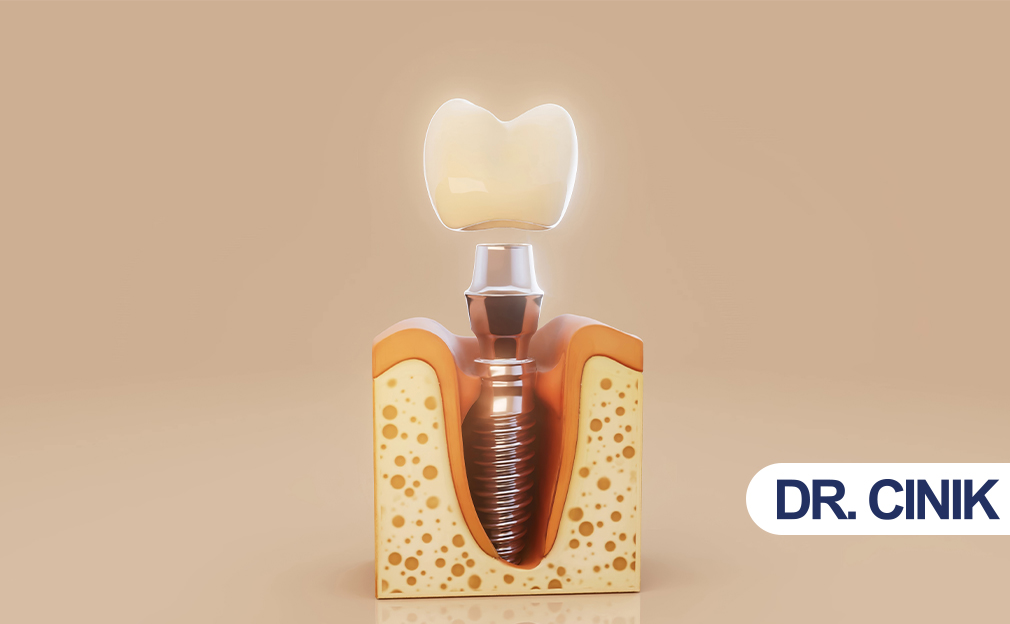 Dental implants replace missing teeth. These titanium screws support crowns that restore function and appearance. People commonly question the pain associated with implants, the process, and home care during recovery.
Pain varies between people and procedures. Pain level depends on health, smoking habits, infection risk, the quality of bone availability, adherence to post-operative instructions, age, medications, and oral hygiene (Sandhu and Kaur Pannu, 2018). Immediately after the procedure, tenderness peaks within 1 to 3 days and gradually subsides over 2 weeks (P Kochar et al., 2022).
Implants are fixtures embedded in bone to support restorations like crowns, bridges, and dentures (Wakankar et al., 2023). The treatment process generally consists of six steps: evaluation, planning, surgery, osseointegration, abutment placement, and crown placement. Local anesthesia manages discomfort during surgery; patients remain relaxed. The mouth is sanitized, and sterile techniques are used. Recovery varies by procedure complexity and remains within the range of tissue healing for a given operation.
Dental implants replace missing teeth. These titanium screws support crowns that restore function and appearance. People commonly question the pain associated with implants, the process, and home care during recovery.
Pain varies between people and procedures. Pain level depends on health, smoking habits, infection risk, the quality of bone availability, adherence to post-operative instructions, age, medications, and oral hygiene (Sandhu and Kaur Pannu, 2018). Immediately after the procedure, tenderness peaks within 1 to 3 days and gradually subsides over 2 weeks (P Kochar et al., 2022).
Implants are fixtures embedded in bone to support restorations like crowns, bridges, and dentures (Wakankar et al., 2023). The treatment process generally consists of six steps: evaluation, planning, surgery, osseointegration, abutment placement, and crown placement. Local anesthesia manages discomfort during surgery; patients remain relaxed. The mouth is sanitized, and sterile techniques are used. Recovery varies by procedure complexity and remains within the range of tissue healing for a given operation.
2. How Much Do Dental Implants Hurt?
Quick Answer: Dental implant surgery usually isn’t painful due to local anesthesia. Mild soreness for a few days afterward is normal and then fades. Placement of dental implants is less painful than one might think. Most people feel little or no discomfort during the procedure. This is because the appointment starts with a local anesthetic. It is not uncommon to feel discomfort in the days that follow, however. Up to a week of mild soreness is normal. Common sensations include pressure or aching in the treated area or the upper or lower jaw near the implant. Immediate postoperative discomfort typically peaks 24 to 72 hours after placement, when the anesthetic has worn off. It gradually decreases after that. Most patients report that the level of discomfort is much less than they anticipated and say the procedure is easier than expected (Kahn et al., 2021).3. Are Dental Implants Painful?
Quick Answer: Dental implant discomfort varies, but most people experience only mild swelling and soreness. Pain usually improves within about 72 hours, with minor sensations sometimes lasting through healing. Pain occurs in varying degrees for different individuals and procedures. Several factors influence how much discomfort a person might experience. The type of dental implant system used, the number of implants placed, the presence of a remaining tooth, and whether bone preparation or bone grafting is necessary can all affect the level of pain. Although all surgery involves some trauma to soft and hard tissues, dental implants typically result in minimal swelling. General discomfort generally subsides within approximately 72 hours; however, certain sensations may linger throughout the healing period (Kahn et al., 2021).4. What Is the Dental Implant Process?
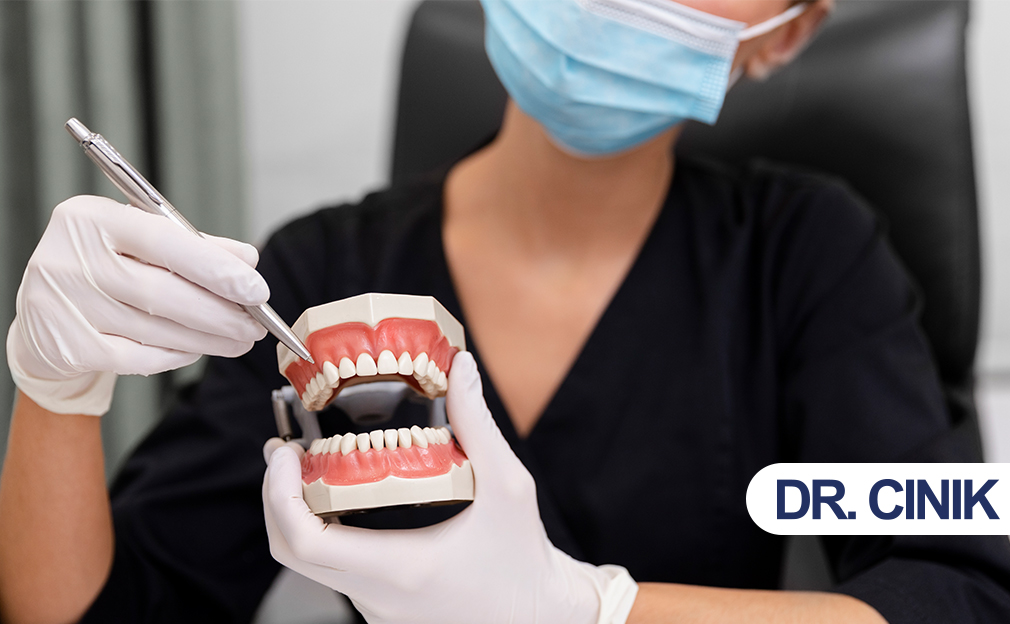 Quick Answer: A dental implant is placed in the jaw under local anesthesia, then left 2–6 months to heal and fuse with the bone. After that, an abutment and crown are attached to replace the tooth.
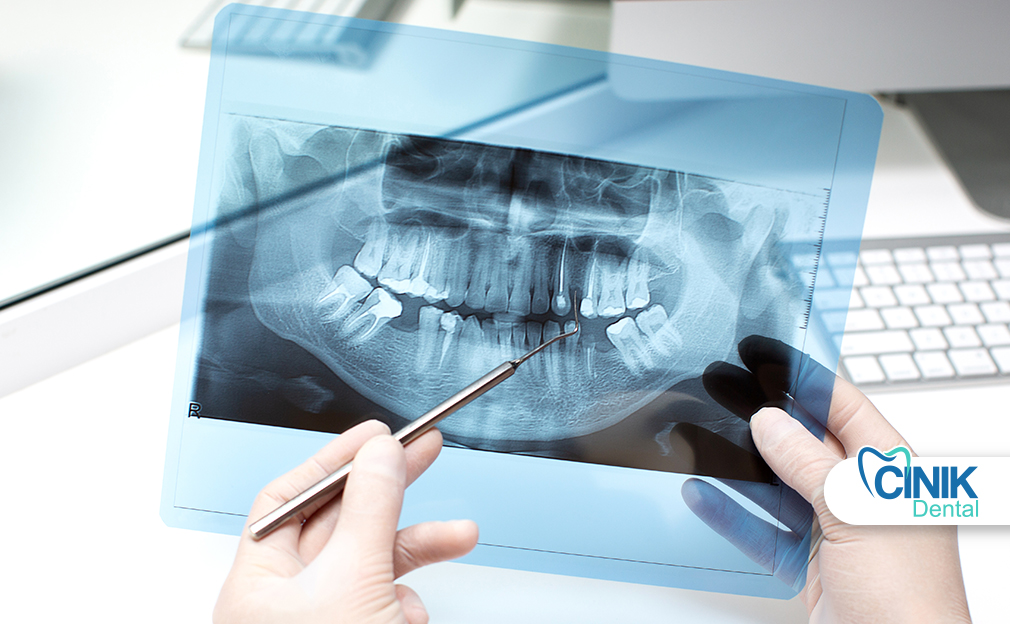
Placement of a dental implant includes evaluation, planning, surgery, healing, and restoration. The evaluation consists of a clinical exam, medical history review, study models, and imaging (such as Panoramic X-ray or Cone Beam CT) to check health, bone quality, and treatment suitability. Surgery follows under local anesthesia and requires one to two visits. A healing period of 2 to 6 months is needed for the implant to fuse with the jawbone (osseointegration). In another session, an abutment is attached, and a crown is fitted to restore function and appearance. For extensive treatments, more visits may be necessary, but common single-tooth procedures usually take two to five visits over several months (P Kochar et al., 2022)(Wakankar et al., 2023).
Quick Answer: A dental implant is placed in the jaw under local anesthesia, then left 2–6 months to heal and fuse with the bone. After that, an abutment and crown are attached to replace the tooth.
Placement of a dental implant includes evaluation, planning, surgery, healing, and restoration. The evaluation consists of a clinical exam, medical history review, study models, and imaging (such as Panoramic X-ray or Cone Beam CT) to check health, bone quality, and treatment suitability. Surgery follows under local anesthesia and requires one to two visits. A healing period of 2 to 6 months is needed for the implant to fuse with the jawbone (osseointegration). In another session, an abutment is attached, and a crown is fitted to restore function and appearance. For extensive treatments, more visits may be necessary, but common single-tooth procedures usually take two to five visits over several months (P Kochar et al., 2022)(Wakankar et al., 2023).
5. How Painful Are Dental Implants Before and After Surgery?
Quick Answer: You usually won’t feel pain during dental implant surgery thanks to anesthesia, but some mild soreness afterward is normal as you heal. Many patients feel apprehensive before dental implant placement, worrying about pain and the procedure itself. Underlying conditions can cause discomfort before surgery, leading to more physical strain than when receiving the implant. The dental team ensures patients feel no pain during the procedure by reviewing medical history and adjusting medications as needed. They also communicate thoroughly with patients about what to expect, helping to alleviate anxiety and create comfort. Most patients do not feel any discomfort during the dental implant procedure thanks to the use of anesthesia (Kahn et al., 2021). Following surgery, however, it is natural to expect some soreness as the body begins to heal.6. What are the Factors Affecting Pain Levels and Recovery?
Quick Answer: Pain and recovery vary based on your health, smoking, medications, bone quality, implant location, and after-care. Healthier patients usually heal faster with less discomfort. Pain levels during and after a dental implant procedure are influenced by several factors. Healthier individuals typically experience less pain and recover faster. Chronic conditions or medications may increase discomfort and hinder healing. Smoking negatively affects recovery by impairing circulation. Lastly, bone quality matters; implants in deteriorated bone require more extensive procedures than in denser bone. The implant's location is vital. Teeth that are decayed, root canal treated, or affected by severe periodontal disease can cause pain, even without chewing. This discomfort may worsen as anesthesia fades before surgery. Adjacent unhealthy teeth or tissues can present similar issues, particularly if a graft is tested for osseointegration before surgery. Infection risk after placement is crucial to expected comfort. Not adhering to a personalized care strategy from a dental professional complicates successful osseointegration of implants, increasing infection risk and inflammation, leading to significant pain (Kahn et al., 2021).7. How Long Does the Pain Last After a Dental Implant?
Quick Answer: Mild soreness after a dental implant usually lasts a few days to a week, sometimes up to two weeks for complex cases. Most people find it less uncomfortable than a tooth extraction. Some soreness is normal after an implant, lasting a few days to a week. Some may feel mild throbbing for one to two weeks longer, especially with complex or multiple implants. Healing continues after abutment and crown placement (Kahn et al., 2021). Patients often endure swelling and tenderness for over a week after tooth extraction. In contrast, implants are less disruptive, remove the extraction's cause, and provide a gentler experience. The discomfort difference arises because extraction is a single, invasive step, whereas placement involves multiple stages, spreading sensations over a longer healing period.8. What Hurts More, Tooth Extraction or Implant?
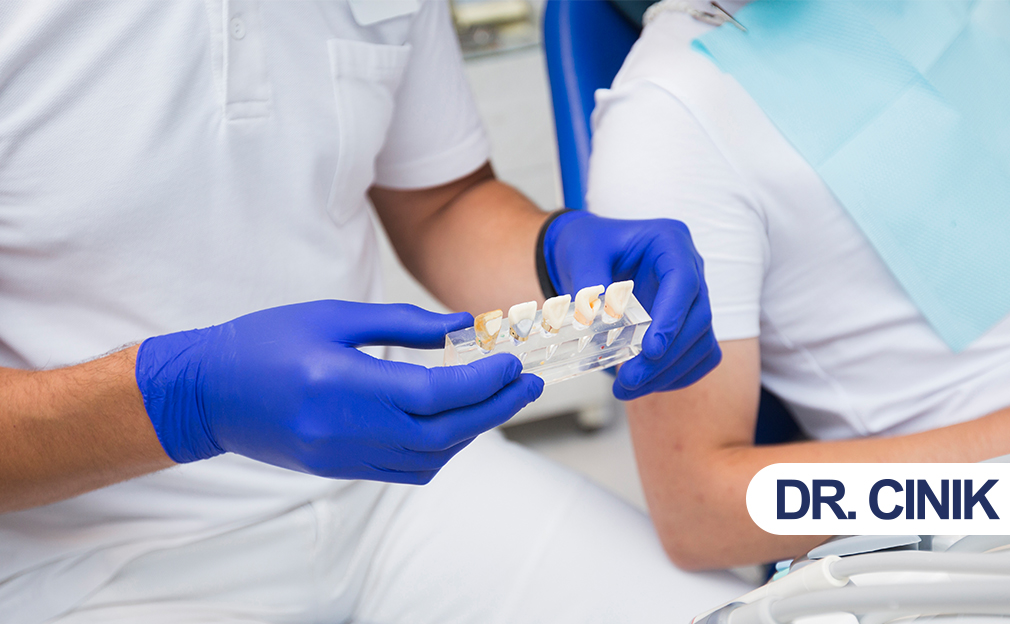 Quick Answer: Most people find tooth extractions more painful than dental implant placement. Implants usually cause only mild, manageable soreness.
Tooth extraction and dental implants are different but crucial to compare for pain levels since many people experience tooth loss. An extraction relieves issues caused by impacted, broken, or decayed teeth, or those affected by gum disease. While the extraction alleviates discomfort at the tooth site, it doesn't eliminate the pain experienced prior. Thus, management of pain post-extraction is essential, especially before getting an implant.
The dental implant process starts with extraction, followed by inserting a cobalt-steel implant and a zirconia cap. A 3D-printer creates a rubber holder for a pre-sized mouth-well. A cobalt-blue glass block is positioned alongside the implant guide, pressed to contour the future enamel, followed by pattern preparation. Pain levels decrease quickly after extraction, reaching comfort similar to that of the tooth within hours, and can last days. Color matching for crowns occurs post-rest, and insertion or adjustments may happen one to six times depending on refinement. (Kahn et al., 2021)
Quick Answer: Most people find tooth extractions more painful than dental implant placement. Implants usually cause only mild, manageable soreness.
Tooth extraction and dental implants are different but crucial to compare for pain levels since many people experience tooth loss. An extraction relieves issues caused by impacted, broken, or decayed teeth, or those affected by gum disease. While the extraction alleviates discomfort at the tooth site, it doesn't eliminate the pain experienced prior. Thus, management of pain post-extraction is essential, especially before getting an implant.
The dental implant process starts with extraction, followed by inserting a cobalt-steel implant and a zirconia cap. A 3D-printer creates a rubber holder for a pre-sized mouth-well. A cobalt-blue glass block is positioned alongside the implant guide, pressed to contour the future enamel, followed by pattern preparation. Pain levels decrease quickly after extraction, reaching comfort similar to that of the tooth within hours, and can last days. Color matching for crowns occurs post-rest, and insertion or adjustments may happen one to six times depending on refinement. (Kahn et al., 2021)
9. Are Teeth Implants Painful After the Anesthesia Wears Off?
Quick Answer: Mild soreness is common once the anesthesia wears off, usually peaking at 24–48 hours and then easing. Severe or worsening pain, swelling, or fever should be checked by a dentist. After dental implant surgery, as the anesthesia wears off, patients will experience mild soreness that typically rises and then falls with basic care. When the anesthesia begins to fade, discomfort may gradually increase, peaking at about 24 to 48 hours before settling down. This timeline varies from person to person but generally holds true. Signs such as severe pain or persistent swelling, or fever, warrant a follow-up evaluation. Most people report mild soreness after dental implant surgery. Factors that influence discomfort levels include smoking, health, bone quality, and the presence of underlying conditions. With a single implant, soreness tends to be less intense than with more complex procedures. Although implant surgery has stages and healing periods, most individuals find the overall experience much less disruptive than having a tooth extracted. (Kahn et al., 2021)10. How to Manage Pain and Discomfort at Home After Dental Implant Surgery
Quick Answer: Rest, use cold packs at first (warm packs from day two), take recommended pain relief, eat soft foods, rinse gently with salt water, and avoid chewing on the treated side for a couple of days. After dental implant surgery, individuals commonly experience pain or discomfort. Fortunately, there are many effective ways to manage these feelings at home. Patients should rest after the procedure and apply cold and warm compresses on the face. Cold packs reduce swelling initially, while warm packs alleviate discomfort from day two onward. Follow prescribed medications and consider over-the-counter options like ibuprofen or acetaminophen. Consume soft foods for a few days to avoid pressure on the treated area and stay hydrated with fluids. Maintain oral hygiene by rinsing with salt water after day one and avoid chewing on the treated side for the first couple of days. (Kahn et al., 2021)11. How to Experience Gentle and Comfortable Dental Implant Procedures at Dr. Cinik Dental
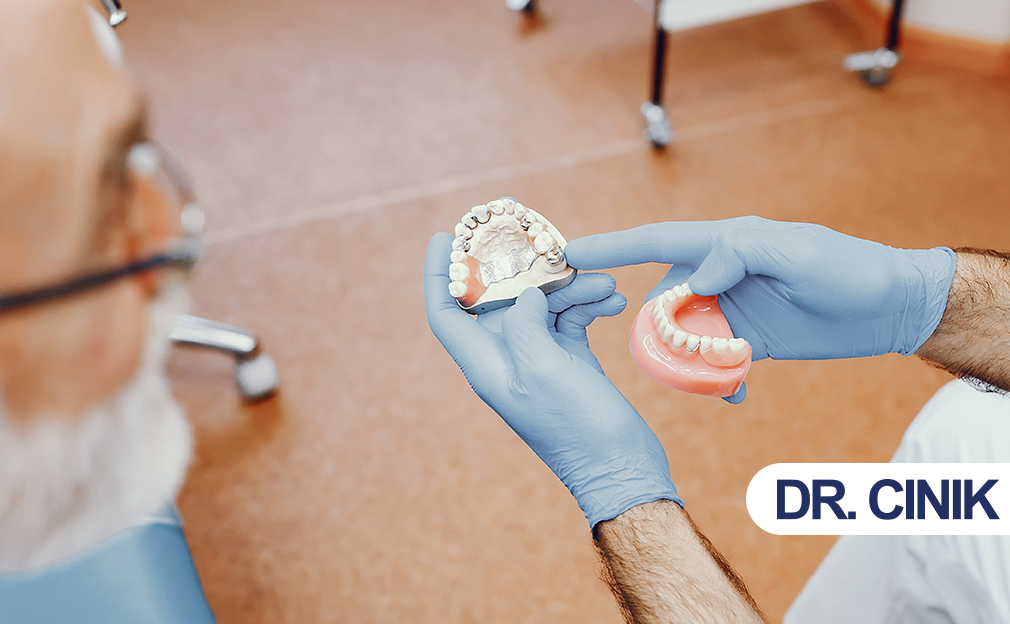 Quick Answer: At Dr. Cinik Dental, implants are done gently with proper anesthesia and strict hygiene, helping patients stay comfortable and relaxed. Clear after-care guidance also supports smooth, predictable healing.
Dental implant procedures at Dr. Cinik Dental are gentle and comfortable. Before, during, and after the procedure, patients receive professional care in a relaxing setting. Work is performed in an office operating at the highest standard of hygiene, with the tools sterilized. Therefore, no special measures are needed against contamination. A calm environment eases anxiety. With prior consultation concerning dental issues, the type and length of anesthesia are determined and adequately implemented.
Caring for dental implants at home is essential for protecting both the implants and the remaining teeth. A practitioner discusses step-by-step care procedures after placement. Preventive measures for comfort and the maintenance of health between appointments require particular attention. Individualized measures during recovery ensure dependable, predictable results. Patients are constantly informed about the progress and allowed to directly express their needs.
Quick Answer: At Dr. Cinik Dental, implants are done gently with proper anesthesia and strict hygiene, helping patients stay comfortable and relaxed. Clear after-care guidance also supports smooth, predictable healing.
Dental implant procedures at Dr. Cinik Dental are gentle and comfortable. Before, during, and after the procedure, patients receive professional care in a relaxing setting. Work is performed in an office operating at the highest standard of hygiene, with the tools sterilized. Therefore, no special measures are needed against contamination. A calm environment eases anxiety. With prior consultation concerning dental issues, the type and length of anesthesia are determined and adequately implemented.
Caring for dental implants at home is essential for protecting both the implants and the remaining teeth. A practitioner discusses step-by-step care procedures after placement. Preventive measures for comfort and the maintenance of health between appointments require particular attention. Individualized measures during recovery ensure dependable, predictable results. Patients are constantly informed about the progress and allowed to directly express their needs.