Opacity refers to the amount of translucency of teeth. People notice translucency first, not the actual brilliance, colour, or shade of teeth. An opaque tooth appears bright and highly reflective. When enamel is worn, dentin shows through, translucency increases, and teeth appear darker. Sheen reduction means teeth look dull even when the colour stays the same.
Teeth lose opacity for many reasons. Diet is the biggest culprit: enamel absorbs organic pigments from dark foods and drinks such as coffee and red wine (C. Branco et al., 2021). Other stain sources include sauces, spices, candies, and fruits. Age and wear also lower enamel opacity, as thinning dentin becomes visible and the surface becomes rougher. Environmental fluorosis, enamel hypoplasia, and decay further reduce opacity by creating pits and rough areas (Harika et al., 2016). Medication side effects can change both colour and texture, including some colas, iron supplements, tetracycline, and excessive dietary supplements (Renier Grobler and Osman, 2016).
1. What opacity means in teeth
Quick Answer: Opacity in teeth refers to how much light a tooth reflects rather than lets through, affecting its brightness, color, and overall appearance.
Teeth are translucent. They let some light through, which shows their color and makes them sparkle. Light enters a tooth and bounces around. Some come out again and some get absorbed. A tooth can be, for example, yellowish, brownish, or greyish according to which light gets absorbed and reflects back. The amount of light reflected influences how bright and how full a tooth appears. Teeth also seem darker and less lustrous when they reflect less light (H. W. Brodbelt et al., 1981). This perception of brightness and translucency is related to the term “opacity.” The color and the degree of opacity together define the overall tooth appearance. Teeth start their life whitish and bright but lose their sparkle as they age. Opacity is normally high when teeth are young and take a light colour shade with high brightness (Renier Grobler and Osman, 2016).
2. What are the common causes of opacity loss?
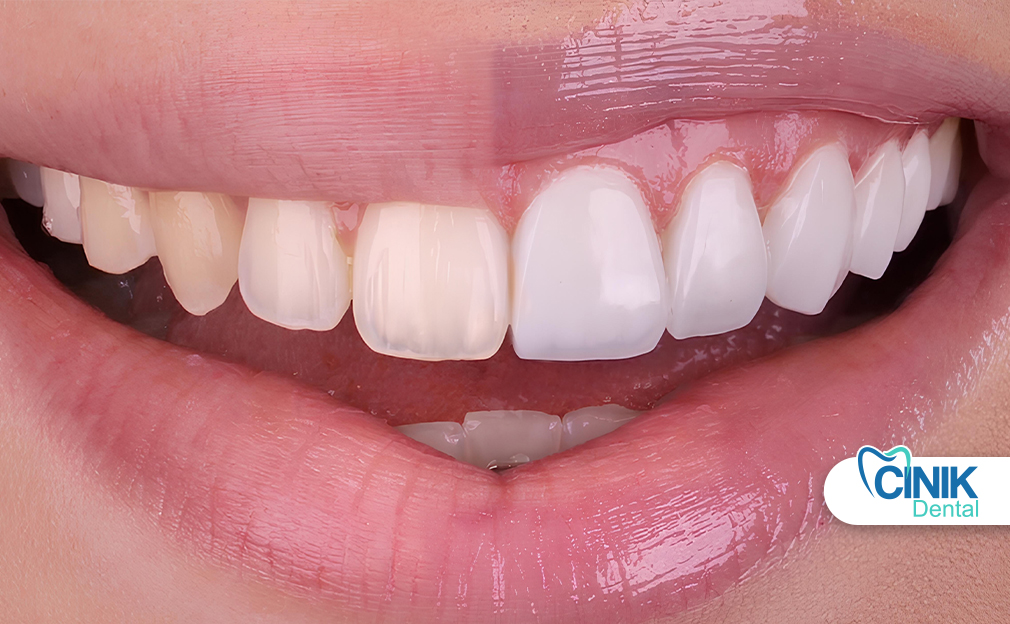
Quick Answer: Enamel thinning from aging or wear, stains from food and drinks, enamel defects (such as fluorosis), certain medications, dry mouth, and damage from decay or trauma.
Certain foods and beverages can stain the teeth, and surface deposits can cause unsightly color changes too. Some internal modifications to the enamel alter light transmission or reflection without causing discoloration. Dentin is naturally darker and more opalescent than enamel. When the enamel thins due to aging or wear, dentin becomes visible through the enamel and can contribute to a less bright appearance. Aging also tends to produce rougher tooth surfaces, which reflect light differently and may add to the sensation of loss of brightness.
Fluorosis and other enamel defects change the enamel's prisms and increase porosity. Teeth affected by these conditions can appear to be darker or duller and less translucent. Certain medicines, particularly those found to stain children's teeth, can also affect shade, for example, tetracycline antibiotics cause a complex and peculiar pattern of discoloration, while very dry mouths can reduce the protective ability of saliva and permit mineral changes to the enamel. Deterioration from caries or trauma can increase the risk of such changes.
3. How teeth lose their shine inside the mouth
Quick Answer: Teeth lose their shine when surface plaque, stains, or micro-scratches, and internal changes like enamel thinning that exposes dentin, alter how light reflects, making teeth appear dull and more opaque.
Certain aspects of teeth can change how they look to others. These changes are often not noticeable until they are quite advanced. For example, your teeth may appear less bright due to surface changes, such as the buildup of plaque, stains, or varnish and the creation of micro-scratches. In other cases, the influence is internal, as the dentin becomes more exposed or changes in appearance. When one of these aspects alters, the way light reflects or scatters inside the mouth also changes. As a result, the overall impression becomes more one of opacity than brightness, since brightness is technically defined in terms of light reflection and opacity in terms of light transmission.
Surface changes, such as the accumulation of plaque, stains, or superficial varnish, or the presence of micro-scratches, dampen brightness by reducing the light that is reflected off the surface of the tooth. The surface of healthy enamel is smooth and shiny, so it reflects a large proportion of the light striking it. Once it is covered by even a thin layer of plaque, however, the surface becomes less shiny, and the amount of light that is reflected decreases. The same principle applies to stains, varnish, and micro-scratches. The visual effect may be subtle, but even apparently minor changes can cause a healthy-looking shine to become dull.
4. How to protect teeth and keep them looking bright
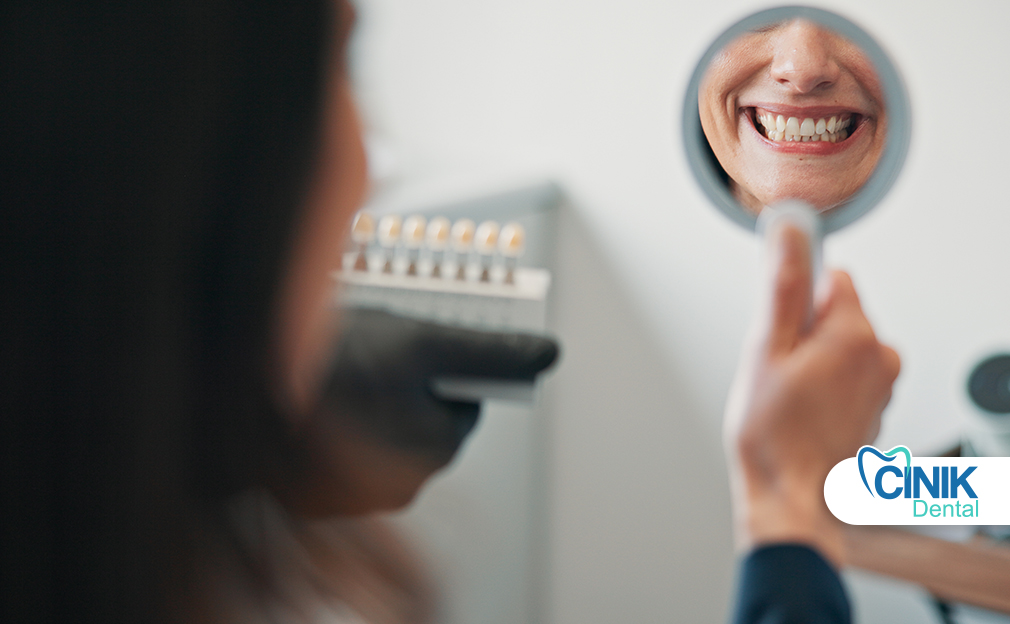
Quick Answer: Maintain regular dental visits, brush twice daily, floss, remove plaque, rinse with water after staining foods, keep teeth hydrated, clean the tongue, and choose enamel-friendly foods like fruits and dairy.
Dental care habits help teeth look bright. Going to the dentist regularly keeps teeth clean. A mouth free of plaque and stains appears brighter.
Brush the teeth twice a day and floss daily. Stains cling to plaque, so remove plaque to prevent staining. Rinse the mouth with water after eating staining foods, such as coffee or berries. Drinking water also keeps teeth moist and helps wash away pigments. Consider using a suction flosser. The tongue, as it can hold on to plaque as well.
Foods that are less likely to stain, such as apples and carrots, can aid the teeth. Some consumables, like cheese and yogurt, reaffirm enamel hardiness.
5. When to seek professional help
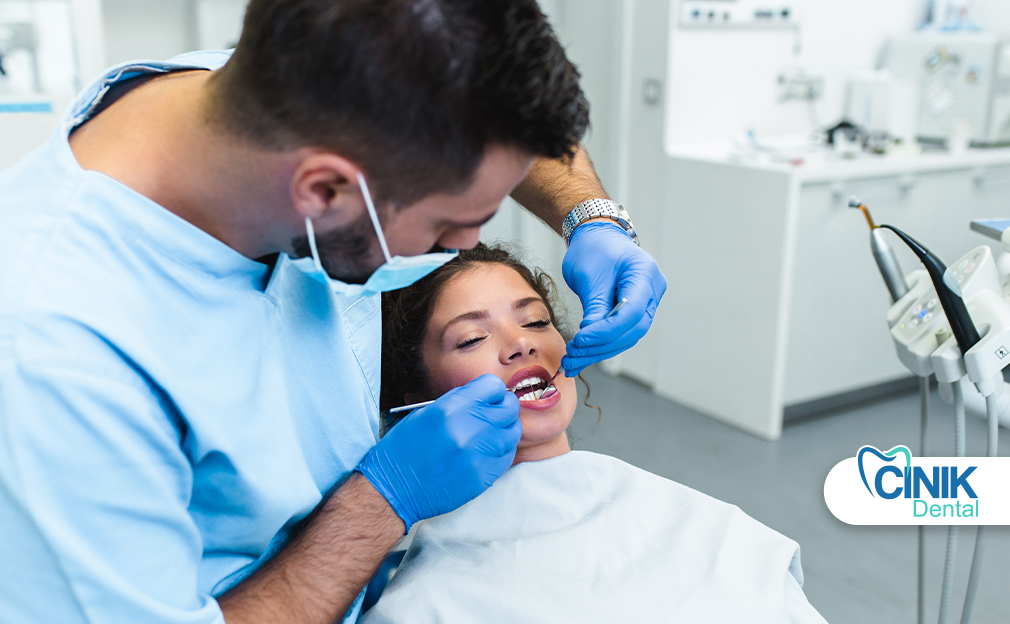
Quick Answer: See a dentist if you notice sudden color changes, sensitivity, pain, chipping, or persistent dullness, as these may signal deeper enamel damage that requires proper diagnosis before whitening or treatment.
Some signs indicate when consultation with a dentist is necessary. Sudden changes in color or shade of one or more teeth, when a tooth becomes painful or sensitive to cold, when part of a tooth is chipped, or when the surface appears dull without visible extrinsic stains are all signals for further investigation. A duller appearance can sometimes be fully or partially reversed with whitening treatments, but persistence may suggest more serious changes and warn against reliance only on bleaching. The reason for the dullness needs to be determined before any whitening, smoothing, or sealing treatments are considered.
Monitoring this aspect of tooth appearance is essential for early detection of changes that could require intervention. Progression of caries damage is generally easily noticed. Translucent spots cannot be bleached back to full brightness; they often have a lower brightness than surrounding enamel and will usually turn brown as decay continues through the enamel. These areas are considered at risk because they have lost structural integrity. Preservation of teeth depends not only on keeping them clean and minimizing staining but also on protecting their normal mineral content for optimal resilience and health.
6. Conclusion
Teeth lose their brightness and distinct shading due to various intrinsic and extrinsic factors. Extrinsic factors often occur on the enamel surface and include dental plaque, varnish deposits or residues, micro scratches created through daily wear, and certain forms of extrinsic staining. These accumulate over time, affecting the composition of reflective light as a result of less than clean enamel. Consequently, the tooth appears less bright and the degree of translucence has increased. Intrinsic factors are more prevalent than extrinsic factors, and these factors affect the inner composition of the tooth. Dentin either becomes exposed or changes character underneath the enamel. Tiny tubules connecting the enamel to the inner dentin change form or orientation through numerous brushing encounters as well. Dentin coloration becomes modified and the light situation internal to the tooth varies, leading to the perception of decreased brightness despite little or no alteration to the shape or the amount of material.
Tooth brightness gradually decreases because of both surface and internal changes. Application of good care helps to mitigate these processes, so it is often useful to self-determine a satisfactory brightness point and then apply the necessary routines for maintenance.
References:
C. Branco, A., Polido, M., Colaço, R., G. Figueiredo-Pina, C., and P. Serro, A. "Effect of pH of H(2)O(2) solutions on the morphology and wear resistance of human dental enamel: an AFM study." 2021. ncbi.nlm.nih.gov
Renier Grobler, S. and Osman, Y. "Insights into the clinical effectiveness of whitening products - Part 1: Dentist-supervised-at-home bleaching product." 2016. [PDF]
H. W. Brodbelt, R., J. O'Brien, W., L. Fan, P., G. Frazer-Dib, J., and Yu, P. W. "Translucency of Human Dental Enamel." 1981. [PDF]