Dental implants restore functionality in partially and completely edentulous patients. The All-on-6 approach, using a fixed full-arch prosthesis supported by six implants, allows immediate restoration by distributing load across a wider arch. Traditional All-on-6 systems employ titanium implants and acrylic prostheses. Increased interest in porcelain, which mimics natural tooth aesthetics, has prompted a more detailed examination of the trade-offs between titanium and porcelain. Titanium implants are the primary choice due to their biocompatibility, good mechanical properties, and osseointegration. Improving bone-integration is crucial to prevent early failure, often related to poor osseointegration (Piglionico et al., 2020). Porous tantalum represents a potential alternative due to its enhanced biocompatibility and mechanical strength (Aragoneses et al., 2022).
1. What are All-on-6 implants
Quick Answer: All-on-6 implants use six implants to support a fixed full-arch prosthesis without bone grafting, providing stable and long-lasting results, most often with titanium implants.
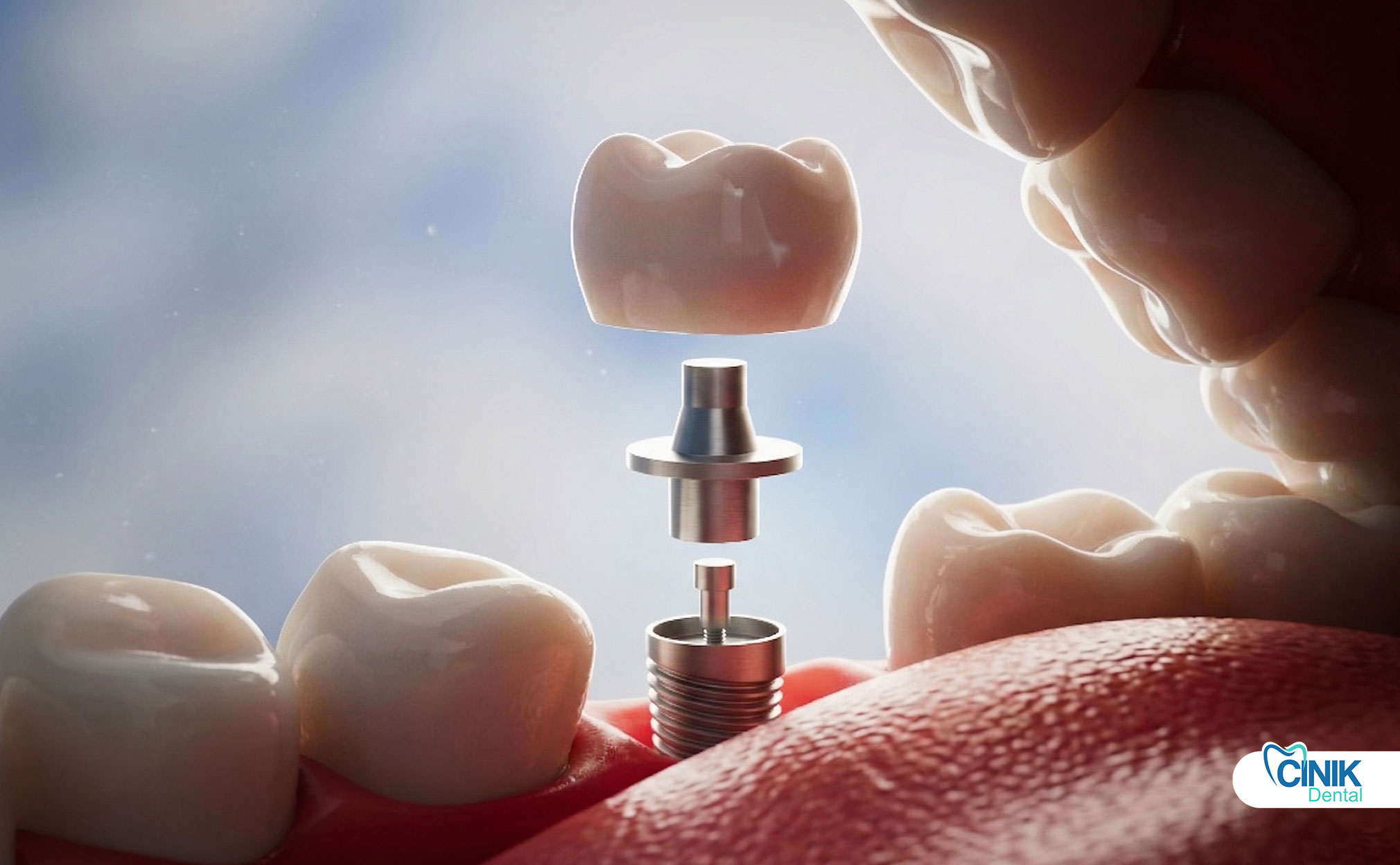
All-on-6 implants address complete edentulism in patients with severe residual bone loss without requiring bone grafting. Six implants are strategically placed in the edentulous jawbone to support a fixed, full-arch prosthesis. Such a configuration takes advantage of cross-arch support and optimal load distribution, even for implants positioned suboptimally in an opposing jaw or tilted to accommodate anatomical constraints. Ideally, the All-on-6 prosthesis features titanium or zirconia implants combined with a titanium, zirconia, or polymer framework, onto which an acrylic, zirconia, or porcelain restoration is mounted (Masoomi and Mahboub, 2024). Titanium, the first material used to manufacture dental implants, remains a favored option for All-on-6 systems (Piglionico et al., 2020). Since the 1970s, countless research studies have examined titanium biocompatibility, corrosion resistance, and functional performance, establishing one of the longest clinical histories and highest success rates for any prosthetic component.
2. What are Titanium implants: advantages and limits?
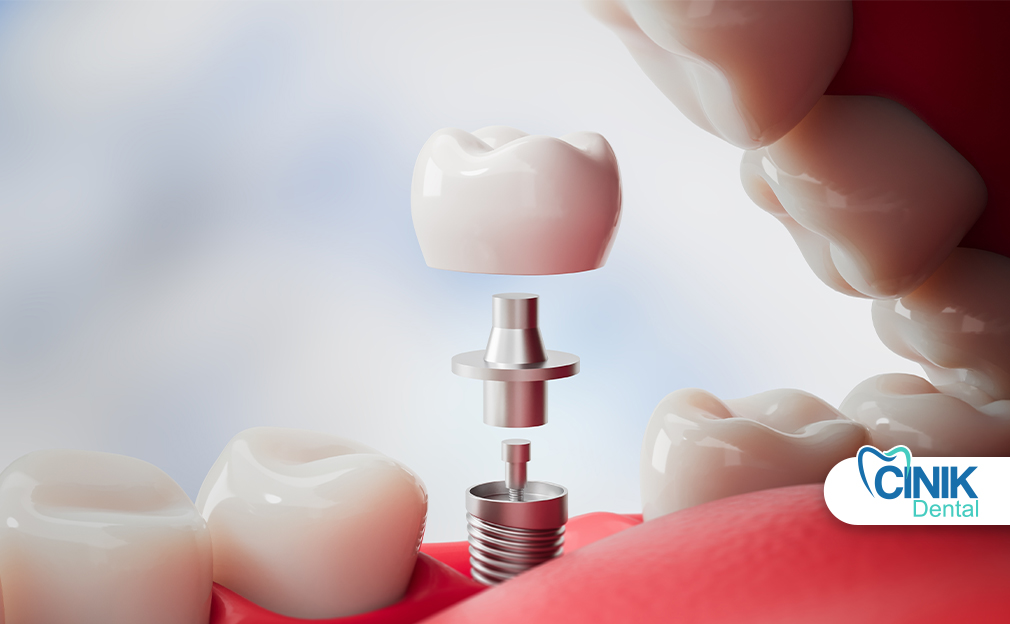
Quick Answer: Titanium implants are strong, biocompatible, and well proven, but their success depends on proper bone quality and implant placement.
The All-on-6 dental restoration concept employs a fixed full-arch prosthesis supported by six implants, providing cross-arch stability. The implants can be made entirely of titanium, along with abutments and the superstructure, or of titanium with porcelain or another material for the components above the implants. Each option has advantages and limitations that inform clinical decision-making.
Titanium implants are strong, lightweight, and notably biocompatible. Their capacity for osseointegration remains well documented and extensively studied. The material’s favorable fatigue behavior allows development of long-span implant-supported restorations. A long clinical track record also supports consideration of titanium in the All-on-6 approach (Enamul Hoque et al., 2022). The All-on-6 protocol accommodates the placement of six implants into a limited volume of available bone, so factors such as bone quality and implant spacing must be assessed closely for optimal selection of the superstructure material (Piglionico et al., 2020).
3. What are Porcelain components: advantages and limits
Quick Answer: Porcelain components look natural and are biocompatible but can chip or fracture, so they are usually combined with titanium for strength.
Porcelain components offer aesthetic advantages and biocompatibility but have limitations regarding fracture risk and durability. They are used in dental restorations for their natural appearance and resistance to staining. However, porcelain can be brittle and prone to chipping or fractures under masticatory forces, especially in high-stress areas. Proper design, material selection, and clinical techniques are essential to maximize their benefits and minimize failures (Wagner and Hartung, 2021).
All-on-6 All-on-6 frames are often primarily titanium, connecting six implants in pairs to support a fixed full-arch restoration; rigid cross-arch implants minimize stresses in the bridge. Where chewing load is high, porcelain crowns on titanium bases enhance aesthetics while maintaining comprehensive support (Masoomi and Mahboub, 2024).
4. How to Compare durability and strength
Quick Answer: Titanium offers superior strength and fatigue resistance, while porcelain provides better aesthetics but lower durability, so porcelain is often supported by a titanium base for stability.
Titanium implants exhibit high mechanical strength, allowing use of narrow-diameter fixtures even in compromised bone. They resist fracture under static load, show good fatigue behavior under cyclic loading, and withstand complex loads from avulsions and parafunction. Additional factors affecting durability include implant angulation, anterior–posterior distance, and bridging.
Porcelain implants provide satisfactory aesthetics, and composites with a titanium base boast ample mechanical strength. Pure porcelain exhibits less color stability and translucency than dentin, allowing opposing restorations and oral tissues to influence appearance. Other materials such as zirconia and feldspathic ceramics differ in their interactions with light but generally produce inferior aesthetics compared to well-matched porcelain. (Deste Gökay et al., 2024)
5. How does biocompatibility affect long-term health and safety?
Quick Answer: Biocompatibility affects healing and safety. Titanium shows the best tissue response and rare allergies, while porcelain is safe but can fracture, so material choice must balance health and durability.
Porcelain is a virtue of abundant versatility in cosmetic procedures, such as varying degrees of translucency and shade selection, simulating the optics of natural teeth. Its physiological compatibility is generally well established, but adverse effects do occur. Unlike the rest of the body, soft tissue around the implant does not exhibit complete healing. Healthy soft tissue directly around the implant must first respond to the implant surface and these initial responses tend to favor titanium based implants. There have been no reports or documented clinical cases of allergies or intolerance related to titanium, except few cases for titanium alloy. When subjected to high fracture stress, porcelain exhibits a sudden catastrophic failure, commonly described as glass fracture. Hence the selection of a material must include taking into account the risks and costs associated with possible complications or degradation.
6. Can cosmetic dentistry improve bite and appearance together?
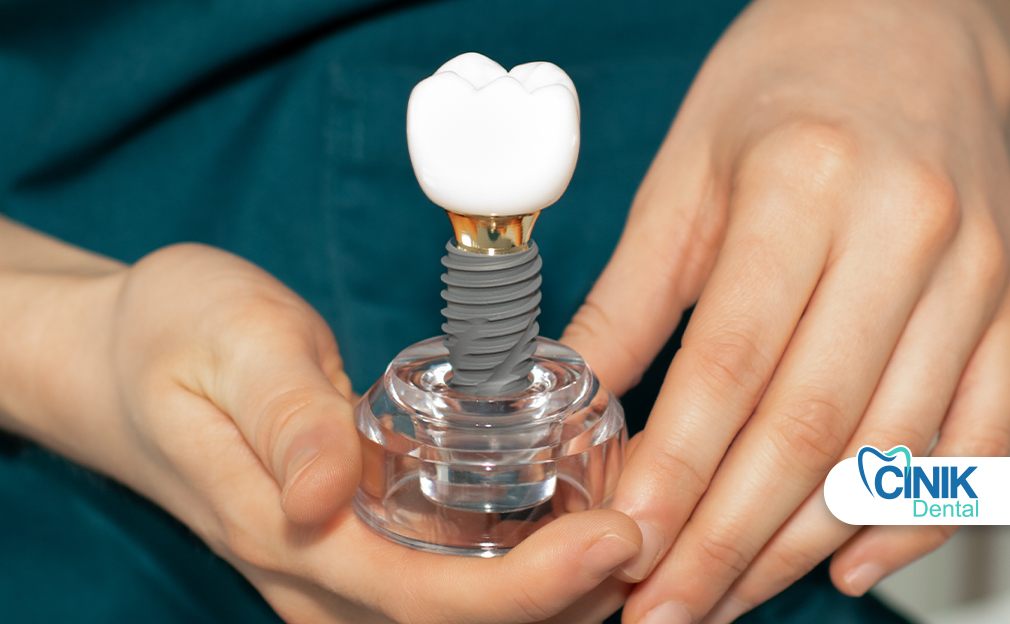
Quick Answer: Yes. Cosmetic dentistry improves both bite and appearance. Porcelain enhances aesthetics, and titanium supports stable bite function.
The aesthetics of an All-on-6 prosthesis encompass the color, translucency, and light reflection properties of the material. Bite function includes occlusion stability, phonetics, and wear on the opposing dentition (Aragoneses et al., 2022).
In terms of aesthetics, titanium meets all requirements except for color stability; it tends to darken with oxidation and discolor the surrounding tissue, a concern with thin gingiva. Porcelain provides a more natural appearance and continues to satisfy all aesthetic criteria (Davoudi et al., 2023).
With regard to bite function, the literature indicates that under natural dentition, a titanium-based design preserves occlusion better than a porcelain-based design. However, All-on-6 cases generally involve an enlarged occlusal scheme compared to the pre-extraction bite; under these circumstances, no significant differences between the two materials are evident.
7. What maintenance and care are required after treatment?
Quick Answer: All-on-6 requires daily cleaning and regular dental checkups to keep implants and restorations healthy.
The maintenance and care of All-on-6 prostheses require attention to both implants and prosthetic components. Detailed cleaning and flossing protocols are needed to prevent peri-implant diseases. Special attention to wear and chipping is required for porcelain components. All-on-6 designs can incorporate cleaning locations, which facilitate home care and access for professional maintenance (Aragoneses et al., 2022).
Cleaning at implant sites and natural teeth is essential. Normal dentition with a toothbrush and fluoride toothpaste should be supplemented with cleaning in interproximal areas. Widely available pre-filled interdental brushes in medium and large sizes are useful. Toothpicks and un-waxed floss can also be helpful. After each meal, rinsing with water is recommended. Non-abrasive paste prevents damage to restorative materials (Mohamad Wazeh et al., 2018). Regular cleaning visits with a dentist every six months ensure professional maintenance. The patient receives oral hygiene checking with adequate cleaning teaching when required.
8. In which clinical scenarios is titanium the best choice?
Quick Answer: Titanium is best when bone quality is poor, bite forces are high, or long-term strength and cost-effectiveness are priorities.
Research shows distinct, clear clinical conditions where titanium or porcelain components should be recommended. In certain scenarios, titanium might be the better choice (Wagner and Hartung, 2021).
When bone quality is poor and loading is expected to be high, whether from bite force, bruxism, or the need for supports beyond the arch, titanium may be the material of choice. A half century of successful use provides the strongest historical evidence and reassurance of longevity. Although capable of becoming less economic over time, titanium does not appear at risk for complete loss of function after years of service. In addition, with the material typically being less costly than porcelain, it might require fewer funds up front and have a higher overall value, especially in the context of uncertainty about whether facilities will remain available for ceramic component replacement.
9. In which clinical scenarios is porcelain the best choice?
Quick Answer: Porcelain is best when aesthetics are the main priority and chewing forces are moderate, especially for patients without severe grinding or heavy bite pressure.
Clinical scenarios may favor porcelain over titanium for the full-arch All-on-6 restoration. Aesthetic priorities often arise early in the planning stage; patients wishing to avoid compromised materials favor porcelain provisions. Excessive loads rarely arise in larger topographies. Patients active in grinding or bruxing require stability reinforcement.
Natural dentition restoration through the All-on-6 protocol generally involves a multi-unit pontic scheme. Commencement through a hybrid-point or multi-point restoration forms titanium compatibility with slipped ceramic and coping failure on cross-arch or splinted systems (Wagner and Hartung, 2021).
10. How do hybrid materials improve treatment outcomes?
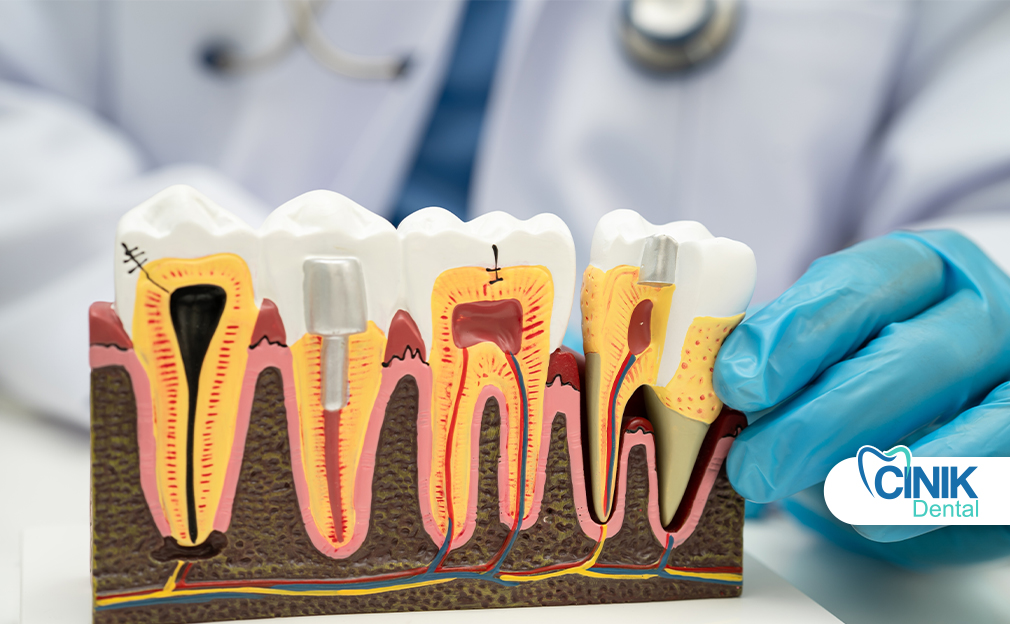
Quick Answer: Hybrid materials combine strength with aesthetics, improving both durability and appearance of All-on-6 restorations.
One emerging ceramic option for All-on-6 is lithium disilicate, which exhibits translucency and strength but may be less suitable for larger prostheses. Monolithic zirconia has been used with screw-retained titanium bases and is wear resistant on opposing dentition but lacks translucency. Other combinations include veneered zirconia, titanium–ceramic interfaces on zirconia, and titanium bases with porcelain crowns. Layered and full-ceramic designs are available, while some doctors employ a hybrid layering protocol with compatible ceramic powders; research on these approaches is minimal. Stereolithography guides for two-piece monolithic crowns are also under investigation (Piglionico et al., 2020) ; (Masoomi and Mahboub, 2024).
11. What are the possible side effects of this treatment?
Quick Answer: Possible side effects include aesthetic issues with thin gums, wear or peri-implant disease with titanium, and fracture or glaze wear with porcelain components.
Titanium dental implants have a long track record of success and are made of medical-grade titanium, a biocompatible material that supports bone healing and osseointegration. Their main disadvantages are that they can create an aesthetic challenge when soft tissue is thin, grinding against opposing teeth can wear more on the restoration, and peri-implant disease can occur without proper maintenance (Mohamad Wazeh et al., 2018).
Porcelain dental components can blend naturally with the head of a tooth, including colour, translucency, and light reflection. The potential downsides to porcelain are that restoring porcelain is a challenge, it can fracture, and the glaze can wear (Kishor Shukla et al., 2024).
12. How to make the best decision with your dentist
Quick Answer: Choose with your dentist based on your goals, bone condition, bite force, and aesthetic needs.
With titanium and porcelain choices for the All-on-6, selection depends on patient circumstances and goals. Discussions with an All-on-6 dentist should clarify important factors, including desired results, existing bone volume, and the need for further imaging or testing. Aesthetic preferences, such as translucency and color matching of zirconia or porcelain, are pivotal when restoring front teeth. Occlusal evaluations and chairside tests with popular restoration materials can help gauge wear and aesthetics. Long-term surface changes and wear patterns of specific materials can be reviewed with the dentist before making a commitment.
Making a prudent choice between titanium and porcelain requires attention to details relevant to specific, long-term patient needs. Inquiries about load-bearing tissue support and bone quality shape decisions for an All-on-6. When loss occurs to processing or tooth structure, long-term plans for material replacement may vary considerably.
13. Conclusion
All-on-6 restorations can employ titanium or porcelain. Each has merits and limitations relevant to patient decisions. Titanium offers high strength and a lengthy track record. Peri-implantitis and wear on opposing dentition can occur. Porcelain showcases superior aesthetics with natural translucency but has more complex installation and fracture risk. Case selection involves trade-offs between aesthetics, functionality, and the circumstances surrounding particular patients (Wagner and Hartung, 2021).
References:
Piglionico, S., Bousquet, J., Fatima, N., Renaud, M., Collart-Dutilleul, P. Y., and Bousquet, P. "Porous Tantalum vs. Titanium Implants: Enhanced Mineralized Matrix Formation after Stem Cells Proliferation and Differentiation." 2020. ncbi.nlm.nih.gov
Aragoneses, J., Lopez Valverde, N., Fernandez-Dominguez, M., Mena-Alvarez, J., Rodriguez, C., Gil, J., and Manuel Aragoneses, J. "Relevant Aspects of Titanium and Zirconia Dental Implants for Their Fatigue and Osseointegration Behaviors." 2022. ncbi.nlm.nih.gov
Masoomi, F. and Mahboub, F. "Stress distribution pattern in all-on-four maxillary restorations supported by porous tantalum and solid titanium implants using three-dimensional finite element analysis." 2024. ncbi.nlm.nih.gov
Enamul Hoque, M., Showva, N. N., Ahmed, M., Bin Rashid, A., Elius Sadique, S., El-Bialy, T., and Xu, H. "Titanium and titanium alloys in dentistry: current trends, recent developments, and future prospects." 2022. ncbi.nlm.nih.gov
Wagner, G. and Hartung, D. "One-Piece Titanium Implants: Retrospective Case Series." 2021. ncbi.nlm.nih.gov
Deste Gökay, G., Oyar, P., Gökçimen, G., and Durkan, R. "Static and dynamic stress analysis of different crown materials on a titanium base abutment in an implant-supported single crown: a 3D finite element analysis." 2024. ncbi.nlm.nih.gov
Davoudi, A., Salimian, K., Tabesh, M., Attar, B. M., Golrokhian, M., and Bigdelou, M. "Relation of CAD/CAM zirconia dental implant abutments with periodontal health and final aesthetic aspects; A systematic review." 2023. ncbi.nlm.nih.gov
Mohamad Wazeh, A., I. El-Anwar, M., M. Galal Atia, R., Mohammed Mahjari, R., Abdulelah Linga, S., Mujeeb Alhaq Al-Pakistani, L., and Abdel Azeem Yousief, S. "3D FEA study on: Implant Threading Role on Selection of Implant and Crown Materials." 2018. [PDF]
Kishor Shukla, A., Priyadarshi, M., Kumari, N., Singh, S., Goswami, P., B. Srivastava, S., and S. Makkad, R. "Investigating the Long-Term Success and Complication Rates of Zirconia Dental Implants: A Prospective Clinical Study." 2024. ncbi.nlm.nih.gov