Smiling is a universal form of expression, and the desire to have a beautiful smile is common to all individuals. With dramatic changes in the design of melanin pigments, dental aesthetics should focus on tooth color and shape. A recent survey determined the most desirable shade of white for different age groups and regions, resulting in the classification of six shades from white to bright white. In terms of ester and visagism principles, the most appropriate shade of white for beautiful and desirable teeth is the B1 shade. Achieving the ideal Hollywood smile involves very bright whitening and the placement of anterior aesthetic restoration whether it is Block-out or Re-Silicone Injection prosthesis.
Two different approaches to achieve various Hollywood Smile design (E. Slack, 2012) are
Natural Restoration without Bleaching is defined as restoration that is appropriate to the patient’s age, not high maintenance and long-lasting.
Ultra-White Restoration and Bleaching is a design to reduce age visibility, meet celebrity and media reference and be attractive for social media contents (Hasan Ansari et al., 2020).
1. What is a Hollywood smile?
Quick Answer: A Hollywood smile is a bright, natural-looking smile with straight, well-aligned teeth that harmonize with facial features, often achieved through veneers, crowns, alignment, or whitening.
A Hollywood smile refers to white, well-aligned teeth that look natural and have harmony with surrounding features. It is characterized by teeth that are slightly larger than normal, straight, and have a natural contour. The smile has a brightness level of A1-B1 on the VITA Classical Shade Guide or a brightness of 15 or less on the VITA Easyshade Spectrophotometer. The overall shade must not exceed colour O1, and the colour of the smile must complement that of the skin and gingiva (Hasan Ansari et al., 2020). The Hollywood smile can comprise veneers, crowns, an alignment device, or tooth whitening.
Apart from size, shape, alignment, contour, and brightness, harmony is also a vital component of the Hollywood smile. An aligned smile generally represents normal physiological wear and is accepted across all cultures.
2. How is the demand for natural smiles?
Quick Answer: Demand favors natural-looking smiles that harmonize with facial features, suit age-related aesthetics, last longer, and avoid overly white shades—making A1–B1 the most preferred range.
The demand for a natural-looking smile continues to prevail due to several factors. First, a harmonious smile instills closer links between the facial and smile aesthetics, an attribute perceived positively across different cultures. Second, a natural smile aligns with age-appropriate dentofacial characteristics; accordingly, whitening beyond a maximum shade B2 or the insertion of excessive white restorations is less acceptable for older individuals (Al Taki et al., 2016). Third, the durability of smile treatments is paramount, with re-whitening occurring sooner if a smile is taken excessively white and if a greater number of teeth have been treated white (Hasan Ansari et al., 2020).
Individuals aspiring to a Hollywood smile, therefore, often target the shade range of A1 to B1; treatments exceeding the B1 range are typically avoided in favor of a more natural appearance. Although well-performed aesthetic treatments may enhance smile beauty and increase satisfaction, no treatment is considered ideal if a social norm is perceived to have been violated, and individuals may actively conceal or stop treatment once it is noticed and commented upon. Ultimately, aesthetic norms are based on individual perceptions, and a naturally beautiful smile is preferred by a substantial proportion of today’s population.
3. What is the case for ultra-white smiles?
Quick Answer: Ultra-white smiles still signal health and status, but preferences have shifted toward softer shades like BL2 or A1, as many find extreme whiteness unnatural.
Throughout popular culture and the media, ultra-white smiles are strongly associated with health and professionalism (Hasan Ansari et al., 2020). In 2026, this standard remains present, yet the ideal brightness has evolved. The recommended shade has shifted from the long-coveted BL1 to BL2 or A1, which reflects a broader trend toward naturalism (E. Slack, 2012).
The ultra-white shade is defined as a high-contrast, bright-white shade that contrasts strongly with skin and lip colour. On the VITA shade guide, the recommended starting point for ultra-white targets the BL3 shade range. Achieving this result still typically requires treatment, as most natural tooth colours do not lie within this range. Moreover, many patients initially desire ultra-white smiles but find themselves unhappy with the results and treatment after achieving them. The ultra-white option may be perceived by some as garish, childish, or otherwise undesirable, particularly when too-frequent removal and placement of bonded-equipment coverings are required. However, the striking nature of high-contrast smiles has, in some cases, proven attractive to persons working in fashion modelling or popular music.
4. What are the factors that affect color choice?
Quick Answer: Tooth color choice depends on natural tooth traits, lifestyle habits, health limits, and cultural and media-driven beauty standards.
The selection of tooth shade for whitening procedures is influenced by numerous factors. A layman’s perception of a natural tooth color can vary significantly depending on local standards of beauty and cultural references. Certain physical and lifestyle traits are external factors that influence choice of shade. Enamel thickness, tooth baseline shade, diet, hygiene habits, use of tobacco, body mass index, and fluoride intake are key determinants of the expected shade that can be achieved. The extent of whitening also has an impact: for more drastic changes, patience becomes a factor, as whitening is not feasible during certain medical conditions that require long-term all-coverage treatment. Altered shading of opportunistic bacteria and worn contact points of teeth contribute to a darker initial shade. Select campaigns, social networks, cinema and commercial media, tele-advertising, and outside perspectives expose individuals to shades of white that eventually influence the demand for whitening (Abdulaziz Alayed et al., 2021) (Fahed Al-Nsour et al., 2018).
5. What are popular whitening and whitening-free options?
Quick Answer: Popular options include at-home or in-office whitening, while whitening-free alternatives include veneers, crowns, bonding, and orthodontic treatments.
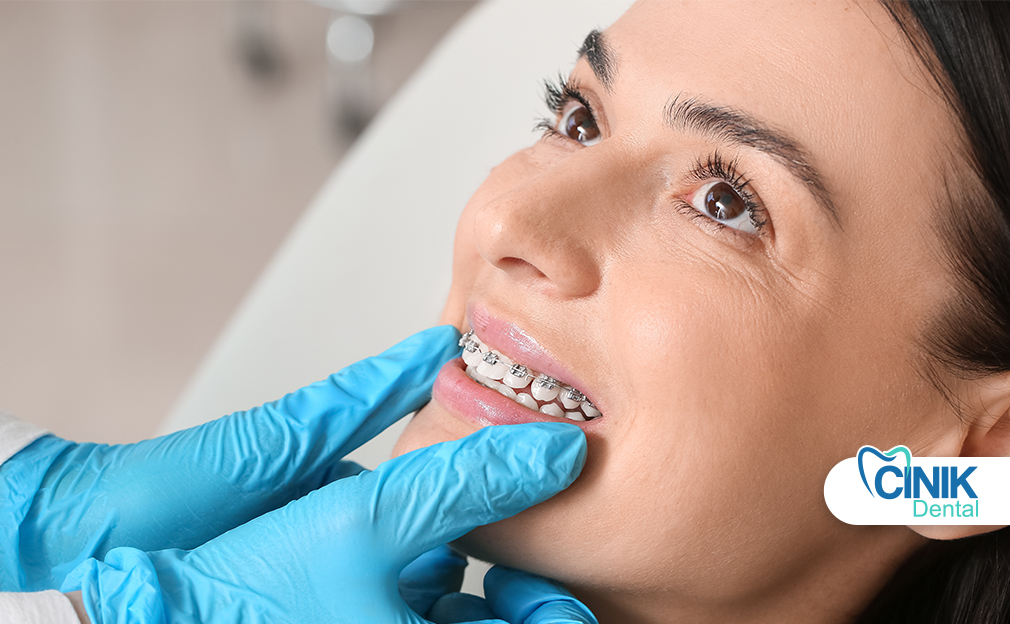
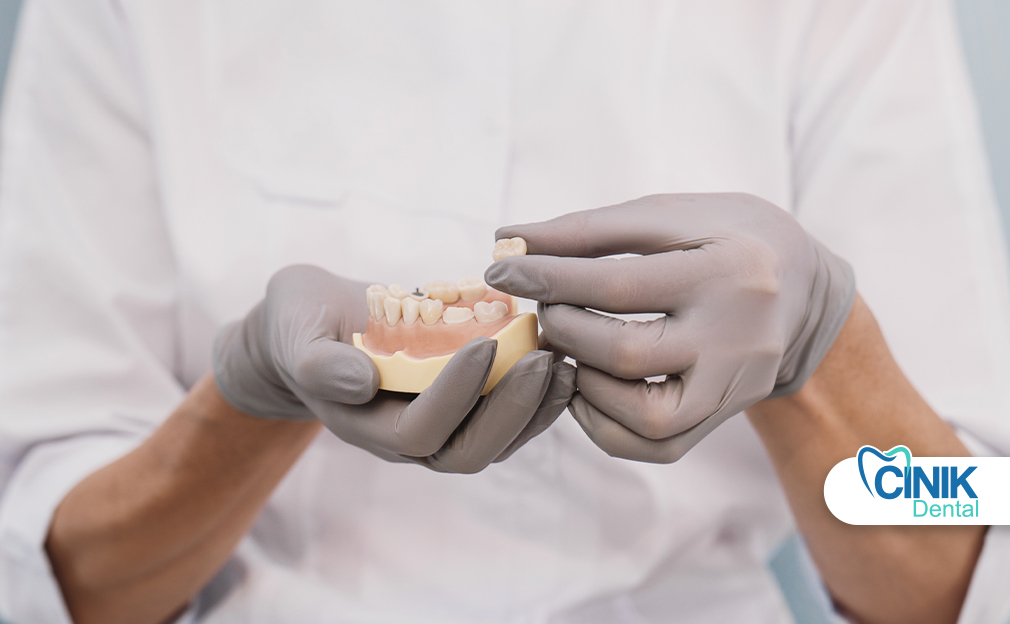
In 2026, whitening remains popular in the pursuit of a Hollywood smile and many whitening-free options are also common. At-home products and professional services are widely available. Patients may choose a whitening option based on the shade of their teeth before whitening, sensitivity to bleaching agents and desired duration of results (A. Ryskina et al., 2023). When whitening is avoided, additional options remain. Teeth can be covered with veneers, crowns, or composites to achieve a Hollywood smile; braces, aligners or even orthodontic wax can be used to correct teeth alignment; and the application of composite materials or bonding can be employed to change the tooth shape. Some patients use whitening strips in addition to other treatments; in-office whitening is also common and may be paired with veneers, crowns, or bonding (Pereira et al., 2022).
At-home whitening techniques include whitening pastes, whitening strips and tray systems with a gel. Most teeth-whitening systems use 10% carbamide peroxide; results are expected after 2–14 days. Professional whitening systems typically use 35% hydrogen peroxide and are performed in a single session, with a 25-minute application period. While at-home systems generally produce a lighter shade, in-office treatments provide immediate results suitable for fast-paced societies. Up to 50% of patients using home systems also choose in-office whitening. Various whitening products are available, including lasers, chemical oxidants, and blue light.
6. How are cultural and media influence?
Quick Answer: Cultural and media influence shapes smile ideals through celebrities and social media, shifting preferences from ultra-white smiles toward more natural, harmonious looks that vary by region, age, and time.
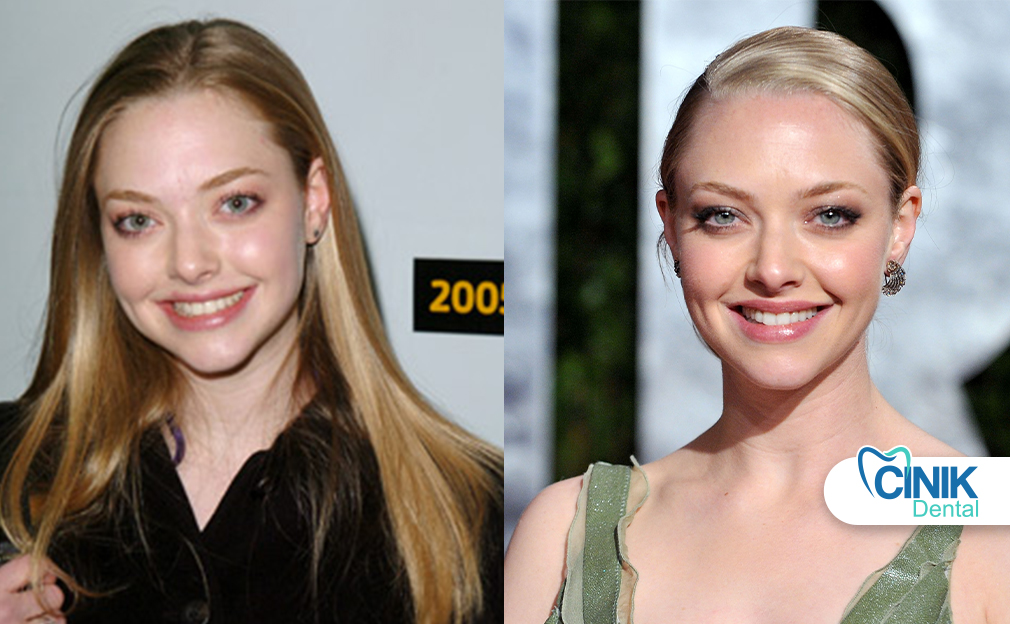
In the 1950s, Hollywood was synonymous with glamour and luxury. The very mention of it conjured images of movie stars, expensive clothes, sleek cars, luxury bungalows, and sparkling smiles. In modern times, the world of glamour has evolved; celebrities have changed. A completely white smile, once the hallmark of a superstar, is now the subject of ridicule. The Hollywood smile, characterized by size, shape, alignment, contour, and beautification of the teeth, has now become a desired status symbol among individuals, especially the youth.
Influences on the demand for the Hollywood smile include celebrity endorsements, actor’s popularity, the high standard of adornment, product endorsement, customized advertisements, and celebrity programs. Social media, especially visual-oriented formats like Instagram, has considerably affected demand for the Hollywood smile. Instead of a full-fledged Hollywood smile, a natural smile is now seen in demand. The reasons given for preferring natural looks centre on harmony with skin and gum tone, age adequacy, and longer durability of the work. A target shade from the A1D2 to A2D1 range generates greater satisfaction among clients. Social media influence is seen to be higher on the middle-age or older young generation when it comes to adopting or adhering to a Hollywood smile. Media influences play a major role in establishing the Hollywood smile.
Preferences for the Hollywood smile differ across regions. Even the same audience segment may prefer different looks or smile styles. The preference for looks changes over time as well, a full-well-bleached look that was once popular finds no takers in some segments today while the craze for ultra-white continues in other segments. Such norms also differ across cultures. Similar patterns of results are observed with the influence of media and social media (Hasan Ansari et al., 2020).
7. Conclusion
The natural look continues to be favored over ultra-white, although patients are increasingly willing to accept some level of brightness and contrast. To be attractive to a wide audience, smiles should not only match the rhythm of the face but also retain the modern, youthful aesthetics of the 21st century (Hasan Ansari et al., 2020). Even in a time of considerable turmoil, there is a growing emphasis on having brighter, regular teeth with a whiter hue than the existing shade. During consultations, many patients express an equal preference for both color and brightness.
References:
Slack, M. “Tooth Whitening Procedures and Orthodontic Treatment: A Survey of Orthodontists.” 2012. [PDF]
Hasan Ansari, S., Abdulrahman Abdullah Alzahrani, A., Mohammed Said Abomelha, A., Emadeldin Attia Elhalwagy, A., Nouraldin Mustafa Alalawi, T., and Walid Mahmoud Sadiq, T. “Influence of Social Media towards the Selection of Hollywood Smile among the University Students in Riyadh City.” 2020. ncbi.nlm.nih.gov
Al Taki, A., Khalesi, M., Shagmani, M., Yahia, I., and Al Kaddah, F. “Perceptions of Altered Smile Esthetics: A Comparative Evaluation in Orthodontists, Dentists, and Laypersons.” 2016. ncbi.nlm.nih.gov
Abdulaziz Alayed, M., Sulaiman Alnasyan, A., Abdullah Aljutayli, A., Mansour Alzaben, M., Mohammed Alrusayni, W., and Abdulmohsen Al Hujaylan, A. “Considerations and Implications in Shade Selection for Dental Restorations: A Review.” 2021. ncbi.nlm.nih.gov
Fahed Al-Nsour, H., Trad Al-Zoubi, T., and Salaheddin Al-Rimawi, A. “Relationship between tooth value and skin color in patients visiting Royal Medical Services clinics of Jordan.” 2018. ncbi.nlm.nih.gov
Ryskina, E., A. Magsumova, O., A. Postnikov, M., A. Lobaeva, T., B. Ahmedzhanov, B., N. Shishparenok, A., and D. Zhdanov, D. “Effect of the Teeth Whitening Procedure on the Mineral Composition of Oral Fluid.” 2023. ncbi.nlm.nih.gov
Pereira, R., Silveira, J., Dias, S., Cardoso, A., Mata, A., and Marques, D. “Bleaching efficacy and quality of life of different bleaching techniques — randomized controlled trial.” 2022. ncbi.nlm.nih.gov