1. Introduction to dental implants in Turkey
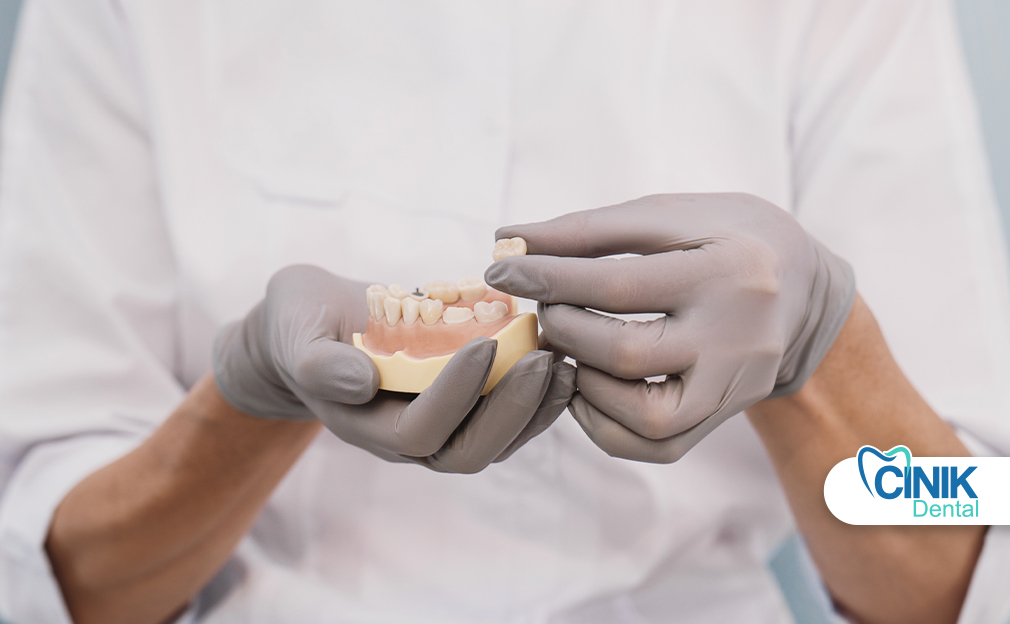
 Implants are screw-like titanium pillars surgically inserted in the upper/lower jawbone to serve as a root substitute for a crown (tooth), bridge (multiple teeth) or a denture (removable teeth). This treatment is suitable for missing or severely damaged teeth and can involve as few as one implant or up to Full Mouth Rehabilitation. Multiple implants can be placed at once. Bone grafting often bridges gaps but lengthens the implant process. (Fatani et al., 2022)
Dental implant treatments in Turkey are a clear and practical concept for anybody interested in securing the restoration of their teeth. The most important piece of information, which a possible foreign customer would like to know, is the price. How much does dental implants Turkey cost? In fact, the price for this treatment is relatively straightforward. Most clinics offer it as a fixed package cost.
Implants are screw-like titanium pillars surgically inserted in the upper/lower jawbone to serve as a root substitute for a crown (tooth), bridge (multiple teeth) or a denture (removable teeth). This treatment is suitable for missing or severely damaged teeth and can involve as few as one implant or up to Full Mouth Rehabilitation. Multiple implants can be placed at once. Bone grafting often bridges gaps but lengthens the implant process. (Fatani et al., 2022)
Dental implant treatments in Turkey are a clear and practical concept for anybody interested in securing the restoration of their teeth. The most important piece of information, which a possible foreign customer would like to know, is the price. How much does dental implants Turkey cost? In fact, the price for this treatment is relatively straightforward. Most clinics offer it as a fixed package cost.
2. What is the Cost per implant?
Quick Answer: The cost of a single dental implant in Turkey typically ranges from €350 to €900, depending on the implant brand, clinic expertise, and whether additional procedures such as bone grafting are required. The typical cost for a dental implant in Turkey ranges from €380 to €900 each, though lower-quality clinics may offer implants starting at €350. These lower prices often indicate inexperienced implantologists using lower-quality implants. Important factors that affect the final price include the brand of the implant, the expertise of the dental clinic, and whether bone or soft tissue grafting treatments are required. Turkish clinics and implant centres provide very clear pricing for patients requesting multiple implants or full-arch solutions. Costs can be clearly outlined for groups of 2 to 10 or more implants, including surgical visits, temporary screw-retained teeth, and definitive prosthetic solutions. Pricing for complete-haemridics solutions with All-on-4 or All-on-6 protocols ranging from €3,000 to €9,000 are particularly straightforward. These prices include surgery with a temporary set of teeth as well as the definitive prosthetic solution. (A Minase et al., 2024).3. What are the full mouth dental implants Turkey price?
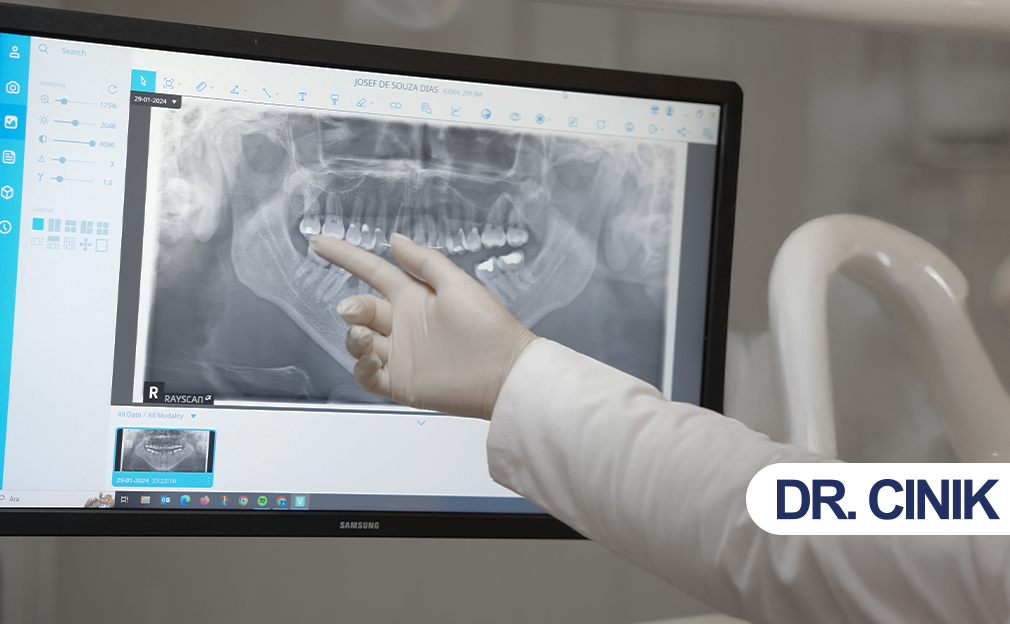 Quick Answer: Full-mouth dental implant treatments in Turkey, including solutions like All-on-4 or All-on-6, generally cost between €3,000 and €9,000. These prices typically include surgery, temporary teeth, and the final prosthetic restoration.
How much are dental implants in Turkey? Overall total costs for more than one implant, such as a row of crowns anchored on two or four dental implants, are usually in the range of €3,000–9,000, depending on the brand, clinic and specific requirements of the case. These totals should include all stages, from surgery to the final prosthetic teeth. The most common type of full-arch solution is All-on-4 or All-on-6, but hollowed-out structures that can be filled with bone material are also being used more and more in the upper jaw.
Since these can sometimes not integrate with the bone in the same way as solid implants, patients need to be informed of what is being used on them. A temporary prosthetic teeth structure is normally provided to help the patient while healing.
Quick Answer: Full-mouth dental implant treatments in Turkey, including solutions like All-on-4 or All-on-6, generally cost between €3,000 and €9,000. These prices typically include surgery, temporary teeth, and the final prosthetic restoration.
How much are dental implants in Turkey? Overall total costs for more than one implant, such as a row of crowns anchored on two or four dental implants, are usually in the range of €3,000–9,000, depending on the brand, clinic and specific requirements of the case. These totals should include all stages, from surgery to the final prosthetic teeth. The most common type of full-arch solution is All-on-4 or All-on-6, but hollowed-out structures that can be filled with bone material are also being used more and more in the upper jaw.
Since these can sometimes not integrate with the bone in the same way as solid implants, patients need to be informed of what is being used on them. A temporary prosthetic teeth structure is normally provided to help the patient while healing.
4. How is the Cost comparison with the UK, USA, and Western Europe
Quick Answer: Dental implants in Turkey cost 50–70% less than in the UK, USA, and Western Europe, even after travel costs, due to lower operating expenses and favorable exchange rates without compromising quality. After accounting for the costs of a return trip, dental implants in Turkey remain at least 50 to 70 per cent lower than in the UK, USA, and Western Europe. The reasons for these lower costs are clear and practical. The operation costs of Turkish clinics are much lower, primarily because nominal labour costs are around 25 per cent of those of the UK, USA, and Western Europe. Patients who travel to Turkey for dental implants need not worry that lower prices correlate with inferior quality. The implant systems used are identical to those available in the UK, USA, and Western Europe, and significantly the protocols employed are evidence-based. Moreover, many of the implants are placed using state-of-the-art digital planning technologies. Although the travel time is much longer, these clinics offer an accessible alternative to the high prices charged for dental implants at home.5. Why are Turkish clinics affordable?
Quick Answer: Turkish clinics are affordable due to lower operating and labor costs, high patient volumes, and favorable exchange rates, while using the same internationally certified implant systems and treatment standards as Western countries. However, despite clear, coherent language, Turkey dental implants cost remains as low as 50–70% of equivalent private dentistry in the West, even after travel expenses. Factors that keep costs so low include the size of the market, the high volume of patients, and the relatively low cost of living in Turkey. That means the operating expenses for dental treatment are lower. Each clinic caters to patients who expect high-quality results but do so within, or even below, the price point of their own private market. Costs are also affected by the exchange rate, with clinics able to offer UK patients an equivalent of £300–£600 per implant. Some factors do not affect quality, notably the origin and brand of the implant system used. Turkish dental clinics have access to the same systems certified in Turkey, Europe, and the US, and follow the same protocols as dentists operating in those countries. (Sendi et al., 2017)6. What are the Quality and standards in Turkish clinics?
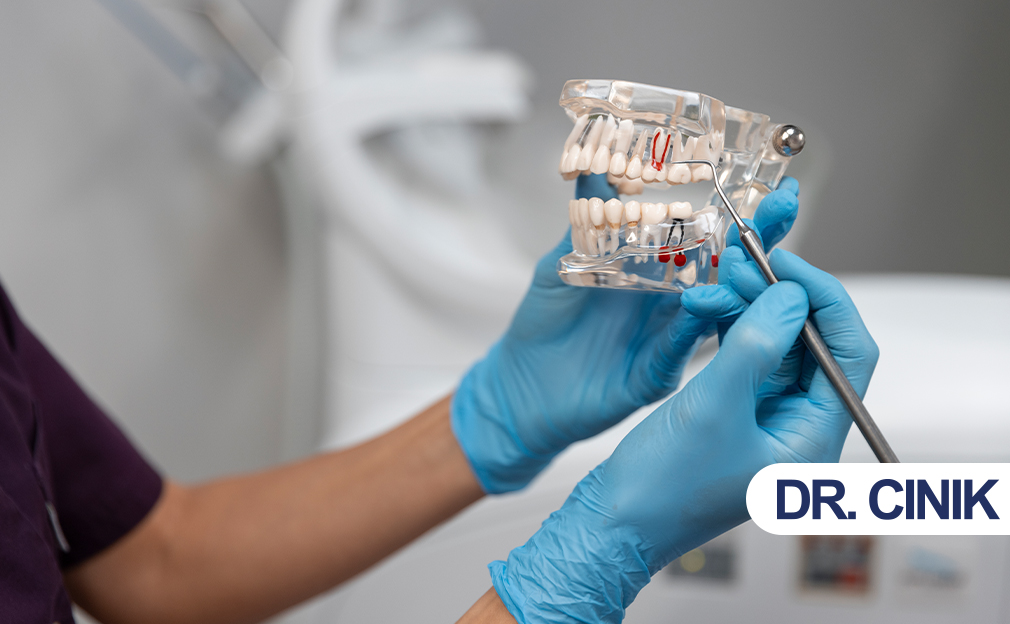 Quick Answer: Turkish clinics follow internationally certified, evidence-based protocols, use ISO-approved implant systems, and apply advanced digital planning technologies, ensuring high safety, reliability, and treatment quality comparable to the UK, USA, and Western Europe.
Evidence-based protocols that have proven safe and effective, along with modern digital planning technologies, take most risks out of the equation. Problems with bone integration are highly unlikely, and the system chosen is always one recognised and guaranteed internationally. The implants are manufactured by certified ISO and NQA quality systems and strictly use the materials listed on the package inserts.
Moreover, every dental implant clinic has high-quality digital equipment that crafts personalized teeth for each patient. These can be provisional or final structures, depending on the case. If the bone integration is predictable, the veneer work can be completed during the stay or a second trip if a dental vacation is planned. In the case of provisional teeth, a second visit is required for the final placement, which is guaranteed by the clinic and its component manufacturers.
Quick Answer: Turkish clinics follow internationally certified, evidence-based protocols, use ISO-approved implant systems, and apply advanced digital planning technologies, ensuring high safety, reliability, and treatment quality comparable to the UK, USA, and Western Europe.
Evidence-based protocols that have proven safe and effective, along with modern digital planning technologies, take most risks out of the equation. Problems with bone integration are highly unlikely, and the system chosen is always one recognised and guaranteed internationally. The implants are manufactured by certified ISO and NQA quality systems and strictly use the materials listed on the package inserts.
Moreover, every dental implant clinic has high-quality digital equipment that crafts personalized teeth for each patient. These can be provisional or final structures, depending on the case. If the bone integration is predictable, the veneer work can be completed during the stay or a second trip if a dental vacation is planned. In the case of provisional teeth, a second visit is required for the final placement, which is guaranteed by the clinic and its component manufacturers.