1. What is a dental bridge?
 Quick Answer: What is a dental bridge refers to a fixed dental prosthesis that replaces missing teeth by anchoring an artificial tooth between two crowns on adjacent teeth, typically made from porcelain, zirconia, or porcelain-fused-to-metal.
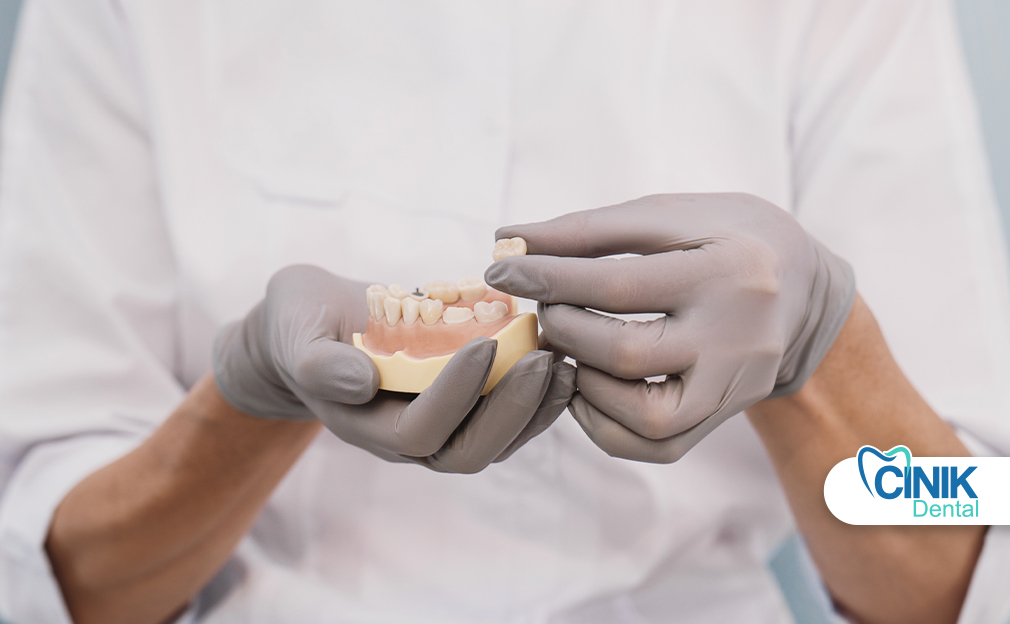
A dental bridge is a prosthetic device used to replace missing teeth (Heo et al., 2019). It consists of two crowns placed on the teeth adjacent to the gap, with a false tooth in between the crowns. A bridge can be made of various materials, including porcelain, porcelain-fused-to-metal, or zirconia. Compared to dental implants, bridges may be recommended if the adjacent teeth require substantial restoration, or when bone loss or other conditions render implants inappropriate.
Preparing for a dental bridge begins with the adjacent teeth. They are lightly shaped to permit placement of a crown over each. Then, impressions are taken that capture the shape of the prepared teeth and the surrounding structures. Specifying the materials and shade desired for the final restoration, the dentist sends the impressions to the laboratory. A temporary bridge covers the teeth until the final restoration is ready. This stage may occur the same day or after a short delay, depending on whether the laboratory is available on site.
Once the final bridge is fabricated, the dentist checks the fit. If necessary, further adjustments are made to ensure proper seating and function. Next, the bridge is tried in again with temporary cement, and the patient performs a thorough check on fit and function. When satisfied, the dentist cements the bridge permanently. Bridges may be used in conjunction with bone grafts, which can enhance the quality of future implant procedures. Alternatively, they may be combined with the extraction of one or more hopeless teeth that lie in the area of the bridge.
Quick Answer: What is a dental bridge refers to a fixed dental prosthesis that replaces missing teeth by anchoring an artificial tooth between two crowns on adjacent teeth, typically made from porcelain, zirconia, or porcelain-fused-to-metal.
A dental bridge is a prosthetic device used to replace missing teeth (Heo et al., 2019). It consists of two crowns placed on the teeth adjacent to the gap, with a false tooth in between the crowns. A bridge can be made of various materials, including porcelain, porcelain-fused-to-metal, or zirconia. Compared to dental implants, bridges may be recommended if the adjacent teeth require substantial restoration, or when bone loss or other conditions render implants inappropriate.
Preparing for a dental bridge begins with the adjacent teeth. They are lightly shaped to permit placement of a crown over each. Then, impressions are taken that capture the shape of the prepared teeth and the surrounding structures. Specifying the materials and shade desired for the final restoration, the dentist sends the impressions to the laboratory. A temporary bridge covers the teeth until the final restoration is ready. This stage may occur the same day or after a short delay, depending on whether the laboratory is available on site.
Once the final bridge is fabricated, the dentist checks the fit. If necessary, further adjustments are made to ensure proper seating and function. Next, the bridge is tried in again with temporary cement, and the patient performs a thorough check on fit and function. When satisfied, the dentist cements the bridge permanently. Bridges may be used in conjunction with bone grafts, which can enhance the quality of future implant procedures. Alternatively, they may be combined with the extraction of one or more hopeless teeth that lie in the area of the bridge.
2. How a dental bridge is used to replace teeth?
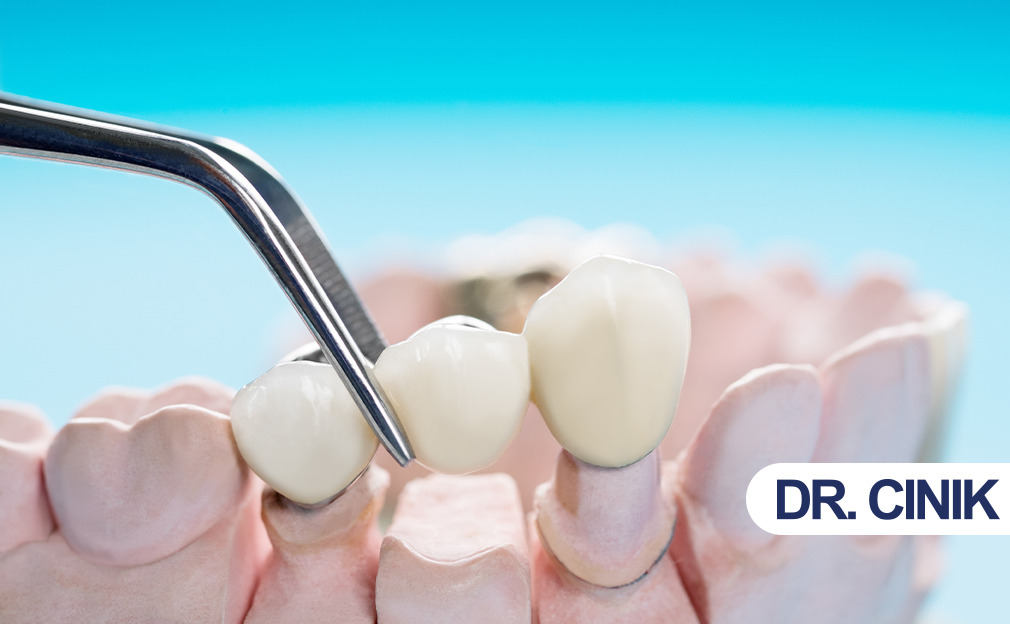 Quick Answer: A dental bridge replaces missing teeth by anchoring an artificial tooth between crowns on adjacent teeth or implants, restoring normal function and appearance.
A dental bridge replaces missing teeth by anchoring artificial teeth, called pontics, between adjacent natural teeth (abutments) or implants. After consultation, abutments are prepared by removing enamel to make room for crowns that support the bridge. A temporary bridge is fitted while the final bridge is made to ensure aesthetics and function during the waiting period.
Preparation and Fitting: The procedure starts by cleaning the abutment teeth. Local anesthetic is administered for comfort, and enamel is removed from the front and sides of the teeth. Impressions are taken, digital scans made, and a bite registration is done. The temporary bridge is cemented, and adjustments ensure proper fit, bite, and contact. When the final bridge is ready, the temporary is removed, the final fitted, cemented, and checked for new contacts. Optionally, extraction implants can be placed at the same time.
Quick Answer: A dental bridge replaces missing teeth by anchoring an artificial tooth between crowns on adjacent teeth or implants, restoring normal function and appearance.
A dental bridge replaces missing teeth by anchoring artificial teeth, called pontics, between adjacent natural teeth (abutments) or implants. After consultation, abutments are prepared by removing enamel to make room for crowns that support the bridge. A temporary bridge is fitted while the final bridge is made to ensure aesthetics and function during the waiting period.
Preparation and Fitting: The procedure starts by cleaning the abutment teeth. Local anesthetic is administered for comfort, and enamel is removed from the front and sides of the teeth. Impressions are taken, digital scans made, and a bite registration is done. The temporary bridge is cemented, and adjustments ensure proper fit, bite, and contact. When the final bridge is ready, the temporary is removed, the final fitted, cemented, and checked for new contacts. Optionally, extraction implants can be placed at the same time.
3. How much does a dental bridge cost?
Quick Answer: How much does a dental bridge cost depends on the material and number of units, typically ranging from €650 to €1,850 per unit, with multi-unit bridges often costing less overall than multiple dental implants. The cost of a bridge depends on the material used and the number of units involved. Dental bridges are usually priced by unit. For a single missing tooth, the cost of the bridge is typically around the same amount as the cost of a single dental implant. This means that if a patient is considering replacing a single tooth, it is worth comparing the price of a dental implant with a dental bridge. For multiple missing teeth, a bridge can be a more affordable option than multiple implants. A porcelain bridge priced at €820 to €1,400 per unit can therefore be cheaper than the cost of a single dental implant and crown, or the price of three or four implants used to support a bridge. Porcelain bridges, zirconia bridges, and porcelain-fused-to-metal bridges all fall in different price ranges. A typical zirconia bridge costs about €1,100 to €1,850 per unit, while a porcelain-fused-to-metal bridge normally ranges from €650 to €1,100 per unit. A multi-unit bridge that replaces two or three teeth can therefore be expected to cost less than a full set of dental implants. When one or two missing back teeth are not visible when the patient smiles, the porcelain-fused-to-metal bridges are often the most affordable option.3.1. How much the cost by unit and by material?
Quick Answer: The cost by unit and by material typically ranges from €650–€1,100 per unit for porcelain-fused-to-metal, €820–€1,400 for porcelain, and €1,100–€1,850 for zirconia, with total cost increasing based on the number of units. Dental bridges replace missing teeth. They attach to existing teeth (called abutments) on either side of the gap. A bridge typically has two crowns and a false tooth between them called a pontic. The materials generally used for bridges include porcelain, zirconia, and porcelain-fused-to-metal. Bridges offer advantages such as reduced risk of breaking, no additional surgery, and lower cost compared to implants (Schulz et al., 2023). To fit a bridge, the dentist first prepares the abutment teeth. Crowns cannot be placed without this preparation. The dentist then takes imprints that the laboratory uses to make the final bridge. A temporary bridge is fitted in the meantime. Once the final bridge is ready, the dentist checks it for bite, contours, and alignment. If adjustments are needed, the dentist modifies the bridge or informs the laboratory. The bridge is then cemented in place. After sedation, extractions or implants can proceed some time ahead of the bridge fitting. The price of a dental bridge depends on the unit cost and the number of units. Single-unit bridges cost less than multi-unit bridges. A three-unit bridge costs about as much as two single-unit bridges. For larger spans, the difference increases, but generally remains small. Material choice also affects price. Porcelain bridges alter teeth the least. Zirconia bridges require more alteration but have better wear resistance. Porcelain-fused-to-metal bridges yield a harder surface and can be less costly. The approximate price ranges for each material are as follows: porcelain €820–€1,400 per unit; zirconia €1,100–€1,850 per unit; porcelain-fused-to-metal €650–€1,100 per unit. Therefore, estimated total costs with a one-unit bridge usually fall between €820 and €1,400. For two-unit bridges, totals typically lie between €1,470 and €2,800. For three-unit bridges, estimates range from €1,770 to €3,250, while spans of four units or more usually bring total costs above €2,600. Possible extraction of the abutment tooth or minor grafting of bone tissue at that site to allow implant placement can lead to additional charges for these extra procedures. The candidate prices of these procedures generally lie between €470 and €1,400. Without insurance to cover a portion of the bill, the out-of-pocket cost for a dental bridge generally increases by roughly 50%. The range of totally expected costs depends on the clinic and its location. A wide variation in average pricing from one clinic to the next, or even geographically across different cities, can lead to further changes in the final amount. Dental bridge is a permanent solution when well cared for, such as through good oral hygiene and regular professional cleaning. Its longevity remains subject to various factors, including the patient’s individual bite and any excessive stress imposed on the bridge. A well-maintained bridge typically lasts around 15–20 years. Signs of potential wear include the presence of a black line at the junction of the prosthetic and the natural tooth. High-quality bridges are made to blend invisibly with the adjacent teeth. The artificial tooth matches the color and shape of the surrounding natural teeth; the dentist selects a final shade from the full range of options available in the office. Bridges that remain unaltered in color and contour after five years exhibit little change compared to natural teeth.3.2. What are the costs with additional procedures?
Quick Answer: Additional procedures such as tooth extraction or minor bone grafting typically add €470–€1,400 to the total cost. Tooth extraction can sometimes necessitate a wait for a bridge. A flapless grafting procedure on the day of extraction facilitates immediate bridge placement. Minor grafting aims to achieve maximum bone support to enhance bridge aesthetics and longevity (Rasaeipour et al., 2015). Such adjunct procedures can incur additional fees, which typically fall in the range of €470 to €1,400 (Cikač, 2002).4. How much does a dental bridge cost without insurance?
Quick Answer: Without insurance, the full cost is paid out of pocket and is similar to implant pricing for a single tooth, with additional fees of €470–€1,400 possible for extractions or minor grafting. Having no dental insurance generally means paying for treatment entirely out of pocket. As dental bridges are not considered elective surgery, not having insurance does not reduce the overall cost itself. Typically, a bridge supports or replaces a single lost tooth, at a price similar to getting an implant. However, when other teeth are missing, multiple-unit bridges are often used. In this case, the total outlay with insurance will be greater than the cost of the bridge, although the per-unit amount may be lower. Moreover, different clinics and regions may set different charges even for the same procedure. Therefore, estimates give a general idea of how much money will be needed. For a multi-unit bridge, the dentist will more closely check the adjacent teeth, as ill-fitting crowns can damage them. If implants are needed, they are placed first for optimal healing prior to fabrication of the bridge. Extractions of non-salvageable teeth or minor grafting procedures can incur additional charges, usually in the range of €470–€1,400.5. Is a dental bridge permanent?
Quick Answer: Is a dental bridge permanent can be answered yes—when properly cared for, it is a long-term solution, though longevity depends on oral hygiene and bite forces. Yes, a dental bridge is a permanent solution when cared for properly (Rasaeipour et al., 2015). Nevertheless, several factors can affect its longevity. Proper oral hygiene can help prolong it, while excessive stress on the bite may lead to faster deterioration (Cikač, 2002).6. How long does a dental bridge last?
Quick Answer: How long does a dental bridge last is typically 15–20 years or more with proper care and regular dental checkups. A dental bridge, when properly cared for, is considered a permanent solution. Nevertheless, its longevity can be affected by various factors, most notably the amount of wear and tear it experiences, the strength of the supporting teeth, and, to a lesser degree, the level of oral hygiene maintained by the patient. Bridges can last 15 to 20 years, many for even longer, but some may require replacement sooner because of damage or severe periodontal disease affecting the supporting teeth. Bridges, like dentures, should be inspected regularly for signs of abnormal wear or other problems. Worn occlusal surfaces can be remade or reshaped, and adjustments can be made before serious complications develop. When gum tissue grows over the bridge, it should be reshaped promptly by the dentist. A bridge that merely feels out of place can often be realigned, reshaped, or rebuffed to restore comfort.7. What does a dental bridge look like?
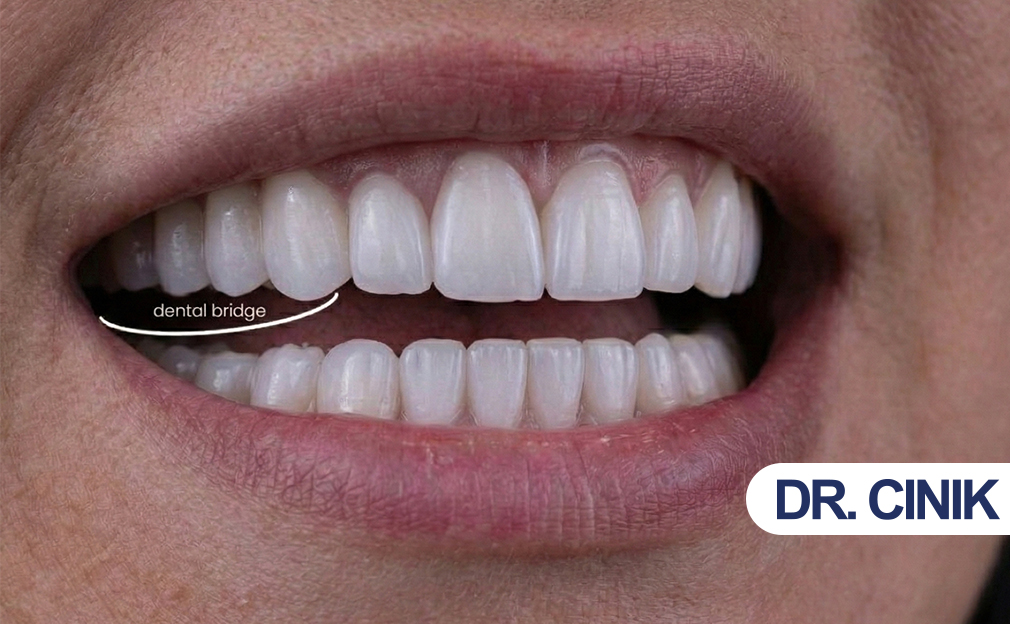
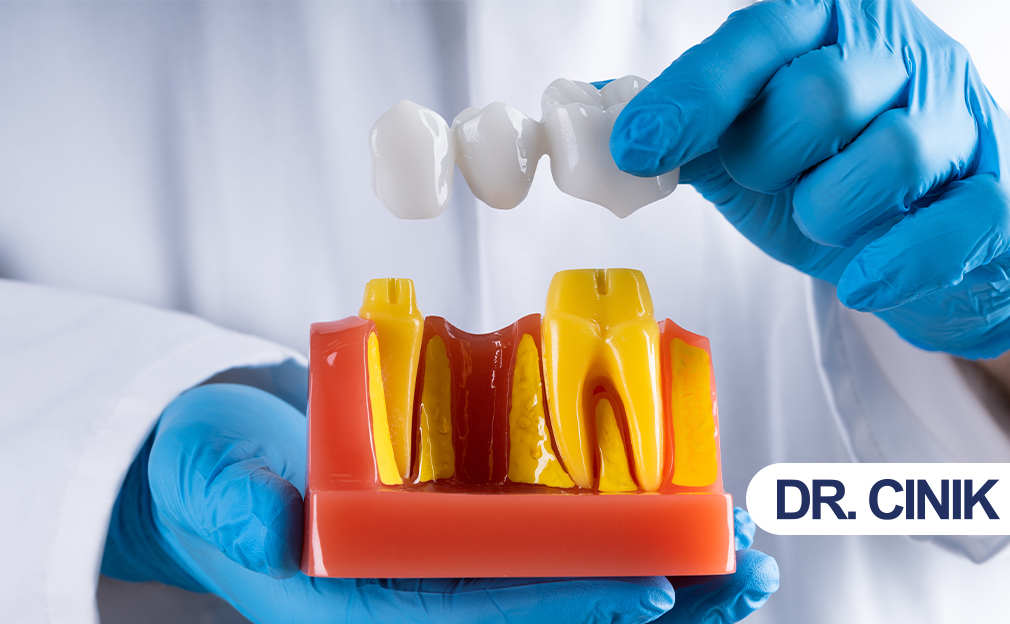 Quick Answer: A dental bridge looks like natural teeth, matching the color and shape of the surrounding teeth for a seamless appearance.
A dental bridge looks like a set of natural teeth. It matches the color and shape of the other teeth in the mouth. The false tooth in the middle is made to look like the real teeth. The shade of the bridge is decided together with the patient before the dental appliance is made. The dentist chooses a color that looks best next to the patient's other teeth. Usually, the bridge is placed on the front teeth or in front of the mouth where it is seen the most.
Because the surface of a dental bridge is smooth, there are no grooves for food to get stuck in. The bridge is also made of strong material. With good care, this dental appliance does not break.
Quick Answer: A dental bridge looks like natural teeth, matching the color and shape of the surrounding teeth for a seamless appearance.
A dental bridge looks like a set of natural teeth. It matches the color and shape of the other teeth in the mouth. The false tooth in the middle is made to look like the real teeth. The shade of the bridge is decided together with the patient before the dental appliance is made. The dentist chooses a color that looks best next to the patient's other teeth. Usually, the bridge is placed on the front teeth or in front of the mouth where it is seen the most.
Because the surface of a dental bridge is smooth, there are no grooves for food to get stuck in. The bridge is also made of strong material. With good care, this dental appliance does not break.