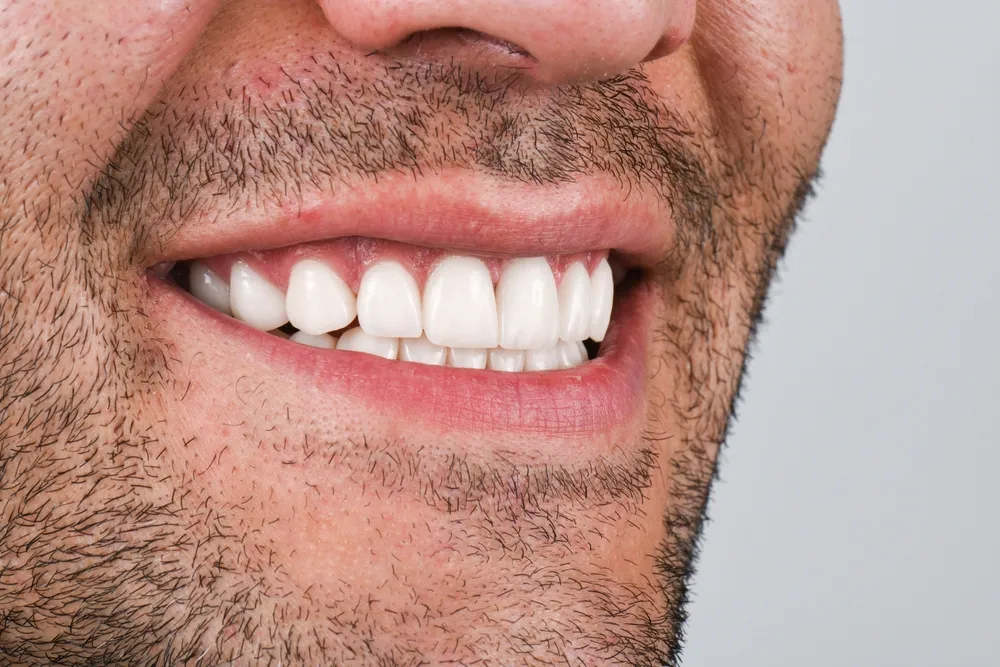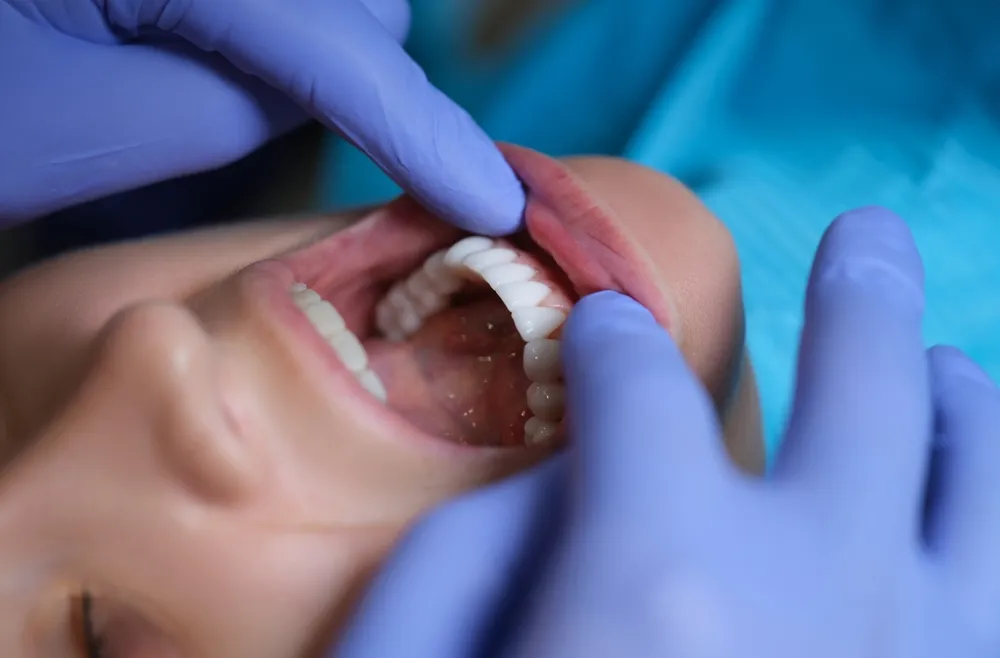
Imagine this: you bite into an apple, feel that dreaded crunch, and realize you’ve chipped a tooth. But instead of panicking about dental bills or contemplating dentures, you just pop a pill, wait a few months, and voila your tooth grows back, good as new. No, this isn’t the plot of a futuristic sci-fi movie. It’s real life… Well, almost. A new drug for regrowing teeth is on the horizon, and it's about to drastically change the way we think about dental care.
From Fillings to Full-On Regrowth
Modern dentistry is impressive, but it’s mostly about patching things up fillings, crowns, root canals, and when all else fails, implants. But what if we could skip the patchwork altogether and just grow a new tooth? Enter the groundbreaking teeth regeneration drug, a beacon of hope for the millions who lack teeth due to poor heredity, or just have said a not-so-fond farewell to a molar or two. This revolutionary treatment aims to do what nature doesn't usually allow in adult humans: regrowing teeth naturally. Yes, really. At last!
Science or Sorcery?
This ‘miracle’ is based on medicine, not magic (though looks pretty much like it). The approach that will soon yield in a new drug, is the brainchild of researchers from Japan. The group is led by Dr. Katsu Takahashi, a scientist who had been looking for the solution to this problem for about three decades. He is the head of the dentistry and oral surgery department at the Medical Research Institute of Kitano Hospital, which is in the city of Osaka. He is also a co-founder of Toregem Biopharma the Kyoto University spin-off, which now is refining this groundbreaking technology. The tests in humans are already going on! "The idea of growing new teeth is every dentist's dream. I've been working on this since I was a graduate student. I was confident I'd be able to make it happen," said Katsu Takahashi, whose work has actually been making this dream come true.
How It All Works: The Three Keys to Understanding
To grasp the general idea of the research, which is about to give us a means of regrowing teeth naturally, you’ll need to learn three abbreviations. They are USAG-1, BMPs, and TRG035. Well, what do they stand for? USAG-1, or uterine sensitization associated gene-1, is a protein, coded by a specific gene. That’s exactly what the Japanese researchers targeted in their famous study. USAG-1 plays a key role in suppressing tooth growth. The second abbreviation BMPs stands for bone morphogenetic proteins. BMPs regulate development of bones and organs. That’s what helps a new tooth grow. The scientists have developed a monoclonal antibody, which inhibits USAG-1, so that BMPs could freely do their work facilitate growth of new teeth. This antibody was named TRG035. The future teeth regeneration drug will actually contain TRG035, when scientists decide on the optimal pharmaceutical forms, doses, and routes of administration.
Dr. Katsu Takahashi: The Pioneer of Tooth Regrowth
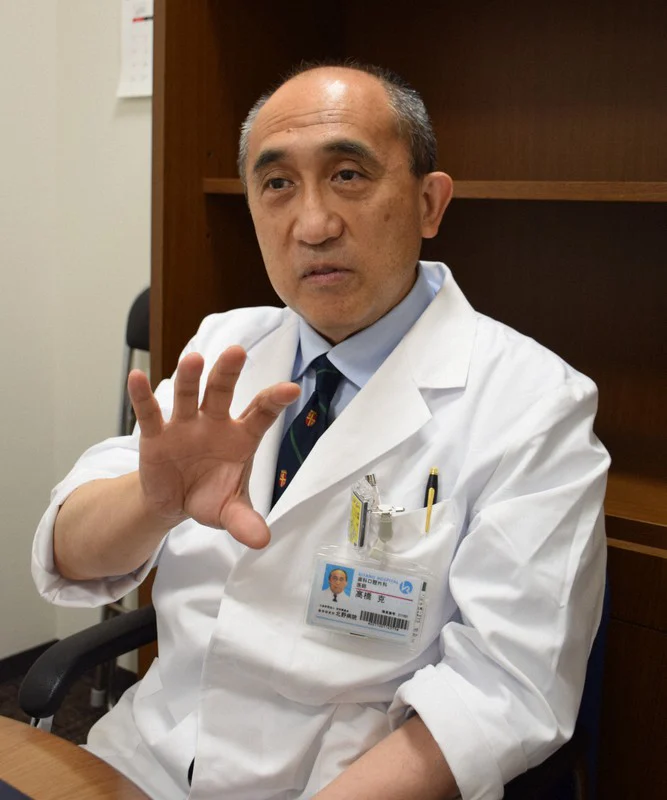
Dr. Katsu Takahashi is a Japanese dentist-scientist who now leads a major project on growing teeth at Kyoto University. He is a senior lecturer at Kyoto University’s Graduate School of Medicine and also heads the oral surgery and dentistry department at Kitano Hospital in Osaka. Takahashi became interested in the problem of growing new teeth in the early 1990s, during his graduate studies in molecular biology at Kyoto University. Later, he spent some time in the United States working with research teams who were studying genes affecting tooth development. After returning to Kyoto University in 2005, Dr. Takahashi collaborated with a team of researchers who identified the gene that codes for the protein USAG-1.
Unlocking the Third Dentition
Here are some key milestones of Takahashi’s work:
2018: The studies on mice showed that inhibiting USAG-1 caused missing teeth to grow.
2020: Toregem Biopharma Inc. was founded. This Japanese startup sprouted out of Kyoto University’s academic research ecosystem.
2021: Takahashi and colleagues published their results (in Science Advances) demonstrating the method of growing new teeth in mice and ferrets.
2023: The Kyoto University spin-off Toregem raised about 380 million yen (about $2.5 mln.) to prepare the antibody drug for human tests.
October 2024: Clinical trials began at Kyoto University Hospital to check the drug for side effects. Single doses of the antibody were injected into gums of healthy adult volunteers. "It's a technology completely new to the world", – commented Takahashi then.
Plans for 2025 include a clinical trial for the drug for children between 2 to 6 years old with congenital tooth agenesis a condition where adult teeth never form. Each child will be injected with one dose of the antibody to induce teeth growth.
In summary, the team went from mouse experiments in 2018 to human trials by 2024 – a remarkably fast pace for a new therapy. No wonder: humankind has long been waiting for it!
Toregem Biopharma: A Future Full of Smiles
Encouraged by the success of the early research, Dr. Takahashi co-founded a biotech startup called Toregem Biopharma, which is now at the forefront of bringing this innovation to the public. Toregem Biopharma Inc. was launched in 2020. It is a private company with headquarters in Kyoto, Japan. Its main goal is simple: to create a safe and effective drug for regrowing teeth and make it available to all who need it. Toregem’s primary product is TRG035 (a monoclonal antibody that inhibits USAG-1). It's this drug that’s now undergoing clinical trials. The long-term plans include broadening the treatment to include people who initially had teeth but lost them due to injury, decay, or disease. It’s virtually tens of millions of people, or maybe hundreds…
An Endless Market
Normally, an adult has 28 teeth, plus 4 so-called wisdom teeth (which may or may not grow in an adult, usually after 17 years of age). But according to statistics, about 0.1% of the world population are missing one or more permanent teeth due to hereditary conditions. One of them is tooth agenesis, when one or more teeth don’t develop. There are three forms of tooth agenesis:
Hypodontia: missing 1 to 5 teeth (excluding wisdom teeth)
Oligodontia: missing 6 or more teeth
Anodontia, or congenital edentulism: complete absence of all teeth.
Just imagine life without teeth from childhood! It’s not only the self-confidence of a growing child that suffers. As Katsu Takahashi noted, "Missing teeth in a child can affect the development of their jaw bone". For adults, it's no good either. Tooth loss affects:
Nutrition, because chewing becomes harder
Speech, especially with missing front teeth
Mental well-being, because self-confidence goes down
and even
Cognitive health: studies show that tooth loss may correlate with memory issues.
Treating tooth agenesis now means using implants or dentures. What Toregem Biopharma will soon offer is a real tooth regeneration therapy — for the first time ever. At least 0.1% of people are looking forward to the results of the testing. What do these tests look like? TRG035 antibody-containing liquid is injected in the jaw near the site of the missing tooth. Researchers hope that in a few months tooth buds will form, which in due course will develop into fully functional teeth. Needless to say, this method could revolutionize dental care, because nothing can truly replace natural teeth. In theory, even seniors whose teeth are missing for decades, might benefit from this new therapy. This could be a revolution. Instead of filling holes, we’ll be growing replacements. It looks like the future is smiling at us.
What Could This Mean for the Dental Industry?
It’s no exaggeration: if this new technology is adopted, it could shake up the $37 billion global dental implant market. Bad news for dentists? Not really. Rather than putting dentists out of business, it may shift their role from mechanics to regeneration specialists. They’ll still monitor oral health, ensure proper alignment, manage complications, and oversee tooth regrowth. Imagine sitting in a clinic not to get a filling, but to activate your next incisor. Sounds tempting, right?
Social Media Buzz and Public Reaction
When Indian biotech leader Kiran Mazumdar-Shaw posted about this discovery on Instagram, the internet lost its collective mind. Her Instagram reel showing how the medicine works quickly went viral. From Reddit threads to YouTube comment sections, people are both amazed and skeptical. Comments range from “Can I get this now?!” to “I’ll wait until someone else tests it first.” Public excitement is enormous and totally justified. This is the kind of advancement we all secretly hoped for during childhood, right after losing our last baby tooth.
Will This Drug for Regrowing Teeth Replace Dental Implants Completely?
Short answer? Not immediately. Implants are tried, tested, and available right now. The teeth regeneration drug is still in trials, with approval and public access likely several years away. Even after it hits the market, it may not work for everyone. There still will be people, for whom growing new teeth won’t work. For instance:
People with jawbone degeneration might not have the proper environment for teeth regrowth.
Others may have immune or systemic conditions that make the treatment risky.
Some might still prefer a quicker fix (implants can be installed in a day; growing a tooth could take months).
So, while this drug may eventually become the gold standard, implants and traditional dentistry won’t disappear overnight. Instead, we’ll likely see a hybrid system, where patients can choose between traditional and regenerative approaches, depending on their situation. And who knows? In the future, dentists might even offer patients a choice like: “Crown and bridge? Or organic molar sprouting?” Until then, learn Why Dental Implants are the Gold Standard in Tooth Replacement?
When Can You Get It?
According to Kyoto University Hospital, Phase I trials are set to conclude by 2025. The whole world is eagerly awaiting news. Well, if you’re wondering when you might be able to toss your dentures or cancel that dental implant consultation, here’s the scoop: Toregem Biopharma expects to launch the drug by 2030. That might sound far off… But remember: human tooth regeneration was science fiction just a decade ago. So, five years is lightning fast! In the meantime, your best bet is to keep your existing teeth healthy. Just because you might be able to grow new ones doesn’t mean you shouldn't take care of them.
Will This Be Covered by Insurance?
Probably not right away. Like all new therapies, especially gene-related ones, the initial cost will be high. But if long-term studies show it prevents further oral complications, insurance companies may change their tune. In the long run, paying for a tooth-regrowth injection might be cheaper than covering multiple crowns, bridges, and gum surgeries. And, generally speaking, when a ground-breaking technology yields in something tangible, at first this product is pricey indeed. But later, it gets cheaper and cheaper, until the former luxury becomes available to all. Remember how expensive the very first personal computers and cell phones were…
Final Thoughts: Chew On This
Nobody loves going to the dentist. But with this new wave of regenerative dentistry, the future might look very different. Just an injection or a pill, a bit of patience, and your own body doing what it was always meant to do: heal. If Toregem’s trials succeed, the implications are enormous. The company estimates that over 50 million people in Japan and the U.S. alone could benefit from their therapy. That’s a whole lot of smiles being restored — without drills, implants, or dentures. If that doesn’t make you smile with joy, we don’t know what will.