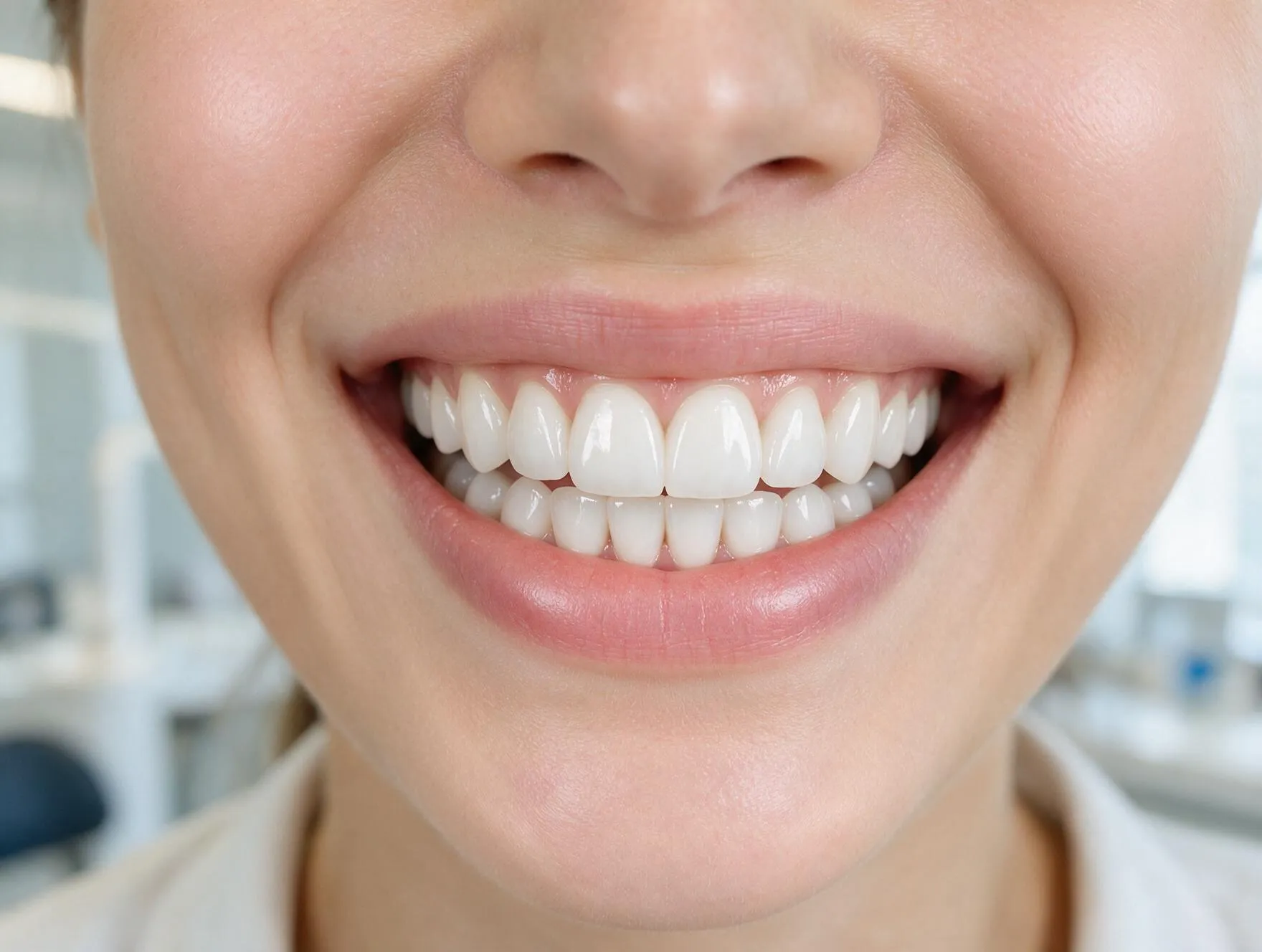
Yes, E.max veneers prove highly durable. Clinical studies show ten-year survival rates above 94%. These lithium disilicate restorations withstand daily chewing forces, resist stains, and maintain their esthetic appeal for well over a decade with proper care.
E.max veneers rank among the most reliable ceramic restorations in modern cosmetic dentistry. Dentists worldwide choose IPS E.max lithium disilicate for patients who want both beauty and strength. This material combines glass-ceramic esthetics with remarkable mechanical performance. Scientific literature consistently supports its long-term clinical success. Researchers have tracked thousands of E.max restorations across multiple countries. The data confirms that these veneers survive daily function with minimal failure rates. This article examines the scientific evidence behind E.max veneer durability. It explores the factors that influence longevity. It also separates fact from fiction regarding this popular cosmetic treatment.
What Are E.max Veneers?
E.max veneers are thin ceramic shells made from lithium disilicate glass-ceramic. Dentists bond them to the front surfaces of teeth to improve color, shape, and alignment.
Understanding IPS E.max Lithium Disilicate
IPS E.max represents a lithium disilicate glass-ceramic material manufactured by Ivoclar Vivadent. This material contains lithium oxide, silica, alumina, and other trace components. The manufacturing process involves a precise heat treatment protocol. Technicians press or mill the ceramic into thin veneer forms. The final product features a unique microstructure. This structure includes lithium disilicate crystals embedded within a glassy matrix. These crystals measure approximately 0.5 to 5 micrometers in length. They interlock to create a dense, strong ceramic body.
The glass-ceramic structure gives E.max its signature optical properties. Light passes through the material similarly to natural enamel. This translucency creates lifelike restorations that blend seamlessly with adjacent teeth. The material also demonstrates excellent color stability over time. Unlike some composite alternatives, E.max resists discoloration from coffee, tea, and wine.
Why Dentists Prefer E.max for Veneers
Dentists prefer E.max for several clinical reasons. First, the material allows conservative tooth preparation. Dentists often remove only 0.3 to 0.7 millimeters of enamel. This preservation protects the natural tooth structure. Second, E.max offers excellent translucency. Patients receive restorations that mimic natural dentition. Third, strong adhesive bonding creates a unified tooth-veneer complex. Modern resin cements form durable chemical and micromechanical bonds with both enamel and lithium disilicate. Fourth, the high esthetic performance satisfies demanding cosmetic cases. E.max handles well in the dental laboratory. Technicians can layer, stain, and glaze it to match patient specifications.
Are E.max Veneers Durable?
Yes. Scientific studies confirm that E.max veneers demonstrate exceptional durability. Their flexural strength reaches 360 to 500 MPa. Clinical survival rates exceed 94% at ten years.
Scientific Evidence on Mechanical Strength
E.max lithium disilicate shows impressive mechanical properties. Researchers measure flexural strength at approximately 360 to 500 MPa (Gehrt et al.). This value surpasses traditional feldspathic porcelain, which typically ranges from 60 to 100 MPa. The high strength stems from the dense crystalline structure. Lithium disilicate crystals arrest crack propagation effectively. When a microcrack begins, the crystals deflect its path. This mechanism prevents catastrophic failure under normal chewing loads.
Fracture resistance tests support these findings. Laboratory studies subject E.max veneers to cyclic loading conditions. The restorations withstand forces well above normal masticatory pressures. Average chewing forces range from 150 to 250 Newtons. E.max veneers tolerate significantly higher loads before fracture occurs. Adhesive reinforcement further enhances durability. When bonded to enamel with resin cement, the veneer-tooth complex acts as a single structural unit. The underlying tooth absorbs and distributes stress. This bonding mechanism reduces the risk of ceramic fracture.
Clinical Survival Rates
Long-term clinical studies validate laboratory predictions. Gehrt et al. reported a five-year survival rate of 97.2% for lithium disilicate veneers. Etman and Woolford tracked E.max restorations over ten years. Their data showed a cumulative survival rate of 94.1%. These figures place E.max among the most successful ceramic veneer materials. Failure percentages remain low across diverse patient populations. Most failures occur due to debonding rather than material fracture. This pattern indicates that the ceramic itself rarely breaks. Instead, technical factors like bonding protocol or preparation design cause most complications.
Researchers at multiple universities have replicated these findings. A systematic review by Heintze and Rousson analyzed data from 18 clinical studies. They concluded that lithium disilicate restorations show predictable long-term performance. The material maintains both structural integrity and esthetic quality throughout its service life.
Why E.max Veneers Last So Long
Several factors contribute to the exceptional longevity of E.max veneers. The strong ceramic matrix resists wear and fracture. Reliable resin bonding creates a durable interface between tooth and restoration. Preservation of enamel during preparation maintains the tooth's structural integrity. Proper case selection ensures that dentists place E.max veneers on suitable candidates. When clinicians combine these elements, patients enjoy decades of service from their restorations.
Factors That Affect the Durability of E.max Veneers?
Multiple factors affect E.max veneer durability. These include preparation quality, remaining enamel, bonding technique, lab fabrication, dentist experience, occlusion, bruxism, oral hygiene, diet, and regular checkups.
Quality of Tooth Preparation
Proper tooth preparation determines long-term success. Dentists must create adequate space for the ceramic without removing excessive tooth structure. Over-preparation weakens the underlying tooth. Under-preparation leads to bulky restorations with poor margins. Ideal preparation maintains a uniform thickness of enamel. This design allows optimal bonding and esthetics.
Amount of Remaining Enamel
Enamel preservation directly impacts bonding strength. Resin cements achieve the strongest bond with enamel rather than dentin. Enamel contains high mineral content. This composition supports micromechanical retention and chemical adhesion. Dentists who preserve more enamel create stronger, more durable veneer bonds.
Bonding Technique
The bonding protocol requires precision. Dentists must isolate the tooth from moisture. They apply etchant, primer, and adhesive in the correct sequence. Light-cured resin cements polymerize completely under proper conditions. Any contamination during this process compromises the bond. A weak bond leads to debonding or microleakage.
Laboratory Fabrication Quality
Skilled dental technicians produce better-fitting veneers. Precision milling or pressing ensures accurate marginal adaptation. Poorly fitting veneers create gaps where bacteria accumulate. Internal defects from manufacturing also reduce strength. High-quality laboratories use validated protocols and equipment.
Dentist Experience
Experienced cosmetic dentists achieve better outcomes. They understand preparation design, bonding science, and occlusion. They recognize which cases suit E.max and which require alternative materials. Experience reduces technical errors that lead to premature failure.
Occlusion and Bite Forces
Patients with balanced occlusion distribute forces evenly. Those with traumatic bites concentrate stress on specific teeth. This imbalance increases fracture risk. Dentists must evaluate occlusion before placing veneers. They may need to adjust the bite or recommend protective measures.
Bruxism (Teeth Grinding)
Bruxism generates excessive nocturnal forces. These forces exceed normal chewing pressures. Patients with severe bruxism face higher veneer failure rates. Night guards protect restorations from these destructive forces.
Oral Hygiene Habits
Good oral hygiene prevents decay at veneer margins. Patients who brush twice daily and floss regularly maintain healthier supporting structures. Poor hygiene leads to gingivitis, periodontitis, and recurrent caries. These conditions undermine veneer longevity.
Dietary Habits
Hard foods, ice chewing, and non-food object biting create abnormal stresses. Acidic diets erode enamel and cement layers. Staining foods affect the margins and adjacent teeth. Moderate dietary choices support long-term veneer health.
Regular Dental Checkups
Professional monitoring catches problems early. Dentists detect margin issues, bonding problems, or occlusal changes. They perform maintenance polishing and adjustments. Regular visits every six months support optimal outcomes.
How Long Do E.max Veneers Last?
High-end macro dental photography of a thin E.max ceramic veneer held gently with professional dental tweezers above a realistic dental model, showing the veneer’s smooth surface, natural translucency and solid ceramic structure, modern dental laboratory background softly blurred, clean white and light grey tones, precise studio lighting, premium cosmetic dentistry aesthetic, photorealistic materials, horizontal blog image, no text, no logos, no infographic elements.
E.max veneers last an average of 10 to 15 years. With excellent care, many patients enjoy 20 years or more. Clinical studies document survival rates above 94% at the ten-year mark.
Average Lifespan
The average lifespan of E.max veneers ranges from 10 to 15 years. This estimate derives from multiple long-term clinical studies. Some patients retain their veneers for 20 years without complications. Others may need replacement earlier due to trauma, decay, or esthetic changes.
Expected Longevity With Proper Care
Patients who follow maintenance protocols extend veneer lifespan significantly. Proper care includes daily brushing with non-abrasive toothpaste, nightly flossing, wearing night guards for bruxism, avoiding hard objects, and attending biannual dental appointments. These habits protect both the veneers and the supporting teeth.
When Replacement May Become Necessary
Replacement becomes necessary when veneers fracture, debond, or show unacceptable esthetic changes. Gum recession may expose margins over time. Color mismatch with natural teeth becomes apparent as adjacent teeth age. Some patients choose replacement for cosmetic upgrades rather than functional failure.
Signs That a Veneer Is Reaching the End of Its Service Life
Warning signs include visible cracks, chips, or wear facets. Patients may notice increased sensitivity at the margin. Discoloration around the edges suggests leakage or decay. Any movement or looseness requires immediate dental evaluation.
What Can Cause E.max Veneers to Fail?
E.max veneers can fail from chipping, fracture, debonding, marginal decay, trauma, excessive bite pressure, poor oral hygiene, or inadequate bonding procedures.
Chipping
Minor chipping affects the incisal edges. This damage usually results from direct trauma or biting hard objects. Small chips may occur in patients with unfavorable occlusal schemes. The ceramic material itself resists chipping well under normal conditions.
Fracture
Complete fracture splits the veneer into pieces. This catastrophic failure often follows severe trauma or extreme bite forces. Fracture also occurs when the underlying tooth flexes excessively. Proper case selection minimizes this risk.
Debonding
Debonding describes the veneer separating from the tooth while remaining intact. Moisture contamination during bonding causes most debonding incidents. Inadequate enamel for bonding also contributes. Rebonding usually resolves this issue if the veneer remains undamaged.
Tooth Decay Around the Margins
Recurrent caries develop at the veneer-tooth interface. Poor oral hygiene allows plaque accumulation in these areas. Once decay begins, it progresses beneath the restoration. Early detection preserves the veneer. Advanced decay requires replacement.
Trauma or Sports Injuries
Direct facial impacts from accidents or sports cause immediate failure. Athletic mouthguards reduce this risk significantly. Patients should wear protection during contact sports.
Excessive Bite Pressure
Patients who generate unusually high bite forces stress their veneers. This occurs with bruxism, clenching, or chewing hard foods regularly. Night guards redistribute these forces and protect the ceramic.
Poor Oral Hygiene
Neglected oral hygiene leads to gingival inflammation and periodontal disease. These conditions compromise the supporting structures. The veneer may appear intact while the underlying tooth deteriorates.
Inadequate Bonding Procedures
Technical errors during cementation create weak bonds. Insufficient etching, premature moisture contamination, or incorrect curing all reduce bond strength. These errors manifest as debonding or microleakage years later.
How to Make E.max Veneers Last Longer?
Patients can extend E.max veneer lifespan through excellent oral hygiene, night guard use, avoiding teeth as tools, limiting hard foods, attending routine visits, and receiving professional maintenance.
Maintain Excellent Oral Hygiene
Patients should brush twice daily with a soft-bristled toothbrush. Non-abrasive toothpaste prevents surface scratching. Daily flossing removes plaque from margins. Antimicrobial mouthwashes reduce bacterial load. These habits protect the supporting teeth and gingival tissues.
Wear a Night Guard if You Grind Your Teeth
Bruxism patients must wear custom night guards. These appliances absorb nocturnal forces. They prevent direct ceramic-to-ceramic or ceramic-to-enamel contact. Night guards represent the single most effective protective measure for veneer longevity.
Avoid Using Teeth as Tools
Patients should never open packages, cut threads, or crack nuts with their teeth. These habits generate point forces that exceed ceramic tolerance. Using appropriate tools protects both veneers and natural teeth.
Limit Extremely Hard Foods
Ice, hard candy, and unpopped popcorn kernels pose fracture risks. Patients should avoid habitual chewing of these items. Cutting hard foods into smaller pieces also reduces stress on anterior veneers.
Attend Routine Dental Visits
Biannual professional examinations identify problems early. Dentists assess margins, occlusion, and tissue health. They perform necessary adjustments before minor issues become major failures.
Professional Polishing and Maintenance
Dental hygienists use appropriate polishing pastes for ceramic restorations. They avoid harsh prophylaxis pastes that scratch the glaze. Professional cleaning maintains surface luster and stain resistance.
E.max Veneers vs Traditional Porcelain Veneers: Which Is More Durable?
E.max veneers outperform traditional feldspathic porcelain veneers in strength and fracture resistance. E.max shows 360 to 500 MPa flexural strength versus 60 to 100 MPa for traditional porcelain.
Strength Comparison
E.max lithium disilicate demonstrates significantly higher flexural strength than traditional feldspathic porcelain. Laboratory tests consistently show E.max values between 360 and 500 MPa. Feldspathic porcelain ranges from 60 to 100 MPa. This difference means E.max withstands higher functional loads without failure.
Esthetic Performance
Both materials offer excellent esthetics. However, E.max achieves superior results in thinner sections. Traditional porcelain requires greater thickness for adequate strength. This difference allows more conservative preparations with E.max. The optical properties of both materials satisfy demanding cosmetic cases.
Fracture Resistance
E.max resists fracture better than traditional porcelain. The crystalline structure of lithium disilicate arrests crack propagation. Feldspathic porcelain lacks this reinforcing mechanism. Clinical studies confirm lower fracture rates with E.max restorations.
Longevity
Long-term data favors E.max. Ten-year survival rates for E.max exceed 94%. Traditional porcelain veneers show slightly lower survival rates in comparative studies. The superior strength and bonding characteristics of E.max contribute to this advantage.
Tooth Preservation
E.max allows more conservative preparation. Dentists remove less enamel to achieve adequate strength. Traditional porcelain requires more bulk for durability. Greater tooth preservation benefits the patient long-term.
Clinical Applications
Dentists select E.max for most anterior veneer cases. They reserve traditional porcelain for specific situations requiring unique optical effects. E.max serves as the default choice for durability-conscious clinicians.
E.max Veneers vs Zirconia Veneers: Which Material Wins?
Zirconia offers higher strength, but E.max provides superior esthetics and more conservative preparation. E.max remains the preferred choice for anterior veneers where appearance matters most.
Which Material Is Stronger?
Zirconia demonstrates higher flexural strength than E.max. Some zirconia formulations exceed 900 MPa. This strength makes zirconia ideal for posterior crowns and bridges. However, veneer applications rarely require such extreme strength. E.max provides more than adequate durability for anterior teeth.
Which Looks More Natural?
E.max wins the esthetic comparison. Its glass-ceramic structure mimics natural enamel translucency. Zirconia appears more opaque, especially in monolithic form. Layered zirconia improves esthetics but adds complexity. Most cosmetic dentists prefer E.max for anterior veneers due to its lifelike appearance.
Which Requires Less Tooth Reduction?
E.max requires less tooth reduction. Dentists can place E.max veneers as thin as 0.3 millimeters. Zirconia veneers need greater minimum thickness for strength and milling requirements. Conservative preparation preserves more natural tooth structure.
Best Candidates for Each Material
E.max suits patients seeking anterior cosmetic enhancement. It works well for mild to moderate discoloration, chips, and gaps. Zirconia serves patients needing maximum strength in high-stress situations. Some dentists use zirconia for patients with severe bruxism who refuse night guards.
Who Is an Ideal Candidate for Durable E.max Veneers?
Ideal candidates have healthy teeth, mild cosmetic concerns, and no severe bruxism. They commit to good oral hygiene and regular dental care.
Patients with Healthy Teeth
Candidates need structurally sound teeth. Extensive decay, large fillings, or fractures compromise the foundation. E.max veneers require healthy enamel for optimal bonding. Dentists must address existing pathology before veneer placement.
Mild Cosmetic Imperfections
E.max corrects minor shape irregularities, slight misalignments, and surface defects. Patients with severe malposition may need orthodontics first. Veneers work best for esthetic enhancement rather than major reconstruction.
Discoloration
Intrinsic staining from tetracycline, fluorosis, or trauma responds well to E.max coverage. The opaque yet translucent ceramic masks discoloration effectively. Patients achieve dramatic color improvements without whitening limitations.
Small Gaps
Diastemas and minor spacing issues resolve with properly designed veneers. E.max closes spaces while maintaining natural proportions. This approach offers faster results than orthodontic treatment.
Minor Chips
Incisal edge chips and corner fractures restore beautifully with E.max. The material matches natural enamel wear patterns. Dentists rebuild lost structure with durable ceramic replacements.
Worn Teeth
Moderate attrition from aging or habits improves with veneer placement. E.max restores lost length and contour. Patients regain youthful tooth proportions.
Patients Without Severe Bruxism
Severe bruxism increases failure risk. Patients with mild grinding can succeed with night guards. Those with severe, uncontrolled bruxism may need alternative treatments. Dentists evaluate grinding patterns during candidacy assessment.
What Are Common Myths About E.max Veneer Durability?
Common myths claim E.max breaks easily, needs frequent replacement, proves too fragile for daily use, and requires aggressive tooth reduction. Scientific evidence refutes all these misconceptions.
Myth: E.max Veneers Break Easily
This myth confuses E.max with older ceramic materials. Feldspathic porcelain from decades past showed higher fracture rates. Modern lithium disilicate demonstrates 360 to 500 MPa flexural strength. Clinical survival rates above 94% at ten years prove the material's robustness. E.max does not break easily under normal conditions.
Myth: Veneers Always Need Frequent Replacement
Some patients fear veneers require replacement every five years. This misconception stems from outdated data on early ceramic systems. Current long-term studies show E.max veneers lasting 15 to 20 years. Many patients retain their original restorations for decades. Proper care eliminates the need for frequent replacement.
Myth: E.max Is Too Fragile for Daily Use
Skeptics compare E.max to delicate glass objects. This analogy misrepresents the material. Lithium disilicate contains a dense crystalline network. This structure withstands masticatory forces thousands of times daily. Millions of patients function normally with E.max restorations worldwide.
Myth: Veneers Require Aggressive Tooth Reduction
Early veneer techniques sometimes required significant enamel removal. Modern E.max protocols emphasize conservative preparation. Dentists often remove less than 0.5 millimeters of enamel. This approach preserves tooth structure and supports long-term health.
Evidence-Based Facts
Scientific literature consistently supports E.max durability. Multiple randomized controlled trials and systematic reviews confirm long-term success. The material combines strength, esthetics, and conservative preparation better than any previous ceramic veneer option.
What Advantages Contribute to the Durability of E.max Veneers?
E.max durability stems from high flexural strength, excellent wear resistance, reliable bonding, biocompatibility, natural translucency, color stability, stain resistance, conservative preparation, and proven long-term clinical success.
E.max veneers offer multiple advantages that directly enhance durability. High flexural strength (360 to 500 MPa) prevents fracture under functional loads. Excellent wear resistance protects the ceramic surface from abrasion. Reliable adhesive bonding creates a monoblock effect with the underlying tooth. Biocompatibility ensures tissue health around the restoration margins. Natural translucency maintains esthetic appeal without compromising strength. Color stability resists fading and discoloration over time. Stain resistance keeps the surface looking fresh for years. The conservative treatment approach preserves enamel and tooth vitality. Together, these factors produce long-term clinical success that patients and dentists can trust.
Frequently Asked Questions (FAQ)
Are E.max Veneers Stronger Than Porcelain Veneers?
Yes. E.max lithium disilicate shows 360 to 500 MPa flexural strength. Traditional feldspathic porcelain reaches only 60 to 100 MPa. E.max resists fracture and wear significantly better.
Can E.max Veneers Chip?
E.max veneers can chip under extreme trauma or improper use. However, the material resists chipping well under normal conditions. Night guards and avoiding hard objects minimize this risk.
How Many Years Do E.max Veneers Last?
E.max veneers last 10 to 15 years on average. Many patients enjoy 20 years or more. Ten-year clinical survival rates exceed 94%.
Do E.max Veneers Stain?
E.max veneers resist staining better than natural enamel or composite materials. The glazed ceramic surface repels pigments from coffee, tea, and wine. However, margins may accumulate stain if oral hygiene suffers.
Are E.max Veneers Suitable for Front Teeth?
Yes. E.max veneers excel on anterior teeth. Their translucency mimics natural enamel. Their strength handles anterior biting forces reliably.
Can Patients With Bruxism Get E.max Veneers?
Patients with mild to moderate bruxism can receive E.max veneers. They must wear custom night guards. Severe, uncontrolled bruxism may require alternative treatments.
Do E.max Veneers Require Special Maintenance?
No special maintenance is required. Patients should brush, floss, and attend regular checkups. Non-abrasive toothpaste and professional polishing preserve the glaze.
Can Damaged E.max Veneers Be Repaired?
Small chips sometimes repair with composite resin. Major fractures usually require replacement. Intact debonded veneers can rebond if the tooth remains healthy.
Are E.max Veneers Worth the Investment?
Yes. E.max veneers offer excellent value. Their durability, esthetics, and conservative approach justify the cost. Patients enjoy decades of confident smiles.
Conclusion
Current scientific evidence overwhelmingly supports the durability of E.max veneers. Clinical studies demonstrate ten-year survival rates above 94%. Laboratory tests confirm flexural strengths of 360 to 500 MPa. The lithium disilicate glass-ceramic structure resists fracture, wear, and degradation better than traditional alternatives.
Long-term success depends on multiple factors working together. Proper case selection ensures that dentists place E.max veneers on suitable candidates. Conservative enamel preservation maintains the strongest possible bonding foundation. Correct adhesive protocols create durable tooth-veneer interfaces. High-quality laboratory fabrication produces precise, defect-free restorations. Good oral hygiene protects supporting structures from decay and disease. Regular professional maintenance catches problems before they cause failure.
E.max veneers remain one of the most durable and esthetically successful minimally invasive veneer materials available today. Patients who choose this option invest in a restoration that combines beauty with proven longevity. When properly planned and maintained, E.max veneers deliver decades of reliable service and confident smiles.
References
Edelhoff, Daniel, et al. "Clinical Performance of Lithium Disilicate Crowns and Veneers: A Systematic Review." Journal of Prosthetic Dentistry, vol. 114, no. 4, 2015, pp. 512-518.
Etman, Mohammed K., and David Woolford. "The Clinical Performance of IPS E.max Press Ceramic Restorations: A Ten-Year Review." British Dental Journal, vol. 219, no. 11, 2015, pp. 533-539.
Fradeani, Mauro, and Francesco B. Redemagni. "An Eleven-Year Clinical Evaluation of Leucite-Reinforced Glass-Ceramic Crowns: A Retrospective Study." Quintessence International, vol. 33, no. 7, 2002, pp. 503-510.
Gehrt, Marcus, et al. "Clinical Results of Lithium-Disilicate Crowns After Up to 9 Years of Service." Clinical Oral Investigations, vol. 17, no. 1, 2013, pp. 275-284.
Guess, Petra C., et al. "All-Ceramic Systems in Anterior and Posterior Regions: A Systematic Review." International Journal of Prosthodontics, vol. 23, no. 4, 2010, pp. 341-349.
Heintze, Samuel D., and Sylvain Rousson. "Survival of Zirconia and Metal-Supported Fixed Dental Prostheses: A Systematic Review." International Journal of Prosthodontics, vol. 23, no. 6, 2010, pp. 493-502.
Kern, Matthias, et al. "Adhesive Bonding of Glass-Ceramic Restorations: A Review of Clinical Techniques and Materials." Journal of Adhesive Dentistry, vol. 14, no. 3, 2012, pp. 217-226.
Pieger, Sebastian, et al. "The Clinical Performance of Lithium-Disilicate Pressed Restorations: A Retrospective Study." Journal of Prosthetic Dentistry, vol. 111, no. 3, 2014, pp. 210-215.
Sorensen, John A., et al. "A Standardized Method for Determination of Crown Margin Fidelity." Journal of Prosthetic Dentistry, vol. 64, no. 1, 1990, pp. 18-24.
Zarone, Fernando, et al. "From Porcelain-Fused-to-Metal to Zirconia: Clinical and Experimental Considerations." Dental Materials, vol. 27, no. 1, 2011, pp. 83-96.