Canadian patients increasingly explore dental tourism options for zirconia implants. Turkey offers significant savings. Canada provides local convenience. This article compares costs, quality, safety, and overall value. Readers will discover real price differences, treatment timelines, travel expenses, and clinical standards. Cost matters, but quality and long-term outcomes matter more. Zirconia dental implants represent a major investment in oral health. Patients deserve thorough research before they commit.
What Are Zirconia Dental Implants?
Zirconia dental implants serve as metal-free tooth replacements. They consist of ceramic materials. They offer excellent biocompatibility. They suit patients with metal sensitivities. Ceramic implants have gained popularity over the past decade. More patients now request holistic, aesthetic solutions.
What Is the Definition and What Are the Components?
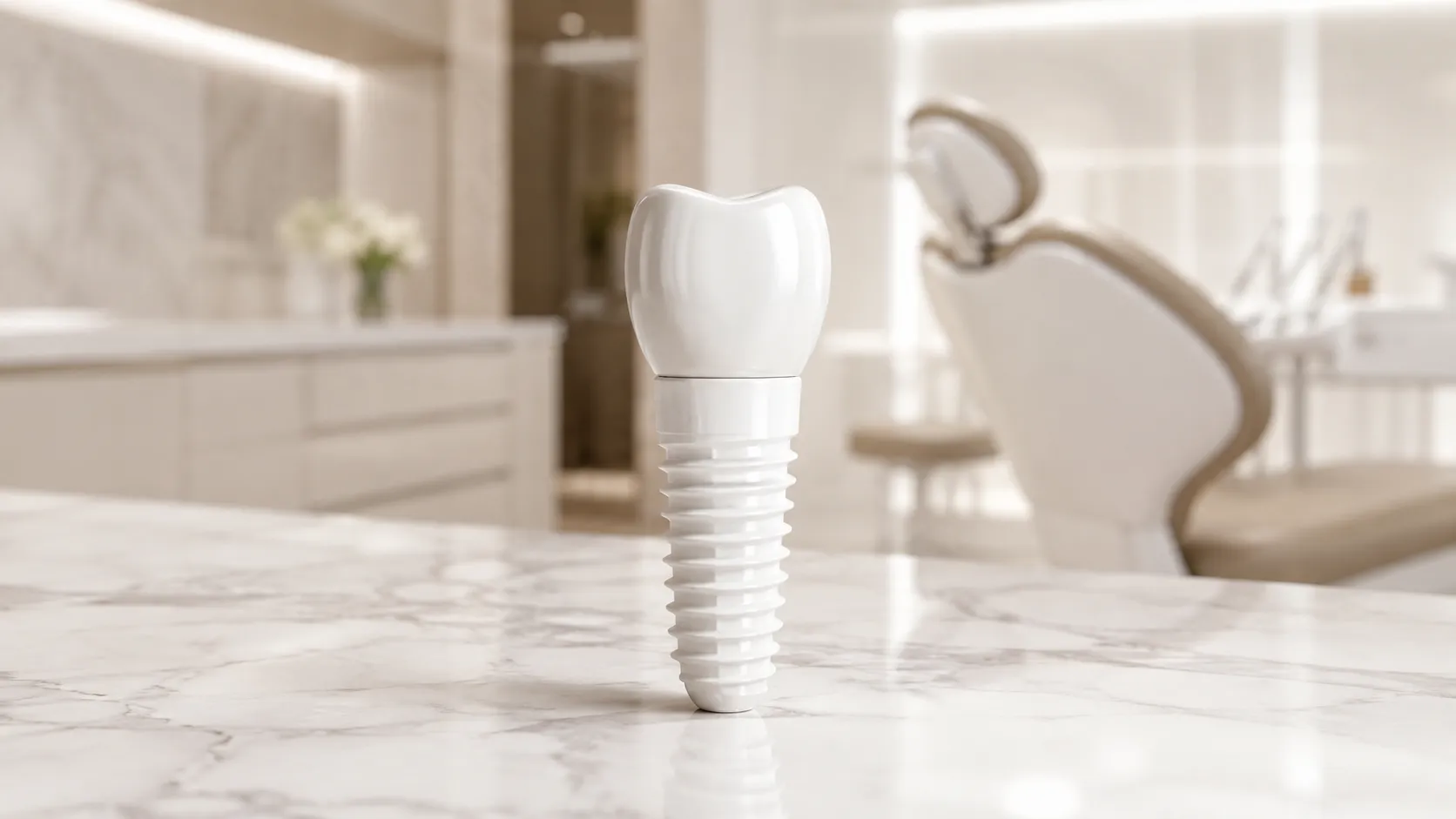
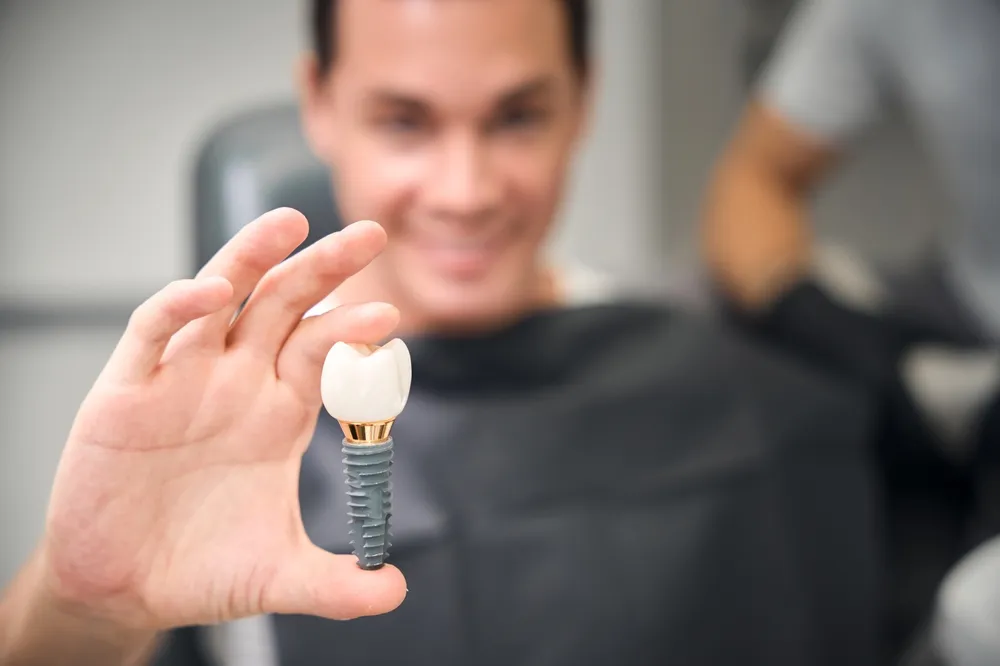
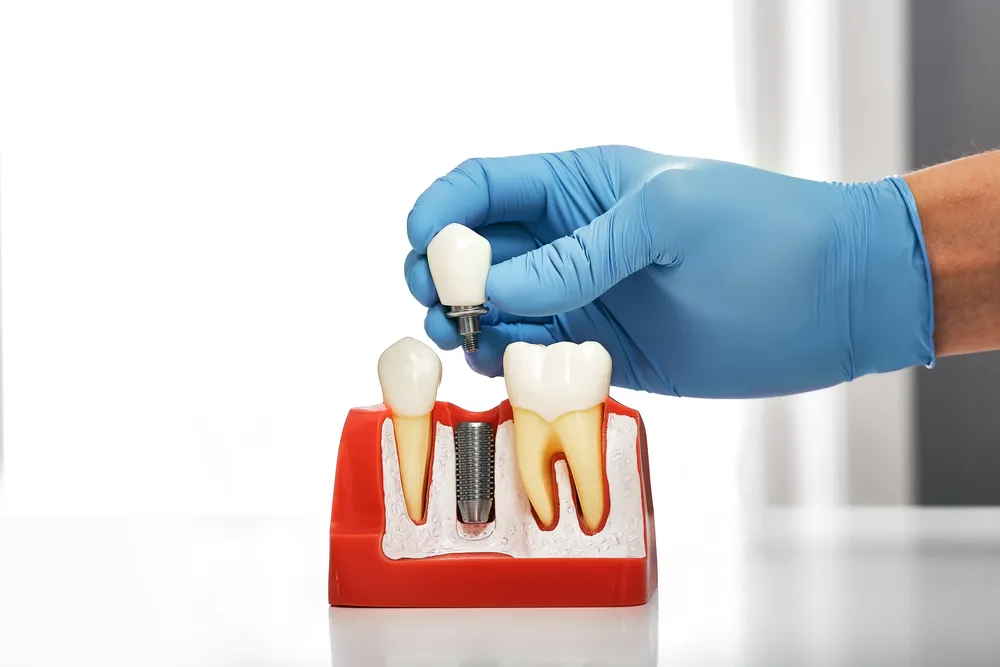
Zirconia dental implants contain three main parts. The fixture acts as the artificial root. The abutment connects the fixture to the crown. The crown restoration replaces the visible tooth. Manufacturers craft these components from yttria-stabilized tetragonal zirconia polycrystal. This material provides high strength and natural white color. Piconi and Maccauro (1999) confirmed that zirconia ceramics withstand oral conditions effectively. The one-piece design eliminates microgaps between components. This design reduces bacterial growth. Some systems use two-piece designs. Both options work well in clinical practice.
What Benefits Do Zirconia Implants Offer?
Zirconia implants provide multiple advantages. They contain no metal. They reduce allergic reactions. They match natural tooth color perfectly. They accumulate less plaque than titanium alternatives. They resist corrosion. They suit patients with thin gums. The white color prevents gray lines at the gum margin. Osman, Swain, and Atieh (2014) noted that ceramic implants meet growing demand for holistic dentistry. Biocompatible dental materials support long-term oral health. Metal-free dental implants also appeal to patients with autoimmune concerns. Reduced plaque accumulation supports better gum health around the implant.
Who Is a Good Candidate?
Good candidates include patients with metal allergies. They include patients with aesthetic concerns. They include patients with adequate jawbone. They include non-smokers. They include patients committed to oral hygiene. Patients with active gum disease need treatment first. Patients with severe bone loss may need grafting first. Candidates must understand that implant dentistry requires healthy gums. They must commit to regular implant maintenance. They must attend follow-up appointments. Dental teams evaluate each case individually.
Canada vs Turkey: Zirconia Implant Cost Comparison
Turkey offers zirconia implants at much lower prices. Canada charges premium rates. Patients must understand what drives these differences. The zirconia implant cost Turkey offers attracts thousands of international patients annually. The zirconia implant cost Canada charges reflects higher overhead and labor expenses.
What Is the Average Zirconia Implant Cost in Canada?
A single zirconia implant in Canada costs between CAD 3,500 and CAD 6,000. An implant with crown ranges from CAD 4,500 to CAD 7,500. Full-mouth restoration exceeds CAD 50,000. Additional laboratory expenses add CAD 500 to CAD 1,000 per crown. Dental insurance rarely covers these costs. Patients pay out-of-pocket. Canada dental implant prices vary by province. Ontario and British Columbia charge higher rates than Atlantic provinces. Specialists charge more than general dentists. Prosthodontics fees add significantly to total costs.
What Is the Average Zirconia Implant Cost in Turkey?
A single zirconia implant in Turkey costs between CAD 800 and CAD 1,500. Zirconia implant packages include surgery and crown. Full mouth zirconia implants range from CAD 6,000 to CAD 12,000. Typical inclusions cover consultation, scans, surgery, temporary teeth, and final crowns. Affordable zirconia implants in Turkey do not mean low quality. Clinics achieve savings through efficiency and volume. Zirconia dental implants Turkey clinics provide use the same materials as Canadian clinics.
How Do Costs Compare Between Canada and Turkey?
The table below shows direct comparisons:
Treatment | Canada | Turkey | Estimated Savings |
Single Zirconia Implant | CAD 3,500–6,000 | CAD 800–1,500 | 70–80% |
Implant + Crown | CAD 4,500–7,500 | CAD 1,200–2,000 | 70–75% |
Multiple Implants | CAD 15,000–25,000 | CAD 4,000–7,000 | 70% |
Full Mouth Restoration | CAD 50,000–80,000 | CAD 6,000–12,000 | 80–85% |
Canadian patients save thousands. Even with travel costs, Turkey offers better value. Dental implant comparison tables reveal consistent patterns across all treatment categories. Turkey dental implants for Canadians provide substantial financial relief.
Why Are Zirconia Implants Less Expensive in Turkey?
Turkey charges less for several reasons. Lower operating costs reduce overhead. Currency differences favor Canadian dollars. Government support boosts medical tourism. High patient volume increases efficiency. Efficient laboratory production cuts costs. Clinics purchase materials in bulk. Competition among Turkey dental clinic options drives fair pricing. Dental tourism Turkey generates billions in annual revenue. The government invests in healthcare infrastructure. Clinics employ skilled technicians at lower wage rates. Real estate costs less than in Canadian cities. All these factors combine to lower zirconia implant cost Turkey patients enjoy.
What Is Included in the Treatment Cost?
Treatment costs include more than the implant itself. Patients must understand full package contents. Implant treatment abroad requires clear cost breakdowns.
What Does Typical Canadian Pricing Include?
Canadian pricing includes consultation. It includes imaging. It includes implant placement. It includes crown fabrication. It includes follow-up appointments. It excludes travel. It excludes accommodation. Patients visit local clinics multiple times. The dentist charges separately for each service. The oral surgeon charges separately. The laboratory charges separately. Patients must coordinate between multiple providers. This itemized approach increases total costs.
What Do Typical Turkish Treatment Packages Include?
Turkish packages include consultation. They include CBCT scanning. They include zirconia implant surgery. They include temporary restorations. They include final crowns. They include accommodation. They include airport transfers. They include VIP transportation. They include translation services. Turkyilmaz (2010) noted that Turkish dental clinics developed comprehensive services for international patients. Dental tourism thrives on these all-inclusive models. Patients receive one transparent price. They avoid surprise fees. Zirconia implant packages simplify budgeting. Patients focus on recovery instead of logistics.
What Factors Influence Zirconia Implant Costs?
Multiple factors affect final pricing. Patients must evaluate each factor. Zirconia implant surgery costs vary based on individual needs.
How Does the Number of Missing Teeth Affect Cost?
More missing teeth require more implants. More implants raise material costs. Full mouth zirconia implants cost significantly more than single-tooth replacement. Each implant needs its own fixture and crown. Some patients need implant-supported bridges. These reduce the total number of implants needed.
How Do Bone Grafting Requirements Affect Cost?
Insufficient bone requires grafting. Bone grafting adds surgical steps. It adds material costs. It extends healing time. Patients need additional appointments. Grafts may come from synthetic materials or donor tissue. The surgeon places graft material before implant placement. Healing takes three to six months. Some patients need major reconstruction.
How Do Sinus Lift Procedures Affect Cost?
Upper jaw implants sometimes need sinus lifts. Sinus lifts raise the sinus floor. They create space for implants. They add surgical complexity. They increase costs by CAD 1,000 to CAD 3,000 per side. Not all patients need this procedure. CBCT scanning reveals sinus anatomy before surgery.
How Does the Implant Brand Affect Cost?
Premium brands cost more. Budget brands cost less. Established brands offer longer track records. Patients should ask clinics about brand transparency. Straumann and Nobel Biocare lead the market. Lesser-known brands also perform well. Research supports multiple options.
How Do Prosthetic Materials Affect Cost?
Zirconia crowns cost more than porcelain-fused-to-metal. Full-contour zirconia offers superior aesthetics. Implant-supported crowns require precise fabrication. Prosthodontics specialists design these restorations. The laboratory bill reflects material choice and complexity.
How Does Clinic Experience Affect Cost?
Experienced surgeons charge higher fees. They deliver better outcomes. They handle complex cases. They use advanced techniques. Newer clinics may offer lower prices. Patients should balance cost with expertise. Implant dentistry demands specialized training.
How Does Geographic Location Affect Cost?
Major Canadian cities charge premium rates. Rural areas may offer lower prices. Turkish clinics in Istanbul and Antalya compete aggressively. Location affects overhead and labor costs. Dental tourism concentrates in Istanbul, Izmir, and Antalya. These cities offer excellent facilities.
How Does Quality Compare Between Canada and Turkey?
Quality depends on standards, technology, and expertise. Both countries offer excellent care. Patients must verify specific clinic credentials. Ceramic implants require precision placement.
What Clinical Standards Apply?
Canadian clinics follow provincial regulations. Turkish clinics follow Ministry of Health standards. Both countries enforce strict sterilization. Both require licensed practitioners. International accreditation bodies also certify top Turkish clinics. The Turkish Dental Association monitors professional standards. Patients should verify clinic licenses.
What Role Does Digital Implant Planning Play?
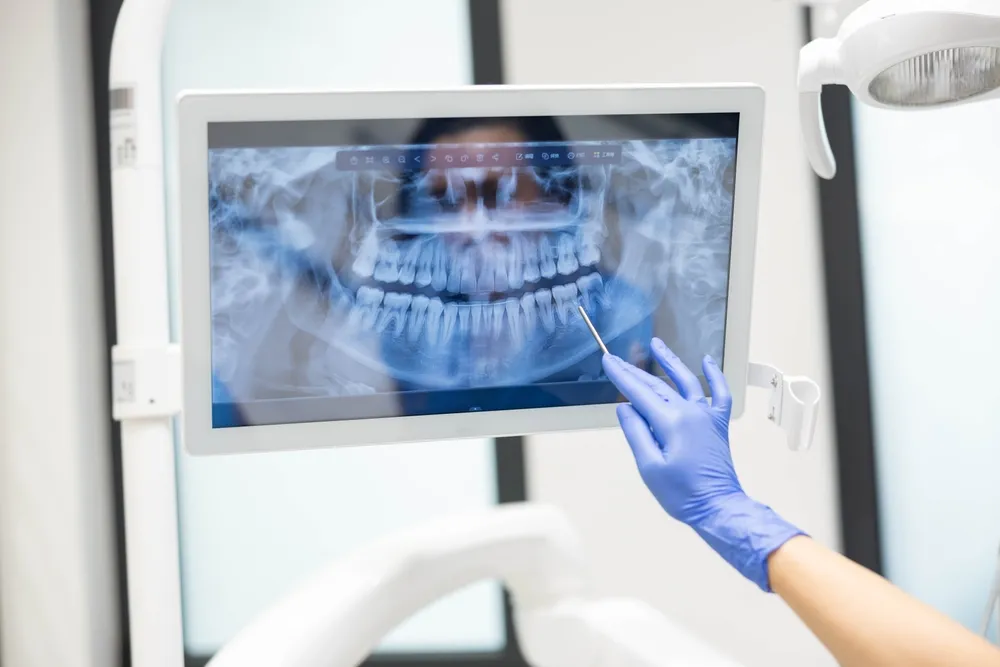
Digital implant planning improves accuracy. Surgeons use software to map nerve locations. They plan ideal implant positions. They avoid vital structures. Digital smile design enhances aesthetic outcomes. Clinics export planning files to surgical guides. These guides direct drill placement. This technology reduces surgical time. It minimizes complications.
How Does CAD/CAM Technology Improve Outcomes?
CAD/CAM dentistry produces precise crowns. Technicians scan the mouth digitally. They design crowns on computers. Mills carve crowns from solid zirconia blocks. Bhumireddy and Bencharit (2018) confirmed that CAD/CAM technology reduces human error. It speeds up production. It improves fit. Clinics in both countries use this technology daily.
How Does CBCT Imaging Enhance Safety?
CBCT scanning provides 3D jaw images. It reveals bone density. It shows nerve pathways. It detects hidden infections. Clinics in both countries use CBCT routinely. This technology prevents surgical complications. It guides bone grafting decisions. It confirms implant positioning. CBCT scanning has become standard in modern implant dentistry.
What Sterilization Protocols Are in Place?
Top Turkish clinics use autoclave sterilization. They follow international infection control guidelines. They use disposable instruments. They maintain clean surgical environments. Patients should verify sterilization certificates. Class B autoclaves meet the highest standards. Staff wear proper protective equipment. These protocols match Canadian requirements.
What International Patient Services Are Available?
Leading Turkish clinics employ English-speaking coordinators. They provide 24/7 support. They arrange airport pickups. They book hotels. They assist with visa questions. These services reduce stress for Canadian visitors. Some clinics offer French and German support. They understand cultural needs. They provide detailed aftercare instructions.
How Experienced Are Implant Surgeons?
Turkey trains thousands of dentists annually. Many specialize in implant dentistry. Top surgeons place thousands of implants per year. Experience correlates with success rates. Patients should verify surgeon credentials and case volumes. Many Turkish surgeons train in Europe or the United States. They attend international conferences. They publish research. Denry and Kelly (2008) noted that surgeon skill directly impacts ceramic implant outcomes.
How Do Treatment Timelines Compare?
Treatment timelines affect planning. Patients need realistic schedules. Oral rehabilitation requires patience.
What Is the Typical Timeline in Canada?
The Canadian process starts with consultation. The dentist takes X-rays. The surgeon schedules surgery. The surgery takes one to two hours. The healing period lasts three to six months. Osseointegration must complete. The dentist places the final crown. Total time spans four to eight months. Multiple appointments spread across this period. Patients wait weeks between visits.
What Is the Typical Timeline in Turkey?
The Turkish process starts with online consultation. The clinic reviews photos and scans. The team plans treatment before arrival. The first visit includes surgery and temporary teeth. The patient stays five to seven days. The osseointegration period lasts three to six months. The patient returns for permanent restoration. Some clinics offer same-day final crowns for selected cases. The first trip delivers immediate function. The second trip completes oral rehabilitation.
What Travel Costs Should Canadian Patients Consider?
Travel costs add to total expenses. Patients must budget carefully. Implant treatment abroad requires travel planning.
How Much Do Flights Cost?
Round-trip flights from Canada to Turkey cost CAD 800 to CAD 1,500. Prices vary by season. Prices vary by city of departure. Booking early reduces costs. Summer and December cost more. March and November offer cheaper fares.
What Hotel Accommodation Options Exist?
Turkish clinics partner with hotels. Packages include four-star or five-star stays. Independent travelers find budget hotels nearby. Accommodation typically spans five to ten nights. Some packages include breakfast. Patients should confirm hotel proximity to the clinic.
What Local Transportation Costs Apply?
Packages include airport transfers. They include VIP transportation to clinics. Independent travelers pay taxi or transit fares. Local transportation remains affordable in Turkey. The metro and trams serve major cities. Taxis use meters.
How Much Should Patients Budget for Meals?
Meals in Turkey cost less than in Canada. Patients budget CAD 20 to CAD 50 daily. Hotels often include breakfast. Clinics sometimes provide meals during treatment days. Turkish cuisine suits most dietary needs.
What Companion Expenses Should Patients Plan For?
Some patients bring companions. Companions need flights, hotels, and meals. Companions provide emotional support. They assist during recovery. Patients should double the travel budget for companions. Some clinics offer companion discounts.
How Do Total Travel Costs Compare to Overall Savings?
Total travel costs range from CAD 2,000 to CAD 4,000 per person. Even with these costs, patients save 60 to 75 percent compared to Canadian prices. Full-mouth cases deliver the greatest net savings. Single implant cases still save money but less dramatically.
Are Zirconia Implants Safe in Turkey?
Safety concerns every medical tourist. Patients must research thoroughly. Zirconia implant surgery requires strict standards.
What Material Quality Standards Apply?
Turkish clinics use CE-certified or FDA-cleared zirconia. Manufacturers test materials for purity. They test for strength. Biocompatible dental materials meet international standards. Patients should request material certificates. ISO 13356 specifies medical-grade zirconia. Reputable clinics source materials from Germany or Switzerland.
Which International Implant Brands Are Available?
Top Turkish clinics use Straumann, Nobel Biocare, MIS, and similar brands. They offer branded zirconia implants. They provide implant passports. These documents track implant details. Patients can verify brand authenticity online. Clinics should never hide brand information.
What Infection Control Standards Exist?
Turkish clinics follow EN 13060 sterilization standards. They use Class B autoclaves. They maintain sterile surgical fields. They monitor infection rates. Albrektsson and Wennerberg (2004) emphasized that sterile conditions directly impact osseointegration success. Clean environments support proper healing. They reduce implant failure risk.
Why Does Clinic Selection Matter?
Not all clinics meet the same standards. Research separates excellent clinics from average ones. Patients should verify accreditation. They should check surgeon qualifications. They should review case portfolios. They should avoid unlicensed facilities. They should demand transparency.
What Questions Should Patients Ask Before Booking?
Patients should ask about implant brands. They should ask about surgeon experience. They should ask about warranty terms. They should ask about aftercare protocols. They should ask about complication management. They should ask about communication methods. They should request written treatment plans.
What Are the Advantages of Choosing Canada?
Canada offers distinct benefits. Local patients enjoy easier follow-up visits. They avoid international travel. They access familiar healthcare environments. They retain local legal protections. They communicate in their native language. They build long-term relationships with local dentists. They receive immediate care if complications arise. They understand the insurance system. They trust local regulatory bodies.
What Are the Advantages of Choosing Turkey?
Turkey offers significant cost savings. Clinics provide comprehensive treatment packages. Patients face short waiting times. Clinics use modern dental technology. Patients combine treatment with travel. Oral rehabilitation becomes affordable. Dental tourism creates access to care that patients cannot afford domestically. Turkey dental implants for Canadians solve financial barriers. Patients receive VIP service. They enjoy cultural experiences. They return home with new smiles.
What Challenges Does Dental Tourism Present?
Dental tourism presents real challenges. Patients must prepare for them. Implant treatment abroad requires careful planning.
What Follow-Up Care Challenges Exist?
Follow-up care requires planning. Canadian dentists may not service Turkish implants. Patients need clear records. They need implant passports. They need remote consultation options. Some Turkish clinics partner with Canadian dentists. Patients should arrange local support before departure.
What Travel Logistics Should Patients Consider?
Travel requires time off work. It requires passport validity. It requires possible visas. It requires flight coordination. Patients with medical conditions need travel clearance. They should purchase travel insurance. They should confirm clinic availability before booking flights.
What Communication Barriers Might Arise?
Language differences challenge some patients. Top clinics employ translators. Patients should confirm English support. They should clarify all instructions. They should request written postoperative care in English. Video consultations help bridge gaps.
How Should Patients Plan for Recovery?
Recovery after implant surgery takes one to two weeks. Patients should avoid strenuous activity. They should rest after returning home. They should schedule recovery time before normal activities. They should avoid hard foods. They should follow oral hygiene instructions exactly.
What Warranty Policies Apply?
Warranty policies vary. Some clinics offer five-year warranties. Some offer lifetime guarantees. Patients must read terms carefully. They must understand what coverage includes. They must know how to claim warranty services from Canada. Reputable clinics honor warranties through partner networks.
How Do Canada and Turkey Compare Side by Side?
The table below summarizes key differences:
Category | Canada | Turkey |
Treatment Cost | CAD 3,500–6,000 per implant | CAD 800–1,500 per implant |
Waiting Time | Weeks to months | Days to weeks |
Technology | Advanced CAD/CAM, CBCT | Advanced CAD/CAM, CBCT |
Digital Dentistry | Widely available | Widely available |
Treatment Packages | Itemized billing | All-inclusive packages |
Travel Required | None | International flight needed |
Follow-up Convenience | Local access | Requires planning |
Overall Value | High quality, high cost | High quality, lower cost |
Both countries offer modern technology. Turkey provides better cost efficiency. Canada provides better follow-up convenience.
How Can Patients Choose the Right Zirconia Implant Clinic?
Selecting the right clinic determines success. Patients should evaluate multiple factors. Implant dentistry demands careful provider selection.
What Dentist Qualifications Should Patients Verify?
Patients should check dental degrees. They should check implant training certificates. They should check years of experience. They should check membership in professional associations. They should verify continuing education records.
Why Does Implant Brand Transparency Matter?
Clinics should disclose implant brands. They should provide manufacturer documentation. They should explain why they chose specific brands. Transparency builds trust. Patients deserve to know what enters their bodies.
How Should Patients Evaluate Before-and-After Cases?
Clinics should show real case photos. Patients should look for cases similar to theirs. They should check crown aesthetics. They should check gum symmetry. They should request to speak with past patients.
Where Can Patients Find Verified Reviews?
Patients should check Google Reviews. They should check Trustpilot. They should check dental tourism forums. They should look for detailed reviews with photos. They should avoid clinics with only perfect scores. They should read negative reviews carefully.
What Clinic Accreditation Should Patients Look For?
Accreditation from ISO or JCI indicates quality. Ministry of Health licenses show basic compliance. International awards suggest excellence. Patients should verify certificates on clinic websites. They should cross-check accreditation online.
How Important Is Communication and Treatment Planning?
Clear communication prevents misunderstandings. Clinics should provide written treatment plans. They should explain timelines. They should list all costs. They should answer questions promptly. They should respond within 24 hours.
What Warranty and Aftercare Policies Should Patients Review?
Patients should understand warranty duration. They should know what defects coverage includes. They should know how to access aftercare. They should confirm remote consultation availability. Implant maintenance requires long-term commitment. Jokstad (2009) emphasized that long-term implant success depends on ongoing care and patient compliance.
Frequently Asked Questions
Is a zirconia implant cheaper in Turkey than in Canada?
Yes. Turkey charges 70 to 80 percent less for the same treatment.
Why are zirconia implants more affordable in Turkey?
Lower operating costs, currency advantages, and government support reduce prices.
Are Turkish zirconia implants high quality?
Yes. Top Turkish clinics use international materials and modern technology.
How much can Canadian patients save?
Patients save CAD 10,000 to CAD 50,000 depending on case complexity.
Are travel expenses worth the savings?
Yes. Even with travel costs, patients save thousands on multi-implant cases.
How many trips are required?
Most patients need two trips. Some clinics complete work in one extended visit.
How long do zirconia implants last?
Zirconia implants last 15 to 20 years with proper care. Some last longer.
Does insurance cover zirconia implants in Canada?
Most Canadian insurance plans exclude implants. Some cover partial costs.
Are zirconia implants better than titanium implants?
Zirconia suits metal-allergic patients. It offers superior aesthetics. Titanium offers longer clinical history. Both work well.
What should patients look for before selecting a clinic?
Patients should verify qualifications, reviews, accreditation, and warranty terms.
What Should Patients Remember When Comparing Costs?
Cost comparison requires full analysis. Patients should compare total treatment plans. They should include travel expenses. They should evaluate long-term outcomes. They should assess aftercare availability. Esposito et al. (2010) stressed that implant success depends on multiple factors beyond initial price. Cheap treatment without quality guarantees creates risks. Expensive treatment without added value wastes money. Patients must balance affordability with safety.
Conclusion
Canada and Turkey both offer zirconia implant treatment. Canada provides local convenience and familiar legal frameworks. Turkey provides significant cost savings and comprehensive packages. The Canada vs Turkey zirconia implant cost comparison shows clear differences. Turkey charges 70 to 80 percent less. However, overall value depends on treatment quality, clinician expertise, materials, and comprehensive care. Price alone should not determine the decision. Prospective patients must compare complete treatment plans. They must evaluate long-term outcomes. They must confirm aftercare protocols. They must choose accredited clinics with experienced surgeons. Zirconia dental implants represent a major investment in oral health. Patients deserve thorough research. They deserve transparent information. They deserve safe, effective, and affordable treatment wherever they choose.
References
Albrektsson, Tomas, and Anders Wennerberg. "Oral Implant Surfaces: Part 1--Review Focusing on Topographic and Chemical Properties of Different Surfaces and In Vivo Responses to Them." International Journal of Prosthodontics, vol. 17, no. 5, 2004, pp. 536-543.
Bhumireddy, Jahnavi, and Sompop Bencharit. "CAD/CAM Technology in Implant Dentistry." Journal of Prosthodontic Research, vol. 62, no. 4, 2018, pp. 401-407.
Denry, Isabelle, and James R. Kelly. "State of the Art of Zirconia for Dental Applications." Dental Materials, vol. 24, no. 3, 2008, pp. 299-307.
Esposito, Marco, et al. "Interventions for Replacing Missing Teeth: Different Types of Dental Implants." Cochrane Database of Systematic Reviews, no. 12, 2010.
Jokstad, Asbjørn. "Dental Implants and Quality of Life." Clinical Oral Implants Research, vol. 20, suppl. 4, 2009, pp. 98-104.
Kohal, Ralf J., et al. "Clinical Investigation of a Zirconia Dental Implant." International Journal of Periodontics and Restorative Dentistry, vol. 22, no. 1, 2002, pp. 85-89.
Osman, Rana B., et al. "Ceramic Implants: What Is the Future?" Journal of Oral Implantology, vol. 40, no. 5, 2014, pp. 603-610.
Piconi, Giorgio, and Giulio Maccauro. "Zirconia as a Ceramic Biomaterial." Biomaterials, vol. 20, no. 1, 1999, pp. 1-25.
Turkyilmaz, Ilser. "Implant Dentistry in Turkey: Current Status and Future Perspectives." Journal of Oral Implantology, vol. 36, no. 4, 2010, pp. 251-256.