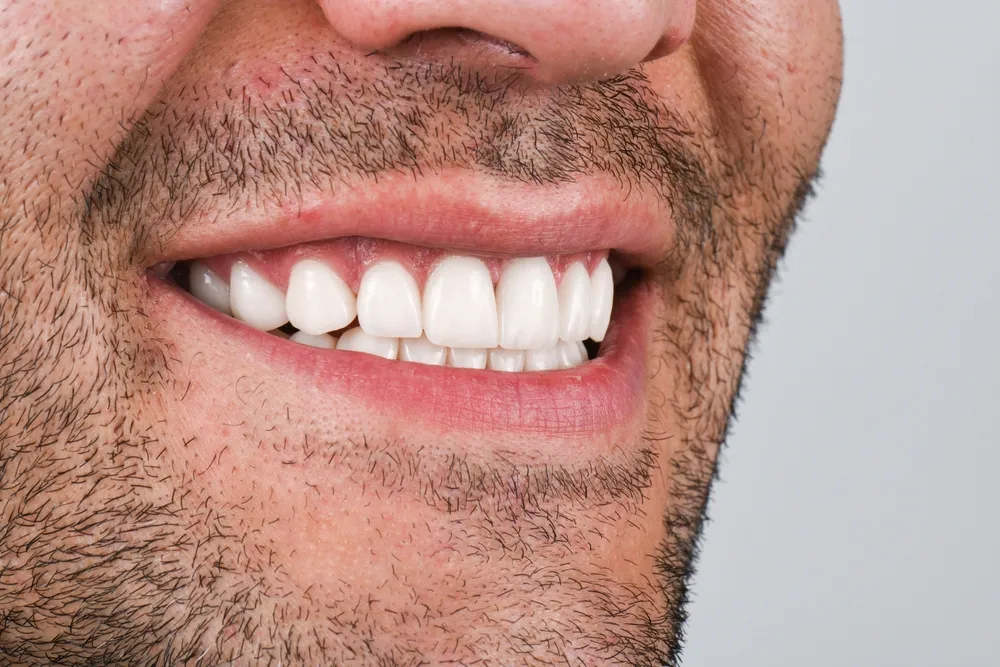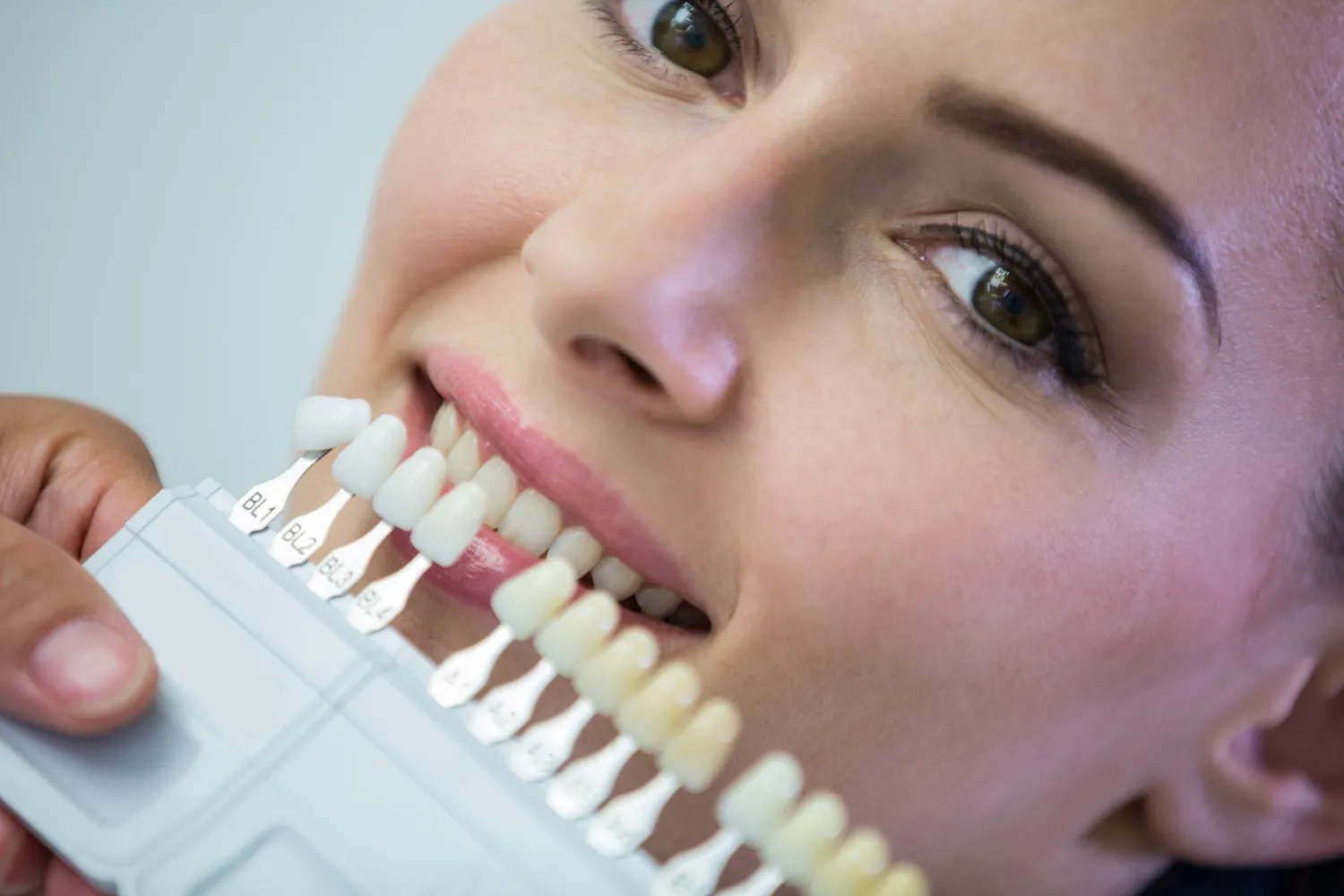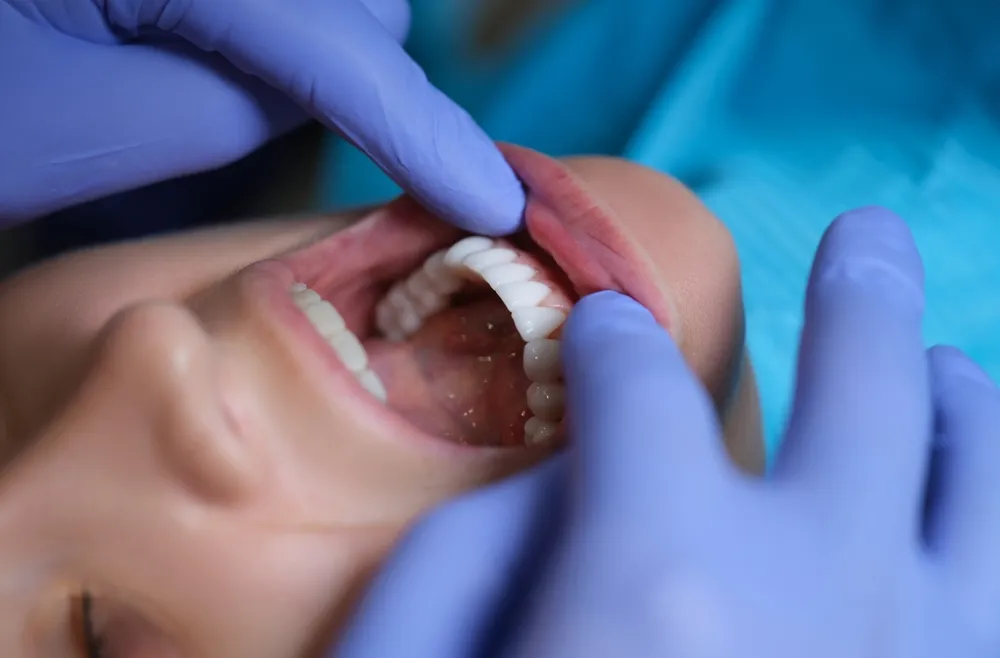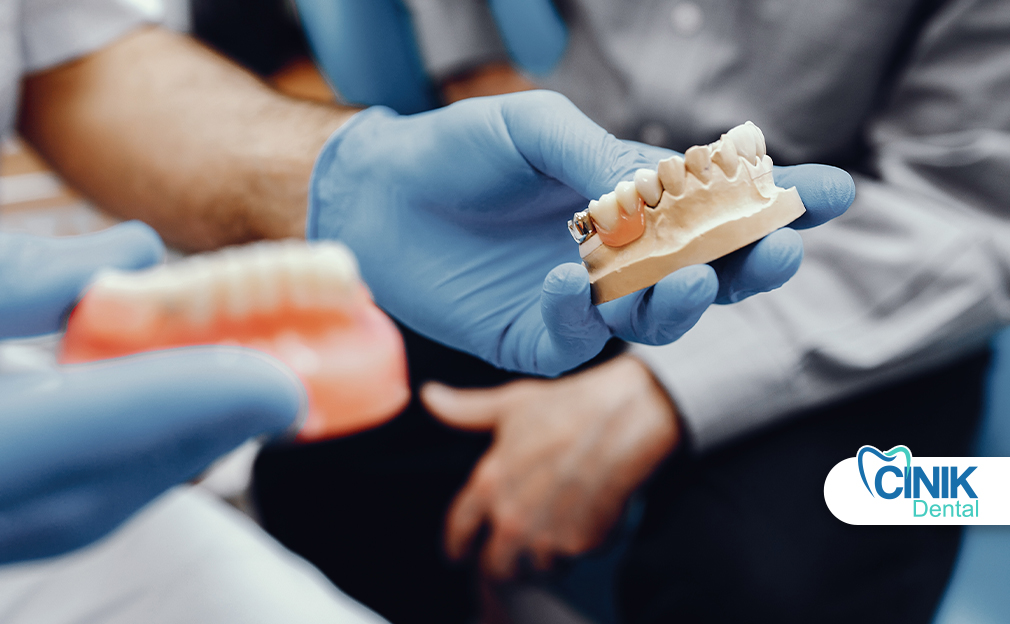
Patients receive crowns for various reasons: root canal treatment, cavities, fractures, significant discolouration, poor tooth alignment, and worn-down teeth. Crown procedures vary in cost, depending primarily on the lab fee for the crown type prescribed. Prices quoted to patients generally include consultation, anaesthesia, tooth preparation, impression and temporary crown.
1. What are the crown types and their costs?
Quick Answer: Dental crowns come in five main types: zirconia ($1,600–$2,600), E-max ($1,400–$2,000), porcelain-fused-to-metal ($800–$1,200), all-porcelain (≈$1,000), and metal crowns (≈$800), with costs varying by material strength and aesthetics.
Crowns are available in five types: zirconia, E-max, porcelain-fused-to-metal (PFM), all-porcelain, and metal.
Zirconia crown: Zirconia is a white material, closely resembling tooth structure. It is highly aesthetic, very burrable, strong enough to withstand occlusal forces, and, unlike other all-ceramic crowns, equally suitable for posterior teeth (M. Tartaglia et al., 2011). Zirconia crowns make excellent long-term single restorations even when used to restore abutment teeth supporting a full-arch prosthesis, mainly because they are resistant to chipping or fracture. Although the lab fee is high, leading to a price between $1600 and $2600, most associate practices hardly use zircona, limiting availability.
E-max crowns: E-max crowns are made of lithium disilicate, an advanced glass ceramic known for its aesthetic properties. E-Max crowns are a good option for anterior teeth with no history of bruxism or parafunction, but the lab fee is more than twice that of PFM crowns, leading to a price between $1400 and $2000. Failure rates associated with E-max crowns are also higher than those for porcelain-fused-to-metal crowns; however, both types of restorations have been shown to work equally well in the long term. (Seo, J. M et al., 2014)
Porcelain-fused-to-metal crowns: PFM crowns have a metal base coated with porcelain to provide the desired aesthetics, closer to natural teeth. They are suitable for all teeth, except the most anterior ones, where the metal collar may show. They are the most prescribed type of dental crown and cost $800 to $1,200.
All-porcelain crowns: All-porcelain crowns are a weak type of crown mainly recommended for the front teeth only and usually cost around $1,000 for a single unit. Not recommended for back teeth because they can crack or break while chewing. The strength of the restoration is very critical for back teeth.
Metal crowns: Metal crowns are a strong option. They are usually used on children or patients who grind their teeth, and these crowns are unbreakable. They cost about $800 for a single unit and are hardly used in adults for aesthetic reasons.
2. How much replacement costs for crowns?
Quick Answer: Crown replacement usually costs about the same as the original crown, unless it can be re-cemented, which is cheaper.
When a crown gets damaged or worn, it can be replaced. Replacement costs are often the same as for the original crown. A new appointment is usually needed to prepare the tooth for the new crown, make another impression, prepare the new crown, and cement it into place.
If a permanent crown comes loose, the dentist may be able to re-cement it, which costs less than making a new crown. However, if it keeps coming loose or is likely to be damaged again, a replacement may be best. If the crown supporting tooth needs root canal treatment and the crown is not remaining intact, the crown needs to be removed anyway, and one that is flimsier may be suitable.
3. What are the factors that affect crown prices?
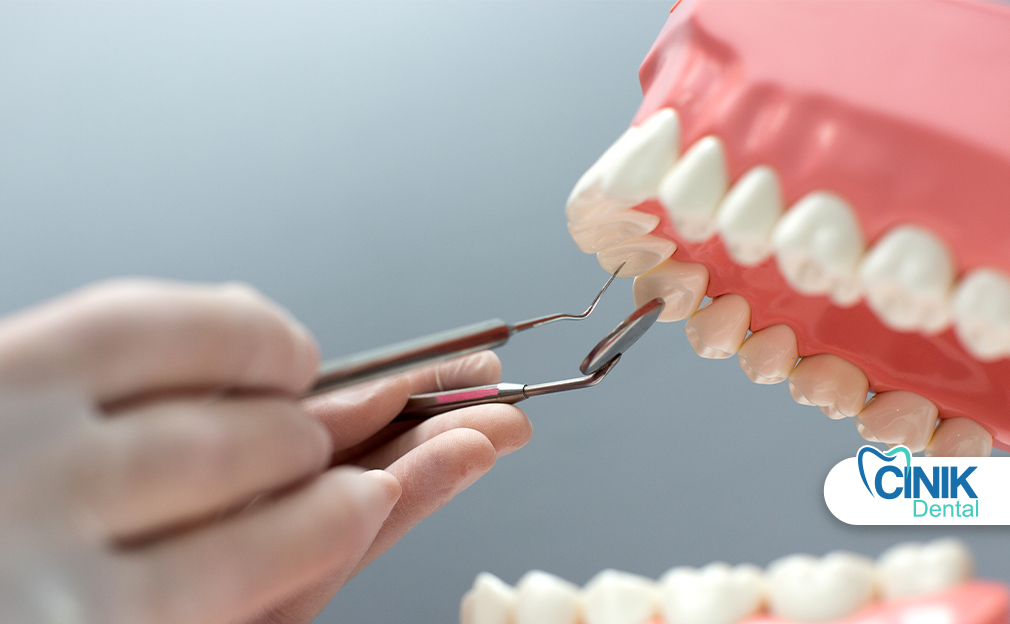
Quick Answer: Crown prices are influenced by the type of crown material, the dentist’s experience, location of the clinic, and laboratory fees and quality.
Crown prices depend on several factors, including crown type, dentist experience, geographical location, lab technician price, and lab location. Understanding these variables helps provide better estimates.
Crown Type: The type of crown chosen generally is the main contributor to the price. Crowns made of zirconia or E-max usually cost the most, while metal crowns are the cheapest.
Dentist Experience: Selecting a reputable dentist ensures a proper fit. Dental work usually lasts longer when done by more experienced professionals; however, dentists who are just starting their careers can offer lower prices.
Geographical Location: Like most consumer services, dental work is more expensive in urban areas. Especially for large medical expenses, see if travel is possible.
Laboratory Price: A contributing factor to crown cost that many patients forget about is the laboratory fees charged for the fabrication. Some dentists send their work to cheaper laboratories for better cost efficiency. When possible, select a dentist whose laboratory technician has experience with crowns since poorly made crowns are a major cause of non-durable restorations.
4. Frequently asked questions
Crowns are often expensive, so it's common to have questions about cost. Here are answers to some of the most frequently asked questions.
Do insurance and plans cover crowns?
Most insurance and discount dental plans cover crowns, although coverage may vary. Check with your provider for details.
Are payment plans available?
A growing number of offices are offering in-house payment plans. Many also provide financing through third-party companies. Speak to your dentist about payment options and plans.
How to find the best prices
Obtaining multiple quotes is the best way to compare crown prices. Internet searches and retirement community newsletters often list dentists advertising low-cost crowns. Pricing comparisons and customer reviews are especially valuable when checking out unfamiliar or new providers.
6. Conclusion
Pricing for dental crowns varies based on the materials used. Zirconia crowns typically fall in the range of $1,000–$1,200. E-max crowns cost a little less (about $800) since the glass-ceramic material is cheaper than zirconia. Porcelain-fused-to-metal crowns average around $600. All-porcelain and metal crowns are the least expensive options at about $500 each.
Crown replacement costs can equal the initial price because a crown can be set back on a tooth. Unlike fillings, crowns can’t withstand blowout trauma. Chewing on hard items, ice, jawbreakers, hard candy, leads to grinding, which breaks the crown interface and separates it from the tooth. Settings loosen over time, sometimes allowing the crown to pivot on the tooth.
References:
M. Tartaglia, G., Sidoti, E., and Sforza, C. "A 3-year follow-up study of all-ceramic single and multiple crowns performed in a private practice: a prospective case series." 2011. ncbi.nlm.nih.gov
Seo, J. M. and Ahn, S. G. "Fabrication of a metal-ceramic crown to fit an existing partial removable dental prosthesis using ceramic pressed to metal technique: a clinical report." 2014. ncbi.nlm.nih.gov