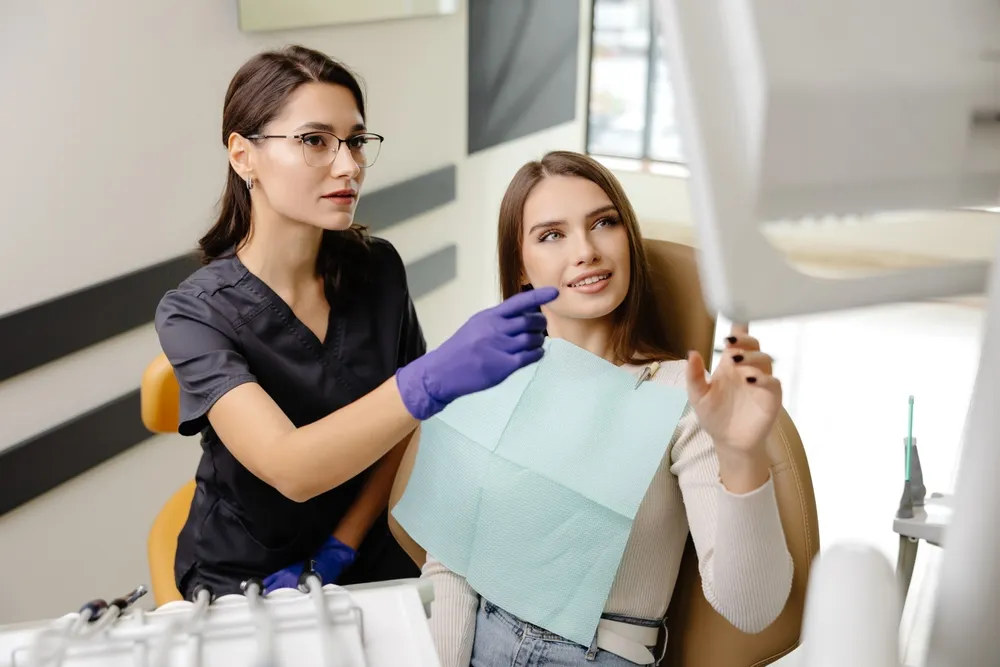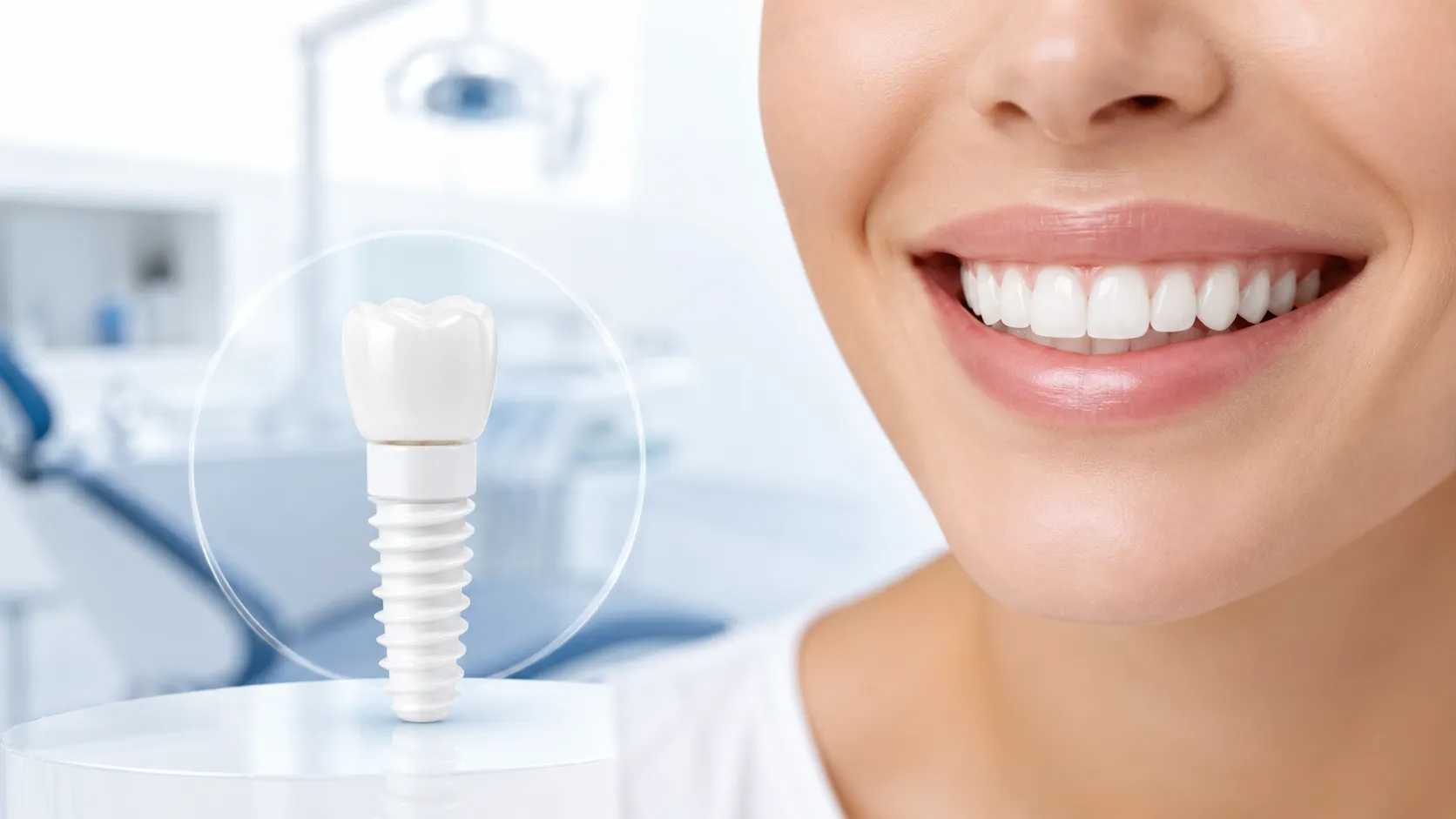
Most Canadians should plan 5–10 days for their first visit to Turkey for zirconia implant treatment. They need a second visit after 3–6 months. The total treatment time depends on bone health, the number of implants, and any additional procedures.
Why More Canadians Are Choosing Turkey for Zirconia Dental Implants?
Canadians choose Turkey because dental costs there are much lower than in Canada. Turkish clinics also offer experienced dentists, modern technology, and comprehensive care packages.
Why Are Dental Costs Rising in Canada?
Dental implant costs in Canada keep climbing because of high overhead, limited insurance coverage, and long specialist wait times.
The average single dental implant in Canada costs between $3,000 and $6,000 CAD. Many Canadians pay these costs out of pocket because provincial health plans rarely cover implant procedures (Jokstad, 2015). Private dental insurance often covers only basic procedures like cleanings and fillings. Patients who need implants face significant financial barriers.
Specialist wait times in Canada also push patients toward dental tourism. Oral surgeons in major cities often book appointments months in advance. Patients who need complex procedures like bone grafting or sinus lifts wait even longer. This delay frustrates patients who want immediate relief from missing teeth or failing dentures.
The combination of high costs and long waits creates a strong incentive for Canadians to look abroad. Turkey has emerged as one of the top destinations for these patients.
Why Has Turkey Become a Leading Dental Tourism Destination?
Turkey offers internationally trained dentists, digital dentistry, affordable prices, and all-inclusive packages with direct flights from Canadian cities.
Turkish dental clinics attract thousands of international patients every year. Many Turkish dentists trained in Europe or North America before returning home to practice. They bring international standards and certifications to their clinics (Jokstad, 2015).
Digital dentistry technologies dominate top Turkish clinics. These clinics use CBCT scanners, intraoral scanners, CAD/CAM systems, and 3D printers. These tools improve diagnostic accuracy and treatment outcomes. Patients receive precise implant placement and custom-fabricated zirconia crowns.
Turkish clinics also offer comprehensive dental tourism packages. These packages include airport transfers, hotel accommodation, clinic transfers, and sometimes city tours. Patients from Toronto, Vancouver, or Montreal can fly directly to Istanbul or Antalya. Turkish Airlines and Air Canada operate regular flights between these cities.
The cost savings are substantial. Canadians often save 50–70% on their total treatment costs even after paying for flights and hotels. This financial advantage makes Turkey an attractive option for patients who need multiple implants or full-mouth rehabilitation.
What Are Zirconia Dental Implants?
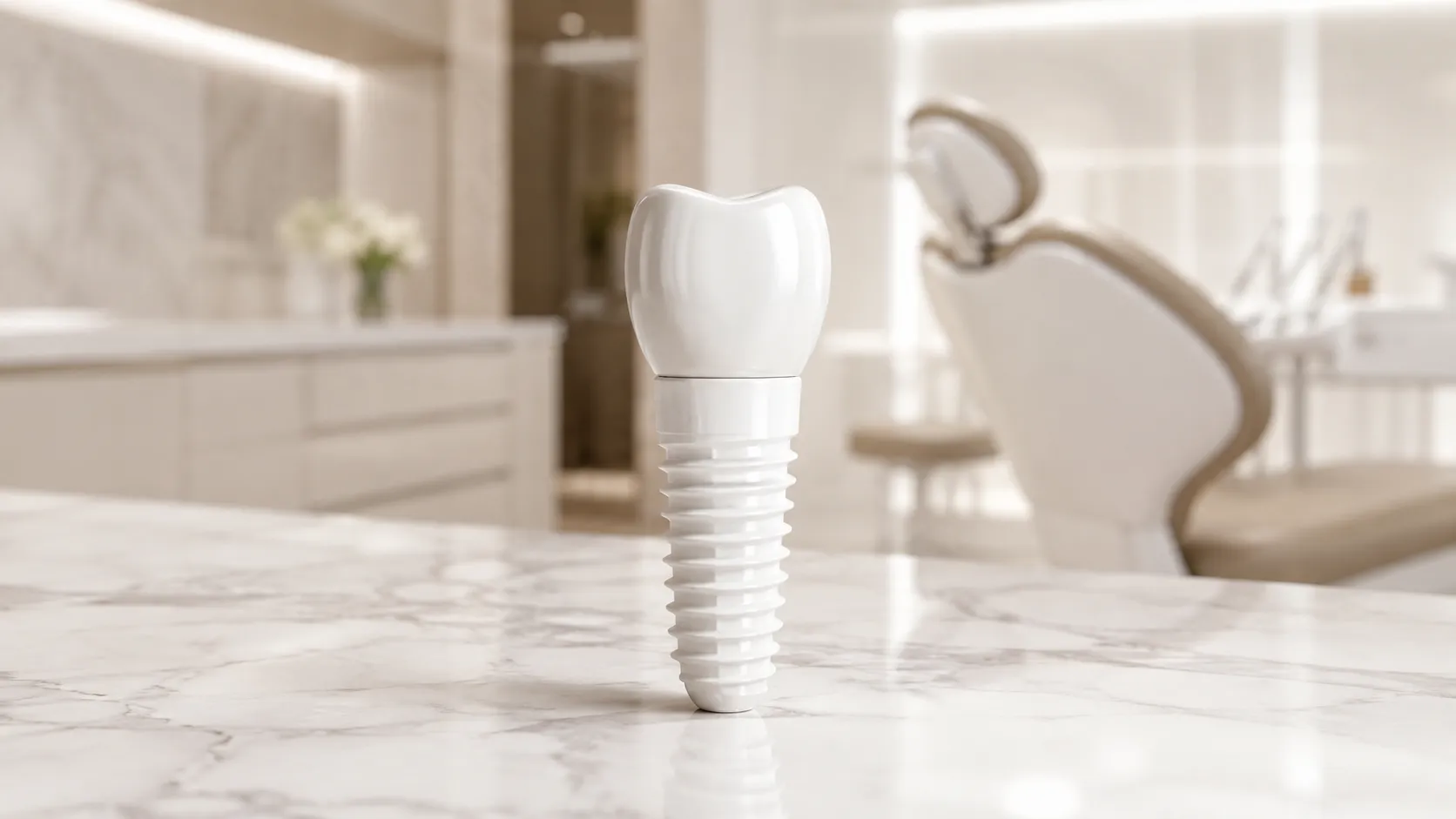
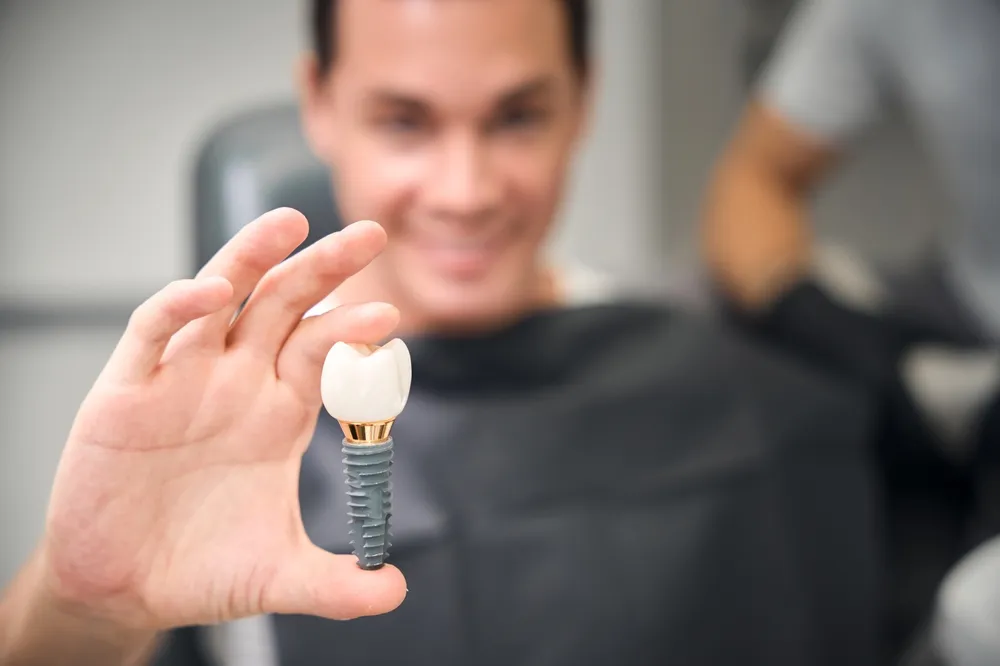
Zirconia dental implants are metal-free ceramic implants that replace missing tooth roots. They offer excellent biocompatibility and natural aesthetics.
How Do Zirconia and Titanium Implants Differ?
Zirconia implants contain no metal. They resist corrosion and offer better gum aesthetics than titanium. Titanium implants have longer clinical histories but may show gray lines at the gum margin.
Zirconia implants use yttria-stabilized tetragonal zirconia polycrystal (Y-TZP). This ceramic material contains zirconium dioxide with small amounts of yttrium oxide for stabilization (Piconi and Maccauro, 1999). Titanium implants use commercial-pure titanium or titanium alloys. Both materials integrate with bone, but they behave differently in the oral environment.
Zirconia offers a metal-free alternative. Patients with metal allergies or sensitivities often prefer zirconia. Some patients worry about long-term metal exposure even without documented allergies. Zirconia eliminates this concern entirely.
Aesthetic advantages favor zirconia in visible areas. Titanium implants can create a gray shadow or metallic line at the gum margin. This shadow becomes especially noticeable in patients with thin or receding gums. Zirconia's white color mimics natural tooth roots and avoids this problem (Denry and Holloway, 2010).
Biocompatibility studies show both materials perform well. However, zirconia demonstrates excellent soft tissue response. The gum tissue adapts well to zirconia surfaces, creating a tight seal around the implant (Scarano et al., 2014).
Suitable patient profiles for zirconia include:
Patients with thin gingival biotypes
Patients with metal allergies or sensitivities
Patients who want the most natural aesthetic result
Patients who prefer holistic or metal-free dentistry
What Benefits Do Zirconia Implants Offer?
Zirconia implants provide natural tooth appearance, resist plaque buildup, improve gum aesthetics, resist corrosion, and accommodate metal-sensitive patients.
Zirconia implants create a natural tooth appearance from every angle. The white ceramic material reflects light similarly to natural tooth structure. This property makes zirconia ideal for front teeth and visible smile zones.
Research shows zirconia surfaces accumulate less plaque than titanium surfaces. Bacterial adhesion to zirconia remains lower in laboratory studies (Scarano et al., 2014). This reduced plaque accumulation may lower the risk of peri-implantitis over time.
Gum aesthetics around zirconia implants often exceed those around titanium implants. The soft tissue forms a stable, healthy attachment to the ceramic surface. Patients with thin gums achieve better aesthetic outcomes with zirconia.
Corrosion resistance represents another key advantage. Zirconia does not corrode in the oral environment. It maintains its structural integrity and surface properties for years. This stability contributes to long-term implant success.
Allergy considerations matter for a subset of patients. While true titanium allergies are rare, some patients report sensitivity to metal. Zirconia provides a completely metal-free solution for these individuals (Andreiotelli et al., 2009).
How Long Should Canadians Stay in Turkey for Zirconia Implant Treatment?
Canadians should stay 5–7 days for a single implant, 6–8 days for multiple implants, and 7–10 days for full-mouth rehabilitation. They need a second visit after 3–6 months.
What Factors Determine the Treatment Timeline?
Treatment duration depends on the number of implants, bone quality, immediate versus delayed loading, and any additional procedures like bone grafting.
The number of implants directly affects surgery time and recovery needs. A single implant requires less chair time and causes less postoperative discomfort than multiple implants. Full-mouth rehabilitation demands the longest stay because the dentist places many implants and monitors healing across the entire arch.
Bone quality influences both surgical approach and healing time. Patients with dense, healthy bone heal faster. They may qualify for immediate loading protocols. Patients with soft or thin bone need longer healing periods and sometimes additional grafting procedures.
Immediate loading means the dentist attaches a temporary crown or bridge right after implant placement. Delayed loading means the patient waits months before receiving the final restoration. Most zirconia implant cases use delayed loading for better long-term results.
Additional procedures like bone grafting, sinus lifts, or extractions extend the timeline. These procedures require extra healing time before the dentist can place implants. Patients who need these procedures should plan longer stays.
What Happens During the Initial Consultation on Day 1?
The dentist performs digital smile analysis, takes a CBCT scan, reviews medical history, and creates a personalized treatment plan.
The first day focuses on diagnosis and planning. The dentist examines the patient's mouth, gums, and remaining teeth. Digital photographs capture the smile from multiple angles. These images help the dentist plan the final aesthetic outcome.
The CBCT scan provides three-dimensional images of the jawbone. This scan reveals bone height, width, and density. It also shows the position of nerves, sinuses, and adjacent teeth. The dentist uses this data to plan precise implant placement (Osman et al., 2014).
The medical evaluation reviews the patient's overall health. The dentist asks about medications, allergies, chronic conditions, and previous surgeries. Patients with diabetes, heart conditions, or bleeding disorders need special precautions.
The personalized treatment plan outlines every step of the procedure. It includes the number of implants, their positions, the type of restoration, and the expected timeline. The dentist discusses this plan with the patient and answers all questions.
What Happens During Implant Surgery on Day 2?
The dentist places the zirconia implants under local anesthesia or sedation. The team may attach immediate temporary restorations when appropriate.
Implant surgery typically occurs on the second day. The dentist administers local anesthesia to numb the surgical area. Patients who feel anxious may receive sedation or general anesthesia. The surgical team maintains strict sterile protocols throughout the procedure.
The dentist makes a small incision in the gum tissue to expose the bone. They use surgical guides created from the CBCT data to place the implant at the precise angle and depth. The zirconia implant screws into the prepared bone socket. The dentist then closes the gum tissue over the implant.
In some cases, the dentist attaches an immediate temporary restoration. This temporary crown or bridge allows the patient to smile and eat soft foods during the healing period. However, immediate loading requires excellent bone quality and strict patient compliance. Most cases use a healing cap or cover screw instead.
The surgery for a single implant takes 30–60 minutes. Multiple implants or full-mouth cases take longer. Patients rest in the clinic after surgery until the anesthesia wears off.
What Happens During Recovery and Observation on Days 3–7?
The patient manages swelling, attends follow-up appointments, receives healing assessments, follows medication protocols, and gradually returns to normal activities.
Swelling management starts immediately after surgery. The clinic provides ice packs and instructs the patient to apply them to the face. Swelling typically peaks on day two or three and then subsides. Patients also manage mild bleeding and bruising during this period.
Follow-up appointments occur on days three, five, and seven. The dentist checks the surgical site for signs of infection or complications. They assess gum healing and implant stability. They remove any sutures if non-dissolvable stitches were used.
The healing assessment confirms that the initial recovery proceeds normally. The dentist looks for healthy gum color, minimal swelling, and no signs of infection. They verify that the patient follows all postoperative instructions.
The medication protocol includes antibiotics, pain relievers, and anti-inflammatory drugs. Patients take these medications exactly as prescribed. The dentist adjusts the protocol if the patient experiences side effects or unusual symptoms.
Patients gradually return to normal activities during this period. Most patients feel comfortable walking and light sightseeing by day three or four. However, they avoid strenuous exercise, heavy lifting, and bending over.
What Is the Recommended Stay for the First Visit?
The first visit requires 5–10 days depending on the complexity of the case.
Treatment Type | Recommended Stay |
Single Zirconia Implant | 5–7 days |
Multiple Implants | 6–8 days |
Full Mouth Zirconia Rehabilitation | 7–10 days |
Additional observation days improve treatment safety. The dentist can monitor early healing, address any complications promptly, and ensure the patient is stable before flying home. Air travel soon after surgery increases the risk of bleeding and discomfort. A longer stay reduces these risks and gives the patient peace of mind.
Do Canadians Need Two Trips to Turkey?
Most Canadians need two trips. The first trip places the implants. The second trip, after 3–6 months, places the final crowns.
Why Do Most Zirconia Implant Treatments Require Two Visits?
Two visits allow time for osseointegration, bone healing, and soft tissue maturation. This waiting period ensures the final prosthetic fits perfectly.
Osseointegration describes the process where bone fuses directly to the implant surface. This biological process takes time. The bone cells grow onto the implant surface and create a strong mechanical bond (Brånemark, 1977). Without successful osseointegration, the implant will fail.
Bone healing requires 3–6 months in the upper jaw and 2–4 months in the lower jaw. The maxilla has softer, less dense bone than the mandible. Therefore, upper jaw implants need longer healing periods (Albrektsson et al., 1990).
Soft tissue maturation also occurs during this period. The gums heal around the implant and form a protective barrier. This soft tissue seal prevents bacteria from reaching the bone-implant interface.
Final prosthetic accuracy improves with two visits. The dentist takes final impressions after healing completes. These impressions capture the exact position of the healed implant and surrounding gum tissue. The dental laboratory then fabricates a zirconia crown that fits precisely.
How Long Is the Healing Period Between Visits?
The average healing period lasts 3–6 months. Bone density, implant location, and patient health influence this timeline.
The bone integration process begins immediately after surgery. During the first weeks, blood vessels grow into the surgical site. Osteoblasts start depositing new bone matrix around the implant. By month three, the implant achieves initial stability.
Factors influencing healing include:
Bone density: Dense bone heals faster than soft bone
Implant location: Lower jaw implants heal faster than upper jaw implants
Patient age: Younger patients heal faster than older patients
Smoking: Smokers heal slower than non-smokers
Diabetes: Poorly controlled diabetes slows healing
Oral hygiene: Excellent hygiene promotes faster healing
The dentist evaluates healing at the end of this period. They take X-rays or CBCT scans to verify bone integration. They also test implant stability with specialized instruments. Only after confirming successful osseointegration do they proceed to the final restoration.
What Happens During the Second Visit?
The second visit includes digital impressions, zirconia crown fabrication, final placement, and bite adjustments. This visit takes 5–7 days.
The second visit starts with digital impressions. The dentist uses an intraoral scanner to capture the exact position of the implant and surrounding teeth. They also record the patient's bite relationship. These digital files go to the dental laboratory.
The dental laboratory fabricates the zirconia crown or bridge. Zirconia crowns require precise milling and sintering. The laboratory may need 2–3 days to complete this process. Some clinics have in-house milling machines that speed up this timeline.
Final placement occurs once the crown is ready. The dentist removes the healing cap and attaches an abutment to the implant. They then cement or screw the zirconia crown onto the abutment. The dentist checks the fit, contacts, and bite.
Bite adjustments ensure the new tooth meets opposing teeth correctly. The dentist uses articulating paper to mark contact points. They adjust the crown until the bite feels natural and comfortable. Patients should feel no high spots or pressure points.
Typical stay for the second visit: 5–7 days.
Can Some Canadians Complete Treatment in One Trip?
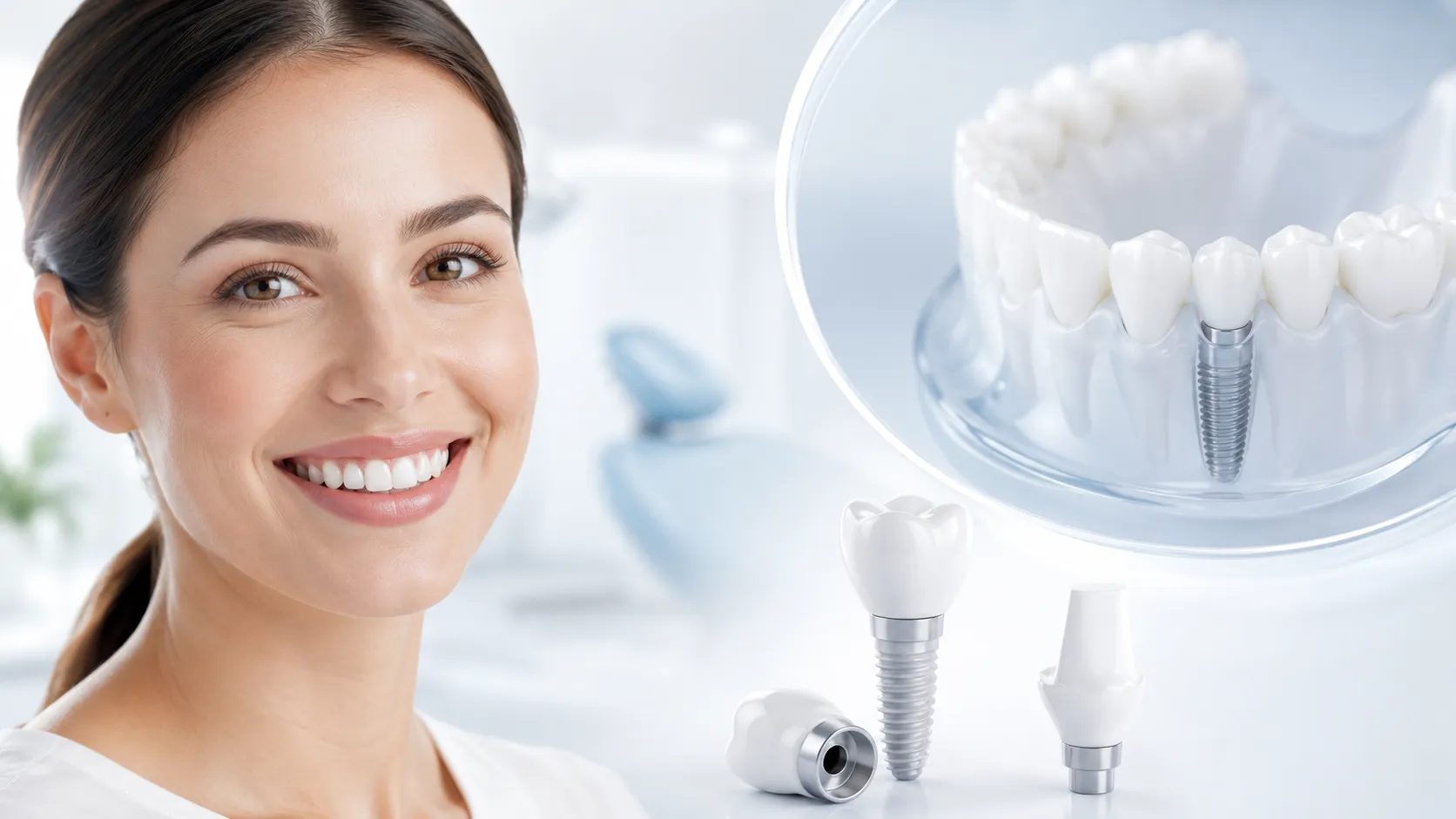
Some patients complete treatment in one trip if they have excellent bone density, need only a single implant, and choose an experienced surgical team.
What Are Immediate Load Zirconia Implants?
Immediate load implants receive a temporary or final crown within 48 hours of placement. Not all patients qualify for this approach.
Patient eligibility for immediate loading depends on several factors. The patient must have excellent bone density and volume. The implant must achieve high primary stability during surgery. The patient must commit to a soft diet for several weeks after placement.
Bone density requirements are strict. Immediate loading works best in the lower jaw with dense cortical bone. The dentist measures insertion torque during surgery. Torque values above 35–45 Ncm usually indicate sufficient stability for immediate loading.
Risks and limitations of immediate loading include higher failure rates in poor-quality bone. The implant may move slightly under chewing forces before osseointegration completes. This micromovement can prevent bone fusion. Therefore, most dentists recommend delayed loading for predictable results.
When Is Same-Trip Restoration Possible?
Same-trip restoration works for patients with excellent bone quality, single implant cases, and experienced surgical teams.
Examples of same-trip candidates include:
Patients who need a single implant in the lower front region with thick bone
Patients who have lost a tooth due to trauma and still have healthy surrounding bone
Patients who previously had bone grafting and now have adequate bone volume
Experienced surgical teams increase the success of same-trip restoration. These teams use advanced surgical techniques, precise planning software, and high-quality implants. They also select patients carefully and reject borderline cases.
Patients who choose same-trip restoration must understand the risks. They must follow a strict soft diet for 6–8 weeks. They must avoid chewing on the implant side. They must maintain excellent oral hygiene. Any deviation from these instructions risks implant failure.
What Factors Affect How Long You Should Stay?
Your stay length depends on the number of missing teeth, bone grafting needs, sinus lift requirements, existing oral health, smoking habits, diabetes, and overall healing capacity.
How Does the Number of Missing Teeth Affect Your Stay?
More missing teeth require longer stays because the dentist places more implants and monitors more surgical sites.
A single missing tooth needs one implant and one crown. The surgery is quick and the recovery is straightforward. Multiple missing teeth need multiple implants, possibly in different areas of the mouth. Full-mouth rehabilitation requires the longest stay because the dentist places 4–8 implants per arch and manages complex bite relationships.
Do You Need Bone Grafting?
Bone grafting extends your stay by 1–3 days. The dentist places graft material to rebuild lost bone volume.
Patients who have been missing teeth for years often suffer bone loss. The jawbone shrinks because it no longer receives chewing stimulation. The dentist must rebuild this bone before placing implants. They may use autogenous bone from the patient, donor bone, or synthetic materials.
Bone grafting adds a separate surgical procedure to the timeline. The graft needs time to integrate with existing bone. In some cases, the dentist places the graft and the implant simultaneously. In other cases, the graft heals for 4–6 months before implant placement.
Do You Need a Sinus Lift?
Sinus lifts extend your stay and may require a separate healing period before implant placement.
A sinus lift raises the sinus floor to create more bone height in the upper back jaw. The dentist adds bone graft material beneath the sinus membrane. This procedure adds 1–2 hours to the surgery time.
Some dentists perform sinus lifts and implant placement in one session. Others wait 6–9 months for the graft to heal before placing implants. Patients who need sinus lifts should discuss the timeline with their dentist before booking travel.
How Do Existing Oral Health Conditions Affect Your Stay?
Gum disease, cavities, and infections require treatment before implant placement. This pretreatment extends your stay.
The dentist must resolve all active oral health issues before placing implants. They treat gum disease with scaling and root planing. They fill cavities and remove infected teeth. They perform root canals if necessary.
Patients with poor oral health need extra days for these preliminary procedures. They also need time for the tissues to heal before implant surgery.
How Does Smoking Affect Your Stay?
Smokers heal slower and face higher complication risks. They may need longer stays and additional follow-up appointments.
Smoking reduces blood flow to the gums and bone. Nicotine constricts blood vessels and limits oxygen delivery. This restriction slows healing and increases infection risk. Smokers also face higher rates of implant failure.
Dentists strongly recommend quitting smoking before implant surgery. Patients who smoke should stop at least two weeks before surgery and avoid smoking throughout the healing period.
How Do Diabetes and Systemic Health Affect Your Stay?
Uncontrolled diabetes slows healing and increases infection risk. Patients with well-controlled diabetes usually heal normally.
Diabetes affects blood sugar levels and immune function. High blood sugar impairs white blood cell activity. This impairment makes infections more likely and healing slower. Patients with diabetes should achieve stable blood sugar control before traveling for implants.
Other systemic conditions like osteoporosis, autoimmune diseases, and bleeding disorders also affect healing. Patients with these conditions should provide complete medical records and coordinate care with their physicians.
How Does Your Healing Capacity Affect Your Stay?
Younger patients with good health heal faster than older patients with chronic conditions. Your individual biology determines your optimal stay length.
Healing capacity varies from person to person. Some patients recover quickly with minimal swelling. Others experience prolonged swelling and discomfort. The dentist monitors each patient individually and adjusts the timeline accordingly.
What Happens During Your Stay in Turkey?
Your stay includes airport pickup, hotel accommodation, clinic visits, laboratory work, follow-up appointments, postoperative care, and light tourism during recovery.
How Does Airport Pickup Work?
The clinic arranges a private transfer from Istanbul or Antalya airport to your hotel.
Most dental tourism packages include airport transfers. A driver meets you at the arrivals hall with a sign bearing your name. They help with luggage and drive you directly to your hotel. This service eliminates the stress of navigating public transportation after a long flight.
What Hotel Accommodation Can You Expect?
Packages include 4-star or 5-star hotels near the clinic. The clinic books the hotel and includes it in the total price.
Hotels are typically located within 15–30 minutes of the clinic. This proximity makes it easy to attend appointments. Hotels offer comfortable rooms, breakfast, and sometimes spa facilities. Patients can rest and recover in a pleasant environment.
What Happens During Clinic Visits?
Clinic visits include consultations, surgery, follow-up checks, and final fittings. The clinic coordinates all appointments.
The clinic schedules your appointments in advance. You know exactly when to arrive each day. The staff speaks English and guides you through every step. You spend most of your time with the dentist or in the recovery area.
What Laboratory Procedures Are Involved?
The dental laboratory mills zirconia crowns, creates temporary restorations, and fabricates surgical guides.
Modern Turkish clinics use digital workflows. The laboratory receives digital files from intraoral scanners and CBCT machines. Technicians use CAD/CAM software to design crowns and bridges. They mill zirconia blocks with high-precision machines. Some clinics have in-house laboratories that complete work in hours rather than days.
What Follow-Up Appointments Will You Attend?
You will attend follow-up appointments on days 3, 5, and 7 after surgery. The dentist checks healing and removes sutures.
These appointments are brief but important. The dentist examines the surgical site, cleans the area, and answers your questions. They adjust your medication if needed. They confirm that you are ready to fly home.
What Postoperative Care Will You Receive?
The clinic provides written instructions, medications, and emergency contact information. They also schedule remote follow-ups after you return home.
Postoperative care includes detailed instructions on diet, oral hygiene, and activity restrictions. The clinic provides enough medication for the first week. They give you the direct phone number of your dentist or coordinator. You can call anytime if you have concerns.
Can You Explore Turkey During Recovery?
Yes, but you should choose light activities like historic neighborhood walks, waterfront strolls, museum visits, and gentle dining.
Istanbul offers many low-impact activities. You can walk through Sultanahmet and see the Blue Mosque and Hagia Sophia from the outside. You can stroll along the Bosphorus waterfront in Bebek or Ortaköy. You can visit museums with minimal walking. You can enjoy Turkish cuisine at relaxed restaurants.
Avoid strenuous activities like hiking, dancing, or heavy shopping. Avoid hot baths and saunas because heat increases swelling. Avoid alcohol because it interferes with healing and medication.
How Should You Prepare for Your Trip from Canada?
Bring dental records, plan flights and accommodation, check passport validity, arrange travel insurance, and prepare payment methods.
What Dental Records Should You Bring?
Bring recent X-rays, CBCT scans if available, your complete medical history, and a list of current medications.
Recent X-rays help the Turkish dentist understand your oral condition before you arrive. They can identify obvious issues and plan accordingly. CBCT scans are especially valuable because they show bone volume in three dimensions.
Your medical history should include all chronic conditions, previous surgeries, and hospitalizations. Your medication list should include prescription drugs, over-the-counter medications, and supplements. Some medications affect bleeding or healing, so the dentist needs this information.
What Should Your Travel Planning Checklist Include?
Your checklist should cover flights, passport validity, accommodation, travel insurance, and payment methods.
Book flights that arrive at least one day before your first appointment. This buffer allows you to rest after the flight and adjust to the time zone. Istanbul is 7 hours ahead of Toronto.
Check your passport validity. Turkey requires passports to be valid for at least six months beyond your arrival date. Ensure you have at least one blank page for entry stamps.
Confirm your accommodation details with the clinic. Verify the hotel name, address, and check-in time.
Purchase travel insurance that covers medical treatment abroad. Some standard travel insurance policies exclude elective dental procedures. Read the fine print carefully.
Prepare payment methods. Most Turkish clinics accept credit cards, bank transfers, and sometimes cash. Confirm payment options and currency with your clinic coordinator.
What Should You Do Before Flying Home?
Attend a final examination, review your medications, receive written aftercare instructions, and get emergency contact information.
The final examination confirms that your surgical sites are stable. The dentist checks for any signs of complications. They verify that you are fit to fly.
The medication review ensures you have enough prescriptions for the first week at home. The dentist explains which medications to continue and which to stop.
Written aftercare instructions provide a reference for your recovery at home. These instructions cover diet, oral hygiene, activity restrictions, and warning signs.
Emergency contact information includes the clinic's phone number, email, and WhatsApp. You can reach the dentist directly if you have concerns after returning to Canada.
How Should You Manage Recovery After Returning to Canada?
Follow a strict diet, maintain excellent oral hygiene, avoid certain activities, and contact your dentist if you notice warning signs.
What Should You Do During the First Week?
Eat soft foods, take prescribed medications, apply ice packs, rest, and avoid disturbing the surgical site.
The first week requires the most care. Eat soft foods like yogurt, soup, mashed potatoes, and scrambled eggs. Avoid hot foods and drinks because heat increases bleeding. Drink plenty of water but avoid using straws because suction can dislodge blood clots.
Take all prescribed medications exactly as directed. Finish the full course of antibiotics even if you feel better. Take pain relievers before the anesthesia wears off to stay ahead of discomfort.
Apply ice packs to your face for 15 minutes at a time during the first 48 hours. This reduces swelling and bruising.
Rest as much as possible. Sleep with your head elevated on two pillows. This position reduces blood flow to the head and minimizes swelling.
Avoid touching the surgical site with your tongue or fingers. Do not rinse vigorously. Do not spit forcefully.
What Should You Do During the First Month?
Gradually return to normal foods, continue gentle oral hygiene, and avoid hard or crunchy foods.
After the first week, you can slowly add more foods to your diet. Start with soft pasta, fish, and cooked vegetables. Avoid hard, crunchy, or sticky foods for at least one month. These foods can damage the surgical site or disturb healing implants.
Continue gentle oral hygiene. Brush your teeth carefully around the surgical area. Use a soft-bristled toothbrush. Rinse with salt water or prescribed mouthwash. Avoid alcohol-based mouthwashes because they can irritate healing tissue.
What Foods Should You Eat?
Eat soft, nutrient-rich foods that support healing.
Food Category | Recommended Foods | Foods to Avoid |
Proteins | Greek yogurt, scrambled eggs, soft fish, protein smoothies | Tough meats, nuts, seeds |
Carbohydrates | Mashed potatoes, oatmeal, soft pasta, rice | Hard bread, crackers, chips |
Fruits and Vegetables | Bananas, applesauce, cooked carrots, spinach soup | Raw apples, carrots, celery |
Dairy | Milk, cheese, yogurt | None |
Beverages | Water, herbal tea, milk | Alcohol, carbonated drinks, hot coffee |
What Oral Hygiene Instructions Should You Follow?
Brush gently twice daily, rinse with prescribed mouthwash, avoid flossing near the surgical site for two weeks, and keep the area clean.
Good oral hygiene prevents infection and promotes healing. However, you must be gentle around the surgical site. Use a soft toothbrush and avoid aggressive scrubbing.
Rinse with prescribed antimicrobial mouthwash after meals. This rinse reduces bacteria without disturbing the surgical site. Do not use over-the-counter mouthwashes unless your dentist approves them.
Avoid flossing or using interdental brushes near the surgical site for the first two weeks. After that, resume gentle cleaning as directed by your dentist.
What Activities Should You Avoid?
Avoid strenuous exercise, heavy lifting, bending over, smoking, alcohol, and hot baths for at least two weeks.
Strenuous exercise increases blood pressure and heart rate. This increase can cause bleeding at the surgical site. Wait at least two weeks before returning to the gym or playing sports.
Heavy lifting and bending over also increase blood pressure. Avoid lifting anything heavier than 10 pounds for the first week.
Smoking and alcohol delay healing and increase infection risk. Avoid both completely during the recovery period.
Hot baths, saunas, and steam rooms increase blood flow to the face. This increased flow can worsen swelling. Avoid these for at least two weeks.
When Should You Contact Your Dentist?
Contact your dentist immediately if you experience severe pain, heavy bleeding, fever, pus, or implant looseness.
Warning signs that require immediate attention include:
Severe pain that does not respond to medication
Heavy bleeding that continues for more than 24 hours
Fever above 38°C (100.4°F)
Pus or foul odor from the surgical site
Swelling that worsens after day three
Numbness or tingling that persists
An implant that feels loose
Contact your Turkish dentist first if the complication occurs within the first month. They know your case and can advise you. After the first month, contact your local Canadian dentist for follow-up care.
What Cost Advantages Do Canadian Patients Enjoy?
Canadians save 50–70% on zirconia implant treatment in Turkey even after paying for travel and accommodation.
Treatment | Canada (Estimated) | Turkey (Estimated) |
Single Zirconia Implant | $3,000–$6,000 CAD | $800–$1,500 USD |
Multiple Implants | $12,000–$24,000 CAD | $3,000–$6,000 USD |
Full Mouth Restoration | $40,000–$80,000 CAD | $8,000–$15,000 USD |
These estimates include the implant, abutment, and crown. Canadian prices vary by province and city. Toronto and Vancouver typically charge higher fees than smaller cities.
Package inclusions in Turkey often cover:
Hotel accommodation for 5–10 nights
Airport and clinic transfers
Initial consultation and CBCT scan
All surgical procedures
Temporary restorations
Final zirconia crowns
Follow-up appointments
Some clinics include city tours or meals
The overall savings remain substantial even after adding flights, meals, and personal expenses. A Canadian patient who needs full-mouth rehabilitation might spend $15,000–$20,000 total in Turkey versus $50,000–$80,000 in Canada.
What Safety Tips Should Canadians Consider?
Choose an experienced implant dentist, verify clinic credentials, ask about implant brands, review case studies, understand the timeline, clarify warranties, and confirm English communication.
How Do You Choose an Experienced Implant Dentist?
Look for dentists with 10+ years of implant experience, international training, and membership in professional organizations like the International Congress of Oral Implantologists (ICOI).
Experience matters in implant dentistry. Dentists who place hundreds of implants per year handle complications better than those who place only a few. Ask how many zirconia implants the dentist has placed specifically. Zirconia implants require different techniques than titanium implants.
How Do You Verify Clinic Credentials?
Check for international accreditation, sterilization protocols, and digital equipment.
Look for clinics accredited by organizations like the Joint Commission International (JCI) or ISO certifications. These accreditations indicate that the clinic meets international standards for patient safety and quality.
Ask about sterilization protocols. The clinic should use autoclaves, disposable instruments, and barrier protection. They should follow strict infection control procedures.
Verify that the clinic uses modern digital equipment. CBCT scanners, intraoral scanners, and CAD/CAM systems indicate a commitment to precision and quality.
Why Should You Ask About Implant Brands?
Different zirconia implant brands have different track records. Choose brands with published clinical research and long-term data.
Leading zirconia implant manufacturers include Straumann, Nobel Biocare, and Ceraroot. These companies invest in research and publish peer-reviewed studies. They also offer warranties and technical support.
Avoid unknown or generic brands. These implants may lack clinical validation. They may also be difficult to repair or replace if complications arise.
Why Should You Review Before-and-After Cases?
Before-and-after photos show the dentist's skill level and aesthetic sense. They help you set realistic expectations.
Request to see cases similar to yours. If you need a single front tooth implant, look at single front tooth cases. If you need full-mouth rehabilitation, look at full-mouth cases.
Pay attention to gum aesthetics, crown shape, and color matching. Good results look natural and harmonious with the patient's face.
Why Should You Understand the Treatment Timeline?
Understanding the timeline prevents disappointment and ensures you can commit to the required visits and healing periods.
Ask the dentist to explain each phase of treatment. Know how many days you need for each visit. Know how many months you must wait between visits. Know what happens if healing takes longer than expected.
Why Should You Clarify Warranty and Aftercare?
Warranties protect you if the implant fails. Aftercare ensures you receive support after returning to Canada.
Ask what the warranty covers. Does it cover implant failure, crown fracture, or both? How long does the warranty last? What conditions void the warranty?
Ask about aftercare protocols. Will the clinic provide remote follow-ups? Will they coordinate with your Canadian dentist? Who pays for corrective treatment if complications arise?
Why Should You Confirm Communication in English?
Clear communication prevents misunderstandings about treatment plans, risks, and aftercare instructions.
Ensure that your dentist and coordinator speak fluent English. Miscommunication in medical settings can lead to serious errors. You should feel comfortable asking questions and expressing concerns.
Frequently Asked Questions
How Many Days Should Canadians Stay in Turkey for Zirconia Implants?
Canadians should stay 5–7 days for a single implant, 6–8 days for multiple implants, and 7–10 days for full-mouth rehabilitation.
Is One Trip Enough for Zirconia Implants?
One trip is usually not enough. Most cases need two trips with a 3–6 month healing period between them. Some patients with excellent bone quality may qualify for same-trip restoration.
Why Is There a Healing Period Before the Final Crown?
The healing period allows bone to fuse with the implant. This process, called osseointegration, creates a strong foundation for the final crown (Brånemark, 1977).
Can You Travel Home After Implant Surgery?
Yes, but you should wait at least 3–5 days before flying. Early air travel increases the risk of bleeding, swelling, and discomfort.
How Long After Surgery Can You Fly Back to Canada?
Most patients fly home 5–7 days after surgery. Patients with complicated cases or additional procedures may need to stay longer.
What If You Need Bone Grafting?
Bone grafting extends your stay by 1–3 days. Some cases require a separate grafting procedure months before implant placement.
Can You Work Remotely While Recovering in Turkey?
Yes, many patients work remotely from their hotel. Istanbul has excellent Wi-Fi. However, you should rest for the first 2–3 days after surgery.
Is Zirconia Better Than Titanium for Aesthetic Results?
Zirconia often provides better aesthetic results, especially in patients with thin gums. The white ceramic material avoids the gray shadow that titanium can create (Denry and Holloway, 2010).
What Foods Should You Avoid After Implant Placement?
Avoid hard, crunchy, sticky, hot, and spicy foods for at least two weeks. Stick to soft, cool, and nutrient-rich foods.
How Much Money Can Canadians Save by Choosing Turkey?
Canadians typically save 50–70% on zirconia implant treatment in Turkey, even after paying for flights and accommodation.
Conclusion
Most Canadian patients should plan 5–7 days for their first visit and 5–7 days for their second visit after a 3–6 month healing period. Individual timelines vary based on bone health, implant number, and additional procedures.
Zirconia implant treatment in Turkey offers Canadian patients an excellent combination of quality, affordability, and experience. The treatment requires careful planning and realistic expectations about time and travel.
Your treatment duration depends on several personal factors. Your bone health determines whether you need grafting or sinus lifts. The number of implants affects surgery time and recovery needs. Your overall health influences how quickly you heal.
Selecting an experienced clinic remains the most important decision you will make. Verify credentials, review cases, ask about implant brands, and confirm communication in English. A skilled dentist with modern technology delivers better outcomes and reduces complication risks.
Following postoperative instructions ensures successful healing. Eat soft foods, maintain excellent hygiene, avoid smoking and alcohol, and attend all follow-up appointments. These simple steps protect your investment and your health.
Arranging appropriate follow-up care in both Turkey and Canada completes your treatment plan. Coordinate with your local dentist before you travel. Share your treatment records and establish a plan for ongoing maintenance.
Zirconia implants can restore your smile, your chewing function, and your confidence. With proper planning, your dental journey to Turkey can be safe, comfortable, and successful.
References
Albrektsson, Tomas, et al. "Osseointegration of Titanium Implants." Journal of Materials Science: Materials in Medicine, vol. 1, no. 3, 1990, pp. 206–214.
Andreiotelli, M., et al. "Zirconia Dental Implants: A Literature Review." Journal of Oral Implantology, vol. 35, no. 6, 2009, pp. 315–325.
Brånemark, Per-Ingvar. "Osseointegrated Implants in the Treatment of the Edentulous Jaw." Scandinavian Journal of Plastic and Reconstructive Surgery, vol. 11, 1977, pp. 1–132.
Cionca, N., et al. "Zirconia Dental Implants: An Up-to-Date Review." Materials, vol. 10, no. 3, 2017, p. 334.
Denry, Isabelle, and Julie A. Holloway. "Ceramics for Dental Applications: A Review." Materials, vol. 3, no. 1, 2010, pp. 351–368.
Jokstad, A. "Dental Implant Treatment in the Context of Medical Tourism." International Dental Journal, vol. 65, no. 4, 2015, pp. 175–181.
Osman, R. B., et al. "Zirconia Dental Implants: Where Are We Now?" The Open Dentistry Journal, vol. 8, 2014, pp. 198–207.
Piconi, G., and C. Maccauro. "Zirconia as a Ceramic Biomaterial." Biomaterials, vol. 20, no. 1, 1999, pp. 1–25.
Pjetursson, B. E., et al. "A Systematic Review of the Survival of Implants in Bone Grafted Maxillary Sinuses." Clinical Oral Implants Research, vol. 19, 2008, pp. 124–130.
Scarano, A., et al. "Bacterial Adhesion on Zirconia and Titanium." Journal of Dentistry, vol. 42, no. 11, 2014, pp. 1463–1469.