Turkey offers world-class zirconia implant treatment at a fraction of Western prices. Patients gain access to advanced digital dentistry, experienced specialists, and comprehensive care packages that rival top clinics in Europe and North America.
Modern dentistry continues to evolve at a rapid pace. Patients now seek solutions that combine health, aesthetics, and affordability. Zirconia dental implants represent one of the most exciting advances in oral rehabilitation. These white ceramic implants offer a metal-free alternative to traditional titanium posts. Turkey has emerged as a global leader in this field. The country combines cutting-edge technology with competitive pricing. International patients from the UK, Ireland, Germany, and the USA increasingly choose Turkey for their implant treatment. This article explores the scientific, clinical, and practical reasons behind this growing trend.
Why Is Turkey Becoming a Leading Destination for Zirconia Implant Treatment?
Turkey attracts dental tourists because it merges advanced clinical standards with affordable pricing. The country invests heavily in digital dentistry and trains specialists who meet international benchmarks.
What Is Driving the Global Growth of Dental Tourism?
Dental tourism grows because patients seek high-quality care at lower costs. Rising healthcare expenses in Western countries push patients to explore overseas options.
Dental tourism has expanded rapidly over the past decade. Patients now travel across borders for complex procedures like implant-supported restorations. The global dental tourism market continues to grow each year. Several factors drive this trend. First, dental costs in countries like the UK and the USA have risen sharply. Second, patients now research clinics online and compare options globally. Third, social media and review platforms help patients verify clinic quality before they book. Turkey sits at the center of this movement. The country offers direct flights from most European cities. Istanbul and other major cities host modern clinics that compete with the best in the world.
Why Do International Patients Choose Turkey?
Patients choose Turkey for expert care, modern facilities, and significant cost savings. The country also offers cultural attractions and hospitality that enhance the overall experience.
International patients select Turkey for multiple reasons. Many report that Turkish clinics provide faster appointment scheduling than their home countries. Others mention the warm patient care and multilingual support. Turkey also boasts a strong reputation in medical tourism beyond dentistry. The country performs thousands of hair transplants, cosmetic surgeries, and orthopedic procedures each year. This ecosystem creates a mature infrastructure for international patients. Hotels, transport services, and clinic coordinators work together to streamline the patient journey.
How Does Turkey Combine Advanced Dentistry with Affordable Care?
Lower operating costs and favorable currency exchange rates allow Turkish clinics to invest in premium technology while keeping prices accessible.
Turkish clinics operate with lower overhead than their Western counterparts. Rent, staff salaries, and administrative costs remain reasonable. The Turkish lira exchange rate favors foreign patients. These economic factors allow clinics to purchase the same CBCT imaging units, CAD/CAM milling machines, and digital intraoral scanners found in London or New York. Patients receive identical technology at a lower price point. This combination of quality and value defines Turkey's appeal.
What Explains the Rise of Digital Dental Clinics in Turkey?
Turkish clinics adopt digital workflows rapidly because they improve accuracy and patient outcomes. Digital implant planning and guided surgery have become standard practice.
Digital dentistry transforms how clinics plan and execute implant treatment. Turkish clinics embraced this shift early. Many now use 3D treatment planning software for every case. Digital intraoral scanners replace messy traditional impressions. CAD/CAM systems fabricate custom abutments and crowns within hours. This digital ecosystem reduces human error. It also shortens treatment times. Patients benefit from more predictable results and fewer chairside appointments.
What Are Zirconia Dental Implants?
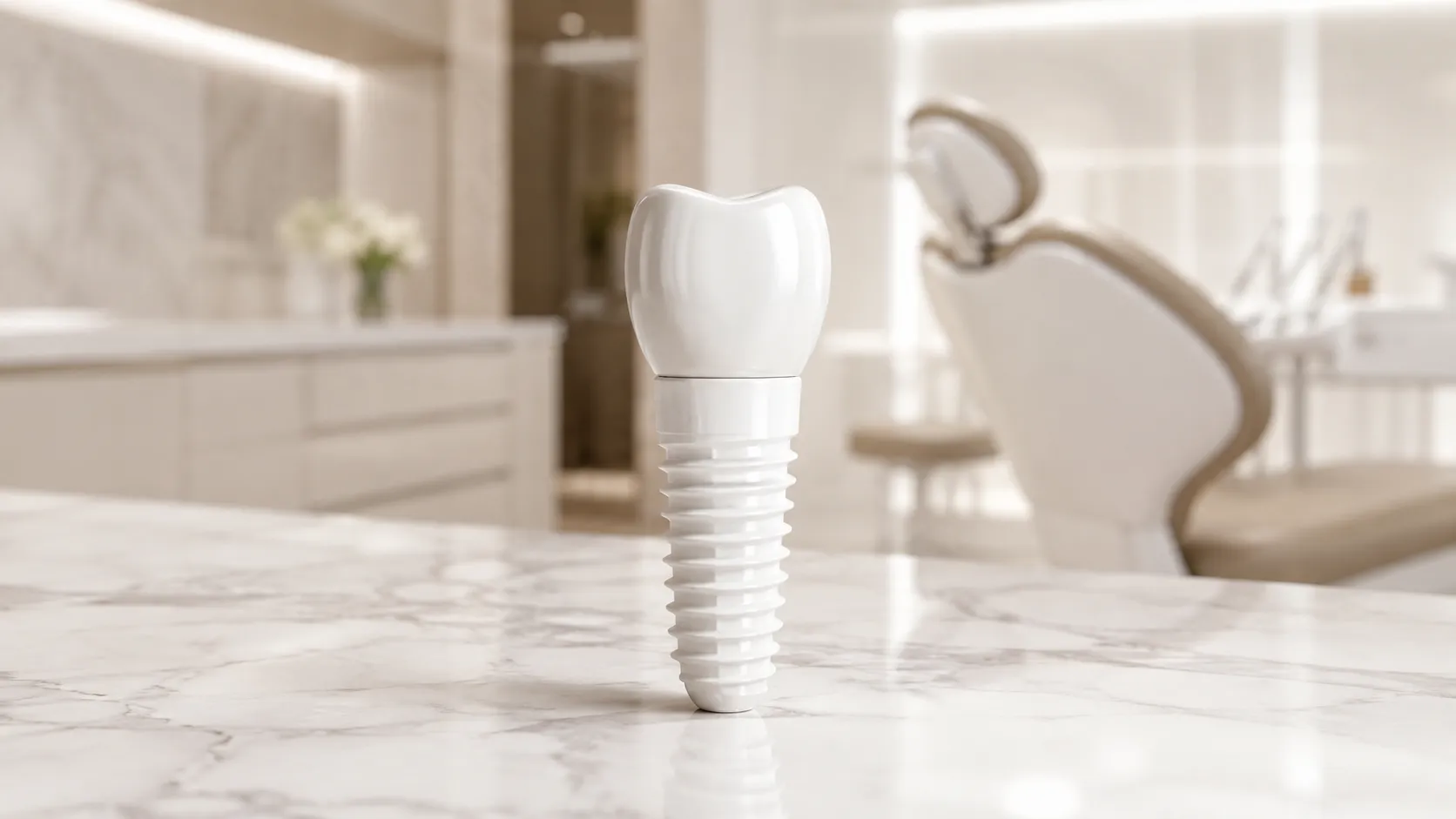
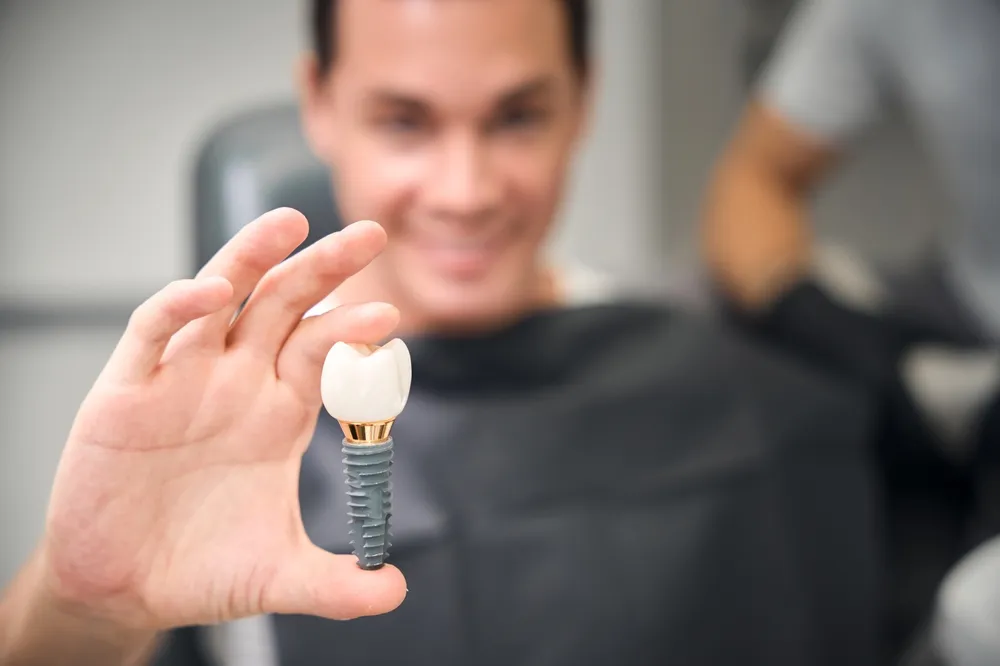
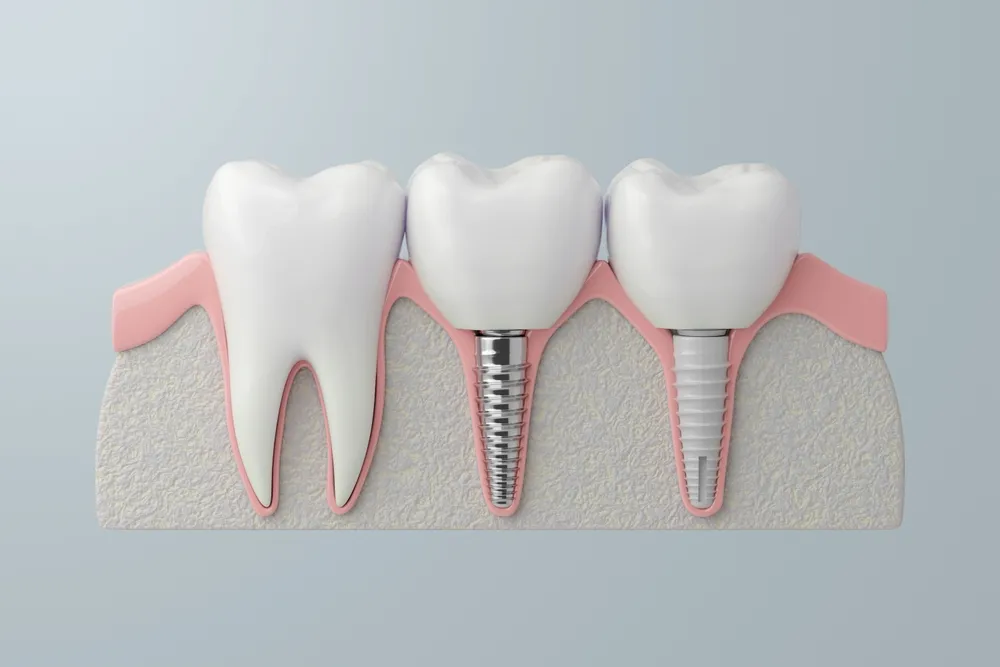
Zirconia dental implants are white ceramic posts that replace missing tooth roots. They support crowns, bridges, or full-arch restorations without using metal.
What Makes Zirconia an Ideal Implant Material?
Zirconia offers excellent biocompatibility, high fracture resistance, and natural aesthetics. It contains no metal ions and integrates well with bone tissue.
Zirconia stands for zirconium dioxide. This ceramic material belongs to the family of oxide ceramics. Engineers and dentists value zirconia for its remarkable strength. Modern dental zirconia undergoes high-temperature processing and stabilization with yttrium oxide. This process creates yttria-stabilized tetragonal zirconia polycrystal, known as Y-TZP. Y-TZP resists cracking and maintains structural integrity under chewing forces. The material also appears white or tooth-colored. This property makes it ideal for patients who demand superior aesthetics. Piconi and Maccauro (1999) describe zirconia as a biomaterial with exceptional mechanical properties and biological safety.
How Do Zirconia Implants Differ from Zirconia Crowns?
Zirconia implants replace tooth roots beneath the gum line. Zirconia crowns cover existing teeth or sit on top of implants as visible restorations.
Patients often confuse zirconia implants with zirconia crowns. These are two different things. A zirconia implant functions as an artificial root. The dentist places it directly into the jawbone. A zirconia crown is a cap that covers a natural tooth or attaches to an implant abutment. Think of the implant as the foundation and the crown as the visible structure above it. Both use zirconia ceramic, but they serve different roles in oral rehabilitation.
What Are the Differences Between One-Piece and Two-Piece Zirconia Implant Systems?
One-piece systems combine the implant and abutment into a single unit. Two-piece systems allow the dentist to attach a separate abutment after placement.
Zirconia implants come in two main designs. One-piece implants integrate the implant body and the abutment into a single ceramic unit. This design eliminates the microgap between the implant and abutment. Some researchers believe this reduces bacterial infiltration. Two-piece zirconia implants separate the implant body from the abutment. This design offers more prosthetic flexibility. The dentist can angle the abutment to match the natural tooth position. Each design has specific clinical indications. The choice depends on bone anatomy, aesthetic demands, and the complexity of the restoration.
How Do Zirconia Implants Integrate with Bone?
Zirconia implants undergo osseointegration just like titanium implants. Bone cells attach directly to the ceramic surface and form a stable biological bond.
Osseointegration defines the process where bone fuses with an implant surface. This fusion creates a solid anchor for the prosthetic restoration. Zirconia implants achieve osseointegration through surface modifications. Manufacturers use sandblasting, acid etching, or laser treatment to roughen the implant surface. This roughness increases the surface area for bone contact. Studies show that zirconia implants achieve high bone-to-implant contact rates. Scarano et al. (2004) demonstrated that zirconia implants integrate successfully with bone tissue in both animal and human models. The osseointegration timeline for zirconia typically spans three to six months, depending on bone quality and location.
What Are the Main Benefits of Choosing Turkey for Zirconia Implant Treatment?
Patients save money, access top specialists, and receive treatment in modern clinics equipped with the latest digital technology. All-inclusive packages simplify the entire process.
How Much Can Patients Save Without Sacrificing Quality?
Patients often save 50% to 70% compared to UK, Irish, German, or US prices. These savings include flights, accommodation, and the full treatment.
Cost remains a major factor in dental tourism. A single zirconia implant in the UK can cost between £2,000 and £3,000. In Turkey, the same procedure often ranges from £400 to £800. Full-mouth rehabilitation with zirconia implants in the USA may exceed $50,000. Turkish clinics offer comparable treatment for $15,000 to $25,000. These figures include accommodation, airport transfers, and sometimes city tours. Patients do not compromise on quality. They simply benefit from a more favorable economic environment.
Why Do Patients Gain Access to Experienced Implant Specialists?
Turkish implantologists perform high volumes of cases annually. This repetition hones their surgical skills and clinical judgment.
Experience matters in implant dentistry. Turkish specialists handle thousands of implant cases each year. Many trained in Europe or the USA before returning to practice in Turkey. Others completed advanced postgraduate programs in implantology and prosthetic restoration. High patient volume means these specialists encounter diverse clinical situations. They manage complex bone defects, aesthetic challenges, and full-arch rehabilitations regularly. This depth of experience benefits every patient who walks through the door.
What Modern Technologies Do Turkish Clinics Use?
Leading Turkish clinics use CBCT imaging, CAD/CAM milling, digital intraoral scanners, and guided implant surgery systems.
Technology drives precision in modern implant dentistry. Turkish clinics invest heavily in digital infrastructure. CBCT imaging provides three-dimensional views of the jawbone. This allows accurate measurement of bone height, width, and density. Digital intraoral scanners capture precise tooth impressions without discomfort. CAD/CAM systems design and mill custom crowns and abutments in a single visit. Guided implant surgery uses surgical templates created from digital planning. These technologies reduce surgical time and improve implant placement accuracy.
What International Standards of Patient Care Do Turkish Clinics Follow?
Top clinics follow ISO standards, sterilization protocols, and quality management systems that match or exceed European requirements.
Patient safety sits at the core of reputable dental practice. Turkish clinics that serve international patients maintain strict sterilization and infection control protocols. Many hold ISO 9001 certification for quality management. They use autoclave sterilization, disposable instruments, and barrier protection. Treatment rooms follow cross-infection prevention guidelines. Staff wear appropriate personal protective equipment. These standards reassure patients that their health remains protected throughout the treatment journey.
What Do Comprehensive Treatment Packages Include for Overseas Patients?
Packages typically include consultation, imaging, surgery, prosthetics, accommodation, airport transfers, and postoperative care.
Overseas patients need more than just dental treatment. They need logistics support. Turkish clinics understand this. Many offer all-inclusive packages that cover every aspect of the visit. A standard package might include a free online consultation, CBCT imaging, the implant surgery, temporary prosthetics, final crowns, hotel accommodation, VIP airport transfers, and a dedicated patient coordinator. Some packages extend to include city tours or spa services. This holistic approach removes stress and allows patients to focus on their recovery.
Why Are Zirconia Implants Considered an Excellent Alternative to Titanium?
Zirconia implants offer superior aesthetics, metal-free composition, excellent biocompatibility, and favorable soft tissue response compared to traditional titanium implants.
How Do Zirconia Implants Provide Superior Aesthetic Appearance?
The white color of zirconia eliminates the gray shadow that sometimes shows through thin gums with titanium implants.
Aesthetics play a critical role in implant dentistry, especially for front teeth. Titanium implants have a metallic gray color. In patients with thin gingival tissue, this grayness can show through the gum. The result looks unnatural. Zirconia implants solve this problem. Their white ceramic color mimics natural tooth roots. Even patients with thin gum tissue achieve seamless aesthetic results. This property makes zirconia the material of choice for high-smile-line cases.
What Makes Zirconia a Metal-Free Restoration?
Zirconia contains no metal ions. Patients who prefer holistic or metal-free dentistry find this feature highly appealing.
Some patients worry about metal in their bodies. They may have concerns about allergies, sensitivities, or long-term metal exposure. Zirconia implants address these concerns directly. The material is an oxide ceramic. It contains no metallic elements in its final form. This makes zirconia ideal for patients who follow holistic health principles. It also suits patients who have experienced reactions to other metals.
How Does Zirconia Demonstrate Excellent Biocompatibility?
Zirconia triggers minimal inflammatory response. Bone cells and gum tissue accept the material readily.
Biocompatibility measures how well a material interacts with living tissue. Zirconia scores exceptionally high in this regard. The material does not release ions into surrounding tissue. It does not corrode or degrade in the oral environment. Research by Roehling et al. (2016) confirms that zirconia implants show excellent soft and hard tissue integration. The surface supports healthy cell attachment and proliferation. This biological compatibility promotes long-term implant success.
How Does Zirconia Reduce Plaque Accumulation?
Zirconia surfaces attract less bacterial plaque than titanium. This supports better peri-implant tissue health.
Plaque accumulation threatens implant longevity. Bacteria colonize implant surfaces and cause inflammation. Over time, this can lead to peri-implantitis and bone loss. Studies suggest that zirconia surfaces accumulate less plaque than titanium. The material's smooth, non-polar surface discourages bacterial adhesion. Patients with zirconia implants may experience healthier gums around their implants. This low plaque affinity contributes to long-term implant survival.
How Does Zirconia Promote Favorable Soft Tissue Response?
Gum tissue adapts well to zirconia. The soft tissue seal around zirconia implants appears stable and healthy.
Soft tissue health determines the aesthetic and functional outcome of implant treatment. The gum must form a tight seal around the implant to prevent bacterial entry. Research indicates that zirconia implants support excellent soft tissue adaptation. The gingival margin remains stable over time. This reduces the risk of gum recession and exposure of the implant surface. Cionca et al. (2017) note that zirconia implants demonstrate favorable soft tissue behavior in clinical studies.
Why Is Natural Tooth-Colored Material Important?
Tooth-colored implants blend with the natural dentition. They create restorations that look indistinguishable from real teeth.
Dental implants should restore both function and appearance. Zirconia's natural white color allows technicians to craft restorations that match adjacent teeth perfectly. The material works well with all-ceramic crowns. The final result looks lifelike. Patients regain confidence in their smiles. This aesthetic advantage extends beyond the visible crown to the underlying implant structure.
Who Is an Ideal Candidate for Zirconia Implant Treatment in Turkey?
Ideal candidates include patients with metal sensitivities, thin gums, high aesthetic demands, and those seeking holistic dental solutions. Most adults with adequate bone qualify.
Which Patients Have Metal Sensitivities?
Patients who react to metals in jewelry or dental work often tolerate zirconia well. The material contains no allergenic metal ions.
Metal sensitivity affects a small percentage of the population. These patients may develop rashes, itching, or oral lesions from metal exposure. Titanium implants, while generally safe, contain trace elements like nickel or aluminum. Zirconia implants eliminate this risk entirely. Patients with known metal allergies should discuss zirconia options with their dentist. A patch test can confirm metal sensitivity before treatment begins.
Which Patients Seek High Aesthetic Results?
Patients replacing front teeth or those with high smile lines benefit most from zirconia's natural appearance.
Aesthetics matter most in the anterior region. Patients who show their front teeth when they smile need implants that look flawless. Zirconia implants deliver this outcome. The white color prevents any metallic show-through. The material pairs beautifully with all-ceramic crowns. Patients in modeling, acting, or public-facing professions often prefer zirconia for this reason.
Why Do Individuals with Thin Gum Tissue Prefer Zirconia?
Thin gum tissue cannot hide the gray color of titanium. Zirconia's white color remains invisible even with minimal tissue coverage.
Gum thickness varies among individuals. Some patients naturally have thin gingival biotypes. Others experience gum recession over time. In these cases, titanium implants may become visible as a gray line at the gum margin. Zirconia implants avoid this complication. Their white color harmonizes with the gum tissue regardless of thickness. This makes zirconia the safer choice for patients with thin or delicate gums.
Are Single-Tooth Replacement Cases Suitable for Zirconia?
Yes. Single-tooth gaps in the anterior and posterior regions respond well to zirconia implant placement.
Single-tooth replacement represents one of the most common implant indications. A zirconia implant replaces a missing tooth without affecting adjacent teeth. The dentist places the implant, allows osseointegration, and then attaches a custom crown. The result functions and looks like a natural tooth. Zirconia works well for single-tooth cases in both the front and back of the mouth.
Can Zirconia Implants Replace Multiple Missing Teeth?
Yes. Multiple zirconia implants can support bridges or partial restorations when several teeth are missing.
Patients who lose multiple teeth need a stable solution. Zirconia implants can support fixed bridges. The dentist places two or more implants and connects them with a ceramic bridge. This approach restores chewing function and prevents bone loss in the edentulous areas. The metal-free nature of zirconia appeals to patients who want comprehensive oral rehabilitation without metal components.
Why Do Patients Interested in Holistic Dentistry Choose Zirconia?
Holistic dentistry emphasizes biocompatible, non-toxic materials. Zirconia aligns perfectly with this philosophy.
Holistic or biological dentistry focuses on whole-body health. Practitioners avoid materials that may burden the immune system. They prefer treatments that work in harmony with the body's natural biology. Zirconia implants fit this approach. The material is inert, non-toxic, and metal-free. Patients who follow holistic health practices often request zirconia specifically.
How Is Zirconia Implant Treatment Performed in Turkey?
Treatment follows a structured workflow: online consultation, clinical examination, digital planning, surgical placement, healing, and final restoration.
What Happens During the Initial Online Consultation?
The patient submits photos and dental records. The dentist reviews the case and provides a preliminary treatment plan and cost estimate.
The journey begins before the patient boards the plane. Most Turkish clinics offer free online consultations. The patient sends panoramic X-rays, photos of their smile, and a brief medical history. The implantologist reviews these materials. They assess bone availability, identify potential challenges, and draft a preliminary plan. The clinic provides a detailed quote and explains the treatment timeline. This step allows patients to make informed decisions from home.
What Does the Comprehensive Clinical Examination Include?
The dentist performs a full oral examination, reviews medical history, and takes detailed diagnostic images.
Upon arrival, the patient undergoes a thorough clinical examination. The dentist inspects the teeth, gums, and jaw joints. They check for active infection, gum disease, or other conditions that might delay treatment. The medical history review identifies any medications, allergies, or systemic conditions. This examination ensures the patient is fit for implant surgery.
How Does Digital Smile Design Work?
Digital smile design software creates a virtual preview of the final result. The patient sees their new smile before surgery begins.
Digital smile design represents a powerful communication tool. The dentist takes photos and videos of the patient's face. They import these images into specialized software. The program simulates the proposed tooth shapes, positions, and colors. The patient reviews the digital preview and provides feedback. This collaborative approach ensures the final restoration matches the patient's expectations.
Why Is CBCT Imaging Essential for Implant Planning?
CBCT provides 3D bone measurements. It reveals nerve positions, sinus locations, and bone density.
Cone Beam Computed Tomography has revolutionized implant planning. Unlike traditional 2D X-rays, CBCT captures three-dimensional data. The dentist measures exact bone height and width. They identify the inferior alveolar nerve, maxillary sinus, and other anatomical landmarks. This information prevents surgical complications. CBCT also reveals bone density, which helps predict osseointegration success. Kohal et al. (2020) emphasize that CBCT-based planning significantly improves implant placement accuracy.
What Happens During Surgical Implant Placement?
The dentist places the zirconia implant into the jawbone under local anesthesia. The procedure typically takes 30 to 60 minutes per implant.
Surgical placement follows careful planning. The dentist administers local anesthesia to numb the area. They make a small incision in the gum to expose the bone. Using surgical guides created from CBCT data, they prepare the implant site with precision drills. The zirconia implant then screws into the prepared socket. The gum closes over the implant or a healing abutment attaches immediately. The patient receives postoperative instructions and medication.
How Long Does Healing and Osseointegration Take?
Osseointegration typically requires three to six months. The jawbone fuses with the zirconia implant during this period.
After placement, the implant must integrate with the bone. This process takes time. Most zirconia implants need three to four months in the lower jaw and four to six months in the upper jaw. The upper jaw has softer bone, so healing takes longer. During this period, the patient wears a temporary restoration if needed. They follow a soft diet and maintain excellent oral hygiene. The dentist monitors healing with follow-up visits.
How Is the Final Prosthetic Restoration Attached?
After osseointegration, the dentist takes impressions and attaches the final zirconia crown, bridge, or full-arch restoration.
Once the implant integrates fully, the restorative phase begins. The dentist removes the healing abutment and takes digital or physical impressions. A dental technician designs the final crown using CAD/CAM software. The crown may be zirconia, lithium disilicate, or another ceramic. The dentist checks the fit, color, and bite. They then secure the crown to the implant. The patient leaves with a permanent, aesthetic restoration.
Which Technologies Improve Zirconia Implant Success in Turkish Clinics?
CBCT, CAD/CAM, digital scanners, guided surgery, 3D planning, and digital occlusion analysis all contribute to higher success rates.
How Does Cone Beam Computed Tomography Improve Outcomes?
CBCT eliminates guesswork. It provides exact measurements for safe and precise implant placement.
CBCT imaging has become the gold standard in implant dentistry. It delivers high-resolution 3D images with lower radiation than medical CT scans. The dentist views the jawbone from every angle. They measure the distance to vital structures like nerves and sinuses. They assess bone quality and quantity. This data feeds directly into surgical planning software. The result is safer surgery with fewer complications.
How Do CAD/CAM Restorations Benefit Patients?
CAD/CAM technology produces custom crowns and abutments with micron-level precision. The fit is superior to handmade restorations.
Computer-aided design and computer-aided manufacturing transform prosthetic dentistry. The dentist scans the implant position digitally. Software designs a custom abutment and crown. A milling machine carves the restoration from a solid zirconia block. The entire process takes hours instead of weeks. The precision of CAD/CAM ensures perfect marginal fit. This reduces the risk of bacterial leakage and improves long-term success.
What Role Do Digital Intraoral Scanners Play?
Digital scanners capture accurate 3D models of the teeth and gums. They replace uncomfortable traditional impressions.
Traditional impressions require trays filled with impression material. Many patients gag or feel discomfort. Digital intraoral scanners eliminate this experience. A small wand captures thousands of images per second. Software stitches these images into a complete 3D model. The dentist reviews the model on screen immediately. They can send the digital file directly to the lab or milling machine. This speeds up the workflow and improves accuracy.
How Does Guided Implant Surgery Work?
Guided surgery uses 3D-printed templates that direct the drill and implant placement. This achieves millimeter-level accuracy.
Guided implant surgery represents the pinnacle of digital planning. The dentist plans the implant position on CBCT software. They design a surgical template that fits over the patient's teeth. A 3D printer creates the template from biocompatible resin. During surgery, the template guides every drill and the final implant insertion. This approach minimizes flap size, reduces surgical time, and protects vital structures. Research shows that guided surgery improves implant positioning accuracy significantly.
Why Is 3D Treatment Planning Critical?
3D planning allows the dentist to simulate the entire procedure before touching the patient. It identifies risks and optimizes outcomes.
Virtual planning software lets the dentist rehearse the surgery on a computer model. They can try different implant positions, angles, and depths. They can assess bone grafting needs in advance. They can design the final restoration before placing the implant. This prosthetically driven approach ensures that the implant supports the ideal tooth position. It eliminates surprises during surgery.
How Does Digital Occlusion Analysis Help?
Digital occlusion sensors measure bite forces precisely. They ensure the implant restoration receives balanced, safe loading.
Occlusion refers to how teeth meet when the patient bites down. Improper loading can fracture ceramic restorations or overload the implant. Digital occlusion analysis uses thin pressure-sensitive strips or optical sensors. The dentist sees exactly where the implant crown contacts opposing teeth. They adjust the bite until forces distribute evenly. This protects the zirconia implant and surrounding teeth from excessive stress.
How Much Can Patients Save by Choosing Turkey for Zirconia Implant Treatment?
Patients typically save between 50% and 70% on total treatment costs compared to Western Europe and North America.
What Does the Cost Comparison Look Like Across Countries?
A single zirconia implant costs £2,000-£3,000 in the UK, €2,500-€3,500 in Germany, and $3,000-$5,000 in the USA. Turkish clinics offer the same for £400-£800.
The following table compares estimated costs for a single zirconia implant with crown:
Country | Estimated Cost (Single Zirconia Implant + Crown) | Currency |
United Kingdom | £2,000 – £3,000 | GBP |
Ireland | €2,400 – €3,200 | EUR |
Germany | €2,500 – €3,500 | EUR |
United States | $3,000 – $5,000 | USD |
Turkey | £400 – £800 (or equivalent) | GBP/EUR |
Full-arch zirconia implant restorations show even greater savings:
Country | Estimated Full-Arch Zirconia Restoration | Currency |
United Kingdom | £15,000 – £25,000 | GBP |
Ireland | €18,000 – €28,000 | EUR |
Germany | €20,000 – €30,000 | EUR |
United States | $25,000 – $45,000 | USD |
Turkey | £6,000 – £12,000 | GBP |
What Factors Affect Treatment Costs?
Costs vary based on implant brand, number of implants, need for bone grafting, type of restoration, and clinic location.
Several variables influence the final price. The implant brand matters. Premium European or Swiss zirconia implants cost more than standard options. The number of implants directly affects the total. Bone grafting adds to the cost if the patient lacks sufficient bone volume. Full-arch restorations require more implants and more complex prosthetics than single-tooth cases. Clinic location within Turkey also plays a role. Istanbul clinics may charge slightly more than clinics in smaller cities.
What Do All-Inclusive Dental Packages Include?
Packages bundle treatment, accommodation, transfers, and sometimes meals into a single price.
All-inclusive packages simplify budgeting. A typical package includes:
Free online consultation and treatment planning
Panoramic X-ray and CBCT imaging
All surgical procedures and medications
Zirconia implants and final prosthetic restorations
Temporary prosthetics during healing
Hotel accommodation (often 4 or 5 star)
VIP airport transfers
English-speaking patient coordinator
Postoperative care and follow-up appointments
Some clinics add extra services like city tours, spa access, or companion discounts.
Why Do Lower Prices Not Mean Lower Quality?
Turkish clinics charge less because of lower operating costs, not because of inferior materials or skills.
Price differences reflect economic factors, not quality gaps. Turkish clinics pay less for rent, utilities, and staff salaries. The currency exchange rate favors foreign patients. These clinics purchase the same implant systems, milling machines, and sterilization equipment used in London or Zurich. Many Turkish dentists trained at the same European universities as their Western colleagues. The materials come from the same manufacturers. The difference lies in the cost of doing business, not in the standard of care.
What Should Patients Consider Before Choosing a Dental Clinic in Turkey?
Patients should verify dentist qualifications, clinic accreditations, implant brands, digital capabilities, sterilization protocols, warranties, and patient reviews.
How Important Are Dentist Qualifications and Experience?
The dentist's training, specialization, and case volume directly impact treatment outcomes. Patients should verify credentials before booking.
Patients must research their dentist thoroughly. Look for postgraduate training in implantology. Check membership in professional organizations like the International Congress of Oral Implantologists. Ask how many zirconia implant cases the dentist performs monthly. Experienced specialists handle complications better. They make better clinical decisions. They deliver more predictable results.
What Accreditations and Certifications Should Patients Look For?
ISO 9001, TÜV certification, and membership in international dental associations indicate quality commitment.
Accreditation provides external validation. ISO 9001 certification means the clinic follows standardized quality management. TÜV or similar certifications indicate compliance with European safety standards. Membership in the International Congress of Oral Implantologists or the Academy of Osseointegration shows professional engagement. These credentials separate serious clinics from less established operations.
Why Does Implant Brand Transparency Matter?
Patients deserve to know exactly which implant brand and model they receive. Reputable clinics disclose this information openly.
Not all implants are equal. Different brands use different surface treatments, designs, and quality controls. The patient should know which brand enters their jawbone. Reputable clinics provide implant passports or certificates. These documents identify the implant brand, model, serial number, and manufacturing date. This information becomes essential if the patient needs future maintenance or replacement parts.
How Do Digital Diagnostic Capabilities Affect Results?
Clinics with CBCT, digital scanners, and CAD/CAM systems deliver more accurate diagnoses and restorations.
Digital diagnostics separate modern clinics from outdated ones. CBCT imaging should be standard, not optional. Digital intraoral scanners should replace traditional impressions for final restorations. CAD/CAM milling should happen on-site or through a trusted partner lab. Ask the clinic about their digital workflow. Request to see examples of their technology during the online consultation.
What Sterilization and Infection Control Protocols Should Clinics Follow?
Clinics should use autoclave sterilization, disposable instruments, surface barriers, and staff protective equipment.
Infection control protects patients from serious complications. The clinic should sterilize all reusable instruments in an autoclave. They should use disposable items whenever possible. Treatment chairs, lights, and surfaces should have barrier covers changed between patients. Staff should wear gloves, masks, and protective eyewear. The sterilization area should be visible and organized. Patients should not hesitate to ask about these protocols.
What Warranty Policies and Aftercare Support Do Clinics Offer?
Good clinics provide written warranties on implants and prosthetics. They also offer remote follow-up support for international patients.
Warranties provide peace of mind. A standard implant warranty might cover five to ten years. The prosthetic warranty might cover two to five years. The clinic should explain exactly what the warranty covers. They should also describe their aftercare process. How do they handle patients who return home? Do they offer remote consultations? Do they have partner dentists in the patient's home country? These questions matter for long-term success.
How Should Patients Evaluate Verified Reviews and Before-and-After Cases?
Patients should look for detailed, verified reviews on independent platforms. They should request unedited before-and-after photos.
Reviews provide social proof. However, not all reviews are genuine. Look for detailed reviews on independent platforms like Google, Trustpilot, or dental tourism forums. Generic, overly positive reviews may be less reliable. Before-and-after photos should show consistent lighting, angles, and quality. Ask the clinic for cases similar to your own situation. This helps set realistic expectations.
What Are the Advantages and Limitations of Zirconia Implants?
Zirconia implants offer excellent aesthetics and biocompatibility but require careful case selection and skilled surgical technique.
What Long-Term Advantages Do Zirconia Implants Provide?
Zirconia implants offer natural aesthetics, excellent tissue compatibility, corrosion resistance, low plaque affinity, and high fracture resistance under proper conditions.
Zirconia implants deliver multiple long-term benefits. Their natural white color maintains aesthetic results for years. The material resists corrosion in the oral environment. It does not release metallic ions into the body. The low plaque affinity supports healthier gums. Modern Y-TZP zirconia demonstrates high fracture resistance when dentists place it in appropriate indications. These properties contribute to implant longevity and patient satisfaction.
What Clinical Limitations Should Patients Understand?
Zirconia implants require precise surgical technique. Long-term data, while growing, remains less extensive than titanium's 40-year track record.
Every treatment has limitations. Zirconia implants demand careful handling. The material is brittle compared to titanium. Sudden impact or improper placement can cause fracture. The long-term clinical evidence, while increasingly positive, does not yet match titanium's decades of research. Some complex cases may still benefit from titanium's prosthetic flexibility. Case selection matters. Not every patient is an ideal candidate for zirconia.
The following table summarizes advantages and limitations:
Feature | Zirconia Implants | Titanium Implants |
Aesthetic appearance | Excellent white color | Gray metallic color |
Biocompatibility | Excellent | Very good |
Metal-free | Yes | No |
Plaque accumulation | Lower | Higher |
Long-term evidence | Growing (15+ years) | Extensive (40+ years) |
Fracture risk | Low with proper use | Very low |
Prosthetic flexibility | Moderate | High |
Technique sensitivity | Higher | Lower |
How Does Case Selection Influence Success?
Dentists must evaluate bone quality, bite forces, and aesthetic demands before recommending zirconia.
Case selection determines outcomes. Patients with heavy bite forces or bruxism may need additional protection. Patients with severely limited bone may require bone grafting before zirconia placement. The dentist must assess the full clinical picture. They must consider the patient's expectations, oral habits, and overall health. Proper selection leads to excellent results. Poor selection increases complication risk.
What Prosthetic Flexibility Issues Exist in Complex Restorations?
Two-piece zirconia systems offer more flexibility than one-piece systems. However, titanium still offers the widest range of prosthetic components.
Complex full-mouth rehabilitations sometimes require angled abutments, multi-unit systems, or hybrid prosthetics. Titanium implant systems have more component options for these complex cases. Zirconia options are expanding but remain more limited. The dentist must evaluate whether the planned restoration fits within the available zirconia prosthetic range.
How Long Do Zirconia Implants Last?
Zirconia implants can last 15 years or more with proper care. Some early cases have exceeded 20 years of function.
What Factors Influence Implant Longevity?
Bone quality, surgical technique, oral hygiene, bite forces, and lifestyle habits all affect how long zirconia implants last.
Implant longevity depends on multiple factors. The patient's bone density and volume provide the biological foundation. The dentist's surgical technique ensures proper placement and loading. The quality of the prosthetic restoration affects force distribution. The patient's oral hygiene prevents peri-implant disease. Lifestyle factors like smoking, diet, and teeth grinding also play significant roles. Gahlert et al. (2012) reported survival rates above 90% for zirconia implants in clinical follow-ups.
How Important Is Oral Hygiene for Long-Term Success?
Excellent oral hygiene prevents peri-implantitis. Patients must brush, floss, and use interdental cleaners daily.
Oral hygiene remains the single most important patient-controlled factor. Plaque accumulation triggers inflammation around the implant. This inflammation can progress to peri-implantitis and bone loss. Patients must brush twice daily with a soft toothbrush. They should floss or use interdental brushes around the implant. Antibacterial mouthwash can provide additional protection. Regular professional cleanings remove hardened deposits that home care misses.
Why Does Regular Professional Follow-Up Matter?
Dentists detect early signs of problems before they become serious. Annual or biannual check-ups protect implant longevity.
Professional follow-up completes the care cycle. The dentist examines the implant, surrounding gum, and bite. They take periodic X-rays to monitor bone levels. They clean areas that patients cannot reach at home. Early detection of issues allows for simple interventions. Delayed detection may require complex corrective surgery. Patients should maintain follow-up appointments even after returning home.
Which Lifestyle Factors Affect Implant Survival?
Smoking, uncontrolled diabetes, poor diet, and teeth grinding increase implant failure risk.
Smoking reduces blood flow to the gums and bone. This impairs healing and increases infection risk. Uncontrolled diabetes affects immune response and wound healing. A poor diet lacking calcium and vitamin D weakens bone support. Teeth grinding or clenching places excessive forces on implants. Patients should address these factors before and after treatment. Quitting smoking, managing blood sugar, eating well, and wearing a night guard all support implant success.
What Is Recovery Like After Zirconia Implant Surgery?
Most patients experience mild swelling and discomfort for three to seven days. They return to normal activities within a few days.
What Immediate Postoperative Care Do Patients Need?
Patients should rest, apply ice packs, take prescribed medications, and avoid disturbing the surgical site.
The first 24 hours after surgery are critical. Patients should rest with their head elevated. Ice packs applied to the cheek reduce swelling. They must take prescribed antibiotics and pain medication as directed. They should avoid rinsing, spitting, or touching the surgical area. A soft diet prevents trauma to the implant site. These simple measures promote smooth initial healing.
What Is the Typical Healing Timeline?
Soft tissue heals in one to two weeks. Bone integration takes three to six months.
Healing occurs in stages. The gum tissue closes over the implant within one to two weeks. Surface healing completes relatively quickly. However, bone integration requires patience. The jawbone gradually attaches to the zirconia implant surface. This osseointegration process takes three to four months in the lower jaw and four to six months in the upper jaw. The dentist confirms integration with X-rays before loading the final restoration.
What Dietary Recommendations Apply After Surgery?
Patients should eat soft foods for one to two weeks. They should avoid hard, crunchy, or spicy foods that irritate the surgical site.
Diet plays a practical role in recovery. Soft foods like yogurt, soup, mashed potatoes, and smoothies work well initially. Patients should avoid nuts, chips, seeds, and tough meats. Hot foods and drinks may increase bleeding. Spicy foods can irritate healing tissue. Alcohol should be avoided during the initial healing phase. Good nutrition supports immune function and tissue repair.
How Should Patients Manage Swelling and Discomfort?
Ice packs, elevation, and prescribed pain medication control symptoms effectively. Most discomfort fades within 48 to 72 hours.
Swelling and discomfort are normal after implant surgery. Ice packs applied in 15-minute intervals reduce swelling during the first day. Sleeping with the head elevated on two pillows helps fluid drainage. Over-the-counter or prescribed pain medication manages discomfort. Most patients find that pain decreases significantly after the second day. Any severe or increasing pain requires immediate contact with the dentist.
What Should Patients Know About Returning Home After Treatment?
Patients can usually fly home 24 to 48 hours after simple implant placement. Complex cases may require a longer stay.
Travel logistics concern many dental tourists. Simple single-implant cases allow travel within one to two days. The dentist provides written postoperative instructions and emergency contact information. Patients should carry their medication and any necessary documents. More complex cases involving bone grafting or multiple implants may require a five to seven day stay. The clinic coordinates the schedule to optimize both treatment and travel.
Are Zirconia Implants Safe?
Yes. Extensive research confirms zirconia's biocompatibility and clinical safety. Success rates compare favorably with titanium in appropriate cases.
What Does Scientific Evidence Say About Biocompatibility?
Peer-reviewed studies confirm that zirconia triggers minimal immune response. Bone and soft tissue accept the material readily.
Scientific literature supports zirconia's safety profile. The material does not elicit significant inflammatory reactions. It does not release cytotoxic substances. Fibroblasts and osteoblasts adhere well to zirconia surfaces. Roehling et al. (2016) reviewed the biological response to zirconia implants and found favorable hard and soft tissue integration. The material's inert nature makes it one of the safest biomaterials available today.
What Clinical Success Rates Do Studies Report?
Clinical studies report survival rates between 90% and 98% for zirconia implants over five to ten years.
Success rates provide concrete reassurance. Gahlert et al. (2012) followed one-piece zirconia implants and reported survival rates above 90% at five years. Kohal et al. (2020) documented similar success in comparative studies. These rates approach those of titanium implants, which have longer follow-up data. As research continues, zirconia success rates may improve further with refined designs and surface treatments.
What Do Current Research Findings Show?
Recent studies focus on surface modifications, two-piece designs, and long-term comparative outcomes. The evidence base grows stronger each year.
Current research explores ways to enhance zirconia implant performance. Scientists investigate laser-modified surfaces to accelerate osseointegration. They test new two-piece designs that improve prosthetic flexibility. Comparative studies between zirconia and titanium continue to accumulate. Jent et al. (2020) note that ceramic implants represent a viable alternative with distinct biological advantages. The research trajectory remains positive.
What Long-Term Clinical Considerations Apply?
Patients should understand that zirconia implants have slightly less long-term data than titanium. However, existing evidence strongly supports their safety.
Long-term considerations involve both material science and clinical experience. Zirconia has served in orthopedic applications for decades. Dental applications have accumulated 15 to 20 years of clinical data. While titanium boasts 40 years of research, zirconia's shorter track record does not indicate inferiority. It simply reflects the material's more recent adoption in implant dentistry. Patients should discuss the current evidence with their dentist and make an informed choice.
Frequently Asked Questions About Choosing Turkey for Zirconia Implant Treatment
This section addresses common concerns about comparisons, travel, candidacy, timelines, aesthetics, safety, and follow-up care.
Are Zirconia Implants Better Than Titanium Implants?
Neither material is universally better. Zirconia excels in aesthetics and biocompatibility. Titanium offers more long-term data and prosthetic flexibility.
The choice depends on patient priorities. Zirconia suits patients who value aesthetics, metal-free composition, and tissue health. Titanium suits patients who need complex restorations or who prioritize the longest possible track record. Cionca et al. (2017) emphasize that both materials achieve excellent outcomes when dentists select cases appropriately.
How Many Trips to Turkey Are Required?
Most patients need two trips. The first trip covers surgery. The second trip, three to six months later, covers the final restoration.
The standard protocol requires two visits. The first visit lasts three to seven days. It includes examination, planning, and surgical placement. The patient returns home to allow osseointegration. The second visit, three to six months later, lasts three to five days. It includes final impressions and restoration placement. Some clinics offer accelerated protocols with immediate loading for select cases.
Can Smokers Receive Zirconia Implants?
Yes, but smoking increases failure risk. Dentists strongly recommend quitting before and after surgery.
Smoking does not automatically disqualify patients. However, it significantly impairs healing. Nicotine constricts blood vessels and reduces oxygen delivery to the surgical site. Smokers face higher rates of infection and implant failure. Dentists advise patients to stop smoking at least two weeks before surgery and throughout the healing period. Patients who cannot quit should understand the elevated risks.
How Long Does the Full Treatment Take?
The complete process spans four to eight months from initial consultation to final restoration.
Timeline varies by case complexity. Simple single-tooth cases may finish in four months. Full-arch rehabilitations with bone grafting may extend to eight months or more. The dentist provides a personalized timeline during the planning phase. Patients should avoid rushing the process. Proper healing ensures long-term success.
Are Zirconia Implants Suitable for Full-Mouth Rehabilitation?
Yes, but the dentist must evaluate prosthetic options carefully. Some complex cases may still benefit from titanium.
Full-mouth rehabilitation with zirconia implants is possible. Patients receive multiple zirconia implants to support a full set of ceramic teeth. However, the dentist must ensure that the chosen implant system supports the required prosthetic design. Some advanced full-arch protocols were developed primarily for titanium. The field continues to evolve, and zirconia options expand each year.
Will My Implants Look Like Natural Teeth?
Yes. Zirconia implants combined with all-ceramic crowns create restorations that look virtually identical to natural teeth.
Modern dental ceramics mimic natural tooth structure remarkably well. Zirconia implants provide the white foundation. Layered ceramic crowns replicate the translucency and color variation of real enamel. Skilled technicians customize the shape and shade to match the patient's facial features and skin tone. The result satisfies even the most demanding aesthetic expectations.
Is Treatment in Turkey Safe for International Patients?
Yes, when patients choose accredited clinics with qualified dentists. Turkey maintains high standards in its leading dental facilities.
Safety depends on clinic selection. Reputable Turkish clinics follow international sterilization protocols. They use CE-marked or FDA-cleared materials. Their dentists hold recognized qualifications. The key is research. Patients should verify credentials, read independent reviews, and communicate directly with the clinic before booking.
What Happens If I Need Follow-Up Care After Returning Home?
The Turkish clinic should provide a treatment summary and warranty. They may also recommend a partner dentist in the patient's home country.
Follow-up care requires planning. The clinic provides a complete treatment report, including implant details and X-rays. They offer remote consultation options for questions. Some clinics maintain partnerships with dentists in the UK, Ireland, Germany, or USA. These partner dentists can handle routine follow-up and minor adjustments. Patients should discuss this arrangement before treatment begins.
Conclusion: Why Is Turkey One of the Best Destinations for Zirconia Implant Treatment?
Turkey combines advanced technology, experienced specialists, competitive pricing, and patient-centered care. It offers an unmatched value proposition for zirconia implant treatment.
How Does Advanced Technology Meet Experienced Care?
Turkish clinics invest in CBCT, CAD/CAM, digital scanners, and guided surgery. Their dentists perform high volumes of cases that sharpen their expertise.
Technology without skill means little. Turkey offers both. The country's leading clinics operate at the forefront of digital dentistry. Their specialists combine this technology with years of hands-on experience. The result is precise, predictable, and aesthetically superior treatment.
What Value Do International Patients Receive?
Patients receive world-class treatment at 50% to 70% savings. All-inclusive packages remove logistical stress.
Value extends beyond the price tag. It includes the quality of the restoration, the comfort of the experience, and the confidence in the outcome. Turkish clinics deliver exceptional value across all these dimensions. Patients invest in their oral health without depleting their savings.
How Do High Standards of Patient Safety Protect Patients?
Accredited clinics follow rigorous sterilization, quality control, and infection prevention protocols.
Safety underpins every successful treatment. Turkish clinics that serve international patients understand this responsibility. They maintain certifications, invest in training, and adhere to global best practices. Patients can trust that their health remains protected.
What Aesthetic, Functional, and Long-Term Benefits Can Patients Expect?
Patients gain natural-looking smiles, restored chewing function, and durable restorations that can last for decades.
Zirconia implants transform lives. They restore the ability to eat, speak, and smile with confidence. Their metal-free composition appeals to health-conscious patients. Their aesthetic properties satisfy the most demanding visual standards. With proper care, these benefits last for many years.
How Can Patients Make an Informed Decision for Lasting Oral Health?
Research thoroughly, verify credentials, ask detailed questions, and choose a clinic that aligns with your needs and expectations.
Informed decisions lead to successful outcomes. Patients should read scientific literature, compare clinics, and communicate openly with their chosen provider. They should understand the benefits and limitations of zirconia implants. They should plan for proper aftercare. Turkey offers an outstanding environment for this journey. With careful preparation, patients can achieve lasting oral health and a beautiful smile.
References
Albrektsson, Tomas, and P-I. Brånemark. "Osseointegrated Dental Implants." Journal of Oral and Maxillofacial Surgery, vol. 45, no. 6, 1987, pp. 485-491.
Cionca, Norbert, et al. "Zirconia Dental Implants: A Literature Review." Oral Health and Dental Management, vol. 16, no. 2, 2017, pp. 1-10.
Gahlert, Michael, et al. "A Prospective Clinical Study Comparing One-Piece Zirconia and Titanium Implants." Clinical Oral Implants Research, vol. 23, no. 5, 2012, pp. 563-569.
Jent, Thomas, et al. "Ceramic Implants: A Systematic Review of Clinical and Preclinical Studies." International Journal of Oral and Maxillofacial Implants, vol. 35, no. 4, 2020, pp. 789-798.
Kohal, Ralf-Joachim, et al. "Digital Workflow in Implant Dentistry: Current State and Future Directions." Journal of Clinical Medicine, vol. 9, no. 11, 2020, pp. 3456-3470.
Piconi, Claudio, and Guido Maccauro. "Zirconia as a Ceramic Biomaterial." Biomaterials, vol. 20, no. 1, 1999, pp. 1-25.
Roehling, Stefan, et al. "Biological Response to Zirconia Dental Implants: A Systematic Review." Journal of Clinical Periodontology, vol. 43, no. 6, 2016, pp. 582-592.
Scarano, Antonio, et al. "Osseointegration of Zirconia Dental Implants: A Histologic and Histomorphometric Study." Journal of Oral Implantology, vol. 30, no. 5, 2004, pp. 321-327.