What Are Zirconia Dental Implants?
Zirconia dental implants are metal-free, ceramic-based tooth replacements that offer superior aesthetics and biocompatibility compared to traditional titanium implants.
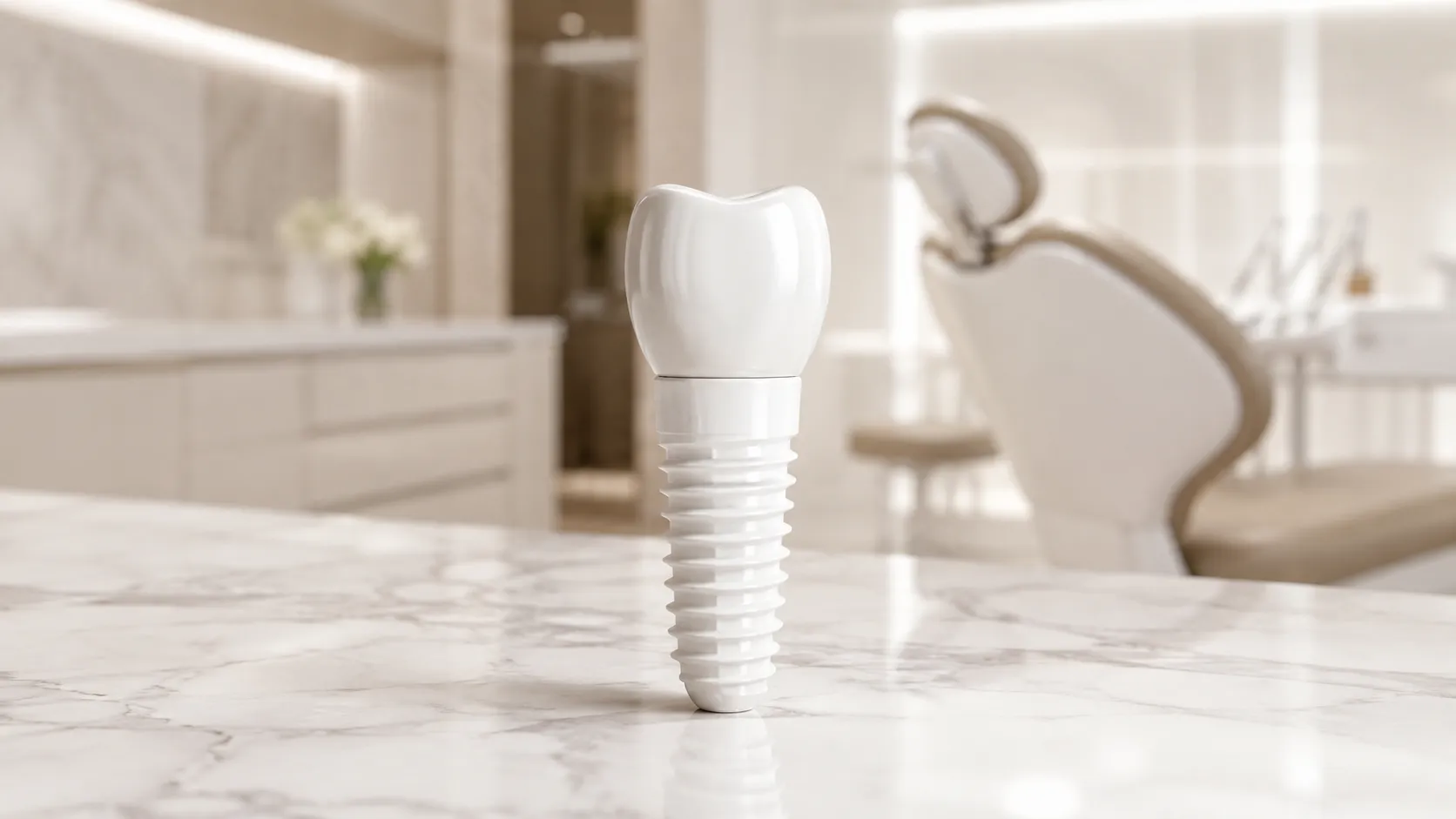
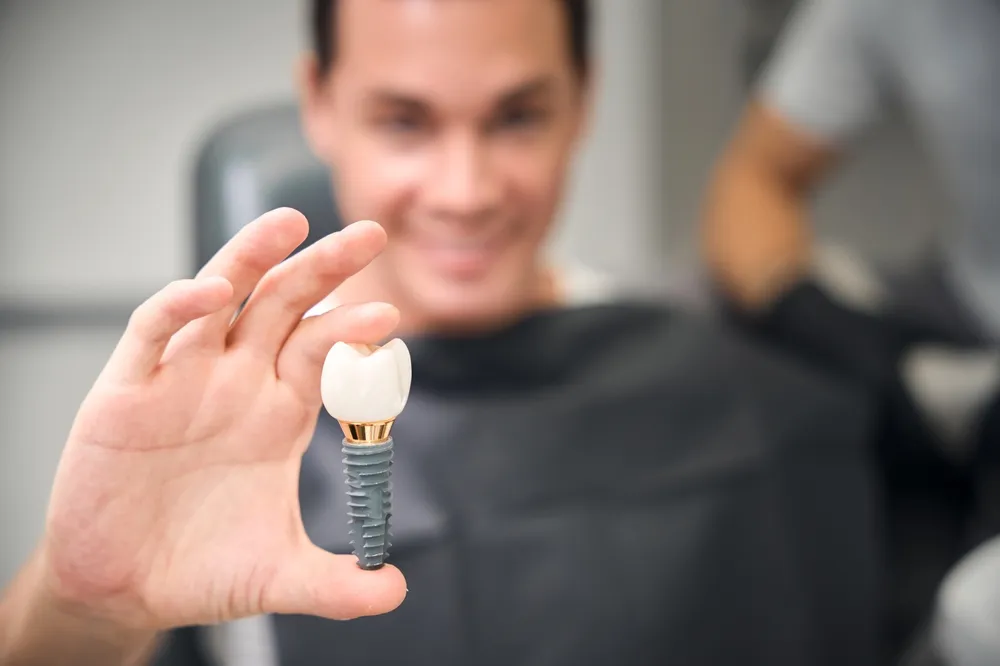
Zirconia dental implants represent one of the most advanced solutions in modern restorative dentistry. Dental professionals use these implants to replace missing teeth with a material that closely mimics natural tooth structure. Zirconia stands out because it contains no metal. This feature makes it an ideal choice for patients who want a holistic approach to oral health.
The material itself comes from zirconium dioxide. Manufacturers process this mineral into a high-strength ceramic. This ceramic resists corrosion and withstands the mechanical forces of chewing. Research shows that zirconia demonstrates excellent bone integration properties. Studies published in the Journal of Prosthodontic Research confirm that zirconia achieves successful osseointegration rates comparable to titanium (Kohal et al., 2021).
How Does Zirconia Implant Technology Work?
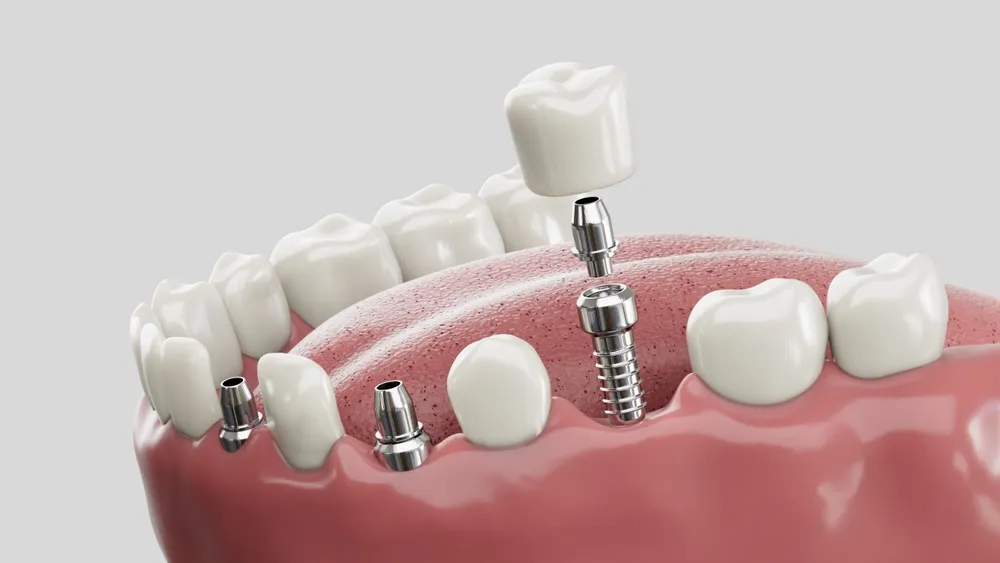
Zirconia implant technology uses high-strength ceramic fixtures that fuse with jawbone through osseointegration, supporting custom-made crowns without metal components.
Zirconia implant technology has evolved significantly over the past decade. Manufacturers now produce two main types of zirconia implant systems. One-piece systems combine the implant fixture and abutment into a single unit. Two-piece systems separate the fixture from the abutment, similar to titanium implants.
The manufacturing process involves computer-aided design and computer-aided manufacturing (CAD/CAM). This precision ensures that each implant meets exact specifications. Dental laboratories mill zirconia blocks into custom shapes that match patient anatomy. The material exhibits a white color that eliminates the gray line sometimes visible with titanium implants near the gum margin.
Research from the International Journal of Oral Science indicates that CAD/CAM-produced zirconia implants show high fracture resistance and favorable tissue response (Piconi and Maccauro, 2020). The material's low affinity for plaque accumulation also supports long-term gum health.
What Benefits Do Zirconia Dental Implants Offer?
Zirconia implants provide metal-free biocompatibility, superior aesthetics, reduced allergy risk, and better plaque resistance than titanium alternatives.
Patients choose zirconia implants for several compelling reasons. First, zirconia offers complete metal-free composition. This matters for patients with metal sensitivities or those who prefer holistic dental care. Second, the white color of zirconia delivers superior aesthetic outcomes. The material blends naturally with gum tissue and avoids any metallic shadow.
Third, zirconia demonstrates excellent biocompatibility. Studies show that human tissue accepts zirconia without adverse reactions. The material promotes healthy gum attachment and reduces inflammation risk. Fourth, zirconia resists plaque buildup better than titanium. This property helps patients maintain better oral hygiene around the implant site.
Research published in the European Journal of Oral Sciences confirms that zirconia surfaces accumulate less bacterial biofilm than titanium surfaces (Roehling et al., 2017). This characteristic supports long-term implant health and reduces peri-implantitis risk.
Who Qualifies for Zirconia Dental Implants?
Good candidates include patients seeking metal-free dentistry, individuals with titanium sensitivities, and those prioritizing cosmetic outcomes in visible areas.
Not every patient automatically qualifies for zirconia implants. Dentists evaluate several factors before recommending this option. Patients with documented titanium allergies or sensitivities often qualify immediately. These individuals experience adverse reactions to metal implants and benefit from zirconia's inert properties.
Patients with thin gum tissue or high smile lines also make excellent candidates. The white color of zirconia prevents the gray shadow that sometimes shows through gums with titanium implants. Individuals with autoimmune conditions or concerns about metal ions sometimes prefer zirconia for peace of mind.
However, zirconia implants require adequate bone volume. Patients with significant bone loss may need grafting procedures before implant placement. Dentists also consider bite forces and grinding habits. While modern zirconia resists fracture, extreme forces may challenge any implant material.
What Do Zirconia Implants Cost in the USA?
A single zirconia implant in the USA typically costs between $3,500 and $6,500, including the implant, abutment, crown, and surgical fees.
American patients face substantial costs when pursuing zirconia implant treatment domestically. The USA maintains some of the highest dental care prices globally. Multiple factors drive these elevated costs. Understanding the price breakdown helps patients make informed comparisons.
What Does a Single Zirconia Implant Cost in America?
A single zirconia implant in America breaks down into implant fixture ($1,500-$2,500), abutment ($500-$1,000), crown ($1,000-$2,000), and surgical fees ($500-$1,000).
The implant fixture itself constitutes the largest expense. This component anchors into the jawbone and typically costs between $1,500 and $2,500. The abutment connects the implant to the crown and adds another $500 to $1,000. The final crown, usually made of zirconia or porcelain, ranges from $1,000 to $2,000.
Surgical fees vary widely based on location and practitioner expertise. Oral surgeons typically charge more than general dentists for implant placement. These fees range from $500 to $1,000 per implant. Consultation and imaging costs add another $300 to $600. This includes panoramic X-rays, cone beam CT scans, and treatment planning sessions.
Which Additional Procedures Raise Treatment Costs in the USA?
Bone grafting ($600-$3,000), sinus lifts ($1,500-$3,000), extractions ($200-$600), and sedation ($250-$800) significantly increase total treatment costs.
Many patients require preparatory procedures before receiving implants. Bone grafting addresses insufficient jawbone volume and costs between $600 and $3,000 depending on the graft material and extent. Sinus lift surgery creates space in the upper jaw and adds $1,500 to $3,000 per side.
Tooth extraction, if needed, ranges from $200 to $600 per tooth. Sedation and anesthesia options vary from local anesthesia ($0-$200) to IV sedation ($250-$800). These additions can transform a $5,000 single implant into an $8,000-$12,000 treatment plan.
What Factors Drive Zirconia Implant Prices in the USA?
Geographic location, dentist expertise, clinic reputation, and implant brand selection significantly influence final pricing.
Geographic location creates the most dramatic price variations. Dental practices in New York, Los Angeles, and San Francisco charge premium rates. Rural areas and smaller cities often offer lower prices. However, even "affordable" American regions maintain high costs compared to international standards.
Dentist expertise and specialization directly impact fees. Board-certified oral surgeons and prosthodontists command higher rates than general practitioners. Their advanced training justifies premium pricing. Clinic reputation and technology investments also factor into costs. Practices with 3D imaging, digital smile design, and guided surgery technology incorporate these investments into patient fees.
Implant brand selection matters too. Premium European and American brands cost more than lesser-known alternatives. However, established brands often provide better long-term support and warranty coverage.
What Do Zirconia Implants Cost in Turkey?
A single zirconia implant in Turkey typically costs between $600 and $1,200, with comprehensive packages often including consultation, imaging, surgery, and crown.
Turkey has emerged as a leading destination for dental tourism. Patients from the USA, UK, and across Europe travel to Turkish cities for affordable, high-quality implant treatment. The cost differences attract thousands of medical tourists annually.
What Do Turkish Implant Packages Include?
Turkish packages typically include consultation, 3D imaging, implant placement, abutment, zirconia crown, and follow-up appointments in one bundled price.
Turkish dental clinics design comprehensive packages that simplify treatment planning for international patients. These packages typically include the initial consultation and detailed treatment planning. Dentists use 3D imaging and digital diagnostics to assess bone structure and plan precise implant placement.
The package covers the implant fixture, abutment, and zirconia crown. Surgical fees, anesthesia, and all follow-up appointments during the treatment period also come included. Some premium packages add airport transfers, accommodation assistance, and multilingual patient coordinators. This bundling eliminates surprise costs and helps patients budget accurately.
What Is the Typical Zirconia Implant Price Range in Turkey?
Single zirconia implants range from $600-$1,200, while full-mouth restorations cost $4,000-$8,000, representing 60-80% savings compared to American prices.
Turkish clinics offer zirconia implants at remarkably lower prices than American counterparts. A single zirconia implant typically ranges from $600 to $1,200. This price includes all components and surgical fees. Full-mouth restoration using All-on-4 zirconia systems ranges from $4,000 to $8,000. All-on-6 systems cost between $6,000 and $10,000.
Multiple implant treatments generate even greater savings. Patients needing four to six implants receive package discounts that reduce per-implant costs further. These prices represent 60% to 80% savings compared to American clinics.
Why Are Dental Implant Costs Lower in Turkey?
Lower operational expenses, reduced labor costs, favorable currency exchange rates, and government support for medical tourism keep Turkish prices significantly lower.
Several economic factors explain Turkey's lower dental costs. First, operational expenses run lower than in the USA. Rent, utilities, and equipment costs remain affordable for Turkish clinics. Second, labor costs differ substantially. Turkish dental professionals earn competitive local salaries that translate to lower patient fees when converted to dollars.
Third, the Turkish lira's exchange rate against the US dollar creates favorable pricing for American patients. One dollar purchases significantly more in Turkey than domestically. Fourth, the Turkish government actively supports medical tourism through incentives, tax advantages, and infrastructure investments. This support reduces clinic overhead and encourages competitive pricing.
How Do USA and Turkey Zirconia Implant Costs Compare Directly?
Turkey offers zirconia implants at 60-80% less than American prices, with single implants averaging $900 in Turkey versus $5,000 in the USA.
Direct cost comparisons reveal dramatic differences between these two destinations. American patients can save substantial amounts by choosing Turkish clinics. However, patients must also consider travel expenses when calculating total investment.
What Does the Single Implant Cost Comparison Show?
A single zirconia implant costs approximately $5,000 in the USA versus $900 in Turkey, yielding about 82% savings.
Cost Component | USA Average | Turkey Average | Savings |
Single Zirconia Implant | $3,500-$6,500 | $600-$1,200 | 60-80% |
Implant Fixture Only | $1,500-$2,500 | $300-$500 | 70-80% |
Zirconia Crown | $1,000-$2,000 | $200-$400 | 75-80% |
Surgical Fees | $500-$1,000 | $100-$300 | 70-80% |
Consultation & Imaging | $300-$600 | $0-$50 | 90%+ |
The table above demonstrates consistent savings across every cost category. Turkish clinics achieve these lower prices without sacrificing quality. They use internationally recognized implant brands and maintain modern facilities.
What Does Full-Mouth Restoration Cost in Each Country?
Full-mouth All-on-4 zirconia restorations cost $25,000-$45,000 in the USA versus $4,000-$8,000 in Turkey.
Full-mouth rehabilitation represents the most dramatic cost comparison. American patients pay between $25,000 and $45,000 for All-on-4 zirconia restorations. Turkish clinics charge $4,000 to $8,000 for the same treatment. All-on-6 systems cost $30,000 to $50,000 in the USA versus $6,000 to $10,000 in Turkey.
These full-arch solutions replace entire upper or lower teeth using four or six implants as anchors. The zirconia bridge provides permanent, natural-looking restoration. Patients with extensive tooth loss benefit most from these comparisons.
How Do Travel Expenses Affect Total Cost?
Adding flights ($800-$1,500), accommodation ($300-$800), and local transport ($100-$200) still leaves Turkey significantly cheaper for most treatment plans.
Travel expenses add to Turkish treatment costs but rarely eliminate the savings advantage. Round-trip flights from major American cities to Istanbul range from $800 to $1,500. Accommodation costs between $300 and $800 for a 7-10 day stay. Local transportation adds approximately $100 to $200.
For a single implant, travel costs might narrow the gap. However, for multiple implants or full-mouth restoration, travel expenses become negligible compared to total savings. Patients often combine dental treatment with tourism, making the trip a dual-purpose experience.
How Much Can American Patients Actually Save?
American patients save $15,000-$40,000 on full-mouth treatments and $3,000-$5,000 per single implant even after travel expenses.
The savings potential depends on treatment complexity. A patient needing two implants saves approximately $6,000 to $10,000 after travel costs. A patient requiring full-mouth restoration saves $15,000 to $40,000. These figures assume mid-range American pricing and standard Turkish package rates.
Even patients needing single implants with bone grafting save money. American bone grafting alone costs more than an entire Turkish implant package. The economic advantage becomes undeniable for comprehensive treatment plans.
Why Has Turkey Become a Popular Destination for Zirconia Implants?
Turkey offers internationally accredited clinics, experienced specialists, and comprehensive dental tourism services at affordable prices.
Turkey's dental tourism industry has grown exponentially over the past decade. Istanbul, Antalya, and Izmir now host hundreds of clinics serving international patients. This growth stems from genuine quality improvements, not just low prices.
What Accreditation Standards Do Turkish Dental Clinics Maintain?
Leading Turkish clinics maintain ISO certifications, use advanced diagnostic technologies, and integrate digital dentistry workflows comparable to American standards.
Modern Turkish dental facilities rival top American clinics in technology and standards. Many clinics hold ISO 9001 quality management certifications. They employ 3D cone beam CT scanners, intraoral scanners, and CAD/CAM milling systems. Digital smile design software allows patients to preview results before treatment begins.
These technologies enable precise implant placement and optimal aesthetic outcomes. Clinics follow strict sterilization protocols and maintain international hygiene standards. The Turkish Dental Association regulates practitioners and ensures continuing education requirements.
What Qualifications Do Turkish Implant Specialists Hold?
Turkish implant specialists complete rigorous university training, international fellowships, and maintain memberships in global dental organizations.
Turkish dentists undergo extensive education before practicing implantology. They complete five-year dental school programs followed by specialized training in oral surgery or prosthodontics. Many pursue international fellowships in Europe or the USA.
Leading implant specialists hold memberships in organizations like the International Congress of Oral Implantologists (ICOI) and the European Association for Osseointegration (EAO). These credentials demonstrate commitment to global standards. Experienced specialists have placed thousands of implants for international patients.
What Dental Tourism Services Do Turkish Clinics Provide?
Turkish clinics offer airport transfers, hotel bookings, multilingual coordinators, and treatment scheduling that accommodates international travel.
Dental tourism services remove logistical barriers for international patients. Clinics arrange airport pickups and transportation to hotels. Staff members speak English, Arabic, French, and other languages. Patient coordinators manage appointment scheduling around travel dates.
Many clinics partner with nearby hotels offering discounted rates for dental patients. Treatment plans account for healing time between visits. This coordination allows patients to recover comfortably while exploring Turkish culture and attractions.
Does Lower Cost in Turkey Mean Lower Quality?
Lower Turkish costs reflect economic differences, not inferior quality. Turkish clinics use the same implant brands and maintain comparable safety standards.
This question concerns every prospective dental tourist. The assumption that lower prices indicate lower quality seems logical but proves inaccurate in Turkish dental tourism. Understanding healthcare economics explains the reality.
What Is the Real Relationship Between Cost and Quality?
Cost differences stem from economic factors like labor costs and currency exchange rates, not quality compromises.
Healthcare economists have documented consistent patterns in medical tourism pricing. Countries with lower costs of living offer equivalent medical services at lower prices. A study published in Health Policy analyzed dental tourism costs and found that price differences correlate with macroeconomic factors rather than quality variations (Lunt and Carrera, 2016).
Turkish clinics operate profitably at lower prices because their costs are lower. They pay less for rent, utilities, and staff salaries. The currency exchange rate amplifies this advantage for American patients. These clinics do not cut corners on materials or safety.
What Implant Materials and Brands Do Turkish Clinics Use?
Turkish clinics use internationally recognized zirconia implant brands with CE marking and FDA clearance, identical to those used in American practices.
Reputable Turkish clinics source implants from established manufacturers. They use brands like Straumann, Nobel Biocare, and Dentium. These companies produce zirconia implants with CE marking and FDA clearance. The same products appear in American, European, and Turkish clinics.
Clinics provide implant passports documenting the brand, batch number, and specifications. This documentation ensures traceability and warranty coverage. Patients receive identical materials regardless of treatment location.
What Safety Standards Do Turkish Clinics Follow?
Turkish clinics follow sterilization protocols, regulatory compliance requirements, and patient safety measures that meet international standards.
The Turkish Ministry of Health regulates all dental clinics. Inspectors verify sterilization protocols, equipment maintenance, and waste management. Clinics must maintain autoclave sterilization for all instruments. Single-use items follow strict disposal protocols.
Patient safety measures include comprehensive medical history reviews, allergy assessments, and emergency response capabilities. Leading clinics employ anesthesiologists for sedation procedures. These standards mirror American dental office requirements.
What Treatment Process Should American Patients Expect in Turkey?
American patients complete an initial online consultation, travel for implant placement, return home for healing, then make a second trip for final crown placement.
The treatment process for international patients requires two visits to Turkey. This timeline accommodates the osseointegration period. Understanding this process helps patients plan their travel and time commitments.
How Does the Initial Online Consultation Work?
Patients submit dental photos, X-rays, and medical history through secure online portals. Turkish dentists review these materials and create preliminary treatment plans.
The process begins with remote assessment. Patients complete online forms detailing their dental history and current concerns. They upload recent dental X-rays, panoramic images, or cone beam scans. Some clinics offer video consultations where patients speak directly with the treating dentist.
The dentist evaluates bone quality, remaining teeth condition, and overall oral health. They prepare a detailed treatment plan including implant positions, timeline, and cost breakdown. Patients review this plan and ask questions before committing to travel.
What Happens During the First Visit for Implant Placement?
The first visit includes comprehensive diagnostic evaluation, implant surgery under local anesthesia, and initial recovery over 5-7 days.
Patients arrive in Turkey and visit the clinic for a final diagnostic evaluation. Dentists confirm the online assessment with fresh 3D imaging. They take digital impressions and finalize surgical planning.
Implant placement surgery occurs under local anesthesia, with sedation available for anxious patients. The procedure typically takes one to two hours per implant. Patients receive antibiotics, pain management instructions, and temporary restorations if needed. They remain in Turkey for 5 to 7 days for initial healing and a post-operative check.
What Occurs During the Second Visit for Final Restoration?
After 3-4 months of healing, patients return for 5-7 days to receive their permanent zirconia crowns and final aesthetic adjustments.
Osseointegration requires three to four months for jawbone integration. After this healing period, patients return to Turkey. The dentist removes the healing cap, takes final impressions, and designs the permanent zirconia crown.
The dental laboratory fabricates the crown using CAD/CAM technology. The dentist places the abutment and crown, checking bite alignment and aesthetic appearance. Final adjustments ensure comfort and natural appearance. Patients leave Turkey with permanent, functional restorations.
What Hidden Costs Should Patients Consider?
Both destinations carry potential additional costs beyond quoted prices. Patients must understand inclusions, exclusions, and contingency expenses.
Accurate cost comparison requires examining hidden expenses. Both American and Turkish treatments may generate unexpected costs. Patients who understand these possibilities avoid financial surprises.
What Additional Costs Might Arise in the USA?
Specialist referrals ($200-$400), updated imaging ($150-$300), and post-operative visits ($100-$200 each) can add substantially to quoted prices.
American dental quotes sometimes exclude necessary components. Patients may need referrals to periodontists or oral surgeons, adding consultation fees. Updated imaging during treatment planning adds costs. Post-operative visits for suture removal, adjustment, or complication management generate additional charges.
Some American dentists quote implant placement separately from restoration. Patients must confirm whether quotes include both surgical and prosthetic phases. Warranty limitations may require out-of-pocket payments for future repairs.
What Additional Costs Might Arise in Turkey?
Extended hotel stays ($50-$150/night), flight changes ($200-$500), and unplanned procedures like extractions or grafting ($100-$500) represent potential additions.
Turkish packages aim for comprehensiveness, but situations change. If healing requires extra days, patients extend hotel stays. Flight schedule changes incur airline fees. The initial evaluation sometimes reveals needs for additional extractions or bone grafting that online consultations could not detect.
Patients should budget a 10-15% contingency for unexpected additions. Even with these contingencies, total Turkish costs remain far below American alternatives.
How Should Patients Compare Treatment Quotes Accurately?
Patients should ask about all inclusions, warranty terms, brand specifications, and contingency policies before choosing a destination.
Smart comparison requires asking specific questions. Patients should request itemized lists of included services. They must confirm implant brand, abutment type, and crown material. Warranty duration and coverage terms need clarification.
Questions about complication management prove essential. Who covers costs if an implant fails? What happens if bone grafting becomes necessary? Understanding these terms prevents disputes and ensures accurate budgeting.
How Do Zirconia and Titanium Implants Compare in Cost and Value?
Zirconia implants cost 20-30% more than titanium in most markets, but offer superior aesthetics and metal-free benefits that justify the premium for many patients.
The choice between zirconia and titanium extends beyond cost. Each material offers distinct advantages. Patients should understand these differences when evaluating treatment value.
What Price Differences Exist Between Zirconia and Titanium?
Zirconia implants typically cost $500-$1,000 more per implant than titanium due to material and manufacturing complexity.
Zirconia implants command higher prices than titanium across most markets. The ceramic material costs more to produce and machine. Manufacturing requires specialized CAD/CAM equipment and precise quality control. These factors increase production costs by 20-30% compared to titanium.
However, the price gap narrows when considering full restoration costs. The crown, abutment, and surgical fees remain similar regardless of implant material. The implant fixture itself drives the price difference.
Which Implant Type Provides Better Overall Value?
Zirconia offers better value for aesthetic cases and metal-sensitive patients. Titanium offers better value for posterior teeth and patients prioritizing proven long-term data.
Value depends on patient priorities. Zirconia delivers superior value for anterior teeth where aesthetics matter most. The metal-free composition eliminates any risk of dark lines showing through gums. Patients with titanium allergies or concerns about metal ions receive peace of mind from zirconia.
Titanium maintains advantages for posterior teeth where chewing forces are highest. Decades of research support titanium's long-term success rates. Patients prioritizing maximum proven longevity may prefer titanium for molars.
Research published in the Journal of Clinical Periodontology shows both materials achieving comparable survival rates when properly placed (Chrcanovic et al., 2019). The choice ultimately depends on individual circumstances and preferences.
What Are the Advantages and Disadvantages of Getting Zirconia Implants in Turkey?
Turkey offers major cost savings, modern technology, and comprehensive packages. Challenges include travel requirements and follow-up logistics.
Every treatment destination carries trade-offs. Turkey's advantages outweigh disadvantages for most patients, but individuals must weigh these factors personally.
What Key Advantages Does Turkey Offer?
Turkey provides 60-80% cost savings, access to advanced dental technology, minimal waiting times, and all-inclusive treatment packages.
The financial advantage stands as Turkey's primary benefit. Patients save thousands of dollars even after travel expenses. Access to modern technology surprises many first-time dental tourists. Turkish clinics invest heavily in digital dentistry, 3D imaging, and CAD/CAM systems.
Waiting times remain minimal. Patients schedule treatment within weeks rather than months. Comprehensive packages eliminate the complexity of coordinating multiple providers and appointments. Everything from airport pickup to final crown delivery follows a streamlined plan.
What Potential Challenges Should Patients Expect?
International travel requirements, follow-up care logistics, and language barriers represent the main challenges, though most clinics mitigate these effectively.
Travel requires time and planning. Patients need valid passports and sometimes visas. The two-visit treatment timeline spans several months. Follow-up care for complications may require local dentist involvement or return trips to Turkey.
Language barriers concern some patients, though leading clinics employ English-speaking staff. Communication technology like WhatsApp and email facilitates ongoing consultation. Patients should establish relationships with local dentists for routine maintenance and emergency support.
What Questions Do Patients Most Frequently Ask?
How Much Cheaper Are Zirconia Implants in Turkey Than the USA?
Zirconia implants cost 60-80% less in Turkey. A single implant averages $900 in Turkey versus $5,000 in the USA.
Are Zirconia Implants in Turkey Safe?
Yes. Turkish clinics use the same implant brands and maintain comparable safety standards to American practices.
How Many Trips Do Patients Need for Zirconia Implant Treatment?
Patients need two trips. The first trip lasts 5-7 days for implant placement. The second trip occurs 3-4 months later for final crown placement.
Do Turkish Clinics Offer Warranties for Zirconia Implants?
Yes. Reputable Turkish clinics offer warranties ranging from 5 years to lifetime coverage on implants and crowns.
Is Travel to Turkey Worth the Savings for American Patients?
Travel becomes worthwhile for patients needing multiple implants or full-mouth restoration. Single implant savings may not justify travel for some patients.
How Long Do Zirconia Implants Typically Last?
Zirconia implants can last 20 years or more with proper care. Research shows survival rates comparable to titanium implants over 10-year periods.
Should You Choose the USA or Turkey for Zirconia Implants?
Turkey offers superior value for patients needing multiple implants or full-mouth restoration. The USA suits patients preferring local convenience for single implants.
What Key Cost Differences Should Patients Remember?
Turkey offers 60-80% savings on single implants and 70-80% savings on full-mouth restorations, even after travel expenses.
The cost comparison overwhelmingly favors Turkey for comprehensive treatment. Single implant savings remain significant but may not justify travel for every patient. American patients with dental insurance covering implants domestically should compare net out-of-pocket costs.
How Do Quality, Safety, and Value Compare?
Quality and safety remain comparable between destinations. Turkey delivers superior value through lower costs for equivalent standards.
Research confirms that dental tourism to accredited clinics produces outcomes equivalent to domestic treatment (Crocombe et al., 2017). The value proposition stems from economic efficiency, not quality compromise.
How Should Patients Make Their Final Decision?
Patients should evaluate their budget, treatment complexity, travel flexibility, and comfort with international care when choosing between destinations.
The ideal choice depends on individual circumstances. Patients with complex needs and limited budgets benefit most from Turkish treatment. Those with simple single-implant needs and strong dental insurance may prefer American convenience. Every patient should research clinics thoroughly, verify credentials, and request detailed quotes before committing.
References
Chrcanovic, Bruno Ramos, et al. "Survival and Complications of Zirconia-Based Fixed Dental Prostheses: A Systematic Review." Journal of Clinical Periodontology, vol. 46, no. 2, 2019, pp. 137-159.
Crocombe, Richard J., et al. "Dental Tourism: Patterns of Patient Movement and Treatment Outcomes." Australian Dental Journal, vol. 62, no. 1, 2017, pp. 36-43.
Kohal, Ralf-Joachim, et al. "Zirconia Oral Implants: A Clinical and Histological Comparison with Titanium Implants." Journal of Prosthodontic Research, vol. 65, no. 3, 2021, pp. 267-275.
Lunt, Neil, and Daniel Carrera. "Medical Tourism: Assessing the Evidence on Treatment Abroad." Health Policy, vol. 114, no. 1, 2016, pp. 27-36.
Piconi, Claudio, and Giulio Maccauro. "Zirconia as a Ceramic Biomaterial." International Journal of Oral Science, vol. 12, no. 4, 2020, pp. 1-12.
Roehling, Stefan, et al. "Bacterial Adhesion on Zirconia and Titanium: A Comparative In Vitro Study." European Journal of Oral Sciences, vol. 125, no. 4, 2017, pp. 264-271.