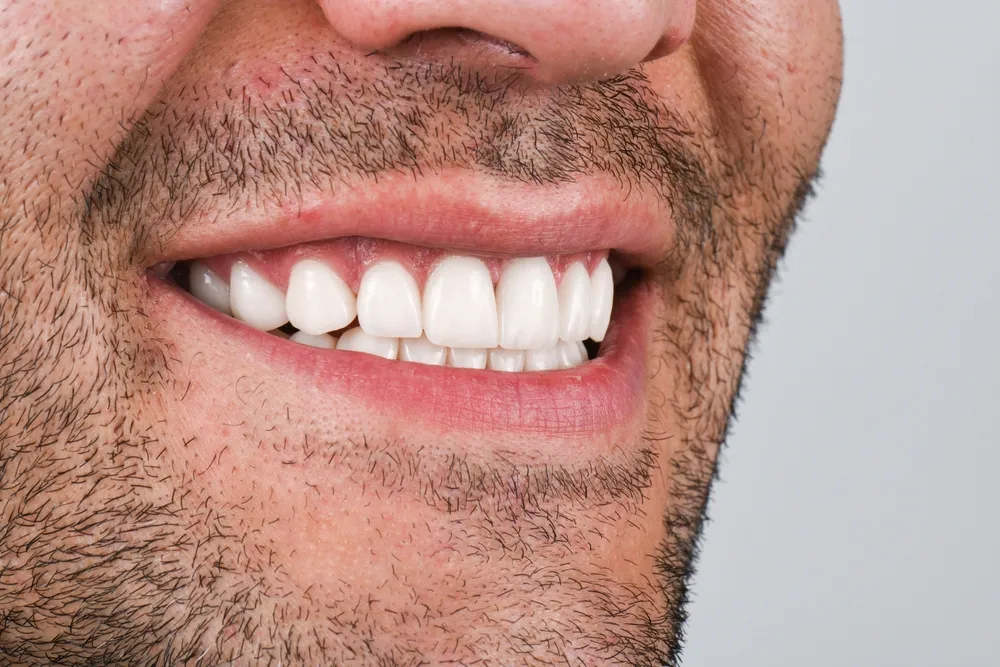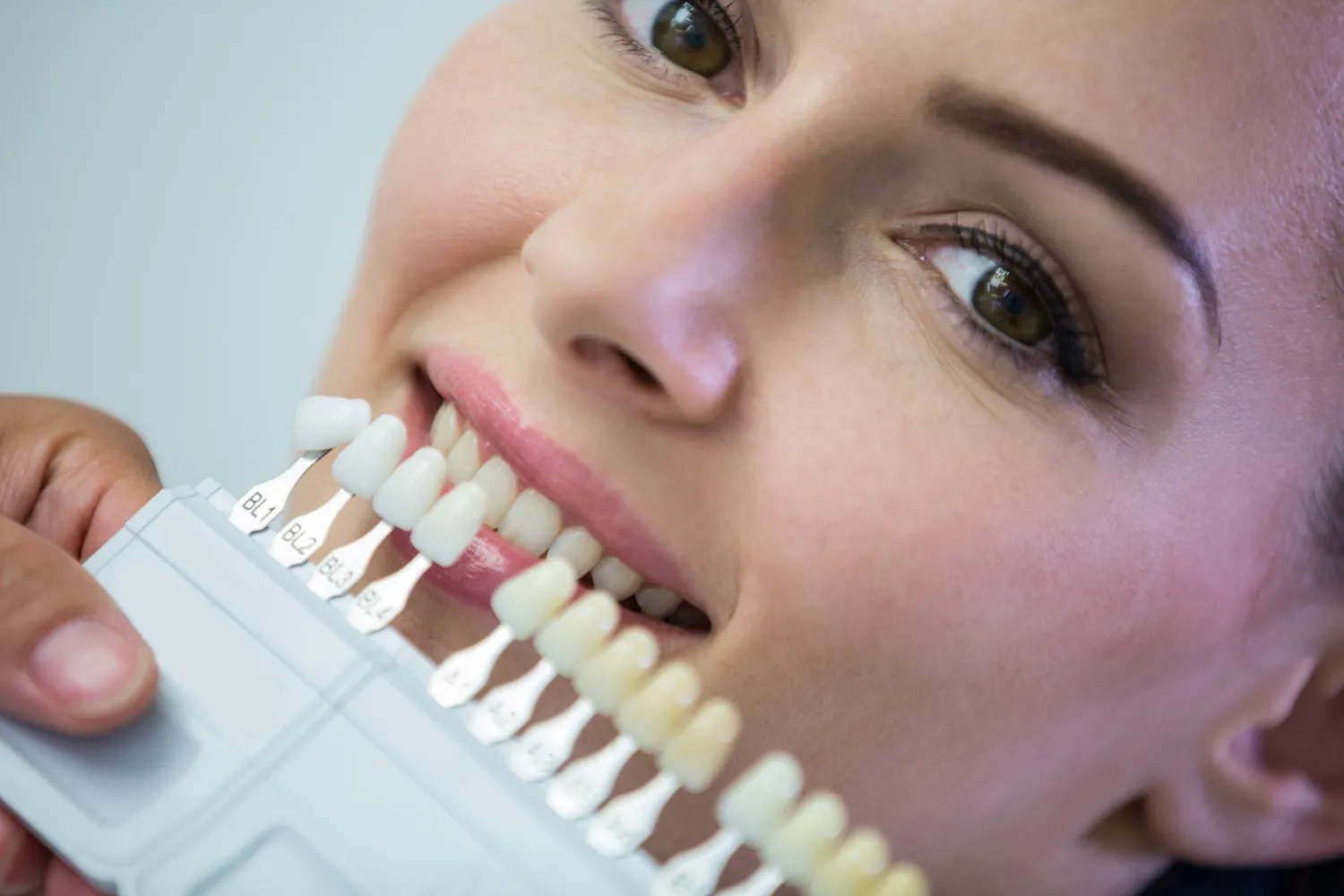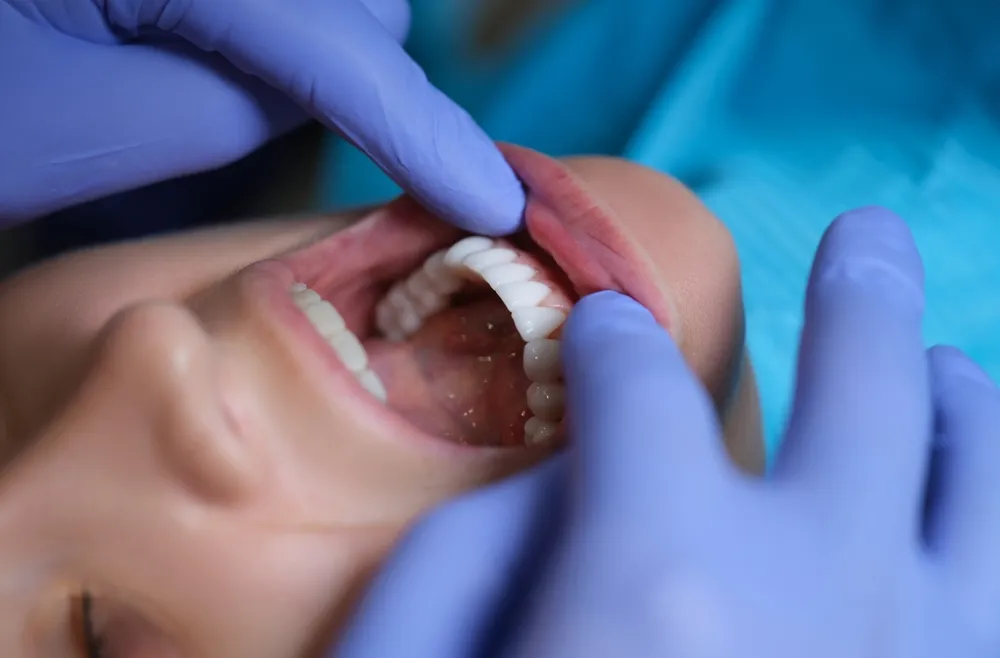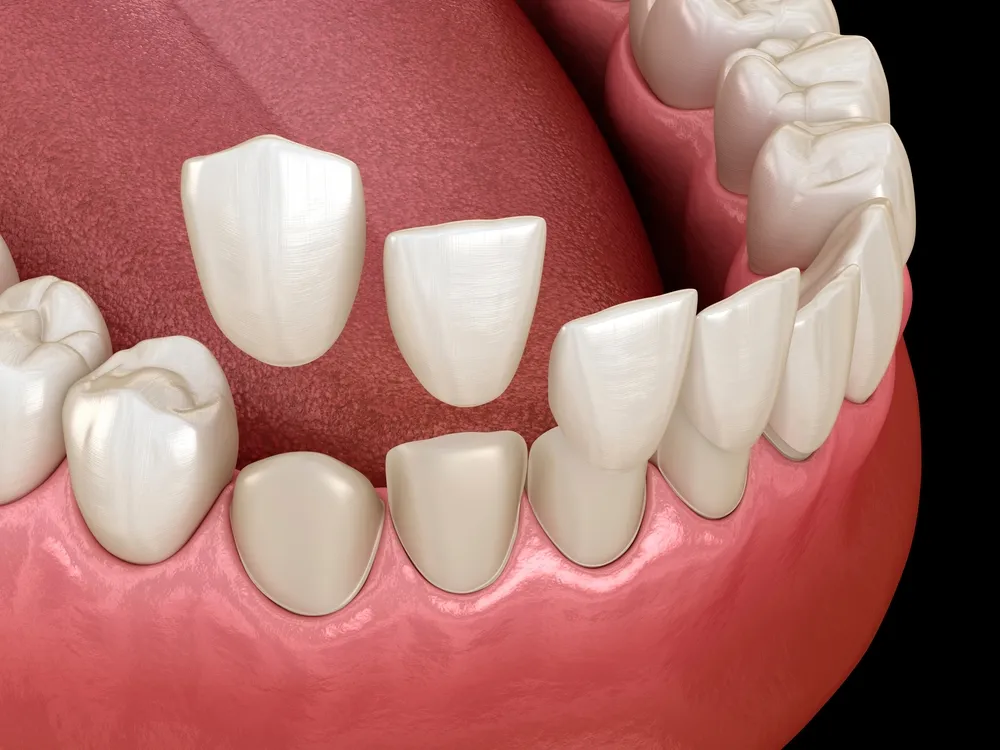
Yes, you can improve your smile without removing enamel. No-prep veneers bond ultra-thin ceramic shells directly to your natural teeth. This approach preserves your entire enamel layer and delivers lasting aesthetic results.
More patients now demand minimally invasive cosmetic dentistry. They want brighter smiles without sacrificing healthy tooth structure. Social media has amplified fears about "shark teeth" and aggressive tooth shaving. These fears are valid. Traditional veneer preparation sometimes removes 0.3 to 1.0 millimeters of enamel. This removal is permanent. Once enamel leaves your tooth, it never returns.
Modern adhesive dentistry has changed this reality. No-prep veneer technology now allows dentists to place restorations with little or no enamel reduction. This evolution aligns with biomimetic principles. Biomimetic dentistry mimics natural tooth structure and preserves biological integrity. Enamel preservation matters because enamel protects your teeth from decay, temperature changes, and mechanical wear.
Not everyone qualifies for no-prep veneers. Some smiles require minor enamel reduction to achieve natural contours. Others need traditional preparation to mask severe discoloration or correct major misalignment. An experienced cosmetic dentist must evaluate your specific tooth alignment, enamel volume, gum health, and aesthetic goals before recommending this approach.
This guide explores the science, candidacy, procedure, benefits, risks, and long-term outcomes of veneers without shaving teeth. It draws on peer-reviewed clinical studies and systematic reviews to give you evidence-based answers.
What Are Veneers Without Shaving Teeth?
No-prep veneers are ultra-thin ceramic or composite shells that dentists bond directly to the front surfaces of natural teeth. These restorations require no enamel removal or only minimal enamel contouring. They measure between 0.2 and 0.5 millimeters in thickness. This thinness allows them to fit over existing tooth structure without creating bulkiness.
What Is the Definition of No-Prep Veneers?
No-prep veneers are custom-fabricated laminate restorations that cover the facial surfaces of anterior teeth without mechanical tooth preparation. They rely entirely on adhesive bonding to enamel. The dentist does not use a dental bur to reduce your tooth structure. The restoration adds material to the existing tooth form rather than replacing lost structure.
Ultra-thin porcelain shells define this category. These shells typically use feldspathic porcelain or lithium disilicate ceramics. Some systems use composite resin. The bonding interface between the veneer and your enamel creates the retention. The cement layer is thin. The veneer itself provides the aesthetic transformation. Little or no enamel reduction occurs during placement.
How Do No-Prep Veneers Differ from Traditional Veneers?
Traditional veneers require intentional enamel reduction. Dentists remove 0.3 to 1.0 millimeters of enamel from the facial surface. They may also reduce the incisal edge and proximal areas. This preparation creates space for the ceramic material. Without this space, traditional veneers would look bulky and unnatural.
No-prep veneers skip this reduction step. They use thinner materials. They rely on precise laboratory fabrication and adhesive chemistry rather than mechanical retention. This difference creates several clinical distinctions.
Tooth preparation requirements separate the two approaches. Traditional veneers need structured enamel removal. No-prep veneers need no removal or only minimal contouring. Thickness differences also matter. Traditional veneers range from 0.5 to 1.0 millimeters. No-prep veneers range from 0.2 to 0.5 millimeters.
Reversibility considerations favor no-prep options. Because dentists do not remove enamel, the original tooth structure remains intact. If you ever want to remove the veneers, your natural teeth still look like teeth. Treatment timelines differ too. No-prep veneers often require fewer appointments. Some systems need only two visits.
What Materials Do Dentists Use in No-Prep Veneers?
Dentists select from several ceramic and composite materials when fabricating no-prep veneers. Each material offers distinct optical, mechanical, and bonding properties.
Feldspathic porcelain represents the traditional standard. This material contains silica, alumina, and potassium oxide in a glass matrix. It offers excellent translucency and aesthetic match. However, its flexural strength ranges from 60 to 90 megapascals. This lower strength limits its use in high-stress areas. Beier et al. (2012) tracked feldspathic porcelain veneers for up to 20 years and documented their clinical performance.
Lithium disilicate ceramics offer superior strength. This glass-ceramic material achieves flexural strength exceeding 360 megapascals. It resists fracture better than feldspathic porcelain. It also maintains excellent translucency. Lithium disilicate works well for minimal-prep and no-prep designs because its strength compensates for reduced thickness.
Composite veneers provide an alternative. Dentists fabricate these from resin materials. They cost less than ceramics. They also allow easier repair. However, composite veneers stain more easily. They last 5 to 7 years on average. Their surface degrades over time. Hepdeniz et al. (2023) found that indirect composite no-prep veneers showed a 91.3% survival rate after 7 years. Surface roughness and color changes represented the main complications.
Modern ultra-thin ceramic technologies continue to emerge. Zirconia-reinforced lithium silicate reaches 370 to 420 megapascals in flexural strength. Taraszkiewicz-Sulik et al. (2025) reported a 99.5% survival rate for ultra-thin no-prep zirconia veneers after 2 years. These materials combine high strength with thin profiles.
Material | Flexural Strength (MPa) | Thickness Range | Expected Lifespan |
Feldspathic Porcelain | 60–90 | 0.3–0.7 mm | 10–15 years |
Lithium Disilicate | 360+ | 0.2–0.5 mm | 10–20 years |
Zirconia-Reinforced Lithium Silicate | 370–420 | 0.2–0.4 mm | 15+ years |
Composite Resin | 80–150 | 0.3–0.8 mm | 5–7 years |
What Is the Science Behind Enamel Preservation?
Enamel preservation drives the no-prep veneer philosophy. Natural enamel is the hardest substance in the human body. It protects teeth from thermal, chemical, and mechanical challenges. Removing enamel permanently compromises this protection.
Why Does Natural Enamel Matter?
Natural enamel serves as the primary protective barrier for your teeth. It shields the underlying dentin from temperature changes, acidic foods, and bacterial attack. Enamel also provides structural integrity. It distributes biting forces across the tooth surface. When enamel remains intact, teeth resist wear and fracture better.
Long-term oral health benefits follow enamel preservation. Teeth with intact enamel maintain better sensitivity control. They resist decay more effectively. They also retain better bonding potential for future restorations. Once a dentist removes enamel, the tooth loses these advantages forever.
Can Tooth Enamel Grow Back?
Tooth enamel cannot grow back. Enamel is an acellular structure. It contains no living cells. Your body cannot regenerate it. This biological reality makes enamel removal an irreversible decision.
Scientific explanation of enamel loss is straightforward. Enamel forms during tooth development through ameloblast activity. These cells degenerate after eruption. No cellular mechanism exists for enamel repair. Saliva can remineralize minor surface demineralization. However, saliva cannot rebuild enamel lost to mechanical preparation. Burke (2012) emphasized that preparation extending into dentin significantly increases biological risk.
How Strong Is the Bond on Natural Enamel Compared to Dentin?
Adhesive dentistry principles favor enamel bonding. Enamel provides a highly mineralized, crystalline surface. Acid etching with phosphoric acid creates micro-porosities in enamel rods. Resin tags penetrate these pores. This micromechanical retention creates bond strengths exceeding 20 megapascals.
Dentin bonding is more complex. Dentin contains tubules and organic collagen. It is more flexible and wetter than enamel. Bond strengths to dentin typically range lower than enamel bonds. Dentin also undergoes more degradation over time. Clinical studies confirm this difference. Veneers bonded to enamel show higher survival rates than those bonded to dentin. AlJazairy (2020) noted that enamel-only preparation correlates with better long-term outcomes. Magne and Belser (2003) established that enamel bonding creates a sealed interface that prevents microleakage and secondary caries.
Do Veneers Always Require Tooth Shaving?
Veneers do not always require tooth shaving. Many patients qualify for no-prep or minimal-prep approaches. The decision depends on your existing tooth size, position, color, and alignment.
How Much Enamel Do Traditional Veneers Remove?
Traditional veneer preparation removes 0.3 to 1.0 millimeters of enamel from the facial surface. Dentists may reduce the incisal edge by 1.0 to 2.0 millimeters. They may also create proximal extensions. This reduction creates space for ceramic material. It also establishes a margin for the restoration.
Edelhoff and Sorensen (2002) quantified tooth structure removal for various preparation designs. They found that aggressive preparation designs remove significantly more enamel than conservative approaches. Some preparation techniques extend into dentin. This extension increases pulpal risk and postoperative sensitivity.
Which Cases Allow Veneers Without Tooth Shaving?
Small teeth accommodate no-prep veneers easily. The dentist adds material to the facial surface. The tooth becomes larger but remains proportional. Mild spacing issues also favor no-prep approaches. The veneer closes small gaps without reducing adjacent teeth.
Minor discoloration responds well to thin ceramic overlays. The ceramic masks slight color changes. Slightly recessed teeth benefit too. The veneer brings the tooth forward to the arch alignment. These cases require no enamel reduction because the tooth position or size creates natural space for the restoration.
When Does Minimal Tooth Preparation Produce Better Results?
Minimal preparation prevents bulky veneers in some cases. If your teeth already protrude forward, adding no-prep veneers creates excessive lip fullness. A dentist may perform 0.1 to 0.3 millimeters of enamel reduction to create space. This minimal reduction preserves most enamel while improving contours.
Achieving natural contours sometimes requires slight enamel modification. Smile harmony demands proper tooth proportions. If your teeth are already large, no-prep veneers may overemphasize their size. Minimal preparation allows the dentist to create balanced aesthetics without aggressive reduction.
What Types of Veneers Require Little or No Tooth Preparation?
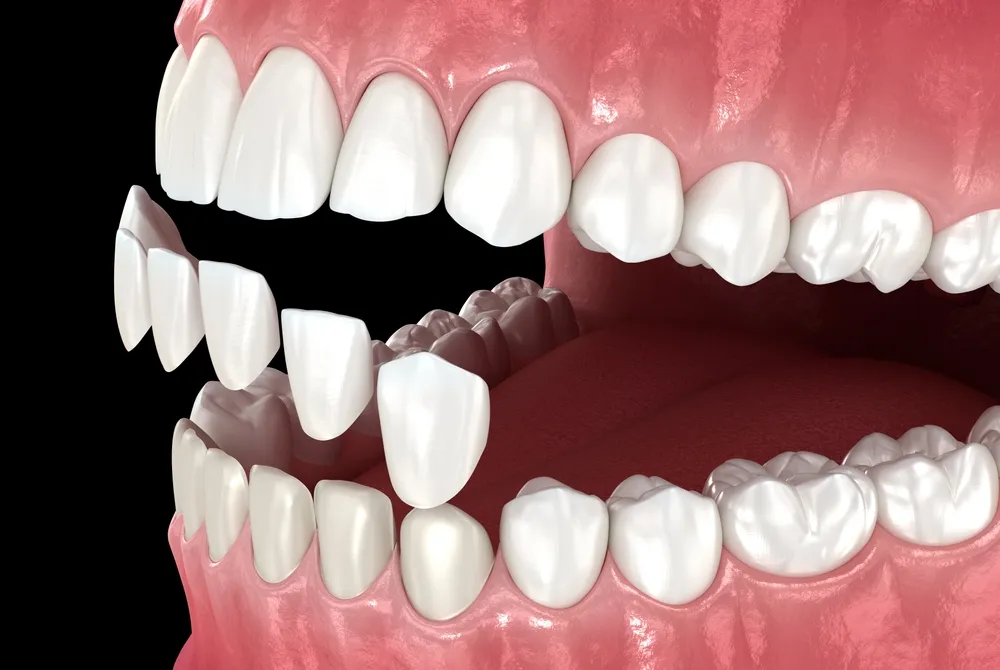
Several veneer systems specifically target no-prep or minimal-prep indications. Each system uses different materials, fabrication methods, and bonding protocols.
What Are No-Prep Porcelain Veneers?
No-prep porcelain veneers are ultra-thin ceramic laminates that require no enamel removal. They use high-translucency feldspathic or lithium disilicate ceramics. The laboratory fabricates them to 0.2 to 0.3 millimeter thickness. They bond directly to etched enamel. These veneers work best for patients with small teeth, mild discoloration, or slight gaps.
What Are Minimal-Prep Veneers?
Minimal-prep veneers involve 0.1 to 0.3 millimeters of enamel contouring. The dentist does not create deep preparation lines. They simply roughen or lightly reduce the surface. This approach creates slight space for ceramic without sacrificing enamel integrity. It represents a middle ground between no-prep and traditional approaches.
What Are Lumineers?
Lumineers are a specific brand of no-prep veneers. They use Cerinate porcelain. This proprietary ceramic claims high strength in thin sections. Lumineers typically measure approximately 0.2 millimeters. They require no tooth reduction in most cases. The brand emphasizes reversibility. However, not all patients qualify for Lumineers. Bulky results can occur if the dentist places them on already-prominent teeth.
What Are Composite Veneers?
Composite veneers use resin materials rather than ceramics. Dentists can place direct composite veneers in one appointment. They build the material directly on the tooth surface. Indirect composite veneers require two appointments. The laboratory fabricates them. Composite veneers cost less than ceramics. They also allow easy repair. However, they stain more readily and last 5 to 7 years. Hepdeniz et al. (2023) confirmed that indirect composite no-prep veneers survive well but show surface degradation over time.
What Are Contact Lens Veneers?
Contact lens veneers are ultra-thin ceramic restorations named for their minimal thickness. They resemble contact lenses in their delicacy and thin profile. They typically use feldspathic porcelain. They require meticulous laboratory fabrication. They work best for minor color corrections and small shape modifications.
What Are Custom Digital Smile Design Veneers?
Custom digital smile design veneers use CAD/CAM technology. The dentist captures digital impressions. Software designs the ideal veneer shape. Milling machines or 3D printers fabricate the restoration. This technology achieves precision fits. It also allows virtual preview of results. Digital workflows support no-prep designs by ensuring minimal thickness with maximum accuracy.
Who Qualifies as a Good Candidate for Veneers Without Shaving Teeth?
Good candidates share specific dental and aesthetic characteristics. They have healthy teeth. They want conservative improvements. Their existing tooth structure supports additive restorations.
What Characteristics Define an Ideal Candidate?
Healthy teeth and gums form the foundation. No-prep veneers require intact enamel. They also require stable periodontal tissues. Minor cosmetic imperfections respond best. Small gaps between teeth close easily with thin laminates. Mild staining masks well under translucent ceramic. Slight chips or wear correct without structural sacrifice.
Which Smile Features Favor No-Prep Veneers?
Proper tooth alignment helps significantly. If your teeth are already straight, the dentist simply adds material to the facial surface. Thin tooth profile creates natural space. Teeth that sit slightly inward in the arch accommodate veneers without protrusion. Adequate enamel volume ensures strong bonding. Teeth with thick enamel layers provide better acid-etching surfaces and stronger adhesive interfaces.
Does Age Affect Candidacy for No-Prep Veneers?
Younger patients often make excellent candidates. Their enamel is thicker. Their pulp chambers are smaller and less sensitive. Conservative cosmetic treatment approaches protect their long-term dental health. Older patients can also qualify. However, they may have more wear, thinner enamel, or existing restorations. The dentist must evaluate these factors carefully.
Who Does Not Qualify for No-Prep Veneers?
Some dental conditions prevent successful no-prep veneer placement. These contraindications relate to tooth position, color, oral health, and habits.
Can Severely Misaligned Teeth Receive No-Prep Veneers?
Severely misaligned teeth do not qualify. If a tooth rotates significantly or sits far out of the arch line, adding a veneer exaggerates the malposition. Orthodontic treatment must correct the alignment first. No-prep veneers cannot substitute for braces or aligners in these cases.
Does Significant Crowding Rule Out No-Prep Veneers?
Significant crowding prevents no-prep placement. Crowded teeth overlap. Adding veneer thickness to overlapping teeth creates impossible contours. The restorations would be too thick at contact points. They would trap plaque and irritate gums. Invisalign or braces should resolve crowding before veneer placement.
Can Teeth with Large Fillings Get No-Prep Veneers?
Teeth with large existing fillings pose challenges. No-prep veneers bond best to intact enamel. Large fillings replace significant enamel with composite or amalgam. The veneer cannot bond uniformly across these different materials. The restoration may fail at the interface between ceramic and filling. These teeth often need crowns instead.
Does Severe Discoloration Prevent No-Prep Veneer Use?
Severe discoloration limits no-prep options. Thin ceramics transmit underlying color. If your teeth are dark from tetracycline staining, fluorosis, or trauma, thin veneers cannot mask the darkness. Traditional veneers with opaque ceramics and more thickness work better. Some cases require internal bleaching before any veneer placement.
Can Bruxism Patients Receive No-Prep Veneers?
Bruxism increases failure risk. Teeth grinding generates excessive forces. These forces chip and debond veneers. Beier et al. (2012) found that bruxism creates a 7.7-times greater risk of veneer failure. No-prep veneers are particularly vulnerable because they rely entirely on adhesive strength without mechanical retention. Bruxism patients must wear night guards if they choose veneers.
Does Poor Oral Hygiene Disqualify Patients?
Poor oral hygiene and gum disease disqualify patients. Veneers require healthy gingival margins. Plaque accumulation causes inflammation. Inflamed gums recede and expose veneer margins. Active periodontal disease must be treated first. Patients must demonstrate consistent brushing and flossing habits before receiving cosmetic restorations.
What Happens During the No-Prep Veneer Procedure?
The no-prep veneer procedure follows a systematic clinical workflow. It emphasizes planning, precision, and adhesive bonding.
What Occurs During the Initial Consultation?
The dentist examines your teeth, gums, and bite. They take photographs and study your facial proportions. They ask about your aesthetic goals. They evaluate whether your tooth size, position, and color allow no-prest placement. They also screen for bruxism, decay, and periodontal disease.
How Does Digital Imaging Work?
Digital imaging captures 3D models of your teeth. Intraoral scanners create precise digital impressions. These images show tooth alignment, spacing, and enamel volume. The dentist uses software to simulate veneer placement. You can preview your new smile on a screen. This preview helps you and the dentist agree on shape, size, and color.
What Does Treatment Planning Involve?
Treatment planning selects the material, shade, and dimensions. The dentist chooses ceramic or composite based on your functional needs. They select a shade that matches your natural dentition or achieves your whitening goals. They plan the incisal edge position and facial contour. They also determine whether any minimal contouring is necessary.
How Do Labs Fabricate No-Prep Veneers?
Dental technicians use your digital or physical models to fabricate the veneers. They layer ceramic powders or mill monolithic blocks. They create restorations that are 0.2 to 0.5 millimeters thick. They ensure the internal surface fits your unprepared tooth exactly. They also create external anatomy that looks natural under light. The fabrication process takes 1 to 2 weeks.
What Is a Trial Smile?
A trial smile uses temporary or prototype veneers. The dentist places these on your teeth without cement. You evaluate the appearance in a mirror. You speak, smile, and assess comfort. The dentist notes any adjustments needed. They may alter the length, thickness, or contour. This step ensures final satisfaction before permanent bonding.
How Does the Bonding Procedure Work?
Bonding begins with enamel cleaning. The dentist isolates your teeth with a rubber dam. They etch the enamel with 37% phosphoric acid for 15 to 30 seconds. This etching creates micro-roughness. They apply a bonding agent. They place resin cement on the veneer interior. They seat the veneer on your tooth. They use a curing light to polymerize the cement. This process creates a micromechanical and chemical bond between ceramic, cement, and enamel.
What Happens During Final Evaluation?
The dentist checks your bite. They ensure the veneers do not interfere with chewing or speech. They polish the margins. They verify that no excess cement remains. They take final photographs. They schedule a follow-up appointment to assess tissue response and comfort.
What Benefits Do Veneers Without Shaving Teeth Offer?
No-prep veneers offer distinct advantages over traditional approaches. These benefits center on biological preservation, comfort, and aesthetics.
How Do No-Prep Veneers Preserve Tooth Structure?
No-prep veneers preserve 100% of your facial enamel. The dentist does not use a bur to reduce your tooth. Your natural tooth structure remains intact. This preservation maintains the tooth's structural integrity. It also keeps future treatment options open.
Do No-Prep Veneers Cause Less Sensitivity?
No-prep veneers cause minimal postoperative sensitivity. Because enamel remains intact, the dentin stays covered. Dentin contains tubules that connect to the dental pulp. When enamel removal exposes dentin, temperature and pressure changes trigger sensitivity. No-prep veneers avoid this exposure entirely. Most patients report no sensitivity after bonding.
Can No-Prep Veneers Look Natural?
No-prep veneers look natural when properly planned. Their thinness allows light transmission similar to enamel. They do not appear opaque or chalky. However, they require expert laboratory fabrication. The technician must layer ceramics to mimic natural translucency. The dentist must also ensure proper shade selection and marginal fit.
Is Recovery Faster with No-Prep Veneers?
Recovery is immediate. You can eat, speak, and smile normally right after the appointment. There is no healing period because the dentist did not cut tooth structure. There are no temporary veneers to manage. You leave the office with your final restorations.
Are No-Prep Veneers Reversible?
No-prep veneers are potentially reversible. Because the dentist did not remove enamel, your underlying teeth remain unchanged. If you ever want to remove the veneers, your natural teeth still look like teeth. However, the bonding process is strong. Removing veneers requires professional intervention. Some enamel alteration may occur during removal. The term "reversible" means your original tooth structure is preserved, not that removal is effortless.
Does Enamel Bonding Make No-Prep Veneers Stronger?
Enamel bonding creates excellent strength. Acid-etched enamel provides superior micromechanical retention. The bond between resin cement and enamel exceeds the bond to dentin. This strong interface resists debonding and microleakage. Karagözoğlu et al. (2016) found that veneers placed on unprepared enamel showed excellent marginal adaptation at 2 years. Smielak et al. (2023) reported 100% survival for no-prep veneers over 9 years compared to lower survival for conventional veneers.
How Do No-Prep Veneers Enhance Cosmetics Conservatively?
No-prep veneers enhance your smile conservatively. They add beauty without biological cost. They align with modern minimally invasive dentistry principles. They treat aesthetic concerns while respecting natural tooth anatomy. This conservative approach satisfies patients who want improvement without destruction.
What Risks and Limitations Come with No-Prep Veneers?
No-prep veneers are not perfect. They carry specific risks and limitations. Patients must understand these before treatment.
Can No-Prep Veneers Work for Every Smile?
No-prep veneers cannot work for every smile. Severe misalignment, dark discoloration, and large existing fillings prevent successful outcomes. Some patients need traditional veneers, crowns, or orthodontics instead. A thorough evaluation identifies these limitations before treatment begins.
Do No-Prep Veneers Risk Looking Bulky?
No-prep veneers can look bulky if placed on already-prominent teeth. Adding 0.3 to 0.5 millimeters to a tooth that already protrudes creates lip fullness. The teeth may appear too large. The smile may look unnatural. Careful case selection prevents this problem. Minimal contouring can also reduce bulk in borderline cases.
Can No-Prep Veneers Chip or Fracture?
No-prep veneers can chip or fracture. Their thinness makes them vulnerable to trauma. Biting hard objects, accidents, or sports injuries can crack the ceramic. However, modern materials like lithium disilicate resist fracture well. Beier et al. (2012) identified ceramic fracture as the main failure mode for porcelain veneers. Night guards protect against bruxism-related fractures.
Do No-Prep Veneers Mask Color Well?
No-prep veneers have color-masking limitations. Their thinness transmits underlying tooth color. They mask mild discoloration effectively. They cannot hide dark tetracycline stains or grey traumatized teeth. Opaque ceramics or thicker traditional veneers work better for severe color problems.
What Maintenance Do No-Prep Veneers Require?
No-prep veneers require the same maintenance as natural teeth. You must brush twice daily and floss once daily. You must avoid biting hard objects like ice or pens. You must attend regular dental cleanings. The margins need professional monitoring. While the veneers themselves resist decay, the underlying tooth can still develop caries at the margin.
Will Patients Need Future Replacements?
Patients will need future replacements eventually. No-prep veneers last 10 to 20 years depending on material and care. However, they are not permanent. Cement ages. Ceramics wear. Color preferences change. Most patients replace veneers after 15 to 20 years. The good news is that the underlying tooth remains preserved for future restorations.
How Do No-Prep Veneers Compare to Traditional Veneers?
Direct comparison helps patients choose between no-prep and traditional approaches. Several factors distinguish these options.
Factor | No-Prep Veneers | Traditional Veneers |
Tooth Preparation | None or minimal (0–0.3 mm) | 0.3–1.0 mm enamel removal |
Thickness | 0.2–0.5 mm | 0.5–1.0 mm |
Reversibility | Potentially reversible | Irreversible |
Postoperative Sensitivity | Minimal to none | Moderate possible |
Aesthetic Control | Good for mild cases | Excellent for all cases |
Color Masking | Limited | Superior |
Bonding Substrate | Enamel only | Enamel and dentin |
Cost | Similar or slightly higher | Standard pricing |
How Does Tooth Preparation Differ?
No-prep veneers require no enamel removal. Traditional veneers require structured reduction. This difference defines the entire treatment philosophy. No-prep preserves biology. Traditional prioritizes space and aesthetics.
Which Type Offers Better Durability?
Both types offer good durability when properly executed. However, no-prep veneers may have an advantage. Smielak et al. (2023) found 100% survival for no-prep veneers over 9 years versus lower survival for conventional veneers. The enamel bond creates stronger adhesion. The preserved tooth structure flexes more naturally under load.
Which Type Delivers Better Aesthetics?
Traditional veneers deliver better aesthetics in complex cases. Their thickness allows more opaque layering. They can mask dark colors and create dramatic shape changes. No-prep veneers deliver excellent aesthetics in simpler cases. They look natural and translucent. However, they cannot achieve the same level of transformation as traditional veneers.
Which Type Lasts Longer?
Both types last 10 to 20 years. Beier et al. (2012) documented 93.5% survival at 10 years for traditional porcelain veneers. Layton and Walton (2012) reported similar long-term outcomes. No-prep veneers show comparable or better survival in recent studies. The key factor is enamel bonding. Enamel-bonded veneers survive longer than dentin-bonded ones.
How Do Costs Compare?
No-prep veneers cost similar amounts to traditional veneers. Some dentists charge slightly more for no-prep options. The laboratory work requires more precision. The material must be thinner and stronger. However, the biological savings justify the investment. You avoid the irreversible cost of enamel loss.
Which Option Offers Reversibility?
No-prep veneers offer potential reversibility. Your natural teeth remain unchanged beneath the restoration. Traditional veneers are irreversible. The dentist has removed enamel. You can never return to your original untouched tooth state.
What Do Clinical Success Rates Show?
Clinical success rates favor conservative approaches. Morimoto et al. (2016) performed a systematic review and meta-analysis. They found high survival rates for both ceramic systems. No-prep veneers showed fewer catastrophic failures. The Journal of Contemporary Dental Practice (2026) systematic review found no-prep veneers achieved 97% mean survival compared to 92% for conventional veneers. These data support the reliability of no-prep approaches.
How Do No-Prep Veneers Compare to Other Cosmetic Options?
Patients should consider all cosmetic alternatives before choosing no-prep veneers.
Are No-Prep Veneers Better Than Teeth Whitening?
Teeth whitening works for extrinsic stains. Bleaching agents remove coffee, wine, and tobacco discoloration. However, whitening cannot change tooth shape or size. It cannot close gaps. It cannot fix chips. No-prep veneers address these structural issues. They also provide permanent color stability. Whitening requires touch-ups every 1 to 2 years.
How Do They Compare to Composite Bonding?
Composite bonding is less invasive than even no-prep veneers. The dentist applies resin directly to the tooth. They shape it chairside. No laboratory work is needed. However, composite bonding stains more easily. It chips more readily. It lasts 3 to 7 years. No-prep veneers offer superior longevity and stain resistance.
Should Patients Choose Orthodontics Instead?
Orthodontics corrects misalignment and crowding. Braces and aligners move teeth into proper position. They do not change tooth color or shape. They require 6 to 24 months of treatment. No-prep veneers work faster. They provide immediate results. However, they do not correct bite problems. Severe alignment issues need orthodontics first.
How Do They Compare to Invisalign?
Invisalign straightens teeth using clear aligners. It works well for mild to moderate crowding. It preserves all tooth structure. However, it cannot whiten teeth or repair chips. Treatment takes 6 to 18 months. No-prep veneers offer immediate aesthetic enhancement. Some patients combine Invisalign with veneers for comprehensive results.
When Do Dental Crowns Become Necessary?
Dental crowns replace the entire tooth crown. They require 1.5 to 2.0 millimeters of circumferential reduction. They are more invasive than veneers. Dentists use crowns when teeth have large fillings, fractures, or root canals. No-prep veneers cannot replace crowns in these situations. Crowns provide structural reinforcement. Veneers provide only surface coverage.
Can Enamel Contouring Replace Veneers?
Enamel contouring reshapes teeth by polishing small amounts of enamel. It can smooth minor chips and adjust lengths. It costs less than veneers. However, it cannot change color. It cannot close gaps. It provides only subtle changes. No-prep veneers offer more dramatic and stable transformations.
How Long Do No-Prep Veneers Last?
Longevity depends on material, technique, and patient behavior. Scientific evidence provides specific survival data.
What Is the Expected Lifespan?
No-prep veneers last 10 to 20 years. Lithium disilicate and zirconia systems reach the upper end of this range. Composite no-prep veneers last 5 to 7 years. The survival rate for ceramic no-prep veneers exceeds 95% at 10 years.
What Factors Affect Longevity?
Oral hygiene practices determine long-term success. Plaque accumulation causes gingival inflammation. Inflammation leads to gum recession and margin exposure. Bite forces matter too. Bruxism creates excessive loads. These loads chip and debond veneers. Material selection influences durability. Lithium disilicate resists fracture better than feldspathic porcelain. Dentist expertise affects outcomes. Proper bonding technique, margin design, and occlusal adjustment prevent failures.
What Does Scientific Evidence Show About Survival Rates?
Scientific evidence strongly supports no-prep veneer survival. De Angelis et al. (2021) evaluated no-prep porcelain veneers and found high survival rates over 36 to 60 months. D'Arcangelo et al. (2012) reported stable outcomes up to 7 years for porcelain laminate veneers bonded to enamel. Hepdeniz et al. (2023) documented 91.3% survival for indirect composite no-prep veneers after 7 years. Taraszkiewicz-Sulik et al. (2025) achieved 99.5% survival for zirconia no-prep veneers at 2 years. Smielak et al. (2023) found 100% survival for no-prep veneers over 9 years compared to 96.7% for conventional veneers. These studies confirm that enamel preservation and modern materials create durable restorations.
How Should Patients Care for No-Prep Veneers?
Proper care maximizes veneer lifespan and maintains oral health.
What Daily Oral Hygiene Works Best?
Brush twice daily with a non-abrasive toothpaste. Abrasive pastes scratch ceramic surfaces. They also wear the polished glaze. Use a soft-bristle toothbrush. Hard bristles damage gingival margins. Floss daily. Flossing removes plaque from between veneers. It prevents interproximal decay and gum disease.
Which Foods and Habits Should Patients Avoid?
Avoid biting hard foods directly with veneered teeth. Ice, hard candy, and nuts can chip ceramic. Avoid using teeth as tools. Do not open packages or bottles with your veneers. Limit staining foods and drinks. Although ceramics resist stains, composite cements and natural tooth margins can discolor. Rinse with water after consuming coffee, tea, or red wine.
Do Bruxism Patients Need Night Guards?
Bruxism patients absolutely need night guards. Occlusal guards absorb grinding forces. They protect veneers from nocturnal trauma. Beier et al. (2012) proved that bruxism increases failure risk by 7.7 times. Custom-fitted guards provide the best protection. Over-the-counter guards offer less precise fit but still help.
How Often Should Patients Visit the Dentist?
Visit your dentist every 6 months. Professional cleanings remove calculus from veneer margins. The dentist checks for marginal integrity, color stability, and tissue health. They polish the ceramic to maintain luster. They can identify problems early before they become failures.
How Can Patients Protect Veneers from Damage?
Wear mouthguards during sports. Trauma is a major cause of veneer fracture. Avoid temperature extremes. Although ceramics tolerate temperature changes, rapid shifts can stress the adhesive interface. Do not chew on pens, fingernails, or other objects. These habits create point forces that chip edges.
What Myths Exist About Veneers Without Shaving Teeth?
Misinformation confuses patients. Let us address common myths with scientific facts.
Do All Veneers Require Teeth Filing?
No, all veneers do not require teeth filing. No-prep veneers require no enamel removal. Minimal-prep veneers require only slight contouring. The myth that veneers always create "shark teeth" stems from outdated techniques and social media exaggeration. Modern adhesive dentistry makes filing unnecessary for many patients.
Are No-Prep Veneers Completely Reversible?
No-prep veneers are not completely reversible in the casual sense. The bonding process is strong. Removing them requires professional tools and may leave some resin residue. However, they are biologically reversible. Your underlying tooth structure remains intact. You can return to natural teeth, though the surface may need cleaning and polishing.
Can Everyone Get No-Prep Veneers?
No, everyone cannot get no-prep veneers. Case selection is strict. Severe crowding, dark discoloration, and large fillings prevent successful outcomes. A dentist must evaluate your specific anatomy before recommending this approach.
Do No-Prep Veneers Look Fake?
No-prep veneers do not look fake when properly executed. Their thinness actually mimics natural enamel better than thick restorations. The key is expert laboratory fabrication and precise shade matching. Poorly executed no-prep veneers can look bulky. This is a technical failure, not a material limitation.
Do No-Prep Veneers Need No Maintenance?
No-prep veneers need maintenance. They require daily brushing and flossing. They require regular dental visits. They need protection from trauma and bruxism. They are low-maintenance but not zero-maintenance.
Can No-Prep Veneers Cause Sensitivity?
No-prep veneers rarely cause sensitivity. Because enamel remains intact, dentin stays covered. Most patients experience no postoperative sensitivity. If sensitivity occurs, it usually comes from gum recession or margin issues rather than the veneer itself.
What Does the Cost of No-Prep Veneers Include?
Cost varies based on multiple factors. Patients should understand the pricing components.
What Factors Influence the Price?
Dentist expertise, laboratory quality, and case complexity influence price. Experienced cosmetic dentists charge more. High-end laboratories charge more. Complex cases requiring digital smile design or trial smiles add cost. Geographic location affects pricing significantly.
How Does Material Selection Affect Cost?
Lithium disilicate and zirconia cost more than feldspathic porcelain. They also last longer. Composite veneers cost less than ceramics. However, they need earlier replacement. Material choice affects both upfront cost and long-term value.
Does the Number of Veneers Change the Price?
Yes, the number of veneers changes the price. A full smile of 8 to 10 veneers costs more than 2 to 4 veneers. Some dentists offer package pricing for full cases. Others charge per tooth. The total investment depends on your aesthetic goals.
How Does Location Affect Cost?
Urban areas and high-cost regions charge more. Dental fees reflect local economic conditions. Countries with lower overhead may offer competitive pricing. However, patients should prioritize quality over cost. Poorly executed veneers fail regardless of price.
Does Laboratory Technology Impact Price?
CAD/CAM technology and premium ceramic layering increase costs. Digital workflows ensure precision. Master technicians charge premium fees. These technologies improve outcomes. They justify higher prices through better fit and aesthetics.
Are No-Prep Veneers Worth the Investment?
No-prep veneers are worth the investment for qualifying patients. They preserve enamel. They provide lasting aesthetics. They avoid irreversible biological damage. When calculated over their lifespan, they offer excellent value. The ability to preserve natural tooth structure for future generations of restorations adds incalculable long-term benefit.
What Do Patients Frequently Asked Questions About No-Prep Veneers
These questions address common patient concerns.
Can Dentists Place Veneers Without Drilling?
Yes, dentists can place veneers without drilling. No-prep veneers require no rotary instrumentation. The dentist cleans and etches the enamel. They bond the veneer directly. This approach works for many patients with small teeth, mild gaps, or slight discoloration.
Are No-Prep Veneers Permanent?
No-prep veneers are not permanent. They last 10 to 20 years. Eventually, cement degradation, wear, or aesthetic changes require replacement. However, they are long-lasting. They are also biologically conservative because they preserve your underlying enamel.
Can Patients Remove No-Prep Veneers Later?
Patients can remove no-prep veneers later. Because the dentist did not reduce your tooth structure, your natural teeth remain intact. Removal requires professional care. The dentist carefully debonds the ceramic and cleans the enamel. Your teeth return to their original state, though they may need polishing.
Do No-Prep Veneers Look Natural?
Yes, no-prep veneers look natural. Their thinness allows light transmission similar to enamel. Expert technicians layer ceramics to mimic natural tooth optics. Proper shade selection and marginal fit ensure seamless integration with your smile.
Will No-Prep Veneers Make Teeth Look Larger?
No-prep veneers can make teeth look larger. They add material to the facial surface. If your teeth are already prominent, this addition may create fullness. Careful case selection prevents this. Dentists evaluate lip support and facial proportions before treatment. Minimal contouring can also reduce bulk.
Are No-Prep Veneers Painful?
No-prep veneers are not painful. The dentist does not cut tooth structure. You need no local anesthesia in most cases. The bonding process is comfortable. Some patients feel slight pressure during veneer seating. Postoperative discomfort is rare.
Can Smokers Get No-Prep Veneers?
Smokers can get no-prep veneers. However, smoking increases risks. Beier et al. (2012) found that smokers showed significantly greater marginal discoloration. Smoking also increases gum disease risk. Receding gums expose veneer margins. Dentists recommend smoking cessation before cosmetic treatment.
How Many Appointments Do No-Prep Veneers Require?
No-prep veneers require 2 to 3 appointments. The first appointment includes consultation, records, and digital design. The second appointment includes bonding. Some cases need a third appointment for trial smile evaluation or final adjustments.
What Happens If a No-Prep Veneer Falls Off?
If a no-prep veneer falls off, save the restoration. Call your dentist immediately. The dentist can usually rebond the veneer if the ceramic is intact. They clean the internal surface and re-etch the enamel. They apply new cement and reseat the veneer. This repair is simple because the tooth structure remains intact.
Are No-Prep Veneers Better Than Traditional Veneers?
No-prep veneers are better for qualifying patients. They preserve enamel. They cause less sensitivity. They offer potential reversibility. However, traditional veneers work better for severe discoloration, major shape changes, or significant misalignment. The "better" option depends on your specific dental anatomy and goals.
Conclusion
Is Getting Veneers Without Shaving Teeth Right for You?
Getting veneers without shaving teeth may be right for you. It depends on your tooth alignment, enamel volume, color, and oral health. An experienced cosmetic dentist must evaluate these factors. They must use digital imaging and trial smiles to confirm candidacy.
Individualized treatment planning matters most. No single approach works for everyone. Some patients need no-prep veneers. Others need minimal-prep or traditional veneers. Some need orthodontics first. The dentist must balance your aesthetic desires with biological preservation.
Conservative dentistry offers the best long-term outcomes. Preserving enamel maintains tooth strength, sensitivity control, and future treatment options. No-prep veneers embody this philosophy. They add beauty without destroying biology.
Aesthetics, durability, and enamel preservation can coexist. Modern ceramics and adhesive systems make this possible. You do not need to choose between a beautiful smile and healthy teeth. You can have both.
Consult an experienced cosmetic dentist for proper evaluation. Ask about their experience with no-prep systems. Request to see before-and-after photos of similar cases. Discuss material options, costs, and maintenance requirements. Make an informed decision based on evidence, not myths.
References
AlJazairy, Yazeed H. "Survival Rates for Porcelain Laminate Veneers: A Systematic Review." -, 2020.
Beier, Ulrich S., et al. "Clinical Performance of Porcelain Laminate Veneers for Up to 20 Years." -, vol. 25, no. 1, 2012, pp. 79-85.
Burke, F. J. "Survival Rates for Porcelain Laminate Veneers with Special Reference to the Effect of Preparation in Dentin: A Literature Review." -, vol. 24, no. 4, 2012, pp. 257-265.
D'Arcangelo, Camillo, et al. "Clinical Evaluation on Porcelain Laminate Veneers Bonded with Light-Cured Composite: Results Up to 7 Years." -, vol. 16, no. 4, 2012, pp. 1071-1079.
De Angelis, Francesco, et al. "Retrospective Clinical Evaluation of a No-Prep Porcelain Veneer Protocol." -, 2021.
Edelhoff, D., and J. A. Sorensen. "Tooth Structure Removal Associated with Various Preparation Designs for Anterior Teeth." -, vol. 87, no. 5, 2002, pp. 503-509.
Hepdeniz, Ozge K., et al. "Clinical Survival of No-Prep Indirect Composite Laminate Veneers." -, 2023.
Karagözoğlu, İlknur, et al. "3D Quantification of Clinical Marginal and Internal Gap of Porcelain Laminate Veneers with Minimal and Without Tooth Preparation and 2-Year Clinical Evaluation." -, vol. 47, no. 6, 2016, pp. 461-471.
Layton, David M., and T. R. Walton. "The Up to 21-Year Clinical Outcome and Survival of Feldspathic Porcelain Veneers: Accounting for Clustering." -, vol. 25, no. 6, 2012, pp. 604-612.
Magne, Pascal, and Urs C. Belser. "Bonded Porcelain Restorations in the Anterior Dentition: A Biomimetic Approach." -, 2003.
Morimoto, Susana, et al. "Main Clinical Outcomes of Feldspathic Porcelain and Glass-Ceramic Laminate Veneers: A Systematic Review and Meta-Analysis of Survival and Complication Rates." -, vol. 29, 2016, pp. 38-49.
Peumans, Marleen, et al. "Porcelain Veneers: A Review of the Literature." -, vol. 28, no. 3, 2000, pp. 163-177.
Smielak, Beata, et al. "A Prospective Comparative Analysis of the Survival Rates of Conventional and No-Prep/Minimally Invasive Porcelain Veneers." -, 2023.
Taraszkiewicz-Sulik, Karolina, et al. "Two-Year Clinical Performance of Ultra-Thin No-Prep Veneers from 5Y-TZP Zirconia: A Retrospective Study." -, vol. 12, no. 9, 2025, p. 976.
The Journal of Contemporary Dental Practice. "Clinical Outcomes of No-Prep Veneers and Conventional Veneers: A Systematic Review." -, 2026.