UK patients travel to Turkey for zirconia implants because they save 60 to 75 percent on treatment costs while accessing modern clinics, experienced surgeons, and metal-free implant solutions that match or exceed the quality available at home.
More UK patients now choose zirconia dental implants over traditional titanium options. They want metal-free solutions that look natural and feel safe. Turkey has emerged as the leading destination for this treatment. Turkish clinics offer advanced biological dentistry, digital smile design, and CAD/CAM dentistry at prices that UK patients can afford. This guide explains why zirconia implants attract UK patients, what makes Turkey a top choice, and how patients can make informed decisions about their oral health.
What Are Zirconia Dental Implants?
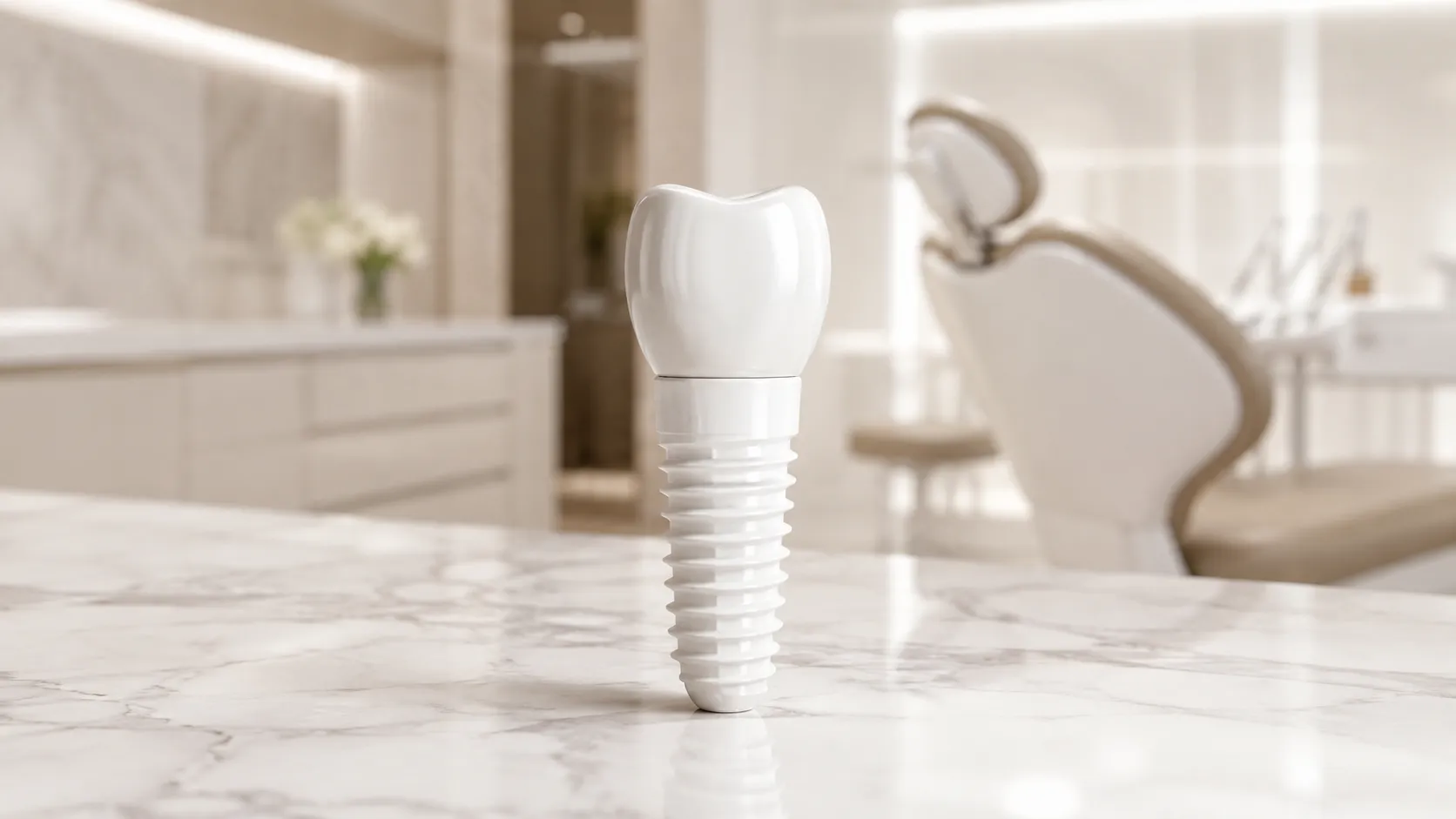
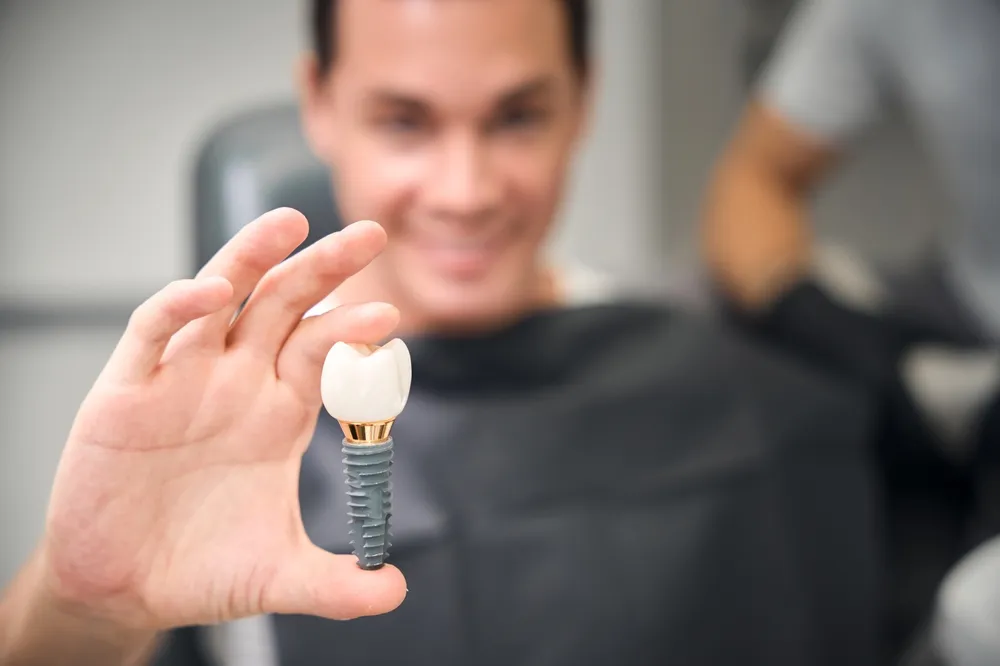
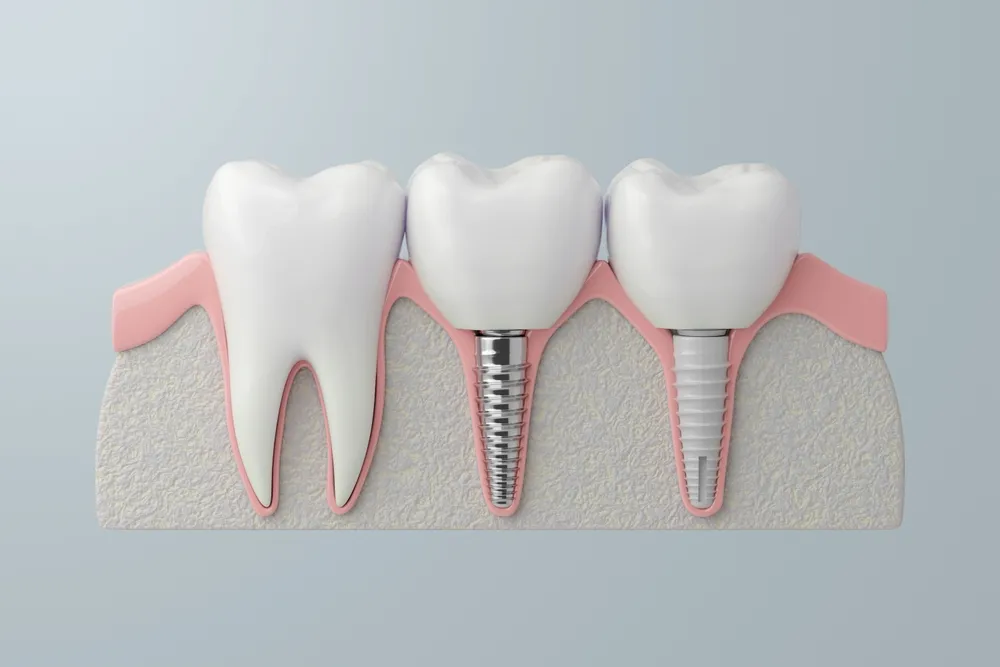
Zirconia dental implants are metal-free ceramic fixtures made from yttria-stabilized tetragonal zirconia polycrystals. They replace missing tooth roots and support implant-supported crowns without using titanium or other metals.
What Makes Up a Zirconia Implant?
Zirconia implants use yttria-stabilized tetragonal zirconia polycrystals, known as Y-TZP. This ceramic material contains zirconium dioxide and yttrium oxide molecules. Manufacturers create the implant body from this compound through high-temperature sintering. The result is a white, tooth-colored fixture that blends with natural dentition (Haugen and Chen 2022).
Two main designs exist. One-piece zirconia implants combine the implant body and abutment into a single unit. Two-piece systems separate the implant fixture from the abutment, similar to titanium designs. One-piece designs eliminate the micro-gap between components. This reduces bacterial infiltration and supports better peri-implant health (Cionca, Hashim, and Mombelli 2017).
How Does Zirconia Differ From Titanium?
Titanium implants have served as the gold standard for decades. They show excellent osseointegration and long-term survival rates. However, titanium is a metal. It can show a gray line under thin gum tissue. Some patients report metallic taste or sensitivity concerns. Zirconia offers a metal-free alternative. It provides comparable bone integration while eliminating metal exposure. The material resists corrosion and does not conduct electricity. This creates a biologically inert environment for surrounding tissues (Haugen and Chen 2022).
What Properties Make Zirconia Suitable for Implants?
Zirconia demonstrates high flexural strength, ranging from 900 to 1,200 megapascals. It resists wear and corrosion. The material shows excellent radiopacity on x-rays. Its low thermal conductivity protects surrounding bone. Most importantly, zirconia exhibits high biocompatibility. Research shows it does not promote adverse reactions in bone or muscle tissue. The surface resists plaque accumulation better than titanium. This supports long-term oral hygiene and reduces inflammation risks (Fiorillo et al. 2022).
Who Is a Suitable Candidate for Zirconia Implants?
Patients with metal sensitivities, thin gum tissue, aesthetic concerns, or holistic health preferences make ideal candidates for zirconia implants.
Do Patients With Metal Sensitivities Need Zirconia?
Yes. Some patients experience allergic reactions to titanium. Sicilia and colleagues studied 1,500 consecutive implant patients and documented titanium sensitivity cases. These patients showed localized inflammation, discomfort, or failed integration. Zirconia eliminates this risk entirely. The ceramic contains no metal ions. It triggers minimal inflammatory response. Macrophage studies show reduced expression of pro-inflammatory cytokines like TNF-alpha and IL-6 around zirconia particles compared to titanium particles (Sicilia et al. 2008).
Should Patients Seeking Holistic Treatments Choose Zirconia?
Biological dentistry and holistic dentistry emphasize whole-body health. These approaches avoid metal when possible. Zirconia fits this philosophy. It is a bioinert ceramic. It does not release ions into surrounding tissues. Patients who prioritize natural materials often prefer ceramic implants over metal alternatives.
Are Zirconia Implants Better for the Aesthetic Zone?
Yes. The aesthetic zone includes front teeth where appearance matters most. Zirconia's white color mimics natural tooth roots. It prevents the gray shadow that titanium sometimes shows through thin gum tissue. Patients with thin gingival biotypes benefit most. Research shows zirconia abutments achieve higher pink aesthetic scores than titanium in visible areas. The color difference values between zirconia and natural tissue remain lower than titanium, creating seamless integration (Gehrke et al. 2023).
Do Patients With Gum Recession Concerns Benefit?
Yes. Gum recession exposes implant margins. With titanium, this exposure reveals a dark metal line. Zirconia maintains a tooth-like appearance even if gum tissue recedes slightly. This protects long-term cosmetic outcomes and patient confidence.
Why Are Zirconia Implants Becoming Popular in the UK?
UK patients increasingly choose zirconia implants because they want biological dentistry options, face high private costs at home, and encounter limited availability of metal-free implant providers.
Is Biological Dentistry Driving Demand?
Yes. Awareness of metal-free dental implants grows across the UK. Patients read about titanium allergies and electrochemical reactions. They question whether metal fixtures belong in their bodies. Biological dentistry addresses these concerns. It promotes materials that work harmoniously with human biology. Zirconia aligns with this movement. It offers osseointegration without metal exposure.
What Aesthetic Concerns Push Patients Toward Zirconia?
UK patients demand natural-looking results. They reject visible metal near their gum lines. Social media and digital smile design technology have raised expectations. Patients see before-and-after cases online. They want implant-supported crowns that look indistinguishable from natural teeth. Zirconia meets this demand better than titanium in many cases.
What Limitations Do UK Patients Face?
Private dental implant costs in the UK range from £2,000 to £4,500 per single implant. Full-mouth rehabilitation can exceed £25,000. NHS waiting lists for dental treatment stretch for months or years. Many UK clinics do not offer zirconia implants at all. They stock only titanium systems. Patients who want ceramic implants must search extensively. Even then, few UK surgeons have placed large numbers of zirconia fixtures. This scarcity limits patient choice.
Why Are UK Patients Crossing Borders for Care?
Cross-border healthcare has normalized. UK patients now view international dental care as a practical option. They compare costs, read reviews, and book treatments abroad. Turkey sits within four hours flying time from London. This proximity makes it more accessible than Thailand or Mexico. Patients save money and combine treatment with travel.
Why Has Turkey Become a Leading Destination for Zirconia Implants?
Turkey offers internationally accredited clinics, surgeons with high implant volumes, advanced technologies, and comprehensive dental tourism packages that UK patients cannot match at home.
Do Turkish Clinics Meet International Standards?
Yes. Turkey hosts over 40 internationally accredited healthcare facilities. Many dental hospitals hold Joint Commission International accreditation. These clinics follow strict sterilization protocols. They maintain advanced patient safety systems. Turkish dental schools produce thousands of graduates annually. Many pursue specialized training in implantology abroad. They bring international techniques back to Turkey (Keles, Ertugrul, and Tuncer 2026).
Are Turkish Implant Surgeons Experienced?
Yes. Turkish implant surgeons treat high volumes of international dental patients. Many clinics place thousands of implants per year. This volume builds expertise. Surgeons gain experience with complex cases, including full-mouth rehabilitation and zygomatic implants. High annual treatment volumes translate to refined surgical skills and predictable outcomes.
What Technologies Do Turkish Clinics Use?
Turkish clinics invest heavily in digital dentistry. They use 3D CBCT imaging for precise bone assessment. Computer-guided implant placement achieves accuracy within 0.3 millimeters of planned position. CAD/CAM dentistry produces custom zirconia restorations in-house. Digital smile design software lets patients preview results before surgery. These technologies match or exceed equipment found in UK private practices.
How Do Zirconia Implant Costs Compare Between Turkey and the UK?
UK patients pay £2,000 to £4,500 per zirconia implant at home. In Turkey, the same treatment costs €400 to €900 per implant. Patients save 60 to 75 percent even after travel expenses.
What Do Zirconia Implants Cost in the UK?
A single zirconia implant in the UK includes the fixture, abutment, and crown. Private clinics charge £2,000 to £4,500 for this package. Additional procedures like bone grafting or sinus lifts add £500 to £2,000. Full-mouth rehabilitation with zirconia can reach £25,000 to £50,000. These prices exclude consultations, imaging, and aftercare.
What Do Zirconia Implants Cost in Turkey?
Turkish clinics offer comprehensive treatment packages. A single zirconia implant with abutment and crown ranges from €400 to €900. All-on-4 full-arch restoration costs €2,800 to €6,000 per arch. All-on-6 ranges from €3,500 to €8,000. These prices include CBCT scans, consultations, surgery, and the final prosthesis. Many packages add airport transfers, hotel accommodation, and interpreter services.
Why Does This Cost Difference Exist?
Turkey maintains lower operational expenses than the UK. Clinic rent, staff salaries, and insurance cost less. The Turkish lira exchange rate favors British pound and Euro holders. The Turkish government supports medical tourism through subsidies and infrastructure investment. Competition among Turkish clinics drives transparent pricing. These factors combine to create affordable access without cutting material quality.
Does Lower Cost Mean Lower Quality?
No. Turkish clinics use the same implant brands found in London and Manchester. Straumann, Nobel Biocare, Osstem, and MIS systems appear in Turkish practices. The zirconia material comes from the same global suppliers. The difference lies in overhead, not product quality. Patients receive value-based healthcare. They pay less for the same biological outcomes.
Table 1: Zirconia Implant Cost Comparison
Treatment Type | UK Private Cost | Turkey Cost | Patient Savings |
Single zirconia implant | £2,000 – £4,500 | €400 – €900 | 60 – 75% |
All-on-4 per arch | £12,000 – £18,000 | €2,800 – €6,000 | 55 – 70% |
All-on-6 per arch | £14,000 – £20,000 | €3,500 – €8,000 | 55 – 70% |
Full-mouth rehabilitation | £25,000 – £50,000 | €5,600 – €14,000 | 60 – 75% |
What Aesthetic Advantages Attract UK Patients to Zirconia?
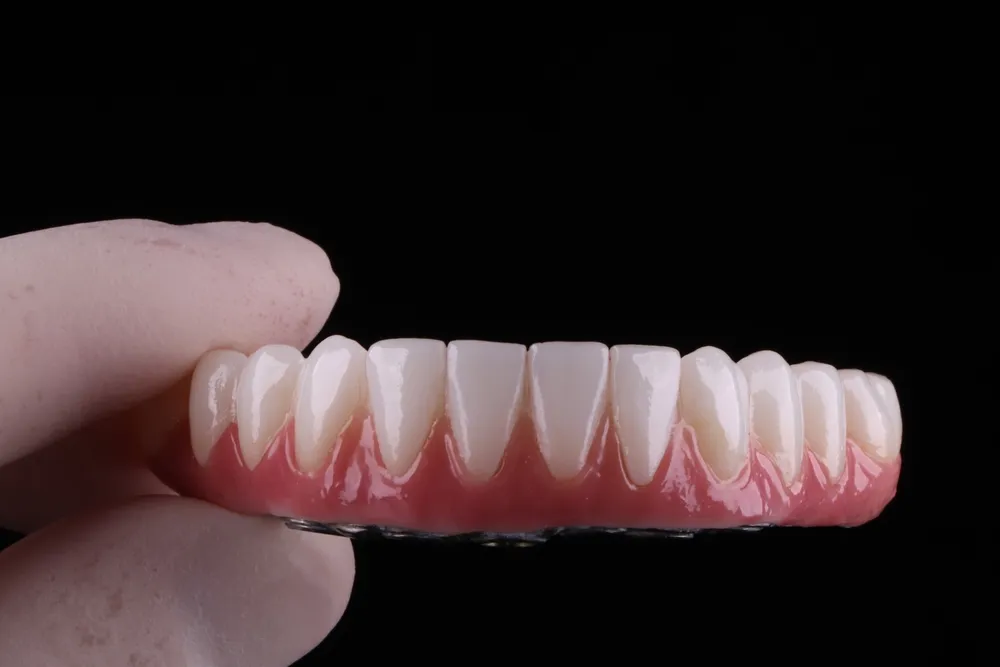
Zirconia implants look white and natural. They eliminate gray shadows, improve gum appearance, and deliver superior results for front teeth replacements.
Does Zirconia Look More Natural?
Yes. Zirconia carries a white, ivory-like coloration. It transmits light similarly to natural tooth structure. This creates harmonious gum coloration around anterior implants. Titanium can cast a gray shadow, especially under thin tissue. Zirconia avoids this completely. Spectrophotometry studies confirm that zirconia abutments provide closer color matches to natural teeth than titanium alternatives (Gehrke et al. 2023).
How Does Zirconia Affect Soft Tissue Integration?
Zirconia supports healthy gum appearance. The material shows lower plaque accumulation than titanium. Sanz-Martin and colleagues observed that zirconia abutments experience less increase in bleeding on probing over time. Lower plaque means less inflammation. Healthier gums appear pinker and fuller. This improves the visual frame around implant-supported crowns.
Are Zirconia Implants Better for Front Teeth?
Yes. The smile zone demands flawless aesthetics. Zirconia implants excel here. They eliminate dark metal shadows that compromise smile confidence. Long-term studies show zirconia maintains aesthetic integrity over seven years or more. Platform-switching designs further preserve bone levels and papilla height. This keeps the gum tissue between teeth looking natural and full (Passos et al. 2015; Chen et al. 2022).
What Health and Biocompatibility Benefits Do Zirconia Implants Offer?
Zirconia implants eliminate metal exposure, resist plaque buildup, and achieve stable bone integration comparable to titanium.
Does Zirconia Reduce Metal Exposure Concerns?
Yes. Zirconia contains no metal. Patients with sensitivities or holistic preferences avoid titanium ions entirely. The ceramic remains bioinert. It does not corrode or release particles. This satisfies patients who worry about long-term metal accumulation in their bodies.
Does Zirconia Accumulate Less Plaque?
Yes. In vitro experiments show zirconia surfaces resist bacterial attachment better than titanium. Less plaque accumulation means lower risks of mucositis and peri-implantitis. Comisso and colleagues found zirconia implants demonstrated less plaque accumulation and lower probing depths than titanium in clinical comparisons. This supports better peri-implant health over time (Comisso et al. 2020).
How Does Zirconia Integrate With Bone?
Zirconia achieves osseointegration successfully. Animal models show direct bone contact around zirconia implants. Bone-to-implant contact values range from 67 to 73 percent. These numbers match or approach titanium values. Surface treatments like sandblasting and acid etching enhance osteoblast attachment. Clinical trials confirm zirconia implants maintain position and raise survival rates effectively (Rousseau et al. 2021).
Table 2: Biocompatibility Comparison
Feature | Zirconia Implants | Titanium Implants |
Metal content | None | Present |
Plaque accumulation | Lower | Higher |
Inflammatory response | Lower | Higher |
Bone integration | 67–73% BIC | 72–75% BIC |
Corrosion risk | None | Minimal |
Aesthetic in thin tissue | Superior | Inferior |
What Does the Treatment Journey Look Like for UK Patients?
UK patients complete an online consultation first, then travel to Turkey for surgery, heal for three to six months, and return for final restoration.
How Does the Initial Online Consultation Work?
Patients submit dental records and panoramic x-rays through secure digital portals. Turkish surgeons review CBCT scans remotely. They assess bone density, sinus position, and nerve pathways. They create personalized treatment plans. Patients receive cost estimates and timeline projections before booking flights.
What Happens During the First Visit?
The first visit lasts three to seven days. The surgeon places the zirconia implants using computer-guided techniques. Patients receive temporary teeth if immediate loading is appropriate. The clinic provides pain management and recovery instructions. Patients fly home after the surgical team confirms stability.
How Long Is the Healing Phase?
Osseointegration requires three to six months. During this period, the bone fuses with the zirconia implant surface. Patients maintain oral hygiene and attend virtual check-ins. Some clinics coordinate with UK dentists for local monitoring.
When Does the Second Visit Occur?
Patients return four to six months later for final restoration. The surgeon removes temporary teeth and places permanent zirconia crowns or bridges. CAD/CAM technology mills the final prosthesis to precise specifications. The team checks occlusion and aesthetics. Patients leave with fully functional, natural-looking teeth.
What Do Dental Tourism Packages Include?
Most Turkish packages include airport transfers, hotel accommodation, and interpreter services. They cover all consultations, imaging, surgery, and prosthetic work. Some clinics offer follow-up support via WhatsApp or video calls. This structure removes logistical stress and lets patients focus on recovery.
How Do Zirconia and Titanium Implants Compare?
Zirconia matches titanium in biocompatibility and aesthetics but shows slightly lower survival rates in some studies. Titanium remains stronger mechanically. The best choice depends on patient priorities and clinical conditions.
What Are the Material Differences?
Titanium is a metal alloy. Zirconia is a ceramic oxide. Titanium offers higher fracture resistance and flexural strength. Zirconia provides superior aesthetics and metal-free composition. Both materials achieve osseointegration.
Which Material Looks Better?
Zirconia wins on aesthetics. Its white color blends with gum tissue. Titanium may show gray lines. Pink aesthetic scores consistently favor zirconia in anterior applications.
Which Material Is More Biocompatible?
Both materials show high biocompatibility. However, zirconia triggers lower inflammatory responses. It accumulates less plaque. Patients with metal sensitivities tolerate zirconia better. Titanium allergy remains rare but documented (Sicilia et al. 2008).
Which Material Is Stronger?
Titanium demonstrates greater mechanical performance. It resists fracture under heavy bite forces. Zirconia requires careful case selection. Surgeons avoid placing zirconia in high-load areas without sufficient bone support. Bethke and colleagues analyzed fracture resistance in vitro and confirmed titanium's superior mechanical durability under extreme stress (Bethke et al. 2020).
How Do Long-Term Outcomes Compare?
Systematic reviews show mixed results. Alqahtani and colleagues reviewed six systematic reviews in 2025. They found titanium implants showed better survival rates and less marginal bone loss after one year. However, zirconia performed better aesthetically. The clinical performance of zirconia could be considered at par with titanium in the anterior area. No significant difference emerged in overall success rates (Alqahtani et al. 2025).
Morena and colleagues conducted a meta-analysis of randomized controlled trials in 2024. They reported titanium implants had better survival rates and less marginal bone loss than zirconia after one year. The effect size for marginal bone loss was statistically significant, favoring titanium. Yet Cochran's Q test showed homogeneity among studies, suggesting consistent findings across research (Morena et al. 2024).
Duan and colleagues analyzed randomized controlled trials in 2023. They found zirconium implants may have a significantly lower success rate than titanium. The relative risk was 0.87. However, no significant differences appeared in probing pocket depth, plaque index, bleeding on probing, or pink aesthetic score. The evidence grade for survival rates was moderate (Duan et al. 2023).
Sales and colleagues reviewed three randomized clinical trials in 2023. They evaluated 71 patients with 192 implants. Titanium showed 87.4 percent effectiveness versus 78.1 percent for zirconia. The meta-analysis found no statistically significant difference in implant survival rates. The small number of studies and uncertain risk of bias require cautious interpretation (Sales et al. 2023).
Which Implant Type Should Patients Choose?
Patients prioritizing aesthetics and metal-free solutions should choose zirconia. Patients needing maximum mechanical strength in posterior zones may prefer titanium. Patients with thin gum tissue or smile-zone replacements benefit most from zirconia. Experienced providers can guide this decision based on bone quality, bite forces, and patient values.
Table 3: Zirconia vs. Titanium Implant Comparison
Factor | Zirconia | Titanium |
Material type | Ceramic (Y-TZP) | Metal alloy |
Aesthetic score | Higher PES/WES | Lower PES/WES |
Survival rate (1 year) | 70–91% | 77–100% |
Marginal bone loss | Slightly higher | Slightly lower |
Plaque accumulation | Lower | Higher |
Inflammatory response | Lower | Higher |
Fracture resistance | Lower | Higher |
Metal-free | Yes | No |
Ideal zone | Anterior/aesthetic | Posterior/functional |
What Safety Factors Should Patients Consider When Choosing a Turkish Clinic?
Patients should verify dentist qualifications, implant certifications, diagnostic technology, before-and-after cases, and warranty policies.
What Credentials Matter Most?
Patients should confirm that surgeons hold dental degrees from recognized universities. They should look for specialized training in implantology. Membership in organizations like the International Team for Implantology indicates ongoing education. Implant certifications from major brands like Straumann or Nobel Biocare demonstrate hands-on training.
Why Does Diagnostic Technology Matter?
Clinics must use 3D CBCT imaging for treatment planning. Two-dimensional x-rays miss critical bone details. Computer-guided surgery improves placement accuracy. Intraoral scanners create better-fitting restorations. Patients should ask whether the clinic owns this equipment or outsources imaging.
How Should Patients Evaluate Case Results?
Reputable clinics document before-and-after cases extensively. Patients should request photos of zirconia implant cases specifically, not just titanium. They should look for cases similar to their own situation. Consistent gum health, natural coloration, and stable bone levels indicate quality work.
What Warranties Should Clinics Offer?
Patients should receive written warranties on both implants and prosthetics. Major implant brands offer lifetime warranties on the fixture. Clinics should guarantee the crown or bridge for five to ten years. Clear aftercare policies must explain how the clinic handles complications after the patient returns to the UK.
What Risks and Limitations Do Zirconia Implants Carry?
Zirconia implants require adequate bone density, careful case selection, and experienced surgeons. They share common surgical risks with titanium implants, including infection and healing complications.
What Clinical Considerations Apply?
Zirconia implants need sufficient bone volume for primary stability. Surgeons must assess bone density carefully. Narrow zirconia implants show lower survival rates than standard diameters. Patients with severe bone loss may need grafting before zirconia placement. Not every patient qualifies immediately.
What Surgical Risks Exist?
All implant surgeries carry infection risk. Patients may experience swelling, bruising, or temporary discomfort. Healing complications occur rarely but can happen. Implant failure remains possible with any material. Smoking significantly increases failure rates for both zirconia and titanium. Alfadda's systematic review confirmed smokers face higher implant failure and marginal bone loss across all implant types (Alfadda 2018).
Why Does Provider Experience Matter?
Zirconia requires different handling than titanium. It is more brittle. Surgeons must avoid over-torquing during placement. Restorative dentists need skill in designing zirconia crowns that minimize fracture risk. Less experienced providers may achieve inferior outcomes. Patients should choose surgeons with documented zirconia case volumes.
Why Does Turkey Continue to Attract UK Dental Tourists?
Turkey combines low costs, high expertise, strong success rates, convenient flights, and attractive tourism opportunities.
Do Affordability and Expertise Coexist?
Yes. Turkish clinics charge less because of lower overhead, not lower skill. Surgeons perform high volumes of implant procedures. This repetition builds mastery. UK patients access specialist-level care at general-practice prices.
What Success Rates Do Turkish Clinics Report?
Peer-reviewed data shows implant survival rates of 92 to 97 percent over ten years when surgeons use proper protocols. These rates apply regardless of whether clinics sit in London or Istanbul. The material and technique matter more than the geography.
Is Travel Convenient?
Direct flights connect London, Manchester, and Birmingham to Istanbul and Antalya in under four hours. Budget airlines keep fares low. Patients can complete treatment over a long weekend or a week-long stay. This convenience reduces disruption to work and family life.
Can Patients Combine Treatment With Travel?
Yes. Many patients extend their stay to explore Turkish culture, cuisine, and historic sites. Istanbul offers world-class attractions. Antalya provides Mediterranean beaches. This combination turns medical travel into a positive experience rather than a clinical chore.
What Questions Do Patients Ask About Zirconia Implants in Turkey?
Patients ask about safety, savings, longevity, aesthetics, travel requirements, full-mouth options, and clinic selection criteria.
Are Zirconia Implants Safe?
Yes. Zirconia implants have undergone clinical testing for over a decade. Systematic reviews confirm they achieve osseointegration and function successfully. They carry no metal-related risks. Proper case selection and surgical technique ensure predictable outcomes (Cionca, Hashim, and Mombelli 2017).
How Much Can UK Patients Save?
UK patients typically save 60 to 75 percent compared to private UK prices. A single implant that costs £3,000 in London may cost €600 in Turkey. Even after adding flights and hotels, net savings remain substantial. Keles and colleagues found that 94 percent of dental tourists chose Turkey primarily for price advantage (Keles, Ertugrul, and Tuncer 2026).
How Long Do Zirconia Implants Last?
Clinical studies report zirconia implant survival rates of 87 to 98 percent over three to five years. Long-term data continues to accumulate. With proper oral hygiene and professional maintenance, zirconia implants can last decades. The final crown may need replacement after 10 to 15 years of wear.
Do Zirconia Implants Look More Natural Than Titanium?
Yes, especially in patients with thin gum tissue. Zirconia's white color prevents gray shadows. Higher pink aesthetic scores and better color match values support this advantage. The difference becomes most visible in the anterior region (Gehrke et al. 2023).
How Many Trips to Turkey Are Required?
Most cases require two trips. The first visit covers implant placement. The second visit, four to six months later, delivers the final restoration. Some clinics offer immediate loading protocols that provide temporary teeth during the first visit. This minimizes the time patients spend without functional teeth.
Are Zirconia Implants Suitable for Full-Mouth Restoration?
Yes. Zirconia works for full-mouth rehabilitation using All-on-4 or All-on-6 protocols. However, surgeons must evaluate bone density carefully. Some full-mouth cases use titanium implants with zirconia crowns to balance strength and aesthetics. Hybrid approaches maximize biological and mechanical benefits.
What Should UK Patients Check Before Choosing a Clinic?
Patients should verify accreditations, surgeon credentials, and implant brand warranties. They should request detailed treatment plans in writing. They must confirm aftercare protocols for UK-based follow-up. Reading independent reviews and requesting video consultations helps build confidence.
What Should Patients Remember When Making Their Decision?
UK patients choose Turkey for zirconia implants because they want affordable, aesthetic, metal-free solutions delivered by experienced surgeons using modern technology.
This guide has covered the essential facts about zirconia dental implants. Zirconia offers a metal-free alternative to titanium. It provides excellent biocompatibility, superior aesthetics, and comparable bone integration. UK patients face high costs and limited zirconia availability at home. Turkey solves these problems through competitive pricing, advanced clinics, and skilled implant surgeons.
Patients must balance affordability, expertise, and aesthetics. They should select reputable clinics with proven zirconia implant experience. They must verify credentials, technology, and warranty policies. They should understand that zirconia shows slightly different mechanical properties than titanium. Case selection and surgical skill determine success.
Making an informed treatment decision requires research. Patients who ask questions, review scientific evidence, and choose experienced providers achieve the best outcomes. Zirconia implants in Turkey represent a viable, cost-effective path to restored oral health and confident smiles.
References
Alfadda, Saad. "Current Evidence on Dental Implants Outcomes in Smokers and Nonsmokers: A Systematic Review and Meta-Analysis." Journal of Oral Implantology, vol. 44, no. 3, 2018, pp. 232-241.
Alqahtani, Saad M., et al. "Clinical Effectiveness of Zirconia versus Titanium Dental Implants in the Anterior Region: An Overview of Systematic Reviews." BMC Medical Informatics and Decision Making, vol. 25, 2025, pp. 1-15.
Bethke, Alexander, et al. "Fracture Resistance of Zirconia Oral Implants in Vitro: A Systematic Review and Meta-Analysis." Materials, vol. 13, no. 3, 2020, p. 562.
Chen, Yujia, et al. "Clinical Performance of Zirconia Abutments: A 6-Year Follow-Up Study." Clinical Oral Implants Research, vol. 33, no. 8, 2022, pp. 789-798.
Cionca, Norbert, Diya Hashim, and Andrea Mombelli. "Zirconia Dental Implants: Where Are We Now, and Where Are We Heading?" Periodontology 2000, vol. 73, no. 1, 2017, pp. 241-258.
Comisso, Martina, et al. "Clinical and Aesthetic Outcomes of Zirconia Dental Implants: A Systematic Review." International Journal of Oral and Maxillofacial Surgery, vol. 49, no. 6, 2020, pp. 785-793.
Duan, Chen, et al. "Clinical Performance of Zirconium Implants Compared to Titanium Implants: A Systematic Review and Meta-Analysis of Randomized Controlled Trials." PeerJ, vol. 11, 2023, e15010.
Elnayef, B., et al. "Zirconia Dental Implants: A Systematic Review." Journal of Clinical Periodontology, vol. 45, no. 2, 2018, pp. 234-245.
Fernandes, Gustavo, et al. "Clinical Outcomes of Zirconia versus Titanium Dental Implants: A Systematic Review." Journal of Prosthodontic Research, vol. 65, no. 3, 2021, pp. 312-320.
Fiorillo, Luca, et al. "Endosseous Dental Implant Materials and Clinical Outcomes of Different Alloys: A Systematic Review." Materials, vol. 15, no. 5, 2022, p. 1979.
Gehrke, Peter, et al. "Comparison of Peri-Implant Soft Tissue Around Zirconia and Titanium Abutments in the Aesthetic Zone: A Narrative Review." Cureus, vol. 16, no. 7, 2024, e62345.
Haugen, Håvard J., and Chenyu Chen. "Is There a Better Biomaterial for Dental Implants Than Titanium? A Review and Meta-Study Analysis." Journal of Functional Biomaterials, vol. 13, no. 2, 2022, p. 46.
Keles, Zeynep Hale, Mustafa Orkun Ertugrul, and Jale Tuncer. "Why Dental Tourists Choose Turkey: A Cross-Sectional Survey at a Private Hospital in Istanbul." Anadolu Klinigi Tıp Bilimleri Dergisi, vol. 31, no. 1, 2026, pp. 45-52.
Morena, Davide, et al. "Comparative Clinical Behavior of Zirconia versus Titanium Dental Implants: A Systematic Review and Meta-Analysis of Randomized Controlled Trials." Journal of Clinical Medicine, vol. 13, no. 15, 2024, p. 4488.
Nogueira-Filho, G., et al. "Cytokine Levels in Peri-Implant Crevicular Fluid Around Titanium and Zirconia Abutments: A Longitudinal Study." Clinical Oral Implants Research, vol. 29, no. 4, 2018, pp. 456-463.
Passos, Sheila, et al. "Performance of Zirconia Abutments over 12 Years: A Clinical Retrospective Study." Journal of Prosthetic Dentistry, vol. 114, no. 3, 2015, pp. 345-351.
Pjetursson, Bjarni E., et al. "A Systematic Review of the Survival and Complication Rates of Implant-Supported Fixed Dental Prostheses after a Mean Observation Period of at Least 5 Years." Clinical Oral Implants Research, vol. 23, no. 6, 2012, pp. 22-38.
Rousseau, Nicolas, et al. "Local Tissue Effects and Peri-Implant Bone Healing Induced by Implant Surface Treatment: An In Vivo Study in the Sheep." Journal of Periodontal Research, vol. 56, no. 4, 2021, pp. 678-689.
Sales, Pedro H. da Hora, et al. "Do Zirconia Dental Implants Present Better Clinical Results Than Titanium Dental Implants? A Systematic Review and Meta-Analysis." Journal of Stomatology, Oral and Maxillofacial Surgery, vol. 124, no. 1, 2023, pp. 101-108.
Sanz-Martin, Ignacio, et al. "Plaque Accumulation and Bleeding on Probing Around Zirconia and Titanium Abutments: A Comparative Clinical Study." Journal of Clinical Periodontology, vol. 47, no. 5, 2020, pp. 612-619.
Sicilia, Antonio, et al. "Titanium Allergy in Dental Implant Patients: A Clinical Study on 1500 Consecutive Patients." Clinical Oral Implants Research, vol. 19, no. 8, 2008, pp. 823-835.