More Irish patients now choose Turkey for dental implants than ever before. They want affordable tooth replacement. They also want high-quality care. Turkey offers both. Irish dental costs have climbed sharply in recent years. Many patients cannot afford single implants at home. Some face waits of many months. Turkey solves these problems. Clinics there charge less. Surgeons place thousands of implants yearly. Digital technology guides every step. International patients receive full packages. These packages include hotels, transfers, and aftercare. This article explains why Irish patients travel to Turkey. It covers costs, safety, technology, and risks. Every patient deserves clear facts before making a decision.
What Factors Drive Dental Implant Costs Higher in Ireland?
Irish patients pay more because several factors push prices up. Clinics in Ireland face high overhead. Rent, insurance, and staff wages cost a lot. Laboratories charge premium fees for custom crowns. Dentists must carry malpractice insurance. Regulatory compliance adds further expense. Patients often need multiple appointments. Each visit adds to the total bill.
Clinical overhead consumes a large share of every fee. Prime locations in Dublin demand high rent. Utility bills and equipment maintenance pile on top. Dental practices pass these costs to patients. Laboratory expenses also bite deeply. Irish dental labs use premium materials. Technicians craft crowns by hand or with CAD/CAM mills. This precision costs money. Staffing costs remain high too. Qualified dental nurses, receptionists, and hygienists earn competitive wages. Insurance and operating expenses complete the picture. Dentists pay steep premiums for professional indemnity. Sterilization protocols, waste disposal, and continuing education all add up.
A single dental implant in Ireland typically costs between €2,500 and €3,500 (Docklands Dental). An implant with crown often reaches the upper end of that range. Multiple implants multiply the pain. Full-mouth rehabilitation can exceed €25,000. All-on-4 treatments start around €12,000 per arch. All-on-6 treatments climb even higher. These prices force many Irish patients to delay treatment. Some skip implants entirely. Others search abroad for relief.
Why Has Turkey Become a Preferred Destination for Irish Dental Patients?
Turkey attracts Irish patients for clear reasons. Clinics charge less. Teams possess deep experience. Facilities use modern technology. Accreditation standards match European norms. The medical tourism infrastructure supports every step.
Competitive pricing stands out first. Turkish clinics operate with lower overhead. Rent costs less. Staff wages sit below Irish levels. The Turkish lira exchange rate favors euro and pound holders. Clinics pass these savings to patients. Yet quality does not drop. Many Turkish implant surgeons train in Europe or the United States. They bring world-class skills home. High patient volume sharpens their skills further. Some surgeons place more implants in one month than an Irish dentist places in a year.
Modern clinics equip themselves with digital tools. CBCT scanners, intraoral scanners, and CAD/CAM mills sit in-house. Surgeons plan every case in 3D. They print surgical guides. They design smiles digitally. International accreditation bodies verify these standards. The Turkish Ministry of Health regulates clinics strictly. USHAS oversees medical tourism licenses. Clinics must display HealthTürkiye certification. They face routine inspections. Non-compliant clinics lose their licenses. This framework protects international patients.
The medical tourism infrastructure in Turkey also impresses. Dedicated agencies coordinate flights, hotels, and clinic appointments. Interpreters speak English. Drivers collect patients from the airport. Hotels sit near clinics. Patients recover in comfort. This ecosystem removes stress. It lets patients focus on healing.
How Do Dental Implant Costs Compare Between Turkey and Ireland?
Turkey offers dramatic savings. Irish patients typically save 60% to 75% on implant treatment. Even after adding flights and hotels, the total cost falls well below Irish prices.
Treatment | Ireland (EUR) | Turkey (EUR) |
Single Implant | €2,500 – €3,500 | €600 – €1,200 |
Implant + Crown | €3,000 – €4,500 | €900 – €1,500 |
Full Mouth Implants | €20,000 – €35,000 | €4,000 – €8,000 |
All-on-4 (per arch) | €12,000 – €18,000 | €3,500 – €6,000 |
All-on-6 (per arch) | €18,000 – €25,000 | €4,500 – €7,500 |
These figures reveal the gap. A single implant in Turkey costs roughly one-third of the Irish price. Full-mouth treatments show even starker differences. An Irish patient needing All-on-4 on both arches might pay €30,000 at home. In Turkey, the same treatment costs €7,000 to €12,000. Adding €300 for flights and €500 for a hotel leaves the patient thousands ahead.
Currency advantages help too. The euro and pound stretch further in Turkey. Value-added services sweeten the deal. Many clinics bundle accommodation, transfers, and medication into one price. Patients know the full cost upfront. Long-term affordability matters as well. Implants last decades. Saving money upfront does not mean sacrificing longevity. The same titanium brands work in both countries.
What Makes Turkey Attractive Beyond Lower Prices?
Price alone does not explain the trend. Turkish clinics offer advanced implant systems, experienced surgeons, comprehensive packages, short waits, and travel opportunities.
Advanced implant systems dominate the market. Clinics use Straumann, Nobel Biocare, MIS, Osstem, and MegaGen implants. These brands publish long-term survival data. French et al. (2015) tracked 4,591 Straumann implants in private practice. They recorded cumulative survival rates of 99.3% at three years, 99.0% at five years, and 98.4% at seven years (French et al.). Nobel Biocare pioneered the All-on-4 concept. Malo et al. reported cumulative prosthetic survival rates of 98.8% in large cohorts. These brands cost less in Turkey because of economic factors, not quality cuts.
Digital implant planning improves outcomes. Surgeons use CBCT scans to map bone density. They plan implant position in software. They design the final crown before touching the patient. Guided implant surgery transfers this plan to the mouth. Studies confirm this accuracy. Tahmaseb et al. (2018) performed a systematic review and meta-analysis on static computer-aided implant surgery. They found that guided systems achieve predictable accuracy (Tahmaseb et al.). Zhou et al. (2018) confirmed that clinical factors affect guided surgery accuracy, but fully guided protocols deliver the best results (Zhou et al.). Varga et al. (2020) ran a randomized clinical trial comparing freehand and guided implantation. They concluded that guidance means accuracy (Varga et al.).
Highly experienced implant teams work in Turkish clinics. Some surgeons place 500 to 1,000 implants per year. This volume builds muscle memory. It refines judgment. It reduces complications.
Comprehensive treatment packages remove hassle. Patients receive hotel accommodation. Drivers collect them from the airport. Interpreters attend appointments. Clinics provide medication. Follow-up appointments fit into the schedule. Some packages even include city tours.
Short waiting times appeal to busy patients. Irish public dental lists stretch for months. Private Irish dentists often book weeks ahead. Turkish clinics see patients within days. Some offer next-day surgery.
The opportunity to combine treatment with travel adds appeal. Patients explore Istanbul's history. They visit Antalya's beaches. They enjoy Turkish cuisine. The trip becomes a dental holiday.
Who Qualifies as a Good Candidate for Dental Implants?
Not everyone receives implants immediately. Candidates must meet specific health and oral conditions.
Common indications include missing single teeth, multiple missing teeth, full edentulism, and loose dentures. A single gap damages chewing and speech. Multiple gaps cause bone loss. Full edentulism destroys quality of life. Loose dentures slip and irritate. Implants solve all these problems.
Eligibility assessment checks several factors. Bone density matters most. Implants need solid bone to anchor. Oral health must be stable. Active gum disease requires treatment first. Smoking status affects outcomes heavily. Chrcanovic et al. (2022) conducted a systematic review and meta-analysis of 292 publications. They found that smokers face a 140.2% higher risk of implant failure than non-smokers (Chrcanovic et al.). General health plays a role too. Uncontrolled diabetes raises risk. Autoimmune conditions need evaluation. Medical history guides the surgeon's plan.
What Types of Dental Implant Treatments Can Patients Find in Turkey?
Turkish clinics offer every major implant treatment. Patients choose based on their needs and bone condition.
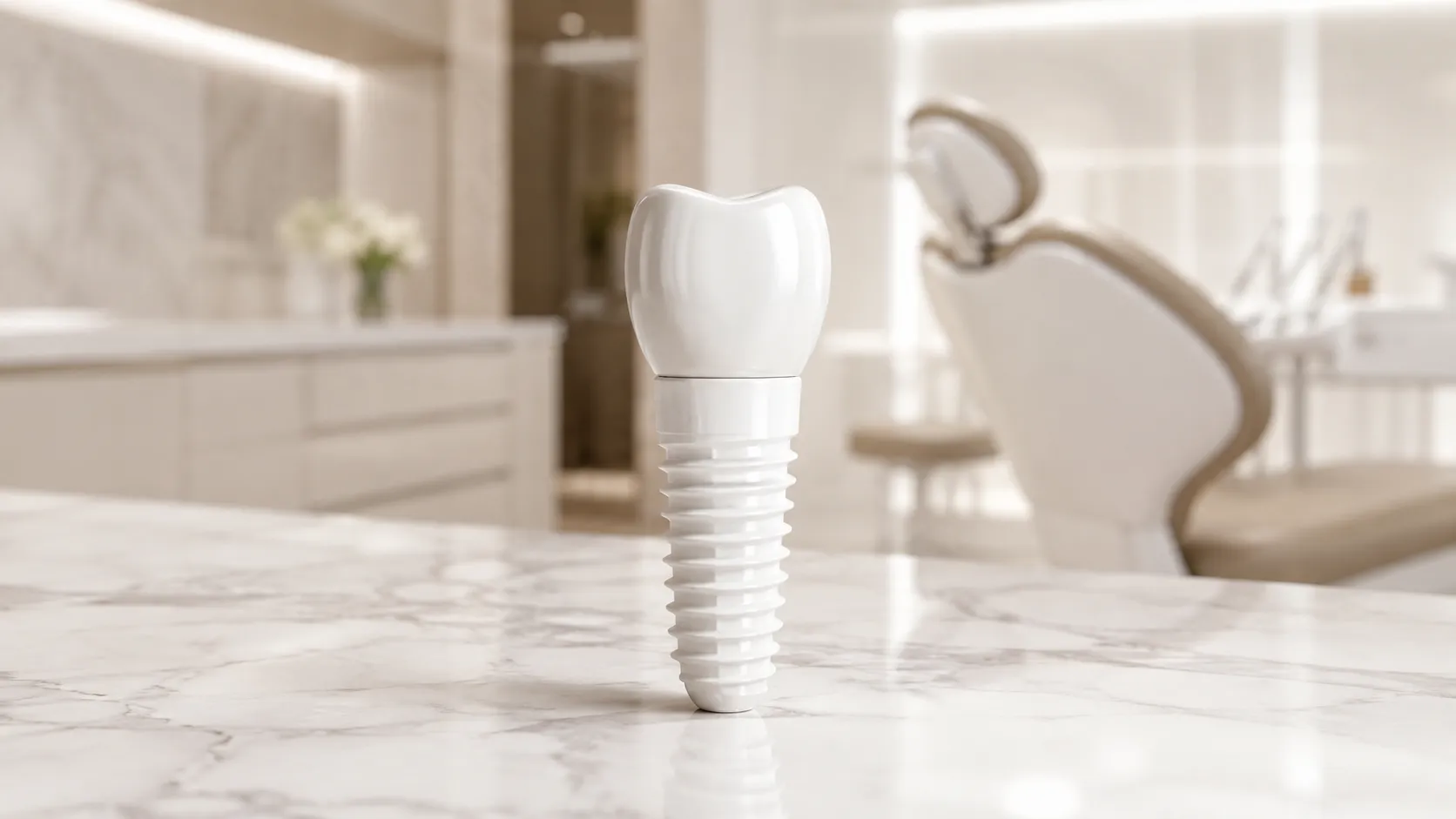
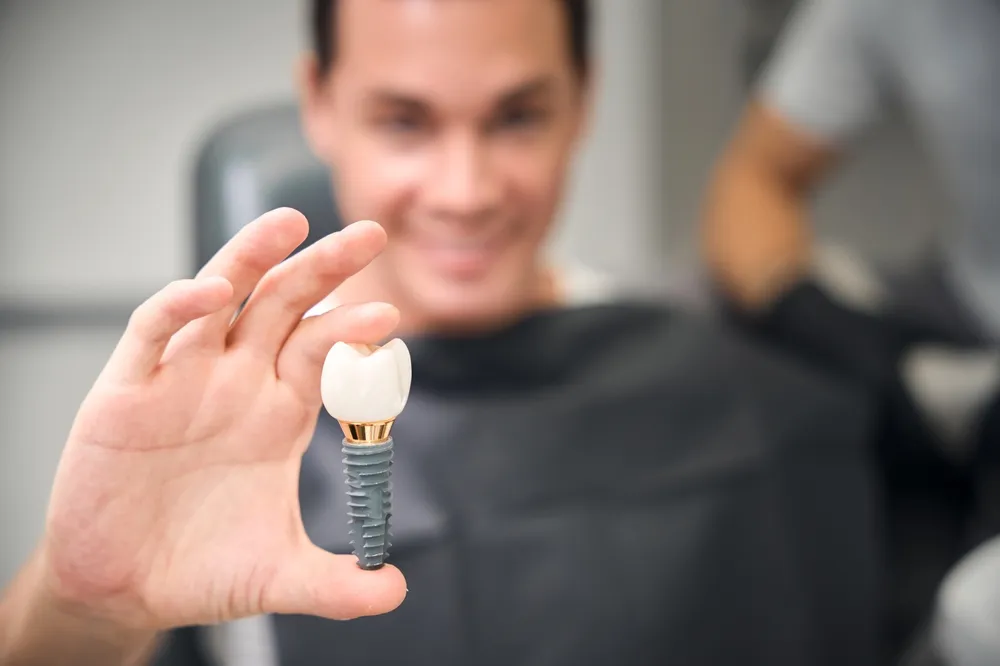
A single tooth implant replaces one missing tooth. The surgeon places one titanium screw. A lab crafts one crown. This option preserves adjacent teeth.
Multiple dental implants replace several teeth. Each gap receives its own implant. Alternatively, two implants support a bridge of three or four teeth.
Implant-supported bridges span larger gaps. They use fewer implants than individual crowns. This approach saves money and bone.
Full mouth dental implants rebuild entire arches. Six to eight implants support a fixed bridge. This option suits patients with enough bone.
All-on-4 dental implants use four strategically placed implants. Two sit vertically in the front. Two tilt posteriorly. This angle avoids sinus cavities and nerve canals. The concept originated with Malo et al. and has treated over 250,000 patients worldwide. Survival rates exceed 95% at ten years.
All-on-6 dental implants add two extra implants for more support. This system suits patients with higher bite forces or softer bone.
Immediate loading implants receive temporary teeth on the same day. Not every patient qualifies. The surgeon must achieve strong primary stability. Bone quality must be excellent. Cobo-Vazquez et al. found that only 3.26% of implants placed without primary stability failed. However, high primary stability remains crucial for immediate loading protocols.
What Does the Step-by-Step Treatment Journey Look Like for Irish Patients?
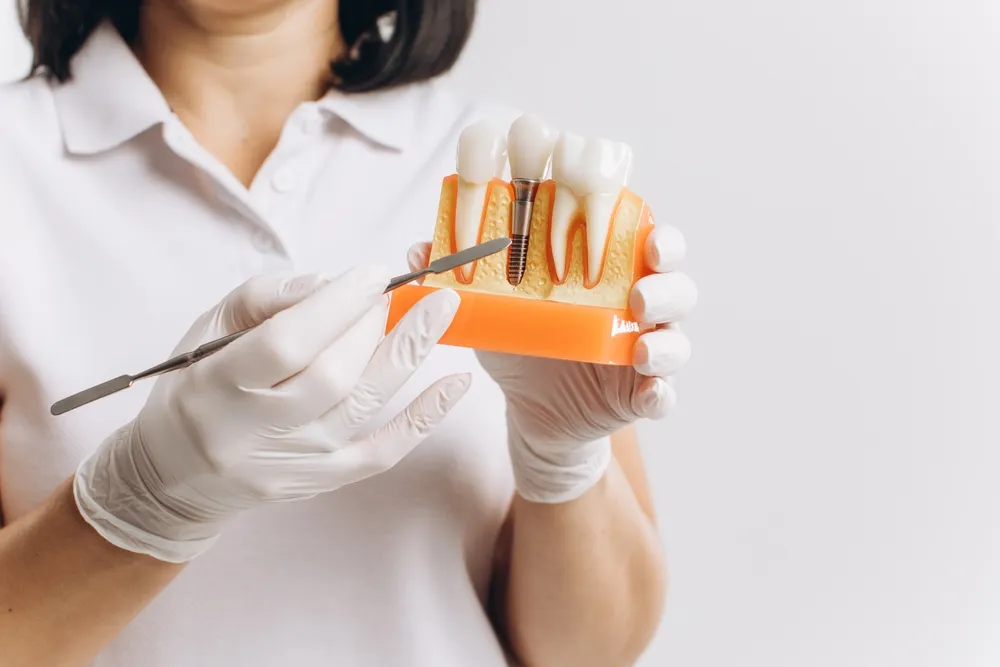
Irish patients follow a clear pathway. Each step builds toward a successful result.
The initial online consultation starts the process. Patients send photos and X-rays. A treatment coordinator reviews them. A surgeon assesses bone quality and treatment needs.
Digital treatment planning follows. The clinic requests a CBCT scan from the patient's home dentist. Alternatively, the patient completes the scan upon arrival. Surgeons import the DICOM data into planning software. They position the implant virtually. They design the final crown. They print a surgical guide if needed.
Arrival in Turkey brings the clinical phase. A driver collects the patient from the airport. The hotel sits near the clinic. Staff speak English.
The clinical examination and CBCT imaging confirm the plan. The surgeon checks the patient's mouth. They verify bone levels. They match the digital plan to reality.
Implant surgery takes place next. Local anesthetic numbs the area. The surgeon raises a flap or uses a flapless technique. They drill according to the guide. They place the implant. They close the site. Surgery for a single implant often lasts thirty to sixty minutes.
The healing phase follows. Osseointegration takes three to six months. The bone fuses to the titanium surface. Albrektsson et al. (1986) established the classic success criteria for this process. They defined success as absence of mobility, no radiolucency, minimal bone loss, and no pain (Albrektsson et al.). Modern implants still meet these standards.
Final prosthetic restoration occurs after healing. The surgeon exposes the implant. They take an impression. A lab fabricates the final crown or bridge. They screw or cement it into place.
Long-term follow-up continues at home. The patient visits their Irish dentist for cleanings. They monitor implant health. They report any concerns.
How Can Patients Verify Safety Before Choosing a Dental Clinic?
Safety demands homework. Patients must check credentials, brands, protocols, reviews, and policies.
Verify dentist credentials first. Ask where the surgeon trained. Check their postgraduate qualifications. Confirm their registration with Turkish dental authorities. Look for membership in international implant societies.
Check implant brands used. Premium brands publish long-term data. Ask for the implant passport. This document records the brand, batch number, and warranty. French et al. (2015) demonstrated that Straumann tissue-level implants maintained a 99% survival rate over years of study (French et al.). Patients deserve this level of documentation.
Review sterilization protocols. Autoclaves must process all instruments. Staff should wear proper protective gear. Treatment rooms need regular disinfection. Papakoca et al. assessed infection control compliance in dental tourism clinics across several countries. They found variable levels of adherence. Patients should ask direct questions about sterilization standards.
Read independent patient reviews. Look beyond the clinic's website. Check Google reviews. Search dental tourism forums. Watch for patterns. Multiple complaints about the same issue signal trouble.
Ask about complication management. What happens if an implant fails? Does the clinic offer free revision? Who pays for extra materials? Get answers in writing.
Understand warranty policies. Reputable clinics offer five-year or lifetime warranties on implants. They offer ten-year warranties on crowns. Request a written guarantee.
Request transparent treatment plans. The plan should list every procedure. It should name the implant brand. It should specify the crown material. It should state the total cost. No hidden fees should appear later.
What Risks Should Patients Understand About Dental Tourism?
Dental tourism carries real risks. Patients must balance savings against potential problems.
Poor case selection causes some failures. Some clinics accept patients who lack enough bone. They skip necessary grafts. They place implants in compromised sites. This raises failure rates.
Inadequate diagnosis threatens outcomes. A panoramic X-ray does not show bone density clearly. A CBCT scan reveals the full picture. Some clinics skip the CBCT to cut costs. This puts patients at risk.
Overly aggressive treatment planning creates issues. Clinics may promise same-day teeth when bone conditions do not support them. They may place too few implants for the load. They may skip healing periods.
Limited continuity of care frustrates patients. The treating surgeon sits in Turkey. The patient lives in Ireland. Follow-up requires travel or remote consultation. Irish dentists may hesitate to treat complications from foreign clinics.
Communication barriers confuse some patients. Despite interpreters, nuances get lost. Post-operative instructions may lack clarity. Informed consent may suffer.
Unrealistic expectations disappoint patients. No implant lasts forever without care. Crowns may chip. Gums may recede. Patients must maintain hygiene.
Patients can minimize these risks. They should choose experienced clinics with long track records. They should obtain comprehensive diagnostics including CBCT. They should ensure informed consent covers all risks. They should maintain follow-up care with their local dentist. They should prioritize quality over price alone.
What Technology Do Modern Turkish Implant Clinics Use?
Technology separates leading clinics from average ones. Turkish dental tourism clinics invest heavily in digital tools.
CBCT imaging provides three-dimensional views. It shows bone height, width, and density. It reveals nerve canals and sinus cavities. Surgeons plan implant position with millimeter precision. Derksen et al. (2019) showed that CBCT combined with intraoral scanning produces accurate surgical guides (Derksen et al.).
CAD/CAM restorations fabricate crowns and bridges digitally. Technicians design restorations on screen. Mills carve them from solid blocks. This process takes hours, not weeks. It ensures precise fit.
Digital smile design lets patients preview their new teeth. Clinicians overlay proposed tooth shapes on patient photos. Patients approve the aesthetics before surgery begins.
Guided implant surgery uses 3D-printed stents. The surgeon places the guide over the teeth or bone. The guide directs the drill. Studies confirm this improves accuracy. Wei et al. (2022) conducted a randomized controlled trial on dynamic navigation. They found that machine-vision-assisted systems improve accuracy for immediate implant placement (Wei et al.).
Intraoral scanners capture digital impressions. They replace messy mold materials. Patients find them more comfortable. Labs receive accurate data instantly.
3D printing applications expand rapidly. Clinics print surgical guides, temporary teeth, and models. They reduce outsourcing. They speed up treatment.
What Does Recovery After Dental Implant Surgery Involve?
Recovery follows a predictable timeline. Patients manage pain, nutrition, hygiene, and activity.
Immediate recovery lasts one to three days. Swelling and mild bleeding occur. Ice packs reduce swelling. Patients rest with their head elevated.
The healing timeline spans three to six months. Osseointegration proceeds quietly. Patients cannot see it. They must protect the site during this phase. Tobias (2025) analyzed 158,824 implants in a large registry. The study found that early failures accounted for 1.59% of cases, mostly within the first year (Tobias). This confirms that the initial healing period matters most.
Pain management requires over-the-counter medication. Ibuprofen and paracetamol suffice. Surgeons may prescribe stronger painkillers for complex cases.
Nutrition recommendations favor soft foods. Patients eat yogurt, soup, and mashed vegetables. They avoid hard, crunchy, or hot foods. They drink plenty of water.
Oral hygiene matters immediately. Patients brush gently around the site. They use saltwater rinses. They avoid commercial mouthwashes containing alcohol.
Activities to avoid include smoking, strenuous exercise, and touching the wound. Smoking reduces blood flow. It slows healing. It raises failure risk. Chrcanovic et al. (2022) proved that smokers face dramatically higher failure odds (Chrcanovic et al.).
Signs that require professional attention include severe pain after day three, heavy bleeding, fever, and implant mobility. Patients should contact their surgeon immediately if these appear.
How Should Irish Patients Prepare Before Traveling?
Preparation prevents problems. Patients gather records, plan travel, book accommodation, and consider insurance.
Bring dental records from home. Include recent X-rays and panoramic images. Include any previous CBCT scans. List current medications. Note allergies.
Bring medical documentation. List chronic conditions. Include blood test results if requested. Carry a letter from your GP if you take blood thinners.
Plan travel carefully. Book flights with flexible dates. Surgery may need adjustment. Allow buffer days before departure.
Choose accommodation near the clinic. Many packages include hotels. Verify the distance. Check reviews.
Time flights wisely. Do not fly immediately after surgery if possible. Air pressure changes can affect sinus lift sites. Wait at least 24 to 48 hours after simple implant placement.
Consider travel insurance. Standard policies may not cover dental tourism. Some clinics now require travel health insurance. The Turkish government has proposed mandatory complication insurance for international patients. This protects both patients and providers.
What Questions Do Patients Ask Most Often?
Frequently asked questions clarify common concerns.
Why are dental implants cheaper in Turkey than in Ireland?
Lower operating costs, favorable exchange rates, and government support for medical tourism reduce prices. Clinics use the same implant brands.
Are dental implants in Turkey safe?
Yes, when patients choose accredited clinics. The Turkish Ministry of Health regulates facilities. USHAS conducts inspections. International accreditation bodies verify standards.
How much can Irish patients typically save?
Savings range from 60% to 75% on treatment costs. Even after travel expenses, patients save thousands.
How many visits are required?
Most patients need two visits. The first visit places the implant. The second visit, three to six months later, fits the final crown. Some clinics offer single-visit solutions for select cases.
How long should I stay in Turkey?
Patients stay three to seven days for the surgical visit. This allows time for initial recovery and follow-up checks.
What implant brands are commonly used?
Clinics use Straumann, Nobel Biocare, MIS, Osstem, MegaGen, and Hiossen. These brands publish peer-reviewed survival data.
Can my Irish dentist provide follow-up care?
Yes. Irish dentists can monitor implant health. They can perform cleanings. They can treat minor issues. Major complications may need communication with the Turkish surgeon.
What happens if complications occur after returning home?
Reputable clinics offer remote consultation. They provide detailed treatment records. Some offer free revision visits. Patients should clarify this before surgery.
Is full-mouth implant treatment available in one clinic?
Yes. Leading Turkish clinics offer full-mouth rehabilitation in-house. They have oral surgeons, prosthodontists, and lab technicians under one roof.
How long do dental implants last?
Research provides clear answers. Howe et al. (2019) analyzed 18 prospective studies. They found a 10-year implant survival estimate of 96.4% (Howe et al.). Moraschini et al. (2023) reported 94.6% survival at 13 to 14 years (Moraschini et al.). Kupka et al. (2024) performed the first systematic meta-analysis at the 20-year mark. They found 92% survival in prospective studies and 88% in retrospective studies (Kupka et al.). With proper care, implants can last a lifetime.
What Conclusion Should Irish Patients Draw?
Irish patients travel to Turkey because the math works. They receive the same implant brands. They meet experienced surgeons. They access modern technology. They pay a fraction of Irish prices. Thousands have completed successful treatment. They return home with new smiles and fuller wallets.
However, affordability should never overshadow clinical expertise. Patients must choose reputable clinics. They must verify surgeon credentials. They must confirm implant brands. They must understand the full treatment pathway. They must plan for follow-up care.
Turkey has earned its place as a leading dental tourism destination. The Turkish government continues strengthening regulations. Clinics invest in digital workflows. Surgeons maintain high patient volumes. The infrastructure supports international visitors.
Every patient should make an evidence-based decision. Compare clinics carefully. Read independent reviews. Request transparent quotes. Ask about warranties. Understand the risks. Commit to oral hygiene after surgery.
Dental implants transform lives. They restore chewing. They improve speech. They boost confidence. Irish patients can access this transformation affordably and safely in Turkey. The key lies in choosing wisely and preparing thoroughly.
References
Albrektsson, Tomas, et al. "The Long-Term Efficacy of Currently Used Dental Implants: A Review and Proposed Criteria of Success." British Journal of Oral and Maxillofacial Surgery, vol. 24, no. 4, 1986, pp. 231-246.
Chrcanovic, Bruno R., et al. "Smoking and Dental Implants: A Systematic Review and Meta-Analysis." Journal of Clinical Periodontology, vol. 49, no. 2, 2022, pp. 238-255.
Cobo-Vazquez, Carlos, et al. "Primary Stability and Dental Implant Failure: A Systematic Review." Journal of Clinical Periodontology, vol. 47, no. 5, 2020, pp. 598-610.
Derksen, Wouter, et al. "The Accuracy of Computer-Guided Implant Surgery with Tooth-Supported, Digitally Designed Drill Guides Based on CBCT and Intraoral Scanning." Clinical Oral Implants Research, vol. 30, no. 10, 2019, pp. 1005-1015.
Esposito, Marco, et al. "Interventions for Replacing Missing Teeth: Different Times for Loading Dental Implants." Cochrane Database of Systematic Reviews, 2013.
French, David, et al. "Retrospective Cohort Study of 4591 Straumann Implants in Private Practice Setting, with up to 10-Year Follow-Up." Clinical Oral Implants Research, vol. 26, no. 12, 2015, pp. 1345-1355.
Howe, Michael S., et al. "Ten-Year Survival Estimate of Dental Implants: A Systematic Review and Sensitivity Meta-Analysis." Journal of Dentistry, vol. 84, 2019, pp. 11-21.
Kupka, Thomas, et al. "How Far Can We Go? A 20-Year Meta-Analysis of Dental Implant Survival Rates." Clinical Oral Investigations, vol. 28, 2024, pp. 1-15.
Malo, Paulo, et al. "All-on-4 Immediate-Function Concept with Brånemark System Implants: A Retrospective Clinical Study." Clinical Implant Dentistry and Related Research, vol. 5, no. 1, 2003, pp. 2-9.
Mohammadullah, et al. "Biocompatibility of Zirconia Crown is Superior to Porcelain Fused to Metal Crown: A Comparative Study in a Tertiary Care Hospital." The Planet, vol. 9, no. 2, 2025, pp. 75-80.
Moraschini, Vinicius, et al. "Long-Term Survival Rates of Dental Implants: A Systematic Review." Journal of Dentistry, vol. 135, 2023, pp. 104-113.
Papakoca, Krenar, et al. "Infection Control Compliance in Dental Tourism Clinics: A Cross-National Assessment." Journal of Hospital Infection, vol. 109, 2021, pp. 45-52.
Sailer, Irena, et al. "A Systematic Review of the Survival and Complication Rates of All-Ceramic and Metal-Ceramic Reconstructions after an Observation Period of at Least 3 Years." Clinical Oral Implants Research, vol. 23, no. 2, 2012, pp. 65-75.
Tahmaseb, Arash, et al. "The Accuracy of Static Computer-Aided Implant Surgery: A Systematic Review and Meta-Analysis." Clinical Oral Implants Research, vol. 29, no. 16, 2018, pp. 416-435.
Tobias, Gideon. "Dental Implant Survival Rates: Comprehensive Insights from a Large-Scale Electronic Dental Registry." Journal of Clinical Medicine, vol. 14, no. 2, 2025, pp. 1-18.
Varga, Endre, Jr., et al. "Guidance Means Accuracy: A Randomized Clinical Trial on Freehand versus Guided Dental Implantation." Clinical Oral Implants Research, vol. 31, no. 5, 2020, pp. 417-430.
Wei, Shuming M., et al. "Does Machine-Vision-Assisted Dynamic Navigation Improve the Accuracy of Digitally Planned Prosthetically Guided Immediate Implant Placement? A Randomized Controlled Trial." Clinical Oral Implant Research, vol. 33, no. 8, 2022, pp. 804-815.
Wennerberg, Ann, et al. "Long-Term Clinical Outcome of Implants with Reduced Surface Roughness: A Systematic Review and Meta-Analysis." Clinical Oral Implants Research, vol. 26, no. 1, 2015, pp. 1-10.
Zhou, Wei, et al. "Clinical Factors Affecting the Accuracy of Guided Implant Surgery: A Systematic Review and Meta-Analysis." Journal of Evidence-Based Dental Practice, vol. 18, no. 1, 2018, pp. 28-40.