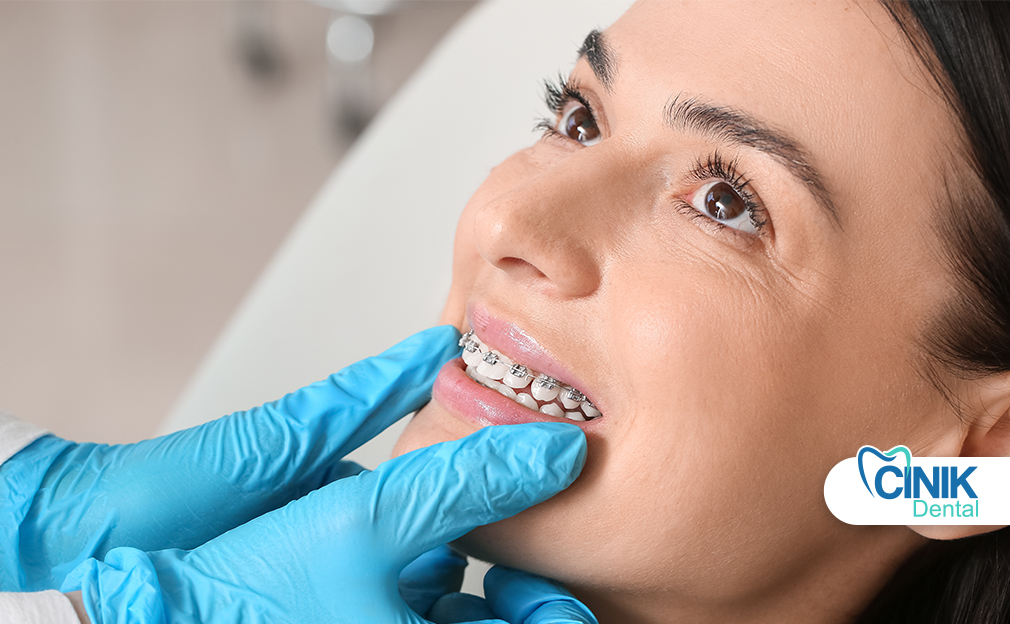
A smile makeover is a personalized combination of cosmetic dental treatments designed to improve the appearance, function, and harmony of a person’s smile. It may include procedures such as veneers, crowns, orthodontics, implants, gum contouring, and teeth whitening, all planned according to facial proportions, dental health, and aesthetic goals.
Turkey has become a leading destination for smile makeovers due to its high number of modern clinics, experienced professionals, and significantly lower treatment costs, typically ranging from €2,000 to €12,000, often offered within comprehensive dental tourism packages. Using advanced techniques like digital smile design and minimally invasive procedures, smile makeovers aim to restore confidence and achieve natural-looking, long-lasting results tailored to each individual.
1. What is a smile makeover?
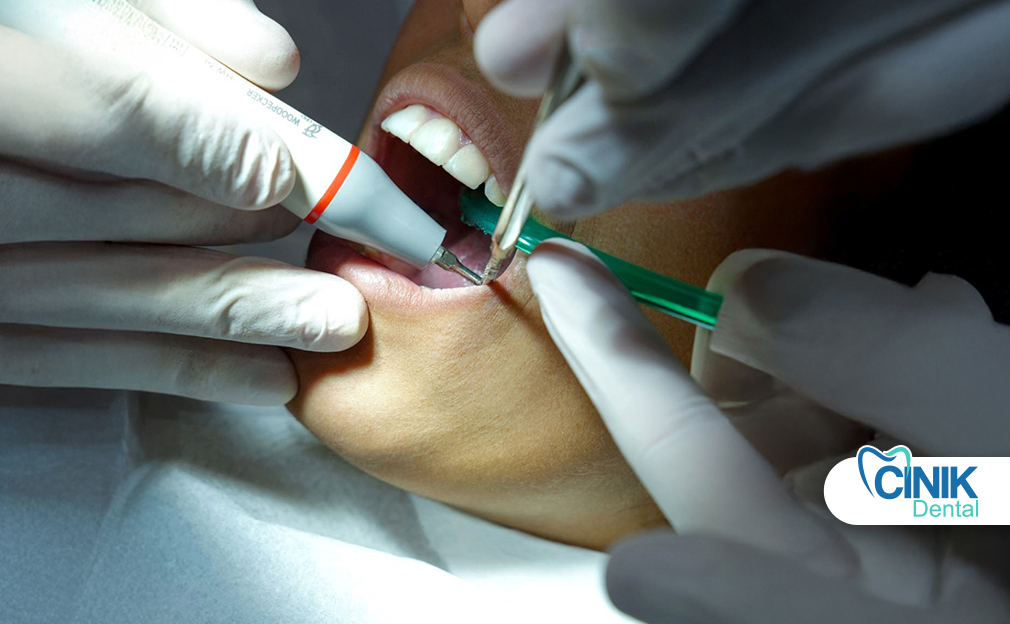
Quick Answer: A smile makeover is a series of cosmetic dental procedures designed to enhance the appearance of a person’s smile.
Factors that determine a smile’s attractiveness include the size of the teeth, their visibility when smiling, the position of the upper lip, the shape of the lips, and the amount of gum tissue displayed (Madhukar Tarvade (Daokar) and Agrawal, 2015). Most people have a smile makeover performed when they perceive their teeth or gums as unattractive (Rychuv Santos et al., 2017).
2. What is a smile makeover Turkey?
Quick Answer: A smile makeover Turkey is a package of cosmetic dental treatments offered at lower costs, often combined with travel, accommodation, and comprehensive care through dental tourism.
Turkey has become the epicenter of dental tourism. Many patients travel there for procedures like dental implants, veneers, and crowns. A combination of low costs, promotional deals and the beauty of holiday tourism makes for interesting marketing of cosmetic dental services. Smile makeovers, which include a combination of treatments for a perfect smile, have also gained popularity among patients from different parts of the world.
The country boasts more than 1000 dental clinics, which offer a wide range of services all year round. The clinics, which promise various levels of service and comfort, range from basic to luxury treatment centers. Hundreds of patients visit for aesthetic treatment with veneers or crowns or fixation of dental implants with prosthesis work.. A large number of hospitals catering for dental patients have started providing packages that include complete smile makeover, transportation, accommodation, surgery, side tours, and post-surgery care.
3. How much does a smile makeover cost?
Quick Answer: A smile makeover typically costs between €2,000 and €12,000, depending on the treatments involved.
Many patients can expect to pay from €2,000 to €12,000 for a smile makeover. For example, one full makeover priced these techniques in Turkey as follows: dental implants, from €1,000 to €1,500; veneers, €250; crowns, €300; teeth whitening, €200; and a complete orthodontic treatment using clear aligners, €1,000. In relation to these figures, a full smile makeover consisting of two implants, six crowns or veneers, and teeth whitening therefore costs €6,000 (Omar and Duarte, 2018).
4. What is a full smile makeover?
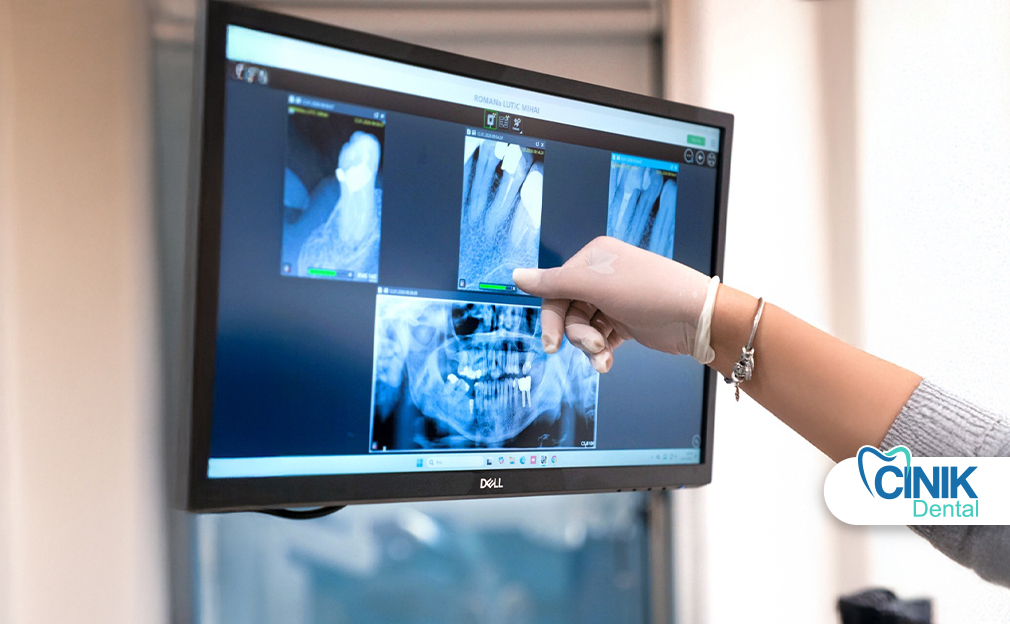
Quick Answer: A full smile makeover is a comprehensive treatment plan that restores and enhances the entire smile using aesthetic design, facial analysis, and advanced digital techniques.
The full smile makeover is an intricate treatment strategy designed to rejuvenate or restore the entire smile of individuals with worn dentition or compromised smile aesthetics due to dental materials and restorations. This concept integrates aesthetic smile design, facial analysis, and an understanding of macroesthetic elements. Several tools such as digital smile design, photogrammetry, and biomimetic approaches to enhance restorations in the aesthetic zone can be employed. Additionally, a comprehensive assessment of intraoral and facial proportions, midline coincidence, symmetry, gingival zenith, and papillary and buccal-corridor dimensions significantly contributes to achieving optimal aesthetic outcomes. Finally, dentofacial aesthetics are of paramount importance for effective treatment planning and smile rehabilitation (Omar and Duarte, 2018) (Rychuv Santos et al., 2017).
5. What are the smile makeover techniques?
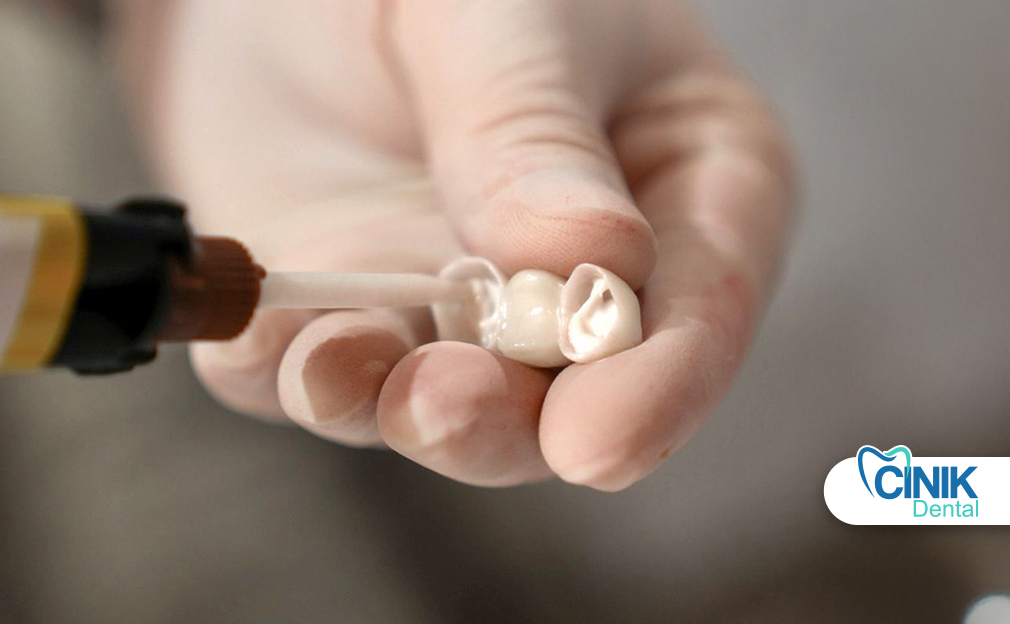
Quick Answer: Smile makeover techniques include modern dental treatments that correct alignment, color, spacing, damage, or missing teeth to personalize and enhance the smile.
A smile plays a crucial role in personal and professional interactions and is considered a valuable asset, with the condition of the teeth impacting its quality. Modern smile-enhancing techniques can significantly transform one’s smile. Individuals who feel unattractive or embarrassed by their teeth due to issues like crookedness, misalignment, discoloration, poor spacing, deterioration, or missing teeth have several contemporary options to improve their smile. These techniques enable patients to personalize their smiles by retaining, enhancing, or altering aspects of their original grin, leading to greater self-confidence and satisfaction. (Omar and Duarte, 2018)(Rychuv Santos et al., 2017)
5.1. What are veneers?
Quick Answer: Veneers are thin shells bonded to the front of teeth, primarily made of porcelain but sometimes composite.
They address issues like discoloration, wear, chipping, and misalignment, enhancing the color, shape, and position of teeth. Studies indicate they boost self-esteem. The treatment entails two visits. First, about 0.5 mm of enamel is removed to allow for the veneer, with optional local anesthetic for comfort. Dentists assess tooth shape and color, take impressions, and may apply temporary veneers. The impressions are sent to a lab for permanent veneers. In the second visit, temporary ones are replaced with permanent veneers using special adhesives. (Beatriz Alberton et al., 2017)
5.2. What are crowns?
Quick Answer: Crowns are crucial in smile makeovers as they protect and strengthen weakened teeth while altering their shape and size.
They restore teeth affected by decay, wear, or trauma and mask flaws like chips, cracks, and stains. Additionally, crowns enhance color, shape, and alignment, close gaps, and hide irregularities. Dentists recommend crowns when fillings jeopardize tooth integrity or when severe decay or trauma occurs, preserving tooth function and aesthetic appeal. They also reinforce cracked teeth and can temporarily seal prepared post spaces. (Passos et al., 2016)
5.3. What is invisalign?
Quick Answer: Invisalign® is a system used to straighten teeth without traditional braces.
It offers a series of comfortable, invisible aligners customized for each individual. These aligners can be removed for eating, brushing, and flossing, unlike conventional braces. The number of aligners varies, typically between 10 and 50, depending on treatment duration. The system employs a three-dimensional model generated from a dentist's intraoral scan or impression. This model analyzes tooth movements, dividing them into smaller, precise rotations. Each aligner corresponds to a specific movement, guiding the teeth to their final desired position throughout the treatment. (Foschi et al., 2022)
5.4. What are implants?
Quick Answer: Dental implants are modern solutions for missing teeth, using high-quality titanium fixed into the jaw.
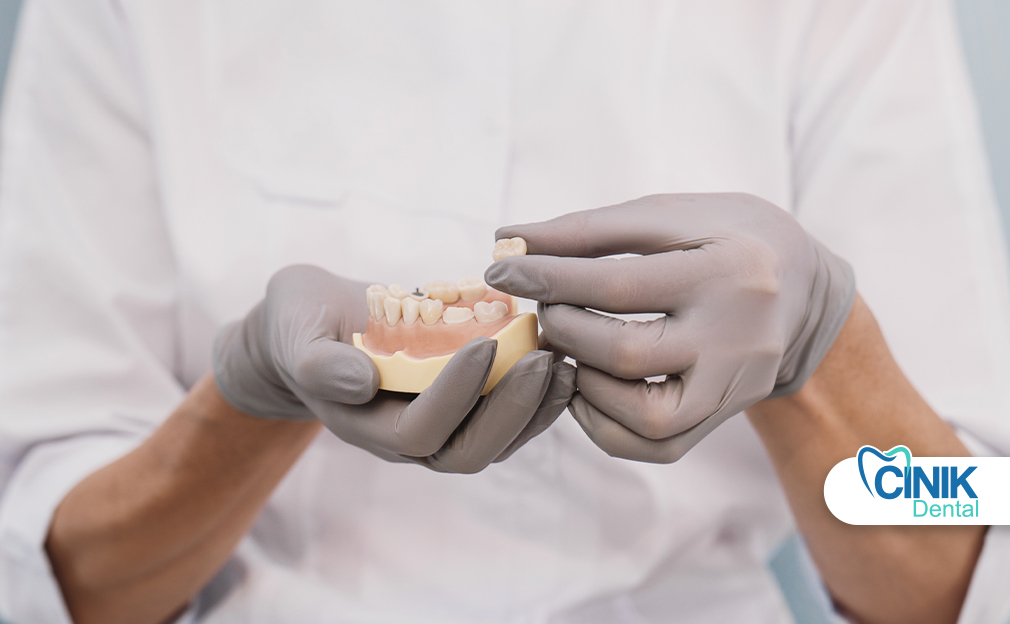
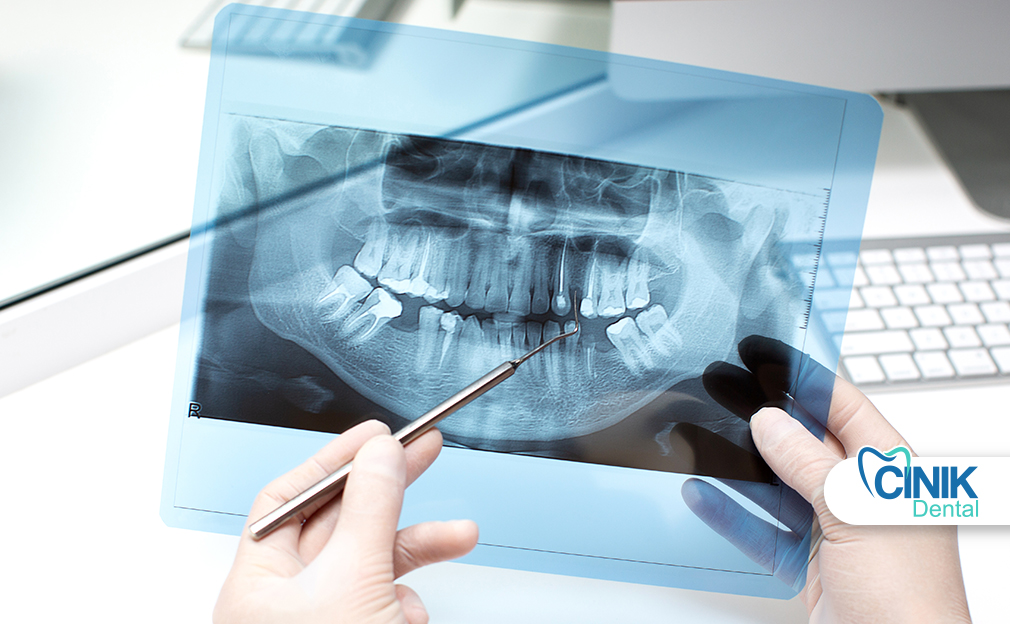
After a healing period, custom crowns are added for permanence. The feasibility of a dental implant depends on bone density, jaw shape, and nearby healthy teeth. Surgery starts with detailed planning, aided by digital imaging for accurate implant placement, avoiding critical anatomical areas like the inferior alveolar nerve and maxillary sinus. Minimally invasive techniques preserve surrounding bone and tissue during flapless procedures. Over time, surrounding tissues will change due to tooth wear and periodontal effects. (D'Addona et al., 2012)(Henrique Salviano et al., 2023)(Ankli et al., 2018)
5.5. What is gum contouring?
Quick Answer: Gum contouring addresses a gummy smile from gum overgrowth by removing excess tissue to reveal the teeth's natural length.
The treatment starts with an evaluation of the patient’s features and expectations, including tooth anatomy and gingival biotype. Four clinical types inform the treatment approach:
Type I offers immediate exposure;
Type II requires staged procedures that may include osseous contouring;
Type III uses sequences to limit subgingival exposure;
Type IV faces challenges due to inadequate attached gingiva.
Proper planning, with study casts and radiographs, indicates how much tissue to remove and shapes the ideal gingival contour, aiming for sharp interdental papillae and tapered margins. (Narayanan et al., 2015)(Tjokrodiardjo and Prahasanti, 2015)
5.6. What are teeth whitening agents?
Quick Answer: Whitening agents enhance teeth shade and color uniformity.
These procedures are favored because they are affordable, safe, and patient-friendly. Discolored teeth often raise aesthetic concerns, driving demand for whitening to boost satisfaction with appearance and quality of life. The primary whitening agents are hydrogen peroxide and carbamide peroxide, found in various at-home, in-office, and over-the-counter options. Hydrogen peroxide acts as a potent oxidant, generating radicals in solution that bleach organic materials in dentine and enamel. Carbamide peroxide, an unstable compound, produces hydrogen peroxide for similar bleaching effects, and both are mixed with gels to regulate viscosity and oral tissue contact. (Kahler, 2022)(A. Ryskina et al., 2023)
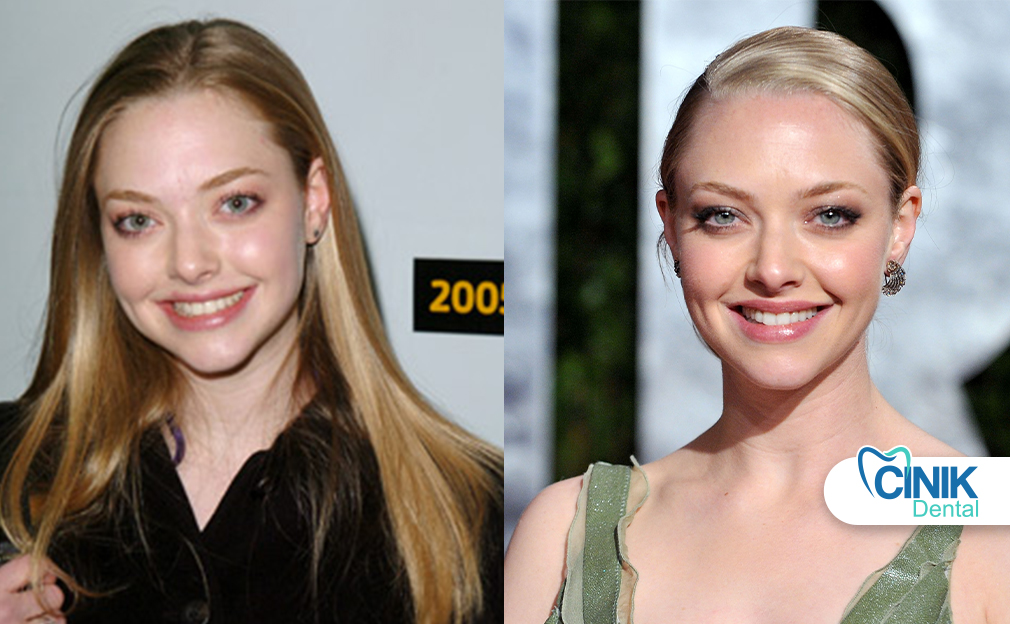
6. How does a smile makeover before and after being seen?
Quick Answer: Before and after results show improved tooth color, shape, alignment, and gum harmony, creating a more balanced and attractive smile.
The widespread desire for an attractive smile has encouraged the development of approaches for smile design and enhancement. Enhanced smiles result from the skillful manipulation of color, form, and fit of maxillary incisors in harmony with a patient’s personality and other facial features.
Smile enhancement involves both dental and gingival elements. Successful gingival contouring requires the collaboration of periodontal, orthodontic, and prosthodontic disciplines to eliminate excess gum tissue and asymmetrical gingival contours. Such harmonization improves the proportions and visual emphasis of the teeth. Dental enhancement can involve a number of different procedures: veneers, crowns, tooth whitening, orthodontic adjustments, and implants (Passos et al., 2016).
7. Conclusion
Every smile is different. That is why a smile makeover varies from person to person. Smile makeovers often involve several different procedures to reach the desired result, be it full mouth reconstruction or a single tooth replacement. Various factors influence a patient's choice of a smile makeover. These include the strategic medical needs of the mouth, cosmetic and dentofacial objectives of a smile makeover, and the technical aspects such as treatment time and cost. Many dental challenges such as decay, teeth misalignment, jaw bone deficiencies, uneven gums or staining are common and require one or more procedures similar or entirely different from a smile makeover (Saini et al., 2022). Smile makeovers focus on restructuring and rejuvenating a smile. Different smile makeovers are likely to demonstrate a variety of influences based on time, combination of procedures, focus points and multi-disciplinary needs and involvement (Omar and Duarte, 2018).
References:
Madhukar Tarvade (Daokar), S. and Agrawal, G. "Smile analysis: A review Part II." 2015. [PDF]
Rychuv Santos, F., Felice Kamarowski, S., Andres Villabona Lopez, C., Lucia Mueller Storrer, C., Teixeira Neto, A., and Miranda Deliberador, T. "The use of the digital smile design concept as an auxiliary tool in periodontal plastic surgery." 2017. ncbi.nlm.nih.gov
Omar, D. and Duarte, C. "The application of parameters for comprehensive smile esthetics by digital smile design programs: A review of literature." 2018. ncbi.nlm.nih.gov
Beatriz Alberton, S., Alberton, V., and Varella de Carvalho, R. "Providing a harmonious smile with laminate veneers for a patient with peg-shaped lateral incisors." 2017. ncbi.nlm.nih.gov
Passos, L., Peixoto Soares, F., and Gallo, M. "Esthetic Rehabilitation through Crown Lengthening Surgery and Conservative CAD/CAM Veneers: A Multidisciplinary Case Report." 2016. ncbi.nlm.nih.gov
Foschi, D., Abate, A., Maspero, C., Solimei, L., Lanteri, C., and Lanteri, V. "Method Presentation of a New Integrated Orthodontic-Conservative Approach for Minimally Invasive Full Mouth Rehabilitation: Speed Up Therapy." 2022. ncbi.nlm.nih.gov
D'Addona, A., Ghassemian, M., Raffaelli, L., and Francesco Manicone, P. "Soft and Hard Tissue Management in Implant Therapy—Part I: Surgical Concepts." 2012. ncbi.nlm.nih.gov
Henrique Salviano, S., Carlos Amorim Lopes, J., da Silva Brum, I., Machado, K., Tulio Pedrazzi, M., and José de Carvalho, J. "Digital Planning for Immediate Implants in Anterior Esthetic Area: Immediate Result and Follow-Up after 3 Years of Clinical Outcome—Case Report." 2023. ncbi.nlm.nih.gov
Ankli, V., Ivison Rodrigues Limeira, F., Yamauti, M., and Cançado Melo Sá, T. "Gingival Veneer Used as Prosthetic Solution for Esthetic-Compromised Malpositioned Dental Implant." 2018. ncbi.nlm.nih.gov
Narayanan, M., Laju, S., M Erali, S., M Erali, S., Zainab Fathima, A., and V Gopinath, P. "Gummy Smile Correction with Diode Laser: Two Case Reports." 2015. ncbi.nlm.nih.gov
Tjokrodiardjo, E. and Prahasanti, C. "Soft tissue blueprint for precise aesthetic smile." 2015. [PDF]
Kahler, B. "Present status and future directions – Managing discoloured teeth." 2022. ncbi.nlm.nih.gov
Ryskina, E., A. Magsumova, O., A. Postnikov, M., A. Lobaeva, T., B. Ahmedzhanov, B., N. Shishparenok, A., and D. Zhdanov, D. "Effect of the Teeth Whitening Procedure on the Mineral Composition of Oral Fluid." 2023. ncbi.nlm.nih.gov
Saini, R., Thakur, N., Jindal Goyal, R., Sharma Rai, K., Bagde, H., and Dhopte, A. "Analysis of Smile Aesthetic Changes With Fixed Orthodontic Treatment." 2022. ncbi.nlm.nih.gov