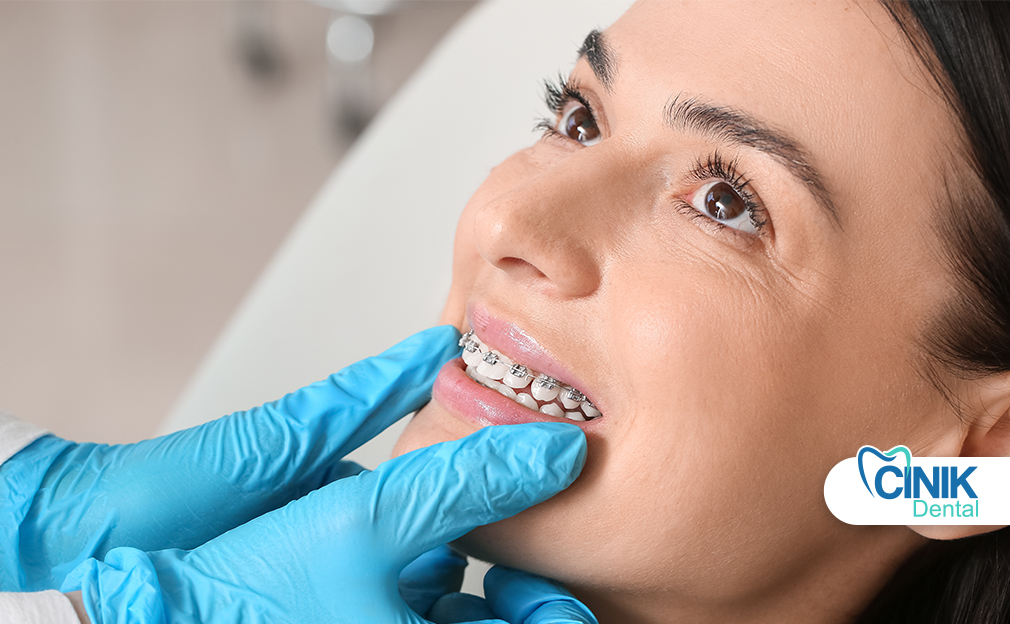
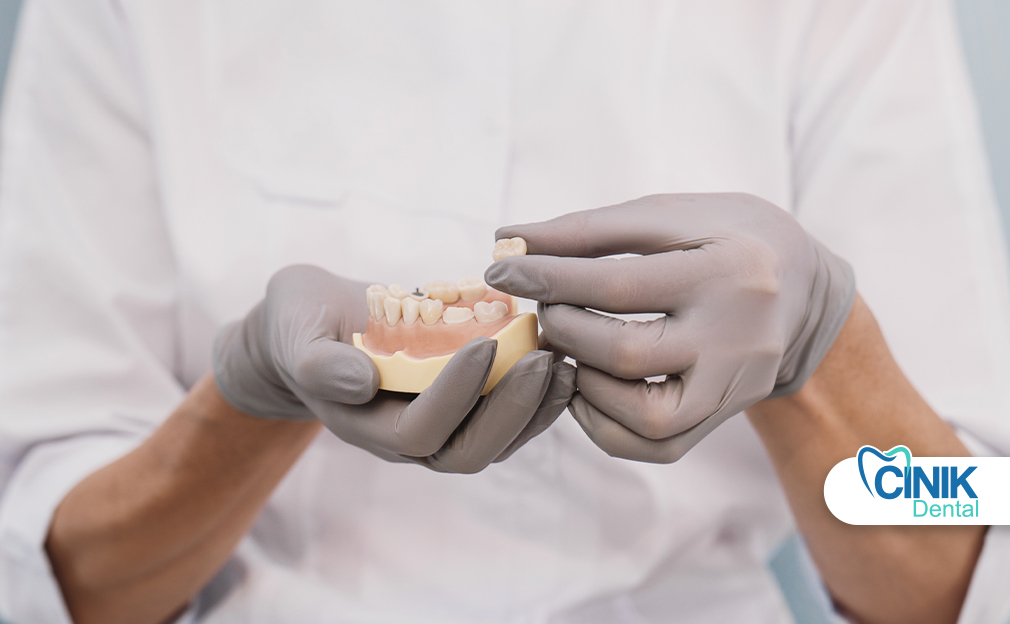
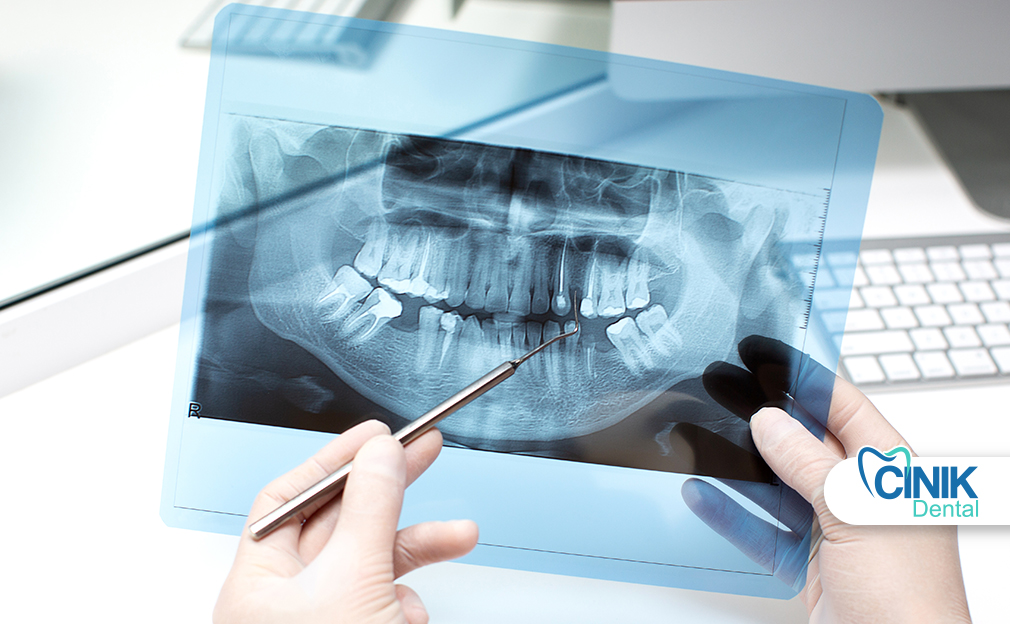
Dental implants are an effective way to replace missing teeth, but insurance coverage for them can be confusing and inconsistent. Many plans still classify implants as cosmetic, while others cover only part of the treatment or require strict proof of medical necessity. This guide explains why implants are often excluded, how major insurers handle coverage, what costs you may still face, and how to check and maximize your benefits before treatment.
1. Why Insurance Often Does Not Cover Implants
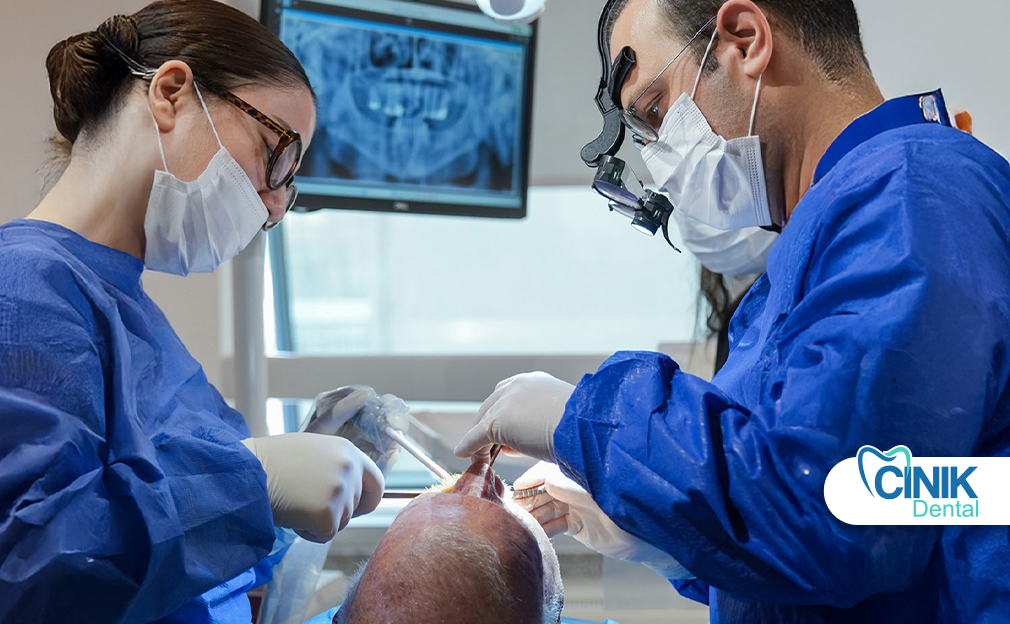
Dental implants are replacement tooth roots surgically placed in the upper or lower jaw to serve as anchors for crowns, bridges, or dentures. Ample bone structure is required to support the implants, so patients whose teeth have been lost to gum disease or other factors may first need grafts at additional costs. Implant procedures typically involve the following steps:
1. The dentist examines the patient’s mouth, takes X-rays, and discusses options. The process may require several doctor visits, during which the patients may be eligible for prescription medications or pain management therapies.
2. While patients are under local anesthesia and sedation, the dentist installs the implant and, if necessary, takes additional X-rays. The anesthetic and sedation agents wear off within two hours, but numbness may persist up to five hours, although patients can generally resume normal activities right away regardless.
3. After the procedure, the dentist conducts two or three follow-up visits and the implant heals. The entire process usually takes four to six months, depending on the type of implant, the patient’s oral structure, and the desired result (Sandhu and Kaur Pannu, 2018).
To understand the reasons why health plans often exclude coverage for implants, it is useful to review typical exclusions, conditions that must be met for implants to be eligible, and criteria used to determine medical necessity for implant-related treatments. Some of the most common grounds for denying coverage are:
• Lack of medical necessity. Insurers may assert that implants are not a medical requirement and thus do not fulfil plan definitions of eligible procedures. They may also claim that alternative, covered procedures would address the same medical condition.
• Cosmetic nature. Insurers may raise the issue that implants are used solely for cosmetic reasons, suggesting that patients of record have not initiated treatment for an underlying condition. Situations involving replacement of teeth lost more than six months ago are often cited as examples.
• Experimental status. Insurers may argue that procedures related to dental implants are experimental or investigational.
• Waiting periods. Insurers may cite waiting periods for new employees or for new procedures added to existing plans.
To establish that implant-related treatments are in fact covered services, appropriate and thorough documentation must be submitted with each claim. Evidence required to substantiate medical necessity includes:
• Statements of medical necessity. A letter or form from the treating dentist describing the diagnosis, both the primary deficiency requiring treatment and any secondary deficiencies, the date of examination or initial treatment, and related medical history, signed and dated by the dentist.
• Clinical notes. Copies of the dentist’s clinical notes regarding the patient and treatments rendered in their office or referrals to other specialists.
• X-ray report. Copies of X-ray images taken at the time of initial treatment or later follow-ups, if performed, and the corresponding report from the dentist.
• Records of prior approvals. Copies of any evidence or records of treatments previously approved for payment, if applicable.
2. What Insurance Covers Dental Implants?
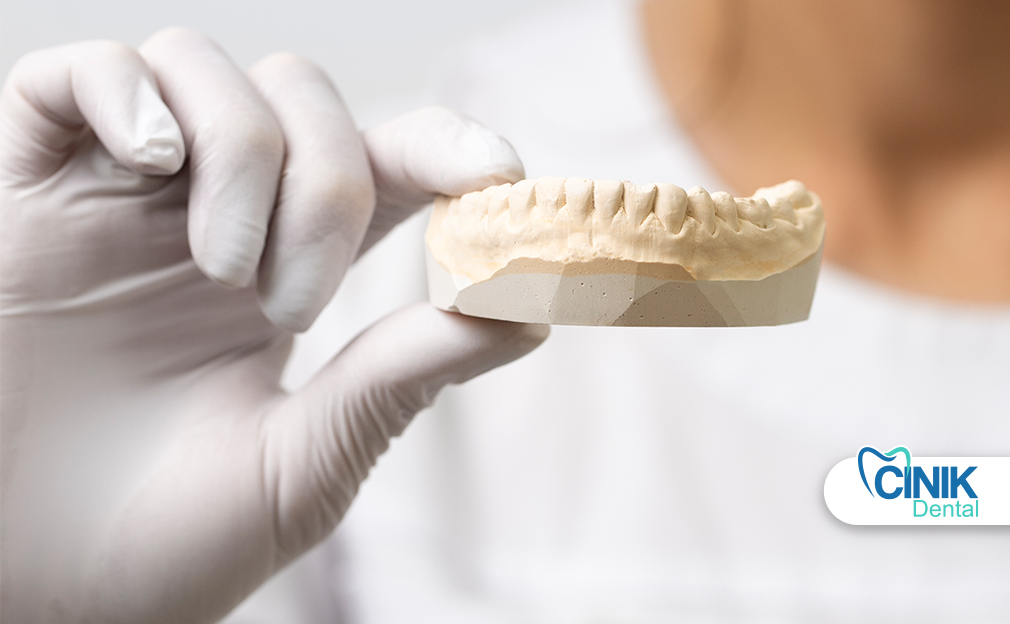
Quick Answer: Insurance often excludes implants because they are viewed as cosmetic or not medically necessary, or because cheaper alternatives exist. Some plans also deny coverage due to waiting periods or policy limits.
Many dental plans limit covered procedures to preventive care, such as cleaning and X-rays, with little coverage remaining for more complex procedures such as root canals and implants. Other products expressly exclude implants as experimental. Employer groups often follow suit. Many still provide coverage for oral surgery when performed in conjunction with treatments such as braces or a temporomandibular joint (TMJ) appliance (Seo et al., 2019).
3. What are the Major Providers and Their Policies?
Quick Answer: Some plans cover implants, but approval usually requires proof of medical necessity and prior authorization. Coverage varies by plan, so patients must first confirm whether implants are included.
For Delta Dental Insurance holders, dental implant coverage involves three key steps. First, check if the surgery is included in the dental policy. Delta Dental offers dental coverage only, while Delta Insurance provides medical coverage. Dental implant surgery may be done in hospitals but is typically not covered under Delta plans with medical insurance. Those with Delta Medical Insurance should confirm that the procedure qualifies as medical.
Patients should determine if their dental implant is covered by their plan. Delta Dental Insurance usually covers implants, but some may need additional justification. Reasons for denial often include being classified as “cosmetic” or lacking “medical necessity.” Providing evidence that the implant is essential for restoring mouth function improves the chances of approval. Like other insurance, prior authorization is required for dental implant surgery, and dentists can help submit necessary information to support that the procedure is needed for rehabilitation.
3.1. Does Blue Cross Medical Insurance Cover Dental Implants?
Quick Answer: Sometimes, but usually only if they’re medically necessary, not cosmetic. Coverage varies by plan and is often excluded, so proof from your dentist is essential.
Dental implants usually fall under medical insurance, not dental plans, for Blue Cross and Blue Shield policyholders. Coverage varies by policy, often excluding implants. Some procedures may be seen as dental care instead. Medical necessity is crucial for approval, so establishing the need beforehand is advisable. Individuals with implants or who have been edentulous for five years should be cautious when claiming coverage, as benefits for the implant and related procedures are often lacking.
Coverage may exist if the dentist can prove that the implant is a medical necessity and not merely cosmetic; for example, to restore paranasal sinus, facial contour, or lip support. Cosmetic indications alone are a common reason for denial.
3.2. Does Delta Insurance Cover Dental Implants?
Quick Answer: Delta Dental may cover implants, but many plans limit or exclude them unless they’re proven medically necessary and waiting periods are met. Coverage varies by plan.
Insurance often excludes dental implants, with limits stricter than for other procedures like crowns and bridges. Delta Dental, the largest carrier in the U.S., covers over 80 million people, yet implant coverage is limited. The Dental Insurance policy is notably different from the Medical Insurance policy, with varying marketing and terms. Common denial reasons include lack of medical necessity, cosmetic use, and unmet waiting periods. Coverage starts once the waiting period ends, but gaps may lead to denial. Endosteal implants are typically accepted, while subperiosteal and zygomatic ones may be deemed experimental, depending on the policy.
Dental implants consist of an implant, abutment, and crown, requiring periodontal surgery in the jaw. The implant integrates into the alveolar bone, followed by attaching the abutment, and finally placing the crown. This process takes three to twelve months. Implants may come with removable dentures, but new dentures without implants aren’t usually covered under the same insurance plan. Replacement of the abutment and crown is only covered if it meets the employer’s insurance waiting period. Coverage largely depends on the restoration materials used, with Delta covering very few. Bridges and dentures are alternatives that patients often choose post-implantation, yet coverage can be denied for material concerns.
3.3. Does Aetna Insurance Cover Dental Implants?
Quick Answer: Aetna may cover implants only when they’re medically necessary, and coverage depends on the specific plan and any waiting periods. Pre-authorization is often required.
Multiple Aetna dental insurance plans are available through employers, with coverage for dental implants often contingent on medical necessity. Patients typically seek Aetna’s medical insurance for implants. When dental coverage applies, the patient’s dentist requests Aetna authorization before proceeding. Aetna’s Dental Direct Access Plan may accept implants as part of a treatment plan for patients rehabilitating after losing multiple teeth or dealing with congenital defects or traumas. Aetna states that implants should restore bodily functions. For surgery to qualify under medical plans, a dentist or oral surgeon must deem it medically necessary. Note that Aetna may not allow pre-authorization for all procedures, and previous approvals do not assure implant coverage.
Patients need to verify benefit limits of their plans, as dental implant coverage through Aetna varies. Not all plans include coverage, and there may be waiting periods. Aetna advises patients to request authorization from their dentist and to supply a copy of their policy when seeking implants in treatment plans.
3.4. Does Guardian Dental Insurance Cover Implants?
Quick Answer: Guardian may cover implants, but there is often a 12-month waiting period and proof of medical necessity is required. Coverage depends on the plan.
Guardian Dental Insurance usually covers dental implant abutments and crowns, but coverage isn’t guaranteed. Many applicants discover policy exclusions for implant treatment. Guardian impose a 12-month waiting period for implants.
To maximize insurance coverage, applicants must obtain preauthorization from an insurance adjustor to review the medical necessity of implant treatment. Patients with a missing tooth can use their dentist’s notes to justify the need for an implant. Lack of documentation is a common reason for claim denials, especially for implant surgery. Claims that do not establish medical necessity or relate to psychological disorders are likely to be denied.
3.5. Does Physicians Mutual Dental Insurance Cover Implants?
Quick Answer: Physicians Mutual may cover implants when they’re needed due to injury or anatomical problems, but cosmetic implants are often excluded and waiting periods may apply. Coverage varies by plan.
Physicians Mutual Dental Insurance generally covers dental implants for injuries or anatomical problems, potentially for one or both jaws. Coverage for full crowns, removable bridges, or cosmetic implants is often denied. Many plans offer benefits for surgical implant placement and may include implant-supported dentures.
To maximize implant insurance benefits with Physicians Mutual, patients must verify their coverage details, especially for multiple procedures. Plans usually have waiting periods for denture-related procedures over $1,500. It’s wise to seek approval from the insurance company before treatment to prevent reimbursement issues or claim denials.
4. How Much Implants Cost With Insurance
Quick Answer: With insurance, implants may still cost $2,000–$4,500 per implant, depending on your plan and coverage. Always check your benefits and request a cost estimate in advance, as out-of-pocket costs can vary widely.
Many are hesitant to use insurance, but implants can lead to cost savings. Coverage typically ranges from $2,000 to $4,500, but this varies due to factors like plan type and provider affiliation. Sometimes, certain plans may cover the entire procedure. It’s essential to confirm out-of-pocket costs in advance, as cost-sharing is complex and influenced by the number and type of implants needed and anesthesia requirements.
For one or two implants, directly querying the insurance may be enough. Asking for an anticipated payment after the claim can prevent surprises. This estimate might be detailed in the policy. For larger cases, especially risky ones with multiple insurers involved, collaborating with a dental insurance coordinator may save time and cover all essential aspects. Costs can differ widely.
5. How to Check Your Coverage
Quick Answer: Contact your insurer or check your online account, and confirm whether pre-authorization is needed. Your dentist can help submit the required notes, X-rays, and treatment plan.
Verifying dental insurance coverage before treatment is crucial to avoid unexpected costs. Individuals can check their plan by calling the insurance company or logging into their online account, which will detail what is medically necessary and any steps to maximize coverage. Pre-authorization may be required in some situations.
Researching familiar areas of insurance is recommended. If a dentist refers a patient to another provider, that provider can clarify which procedures are medically necessary versus cosmetic and what documentation is needed. Knowing this, the patient should provide required documents, including dentist notes, X-rays, treatment plans, and any prior approvals or authorization letters for payment.
6. What are the Alternatives to Implants with Insurance?
Quick Answer: Insurance is more likely to cover dental bridges or dentures instead of implants.
Dental implants are artificial tooth roots that replace missing teeth. A crown attached to the implant restores both function and aesthetics, while an abutment connects the two. Temporary crowns can be placed during the healing process, which takes one to two weeks for a single implant. The implant stays hidden below the gum, but if teeth have been absent for years, more procedures may be needed before placement. Insurance coverage for implants is often limited compared to preventive and restorative treatments, focusing on maintaining dental health rather than cosmetic procedures. Denials may occur due to lack of medical necessity or waiting periods, and coverage is often contingent on prior approvals and proper documentation. (Seo et al., 2019)
7. What are Practical Steps to Take?
Quick Answer: Ask your dentist to request pre-authorization with notes and X-rays, and check or compare plans to see whether implants or alternatives are covered.
Proactive action can help minimize medical out-of-pocket costs. Multiple steps can be taken before pursuing dental implants. Available implants vary by provider and implants can be temporized at a lower cost, possibly within a patient’s network, until necessary supportive, preventative, or preparatory treatment is completed. Assistance is available from attending dentists at little cost. Patients should:
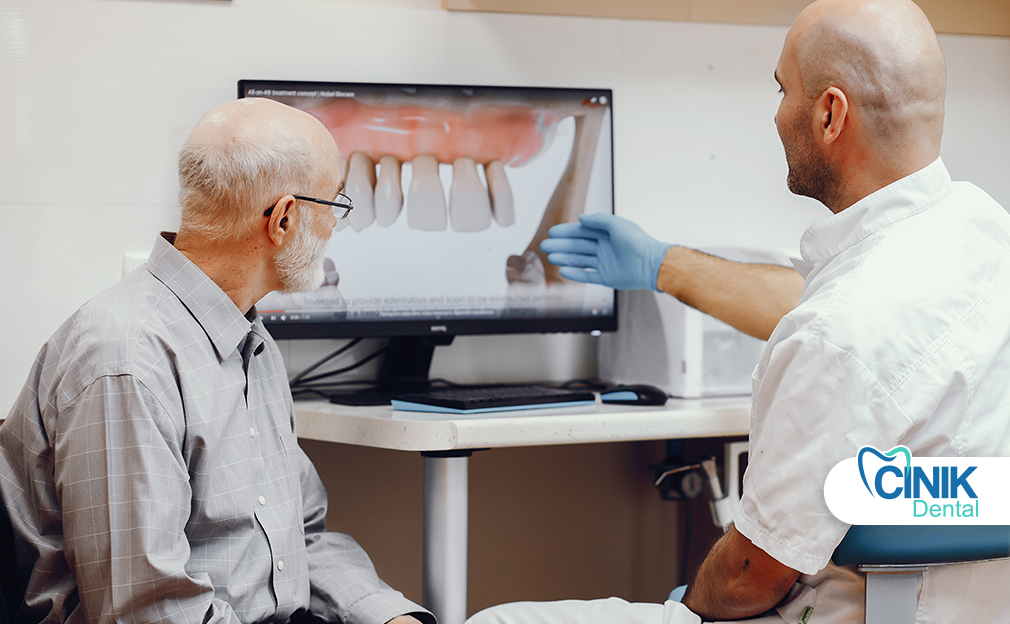
Discuss potential coverage for implants with their dentist. The dentist can submit notes supporting medical necessities before treatment, advocate for insurance coverage limits, or alert coverage issues ahead of time.
2. Request preauthorization for implants, checking that the submission fulfills coverage’s medical-necessity requirements. Prior-approval documentation should include dentists’ notes and X-rays. If the attending dentist does not support medical necessity, potential alternative coverage should be discussed for either temporary implants or alternative restoration methods.
3. Compare available dental plans for group dental-insurance options that cover expenses and consider riders that extend benefits. If bridges or dentures are to be provided in lieu of implants and a waiting period is required, their risk and financial burden should also be discussed.
8. Conclusion
Dental implants, often deemed necessary after injury or disease, typically lack coverage under medical and dental plans. Insurers classify them as cosmetic, despite many medical cases. This classification stems from an outdated view of dentistry focused solely on restoring health, ignoring instances where implants treat severe infections, like chronic periodontitis. (Seo et al., 2019)
Coverage is further restricted in group plans and multi-tenant health systems. The Medical Board requires insurers to specify which plans offer apparent coverage and detailed evidence or authorization needed. Many insurers ignore the required triennial coverage review, even when plans lack true medical necessity for restoring lost teeth. While integral to restorative oral health, teeth bleaching remains stigmatized.
Private plans mandate six to twelve months between consultations to assess ongoing oral health, often covering standard antibiotics during this period. However, some exclude periodontal treatment and full mouth rehabilitation, despite their importance in restoring complete oral health after significant events.
References:
Sandhu, R. and Kaur Pannu, G. “Implant Failures in Dentistry: A Review.” 2018. [PDF]
Seo, H., Lee, B. A., Lim, H., Yoon, J. H., and Kim, Y. T. “The socioeconomic impact of Korean dental health insurance policy on the elderly: a nationwide cohort study in South Korea.” 2019. ncbi.nlm.nih.gov