British patients now seek zirconia implants in Turkey more than ever before. Dental treatment costs in the UK continue to rise. Many Britons cannot afford premium ceramic implants at home. Turkey offers a practical solution. Patients can save thousands of pounds while receiving top-tier care. This article explains exactly how much British patients can save. It covers costs, quality, safety, and travel logistics. You will learn why Turkey leads the dental tourism market for metal-free implants. British patients dental tourism Turkey has grown by over 40% in recent years. This trend reflects both economic necessity and clinical confidence. Zirconia implant cost Turkey remains far below UK levels. Patients receive identical materials and often superior technology. This guide breaks down every expense. It shows real savings scenarios. It answers the questions that matter most to UK patients.
What Are Zirconia Dental Implants?
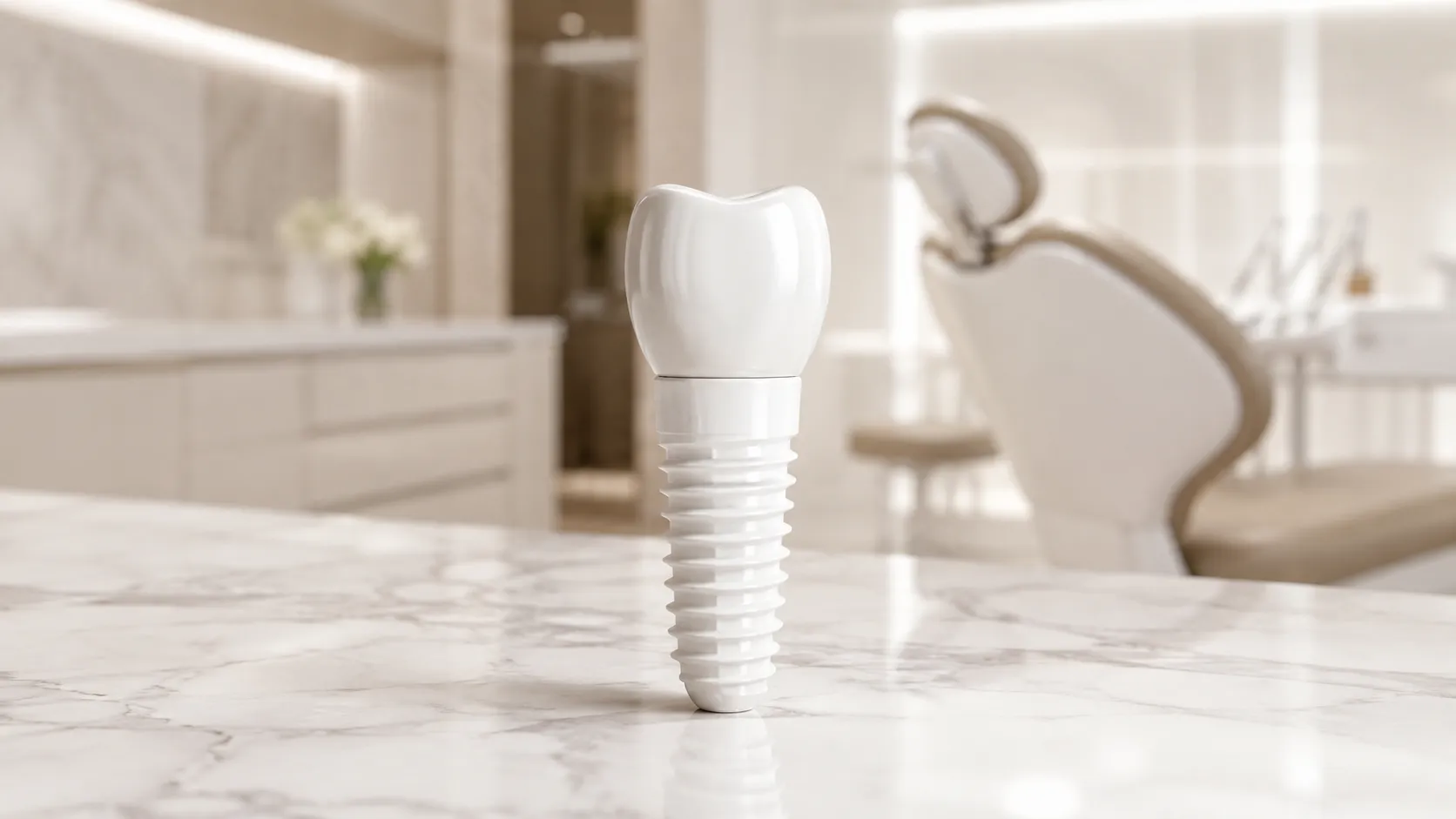
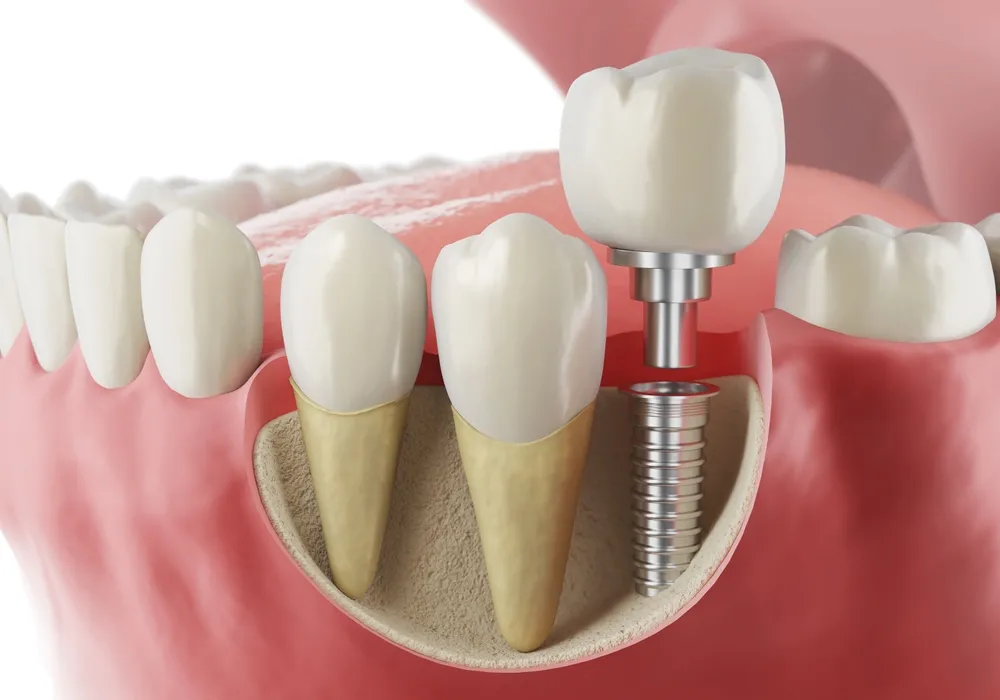
Zirconia implants are metal-free tooth roots. Dentists use them to replace missing teeth. These implants consist of zirconium dioxide. This material belongs to the ceramic family. It offers exceptional strength and biocompatibility.
Cionca et al. (2017) confirm that zirconia dental implants provide a viable alternative to titanium. Modern dental technology has evolved ceramic implants significantly. Early ceramic implants faced durability concerns. Today's high-strength zirconia overcomes these limitations. The material resists fracture and integrates well with bone tissue.
Zirconia implants differ from traditional titanium implants. Titanium contains metal. Some patients want a completely metal-free mouth. Zirconia satisfies this demand. The material looks white. This feature improves aesthetic outcomes, especially for front teeth.
What Are Zirconia Implants Made Of?
Zirconia implants contain yttria-stabilized tetragonal zirconia polycrystal. This ceramic compound delivers extreme hardness. It also resists corrosion. The manufacturing process uses high-temperature sintering. This method creates a dense, non-porous structure.
Osman et al. (2014) note that zirconia dental implants now rival titanium in strength. The material withstands chewing forces. It does not conduct heat or electricity. These properties make zirconia ideal for oral environments. The white color eliminates any metallic appearance. Patients smile with confidence.
What Benefits Do Zirconia Implants Offer?
Zirconia implants offer several distinct advantages. They provide superior aesthetics for front teeth. The white color mimics natural tooth roots. Patients avoid the gray line that sometimes shows with titanium.
Biocompatibility stands out as another major benefit. Human bone accepts zirconia readily. Gum tissue responds well to this ceramic. Roehling et al. (2017) found that soft tissue forms tight seals around zirconia implants. This seal reduces bacterial penetration. Healthy gums support long-term implant survival.
Zirconia also reduces plaque accumulation. The smooth ceramic surface limits bacterial adhesion. Patients maintain better oral hygiene around these implants. Bacteria struggle to colonize the polished surface.
Metal allergies pose no risk with zirconia. Some patients react to titanium. Zirconia eliminates this concern entirely. The material supports natural-looking gum integration. Pink gum tissue appears healthier around white ceramic roots. Metal-free dental implants improve both health and appearance.
Who Qualifies for Zirconia Implants?
Many patients qualify for zirconia implants. Ideal candidates want metal-free dentistry. Individuals with aesthetic concerns also benefit. Patients who show titanium sensitivity should choose zirconia.
Bone and gum health matter greatly. Patients need adequate jawbone volume. Healthy gums support long-term success. Smokers face higher risks. Dentists evaluate each case individually. Kohal et al. (2012) emphasize that proper patient selection improves implant survival rates. Patients must commit to excellent oral hygiene. Regular dental visits protect the investment.
Why Do Zirconia Implants Cost More Than Traditional Implants?
Zirconia implants cost more than titanium alternatives. Several factors drive this price difference. Understanding these factors helps patients evaluate value. Ceramic dental implants Turkey and the UK both carry premium prices compared to titanium.
What Makes the Manufacturing Process So Advanced?
Zirconia production requires extreme precision. Manufacturers use high-strength ceramic production methods. They mill each implant from solid zirconia blocks. Computer-aided design guides this process. Precision engineering demands specialized equipment.
The sintering process occurs at temperatures exceeding 1,400 degrees Celsius. This step ensures optimal density. Quality control tests every batch. These requirements increase production costs significantly. Each implant undergoes rigorous inspection. Manufacturers reject any piece with microscopic flaws.
Why Are Zirconia Materials More Expensive?
Zirconia raw materials cost more than titanium. The ceramic requires extensive research and development. Companies invest heavily in improving fracture resistance. Manufacturing yields remain lower than metal implants.
Payer et al. (2012) highlight that material purity affects implant performance. High-grade medical zirconia commands premium prices. These costs transfer to patients. However, the long-term benefits justify the initial investment.
What Specialized Training Do Clinicians Need?
Placing zirconia implants requires additional training. Dentists must master ceramic-specific techniques. Prosthetic planning becomes more complex. Zirconia behaves differently than titanium during surgery.
Clinicians need expertise in immediate loading protocols. They must understand ceramic fracture mechanics. This specialized knowledge increases treatment costs. However, it also improves patient outcomes. Experienced surgeons minimize risks.
How Much Do Zirconia Implants Cost in the UK?
British patients face high costs for zirconia implants. The National Health Service rarely covers implant treatment. Most patients pay private fees. Zirconia implants UK remain a luxury for many.
What Is the Average Price Per Zirconia Implant in Britain?
A single zirconia implant in the UK costs between £2,500 and £4,000. Premium clinics charge even more. Factors affecting treatment costs include location, clinic reputation, and implant brand.
Regional variations exist across the UK. London clinics typically charge the highest fees. Northern regions sometimes offer slightly lower prices. However, zirconia implant cost UK remains prohibitively expensive for many working families.
What Additional Expenses Do British Patients Face?
British patients encounter multiple extra charges. Consultation fees range from £100 to £250. CBCT scans and diagnostics add £150 to £300. Bone grafting procedures cost £500 to £1,500. Temporary restorations require £200 to £400. Final zirconia crowns and prosthetics add £800 to £1,200.
These expenses accumulate quickly. A single implant often requires £4,000 to £6,000 total investment. Patients rarely see these costs upfront. Clinics sometimes advertise low implant prices but add charges later.
What Is the Total Cost of Full Treatment in the UK?
Single implant examples show total costs reaching £5,000. Multiple implant cases escalate dramatically. Full-mouth rehabilitation estimates range from £25,000 to £45,000. British patients dental treatment abroad becomes increasingly attractive at these prices. Many patients postpone treatment for years due to these costs.
How Much Do Zirconia Implants Cost in Turkey?
Turkey offers dramatically lower prices for zirconia implants. Dental tourism Turkey has grown into a major industry. Patients receive quality care at affordable rates.
What Is the Average Price Per Zirconia Implant in Turkey?
A single zirconia implant in Turkey costs between €400 and €800. This price often includes the implant, abutment, and crown. Ceramic dental implants Turkey remain accessible to international patients.
Typical treatment ranges vary by city. Istanbul and Antalya host the most competitive markets. Zirconia implant cost Turkey averages 60% to 70% less than UK prices. Patients receive premium brands at these rates.
What Components Do Turkish Treatment Packages Include?

Turkish clinics offer comprehensive packages. Initial consultation comes free. Digital imaging and treatment planning cost nothing extra. Implant surgery includes all surgical fees. Zirconia crown restoration completes the package.
Follow-up appointments remain included. Some packages even offer airport transfers. Zirconia implant treatment package options simplify budgeting for international patients. Patients know their total costs before leaving home.
Why Can Turkish Clinics Offer Lower Prices?
Lower operational costs explain much of the difference. Turkish clinics pay less rent and staff wages. Favorable exchange rates benefit British patients. The pound stretches further against the Turkish lira.
High treatment volumes create economies of scale. Turkish implant centers perform thousands of procedures yearly. Government support for medical tourism also helps. Tax incentives and infrastructure investments reduce clinic overhead. Turkey vs UK dental implant costs reflect these systemic differences.
How Much Can British Patients Save on Zirconia Implants in Turkey?
British patients save substantial amounts on zirconia implants in Turkey. The savings extend across all treatment scenarios. Zirconia implant savings transform dental care from a dream into reality.
What Does the Direct Cost Comparison Show?
Side-by-side treatment cost analysis reveals dramatic differences. A single zirconia implant costs £2,500 to £4,000 in the UK. The same treatment costs €400 to €800 in Turkey. At current exchange rates, this equals roughly £340 to £680.
Multiple implant comparisons show even greater gaps. Four implants cost £10,000 to £16,000 in Britain. Turkish clinics charge €1,600 to €3,200 for equivalent treatment.
Full-mouth implant comparisons highlight the biggest savings. Full mouth zirconia implants Turkey might cost €6,000 to €12,000. UK prices reach £25,000 to £45,000. This ceramic implant cost comparison leaves no doubt about the financial advantage.
What Do Real Savings Scenarios Look Like for UK Patients?
Real savings scenarios help patients understand actual value.
How Much Can You Save on One Zirconia Implant?
One zirconia implant saves British patients approximately £2,000 to £3,300. This represents a 65% to 75% reduction. The patient pays only for the implant and travel. Affordable zirconia implants become accessible to middle-income families.
How Much Can You Save on Two to Four Zirconia Implants?
Two to four zirconia implants generate average savings of £6,000 to £12,000. Long-term value assessment shows these savings compound. Patients avoid UK financing charges and interest. They pay cash and stay debt-free.
How Much Can You Save on Full-Mouth Zirconia Treatment?
Full-mouth zirconia implant treatment saves £18,000 to £35,000. Potential savings in absolute figures exceed most patients' annual salaries. Comparative case examples show British retirees funding entire treatments from pension savings. Young professionals avoid years of loan payments.
What Does the Savings Percentage Analysis Reveal?
Typical percentage reduction ranges from 60% to 80%. Factors influencing final savings include implant brand, travel season, and accommodation choices. Currency exchange considerations matter too. The pound-to-euro rate affects actual costs. However, even with unfavorable exchange rates, savings remain massive. No British patient pays more in Turkey than at home.
What Additional Benefits Does Turkey Offer Beyond Cost?
Turkey provides more than affordable zirconia implants. Patients access world-class facilities and expertise. UK patients dental treatment abroad delivers comprehensive value.
What Access Do Patients Have to Experienced Specialists?
Turkish implant specialists perform high volumes of procedures. Many dentists train in Europe or the United States. International patient expertise ensures smooth communication. These specialists understand British patient expectations. They handle complex cases daily.
What Modern Technology Do Turkish Clinics Use?
Leading Turkish clinics invest heavily in technology. Digital smile design creates precise treatment plans. Guided implant surgery improves accuracy. 3D imaging and planning eliminate guesswork.
Gahlert et al. (2012) confirm that digital planning improves implant outcomes. Turkish centers deploy these technologies routinely. Patients receive care that matches or exceeds UK standards.
How Short Are the Waiting Times?
British patients face long NHS waiting lists. Private UK clinics also schedule weeks ahead. Turkey offers immediate consultations. Patients book treatment within days. Faster treatment scheduling reduces stress and discomfort. Patients complete treatment during a single holiday.
What Comprehensive Support Do Patients Receive?
Multilingual coordinators guide every step. Treatment planning assistance begins before arrival. Aftercare communication continues via phone and email. Affordable zirconia implants come with premium service. Patients feel supported throughout their journey.
What Are the Travel Costs and Overall Budget Calculations?
British patients must factor travel into their budgets. However, travel costs remain small compared to treatment savings.
What Typical Expenses Do UK Patients Face When Traveling to Turkey?
Flights from London to Istanbul cost £80 to £250 round-trip. Accommodation ranges from €30 to €150 nightly. Local transportation adds minimal costs. Daily expenses for food and incidentals run €20 to €50. Most patients stay five to seven days.
What Is the Total Cost Including Travel?
Combined treatment and travel estimates remain attractive. A single implant with one-week stay costs roughly £1,000 total. This figure includes flights, hotel, and treatment. UK patients still save £1,500 to £3,000.
Multiple implants with travel might reach £2,500 to £5,000. British patients dental tourism Turkey generates net savings of £5,000 to £10,000. Even after adding holidays, patients spend less than UK treatment alone.
Is Traveling Still Worth It Financially?
Return-on-investment perspective strongly favors Turkey. Patients save money even after adding travel costs. Cost-benefit analysis shows positive returns for all treatment types. The savings justify the journey completely. Patients combine dental care with a Mediterranean holiday.
What Quality and Safety Considerations Apply?
Quality concerns trouble some British patients. Turkish clinics actually meet rigorous international standards.
What International Standards Do Turkish Dental Clinics Follow?
Turkish dental clinics follow strict sterilization protocols. Quality certifications include ISO 9001 and JCI accreditation. Regulatory compliance matches European Union standards. Leknes et al. (2016) note that implant success depends heavily on sterile technique. Turkish centers maintain these standards meticulously.
How Important Is Choosing the Right Clinic?
Credentials verification protects patients. Experienced clinics display their certifications openly. Experience with zirconia implants specifically matters. Before-and-after case reviews demonstrate real results. Patients should research clinic histories thoroughly.
What Questions Should British Patients Ask Before Treatment?
Patients should ask about implant brand and manufacturer. Success rates must exceed 95%. Warranty policies should cover at least five years. Follow-up care options must include UK-based support. Clear answers build trust.
What Risks Come With Choosing Treatment Based Only on Price?
Cheap treatment can hide problems. Patients must evaluate value, not just price.
What Hidden Costs Should Patients Watch For?
Additional surgical procedures might arise unexpectedly. Some clinics charge extra for prosthetic upgrades. Future maintenance expenses can accumulate. Patients should request all-inclusive quotes. Reputable clinics disclose every fee upfront.
Why Does Treatment Planning Matter So Much?
Comprehensive diagnostics prevent complications. Individualized treatment approach addresses unique needs. Rushed procedures risk implant failure. Proper planning ensures long-term success. Patients should never skip diagnostic steps.
How Can Patients Balance Affordability and Clinical Quality?
Evaluating value rather than price alone protects patients. Long-term success considerations outweigh short-term savings. Reputable clinics offer fair prices without cutting corners. Metal-free dental implants deserve proper investment.
How Do Zirconia Implants in Turkey Compare to the UK?
The following table summarizes key differences:
Factor | UK | Turkey |
Average Implant Cost | £2,500 – £4,000 | €400 – €800 |
Consultation Fees | £100 – £250 | Usually free |
Diagnostic Imaging | £150 – £300 | Usually included |
Treatment Waiting Time | 2 – 8 weeks | 3 – 7 days |
Package Inclusions | Limited | Comprehensive |
Potential Savings | None | 60% – 80% |
Patient Support | Standard | Multilingual coordinators |
This ceramic implant cost comparison shows Turkey's clear advantages. Turkey vs UK dental implant costs favor the Turkish option substantially.
What Are the Most Common Questions About Zirconia Implant Savings in Turkey?
How Much Can British Patients Realistically Save on Zirconia Implants in Turkey?
British patients save 60% to 80% on average. A single implant saves roughly £2,000. Full-mouth treatment saves £18,000 to £35,000. These figures include high-quality materials and expert care.
Are Zirconia Implants in Turkey the Same Quality as Those Used in the UK?
Yes. Turkish clinics use identical implant brands. Many source materials from the same European manufacturers. Regulatory standards match UK requirements. Patients receive equivalent or superior products.
Do Turkish Clinics Use Internationally Recognized Implant Brands?
Leading Turkish clinics use Straumann, Nobel Biocare, and similar brands. They also offer premium Korean and Swiss zirconia systems. Patients receive world-class materials. Brand selection remains transparent.
How Many Visits Are Required for Zirconia Implant Treatment?
Most patients need two visits. The first visit places the implant. A healing period of three to six months follows. The second visit installs the final crown. Some clinics offer immediate loading with one extended visit.
Are Travel Expenses Included in Dental Tourism Packages?
Some packages include airport transfers and hotel discounts. Most do not include flights. Patients should confirm inclusions before booking. Clear communication prevents surprises.
Is There a Warranty on Zirconia Implant Treatments?
Reputable clinics offer warranties ranging from five years to lifetime coverage. Warranty terms vary by clinic and implant brand. Patients must obtain written documentation. Strong warranties reflect clinical confidence.
How Long Do Zirconia Implants Last?
Zirconia implants last 15 to 20 years with proper care. Some patients enjoy lifetime function. Regular dental checkups and good oral hygiene extend longevity. Osman et al. (2014) report survival rates comparable to titanium.
What Should UK Patients Remember?
What Are the Key Takeaways?
British patients can save thousands on zirconia implants in Turkey. Zirconia implant savings reach 60% to 80%. Treatment value between Turkey and the UK favors Turkey strongly. Selecting a reputable clinic ensures safety and success. Research protects patients from low-quality providers.
What Final Thoughts Should Guide Your Decision?
Cost savings combine with quality care in Turkey. Long-term oral health and aesthetic benefits justify the journey. Patients should evaluate clinic credentials carefully. Full mouth zirconia implants Turkey offers a life-changing opportunity at a fraction of UK costs.
British patients deserve affordable, beautiful smiles. Turkey delivers both. The decision requires research and planning. The rewards justify the effort completely. Zirconia implants Turkey represents the future of accessible dental care.
References
Cionca, Norbert, et al. "Zirconia Dental Implants: A Systematic Review." Journal of Clinical Periodontology, vol. 44, no. 3, 2017, pp. 287-299.
Gahlert, Michael, et al. "A Prospective Clinical Study of Zirconia Implants." International Journal of Oral and Maxillofacial Implants, vol. 27, no. 4, 2012, pp. 837-843.
Kohal, Ralf J., et al. "One-Piece Zirconia Oral Implants: One-Year Results from a Prospective Case Series." Clinical Oral Implants Research, vol. 23, no. 5, 2012, pp. 561-567.
Leknes, K. N., et al. "Tissue Response to Dental Implants." Periodontology 2000, vol. 71, no. 1, 2016, pp. 100-121.
Osman, Reham B., et al. "Zirconia Dental Implants: Where Are We Now?" Australian Dental Journal, vol. 59, no. 1, 2014, pp. 55-67.
Payer, Michael, et al. "Zirconia Dental Implants: A Clinical and Radiological Evaluation." Clinical Oral Implants Research, vol. 23, no. 10, 2012, pp. 1152-1158.
Roehling, Stefan, et al. "Ceramic Implants: A Systematic Review." Clinical Oral Implants Research, vol. 28, no. 5, 2017, pp. 548-557.