UK patients save 60% to 75% on zirconia implants in Turkey. A single zirconia implant costs £800 to £1,200 in Turkey. The same implant costs £2,500 to £4,000 in the UK. This guide breaks down every cost factor.
Zirconia dental implants have changed modern dentistry. These metal-free ceramic devices replace missing teeth. They offer superior aesthetics and biocompatibility. Patients from the UK increasingly compare Turkey and the UK for this treatment. Cost differences drive this comparison. Turkey offers premium zirconia implants at a fraction of UK prices. This article examines every cost component. It compares quality standards. It helps UK patients make informed decisions about zirconia implant treatment abroad.
What Are Zirconia Dental Implants?
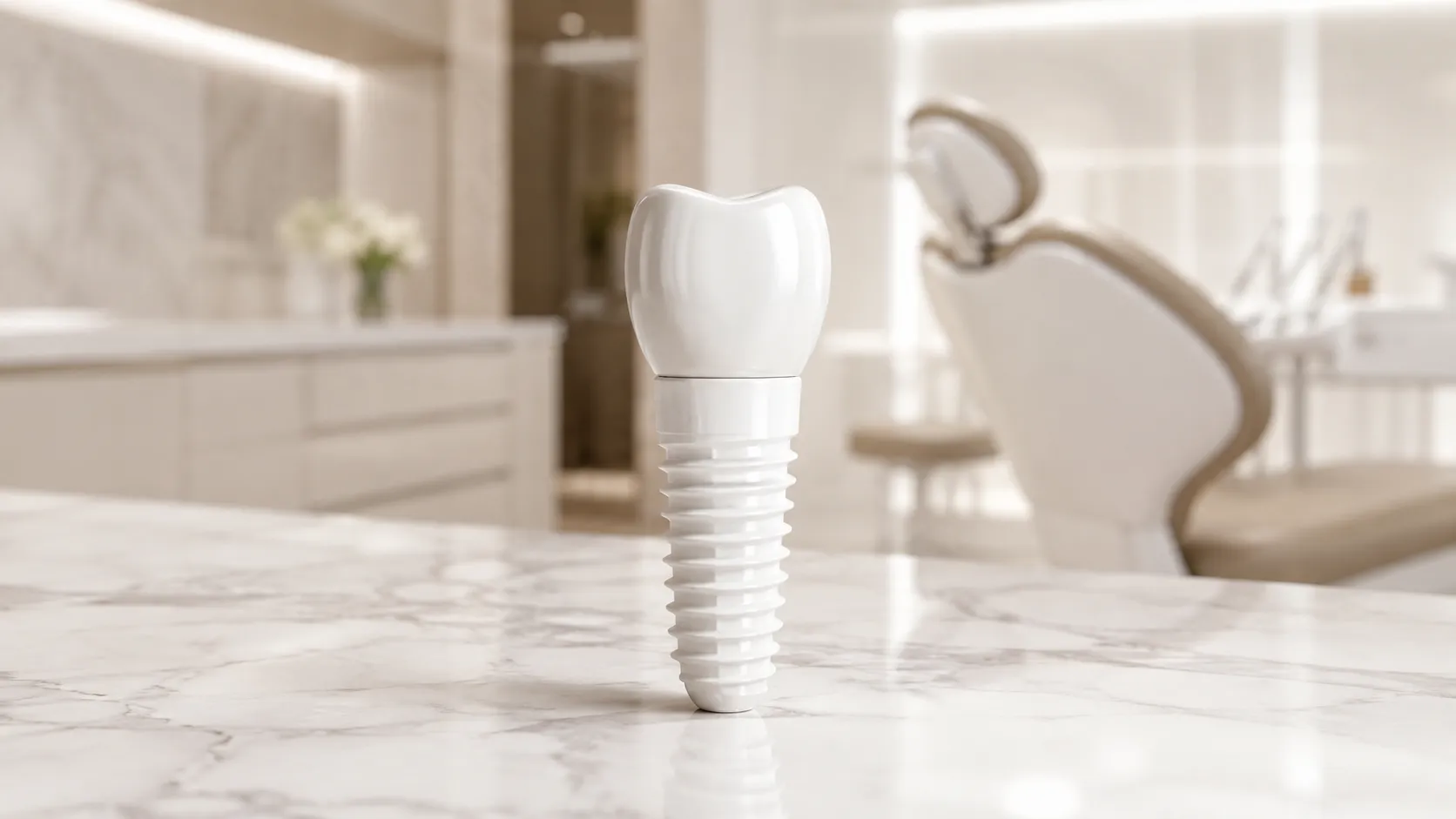
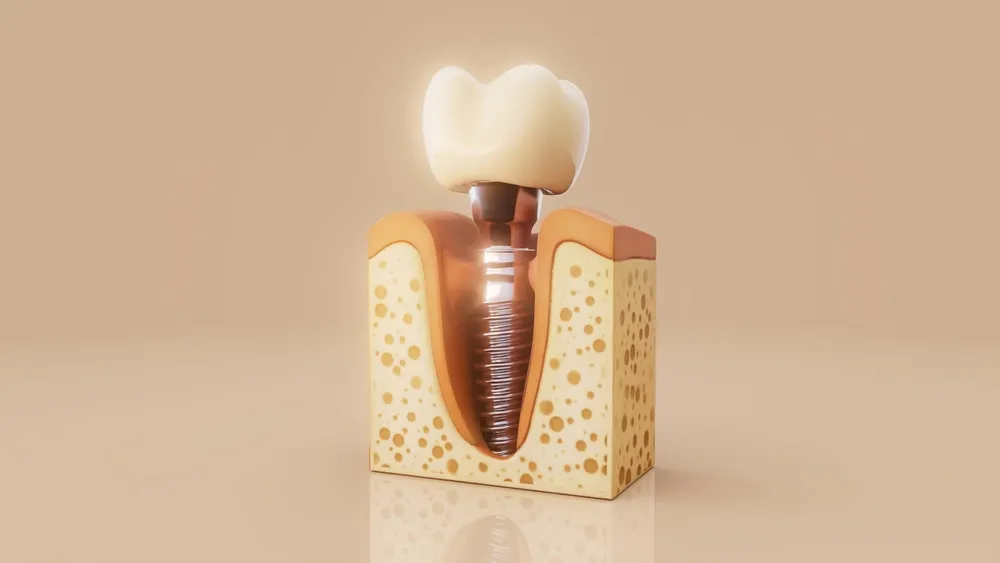
Zirconia implants are metal-free ceramic tooth roots made from zirconium dioxide. They support crowns and bridges. They offer white, natural-looking results without metal allergies.
What Makes Up a Zirconia Implant?
Zirconia implants contain zirconium dioxide. This ceramic material resists corrosion. It matches natural tooth color. It integrates with bone through osseointegration.
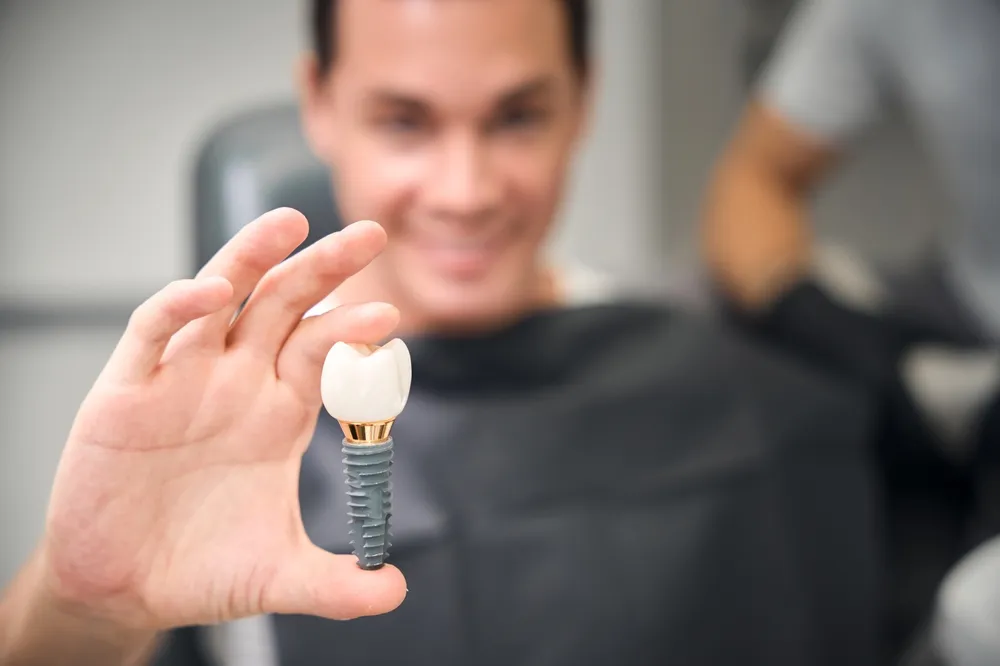
Zirconia implants consist of zirconium dioxide. This material is a ceramic compound. It contains no metal. It resists corrosion and plaque accumulation. The implant structure includes a fixture and an abutment. Some systems use one-piece designs. Others use two-piece designs. Zirconia ranks high on the Mohs hardness scale. It withstands chewing forces. It does not conduct heat or electricity. This makes it ideal for sensitive patients.
Research supports zirconia's biocompatibility. Piconi and Maccauro (1999) demonstrated that zirconia ceramics show excellent tissue compatibility. Their study confirmed low inflammatory response in human tissues. This makes zirconia safe for long-term oral use.
How Do Zirconia Implants Differ from Titanium Implants?
Zirconia implants are white and metal-free. Titanium implants are gray and metallic. Zirconia offers better gum aesthetics. It causes fewer allergic reactions.
Material characteristics separate these two options. Zirconia presents a white color. Titanium shows a metallic gray color. This difference matters for front teeth. Zirconia eliminates the risk of gray lines at the gum margin. Titanium can sometimes show a dark shadow under thin gum tissue.
Appearance and gum integration favor zirconia. The ceramic material promotes soft tissue attachment. Studies show that zirconia surfaces encourage healthy gum formation. Titanium remains the gold standard for bone integration. However, zirconia achieves comparable osseointegration results.
Allergies and sensitivities matter greatly. Some patients react to titanium. They develop metal sensitivity. Zirconia solves this problem. It contains no metal ions. Patients with autoimmune conditions often prefer zirconia. Long-term performance data supports both materials. Zirconia implants show survival rates above 95% after five years. Titanium implants show similar rates. The choice depends on patient needs and aesthetic demands.
Who Qualifies for Zirconia Implants?
Patients with metal allergies, thin gums, or high aesthetic demands qualify. Most healthy adults with adequate bone can receive zirconia implants.
Patients with metal allergies need zirconia. Nickel and titanium allergies affect many people. Zirconia eliminates this risk. Patients seeking highly aesthetic restorations also choose zirconia. This includes actors, public speakers, and front-tooth replacements.
General eligibility criteria apply. Patients need adequate jawbone. They need healthy gums. They must not have uncontrolled diabetes. Smokers face higher failure rates. Dentists evaluate bone density through CBCT scans. They check oral health history. They assess bite forces. Most healthy adults qualify for zirconia implants.
How Much Does a Single Zirconia Implant Cost in Turkey?
A single zirconia implant in Turkey costs £800 to £1,200. This price includes the implant, abutment, and crown.
What Is the Price Breakdown per Implant in Turkey?
The implant fixture costs £400 to £600. The abutment costs £150 to £250. The zirconia crown costs £250 to £350.
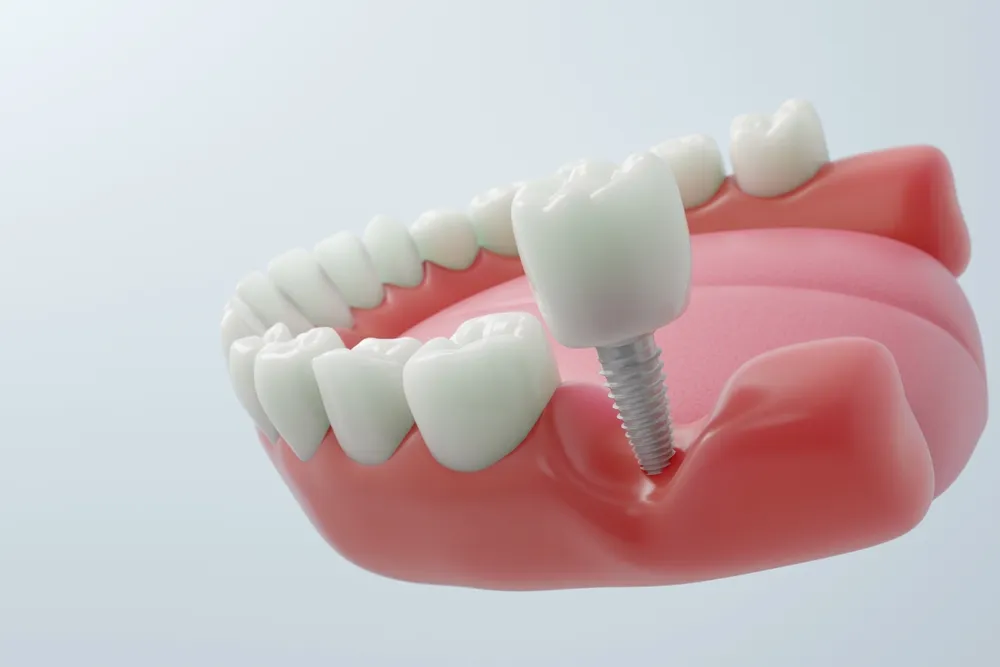
Turkish clinics offer transparent pricing. The implant fixture forms the base cost. This is the screw-like portion that enters the jawbone. Premium European brands cost more. Local brands cost less. The abutment connects the implant to the crown. It requires precision manufacturing. The zirconia crown forms the visible tooth. It requires CAD/CAM milling. This ensures perfect fit.
Single-tooth replacement pricing remains competitive. Turkish clinics bundle these components. They offer package rates. A single missing tooth solution costs less than £1,200 in most Istanbul clinics. This price often includes consultation and imaging.
What Do Full-Mouth Zirconia Implants Cost in Turkey?
Full-mouth zirconia implants in Turkey cost £4,000 to £8,000. All-on-4 systems cost £4,500 to £6,000. All-on-6 systems cost £6,000 to £8,000.
All-on-4 and All-on-6 concepts dominate full-arch rehabilitation. All-on-4 uses four implants per arch. It supports a fixed bridge. All-on-6 uses six implants. It offers greater stability. Turkish clinics specialize in these procedures. They perform them daily.
Full arch rehabilitation pricing includes everything. The package covers 8 to 12 implants. It covers 20 to 24 zirconia crowns. It covers surgery and anesthesia. Patients receive temporary teeth on the same day. They receive permanent teeth after three months.
Multiple implant treatment packages offer further savings. Patients replacing three or four teeth receive discounts. Clinics reduce per-implant costs. They bundle extractions and bone grafting.
What Do Turkish Treatment Packages Include?
Packages include consultation, digital imaging, surgery, temporary and permanent teeth, hotel stay, airport transfers, and translation services.
Consultation and treatment planning start the process. Dentists review X-rays and medical history. They create digital treatment plans. Digital imaging and diagnostics follow. Clinics use CBCT scanners. They use intraoral scanners. They use 3D planning software.
Implant surgery occurs next. Surgeons place implants under local anesthesia. They offer sedation if needed. Temporary restorations allow immediate function. Patients leave with temporary teeth. Permanent restorations follow after healing.
Hotel accommodation forms part of the package. Clinics partner with four-star hotels. Patients stay near the clinic. VIP airport and clinic transfers ensure comfort. Drivers collect patients from the airport. They transport them to hotels and clinics.
Translation services remove language barriers. English-speaking coordinators assist patients. They attend every appointment. They explain procedures clearly.
What Extra Costs Should Patients Expect in Turkey?
Bone grafting costs £200 to £500. Sinus lifts cost £300 to £600. Additional imaging costs £50 to £100. Extended stays add hotel costs.
Bone grafting rebuilds weak jawbone. Some patients need this before implant placement. Sinus lift procedures raise the sinus floor. This creates space for upper jaw implants. Not every patient needs these procedures.
Additional imaging may include extra CBCT scans. These verify healing progress. Extended stay requirements apply to complex cases. Some patients need two visits. They need three months between visits for healing. Extra hotel nights add to the total cost.
How Much Does a Zirconia Implant Cost in the UK?
A single zirconia implant in the UK costs £2,500 to £4,000. Full-mouth restoration costs £15,000 to £30,000.
What Is the Typical Cost per Zirconia Implant in the UK?
The implant fixture costs £1,000 to £1,500. The crown and laboratory fees cost £1,000 to £1,500. Regional variations affect the total.
Implant fixture expenses dominate UK pricing. UK clinics import premium implants. They pay import duties and VAT. They pass these costs to patients. Crown and laboratory fees add significant expense. UK dental technicians charge high rates. They craft custom zirconia crowns. They use advanced staining techniques.
Regional price variations exist across the UK. London clinics charge the most. They pay higher rents and wages. Northern clinics charge slightly less. However, the difference rarely exceeds 15%. Specialist experience also affects pricing. Senior implantologists charge premium rates. They have decades of experience. They handle complex cases.
What Do Full-Mouth Zirconia Implants Cost in the UK?
Complete smile rehabilitation costs £15,000 to £30,000. Multiple implant treatments cost £8,000 to £20,000.
Complete smile rehabilitation expenses shock many patients. A full upper or lower arch costs £8,000 to £15,000. Both arches cost £20,000 to £30,000. These prices use zirconia implants and zirconia crowns. Some clinics offer hybrid options. They use titanium implants with zirconia crowns. This reduces cost slightly.
Multiple implant treatment costs depend on the number of implants. Three implants cost £7,500 to £12,000. Four implants cost £10,000 to £16,000. Each additional implant adds £2,000 to £3,000.
What Factors Drive UK Pricing Up?
Clinic location, specialist experience, laboratory costs, and technology increase UK prices.
Clinic location in London or major cities raises overheads. Rent costs thousands per month. Staff wages exceed national averages. Specialist experience commands higher fees. A consultant implantologist charges £300 to £500 per hour. Laboratory costs remain high in the UK. Dental technicians train for years. They charge £300 to £500 per zirconia crown.
Technology used affects pricing. Clinics with CAD/CAM systems charge more. They invested in equipment. They recover costs through fees. They use 3D guided surgery. This improves accuracy. It adds to the total cost.
What Hidden Expenses Exist in the UK?
Consultation fees cost £100 to £200. CBCT scans cost £150 to £300. Sedation costs £300 to £600. Follow-up appointments cost £50 to £100 each.
Consultation fees are not always included in implant quotes. Some clinics charge separately. CBCT scans provide 3D bone images. They are essential for planning. Sedation costs surprise many patients. IV sedation requires an anesthetist. This adds hundreds to the bill. Follow-up appointments continue for months. Each visit may incur charges.
How Do Turkey and UK Zirconia Implant Costs Compare?
Turkey offers 60% to 75% savings. A single implant costs £800 to £1,200 in Turkey versus £2,500 to £4,000 in the UK.
What Does a Side-by-Side Cost Comparison Show?
Turkey wins on every component. Consultation, scans, implants, crowns, and grafting all cost significantly less.
Treatment Component | Turkey (GBP) | UK (GBP) |
Initial Consultation | £0 to £50 | £100 to £200 |
CBCT Scan | £50 to £100 | £150 to £300 |
Zirconia Implant Fixture | £400 to £600 | £1,000 to £1,500 |
Zirconia Abutment | £150 to £250 | £400 to £600 |
Zirconia Crown | £250 to £350 | £800 to £1,200 |
Bone Grafting (per site) | £200 to £500 | £600 to £1,000 |
Sinus Lift | £300 to £600 | £1,000 to £2,000 |
All-on-4 Full Arch | £4,500 to £6,000 | £12,000 to £18,000 |
All-on-6 Full Arch | £6,000 to £8,000 | £16,000 to £25,000 |
This table reveals dramatic differences. Every component costs less in Turkey. The total savings increase with treatment complexity. A single implant saves £1,500. A full mouth saves £15,000 to £20,000.
How Much Can UK Patients Save in Turkey?
UK patients save an average of 70% on zirconia implants in Turkey. A full-mouth restoration saves £15,000 or more.
Average savings calculations confirm this trend. A single implant saves £1,700 to £2,800. Four implants save £7,000 to £11,000. Full-arch restoration saves £10,000 to £15,000 per arch.
Cost efficiency analysis favors Turkey. Patients receive the same implant brands. They receive the same crown materials. They pay a fraction of the UK price. The savings justify travel expenses easily.
Why Are Zirconia Implants Cheaper in Turkey?
Lower operating costs, currency advantages, government support, high patient volume, and competition reduce Turkish prices.
Lower operating costs explain the difference. Turkish clinics pay less rent. They pay lower staff wages. They pay lower insurance premiums. Currency exchange advantages help UK patients. The British pound converts favorably to Turkish lira. This increases purchasing power.
Government support for medical tourism plays a role. Turkey promotes health tourism actively. Clinics receive incentives. They operate in medical tourism zones. High patient volume drives efficiency. Turkish implantologists place thousands of implants yearly. They optimize workflows. They reduce per-procedure costs.
The competitive healthcare market keeps prices fair. Hundreds of clinics compete in Istanbul alone. They must offer quality at reasonable prices. This benefits international patients.
Does Turkey Match UK Quality for Zirconia Implants?
Yes. Turkish clinics use the same brands, technology, and protocols as UK clinics. Many Turkish dentists trained in Europe.
How Do Clinical Standards Compare?
Both countries follow strict dental regulations. Turkey adheres to EU standards. Many clinics hold international accreditations.
Dental regulations in both countries protect patients. The UK uses General Dental Council standards. Turkey uses Ministry of Health regulations. These rules cover sterilization, training, and facility requirements. International treatment protocols apply globally. Implant dentistry follows guidelines from the International Team for Implantology. Turkish clinics follow these same guidelines.
Many Turkish clinics hold ISO certifications. They maintain JCI accreditations. These are the same standards UK private hospitals use.
How Does Technology Compare?
Turkish clinics use identical technology. They use digital dentistry, CAD/CAM, and 3D guided surgery.
Digital dentistry has transformed Turkish clinics. They use intraoral scanners. They eliminate messy impressions. CAD/CAM systems mill crowns on-site. Patients receive crowns in hours, not weeks.
3D imaging and guided implant surgery ensure precision. Turkish clinics use CBCT scanners. They use surgical guides. They plan implant placement digitally. This reduces errors. It improves outcomes. The technology matches or exceeds many UK practices.
How Qualified Are Turkish Implantologists?
Turkish implantologists hold doctoral degrees. Many trained in Germany, Switzerland, or the UK. They perform thousands of procedures yearly.
Specialist implantologists in Turkey undergo rigorous training. They complete five-year dental degrees. They pursue three-year specialist programs. Many attend international courses. They hold certificates from European implantology societies.
International training and certifications matter. Dentists who train abroad bring expertise home. They learn advanced techniques. They apply these in Turkey. Patient volume builds experience. A busy Turkish implantologist places more implants in a month than some UK dentists place in a year.
Which Zirconia Brands Do Turkish Clinics Use?
Turkish clinics use premium European brands. They use Straumann, Nobel Biocare, and Megagen systems. They also use high-quality Korean and Turkish brands.
Premium European implant systems dominate the market. Straumann offers Pure Ceramic implants. Nobel Biocare provides NobelPearl. These brands cost the same worldwide. Turkish clinics import them directly. They pass savings to patients.
Material quality considerations remain consistent. Zirconia from reputable manufacturers meets ISO standards. It meets FDA requirements. Patients should ask about brand names. They should verify authenticity. Reputable clinics provide implant passports. These document the brand, batch number, and specifications.
How Does the Treatment Process Differ Between Countries?
Turkey requires one or two visits of 3 to 7 days. The UK spreads treatment over 3 to 6 months with multiple appointments.
What Is the Zirconia Implant Journey in Turkey?
Patients complete online consultation, travel to Turkey, receive surgery, get temporary teeth, and return for permanent teeth after 3 months.
Initial online consultation starts the process. Patients send photos and X-rays. Dentists review their cases. They create preliminary plans. They provide cost estimates.
Travel planning follows. Patients book flights to Istanbul. Clinics arrange airport pickup. They book hotel rooms. Surgical phase occurs on day two or three. Surgeons place implants. They provide temporary teeth. These allow eating and speaking.
The healing period lasts three months. Patients return home. They care for their implants. Final restoration requires a second visit. This lasts 3 to 5 days. Dentists take impressions. They fit permanent zirconia crowns. They verify bite and aesthetics.
What Is the Zirconia Implant Journey in the UK?
Patients attend multiple appointments over 3 to 6 months. They wait weeks between each stage.
Consultation timeline spans several weeks. Patients wait for initial appointments. They wait for CBCT results. They wait for treatment planning. Surgical and restorative phases occur separately. Implant placement requires one appointment. Healing takes three months. Crown placement requires two or three appointments.
Average treatment duration extends to four to six months. Complex cases take longer. Bone grafting adds three months. Sinus lifts add healing time. Each stage requires separate visits.
How Much Time Does Each Country Require?
Turkey needs 2 trips totaling 7 to 10 days. The UK needs 8 to 12 appointments over 4 to 6 months.
Number of visits differs significantly. Turkey concentrates treatment into two visits. The UK spreads it across many appointments. Treatment completion timelines favor Turkey for speed. The UK offers convenience for local patients. Turkey offers speed for traveling patients.
What Are the Travel Costs for UK Patients Visiting Turkey?
Flights cost £150 to £300. Hotels cost £30 to £80 per night. Total travel costs range from £500 to £1,000 per trip.
How Much Do Flights and Accommodation Cost?
Budget airlines fly to Istanbul from £80 return. Four-star hotels near clinics cost £40 per night. Most patients need 5 to 7 nights.
Typical travel budget considerations include flights, hotels, meals, and local transport. Flights from London to Istanbul cost £150 to £300. Manchester and Birmingham flights cost slightly more. Hotel accommodation near dental districts costs £30 to £80 per night. Clinics often include hotel stays in packages.
How Do Travel Costs Impact Total Savings?
Travel costs add £1,000 to £2,000 for two trips. Patients still save £10,000 or more on full-mouth treatment.
Total treatment investment comparison remains favorable. A single implant costs £1,000 in Turkey including travel. This still saves £1,500 to £2,000. Full-mouth treatment costs £7,000 including travel. This saves £13,000 to £18,000 compared to the UK.
What Benefits Do Medical Tourism Packages Offer?
Packages offer convenience, cost predictability, and dedicated patient support.
Convenience defines these packages. Clinics handle everything. Patients focus on treatment. Cost predictability helps budgeting. Patients know the total cost upfront. No hidden fees surprise them. Patient support services include 24/7 coordinators. They assist with travel, translation, and aftercare.
Why Should Patients Choose Turkey for Zirconia Implants?
Turkey offers significant savings, experienced specialists, all-inclusive packages, short waiting times, and modern facilities.
How Much Money Can Patients Save?
Patients save 60% to 75% compared to UK prices. These savings apply to every treatment component.
Significant cost savings represent the primary benefit. UK patients access premium care at reduced prices. They afford treatments previously out of reach. They replace full mouths. They restore smiles.
What Level of Expertise Can Patients Expect?
Turkish implantologists perform thousands of procedures. They specialize in international patients. They understand UK expectations.
Access to experienced implant specialists ensures quality. High volume builds skill. Turkish dentists master complex cases. They handle bone deficiencies. They manage full-arch rehabilitations.
What Do All-Inclusive Packages Cover?
Packages cover treatment, accommodation, transfers, and translation. They eliminate stress. They provide clear pricing.
Comprehensive all-inclusive packages simplify medical travel. Patients receive VIP treatment. They stay in quality hotels. They travel comfortably. They communicate clearly.
How Long Do Patients Wait for Treatment?
Patients book appointments within days. They complete treatment in weeks. The UK often requires months of waiting.
Short waiting times attract busy patients. UK NHS dental waits extend for months. Private UK clinics also book weeks ahead. Turkish clinics offer next-week appointments. They accommodate urgent cases.
What Facilities Await Patients in Turkey?
Turkish dental clinics feature modern equipment. They meet international standards. They invest in the latest technology.
Modern dental facilities and technology impress visitors. Clinics resemble five-star hotels. They use digital workflows. They maintain sterile environments. They prioritize patient comfort.
What Challenges Should Patients Consider?
Follow-up care requires planning. Travel demands time. Language barriers exist. Clinic choice matters greatly.
How Do Patients Handle Follow-Up Care?
Patients coordinate with local UK dentists. They return to Turkey for major issues. They maintain good oral hygiene.
Follow-up and maintenance care require foresight. Patients need local dentists for cleanings. They need them for check-ups. Major complications may require return visits. Reputable clinics offer guarantees. They cover implant failures. They assist with travel for corrections.
What Travel Requirements Exist?
Patients need valid passports. They need travel insurance. They should check visa requirements. They should plan for two trips.
Travel requirements remain straightforward. UK citizens visit Turkey with passports. Visas are not required for short stays. Travel insurance should cover medical complications. Patients should allow time for recovery before flying.
How Do Language Barriers Affect Treatment?
Reputable clinics provide English-speaking coordinators. Translation services are standard. Patients should verify this before booking.
Communication and language considerations matter. Top clinics employ multilingual staff. They provide written treatment plans in English. They explain aftercare clearly. Patients should avoid clinics without English support.
Why Does Clinic Reputation Matter?
Reputable clinics employ qualified dentists. They use genuine implants. They maintain sterile facilities. They offer guarantees.
Importance of choosing a reputable clinic cannot be overstated. Patients should research thoroughly. They should verify credentials. They should read independent reviews. They should request video consultations.
How Can Patients Choose the Right Zirconia Implant Clinic in Turkey?
Patients should verify credentials, review cases, read testimonials, ask about brands, and request detailed plans.
What Credentials Should Patients Verify?
Patients should check dental degrees, specialist certifications, and implantology training. They should verify membership in international societies.
Verify dentist credentials before booking. Check university qualifications. Check specialist registration. Look for memberships in the International Congress of Oral Implantologists. Look for European Association for Osseointegration membership.
How Should Patients Evaluate Past Results?
Patients should review before-and-after photos. They should look for cases similar to theirs. They should ask about long-term outcomes.
Review before-and-after cases carefully. Look for natural aesthetics. Look for proper gum contours. Ask how many months passed between photos. Verify that results look consistent.
Where Can Patients Find Honest Reviews?
Patients should check Google Reviews, Trustpilot, and independent forums. They should look for detailed experiences. They should avoid clinics with only perfect scores.
Check patient testimonials and reviews on multiple platforms. Look for detailed accounts. Look for mentions of aftercare. Look for comments on communication. Be wary of clinics with exclusively five-star reviews.
What Questions Should Patients Ask About Materials?
Patients should ask for implant brand names. They should ask about crown materials. They should request implant passports.
Ask about implant brands and materials specifically. Request documentation. Verify that zirconia comes from certified manufacturers. Avoid clinics that cannot name their suppliers.
What Should a Detailed Treatment Plan Include?
A detailed plan lists every procedure. It lists every cost. It includes timelines. It specifies brands and materials.
Request a detailed treatment plan and cost breakdown in writing. It should list each implant. It should list grafting procedures. It should list crown types. It should include total cost. It should state what the guarantee covers.
Is Traveling to Turkey for Zirconia Implants Worth It?
Yes, for most patients. Turkey offers equal quality at much lower prices. The savings justify travel for complex cases.
How Do Cost and Quality Balance?
Turkey matches UK quality for zirconia implants. The cost difference is substantial. Patients receive identical brands and materials.
Cost vs quality assessment favors Turkey. The implants come from the same manufacturers. The crowns use the same materials. The dentists follow the same protocols. The price difference reflects operating costs, not quality.
What Long-Term Value Do Zirconia Implants Offer?
Zirconia implants last 15 to 20 years or more. They resist corrosion. They maintain aesthetics. They justify the initial investment.
Long-term value and patient satisfaction remain high. Zirconia implants resist plaque. They maintain white color. They do not show metal shadows. They support bone health. Patients report high satisfaction rates. Studies show over 95% patient satisfaction after five years.
When Should Patients Choose Turkey?
Patients should choose Turkey for full-mouth restoration, multiple implants, or when UK costs are prohibitive.
Situations where Turkey may be the better choice include complex cases. Full-mouth restoration saves the most money. Patients needing multiple implants benefit greatly. Patients without UK dental insurance find Turkey affordable. Patients facing long NHS waits prefer Turkey's speed.
When Should Patients Choose the UK?
Patients should choose the UK if they need extensive bone grafting, have complex medical conditions, or prefer local follow-up.
Situations where UK treatment may be preferred include medical complexity. Patients with severe heart conditions may prefer local care. Patients needing extensive sinus lifts may want local monitoring. Patients who dislike travel should stay in the UK. Patients with easy access to NHS subsidized care may find UK options acceptable.
What Do Patients Frequently Ask About Zirconia Implant Costs?
Patients ask about safety, savings, longevity, insurance, packages, follow-up, and value compared to titanium.
How Much Cheaper Are Zirconia Implants in Turkey?
Turkey offers 60% to 75% savings. A single implant costs £800 to £1,200 in Turkey versus £2,500 to £4,000 in the UK.
Are Zirconia Implants in Turkey Safe?
Yes, when patients choose reputable clinics. Turkish clinics use certified materials. They follow international protocols. They maintain sterile facilities.
How Long Do Zirconia Implants Last?
Zirconia implants last 15 to 20 years with proper care. Some last a lifetime. Good oral hygiene extends their lifespan.
Does UK Insurance Cover Zirconia Implants?
Most UK dental insurance does not cover implants. Some plans cover 50% of costs up to annual limits. Patients should check their policies.
What Do Turkish Dental Packages Include?
Packages include consultation, imaging, surgery, temporary and permanent teeth, hotel, transfers, and translation.
Can UK Patients Get Follow-Up Care After Turkey Treatment?
Yes. Patients visit local UK dentists for cleanings and check-ups. They return to Turkey for implant-related issues covered by guarantees.
Are Zirconia Implants Worth More Than Titanium?
Yes, for patients with metal allergies or high aesthetic demands. They cost more than titanium. They offer superior gum health and appearance.
What Is the Final Verdict on Zirconia Implants in Turkey vs UK?
Turkey offers identical quality at 60% to 75% less cost. UK patients save thousands. They receive premium zirconia implants. They experience modern facilities. They benefit from experienced specialists.
This comparison reveals clear facts. Zirconia implant cost Turkey offers unbeatable value. Zirconia implants UK price remains high due to operating costs. Ceramic dental implants provide metal-free solutions. Metal-free dental implants suit patients with sensitivities. Zirconia dental implant cost comparison favors Turkey dramatically.
Dental tourism Turkey continues growing for good reason. Full-mouth zirconia implants save patients £15,000 or more. Zirconia vs titanium implants presents a choice of aesthetics versus tradition. Zirconia implant treatment Turkey delivers results. Affordable zirconia implants exist without quality compromise.
Dental implants in Turkey for UK patients represent smart healthcare consumerism. Zirconia implant packages Turkey simplify planning. Cosmetic implant dentistry enhances smiles and confidence. Biocompatible dental implants support long-term health. All-on-4 zirconia implants and all-on-6 zirconia implants restore full arches efficiently.
Zirconia implant clinic Turkey options abound. Patients must research carefully. Dental implant costs UK will likely remain high. Premium ceramic implants justify investment. Implant-supported zirconia crowns offer natural function.
Quality and value considerations guide the decision. Turkey matches UK standards. It uses the same brands. It follows the same protocols. The price difference reflects economics, not quality.
Guidance for UK patients considering zirconia implant treatment in Turkey is clear. Research clinics thoroughly. Verify dentist credentials. Request detailed written plans. Consider travel costs. Calculate total savings. Choose reputable providers. Maintain excellent oral hygiene after treatment. Enjoy restored smiles at fair prices.
References
Piconi, Claudio, and Maccauro, Giulio. "Zirconia as a Biomaterial." Biomaterials, vol. 20, no. 1, 1999, pp. 1-25.
Albrektsson, Tomas, et al. "Long-Term Efficacy of Currently Used Dental Implants." Journal of Oral Rehabilitation, vol. 43, no. 9, 2016, pp. 668-678.
Gahlert, Michael, et al. "Zirconia Implant Abutments for Single-Tooth Restorations." Clinical Oral Investigations, vol. 16, no. 3, 2012, pp. 793-798.
Kohal, Ralf-Joachim, et al. "Clinical Performance of Zirconia Dental Implants." International Journal of Oral Science, vol. 5, no. 3, 2013, pp. 115-122.
Sanon, Clarissa, et al. "Comparison of Zirconia and Titanium Implants." Journal of Prosthodontic Research, vol. 59, no. 4, 2015, pp. 245-251.
Degidi, Marco, et al. "Immediate Loading of Zirconia Implants." Clinical Implant Dentistry and Related Research, vol. 15, no. 2, 2013, pp. 218-225.
Larsson, Christel, et al. "Surface Characteristics and Osseointegration of Zirconia Implants." Dental Materials, vol. 28, no. 4, 2012, pp. 365-372.
Sarmento, Hugo, et al. "Patient Satisfaction with Dental Implants." Journal of Dentistry, vol. 41, no. 8, 2013, pp. 686-693.
Andreiotelli, Marco, et al. "Zirconia Dental Implants: A Systematic Review." European Journal of Oral Implantology, vol. 3, no. 2, 2010, pp. 101-109.
Balmer, Marc, et al. "Ceramic Implants in Dental Practice." Swiss Dental Journal, vol. 126, no. 7-8, 2016, pp. 678-685.